The Problem
Most houses in Inglewood went up between 1943 and 2012, and the median build year across the area lands at 1961. That matters more than people expect when they're shopping for a new door. A door built to today's standard sectional widths and heights doesn't always drop into an opening framed sixty-plus years ago. Tracks, headroom, and the rough opening itself were all sized to whatever doors were common at the time, and a lot of those dimensions have drifted since.
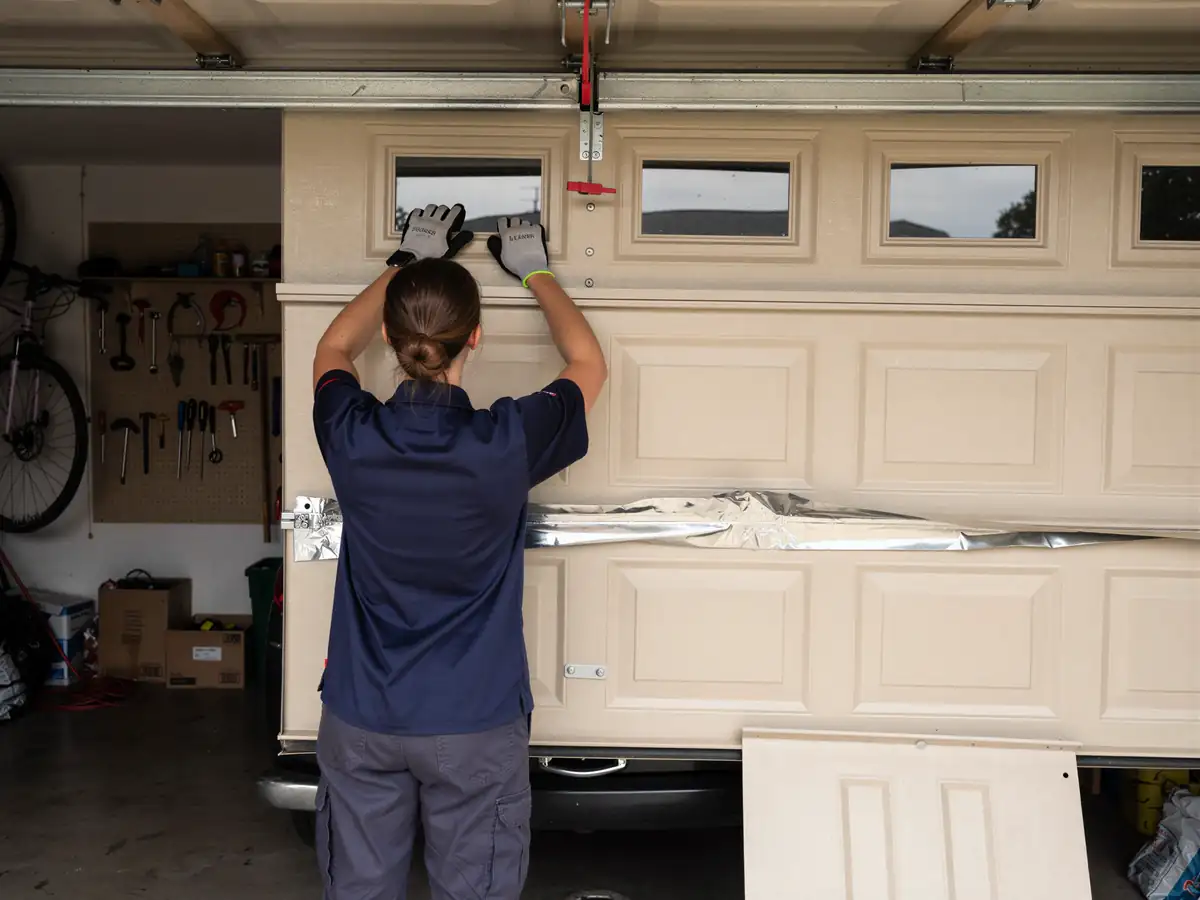
We see this constantly across the older tracts near where the garage was often an afterthought tacked onto a single-story plan. The opening might be a few inches narrower than a modern standard, or the header height too low for current spring hardware without some framing work first. Buying off a spec sheet without measuring the actual opening is how people end up with a door that has to be custom-trimmed on site, which costs more and takes longer than anyone budgeted for.
The fix isn't complicated, but it does mean measuring before you order, not after.
Leaving It Alone
Inglewood sits in a mild temperate band
So a garage door here isn't fighting the freeze-thaw cycles or heavy wind-load codes that force replacement in harsher climates. That's the good news: a door can last a long time here on looks alone, well past the point where the springs and rollers inside it are actually sound.
The catch is that mild weather hides deferred maintenance instead of forcing it
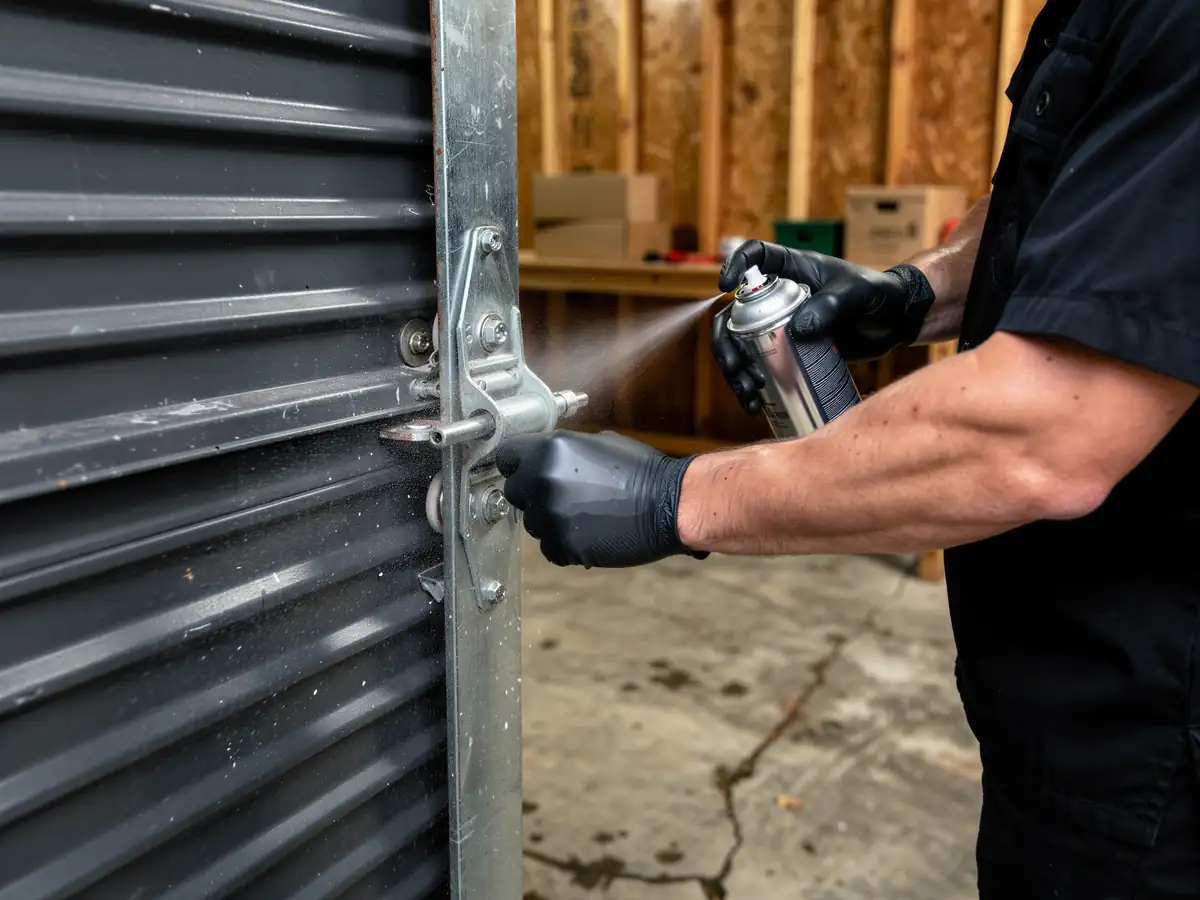
A door with a dying torsion spring or a track that's slowly bending doesn't announce itself with cracked panels from frost the way it would somewhere colder. It just gets heavier to lift, then one day it doesn't lift at all. Owners in the 1960s and 70s stock that makes up most of this area's housing often ride the original door well past when a straightforward swap would have been cheaper than the string of small repairs that preceded it.
We'll say plainly: if the door is original to a house built in that era and the opener is straining
Patch jobs stop making sense fast. We don't stock every obsolete panel size, and some older openings need a short lead time to source the right width. That's worth knowing before you call expecting same-day replacement.
Where People Go Wrong
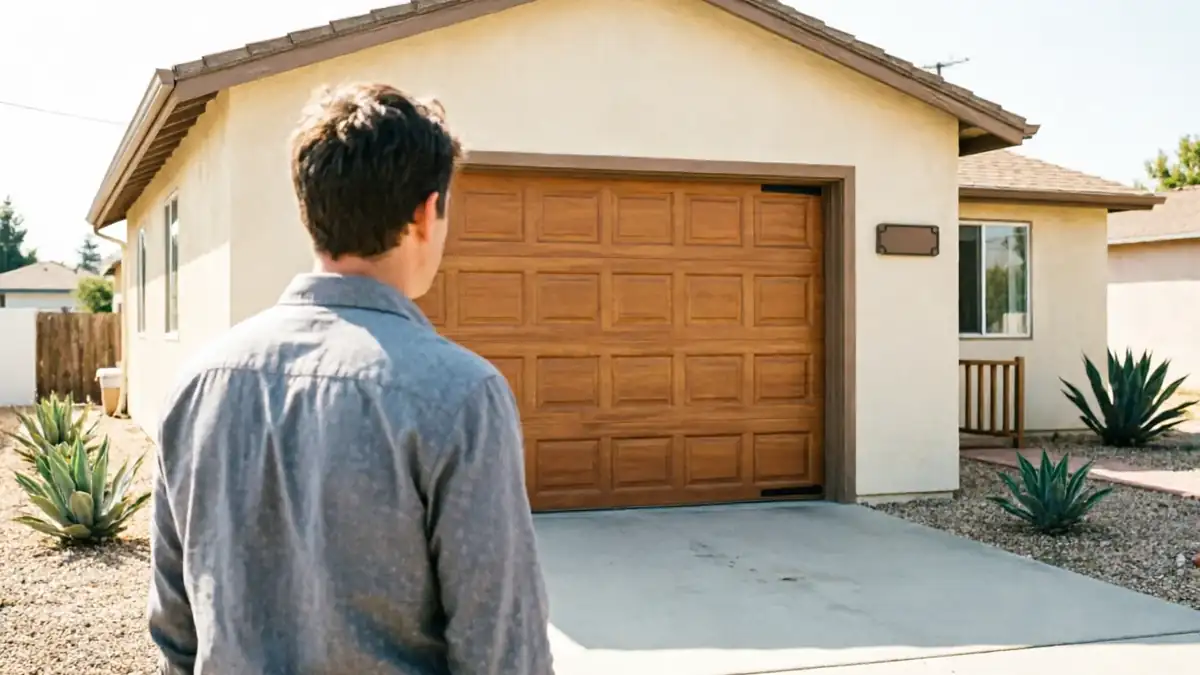
The most common mistake we see is ordering by the house's age instead of the actual opening. A door bought for a generic 1960s tract house doesn't account for the fact that garages across this service area - from Westmont and Hawthorne three miles out to Ladera Heights and Culver City - were framed by different builders in different decades, even within the same ten-year window. Two houses built in 1961 a few blocks apart can have openings that differ by inches.
The second mistake is skipping insulation decisions because the climate is mild. People assume that because Inglewood doesn't get the temperature swings of other regions, insulation is cosmetic. It still matters for noise and for keeping an attached garage from running hotter than the rest of the house in summer, even in a mild band.
The third is forgetting the household math. With a median household income of $93,882 across the area's 244,769 owner-occupied houses, a lot of owners can afford a step up to steel-insulated construction over the single-layer door that likely came with the house - but plenty still default to the cheapest matching replacement out of habit, not because it's the better long-term buy.
What Local Conditions Do
Because Inglewood's climate band is mild temperate, the engineering requirements on a replacement door here are simpler than they'd be in a place dealing with heavy snow load or extreme wind zones. That keeps cost and lead time down. You're not paying for a reinforced wind-rated panel you don't need.
What the climate doesn't solve is the age and variety of the housing it sits on. Across the 62 named areas in this service territory, the bulk of the stock is still 1960s and 70s construction, and that generation of garage openings wasn't standardized the way newer subdivisions are. A door that's a perfect fit in Hawthorne can be half an inch off in a house near View Park-Windsor Hills.
So the honest answer is that mild weather makes the materials question easy and the fit question matter more, not less. Measure the opening, check the headroom for the spring system you're planning to use, and order to that - not to a nominal size that happens to be common for the era.