Serving Inglewood, CA & nearby
(424) 237-3669
Inglewood, CA

Garage Door Maintenance Built for Inglewood Homes

Garage door maintenance built around Inglewood's 1960s housing stock and mild coastal climate. Catch worn rollers and dry hinges before they become a stuck door.

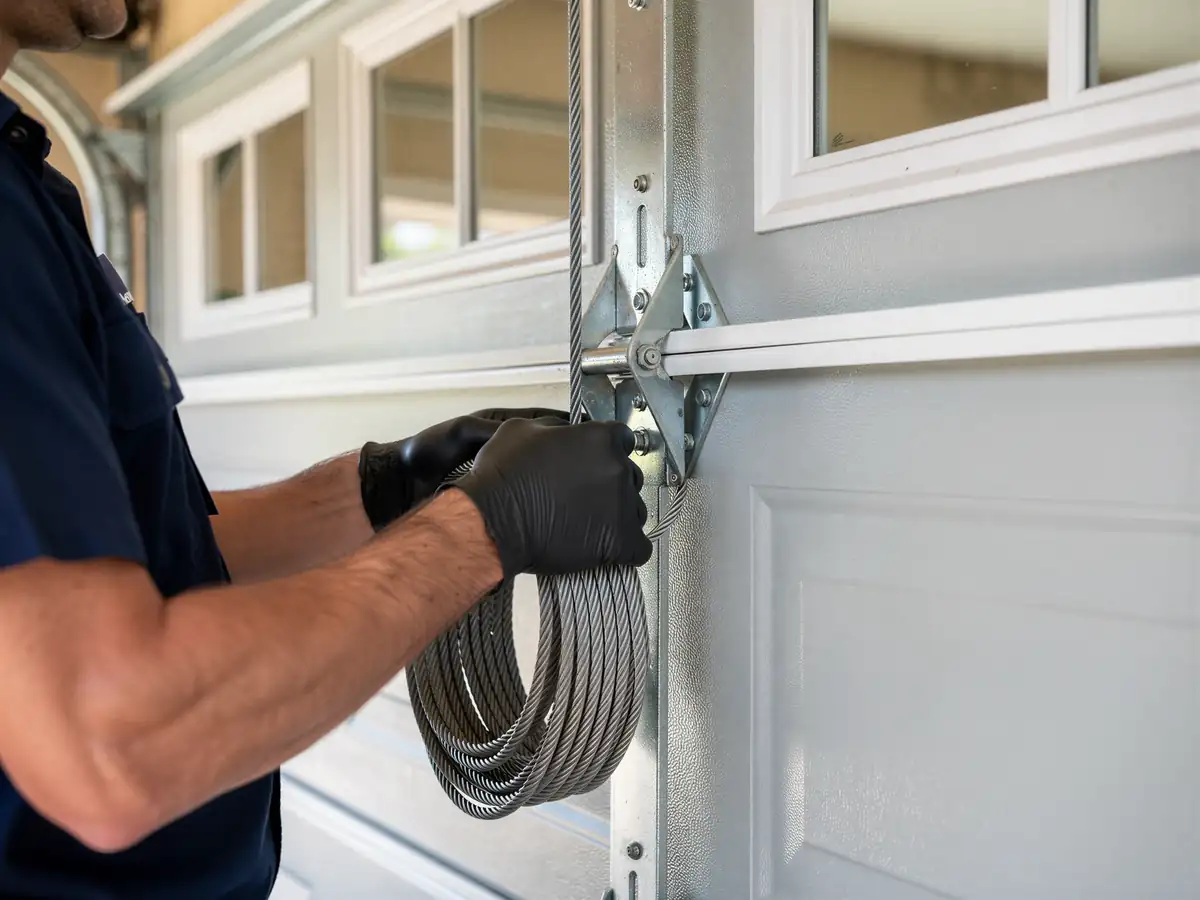
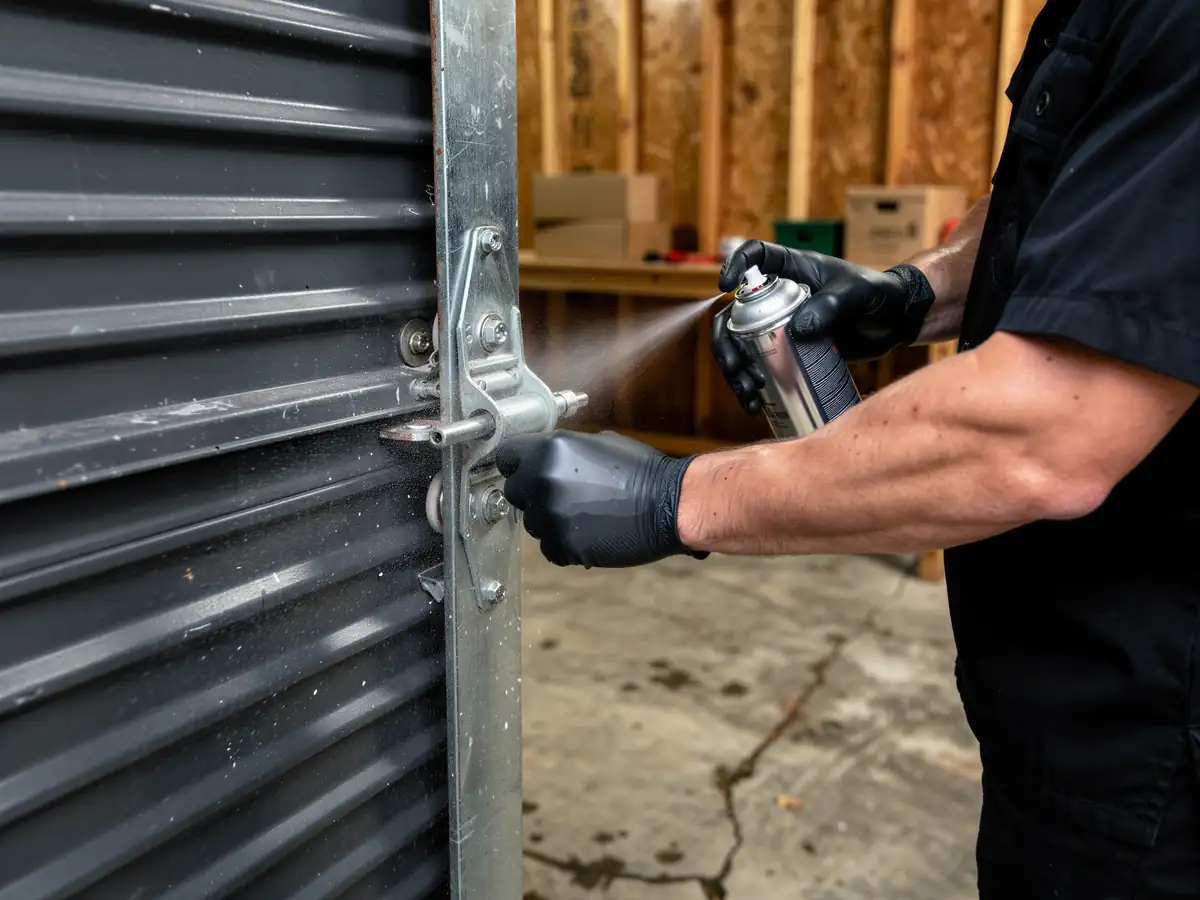
A technician in black gloves sprays lubricant on a garage door roller.
Inglewood, CA
8 services
8 service areas
Diagnosis first, then the fix

The DIY Question

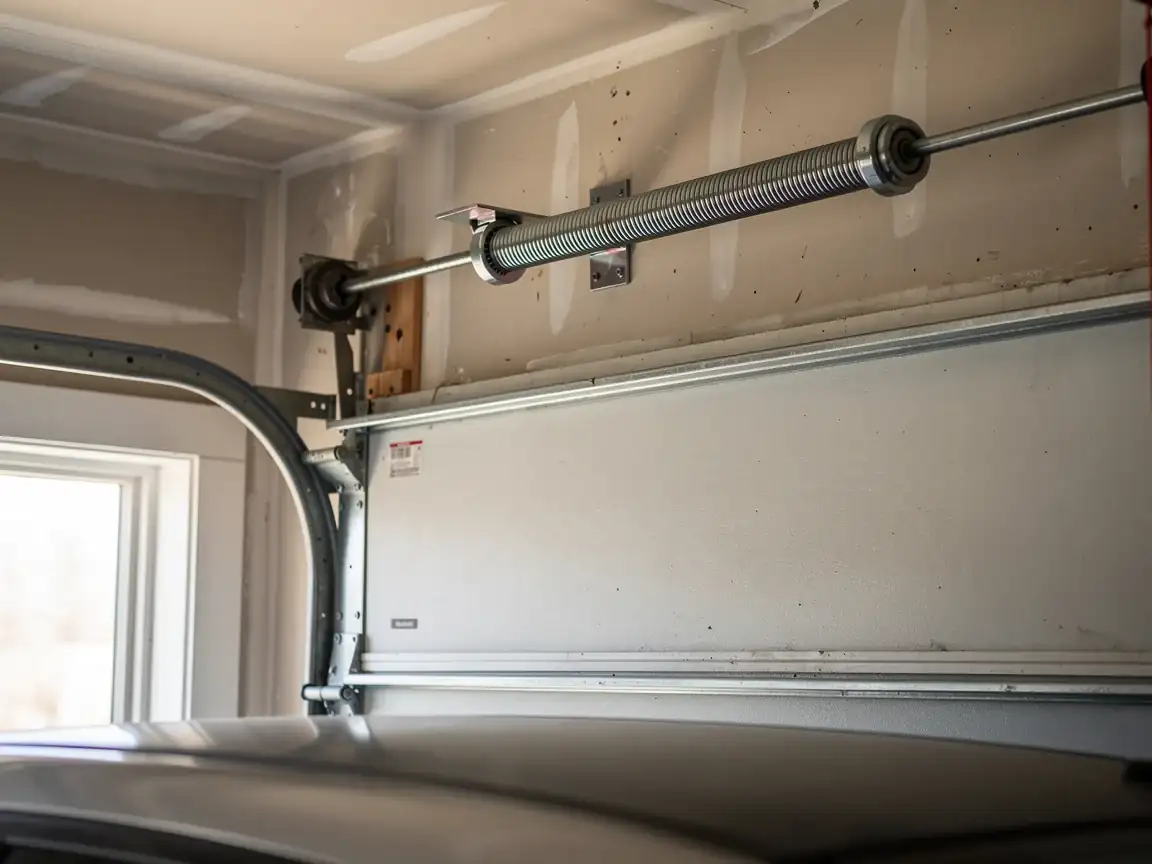
A lot of owners ask whether a yearly can of spray lubricant and a visual once-over is enough. For a door installed in the last few years, it mostly is. For the doors actually on the ground here, it usually isn't. Housing across this service area was built mostly between 1943 and 2012, with the median landing around 1961, and most of that stock is 1960s-70s construction. That means the hardware on a lot of these doors - tracks, hinges, the drum and cable setup - is older than whatever maintenance habit the current owner picked up. You can grease a roller yourself. What's harder to judge from a stepladder is whether a torsion spring has lost enough tension to be dangerous, or whether a track is out of plumb by the quarter inch that turns into a jammed door six months later. DIY covers the easy 80%. The other 20% is where people get hurt or buy a new opener they didn't need. We're not going to tell you to call a pro for everything - half of basic upkeep is fine to do yourself. We will tell you where the line is.

Why This Fails Locally

Three things stack up here. First, the age of the housing stock: doors and hardware installed when a house went up in, say, 1962 have had six decades to accumulate stretched cables, pitted bearings, and tracks bolted to jambs that have shifted slightly with the foundation. Second, the mild temperate climate cuts both ways - no deep freeze to crack a seal overnight, but also no hard season that forces owners to think about the door twice a year. Without a winter to remind people, maintenance here tends to happen only after something squeals or sticks, which is already past the point of cheap prevention. Third, scale: across the roughly 244,769 owner-occupied houses in this service area, a huge share share that same 1960s-70s vintage, which means the same failure modes - dried-out hinge pins, slack extension springs, rollers worn to an oval - show up house after house, not as a fluke but as a pattern tied directly to when this part of the region was built out.

How We Fix It

Maintenance on a door this age isn't a wipe-down. We check spring tension and balance against the door's actual weight, not a factory spec sheet that assumes new hardware. We inspect cable fray at the drum, track alignment at the jamb, and hinge wear at every pivot point, since a door built in the 1960s likely has hinges that have never been swapped. Rollers get replaced, not just oiled, once they're worn enough to bind. Lubrication happens last, after the mechanical stuff is confirmed sound - oiling a track that's already out of alignment just delays a worse call. One honest limit: if a spring is original to a house from this era, we're not going to patch around it with lubricant and tell you it's fine. At that age the metal has fatigue we can't see from the outside, and the safer, cheaper path is a replacement spring, not another maintenance visit next year.

How It Shows Up

The first sign is rarely a door that won't open at all - it's a door that opens slower than it used to, or one that shudders partway up. Owners often describe a grinding sound right at the top of travel, which is usually a worn roller catching in the curved section of track. Another common one: the door closes unevenly, dropping faster on one side, which points to uneven spring tension rather than anything wrong with the opener itself. Given the median household income of $93,882 across this service area, a lot of owners are weighing a $150 maintenance call against a $1,200 replacement door, and that math only works if the maintenance actually catches the problem early. Left alone, worn rollers and fatigued springs don't stay minor - they turn into a stuck door, a snapped cable, or a bent track, all of which cost more and take longer to fix than they would have a year earlier.
How it works

From “it’s stuck” to “it’s fixed”

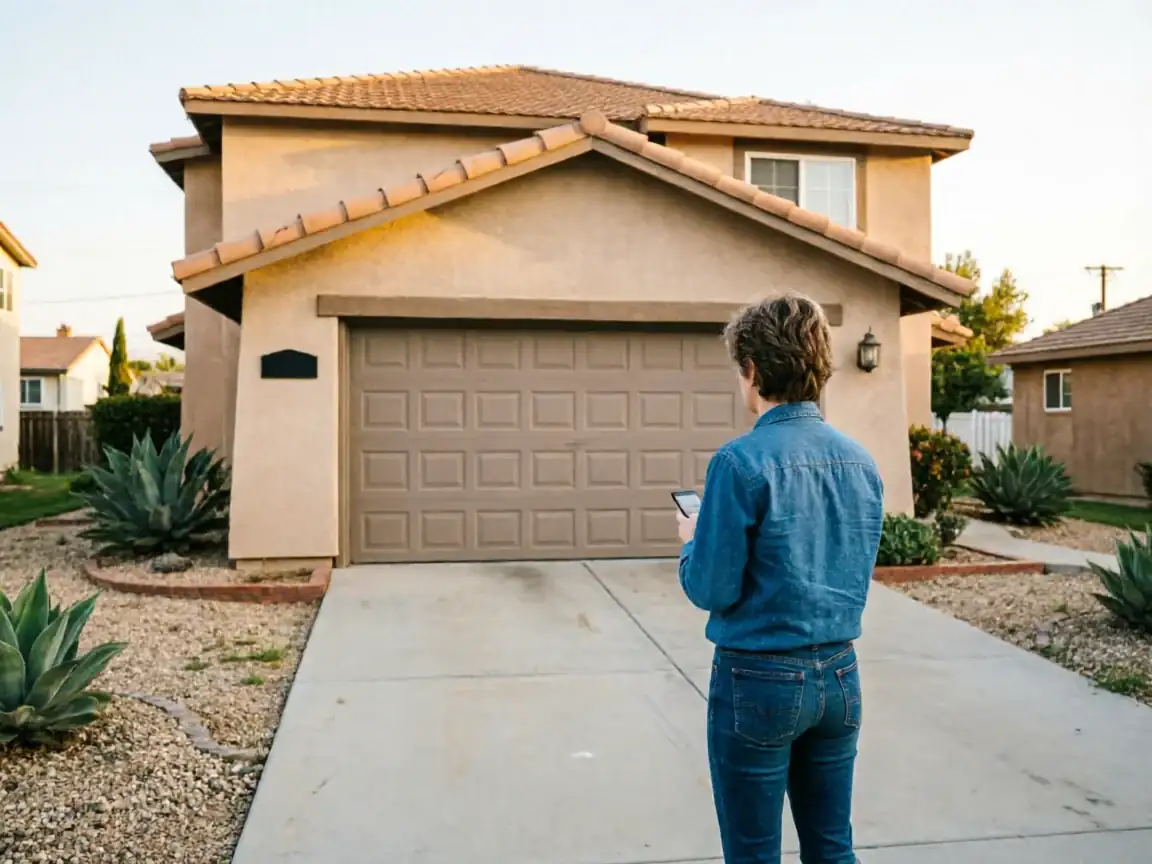
A person in a denim shirt stands in a driveway, looking at a phone.

Tell us what’s wrong

Describe the symptom - won’t open, loud bang, opener runs but the door won’t move.

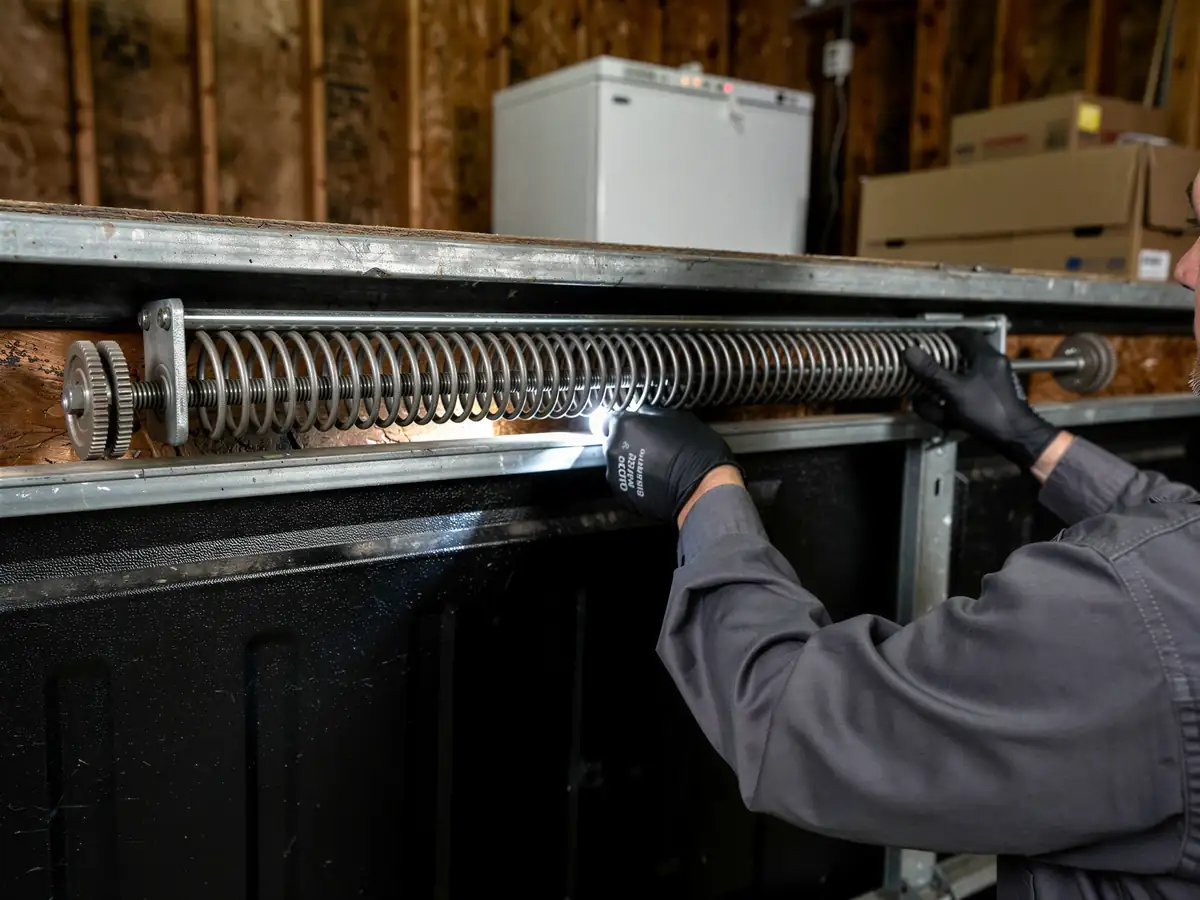
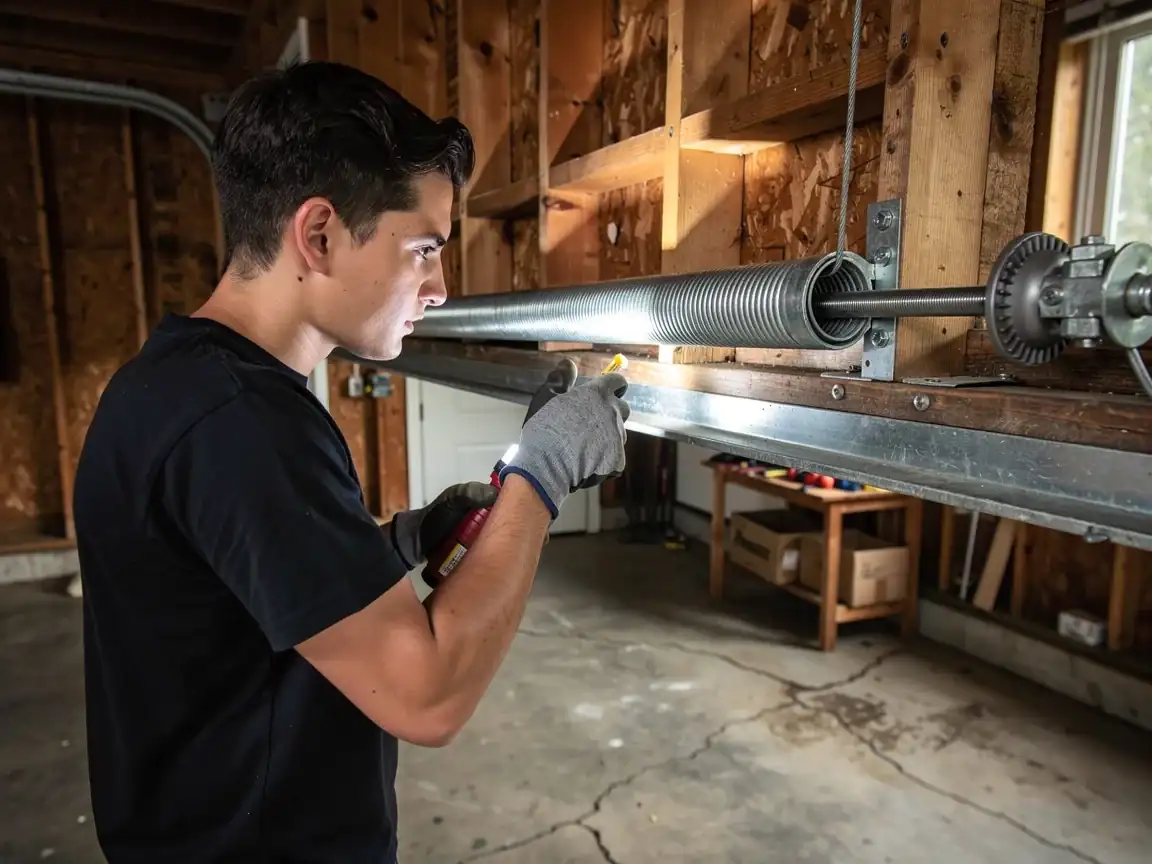
A technician shines a flashlight on a garage door torsion spring.

On-site diagnosis

A technician tests the door under power and by hand and finds what actually failed.

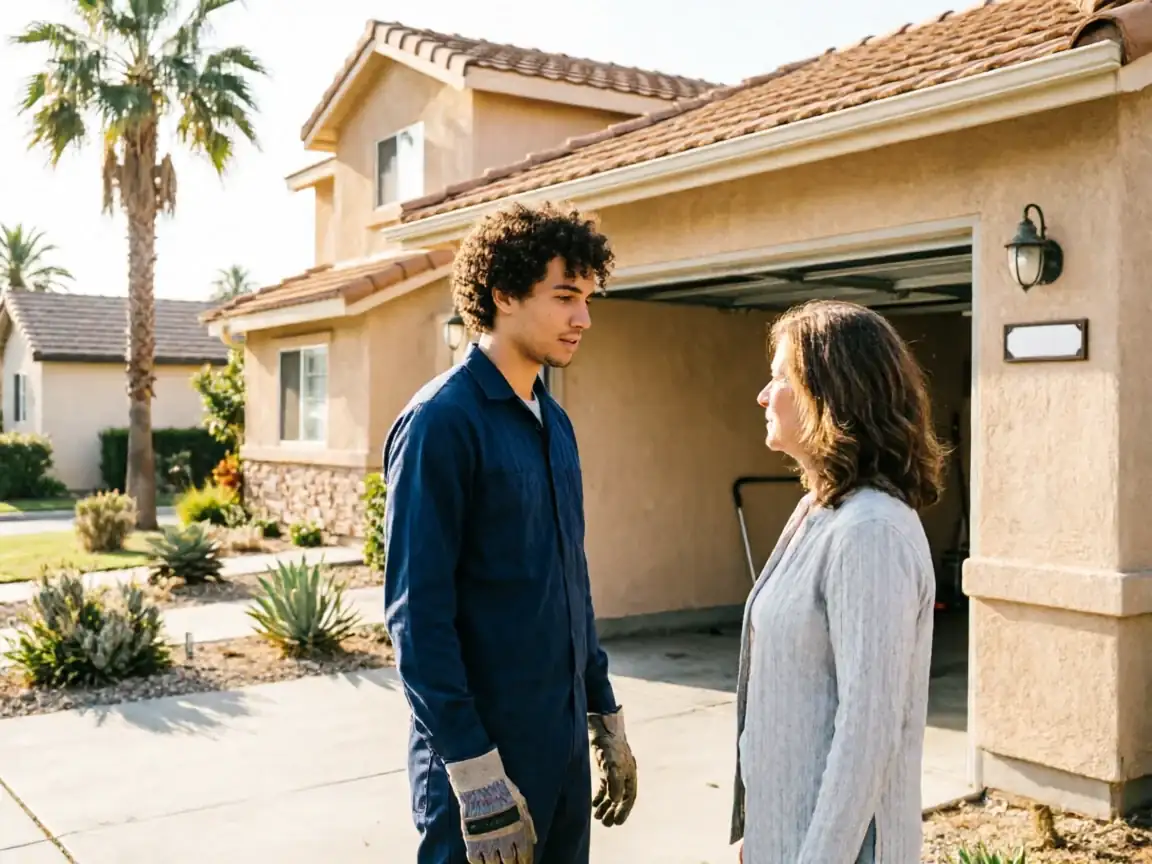
A technician in a blue uniform talks to a woman in front of a house.

Clear, up-front plan

You get the fix that’s needed and what drives the cost - before any work starts.

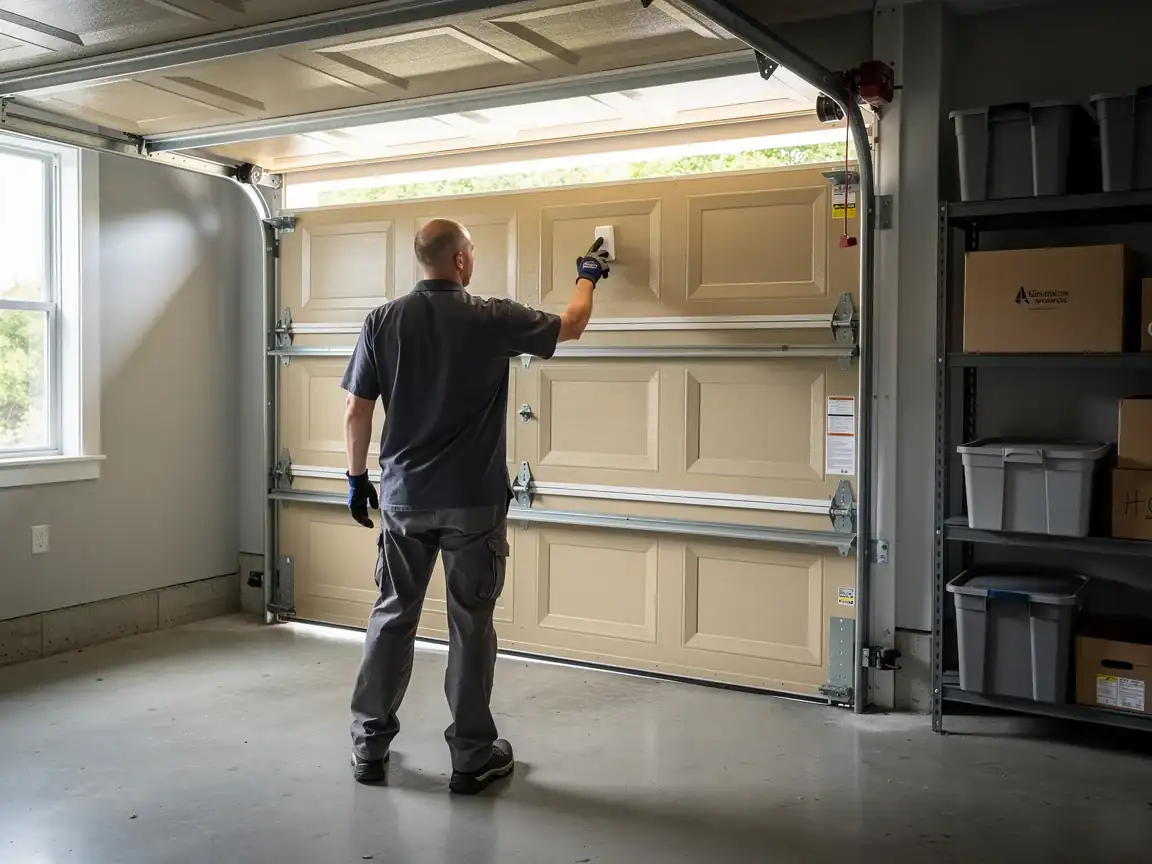
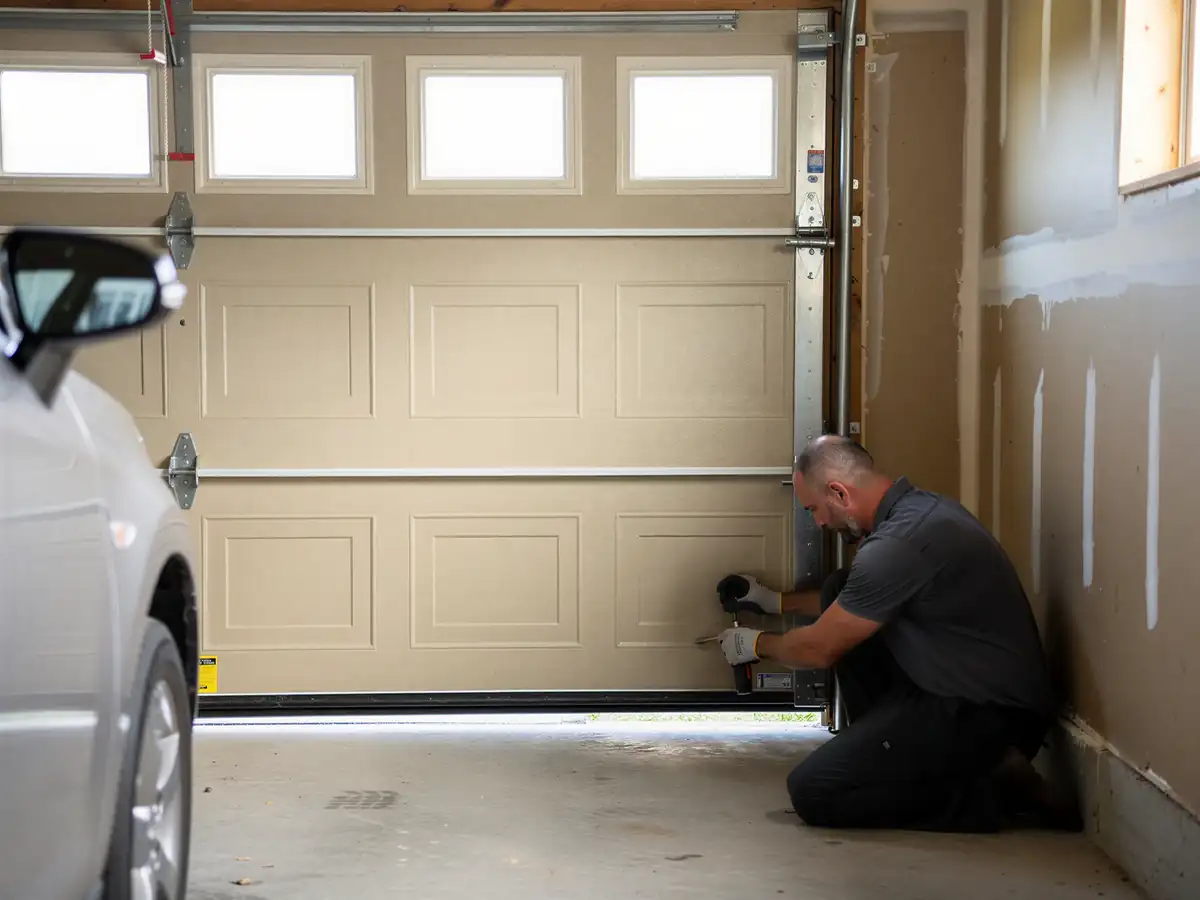
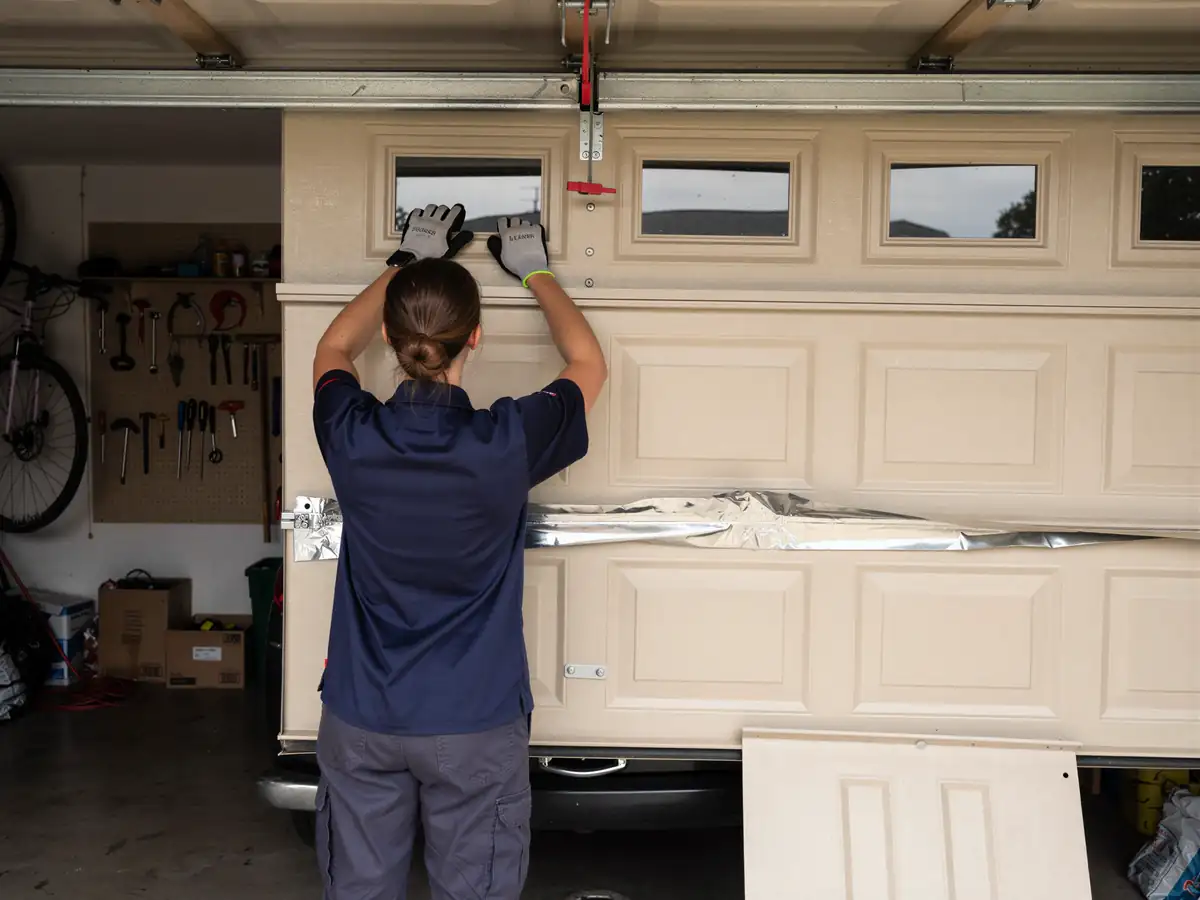
A technician in a gray uniform is pressing a button on a beige garage door.

Repaired & tested

The repair is done, the door is set true and tested, and the work area left clean.

Next step

Not sure which repair your door needs in Inglewood, CA? Describe what it’s doing - every job starts with a diagnosis.

How we work

What to expect

A straight, honest approach on every Inglewood job.

Diagnosis first

Every visit starts by finding what actually failed - not a pre-written parts list.

The right part for the door

Springs and openers matched to the door’s weight and age, so the fix holds up.

Straight answers

When a repair makes more sense than a replacement - or the reverse - you hear it plainly.

Clean, careful work

Tension released safely, hardware set true, the door tested under power before we leave.

111,666Residents in Inglewood
8Garage door services
8Neighborhoods & suburbs
CAServing Inglewood, CA
What we do

Garage Door Services

Repair and installation work for Inglewood homes and businesses.

Where we work

Serving Inglewood & nearby

Local garage door service across 8 Inglewood-area neighborhoods and communities - is your street on the list?

8

Inglewood-area neighborhoods & nearby communities we cover

Questions

Frequently asked

Straight answers about garage door repair in Inglewood. Still unsure? Ask us directly.

How often should a garage door actually get serviced here?

Given the mild climate, there's no hard seasonal trigger, which is part of the problem - without a freeze or heavy snow forcing the issue, a lot of doors here go years without a real check. For a door tied to the area's typical 1960s-70s hardware, once a year is a reasonable baseline, sooner if you hear new noise.

My door is from the 1960s - is it even worth maintaining versus replacing?

Depends on what's worn. Tracks and rollers are cheap to service or swap. A fatigued original spring usually isn't worth patching - replacing the spring is the safer call. We'll tell you straight which category your door falls into rather than defaulting to a sale.

Can I just lubricate the door myself and skip a service call?

For basic upkeep, yes - spray lubricant on hinges and rollers is fine as a DIY task. What you can't easily judge yourself is spring tension or cable wear, and on hardware this age those are the parts most likely to fail.

Ready to get your garage door sorted?

Tell us what it’s doing and where you are in Inglewood - we’ll take it from there.

Request a QuoteCall