Serving Inglewood, CA & nearby
(424) 237-3669
Inglewood, CA

Detached and Attached Garages Age Differently Across Inglewood

Inglewood's housing stock runs 1943 to 2012, mostly 1960s-70s builds, with a real mix of detached and attached garages. Here's how that split changes what goes wrong and when.

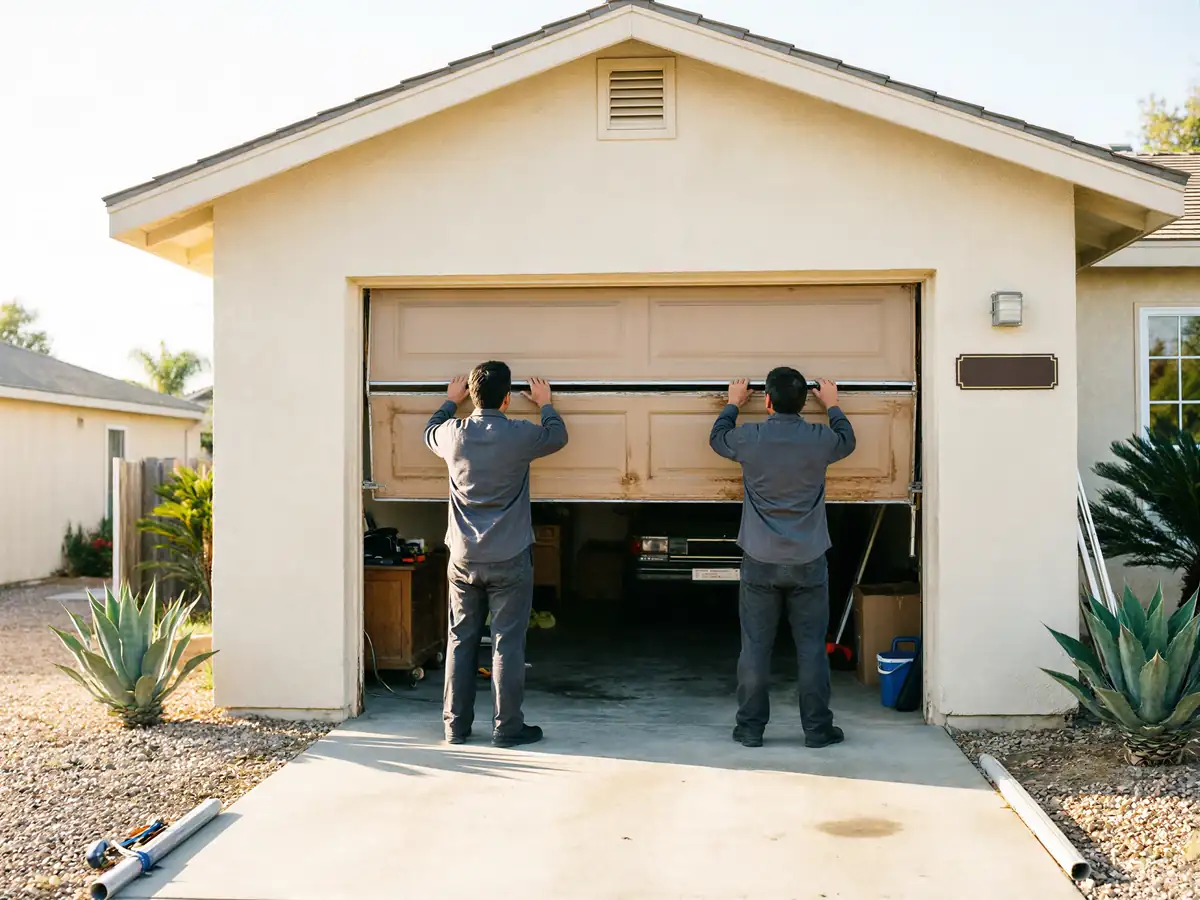
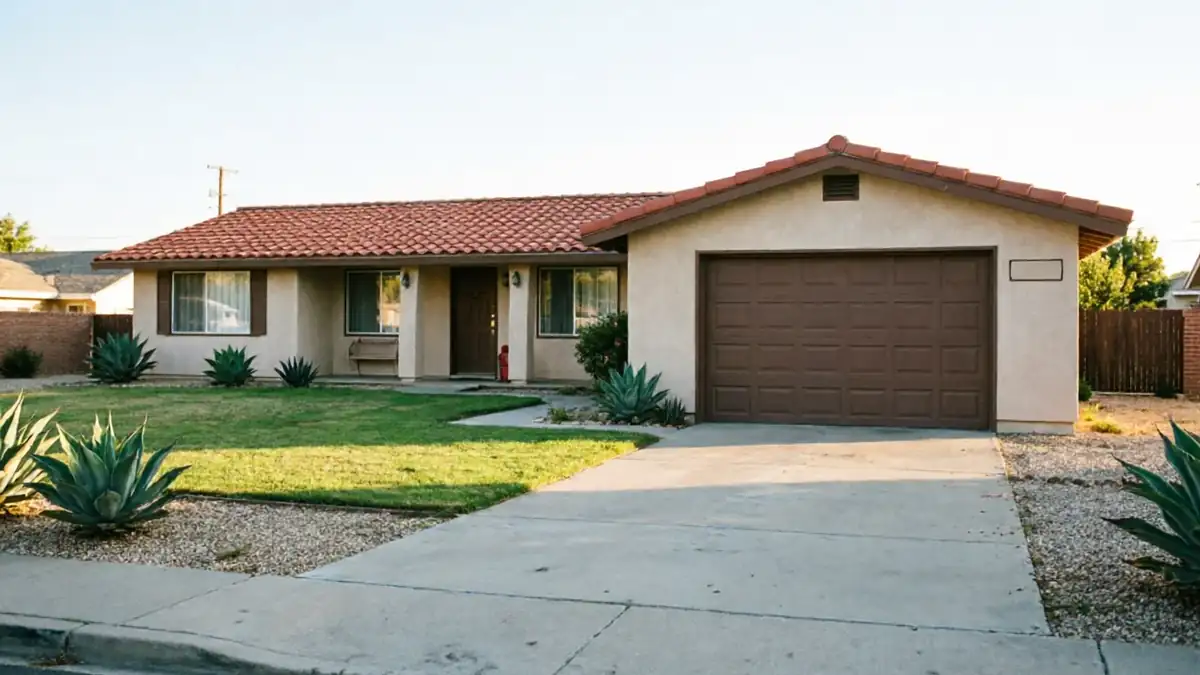
The house has a brown garage door, a red tile roof, and a concrete driveway.

The Problem

Walk a few blocks in Inglewood and you'll see both setups on the same street: a detached garage sitting back near the alley on an older lot, and a newer attached garage built flush with the house next door. That mix matters because Inglewood's housing stock spans 1943 through 2012, with most of it going up in the 1960s and 70s. A detached garage from that era was often framed as an afterthought, with a single-panel door on light track that was never meant to carry 30-plus years of daily openings. An attached garage from the same period usually ties into the house's framing, so when the door binds or the opener strains, you feel it inside the house as rattling walls or a door that won't seal against the living space. Neither problem announces itself the same way. On a detached structure you notice a sagging roofline or a door that drags on the slab before you notice the opener working harder. On an attached one, the first sign is often a draft or a hum through the bedroom wall. Knowing which kind of garage you have tells you what's actually about to fail.

Leaving It Alone

On a detached garage built in that 1960s-70s window, a worn roller or loose track bracket doesn't just mean noise - the structure itself often has less bracing than an attached garage tied into the house frame, so a door that's been dragging for months can start pulling the header loose. That's a bigger job than a spring swap. On an attached garage, the risk runs the other way: a misaligned door seals poorly, and because the garage shares a wall or ceiling with living space, you're pushing outside air into the house every time it sits open or gapped at the bottom. Inglewood's climate is mild year-round, so you're not fighting freeze-thaw cracking or heavy snow load the way other regions do, and that's the one thing working in your favor here. But mild doesn't mean static - daily UV exposure and the sheer number of open-close cycles over 50-plus years still wear out rollers, hinges, and the galvanized coating on torsion springs. Ignoring a door that's starting to stick doesn't blow up overnight here, but it does compound. A $30 roller fix now is a bent track and a header repair later, on either type of structure.

Where People Go Wrong

The common mistake is treating every door the same way regardless of what it's attached to. Owners with a detached garage on an older Inglewood lot often assume a universal big-box door kit will fit, not accounting for the shorter headroom and lighter framing common to garages built before the 1980s - the opener bracket ends up mounted into wood that was never rated for it. Owners with an attached garage sometimes go the other direction: they over-insulate or seal the door without checking that the track and springs were sized for the heavier insulated panel, which puts more strain on hardware that's already 40 to 60 years old depending on when that section of the neighborhood was built. Because Inglewood's housing stock runs from 1943 up through 2012, there's no single fix that applies across the board - a repair that's right for a house built in 1965 can be wrong for one built in 1995. The other error is cosmetic: repainting or replacing an attached garage door to match the house without checking whether the track and spring behind it were ever upgraded to match the new door's weight.

What Local Conditions Do

Inglewood's mild temperate climate means you're spared the extreme swings that crack door panels or seize springs with ice, so when a door fails here it's almost always wear, not weather. On detached garages, that wear shows up as rust on hardware exposed to daily temperature swings between sun and shade, since many of these standalone structures in Inglewood sit with one side facing full afternoon sun and the other shaded by the house or a fence. On attached garages, the wear tends to concentrate at the seal and weatherstripping, because that's the point where indoor and outdoor air meet every time the door cycles. Across Inglewood's older sections - homes from the 1960s and 70s make up the bulk of what's here - the original hardware on both garage types has usually outlived its design life several times over, even without a single severe weather event to blame. That's the honest limitation: we can tell you what's likely worn based on the age of your house, but we won't know whether your specific door needs a spring, a track, or a full replacement until we're standing in front of it.


How it works

From “it’s stuck” to “it’s fixed”

A person in a denim shirt stands in a driveway, looking at a phone.

Tell us what’s wrong

Describe the symptom - won’t open, loud bang, opener runs but the door won’t move.

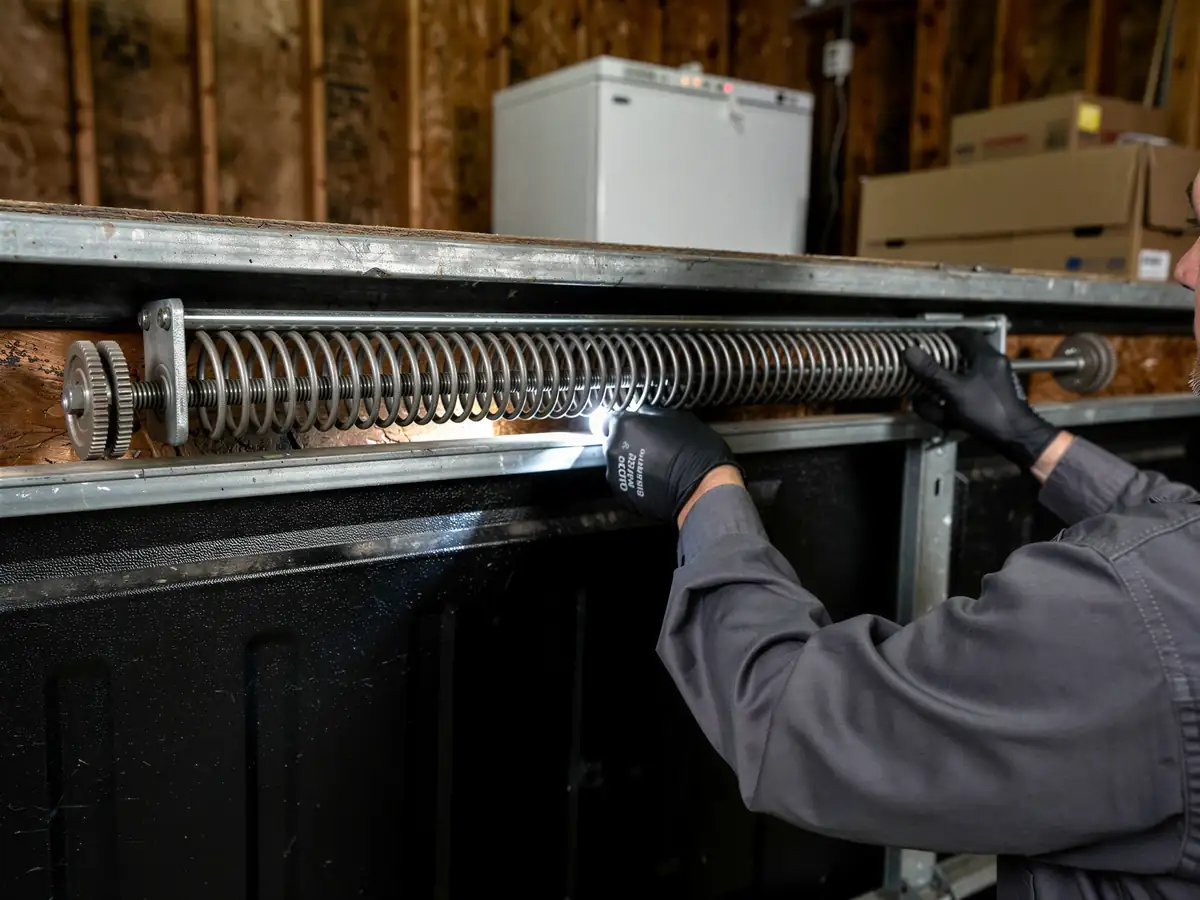
A technician shines a flashlight on a garage door torsion spring.

On-site diagnosis

A technician tests the door under power and by hand and finds what actually failed.

A technician in a blue uniform talks to a woman in front of a house.

Clear, up-front plan

You get the fix that’s needed and what drives the cost - before any work starts.

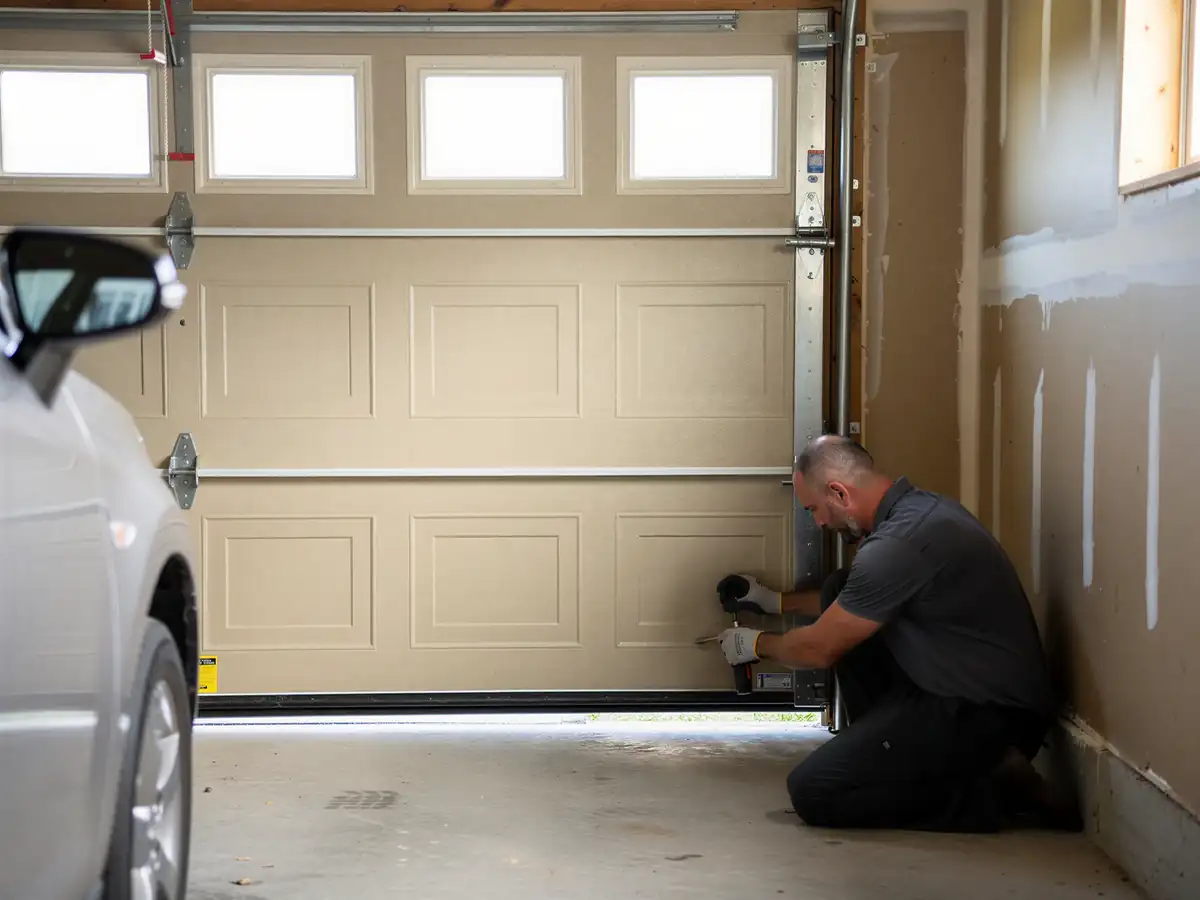
A technician in a gray uniform is pressing a button on a beige garage door.

Repaired & tested

The repair is done, the door is set true and tested, and the work area left clean.

Next step

Not sure which repair your door needs in Inglewood, CA? Describe what it’s doing - every job starts with a diagnosis.

How we work

What to expect

A straight, honest approach on every Inglewood job.

Diagnosis first

Every visit starts by finding what actually failed - not a pre-written parts list.

The right part for the door

Springs and openers matched to the door’s weight and age, so the fix holds up.

Straight answers

When a repair makes more sense than a replacement - or the reverse - you hear it plainly.

Clean, careful work

Tension released safely, hardware set true, the door tested under power before we leave.

What we do

Garage Door Services

Repair and installation work for Inglewood homes and businesses.

Questions

Frequently asked

Straight answers about garage door repair in Inglewood. Still unsure? Ask us directly.

Does it matter if my garage is detached when I call for a repair?

Yes. A detached garage built in Inglewood's common 1960s-70s era often has lighter framing and shorter headroom than an attached one, which changes what hardware fits and how the door was likely installed in the first place. We ask about this before quoting anything.

Why is my attached garage door letting in a draft even though it's closed?

Usually it's worn weatherstripping or a door that's drifted out of alignment over years of cycling. Because an attached garage shares a wall with the house, that gap shows up as a draft or noise indoors rather than staying contained to the garage.

Does Inglewood's weather cause garage door problems?

Not in the way freeze-thaw or heavy snow does elsewhere. Inglewood's mild temperate climate means most failures here come from age and daily use rather than weather events, especially given how much of the local housing stock dates back to the 1960s and 70s.

Can you tell me what's wrong without seeing the garage?

Not reliably. We can narrow down likely culprits based on your house's age and whether the garage is attached or detached, but the actual diagnosis - spring, track, or opener - needs someone standing in front of the door.

Ready to get your garage door sorted?

Tell us what it’s doing and where you are in Inglewood - we’ll take it from there.

Request a QuoteCall