The Problem
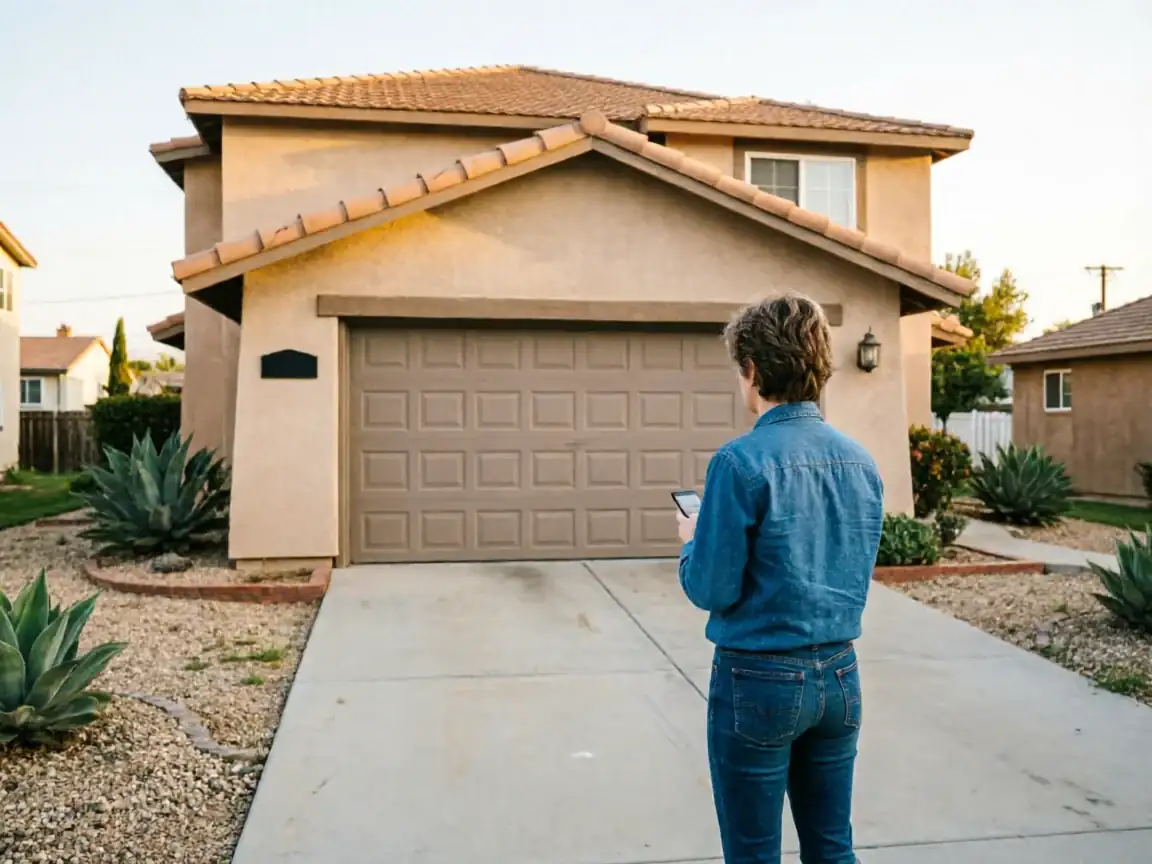
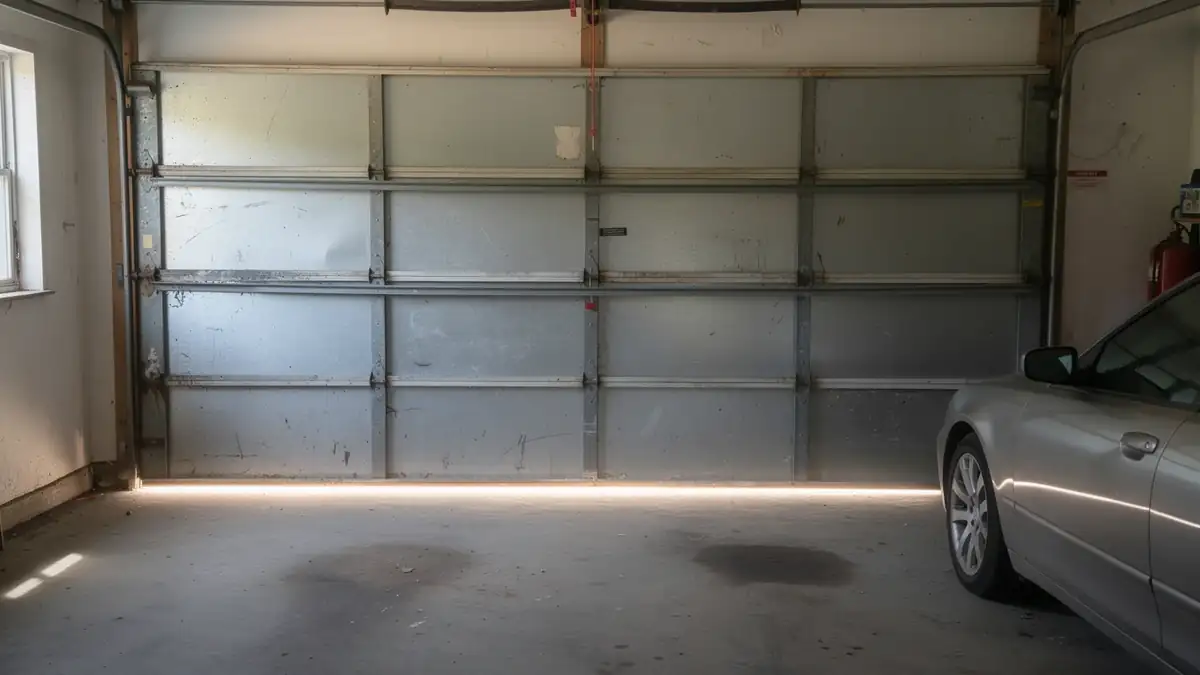
Housing in this part of Inglewood runs from 1943 to 2012, but the median build year lands at 1961, and the bulk of the stock clusters in the 1960s and 70s. That window matters because garage door insulation wasn't a building code requirement when these houses went up. The door that came with the house - or the one that replaced it decades ago - is often a single layer of steel or wood with nothing behind it.
That's not a defect. It's just what the rules allowed at the time. The track, the spring size, the header clearance - all of it was sized for a door with no foam core and no second skin. When a homeowner decides to upgrade to an insulated door now, the opening itself sometimes needs work too, because a thicker door changes the math on headroom and spring tension.
Mild temperate conditions here mean the lack of insulation hasn't forced anyone's hand the way it would in a place with real winters or triple-digit summers. That's part of why so many of these original, non-insulated doors are still hanging on garages across Inglewood decades after they went in.
Leaving It Alone
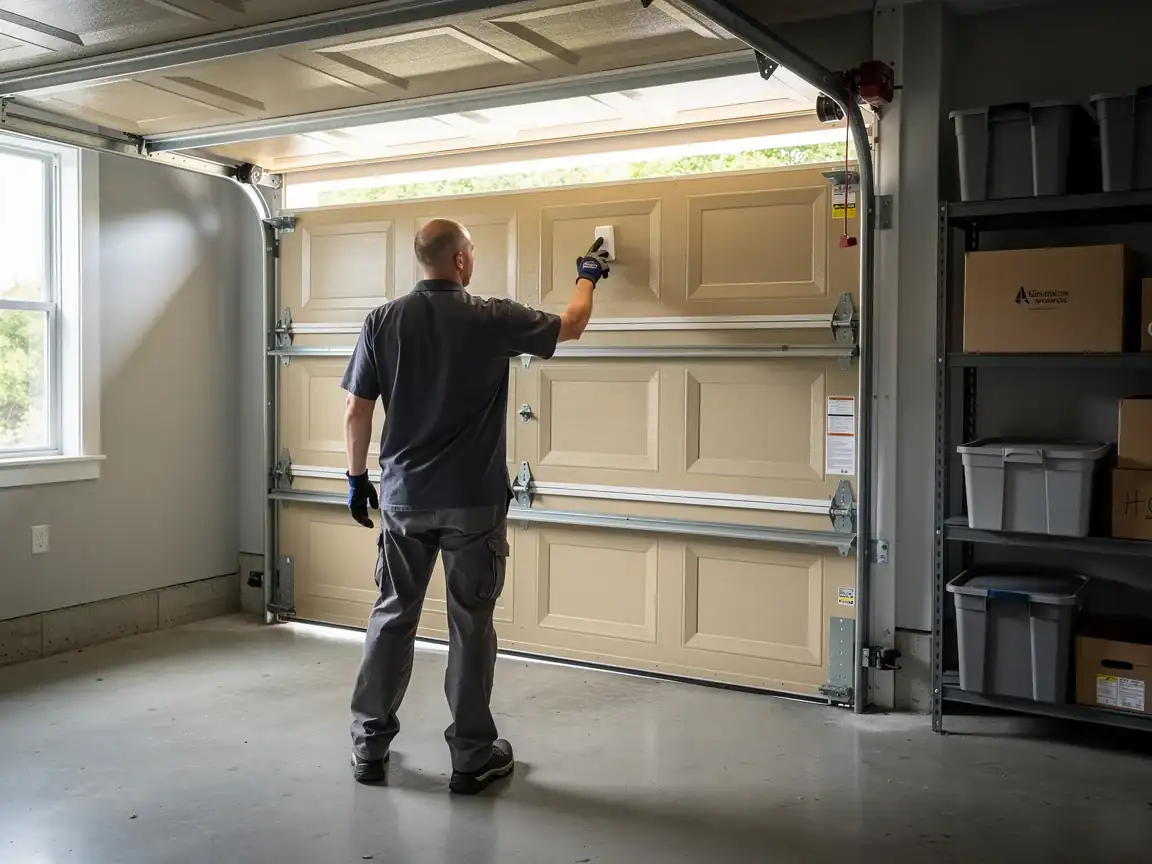
A non-insulated door on a 1960s or 70s Inglewood house isn't an emergency
The mild temperate climate here doesn't punish a single-layer panel the way freeze-thaw cycles or heavy heat would elsewhere, so the door can keep working for years without insulation ever becoming the thing that breaks it.
What does wear out on a door this old is the hardware, not the panel material
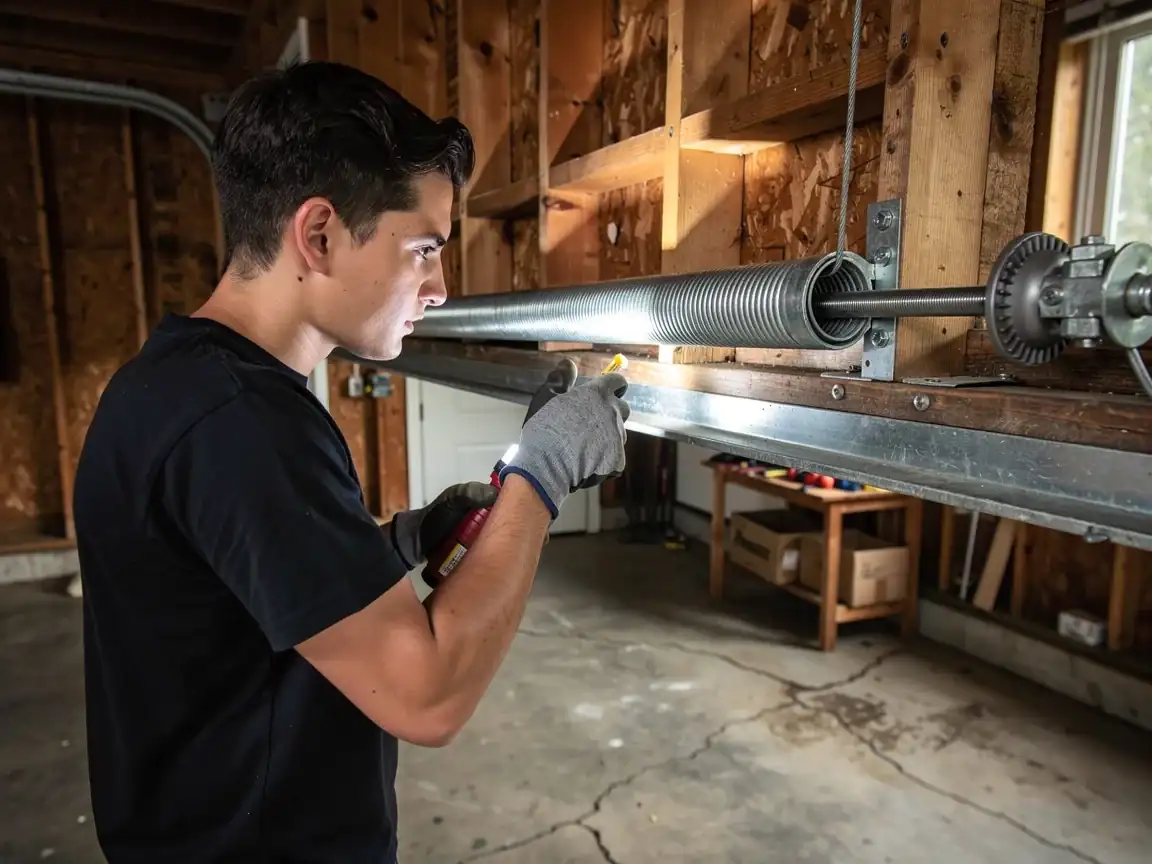
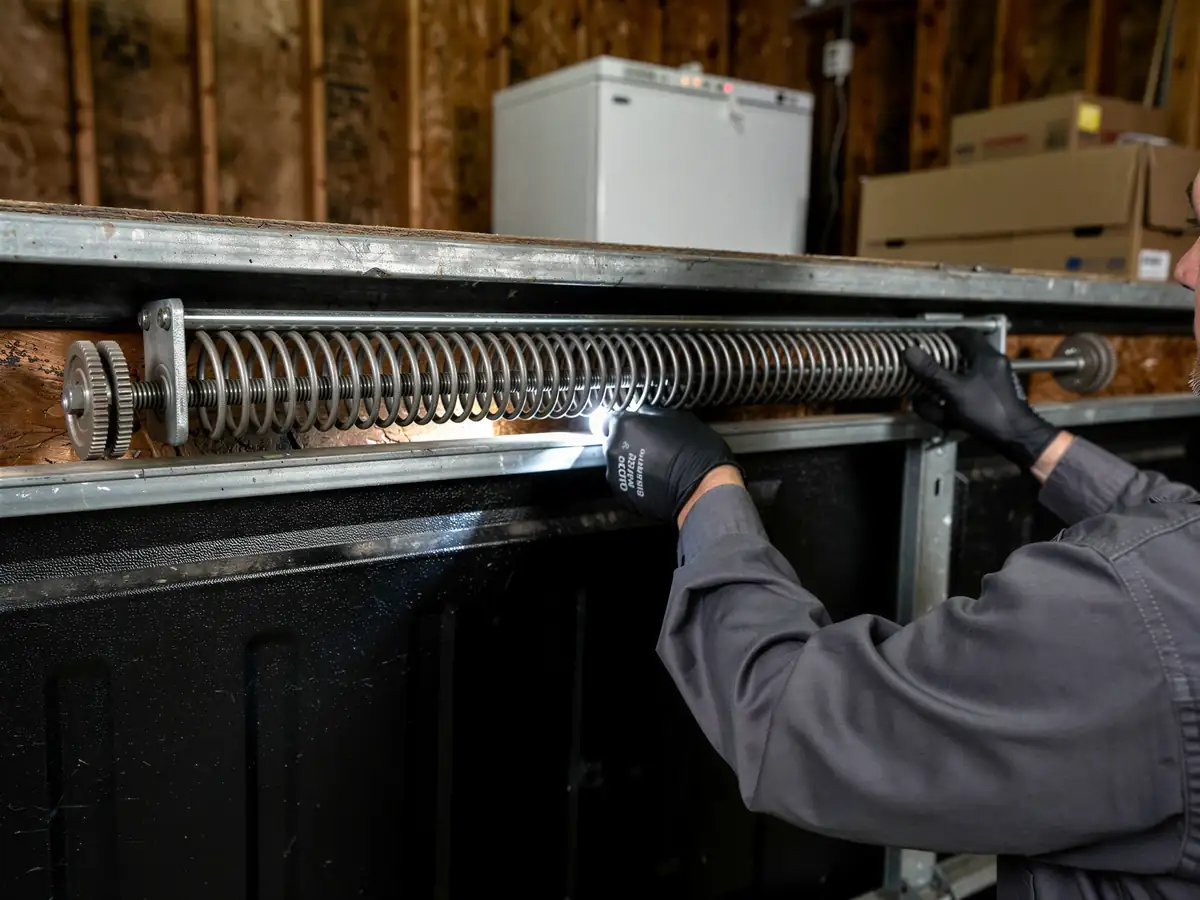
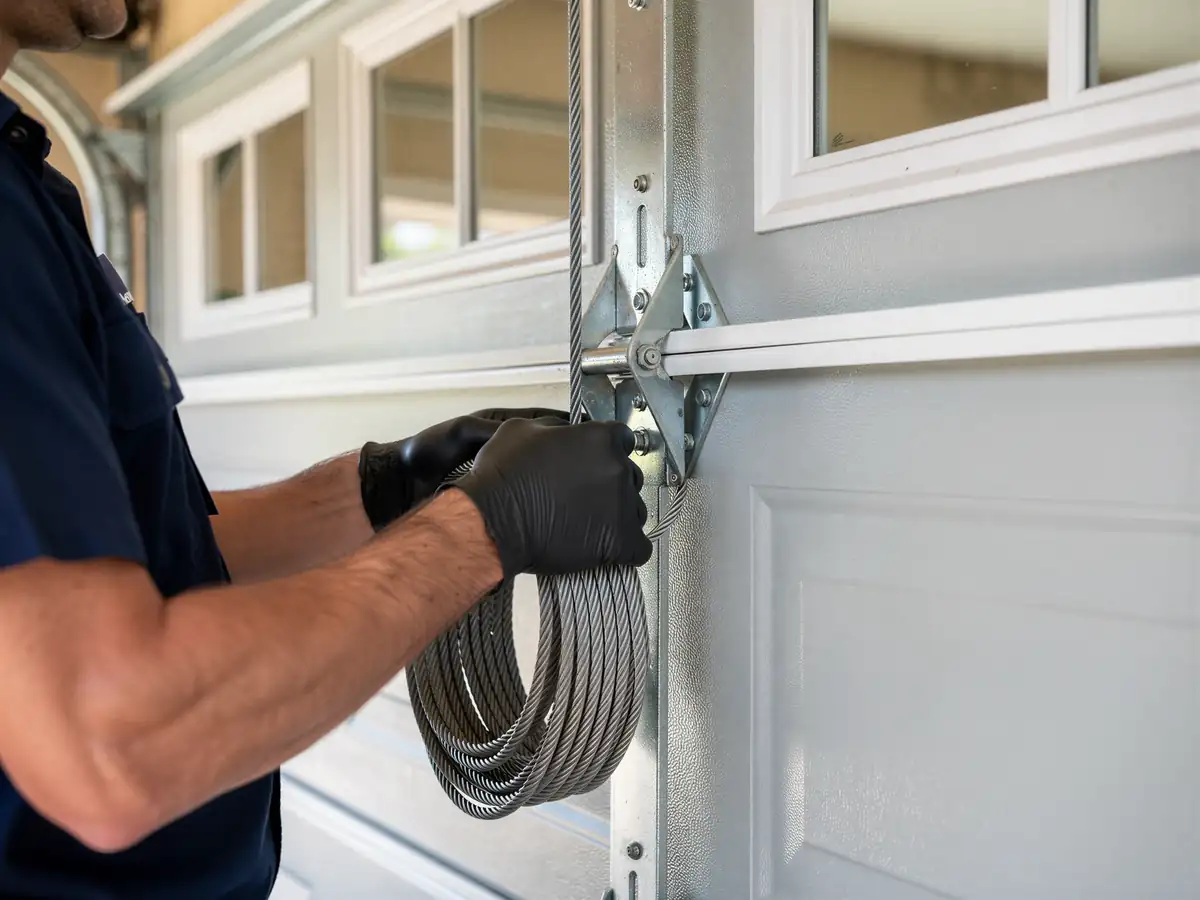
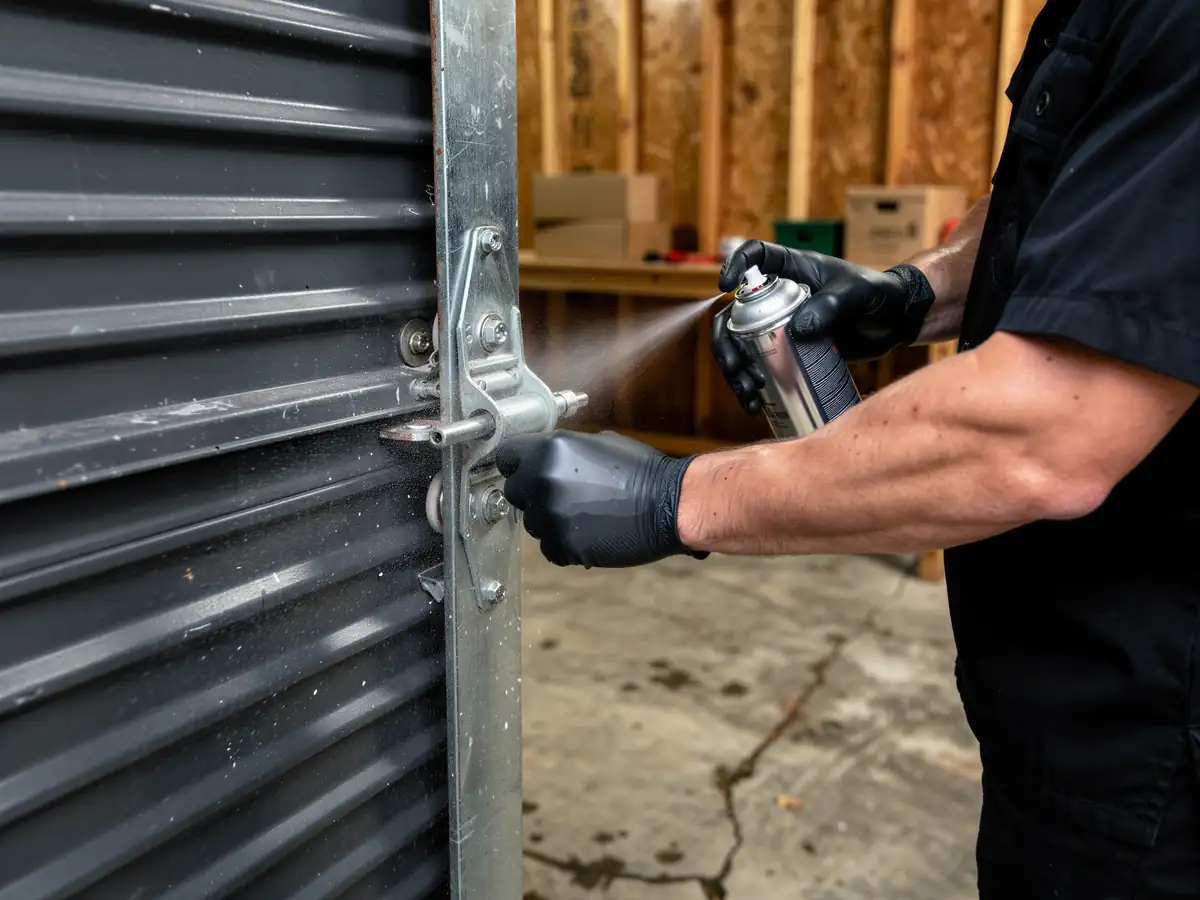
Rollers, hinges, and the original springs have put in decades of cycles by now. Leaving an un-insulated door alone is a reasonable choice. Leaving a 50-, 60-year-old spring or roller set alone because the door 'still looks fine' is a different bet, and it's the one that tends to fail without warning - usually as a snapped cable or a spring that lets go under tension.
So the honest answer is: insulation can wait
The mechanical parts underneath a door this age usually can't wait as long as owners think, because wear doesn't announce itself until something gives.
Where People Go Wrong
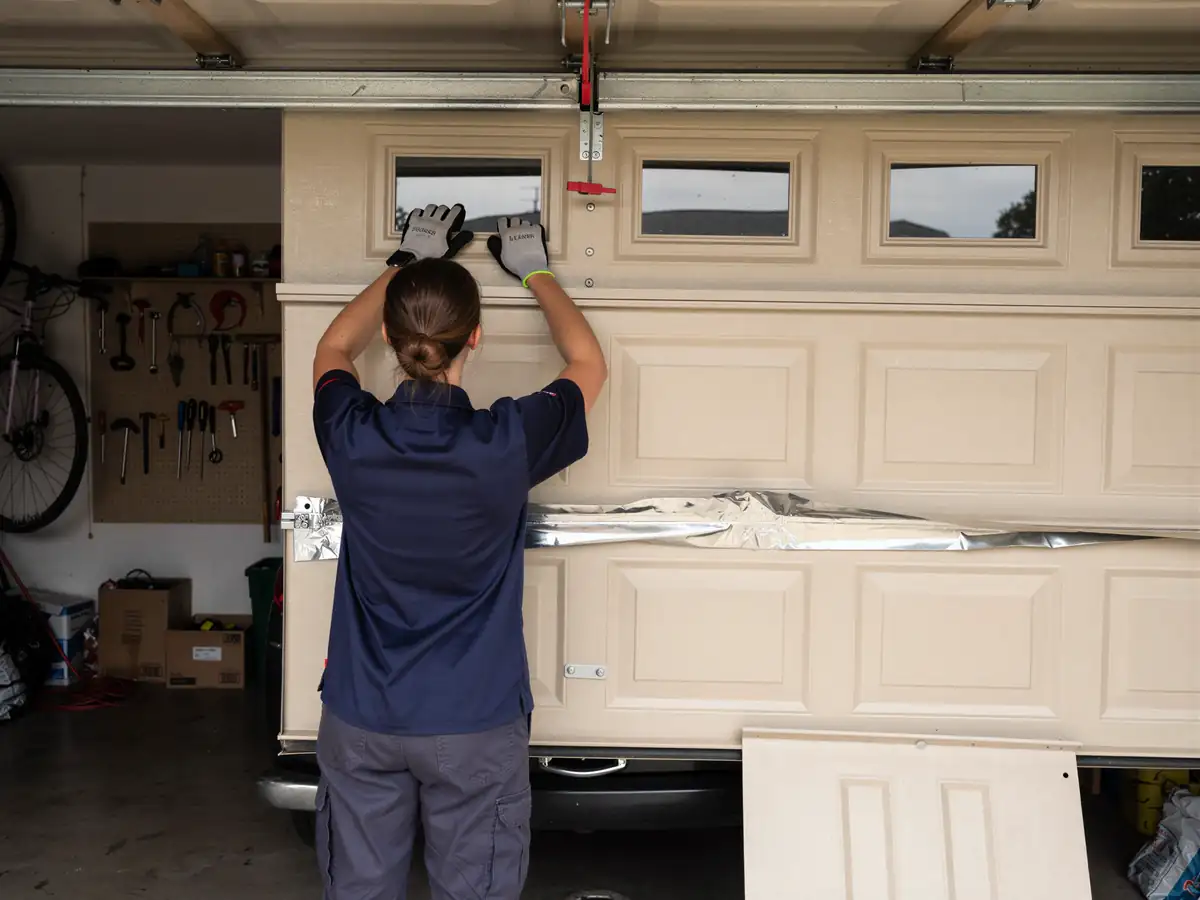
The mistake we see most with these older Inglewood houses is homeowners buying a new insulated door to match curb appeal, without checking whether the opening and the hardware were ever built for one. A door from the 1960s-70s era was sized for a lighter, single-layer panel. Drop in a heavier insulated door on the same spring and you're asking old torsion hardware to lift more weight than it was rated for.
The other common error is assuming that because the climate here is mild, insulation won't do anything, so it's not worth the upgrade at all. That's true for temperature swings, but an insulated door is also a stiffer, quieter, more dent-resistant panel - reasons that have nothing to do with weather and everything to do with an aging door that's taken 50-plus years of daily cycling.
We don't push insulation as a fix for a problem Inglewood's climate doesn't really have. We do flag it when a panel from that 1960s-70s building wave is warped, dented, or past rebalancing, because at that point replacement with a correctly sized insulated door is the straightforward call, not an upsell.
What Local Conditions Do
Inglewood sits in a mild temperate band, and that keeps the pressure on an un-insulated door lower than it would be almost anywhere with harsh winters or sustained extreme heat. There's no freeze-thaw cycle here working a steel panel loose at the seams, and no stretch of 100-plus-degree days baking a wood door's joints apart. That's the honest limitation on this whole topic: in Inglewood, insulation is mostly about noise, dents, and garage comfort, not about protecting the door from the climate itself.
What the mild climate doesn't change is age. A door built when the area's median house went up, around 1961, has had six decades of opening and closing regardless of temperature. Panels sag, tracks wear, and springs fatigue on their own schedule. We won't tell an Inglewood homeowner that their un-insulated door is at climate risk, because the facts don't support that. We will tell them when the hardware underneath it is the actual thing wearing out.