Serving Inglewood, CA & nearby
(424) 237-3669
Inglewood, CA

Why a Door Goes Off Track in Inglewood Homes

Inglewood's housing stock dates mostly to the 1960s and 70s, and that era of track hardware is the main reason doors here jump the rail. Here's what actually causes it.

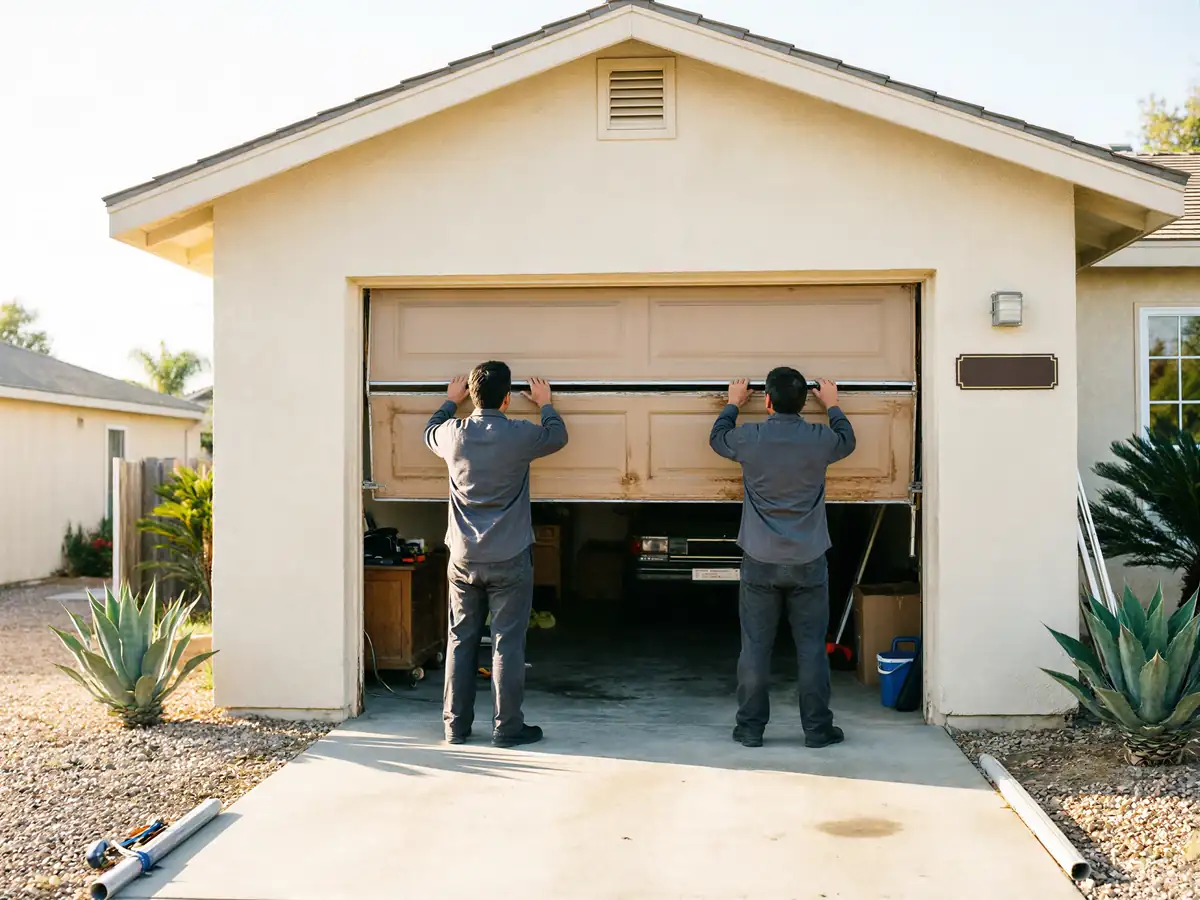
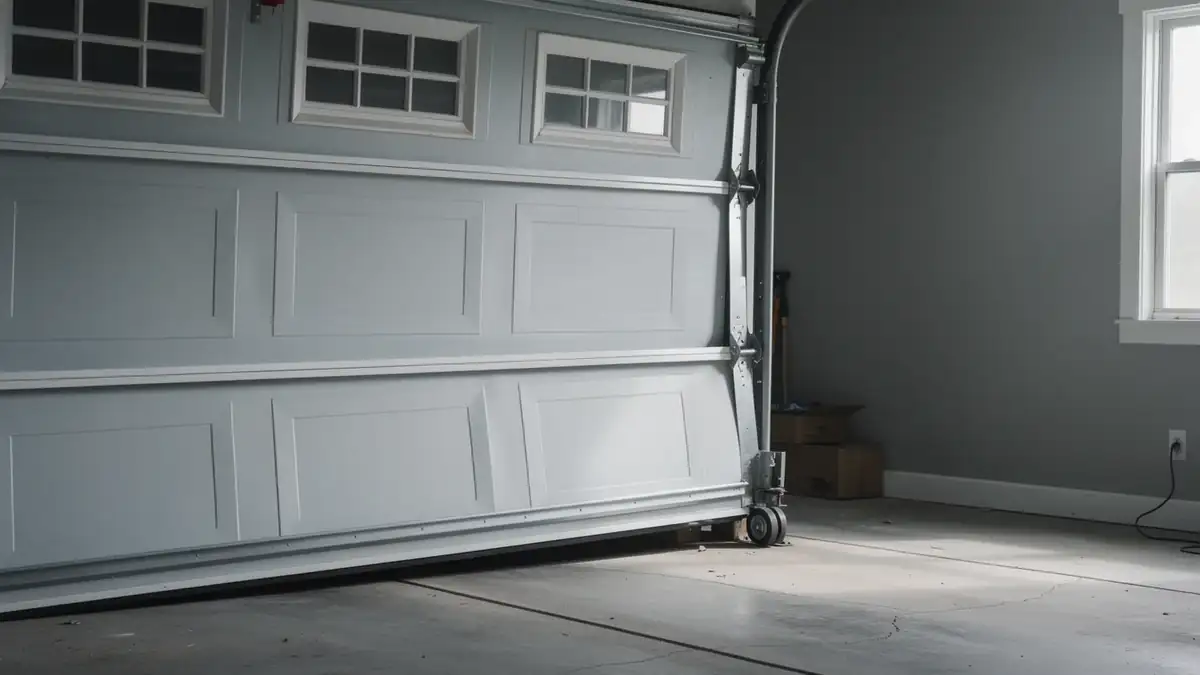
The light gray garage door is off its track and crooked.

The Problem

A door off its track isn't one failure, it's usually two or three small ones that finally added up. In Inglewood, where most houses were built between 1943 and 2012 with the median landing around 1961, a lot of garages still run original or first-replacement track hardware from that build era. That hardware was fine for the door it shipped with, but forty-plus years of roller wear, bent track brackets, and loosened lag bolts into aging jamb lumber is a pattern we see over and over on these 1960s-70s builds. The rollers ride the track fine until a bracket shifts a quarter inch, and then one hard stop - a kid leaning on the bottom panel, a spring losing tension unevenly - pops the roller clean out of the rail. It's not usually dramatic. Most homeowners notice a scrape or a gap between the door edge and the frame before the door ever fully derails.

Leaving It Alone

A door that's slightly off track doesn't fix itself, and running it anyway is how a quarter-inch gap turns into a bent track or a cracked panel. Every cycle on a misaligned track puts more side load on the rollers and the bracket screws, and on the older track hardware common in Inglewood's 1960s-70s housing stock, those screws are often biting into wood that's seen decades of seasonal movement already. We'd rather get a call for a door that's rubbing a little than one that's already jumped the rail and bent the vertical track, because a bent track is a replacement part, not an adjustment. That's the honest tradeoff: a same-day fix early costs far less than letting it ride for a few more weekends.

Where People Go Wrong

The most common mistake we see is someone muscling the door back onto the track by hand without checking why it left in the first place. If a bracket worked loose or a roller wore down to the point of binding, forcing the door back on just sets up the next derailment. The second mistake is assuming it's a spring problem because the door feels heavy - on these older Inglewood builds, a worn roller or a track bracket pulled slightly out of the stud is just as likely to be the real cause, and tensioning or replacing a spring won't touch it. We also see people reach for a drill and re-sink the same lag bolts into the same worn-out pilot holes, which holds for a few weeks and then fails again the same way.

What Local Conditions Do

Inglewood sits in a mild temperate climate band, so this isn't a freeze-thaw town where ice jams a track solid overnight - that's not the story here. The story is steadier: consistent year-round temperature swings are gentler on hardware than extreme climates, but houses built mid-century still shift on their foundations slowly over decades, and that shift is what pulls a track bracket a degree or two out of plumb. Across the 62 named areas that make up this service territory, the housing stock is heavily concentrated in that same 1960s-70s window, so the same slow-drift alignment issue shows up block after block, not just on one street. It's a mechanical aging problem more than a weather problem, and that's exactly why a visual check of the track and brackets catches it before the door ever leaves the rail.
How it works

From “it’s stuck” to “it’s fixed”

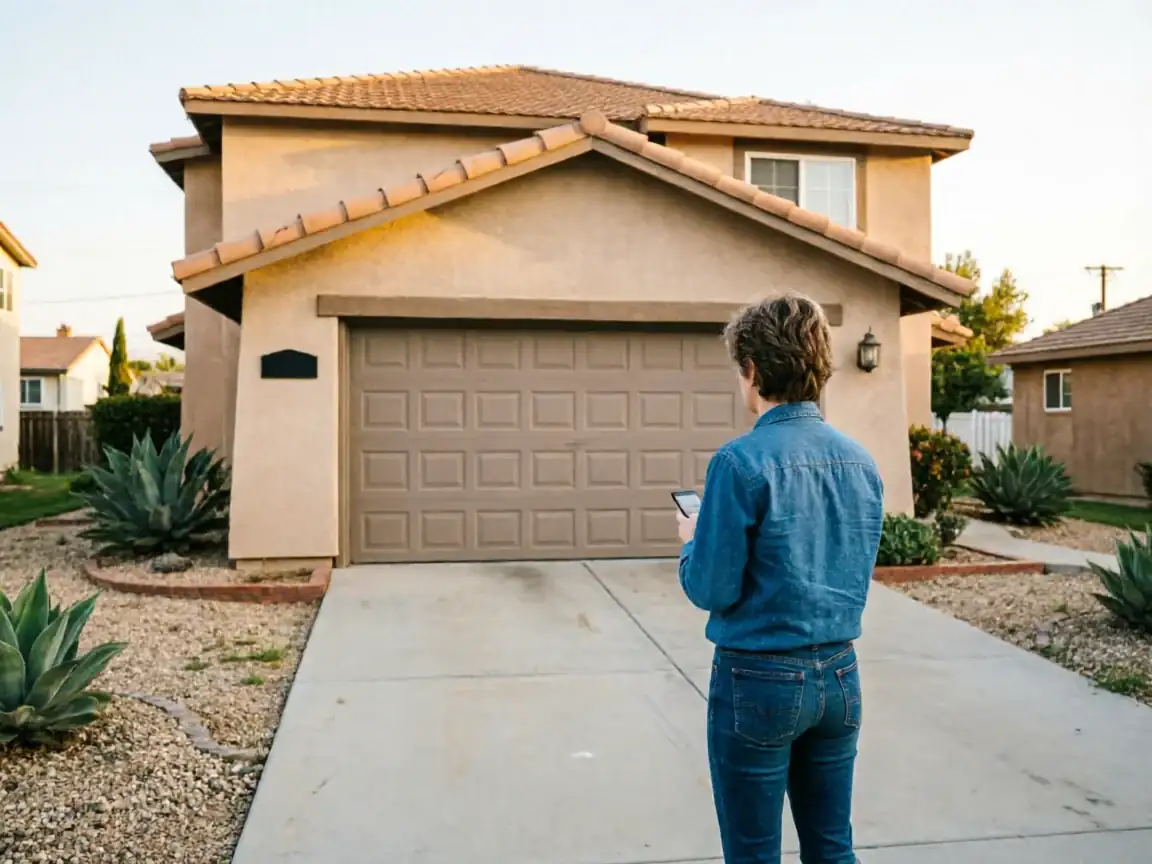
A person in a denim shirt stands in a driveway, looking at a phone.

Tell us what’s wrong

Describe the symptom - won’t open, loud bang, opener runs but the door won’t move.

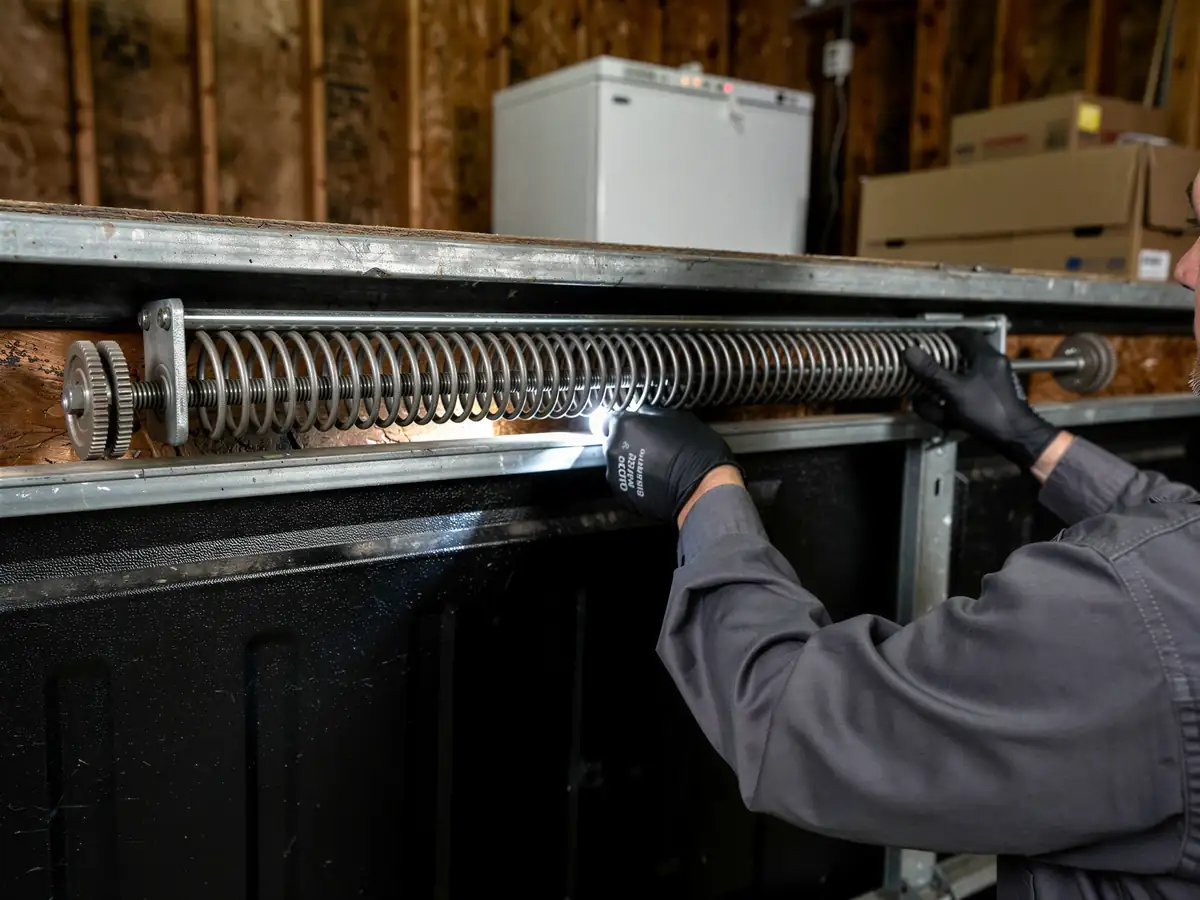
A technician shines a flashlight on a garage door torsion spring.

On-site diagnosis

A technician tests the door under power and by hand and finds what actually failed.

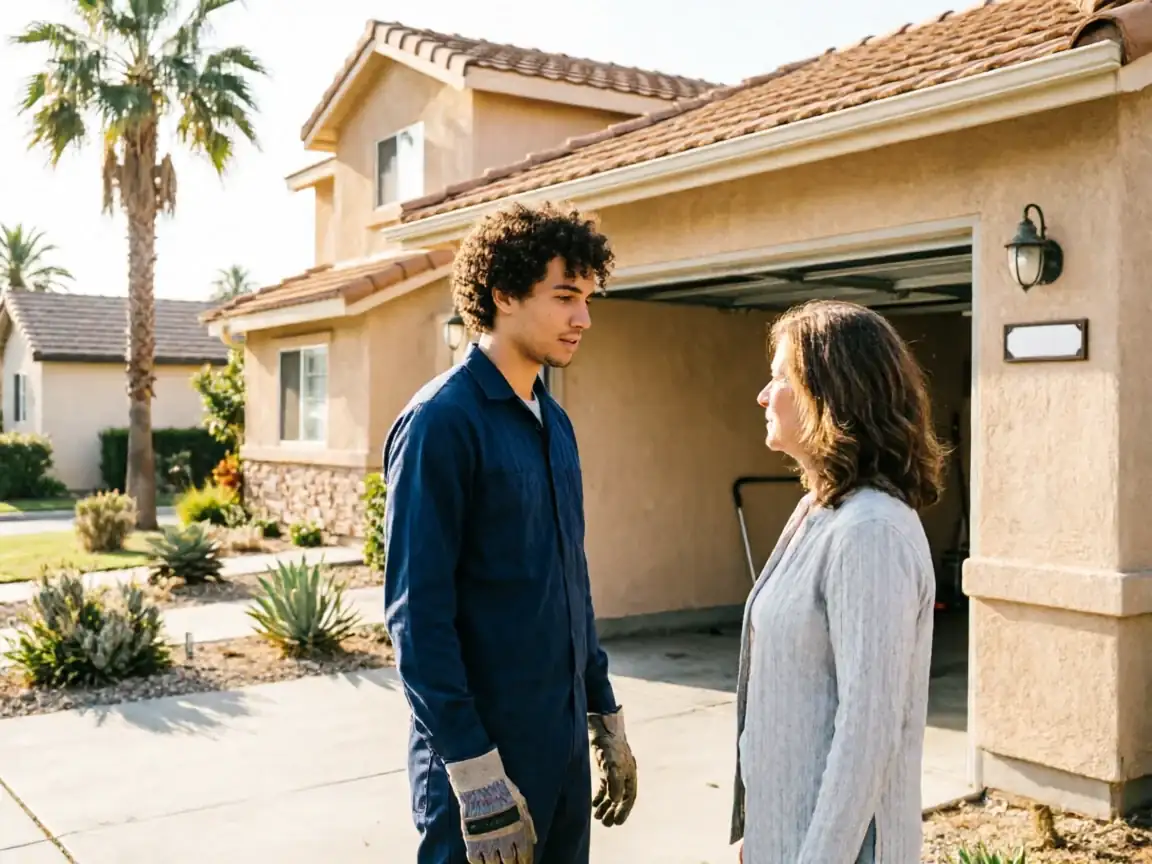
A technician in a blue uniform talks to a woman in front of a house.

Clear, up-front plan

You get the fix that’s needed and what drives the cost - before any work starts.

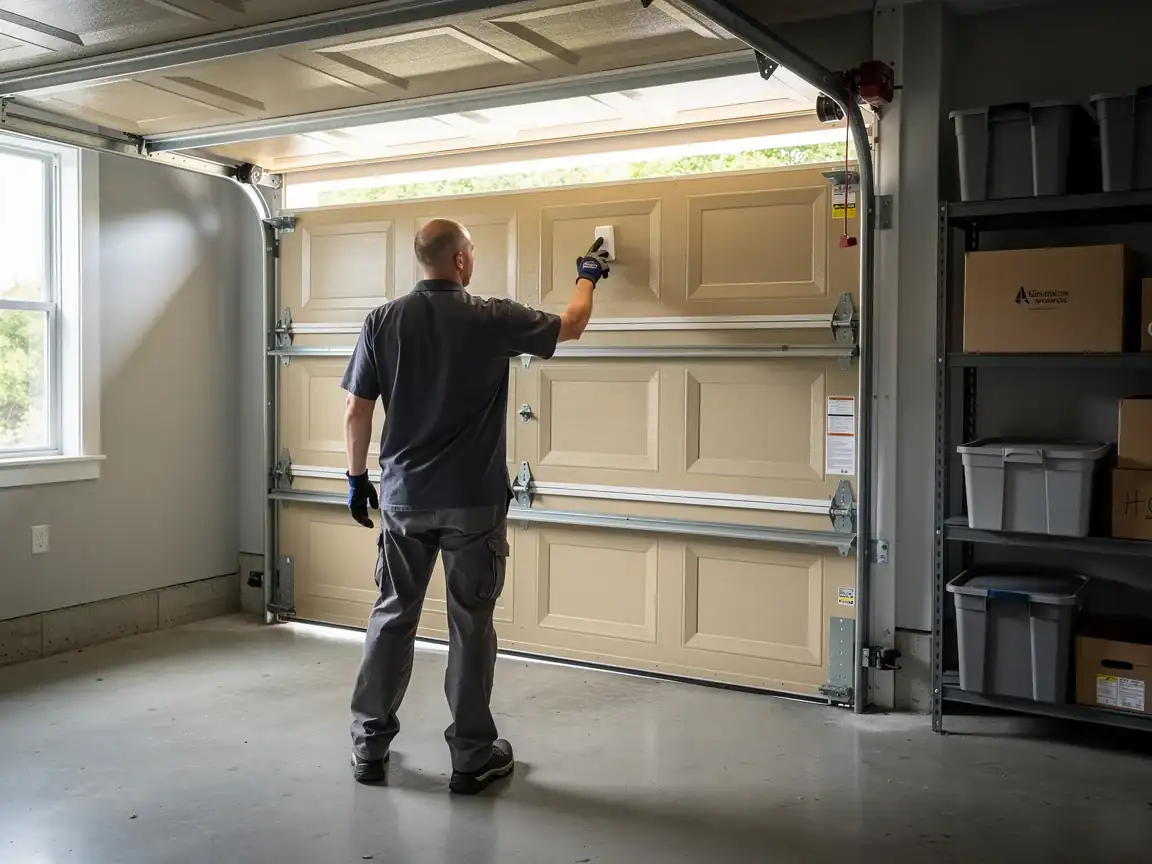
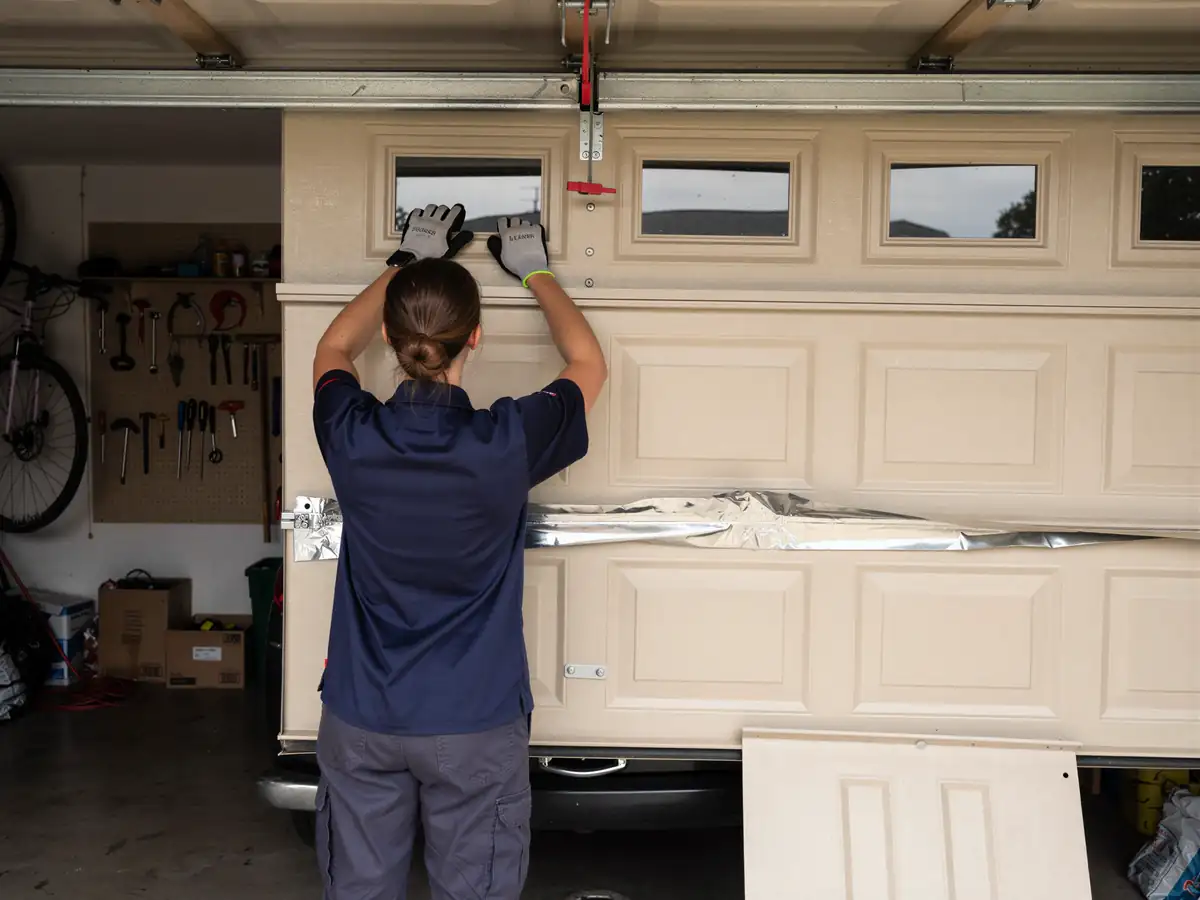
A technician in a gray uniform is pressing a button on a beige garage door.

Repaired & tested

The repair is done, the door is set true and tested, and the work area left clean.

Next step

Not sure which repair your door needs in Inglewood, CA? Describe what it’s doing - every job starts with a diagnosis.

How we work

What to expect

A straight, honest approach on every Inglewood job.

Diagnosis first

Every visit starts by finding what actually failed - not a pre-written parts list.

The right part for the door

Springs and openers matched to the door’s weight and age, so the fix holds up.

Straight answers

When a repair makes more sense than a replacement - or the reverse - you hear it plainly.

Clean, careful work

Tension released safely, hardware set true, the door tested under power before we leave.

What we do

Garage Door Services

Repair and installation work for Inglewood homes and businesses.

Questions

Frequently asked

Straight answers about garage door repair in Inglewood. Still unsure? Ask us directly.

Why did my garage door suddenly come off the track?

It's rarely sudden - a bracket or roller was already loosening for weeks or months. On Inglewood's older housing stock, the last straw is usually a hard stop on a door that was already riding slightly misaligned. We check the brackets and rollers, not just the door panel, to find what actually gave out.

Can I push the door back onto the track myself?

You can sometimes reseat a roller, but if a bracket is bent or pulled from the jamb, forcing the door back on just sets up another derailment. We'd rather you call and describe what you're seeing than risk a panel or your fingers on a door that's not tracking right.

Is this just a spring issue?

Not usually. A heavy-feeling door can mean a weak spring, but on older track hardware common in Inglewood it's just as often a worn roller or a bracket that's shifted. We check both before replacing anything, since a new spring won't fix a bent track.

Does Inglewood's weather cause this?

Not directly - the mild temperate climate here means we're not dealing with ice jamming a track the way colder regions do. The bigger factor is age: houses built mostly in the 1960s and 70s have hardware that's simply had decades to loosen and drift out of alignment.

Ready to get your garage door sorted?

Tell us what it’s doing and where you are in Inglewood - we’ll take it from there.

Request a QuoteCall