The Problem
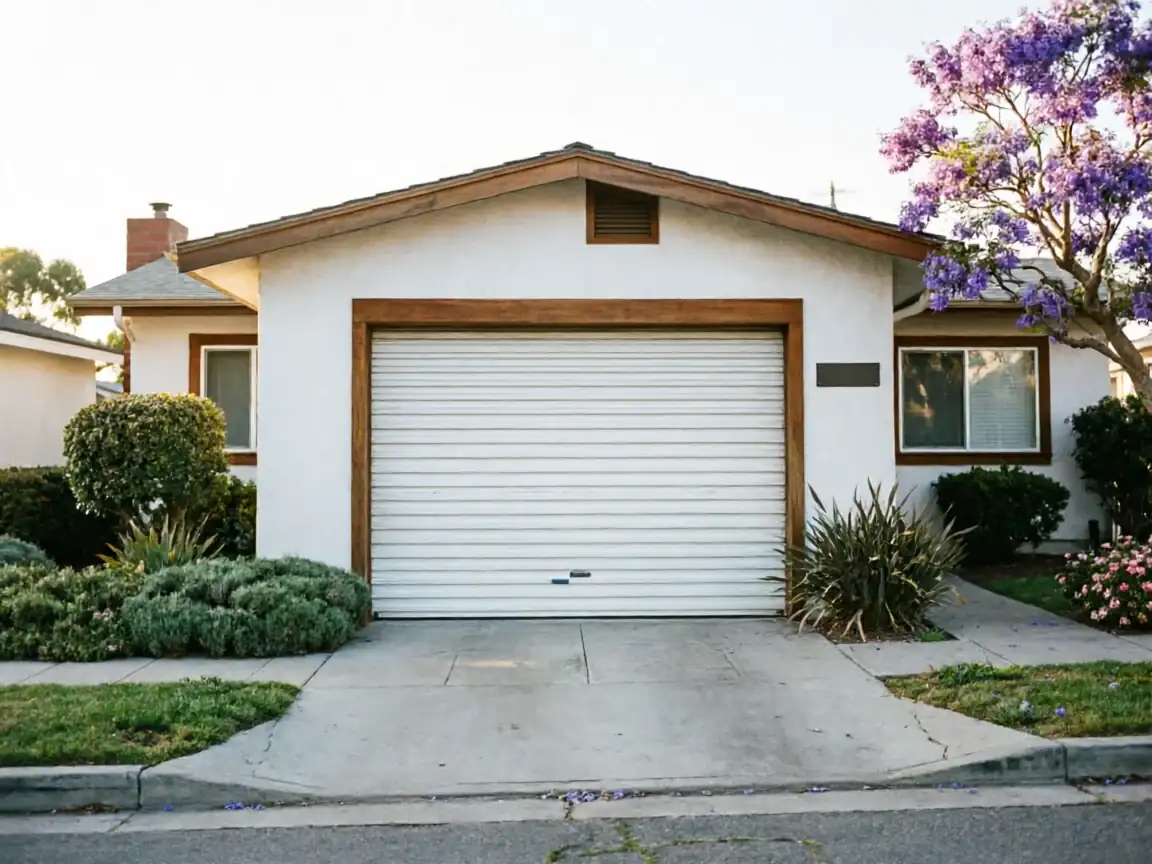
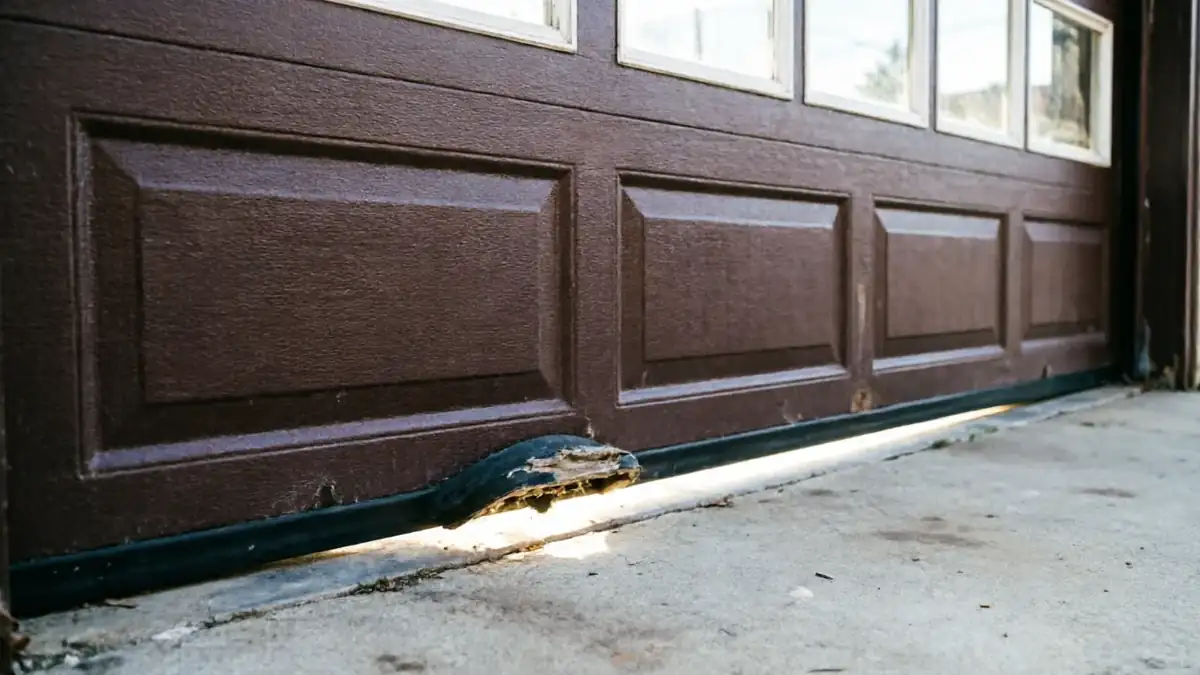
Most houses in this part of Inglewood went up between 1943 and 2012, with the bulk of the stock dating to the 1960s and 70s and a median build year of 1961. That means a lot of original garage door jambs and bottom tracks that were never designed for the vinyl or rubber seals sold today. The gap between a 1960s-built frame and a modern replacement door is rarely clean. You'll see daylight at the corners, a bottom seal that compresses on one side and gaps on the other, and side seals that have hardened and cracked from decades of sun exposure even in a mild climate. People assume a mild temperate band like this one doesn't stress a door's weatherstripping much, but the real issue isn't heat or cold - it's that these jambs have shifted slightly over sixty-plus years and nothing lines up square anymore. A seal that fits a straight, modern frame won't seat right against a frame that's moved.
Where People Go Wrong
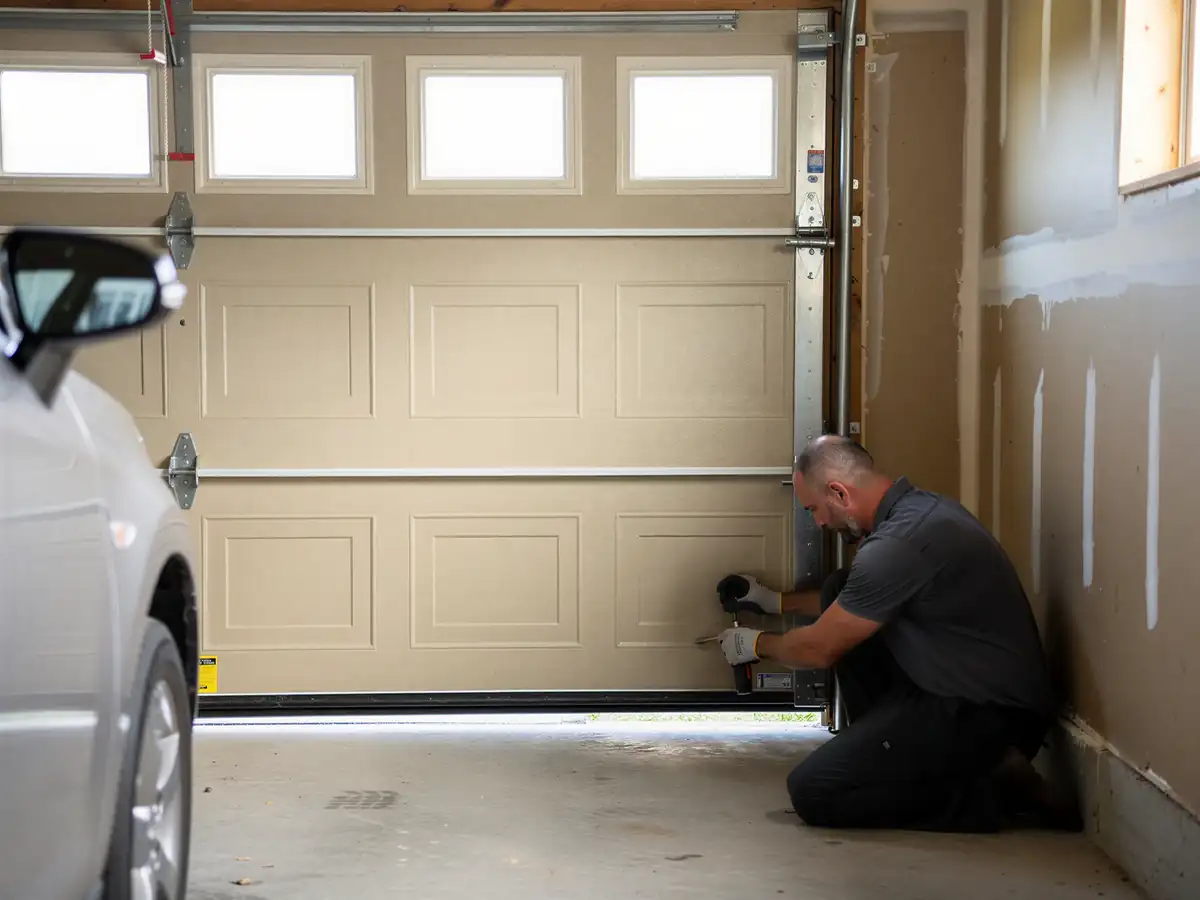
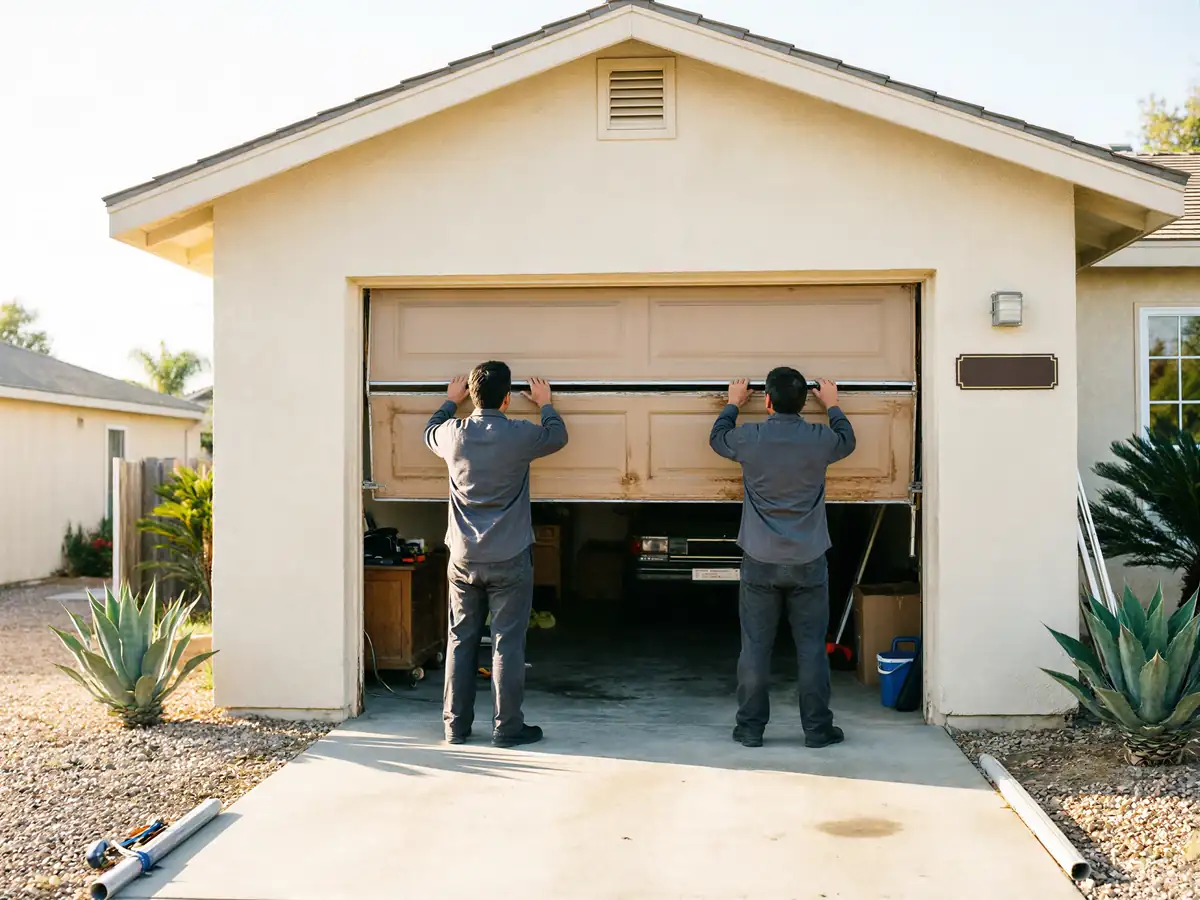
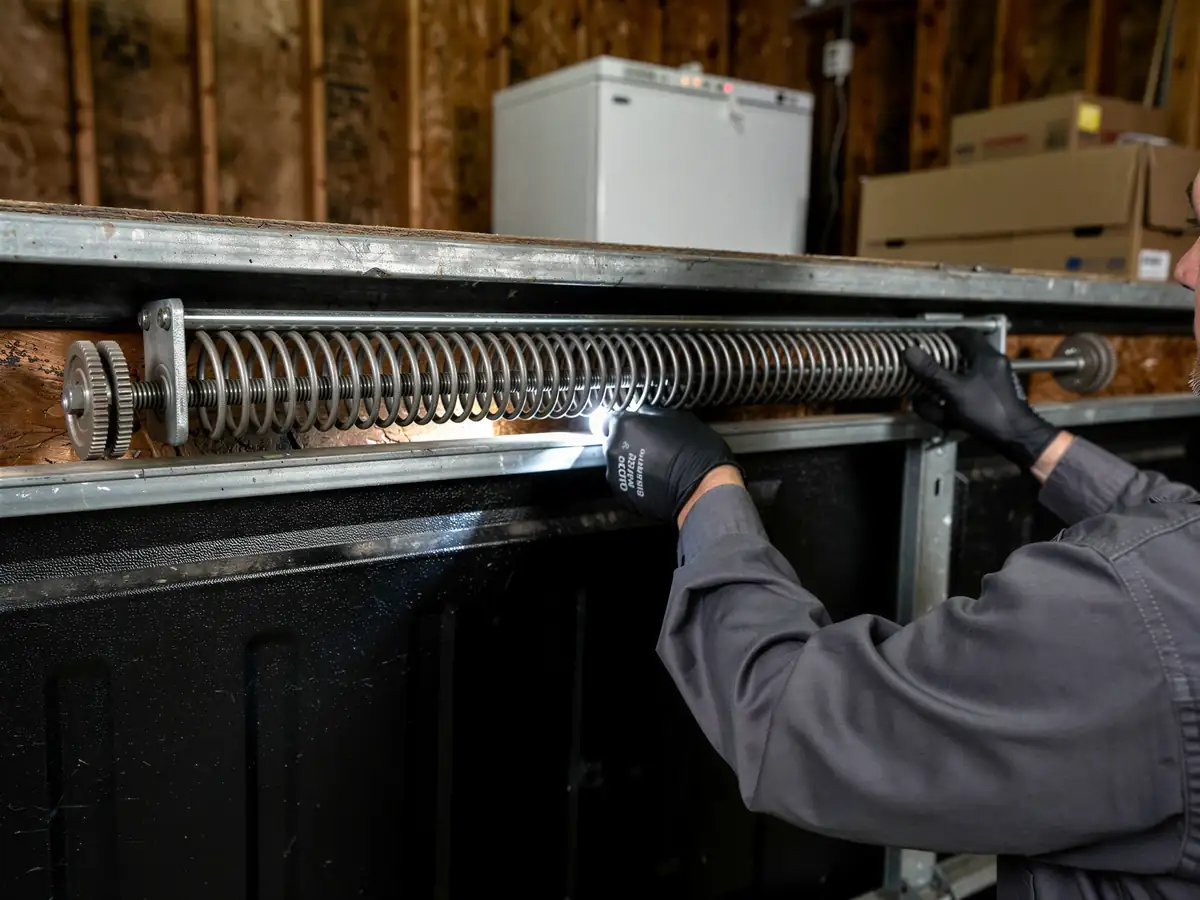
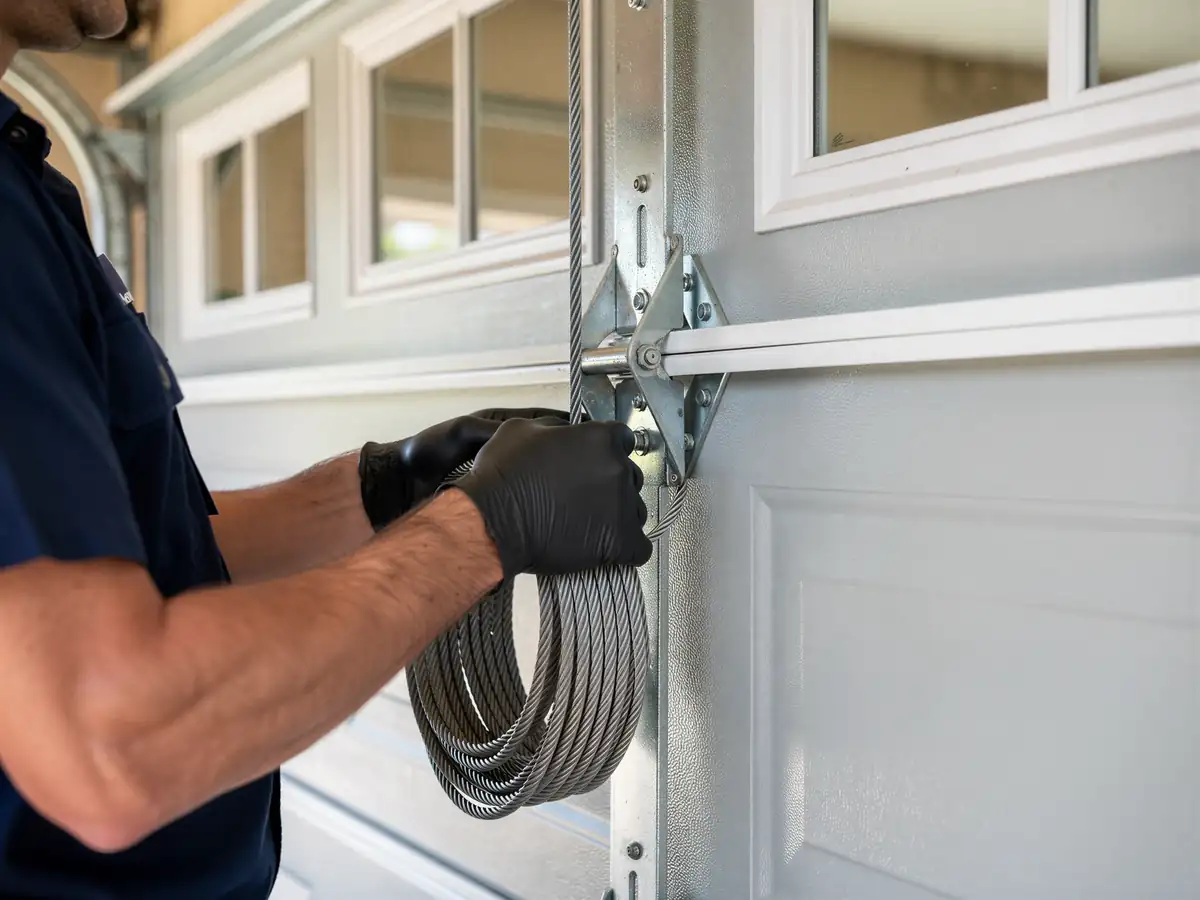
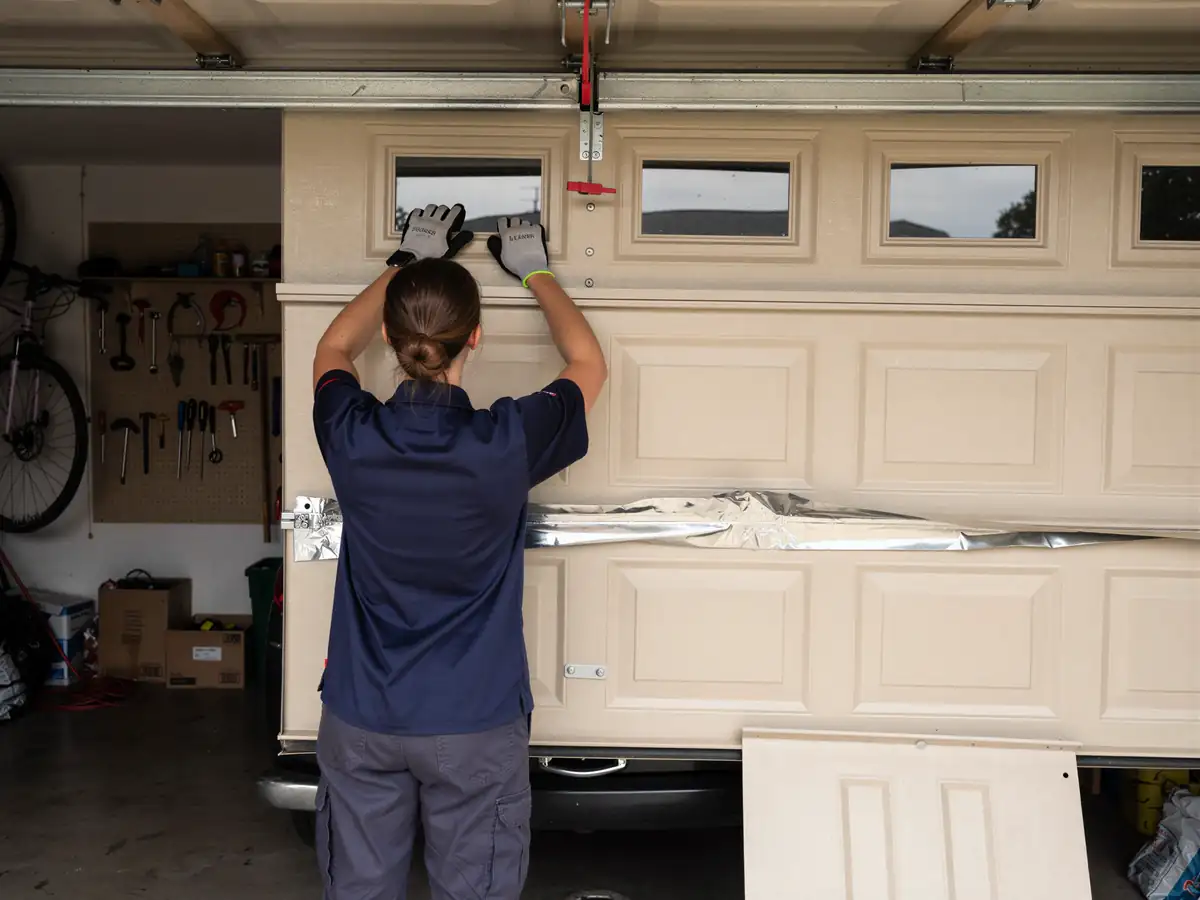
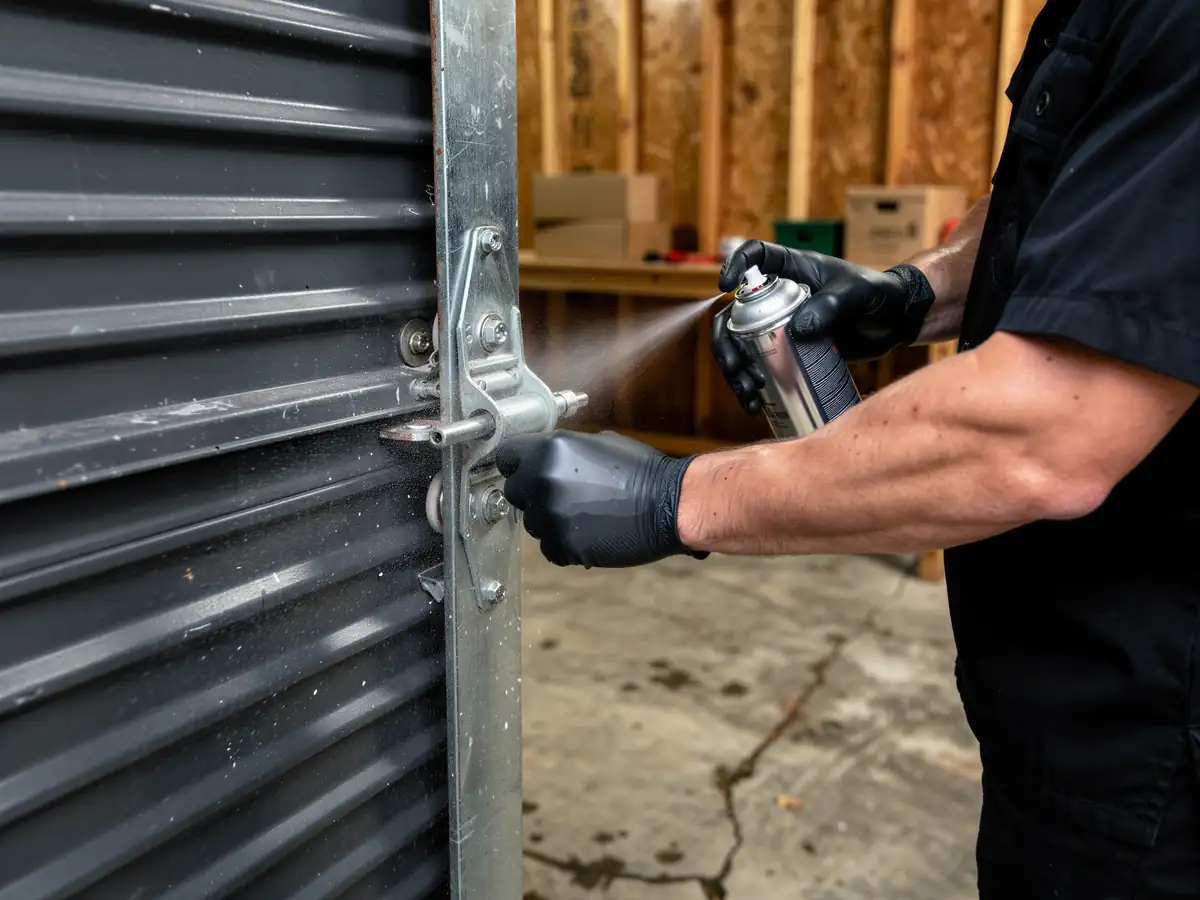
The usual move is to buy a universal bottom seal and a roll of side gasket at a hardware store and staple or glue it on. On a door and jamb built to today's tolerances that's fine. On a frame from the 1960s or 70s, with decades of minor settling, the seal doesn't sit flush and it fails again within a season, usually at the same corner. The other common mistake is treating the door panel and the track as separate problems. If the track has drifted out of plumb - common in houses from this era where the garage was often an afterthought addition or a converted carport - no seal will hold a tight line against the floor no matter how many times you replace it. The seal is the last step, not the first one. Fixing the alignment comes before the gasket, and skipping that step is why the same repair keeps getting redone.
What Local Conditions Do
Inglewood sits in a mild temperate band, so the seals here aren't fighting freeze-thaw cracking or heavy seasonal expansion the way they would somewhere with harsh winters. What they're fighting instead is slow UV breakdown on vinyl and rubber that sits exposed most of the year, plus the accumulated misalignment of jambs and tracks that are decades older than the seal material itself. That combination is specific to housing stock like this - a door seal rated for twenty years of use in a newer frame doesn't get the same life bolted to a track that's already out of true. The fix that holds here is usually a seal matched to the actual gap at each corner, not a single continuous strip, because the gap width on a 1960s jamb is rarely consistent from one side of the door to the other.