How That Shows Up in the Door
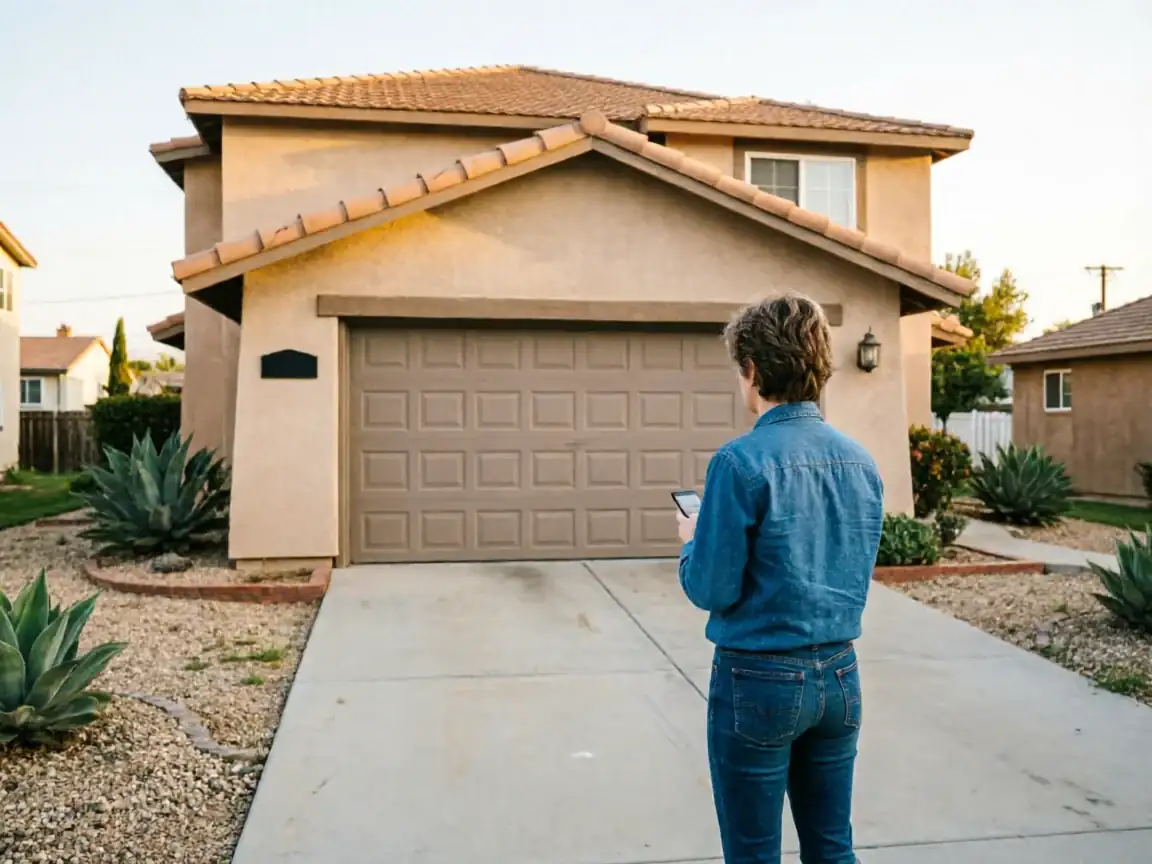
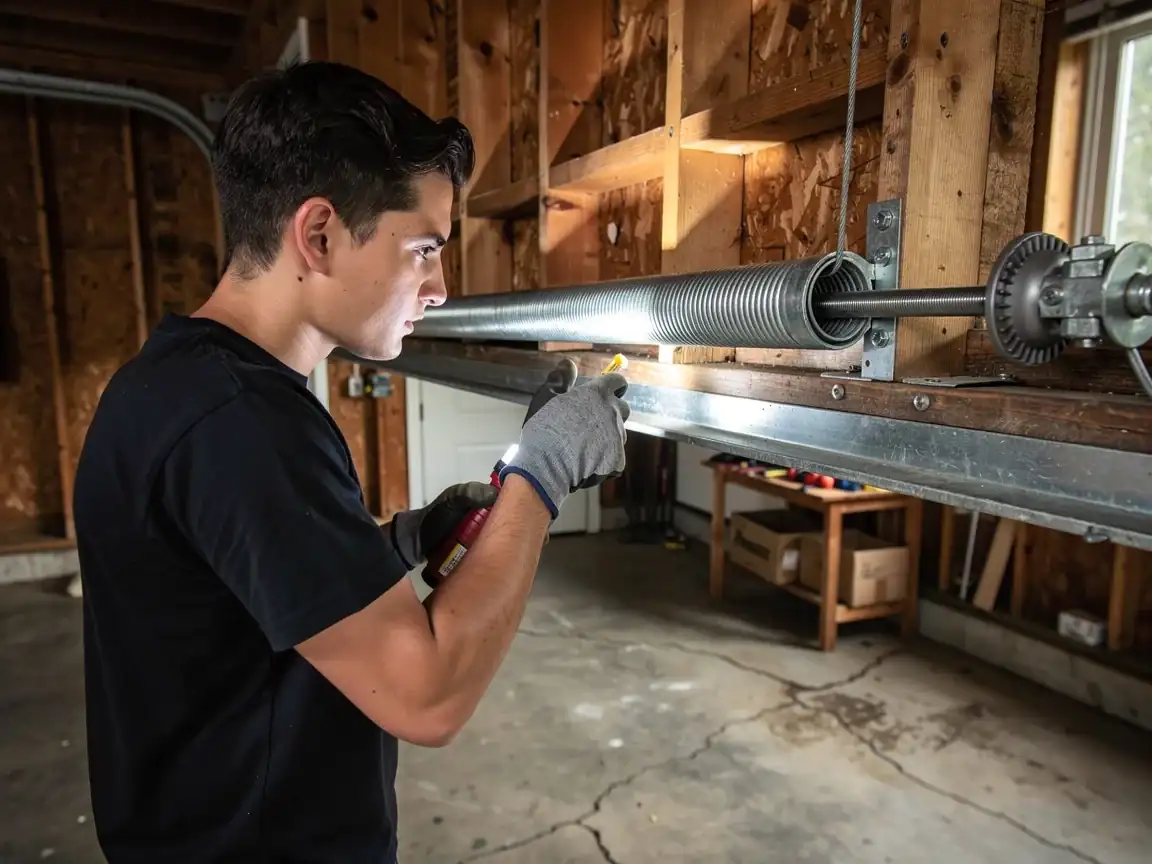
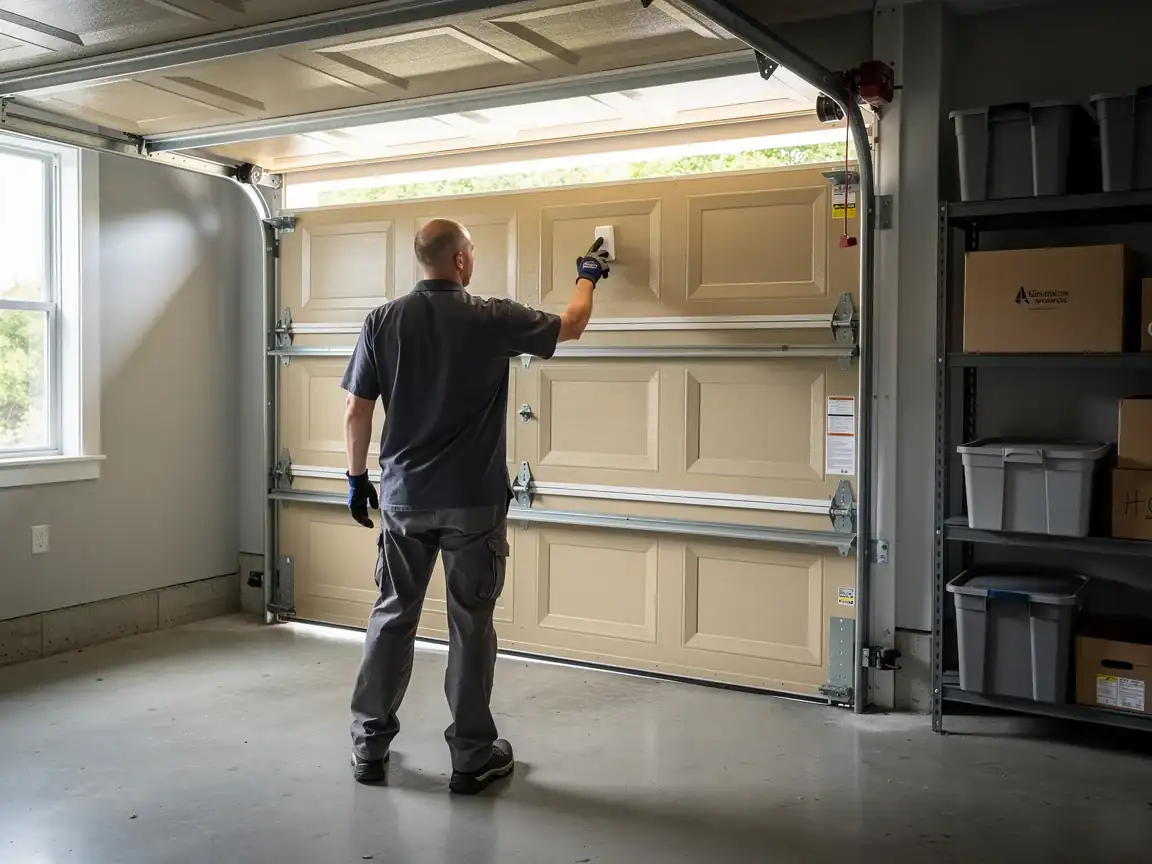
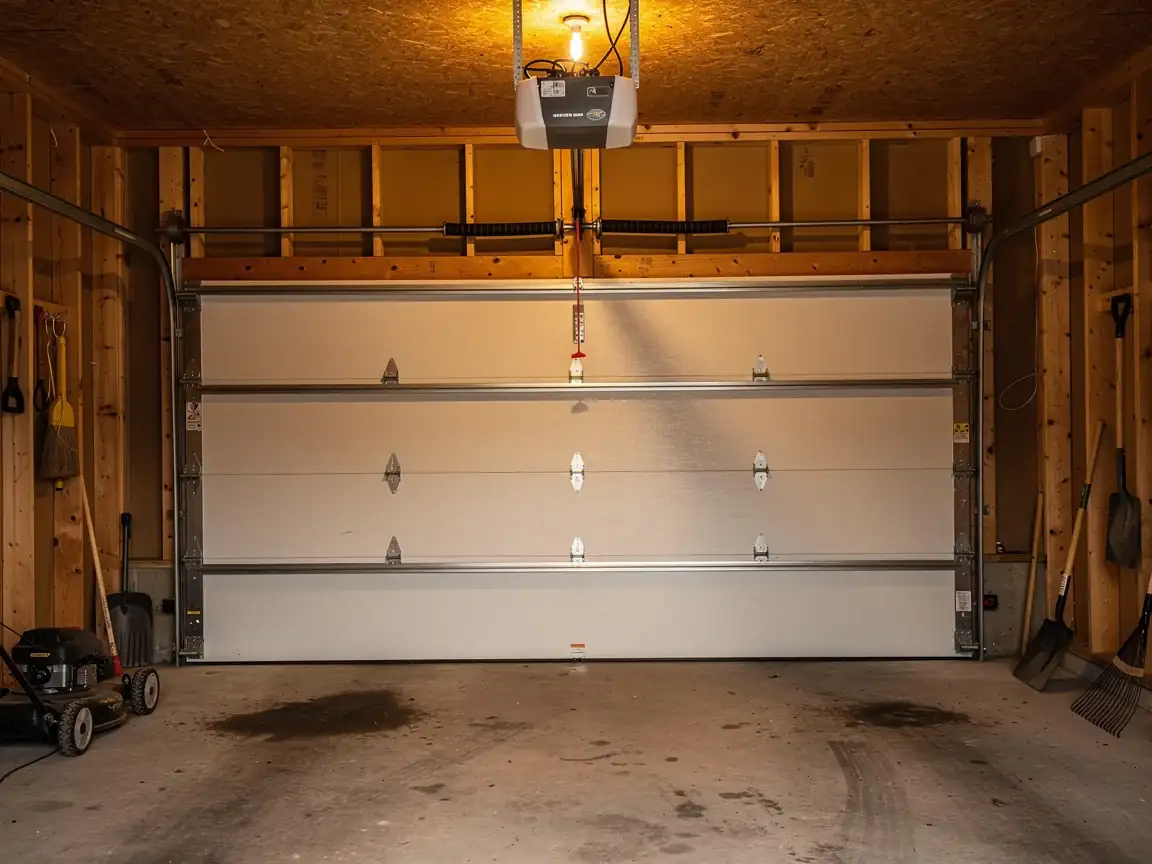
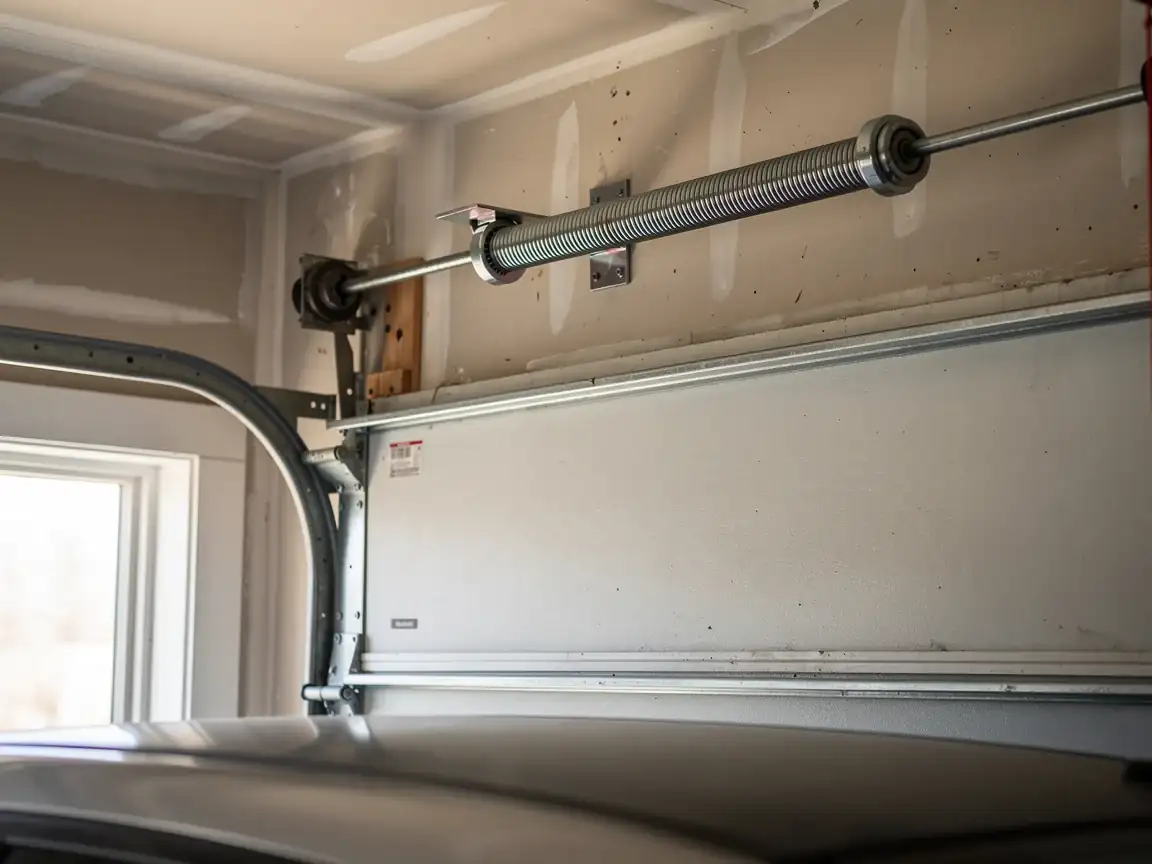
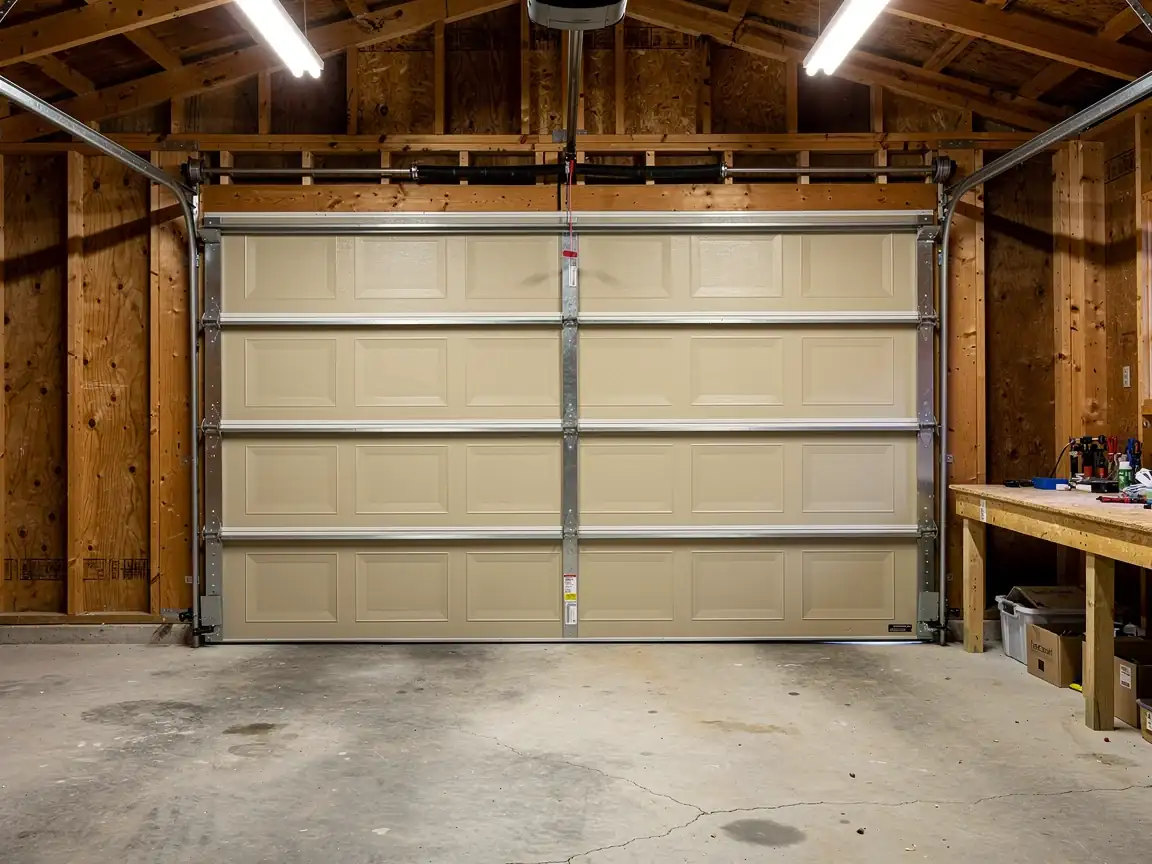
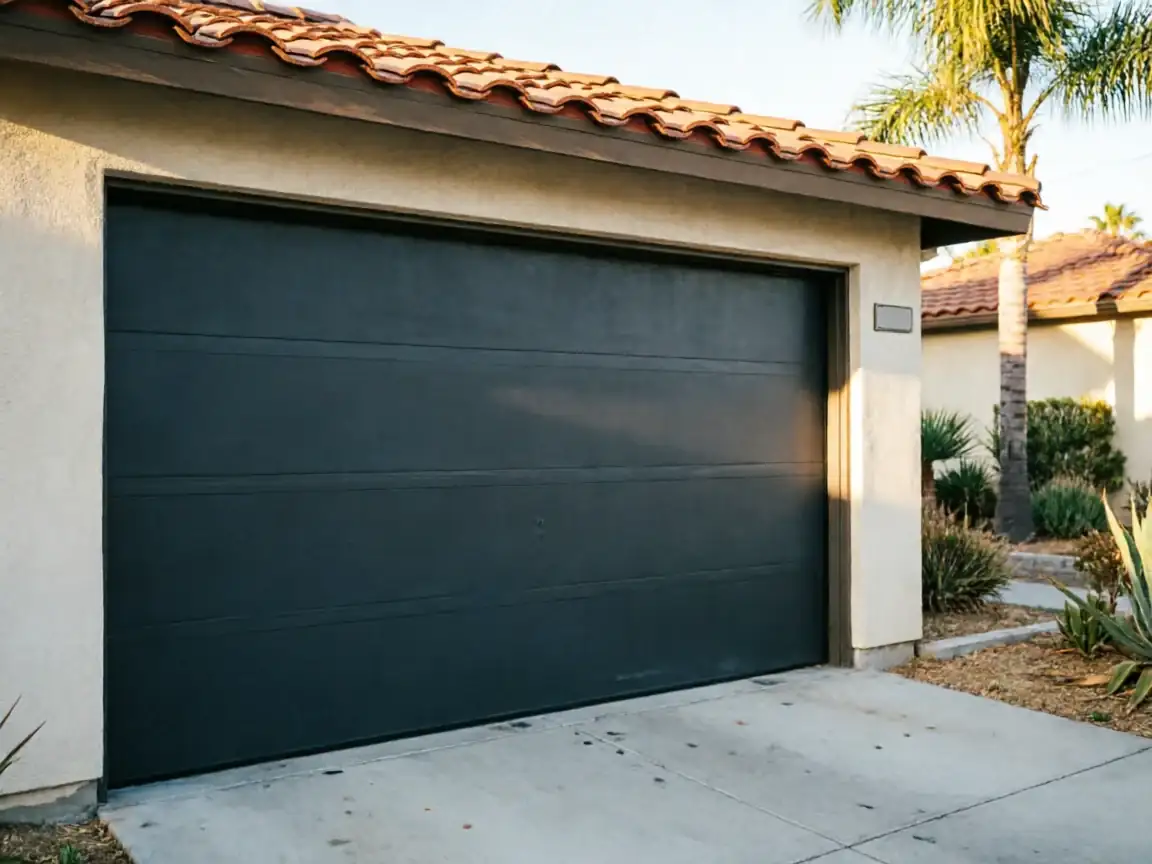
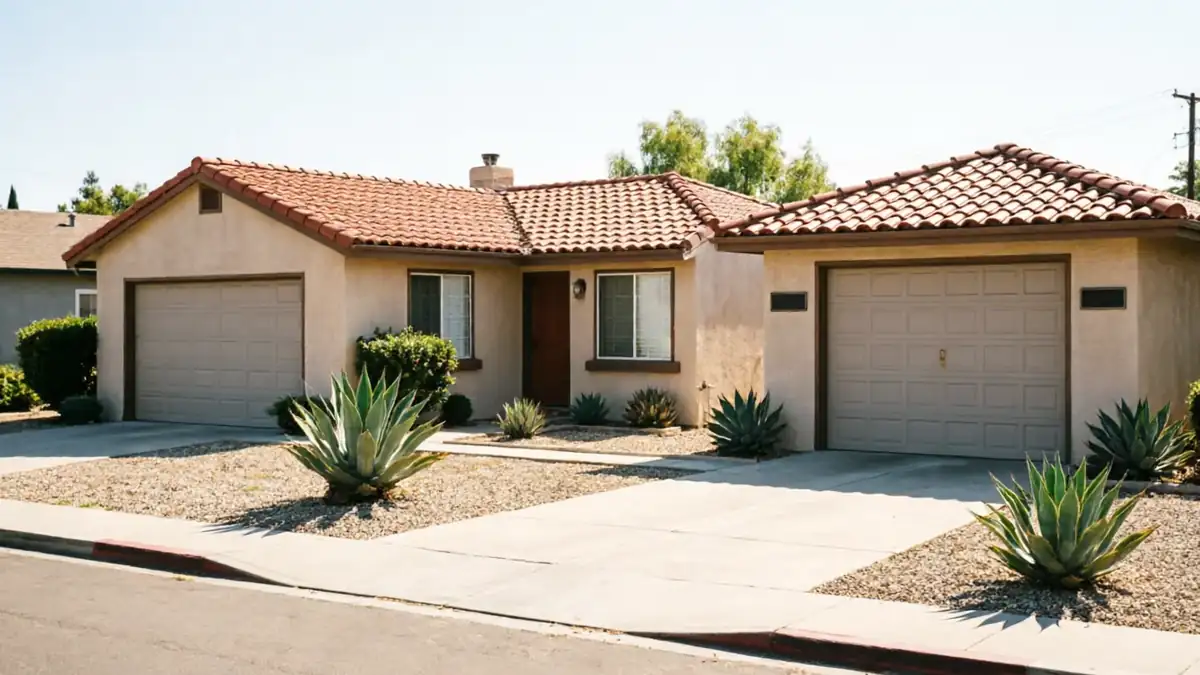
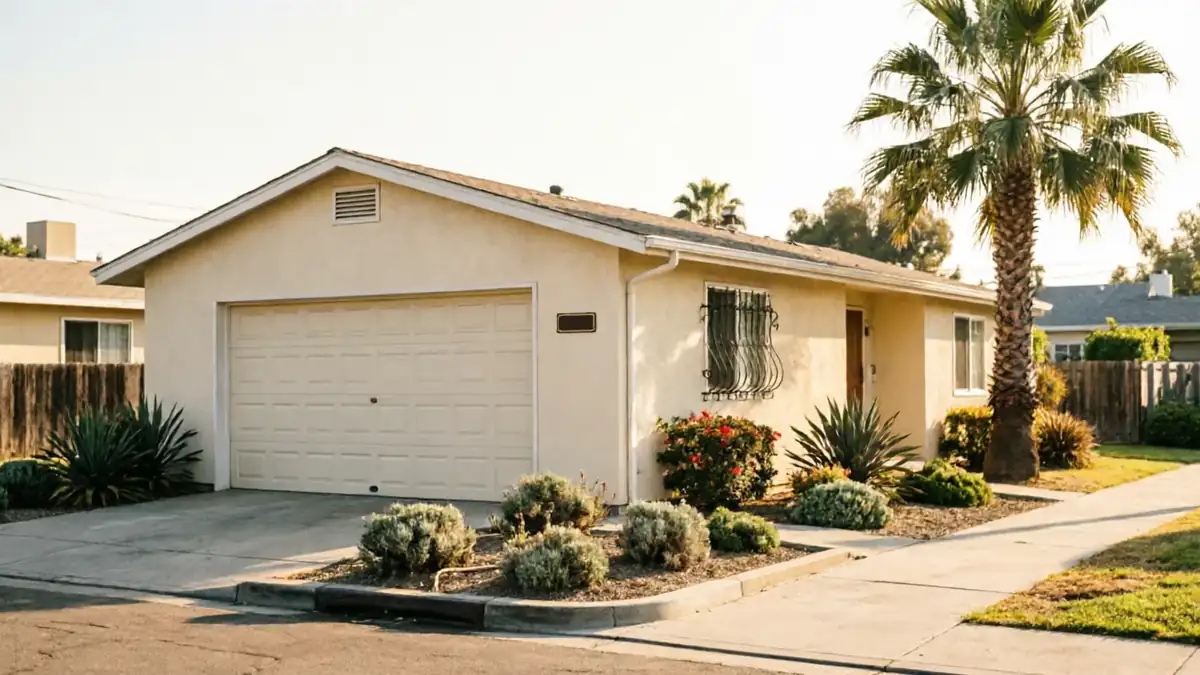
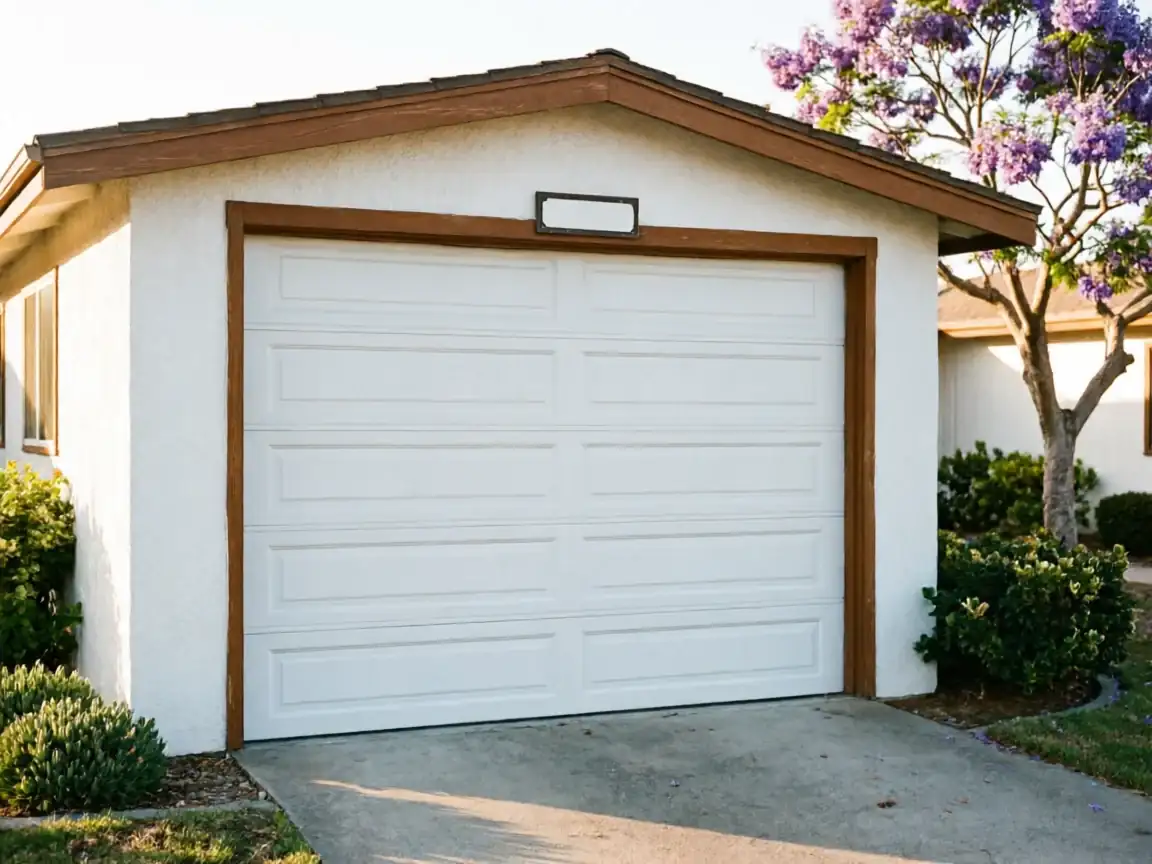
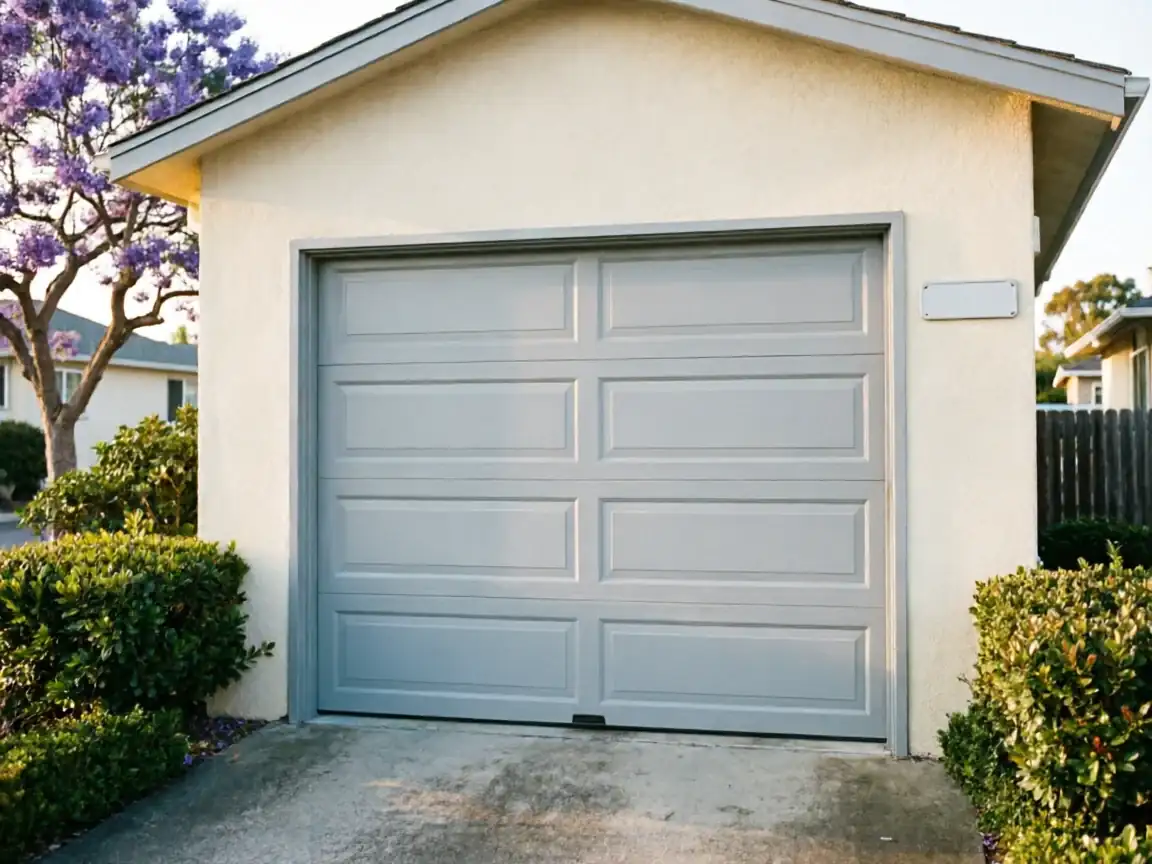
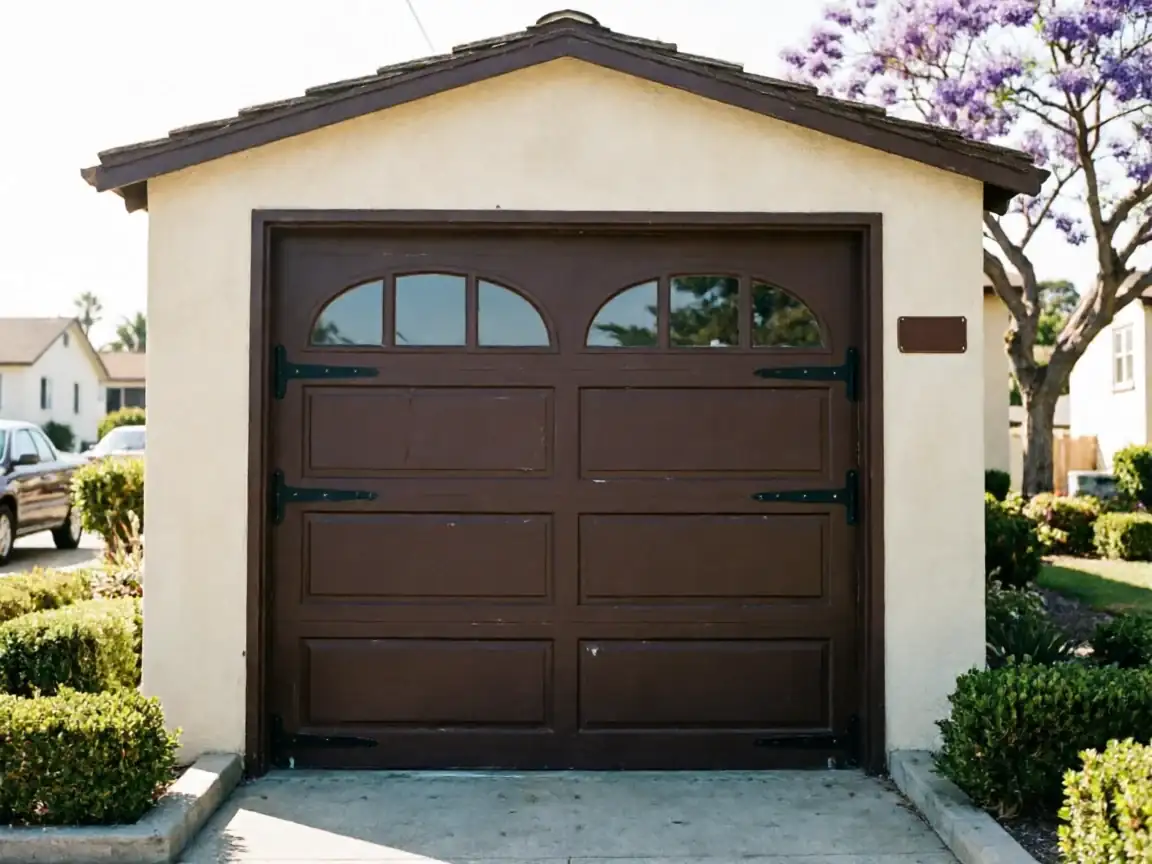
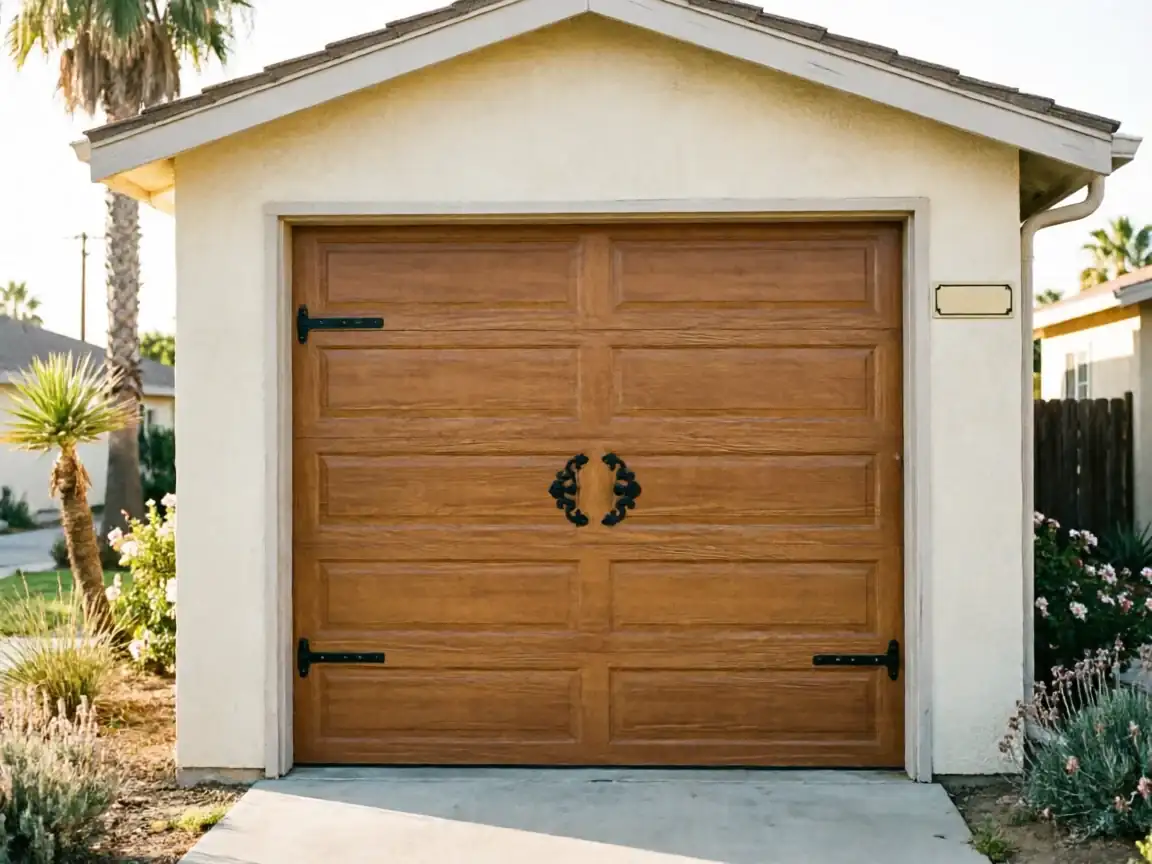
Norwalk's median house went up in 1957, four years ahead of the 1961 median for the broader service area. That gap matters more than it sounds like it should. A house built in the late 1950s usually got a single-panel wood or early steel door on a side-mounted torsion spring, hung on a track style that stopped being standard by the mid-60s retrofits. We see a lot of these doors still running their original jamb brackets, just with a replaced opener bolted on sometime in the last twenty years. The spring is almost never the original, but the drum and the cable drum size often are, and that's the part nobody keeps on a truck. On a 1957 build we check the header clearance before we quote a new door, because the rough opening on houses this age sometimes sits an inch or two short of what a current standard-lift door needs. It's a five-minute check that saves a second trip.
We don't carry every obsolete drum size as stock. If your door is one of the older single-panel setups, expect us to confirm the part before we commit to a same-visit fix. That's the honest version - better to tell you up front than to show up and start cutting a new header for a door we can finish next time.
What People Here Ring About
The calls out of Norwalk skew toward torsion springs that let go on doors that have been running on the original 1957-era hardware longer than they should have, plus openers from the 90s and early 2000s that finally give up on the logic board rather than the motor. Household income here runs about $98,709, a touch above the roughly $93,882 median across the wider area, and we notice it in the calls - more people asking for a full opener swap with a rolling code and battery backup rather than a patch job on the old chain drive. With 26,801 households in Norwalk, there's a real mix of owners who've done one upgrade cycle already and owners still on the original door from when the house was built. We get both kinds of calls in the same week. What we don't get much of here is track damage from storm debris - the climate doesn't produce that kind of event in this area, so most of what we're diagnosing is wear, not weather.
The Houses Here
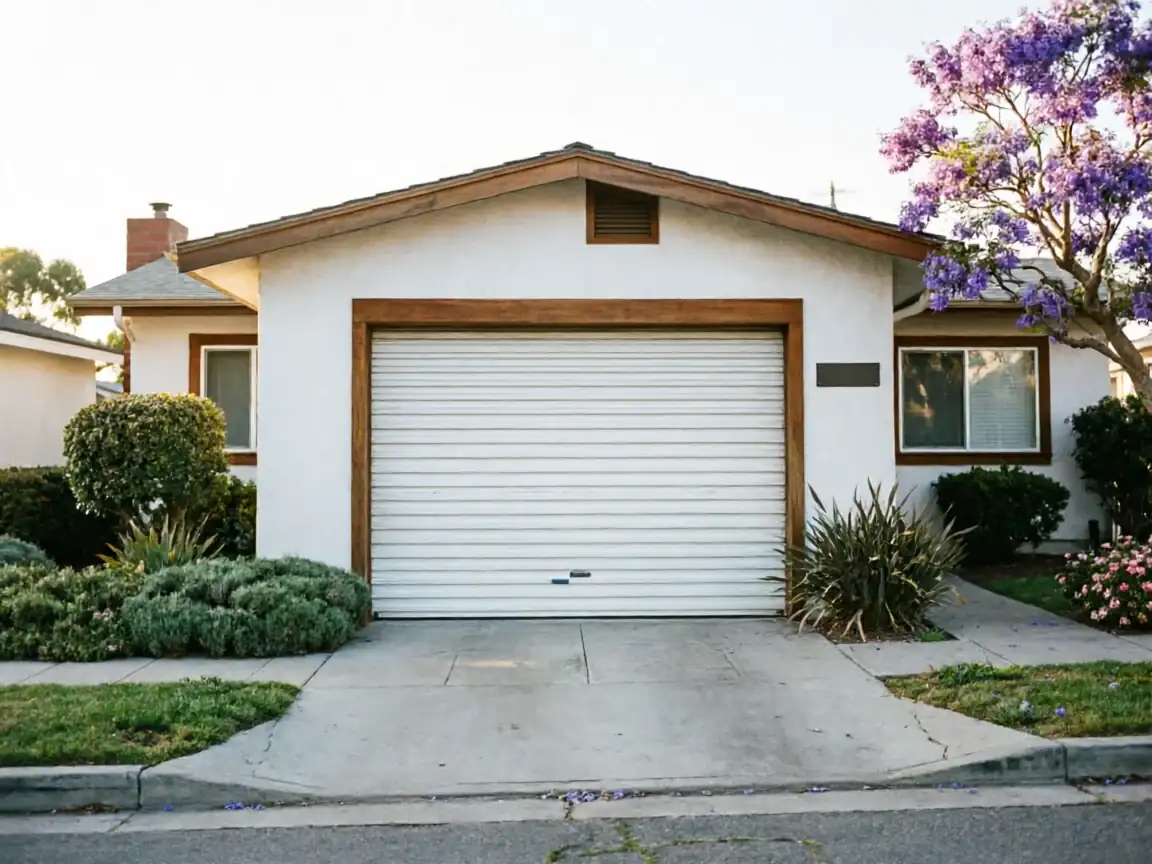
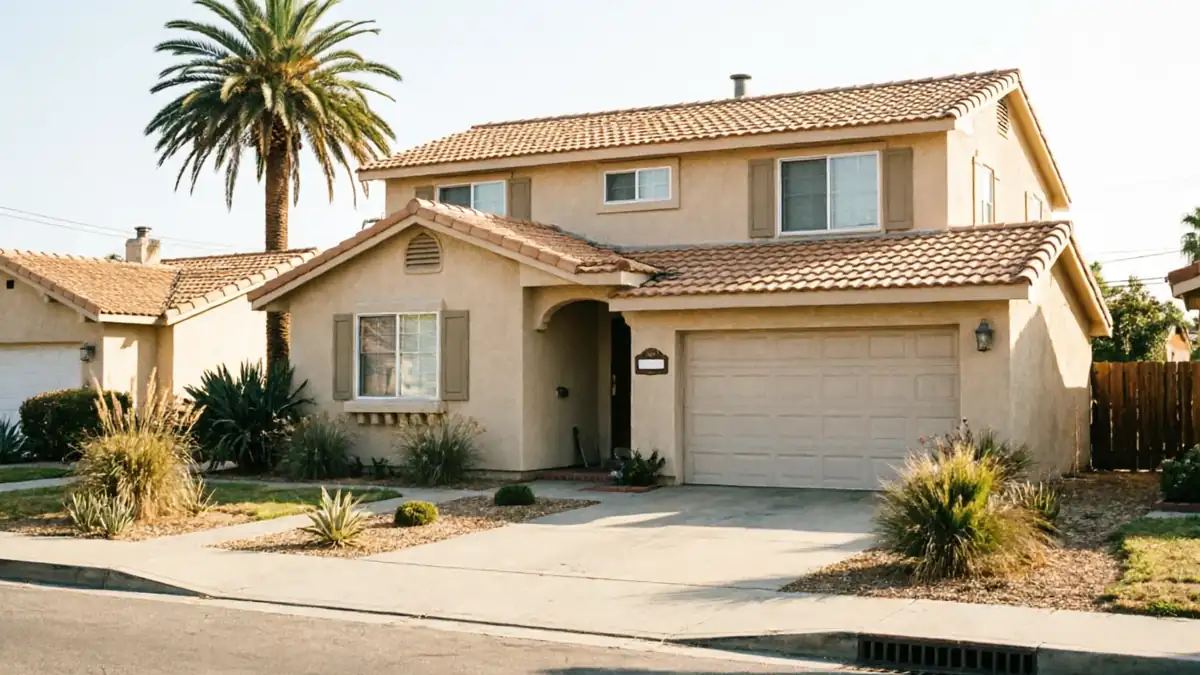
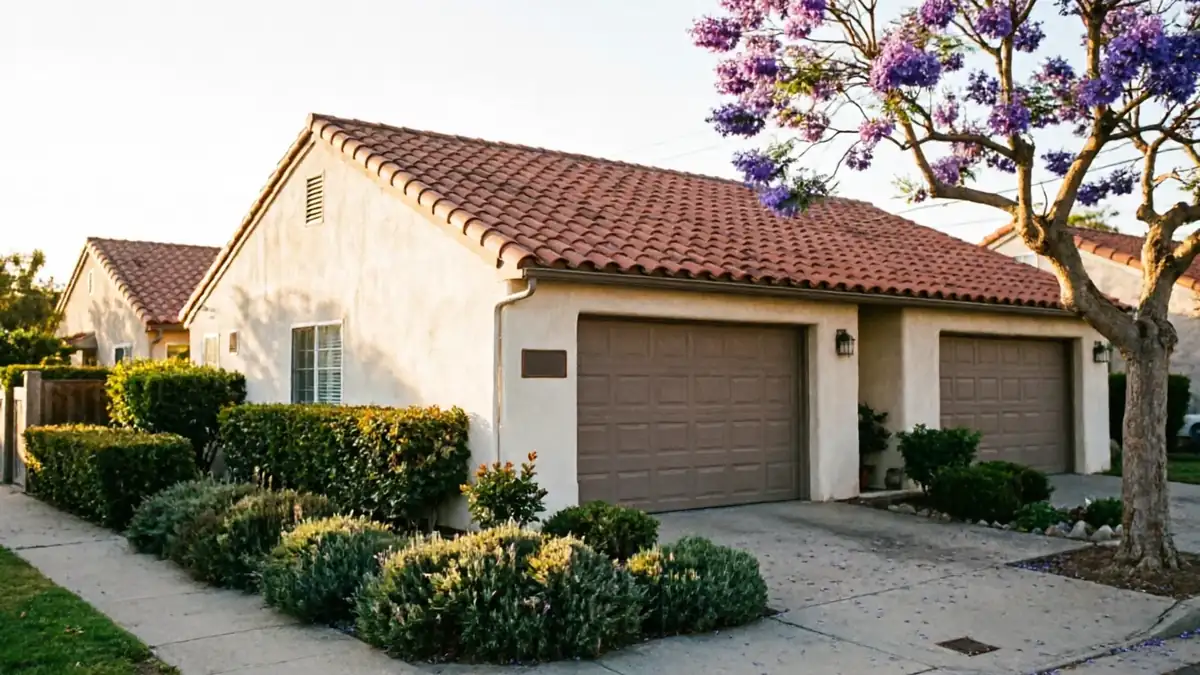
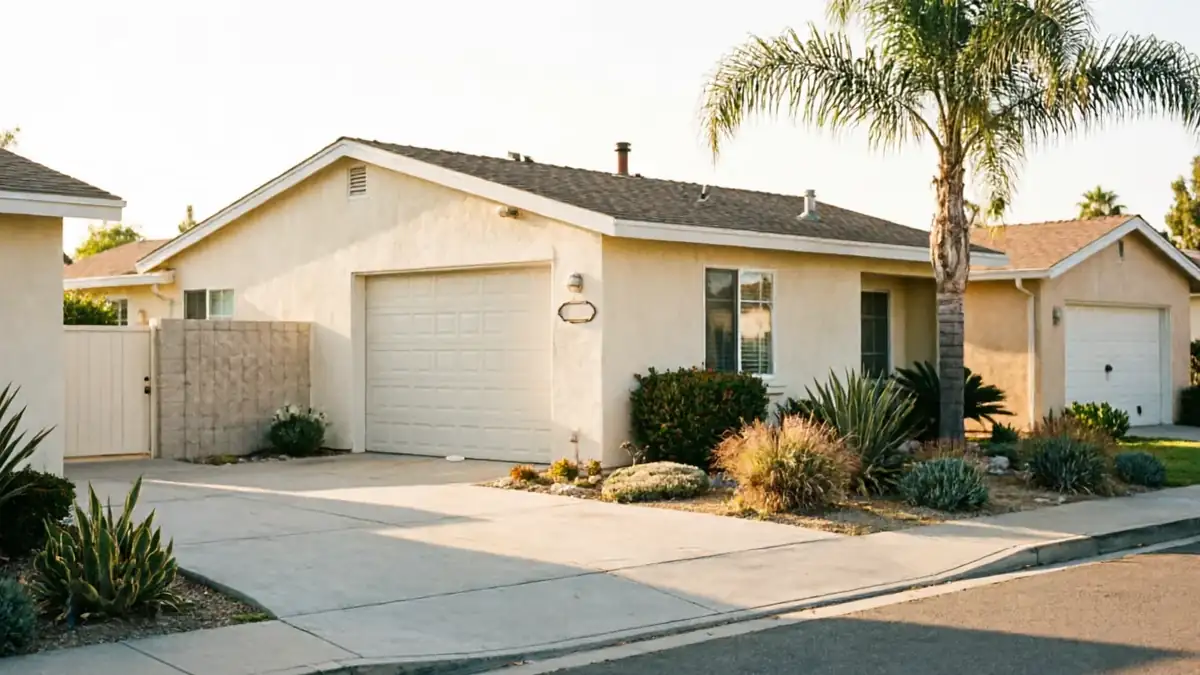
Across the wider service area the housing stock runs 1943 to 2012 with a median around 1961, built out across 62 named neighborhoods and pockets. Norwalk's own median lands at 1957, which puts it on the earlier side of that range rather than square in the middle. That earlier build date is the reason we lead with hardware age instead of generic door talk - a door and track system installed when the house was framed in 1957 has had a longer run than one from a 1970s tract home a few miles off, and it shows up as fatigue in places people don't expect: the end bearing plates, the old lag screws into a header that's shifted slightly over sixty-plus years. We're not going to tell you every door out here needs replacing - plenty of these openings have had one solid steel door and one spring swap since the original, and that's a reasonable repair history for a house this age. But if you're calling about noise or drag on a door you know is original to the house, expect that conversation to start with the track and bearing plates, not just the spring.