The DIY Question
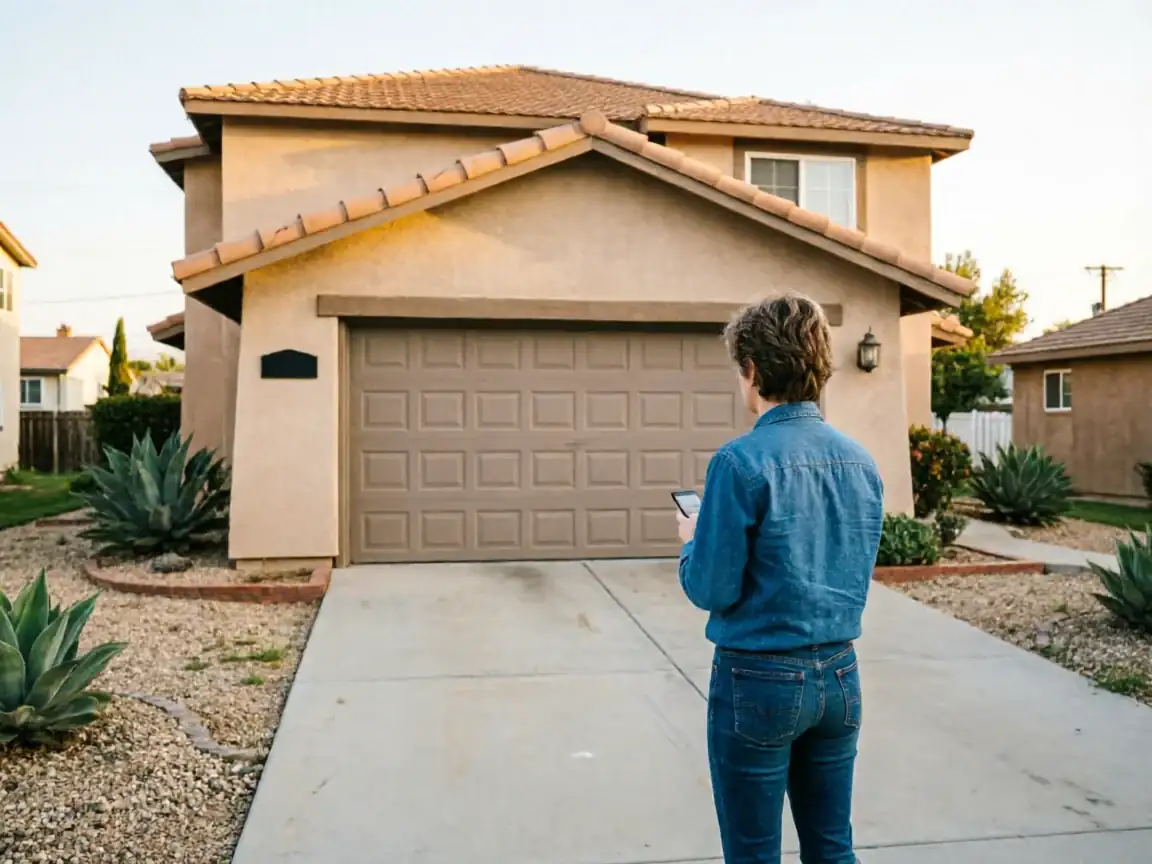
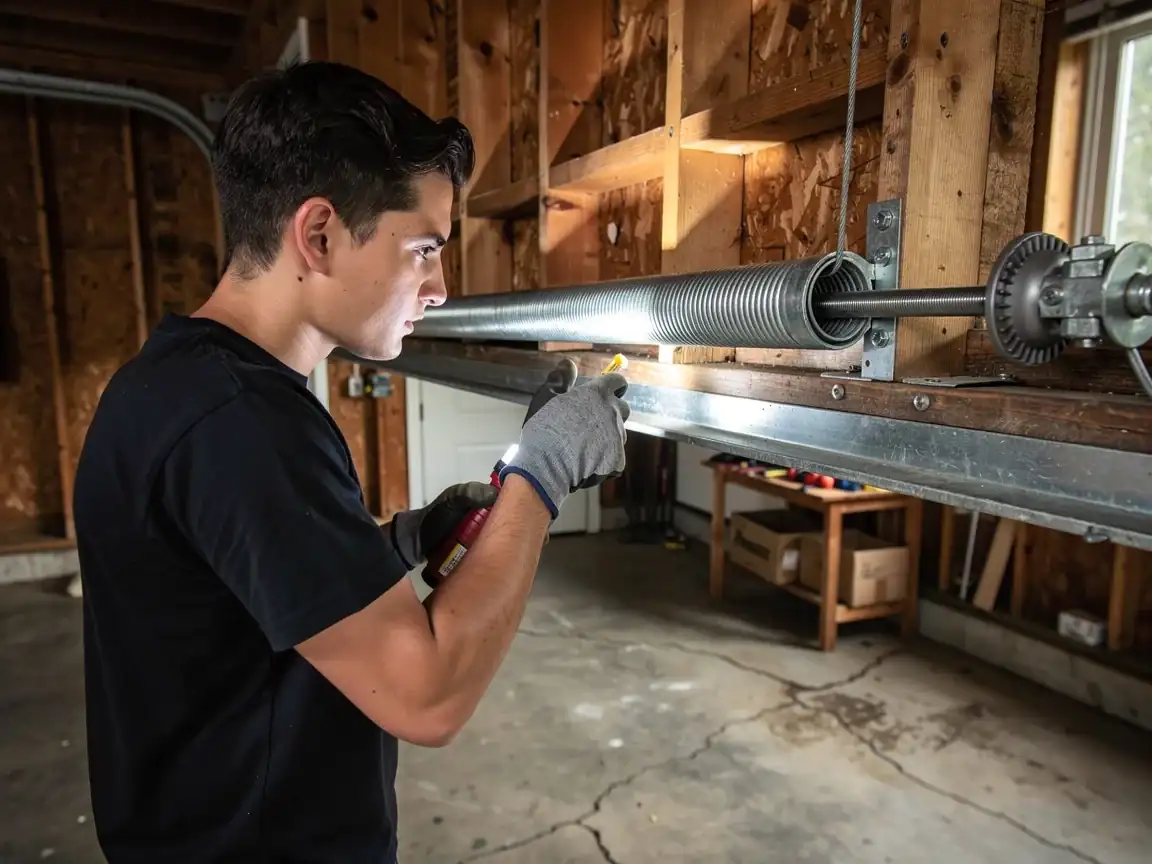
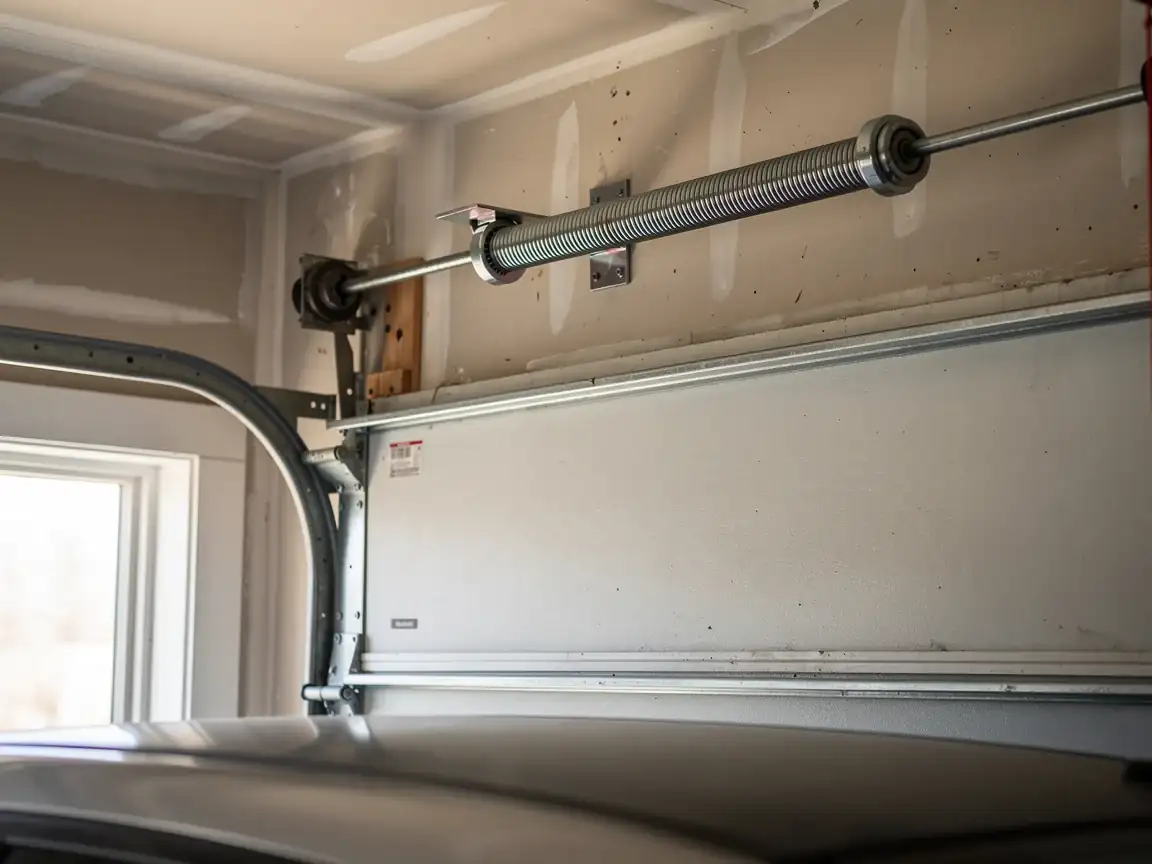
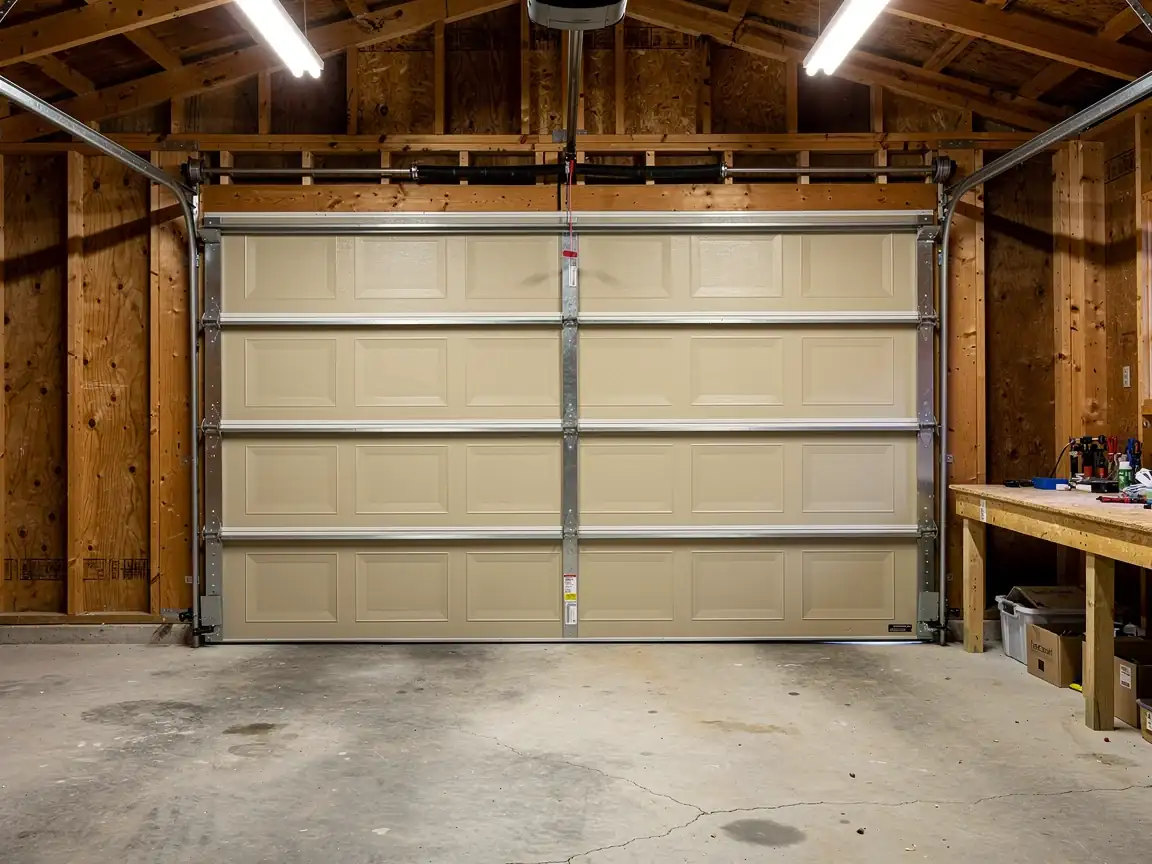
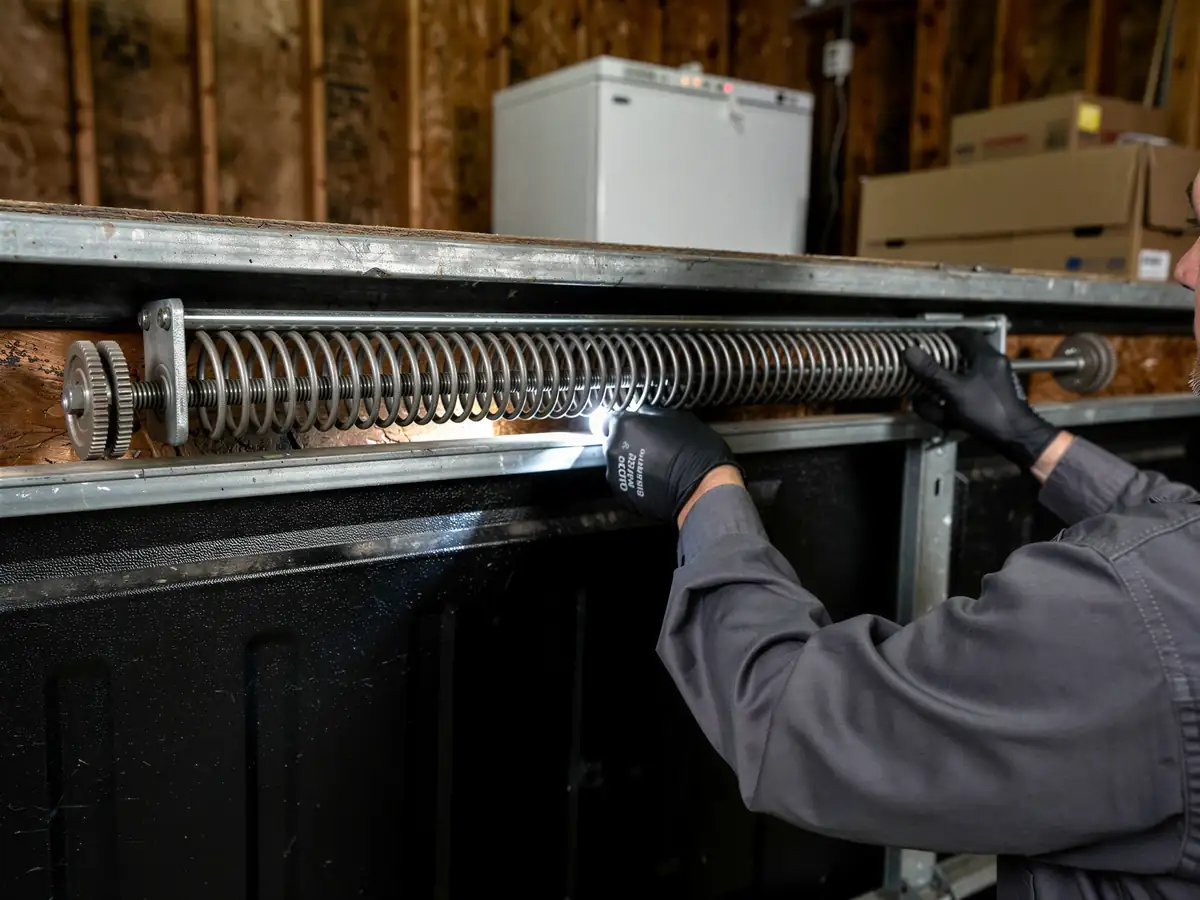
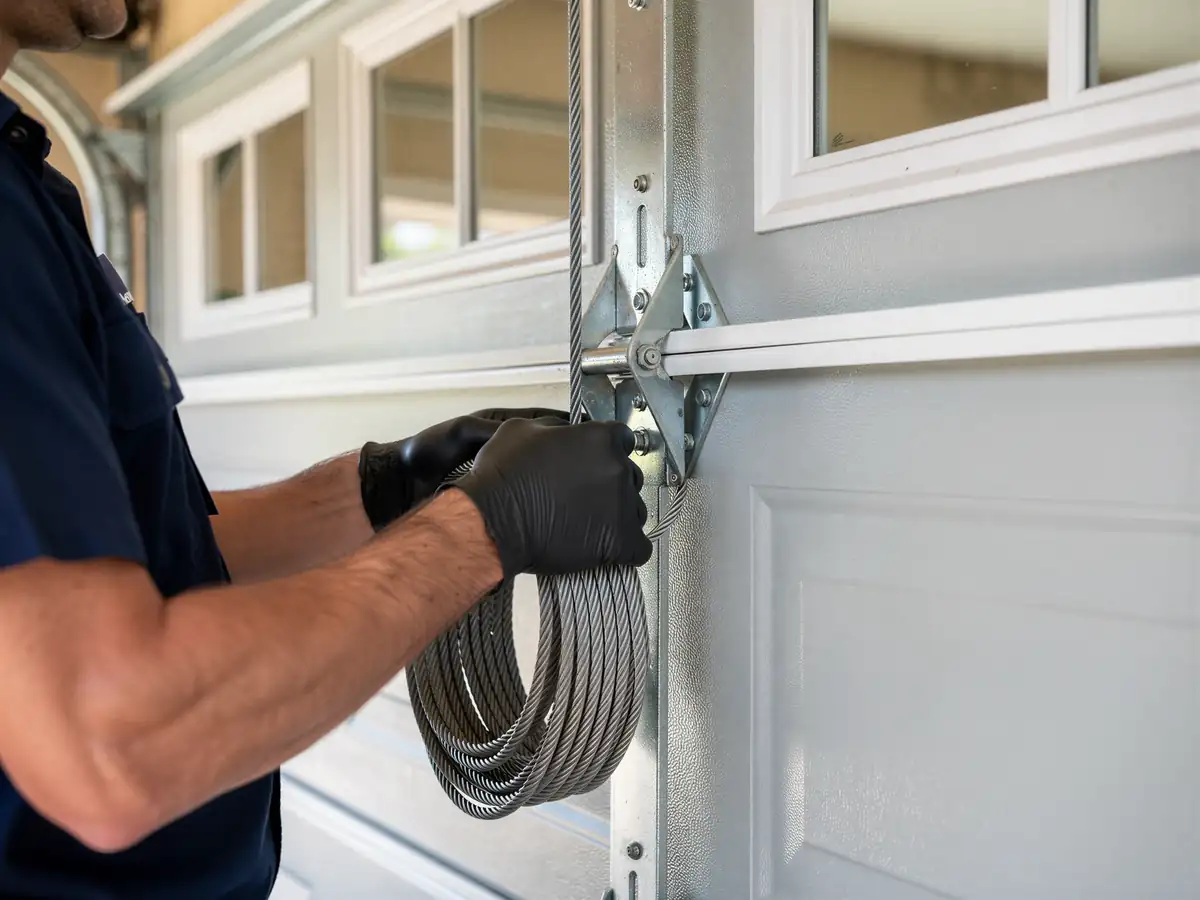
The internet is full of videos showing a homeowner winding a torsion spring with two screwdrivers or re-threading a cable onto a drum by hand. Watch one, and it looks simple. It isn't. A wound torsion spring holds enough stored force to break a wrist or worse, and a cable under tension that slips off a drum can whip hard enough to put a dent in a windshield or a shin. If your door is stuck halfway, a spring has let go, or a panel is bent and binding in the track, the honest answer is that most of this work needs a winding bar, vise grips rated for the job, and someone who's done it before without losing a finger. There's a short list of things you can safely check yourself: the manual release cord, whether the photo-eye sensors are aligned, whether the opener is unplugged. Past that point, the cost of a mistake is higher than the cost of a call. We'd rather tell you that upfront than have you find out the hard way at midnight with the car trapped inside.
How We Fix It
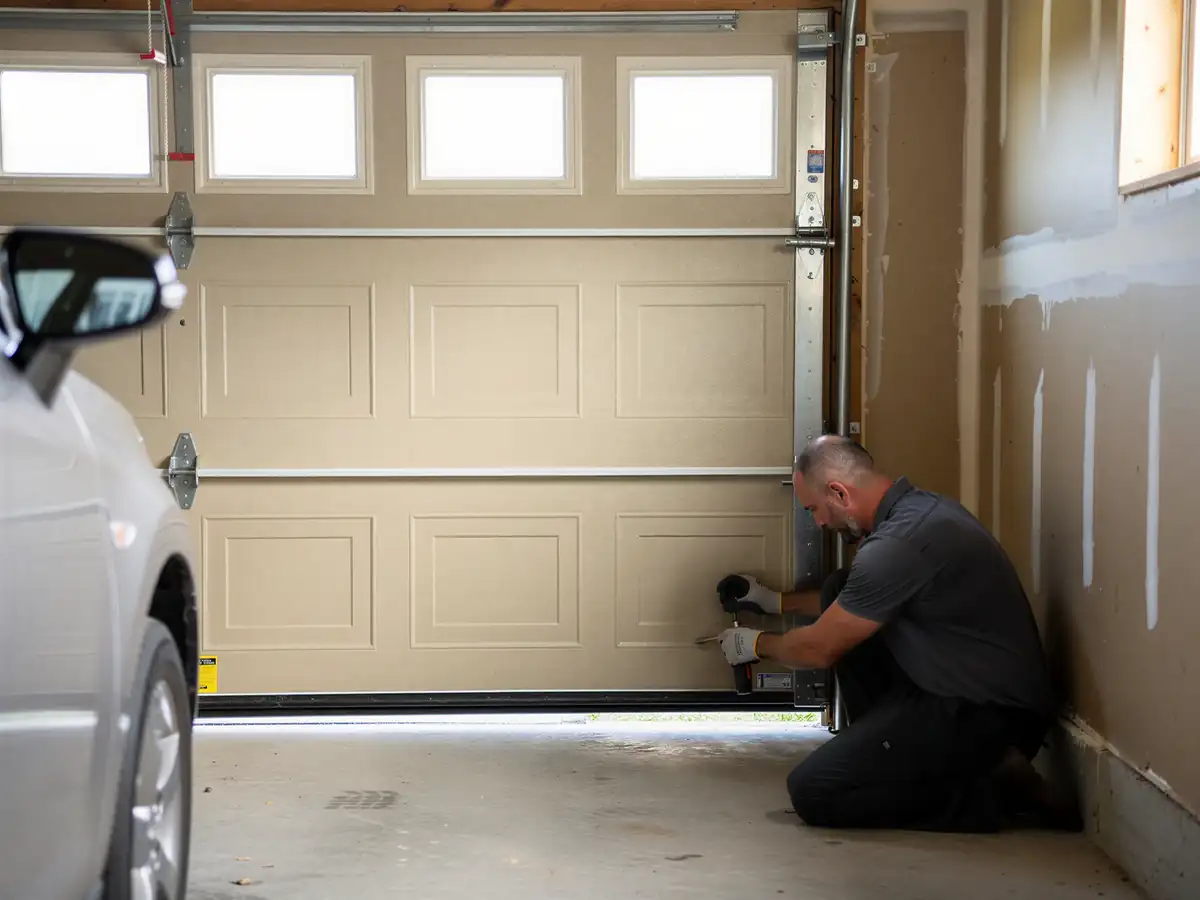
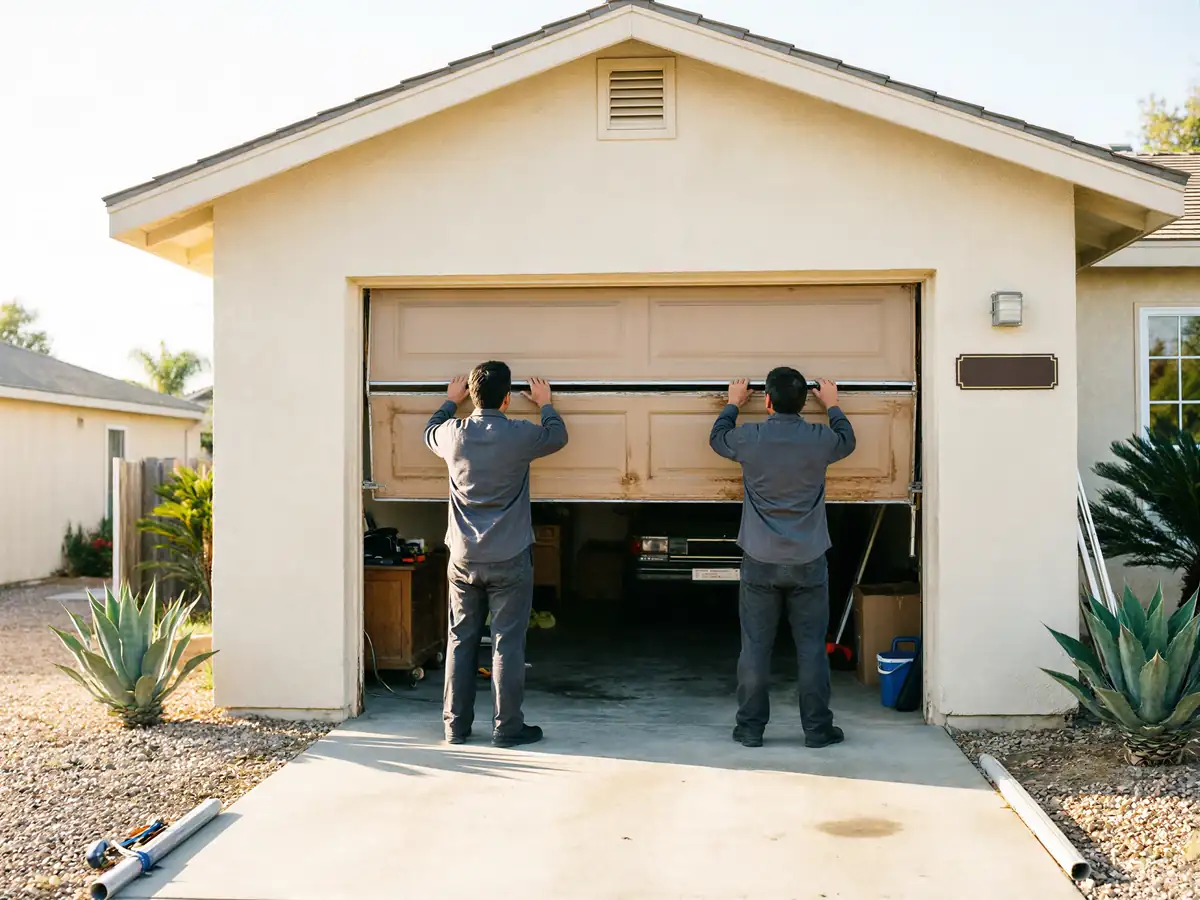
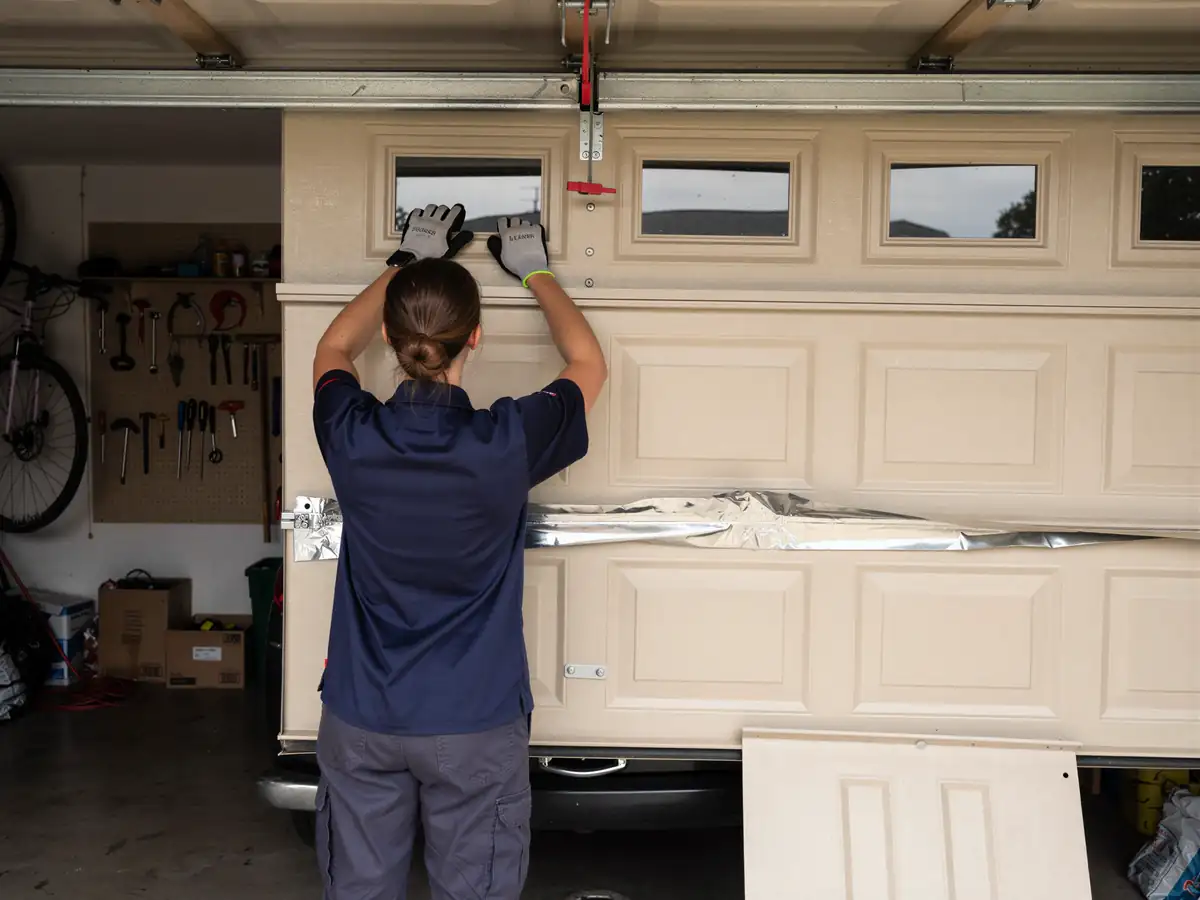
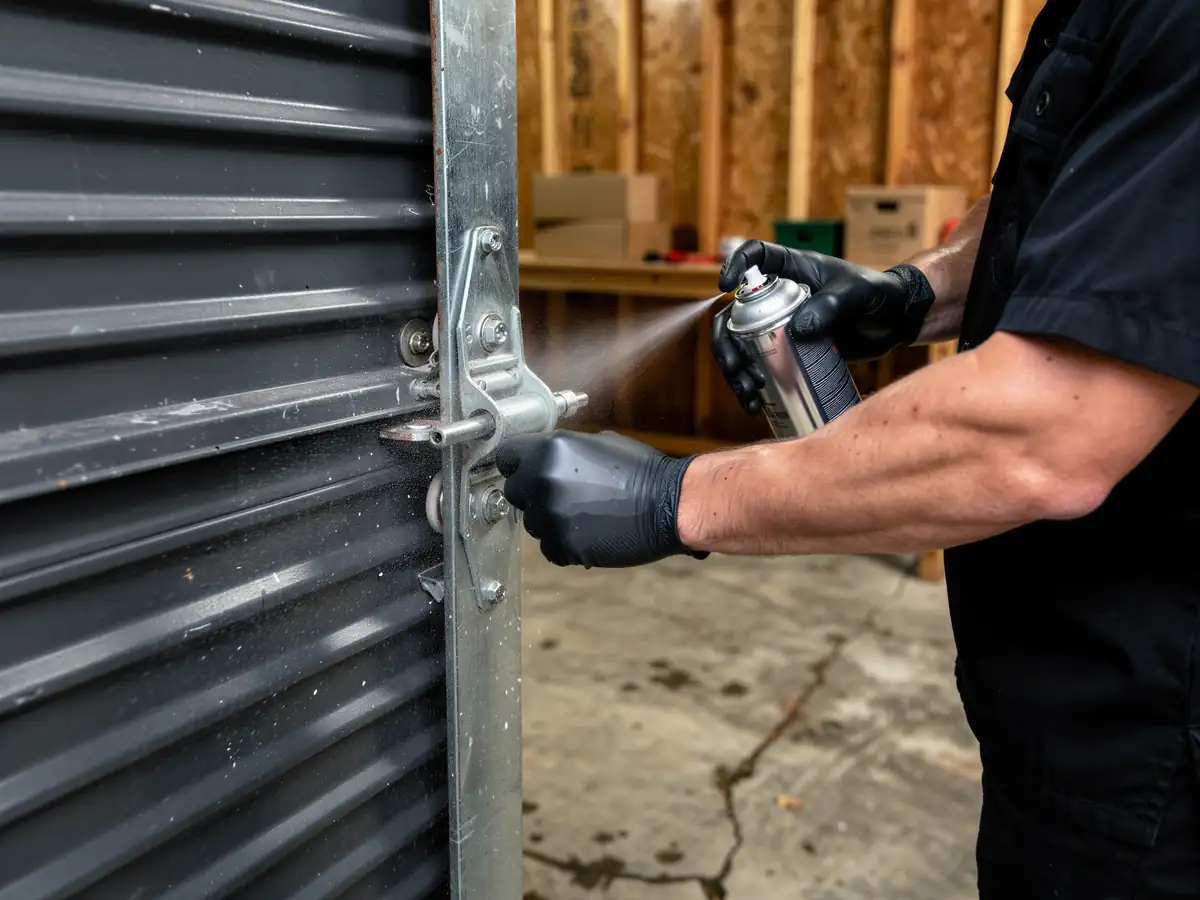
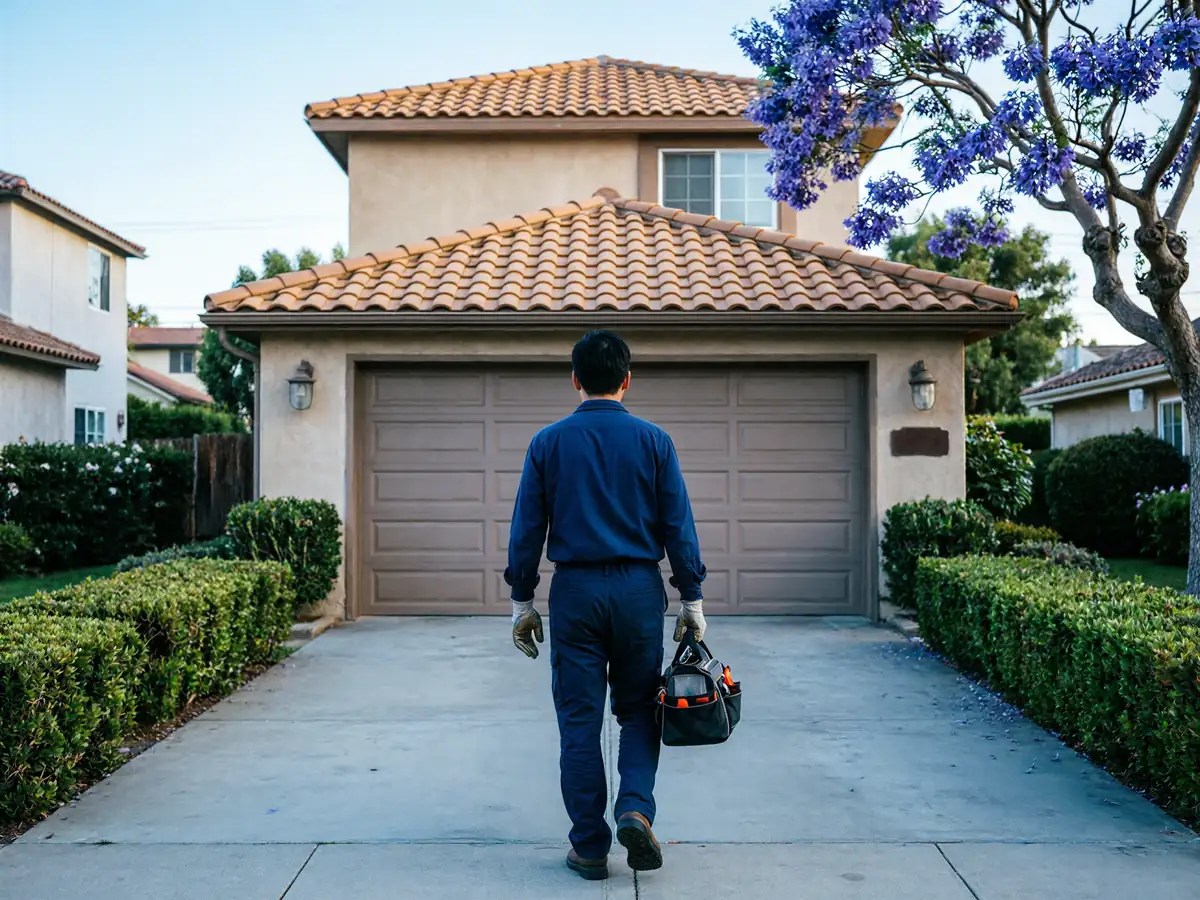
A call-out starts with finding the actual point of failure, not just the symptom. A door that won't open could be a broken spring, a cable off the drum, a bent track, or a dead opener capacitor - and treating the wrong one wastes your money and our time. We carry spring sizes that match the common torsion and extension setups found on the pre-1980s stock in this area, along with standard cable, roller, and hinge stock for later builds. If the fix is a spring, cable, or roller swap, that's usually a same-visit job. If a panel is bent beyond straightening or the track is racked out of true, we'll tell you plainly when replacement makes more sense than another patch repair - we don't run up a bill chasing a door that's done. One limitation worth naming: some older or discontinued opener models need a part we don't keep on the truck, and that can mean a short wait on parts rather than a same-day finish. We'd rather say that now than promise something we can't deliver at 10pm.
How It Shows Up
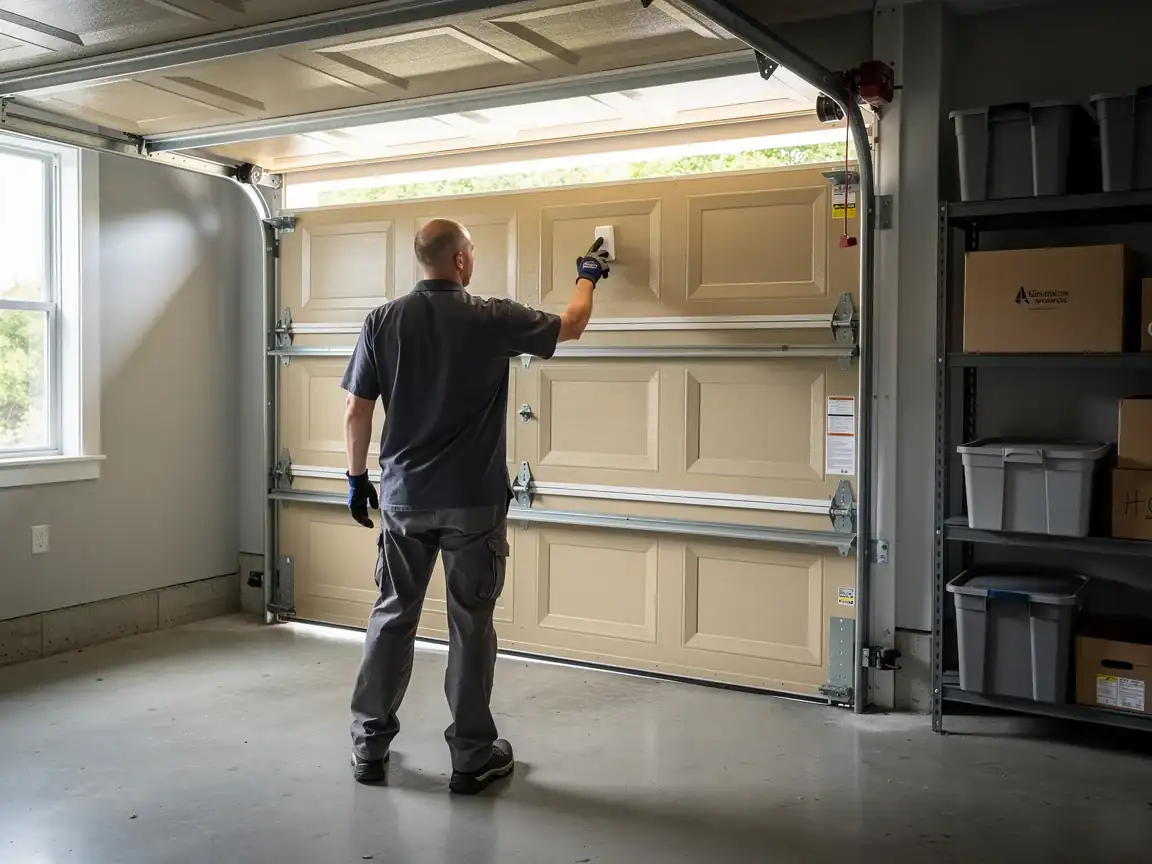
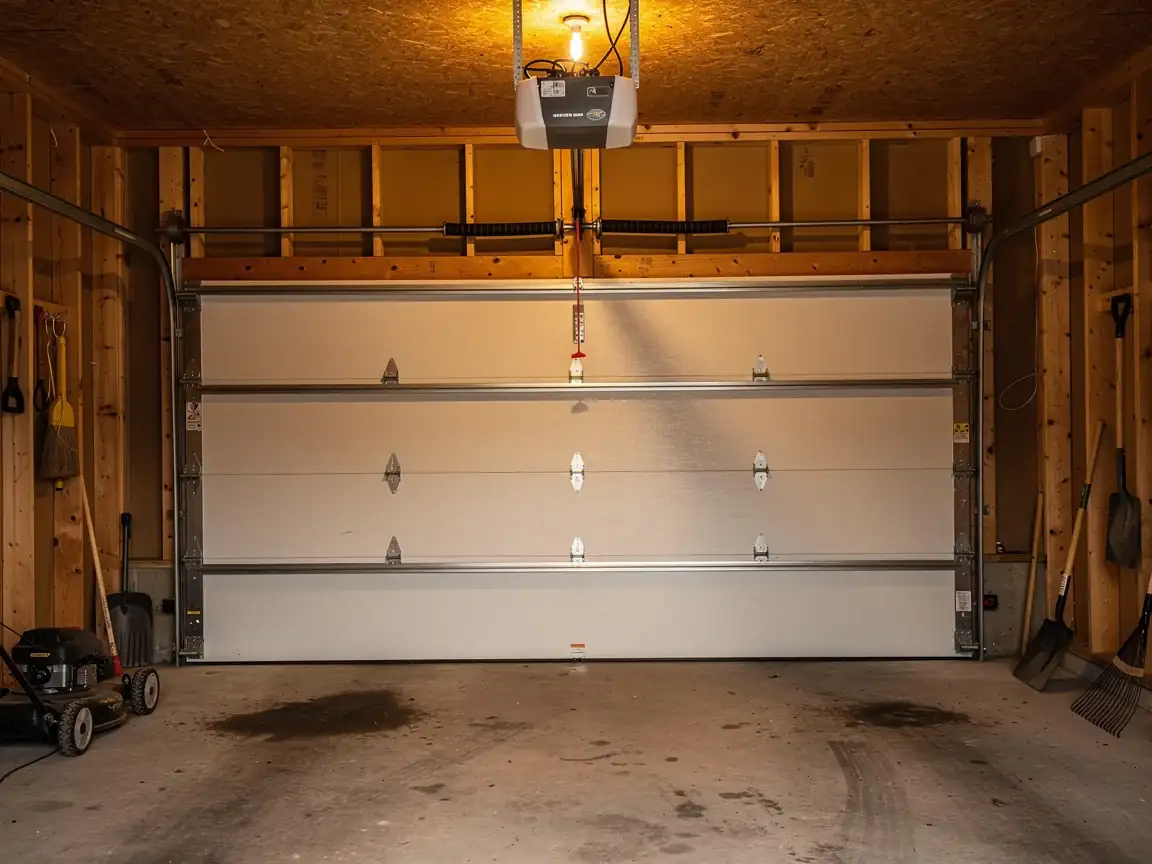
Most emergency calls follow a pattern once you've seen enough of them. A loud bang from the garage followed by the door refusing to budge, usually a torsion spring letting go. A door that reverses itself halfway up, which often points to a cable that's slipped its drum or a track that's bent just enough to catch a roller. An opener that hums but the door doesn't move, which can mean a stripped gear or a capacitor on its way out. Sometimes it's simpler: the door won't close all the way and keeps reversing at the floor, which is frequently a misaligned photo-eye sensor rather than anything mechanical at all. Whatever the symptom, if it happens outside business hours and you can't safely get the car out or the door shut, that's what counts as an emergency call - not every squeak or slow roller needs a midnight visit, but a door stuck open overnight does.