
How That Shows Up in the Door
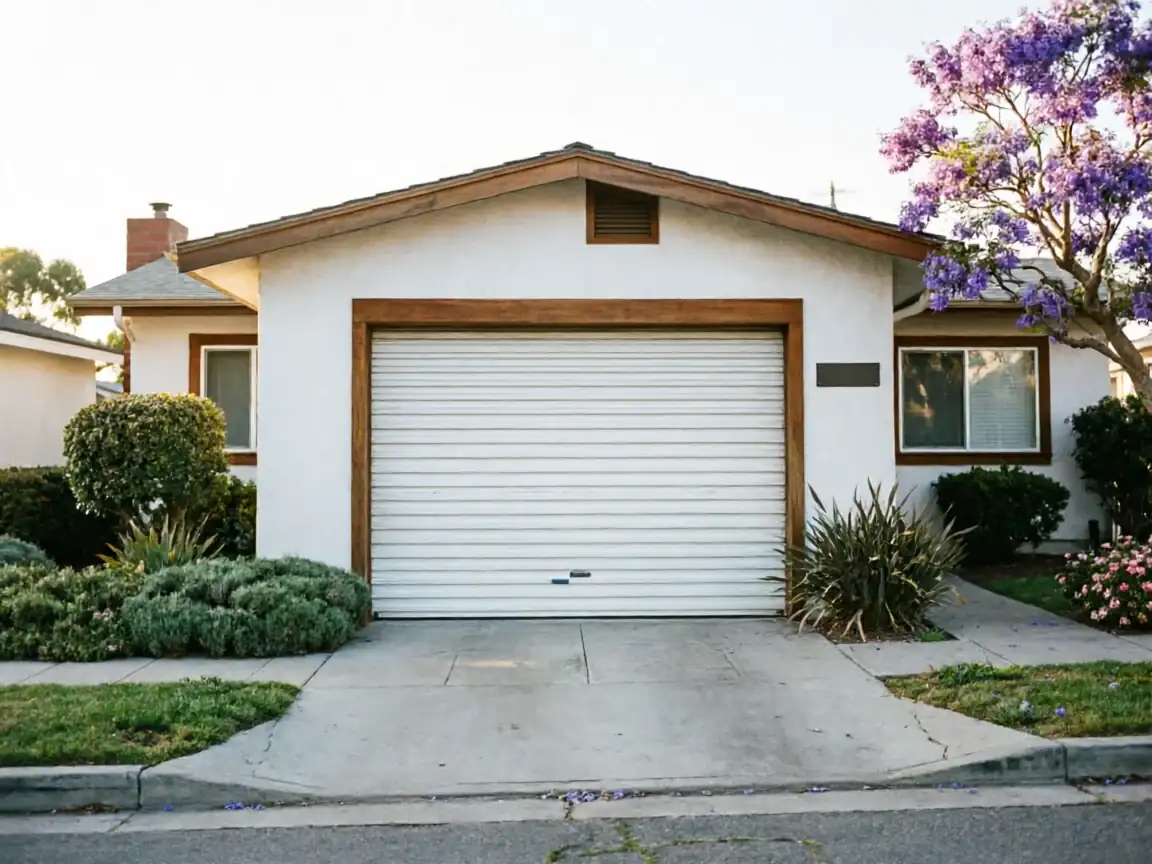
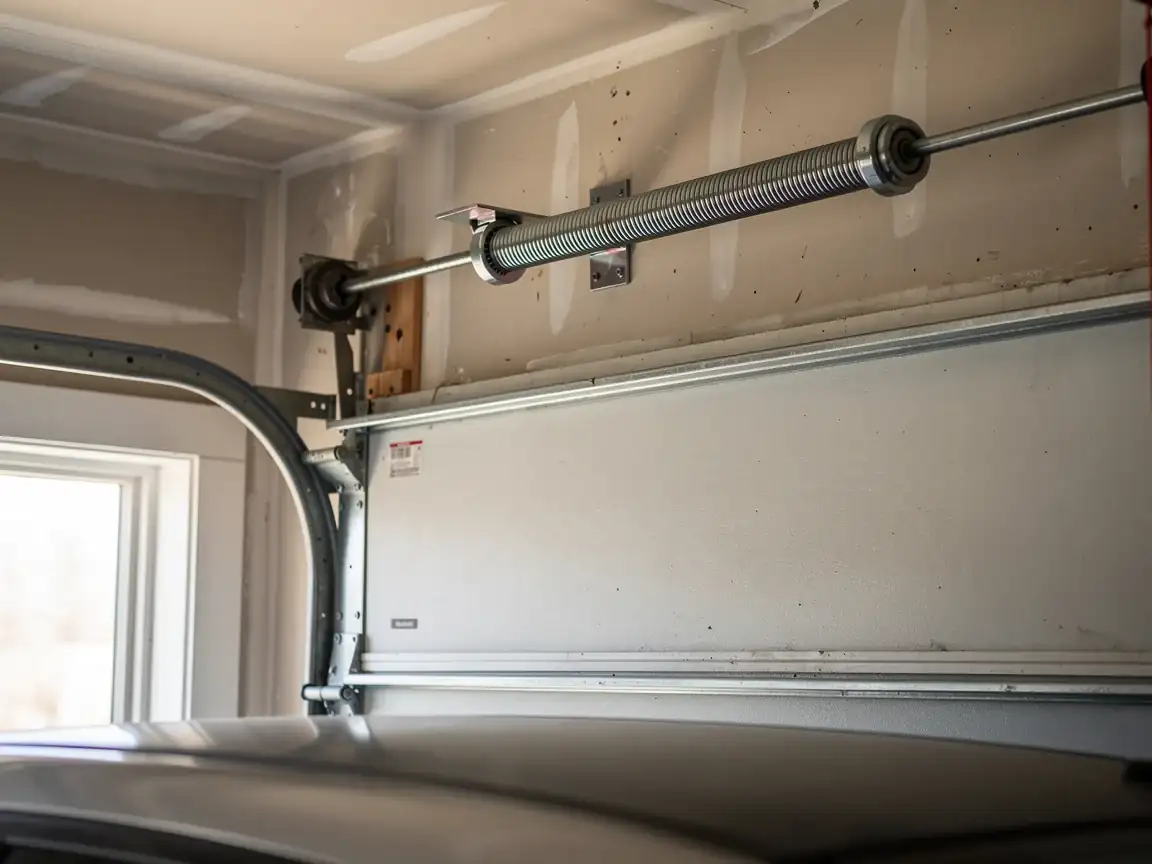
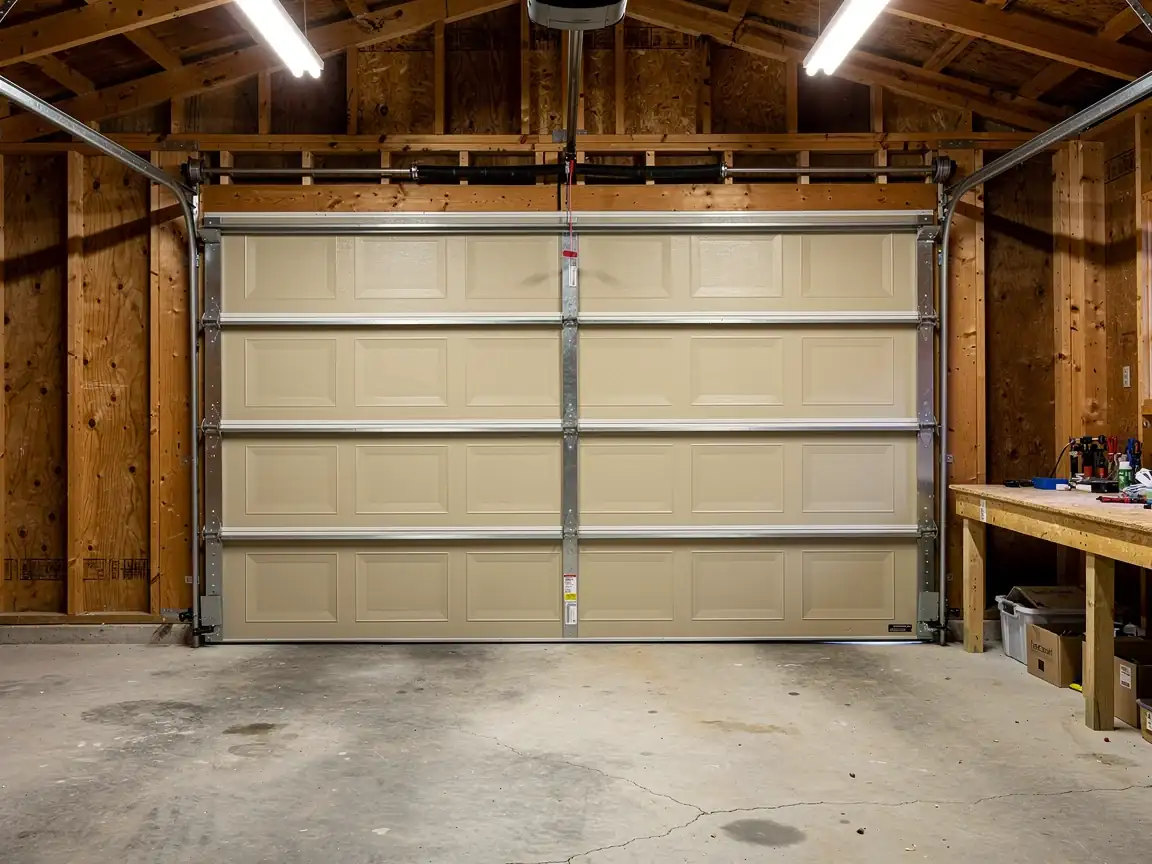
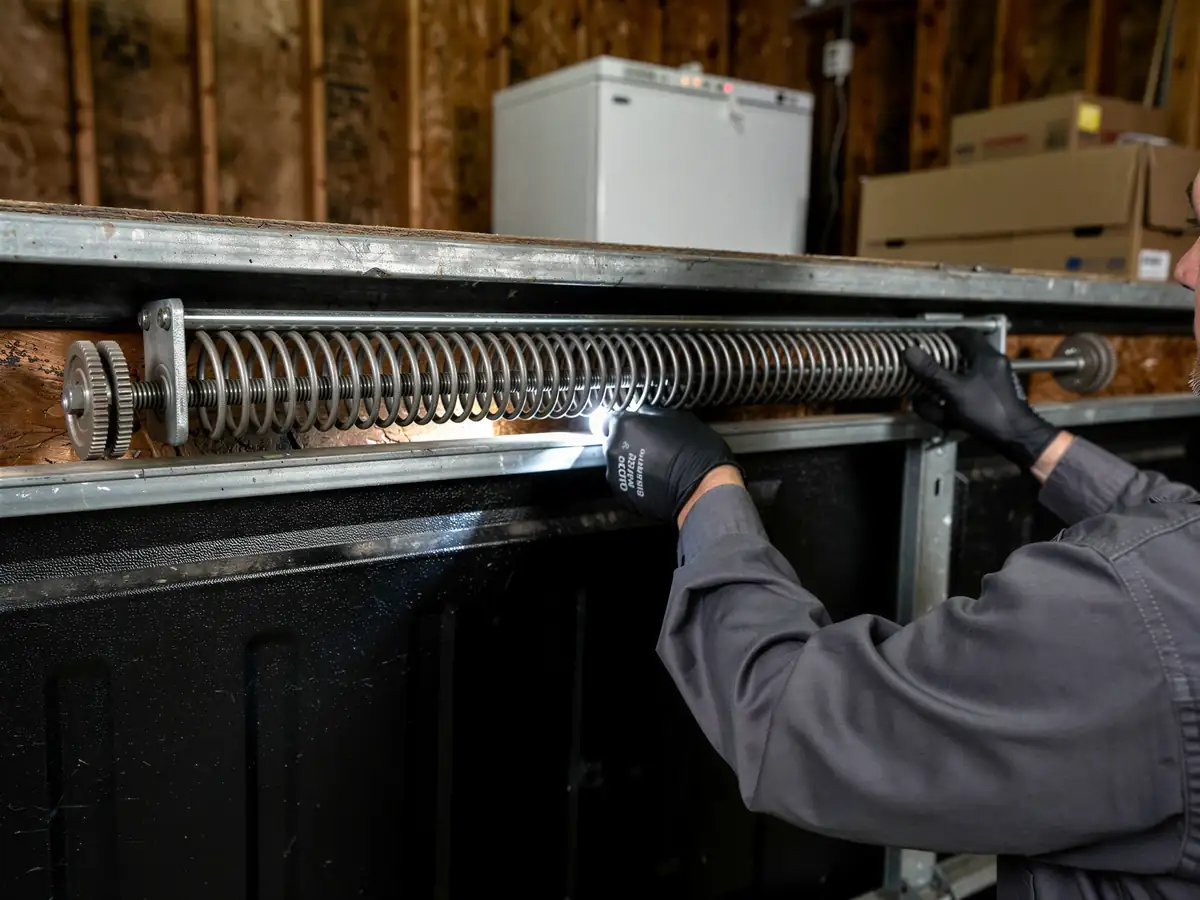
Most of the houses in Westmont went up around 1958, a few years ahead of the 1961 median build year for the wider service area. That three-year gap sounds small until you look at the hardware. Houses from this run typically carry narrower single-car openings than the 1960s-70s stock that dominates the rest of the area, and the original doors were steel sectional panels on lighter-gauge torsion springs sized for that narrower width.
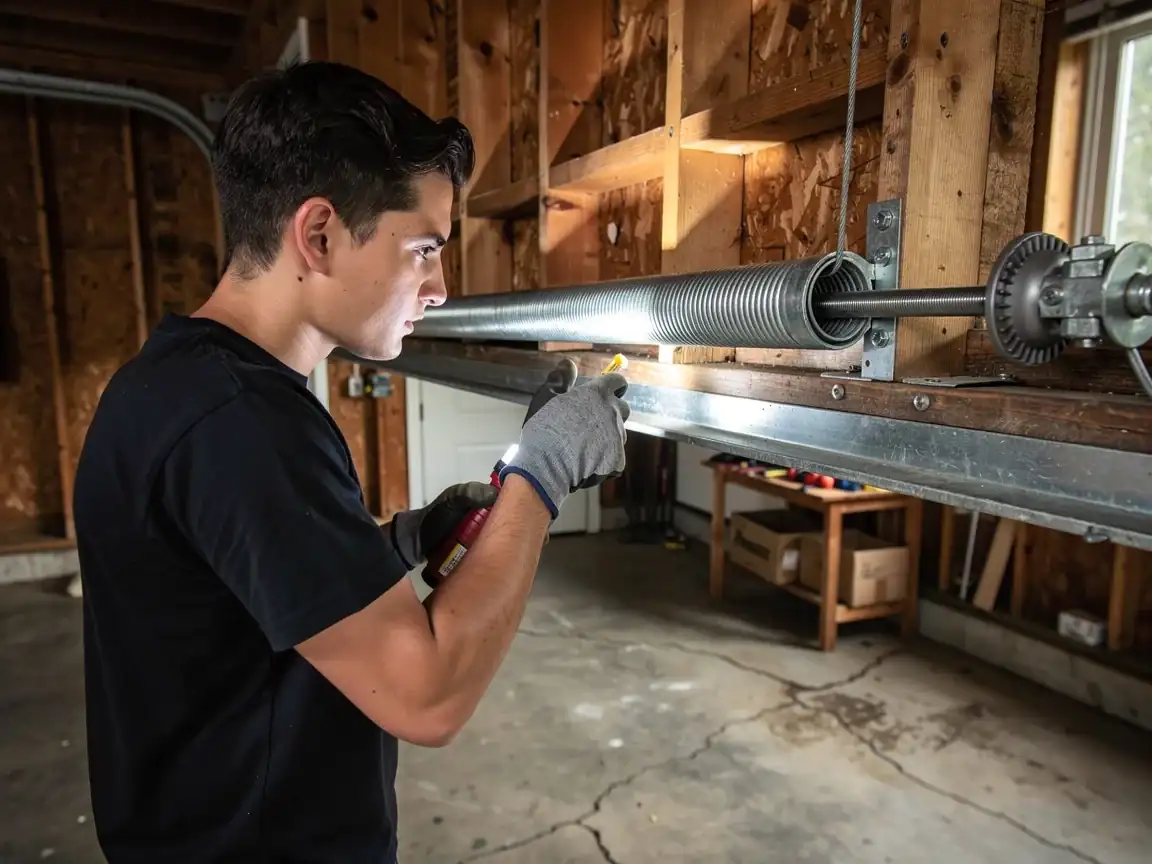
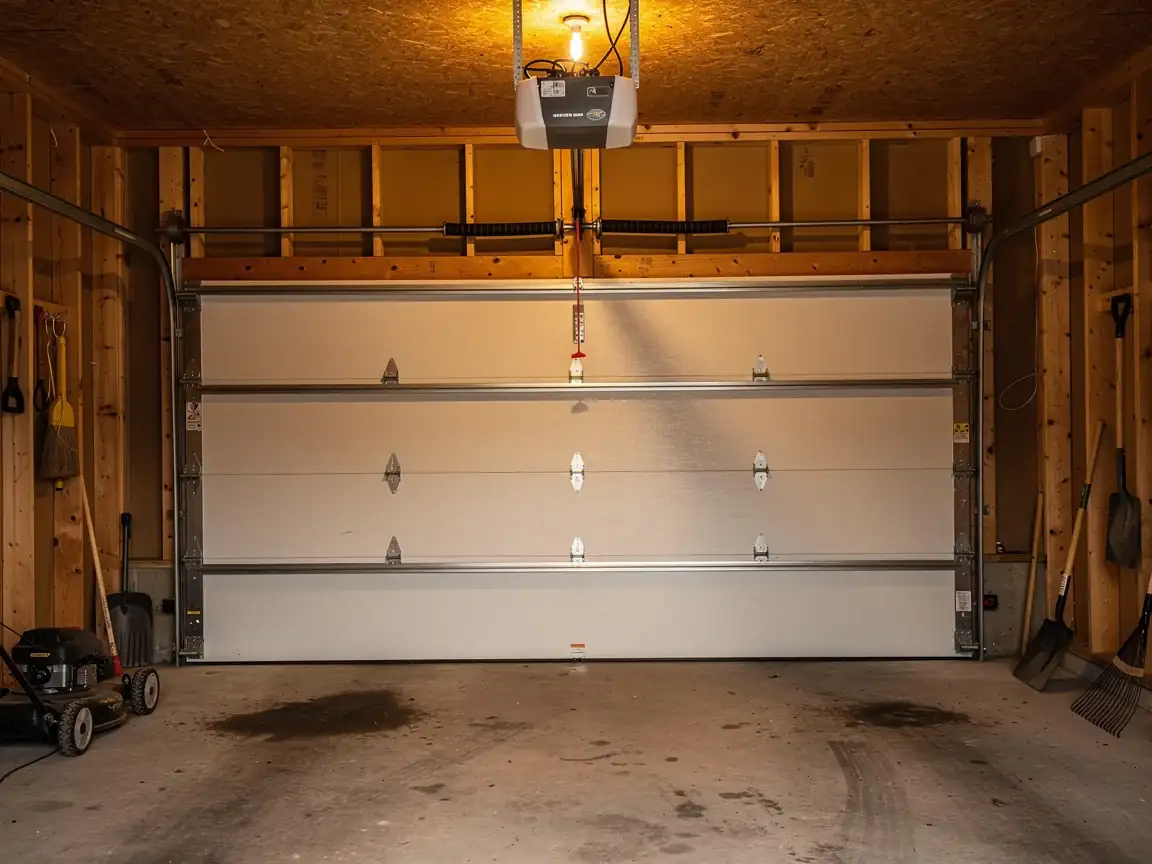
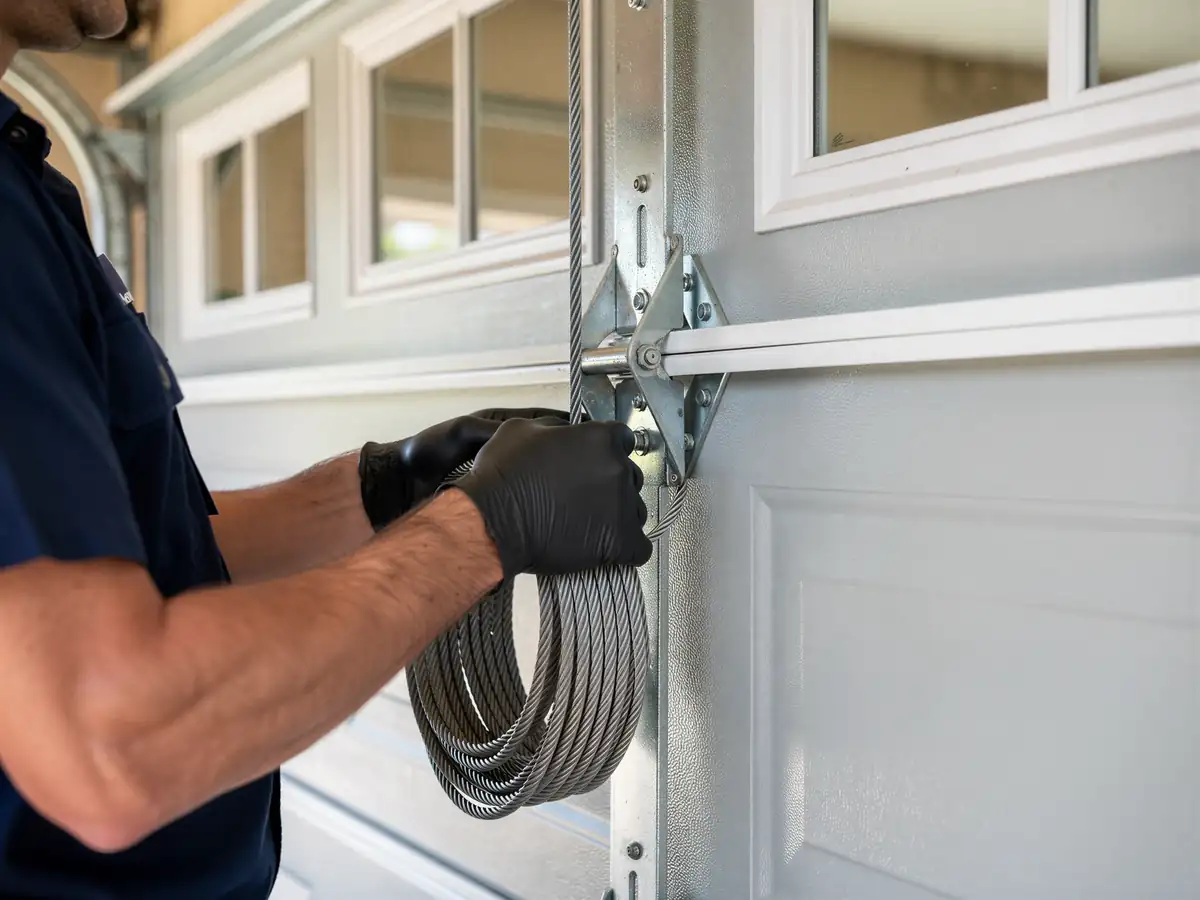
Sixty-plus years of cycles on a spring that size means a lot of these are at or past the end of their rated life, and when one lets go on an original door, the cable and drum assembly often go with it. The openers are a mixed bag - some homes still run a chain-drive unit from a prior remodel, others have been swapped to belt drive at some point and the bracket never got updated to match.
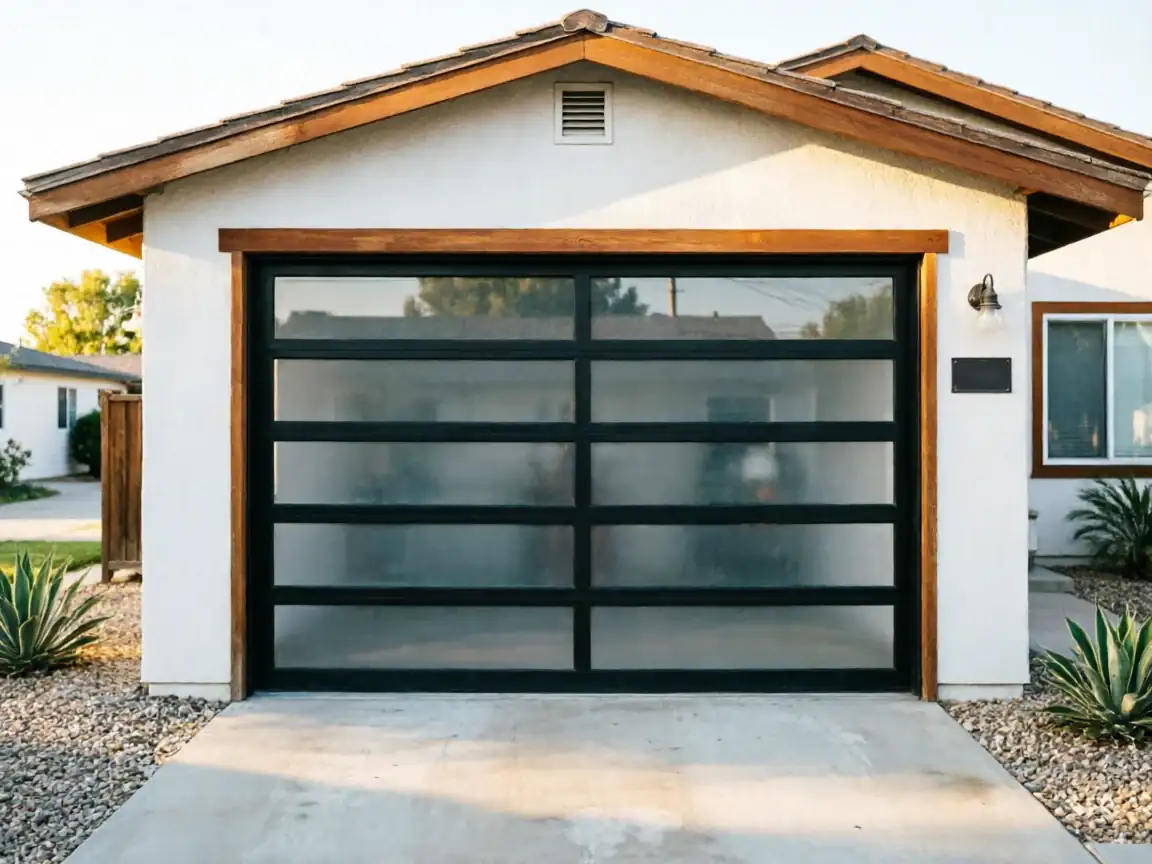
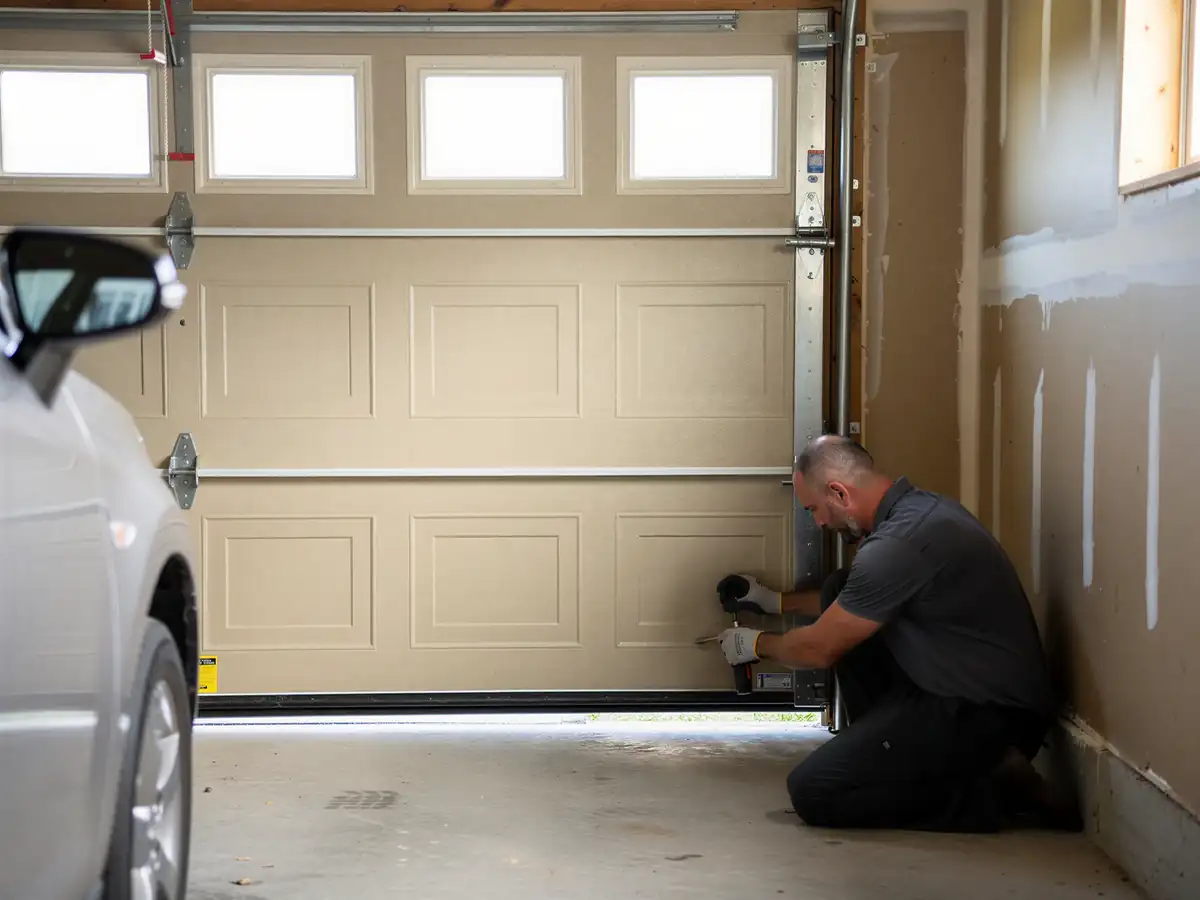
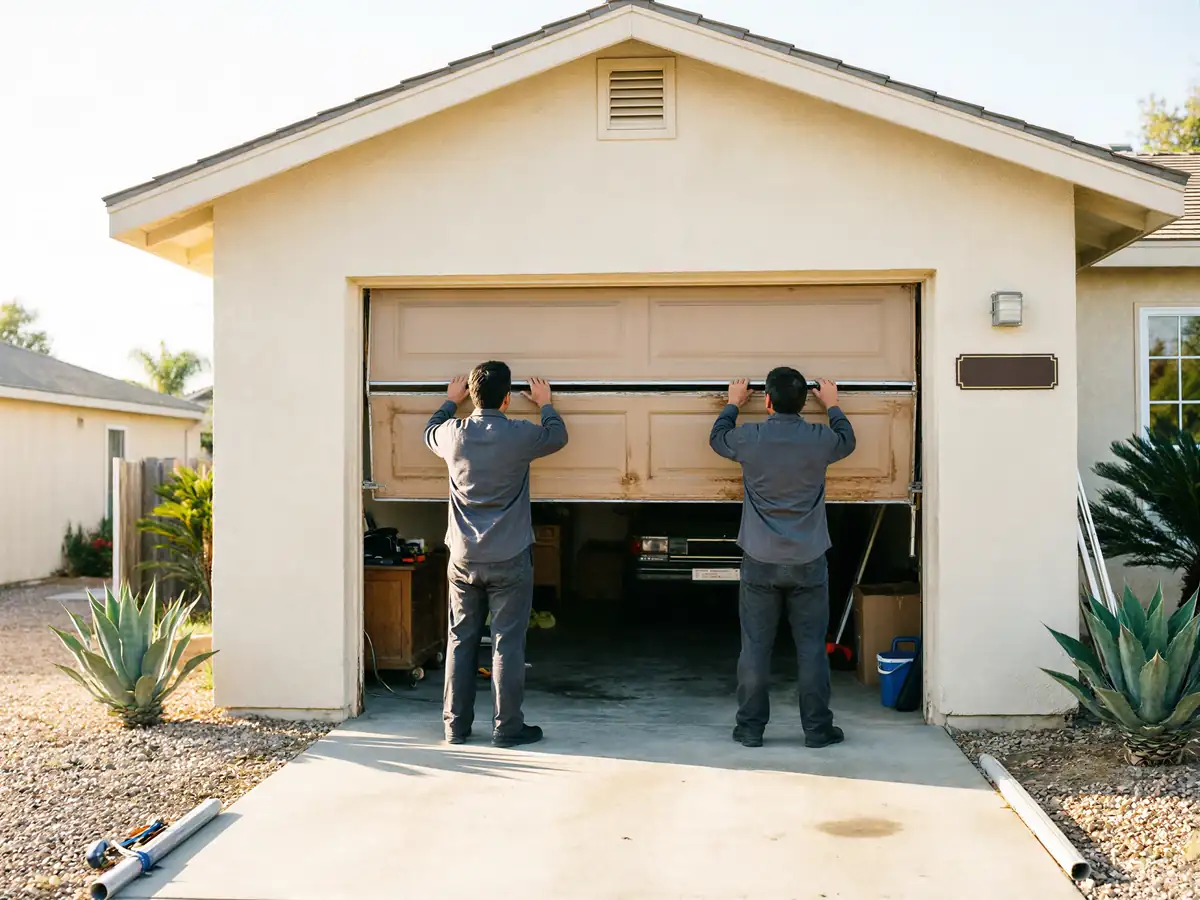
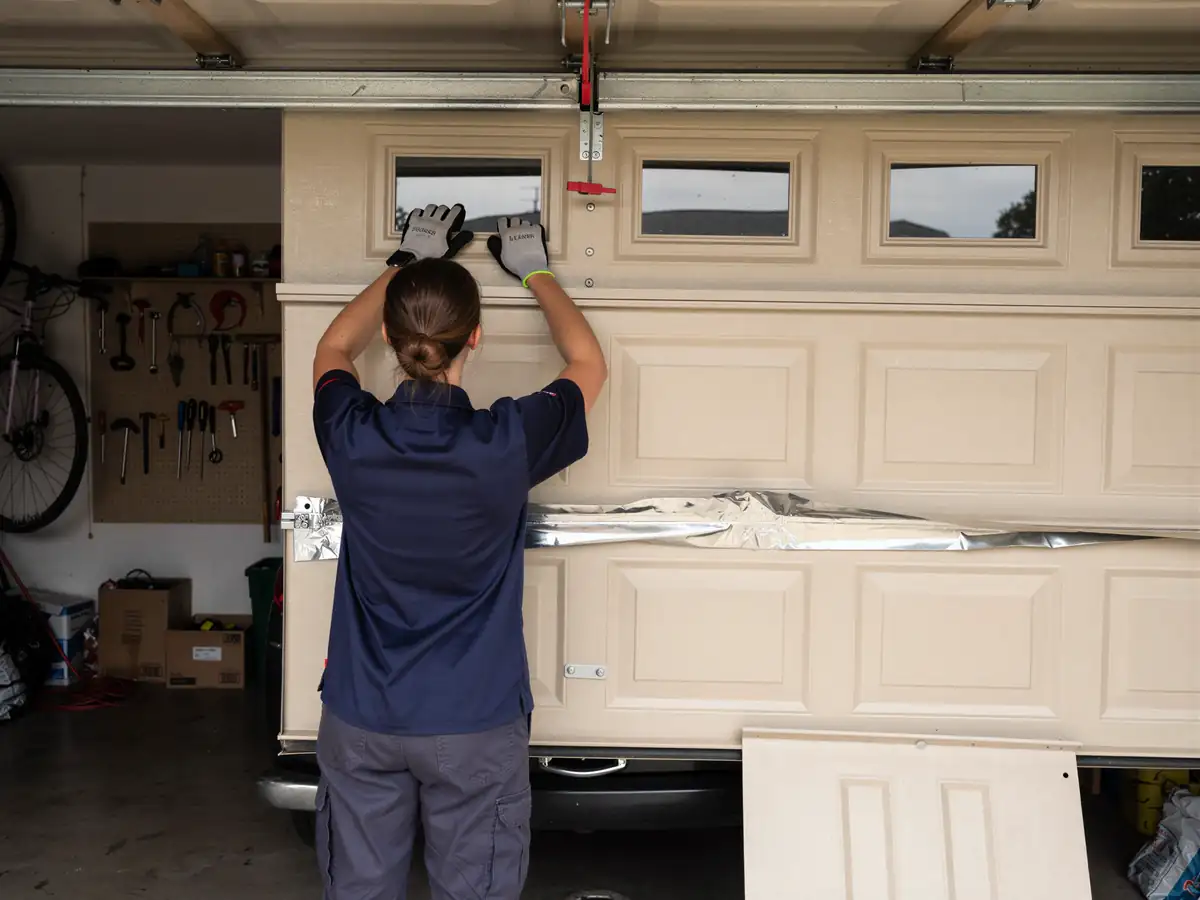
One honest limitation here: an exact factory-match panel for a door this old usually isn't sitting on a shelf anywhere, ours included. When a single panel cracks on one of these original doors, we'll tell you straight whether patching a close match is worth it or whether the better move is a full door swap, sized to the same narrow opening.
The Drive Over
We come out of Inglewood
And Westmont sits about three miles off, which puts it in the same stretch as a handful of other named areas we also reach from the same route. is a mile up ENE is two miles NNE sits three miles out to the west. Hawthorne, Ladera Heights, View Park-Windsor Hills, and West Athens are all roughly the same three-mile distance, just in different directions, so a call from any of these lands in roughly the same drive time.
The climate along this stretch runs mild temperate
No hard freezes, no extreme summer heat spikes. That matters for garage doors because it means the springs and tracks here aren't fighting the kind of temperature swings that crack seals or seize metal in colder regions. Most of what fails here fails from age and cycle count, not weather stress. It's a quieter kind of wear, which is partly why a spring that's been fine for decades can still let go without warning - nothing forced it, it just finally reached the end.
What People Here Ring About
The calls we get from Westmont skew toward age, not storm damage or weather wear. A torsion spring original to a 1958 build finally snapping is the single most common reason someone calls - usually with the door stuck halfway or refusing to lift at all. Next most common is the opener itself: a chain-drive unit from an earlier remodel grinding, slipping, or just not engaging the carriage anymore.
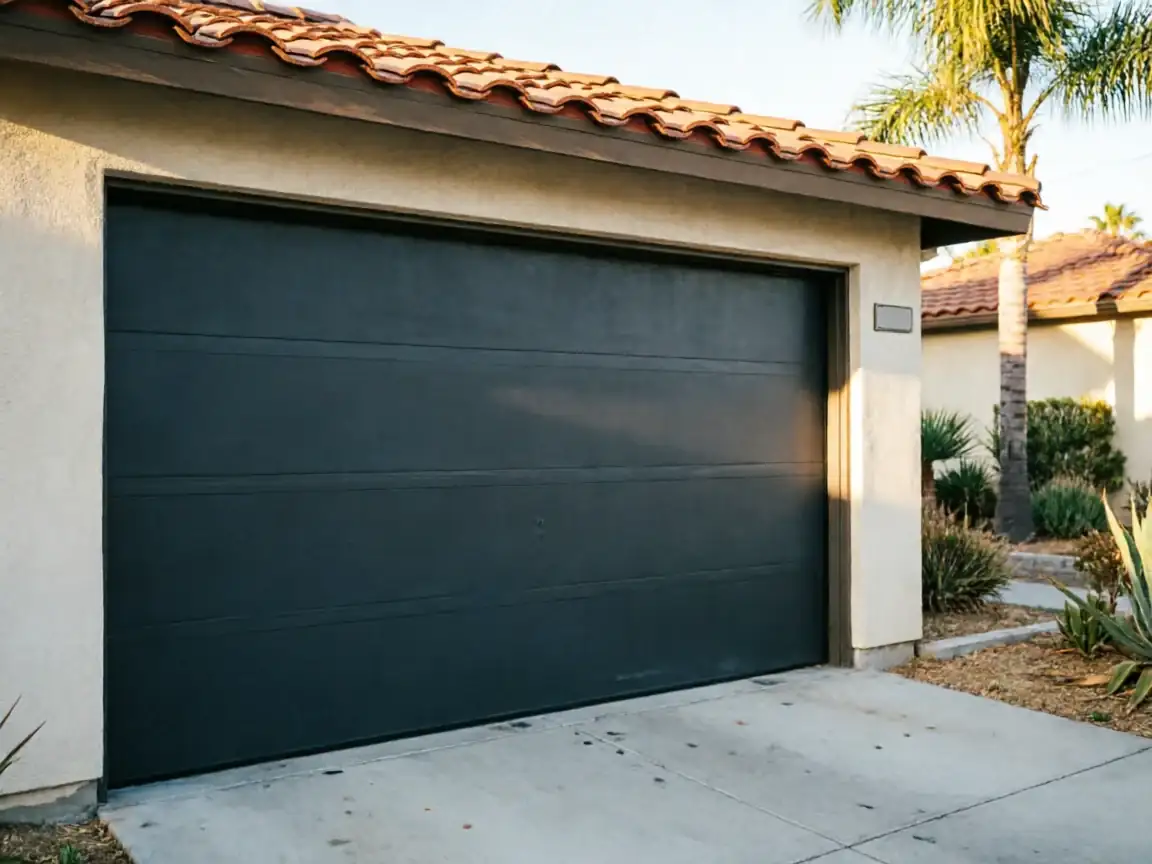
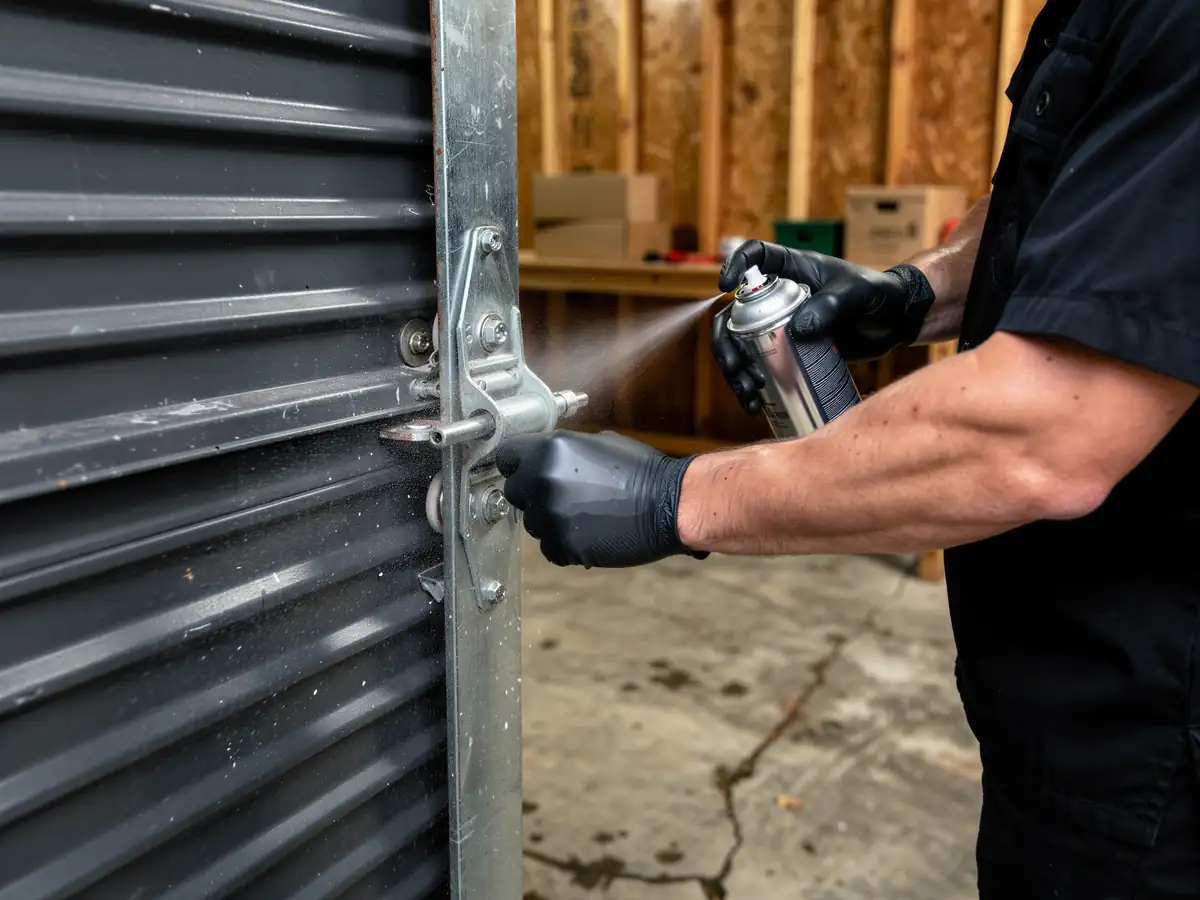
Panel damage tends to come from the narrower driveways that came standard with this era of house - a mirror catches the frame, a bumper taps the bottom panel backing out at an angle. We also hear about rollers that have gone from steel to worn-out and loud, dragging on the track every time the door moves.
What we don't get many calls about here is wind or storm damage to the door itself - the mild climate keeps that off the list. If your door's giving you trouble, it's almost always the hardware's age catching up with it, not the weather.
The Houses Here
Westmont has roughly 10,532 households, and the median household income runs about $47,899 - well under the $93,882 figure for the wider service area, which covers 749,083 households and 244,769 owner-occupied houses in total. That gap matters for how we talk about repair versus replacement: a full door swap isn't always the right call here just because it's available, and we'd rather fix a sound door with new hardware than push a replacement someone doesn't need.
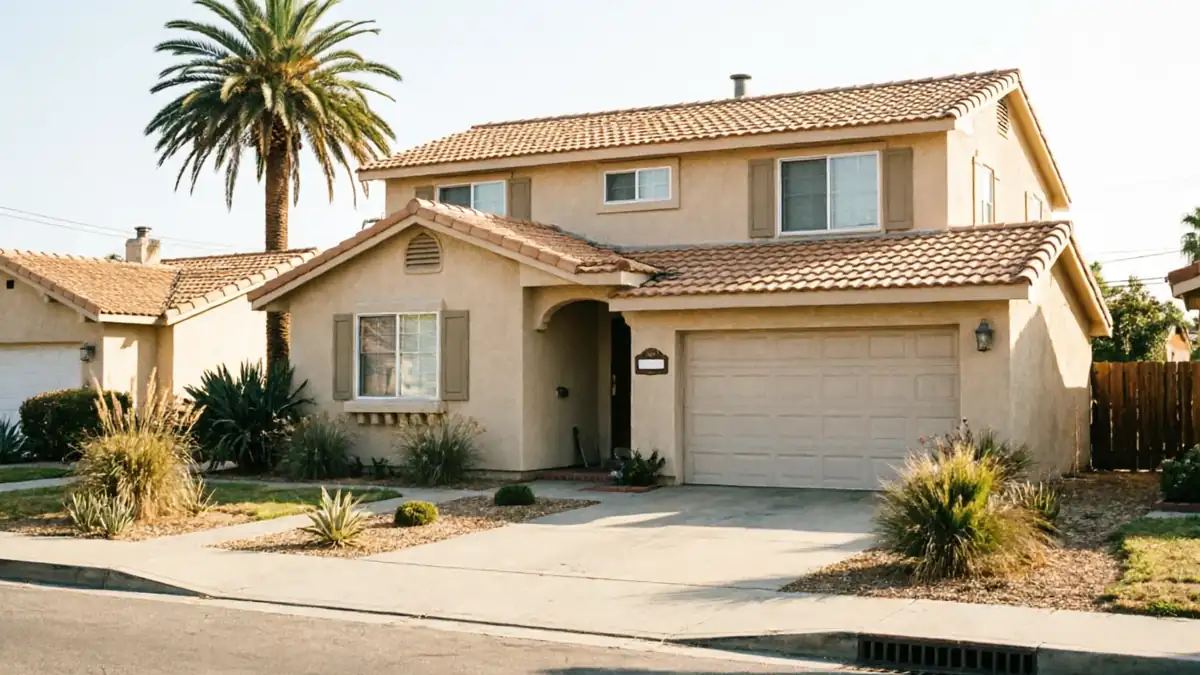
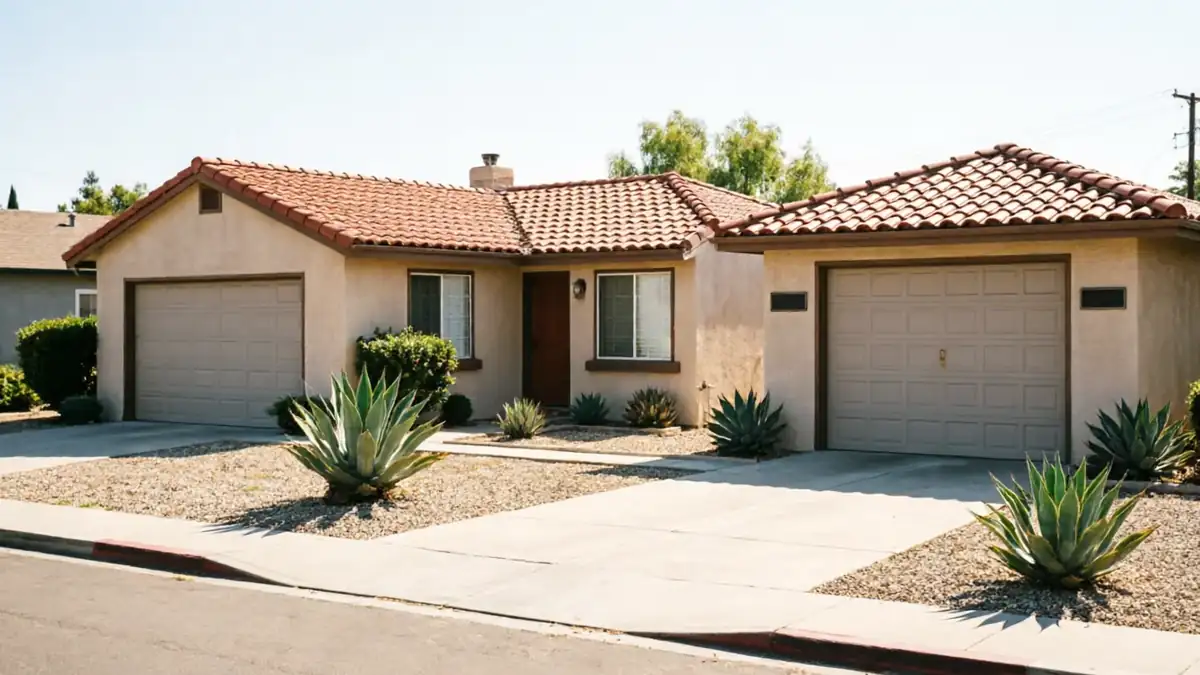
The houses themselves line up with that 1958 median build year - single-car attached garages, narrower openings, steel sectional doors on original or near-original torsion hardware. A few homes have been updated with wider two-car conversions over the years, but the base stock is still the older, narrower format.
That combination - older narrow doors, tighter household budgets than the area average - is why we lean toward spring and roller repair on these jobs first, and only talk full replacement when the door itself, not just the hardware, has actually given out.