The Problem
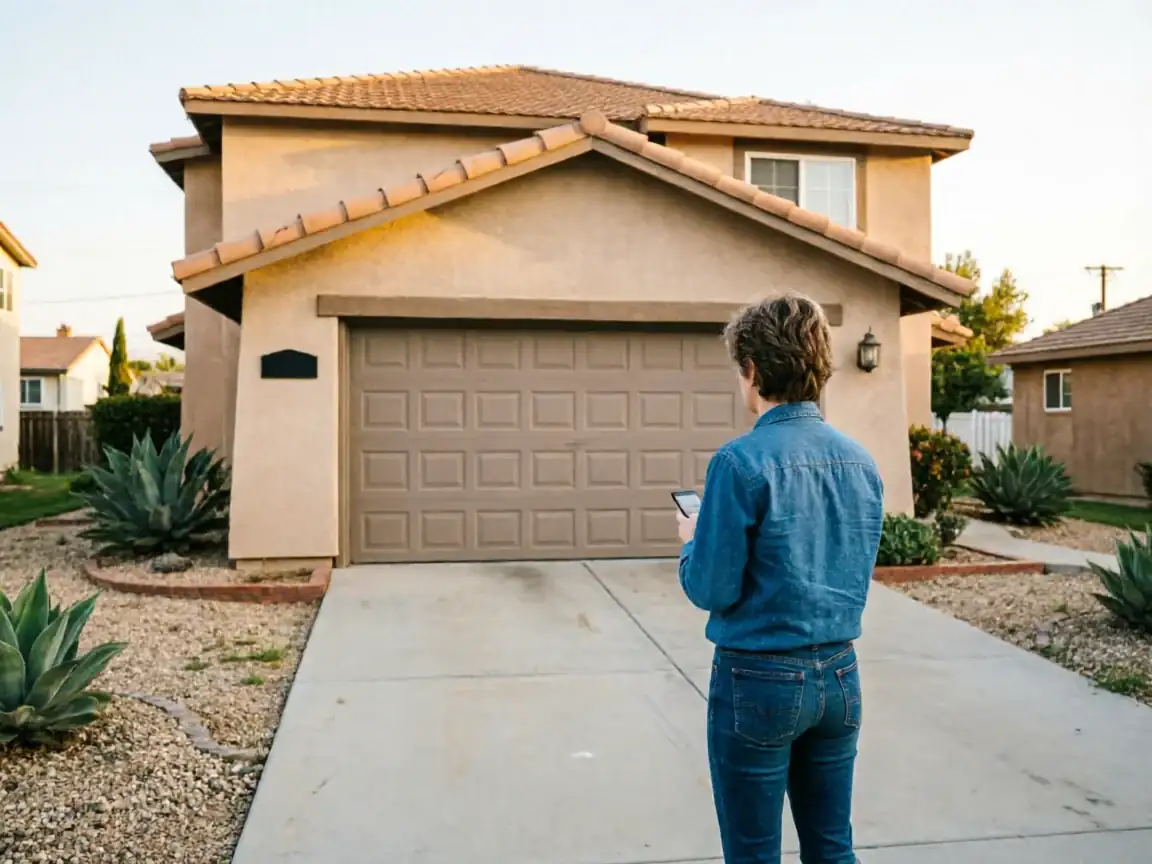
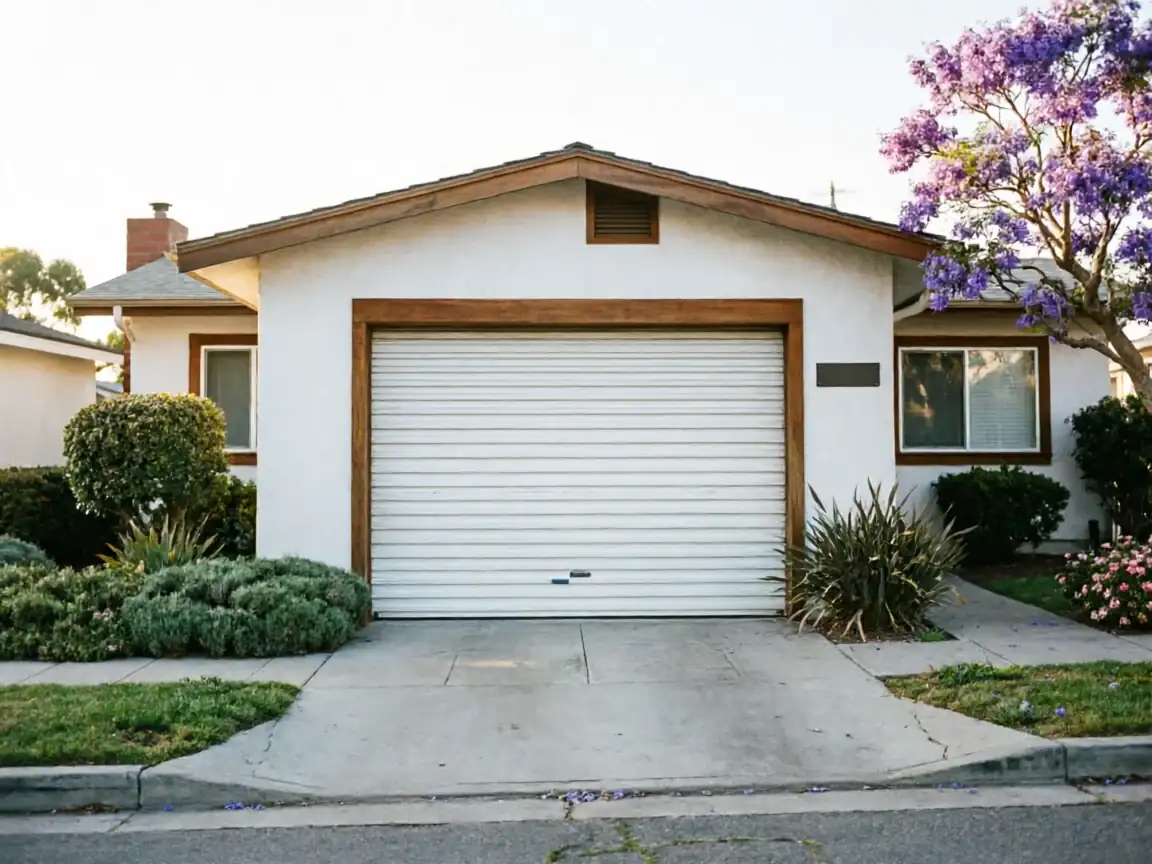
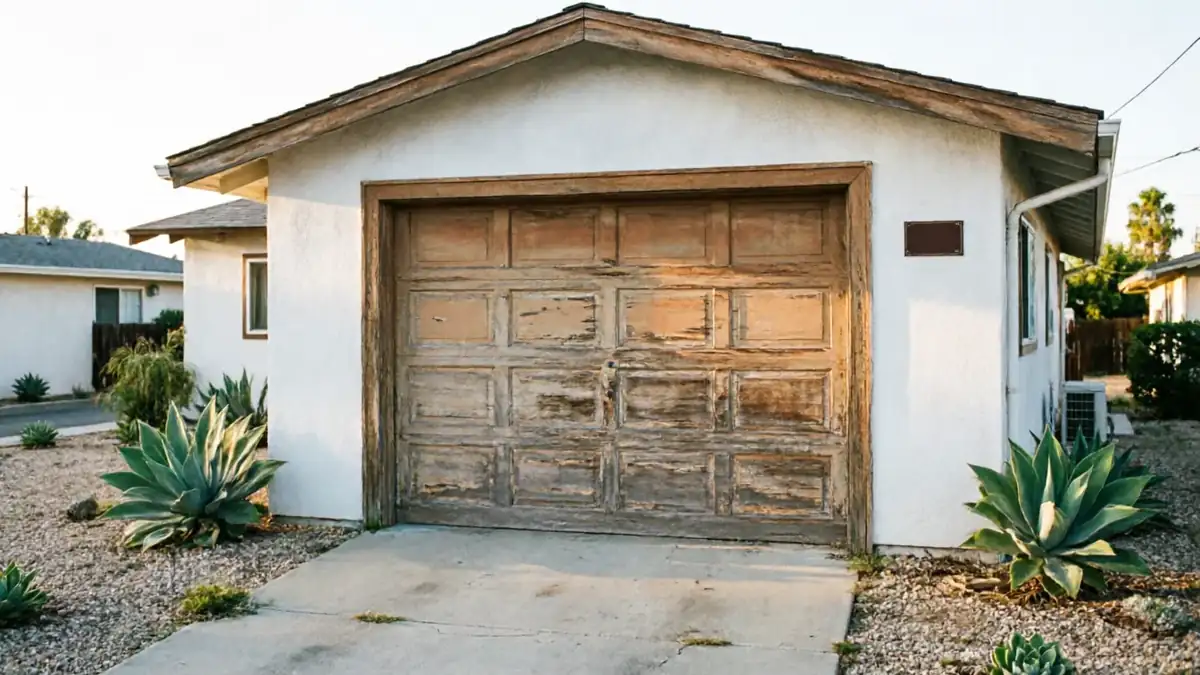
Most houses on this side of Inglewood went up between 1943 and 2012, with the median build year landing around 1961. That means a huge share of the doors we get called on are original to houses from the 1960s and 70s, or they're a replacement from decades back that's now reaching the same age the first one hit. These doors use hardware that nobody stocks new anymore: single-torsion springs sized for a lighter steel panel, rollers on steel stems instead of nylon, and track brackets bolted into framing that's shifted a little over sixty-some years. The question we get isn't "can you fix this" - almost anything can be patched for a week. The real question is whether the money goes toward a door that's worth keeping another ten years, or toward delaying a replacement you'll pay for anyway.
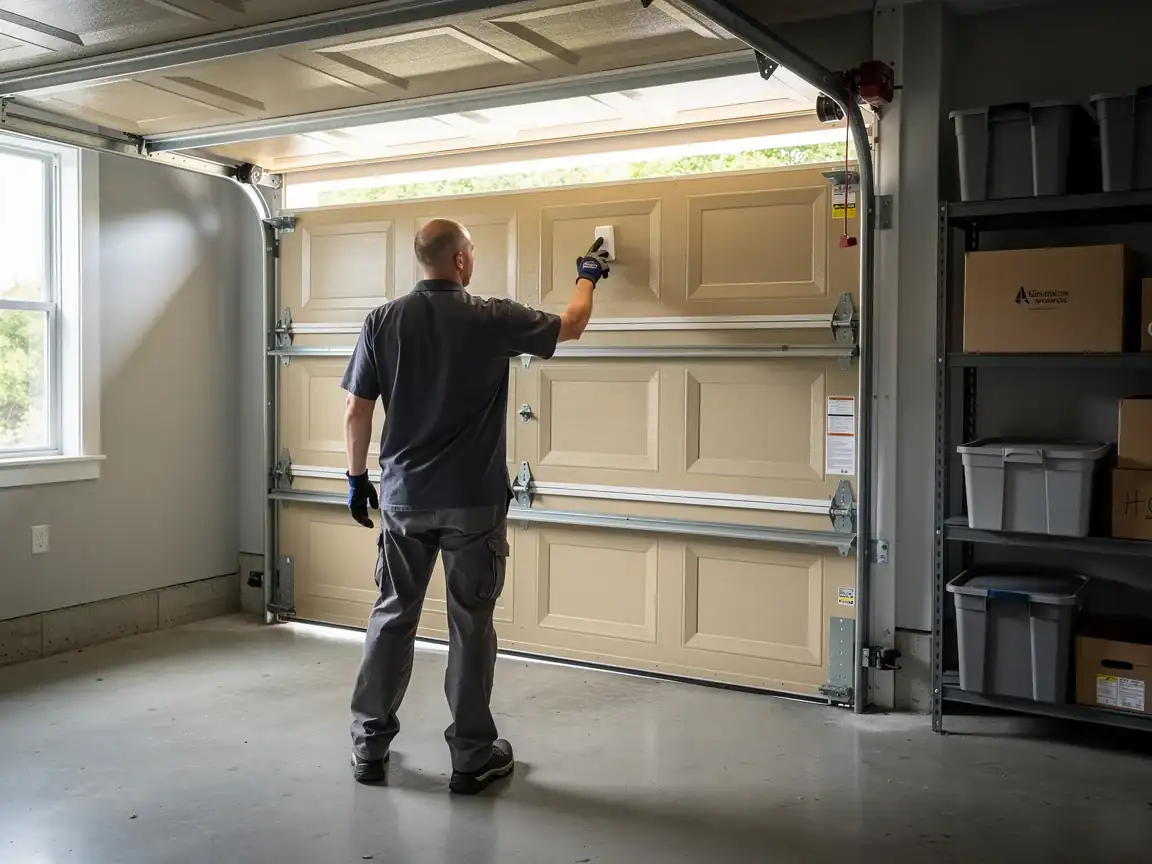
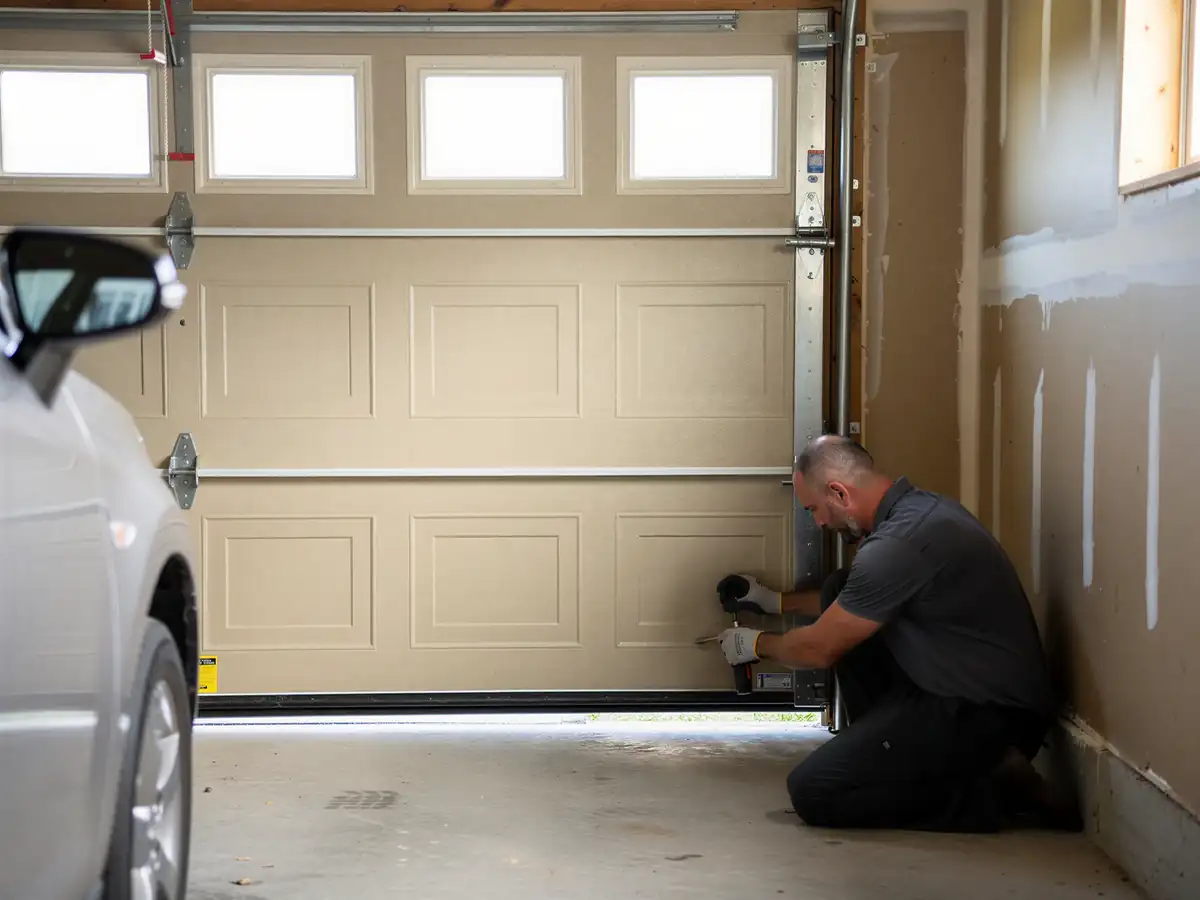
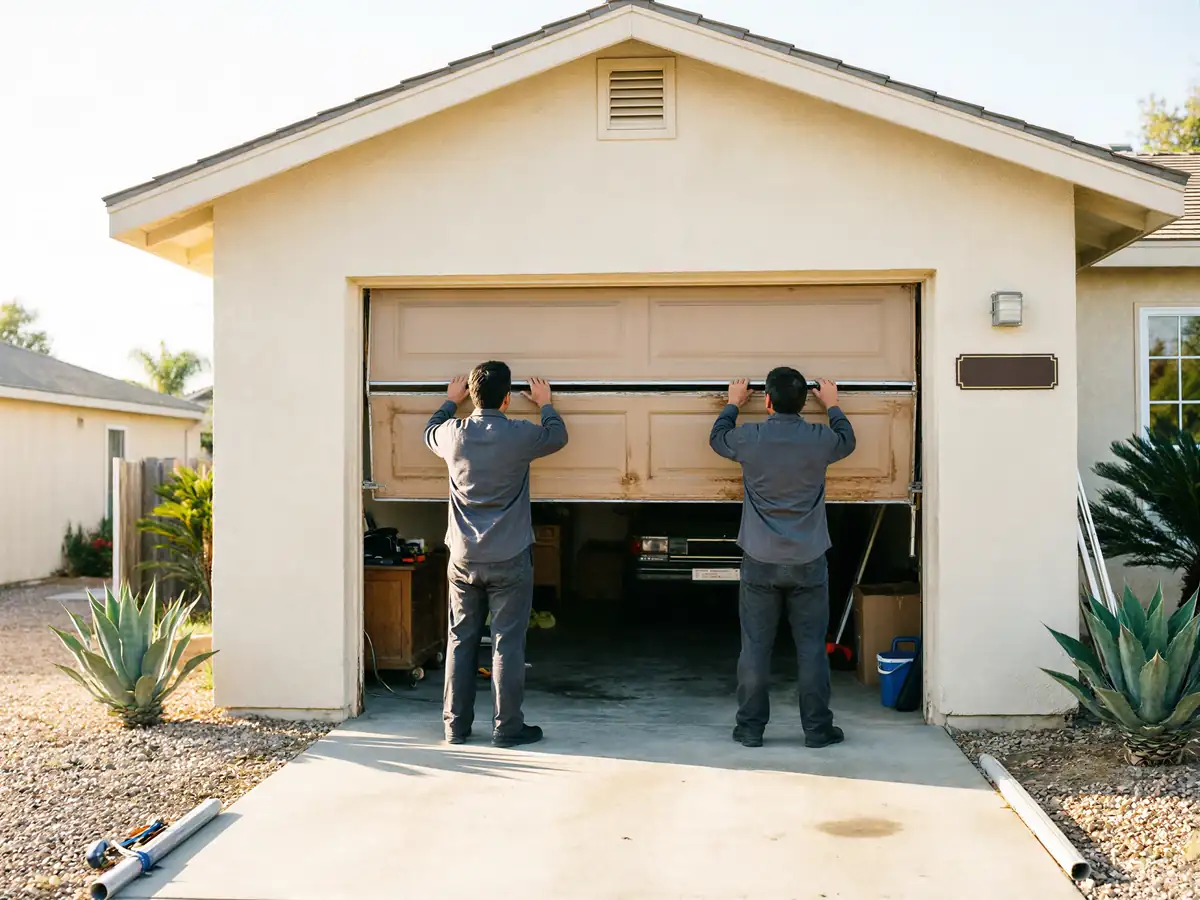
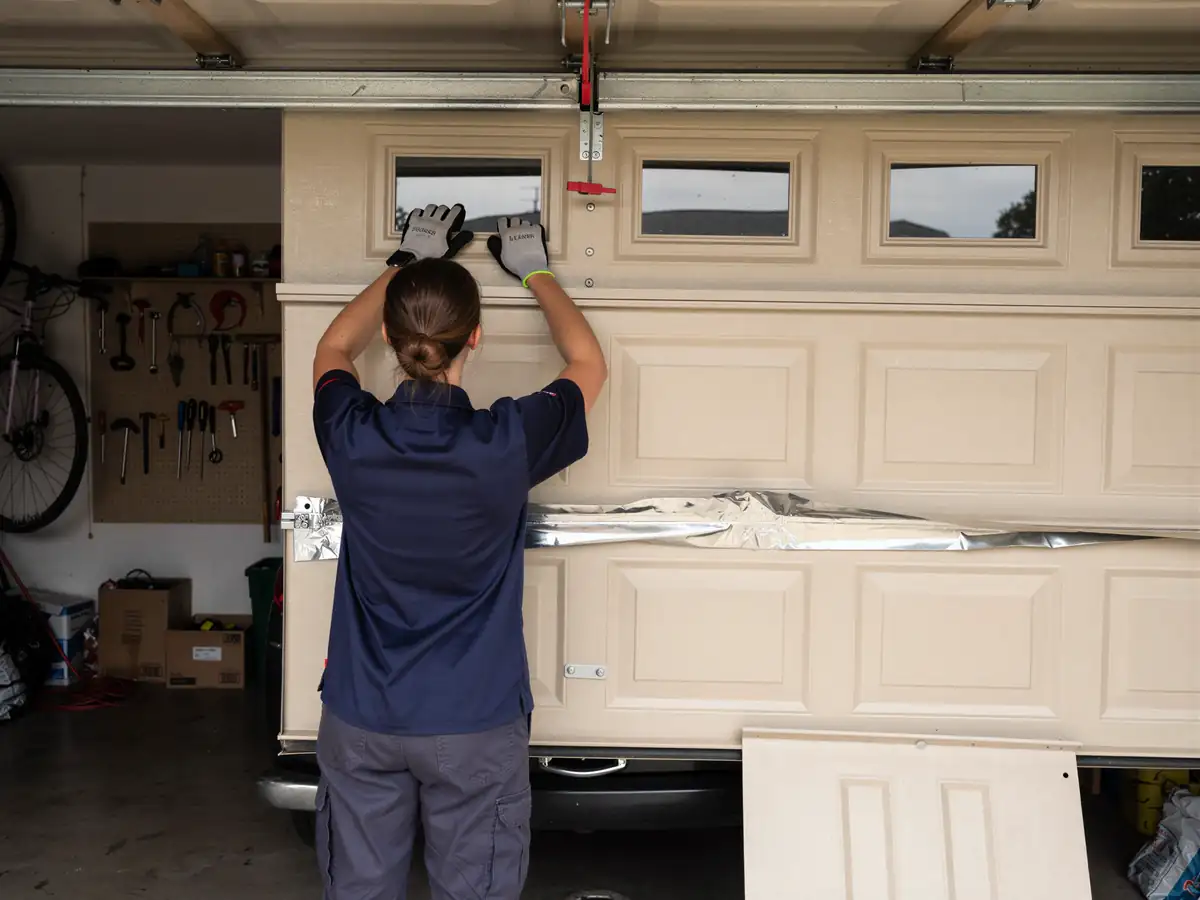
We look at the panel steel first. A door from that era is often heavier gauge than what gets installed today, which is good news if the panels are still straight and not rusted through at the bottom seam. If the bottom section is intact and the track is true, the spring and hardware repair is usually worth doing.
Leaving It Alone
Inglewood sits in a mild temperate band
No hard freezes, no monsoon season, nothing that snaps a cable overnight. That's the good news: your door isn't fighting the climate the way a door in a colder or wetter region would. The bad news is that mild and steady means wear happens slowly and quietly, and a door that's been ignored for years doesn't announce itself with sudden failure. It just gets stiffer, louder, and harder to balance until one day the opener strains and a spring finally lets go.
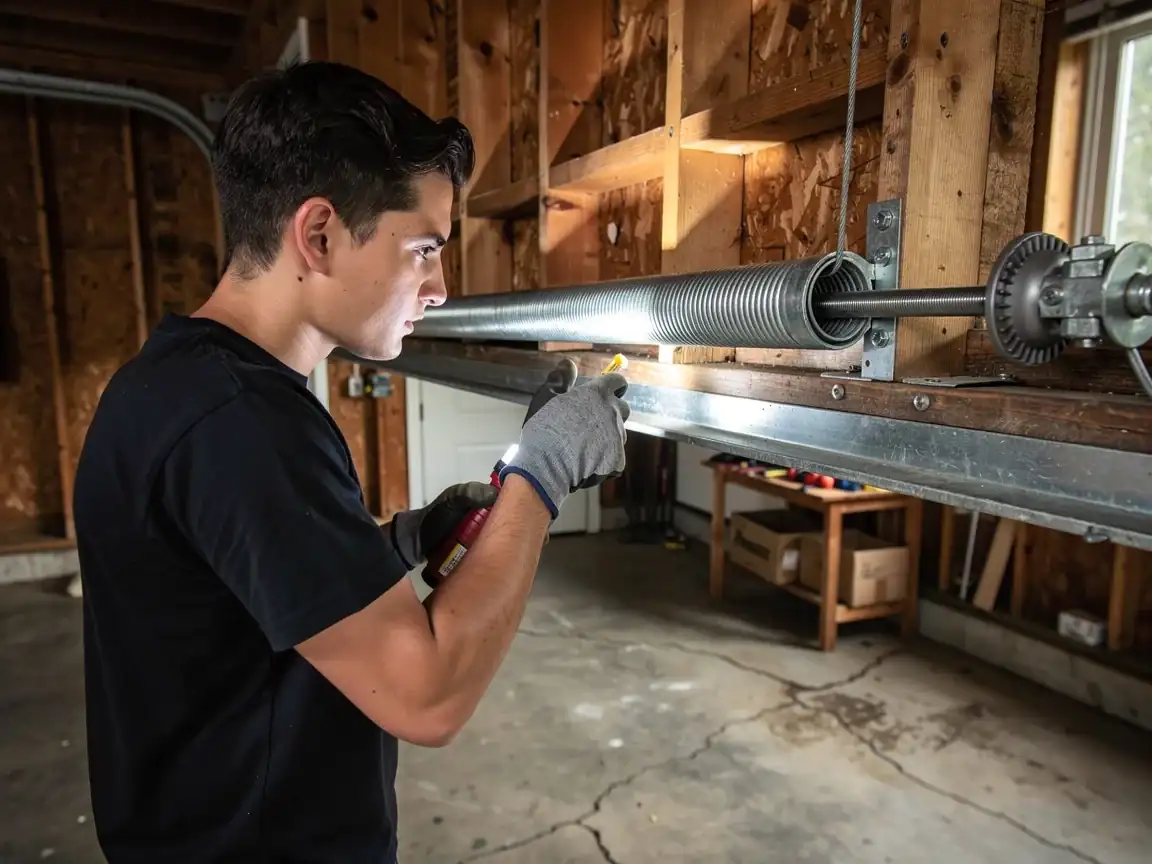
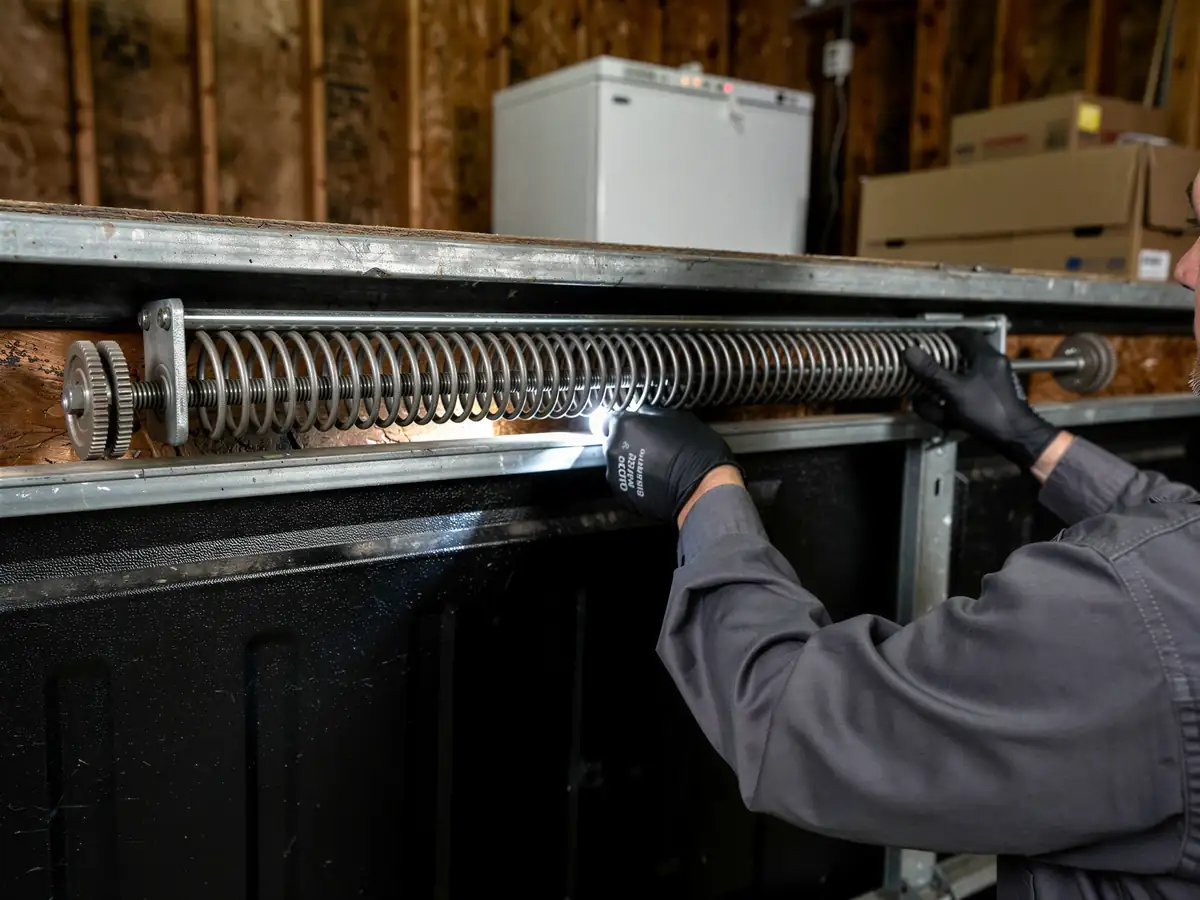
Leaving a worn torsion spring or a stretched cable alone on a 60-year-old door doesn't save money
It usually means the opener motor takes the load the spring should be carrying, and that's the part that actually costs more to replace. If the door is original to a house built near that 1961 median, the opener has likely already been swapped once. Don't let it be the hardware's turn to take the opener down with it.
Where People Go Wrong
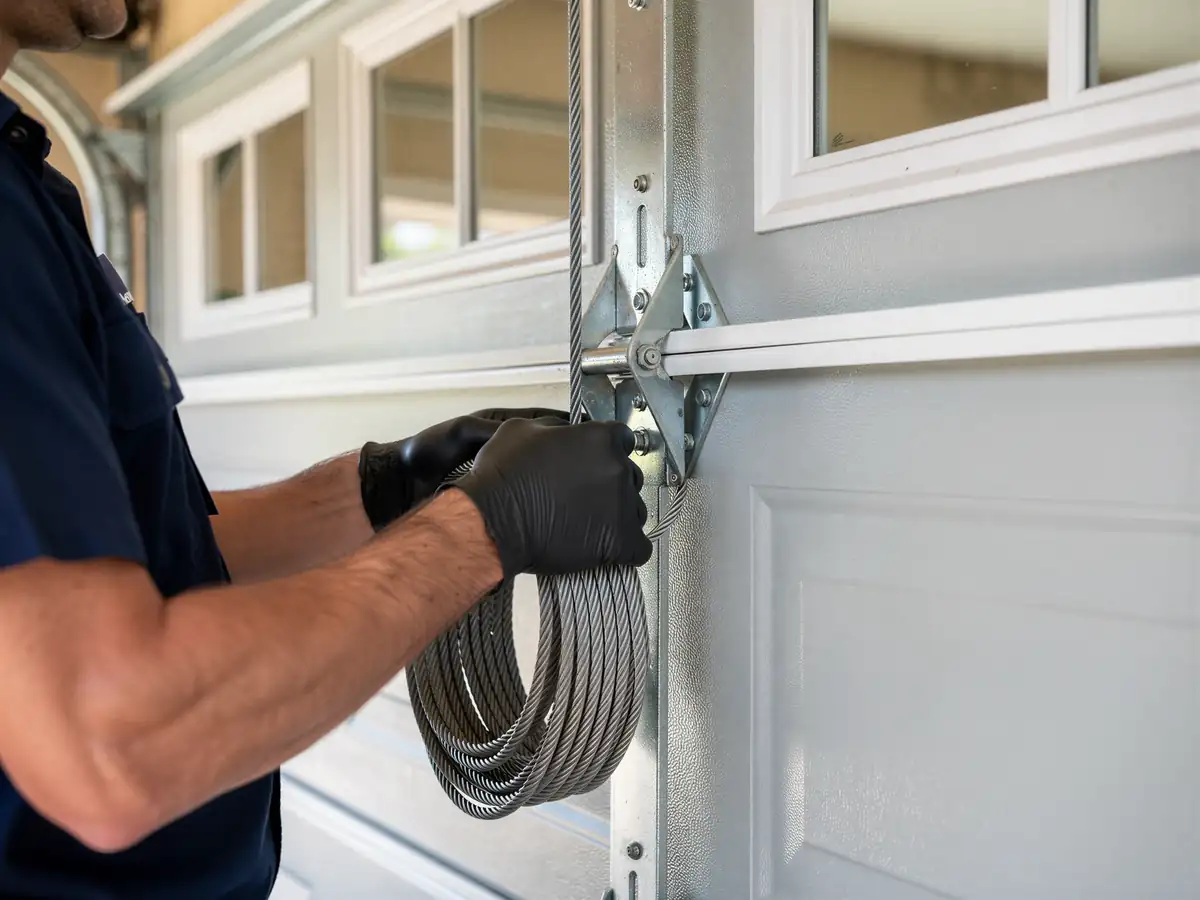
The most common mistake we see on these older Inglewood doors is replacing one part and ignoring the rest of a matched system. Homeowners will get a new spring put on a track that's still bent, or a new opener installed on rollers that are nearly seized. The parts aren't a kit - they're a balance, and fixing one piece while the others stay worn just shifts the strain somewhere else, usually to whatever you just paid to replace.
The second mistake is assuming a door from the 1960s or 70s stock across this area is too old to fix, full stop. That's not true as a blanket rule. If the panel steel is straight, the track is aligned, and the opener still has life in it, a spring and roller job on an older door is often the right call and the cheaper one. We won't talk you into a full replacement if the bones are sound - that's not a repair worth doing just because the door has some age on it.
What Local Conditions Do
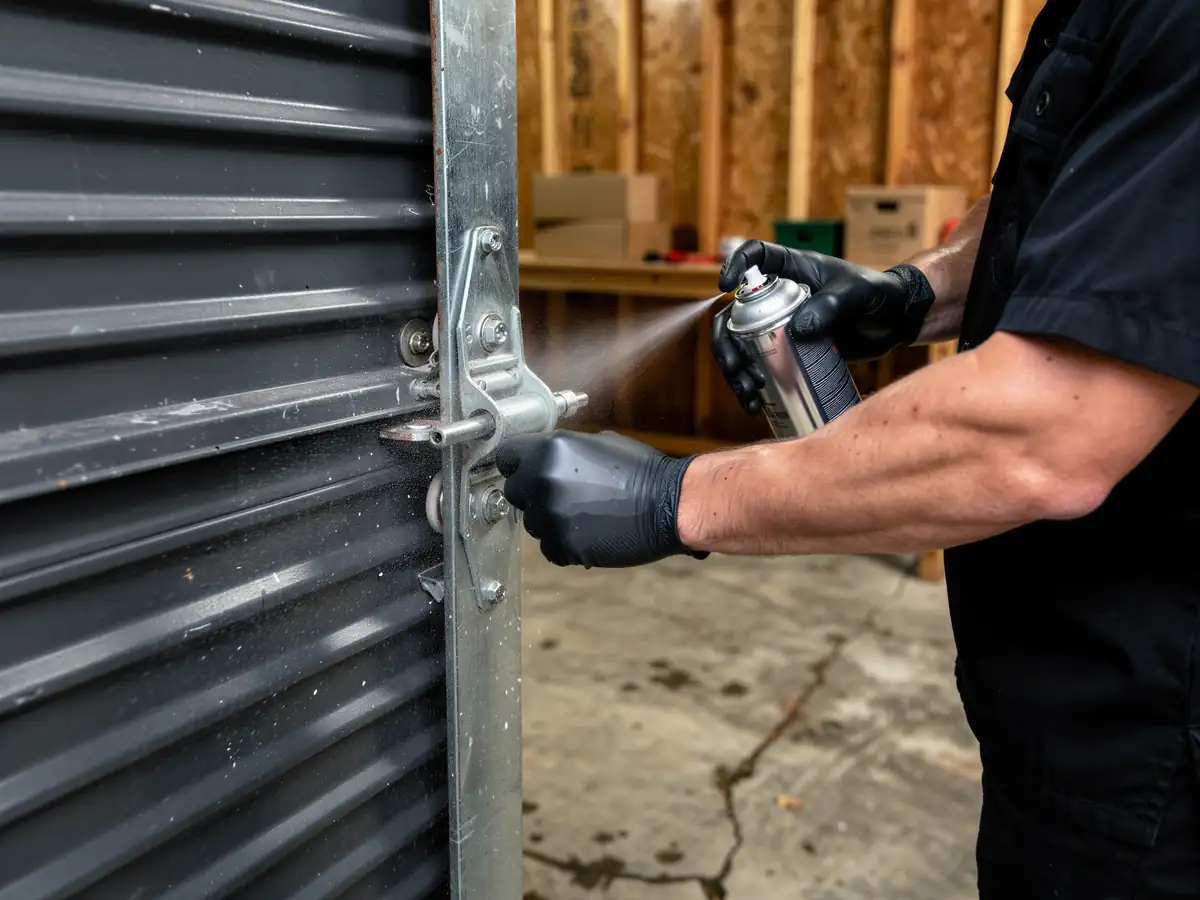
The mild temperate conditions here mean an older Inglewood door isn't dealing with the freeze-thaw cracking or heavy humidity swelling that wears out wood panels and seals faster in other climates. What it does deal with is straightforward age: lubricant drying out on rollers and hinges, torsion springs losing tension after thousands of cycles, and steel panels left thin where the bottom seal has let moisture sit against them over the years.
Given the age of most housing in this area, a lot of doors are at the point where the spring has already gone through its expected cycle count. That's not a judgment on the door - it's just where the math lands on hardware installed when a house built near 1961 was still new. If the panels and track are sound, this is usually a repair, not a replacement.