Serving Inglewood, CA & nearby
(424) 237-3669
Inglewood, CA

Knowing When Repair Stops Making Sense

Inglewood homes mostly date to the 1960s and 70s. Here's how to tell when a garage door repair is still worth it and when it isn't, based on what's actually on the house.

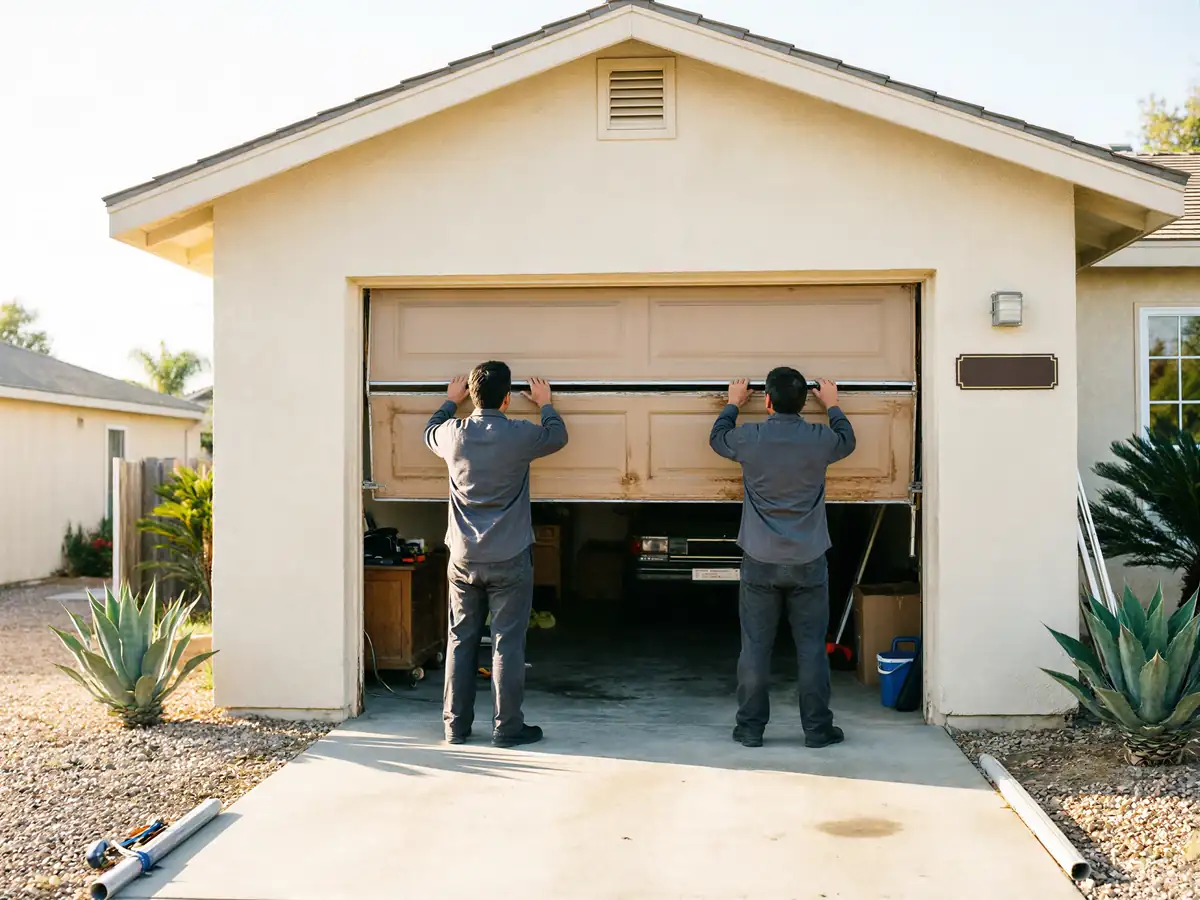
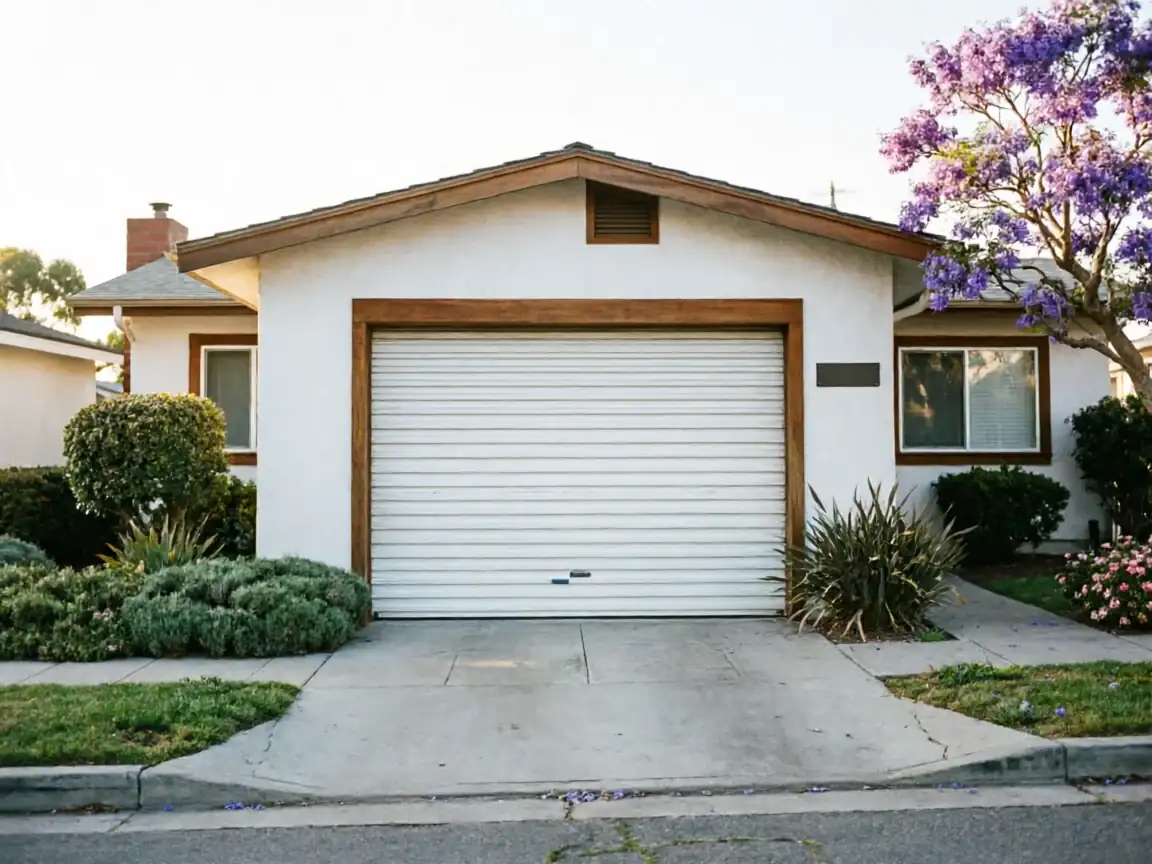
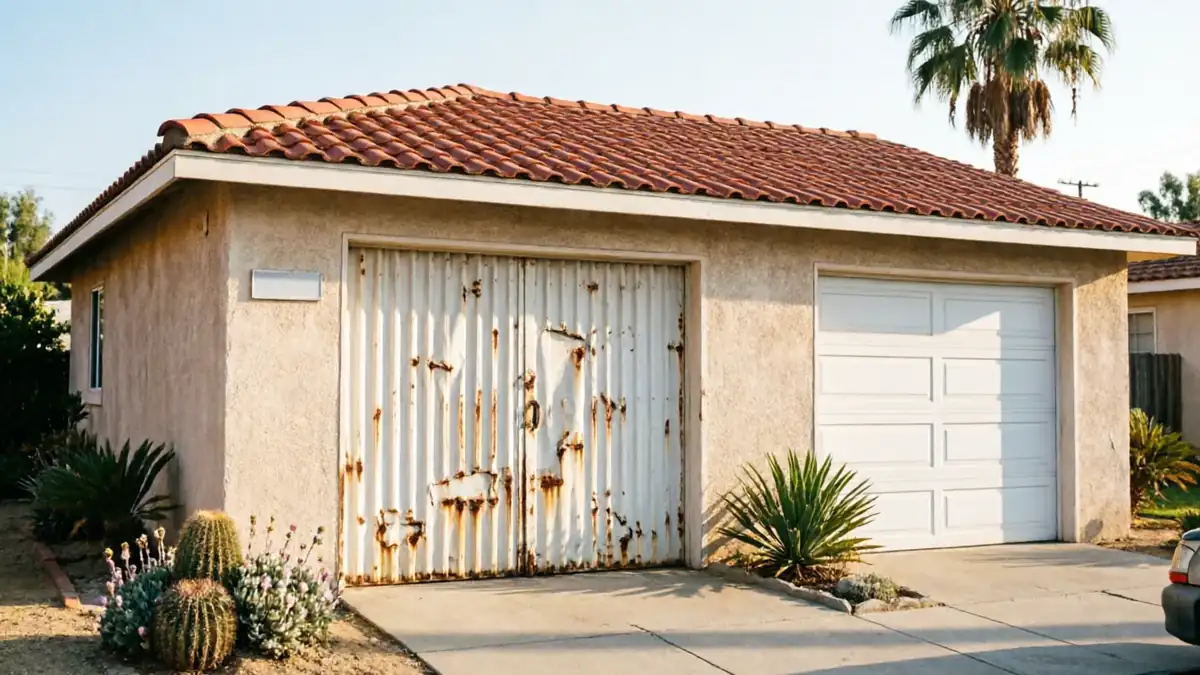
A house has two garage doors, one rusty and one white.

The Problem

Most of the houses we get called to in Inglewood went up between the 1940s and the early 2000s, but the bulk of the stock clusters in the 1960s and 70s across the named neighborhoods here - areas like included. That means a lot of doors and openers on these jobs are not the original units, but they're often the first replacement, installed decades ago on hardware that matches an older rough opening. The problem shows up as a mismatch: a newer steel door hung on an old wood jamb, or a modern opener bolted to a bracket that was never rated for it. Once a system is that mixed, a single repair - a new roller, a new cable - doesn't fix the underlying issue, it just buys a few more months before the next part fails. We see this pattern often enough on this side of town that it's worth naming directly instead of treating every call as a one-off fix.

Leaving It Alone

A door that's merely noisy or slow to close isn't an emergency, and in a mild coastal-influenced climate like Inglewood's, you don't get the same freeze-thaw cycling that cracks panels or seizes springs in colder regions. That buys you time to think instead of panic-replacing. But leaving it alone has a limit: if the door is original to a house built in the early part of that 1943-2012 range, the steel gauge and spring cycle rating are both well past what a manufacturer designs for, and continuing to run it daily is how a minor cable fray turns into a dropped panel. The honest answer is that waiting costs you nothing on a door that's five years old with a sticky sensor. It costs you real money on a door pushing fifty.

Where People Go Wrong

The mistake we see most in this part of the service area is treating every symptom as its own repair instead of looking at the whole system's age. Someone replaces a spring, then six months later a roller, then the opener motor burns out - three separate invoices on a door that was already at the end of its working life. With median housing age around 1961 across so many of these neighborhoods, there's a real population of doors and openers that are simply done, not malfunctioning. We won't talk you into repairing a torsion system that's original to a 1961 build just because the motor still turns over. One honest limitation here: we don't install doors, so when a job crosses that line, that's a different call for you to make elsewhere.

What Local Conditions Do

Inglewood's mild temperate climate is kind to garage doors compared to places with hard freezes or heavy humidity swings, so weather isn't usually what kills a door here. What wears parts down instead is simple age and cycle count on housing stock that, across the 62 named areas in this service footprint, mostly dates to the 1960s and 70s. A door that's been opened and closed twice a day for sixty years has put more wear on its hinges and rollers than climate ever will. That's the real local variable: not storms, but how long the hardware has been quietly working.
How it works

From “it’s stuck” to “it’s fixed”

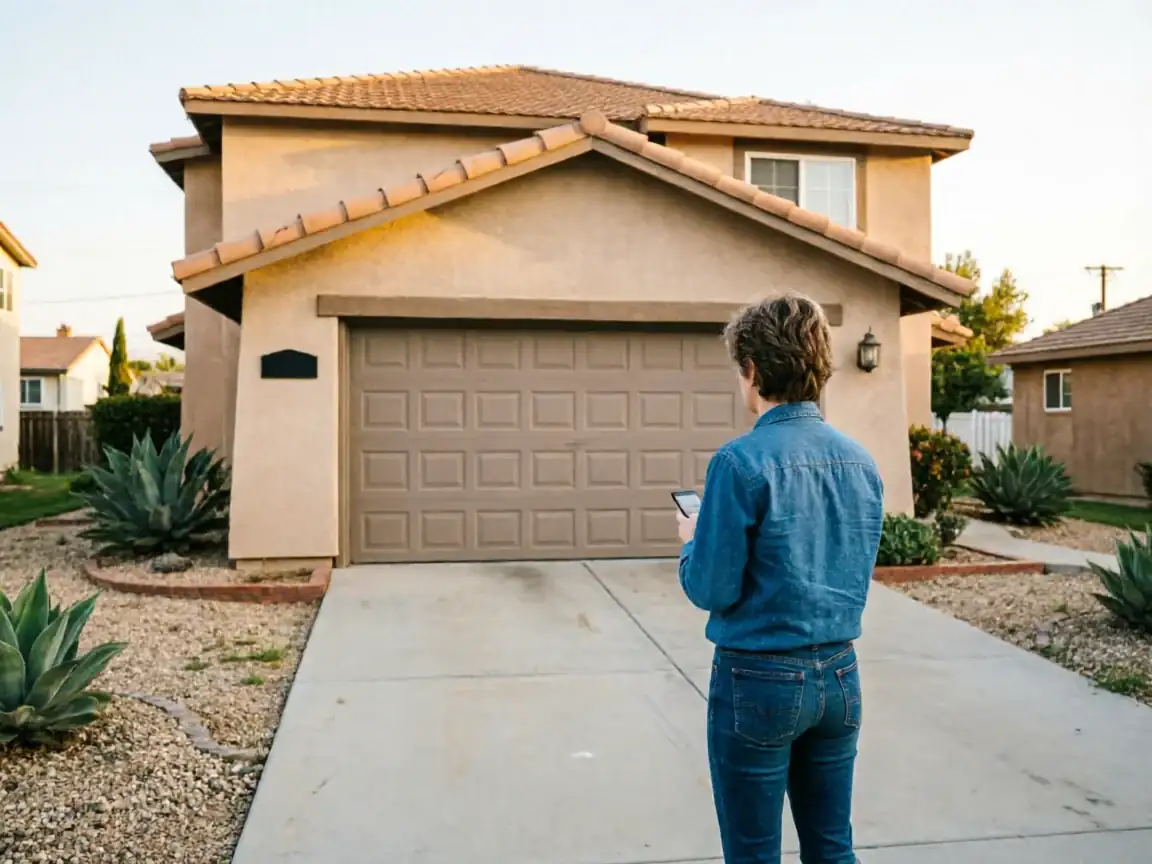
A person in a denim shirt stands in a driveway, looking at a phone.

Tell us what’s wrong

Describe the symptom - won’t open, loud bang, opener runs but the door won’t move.

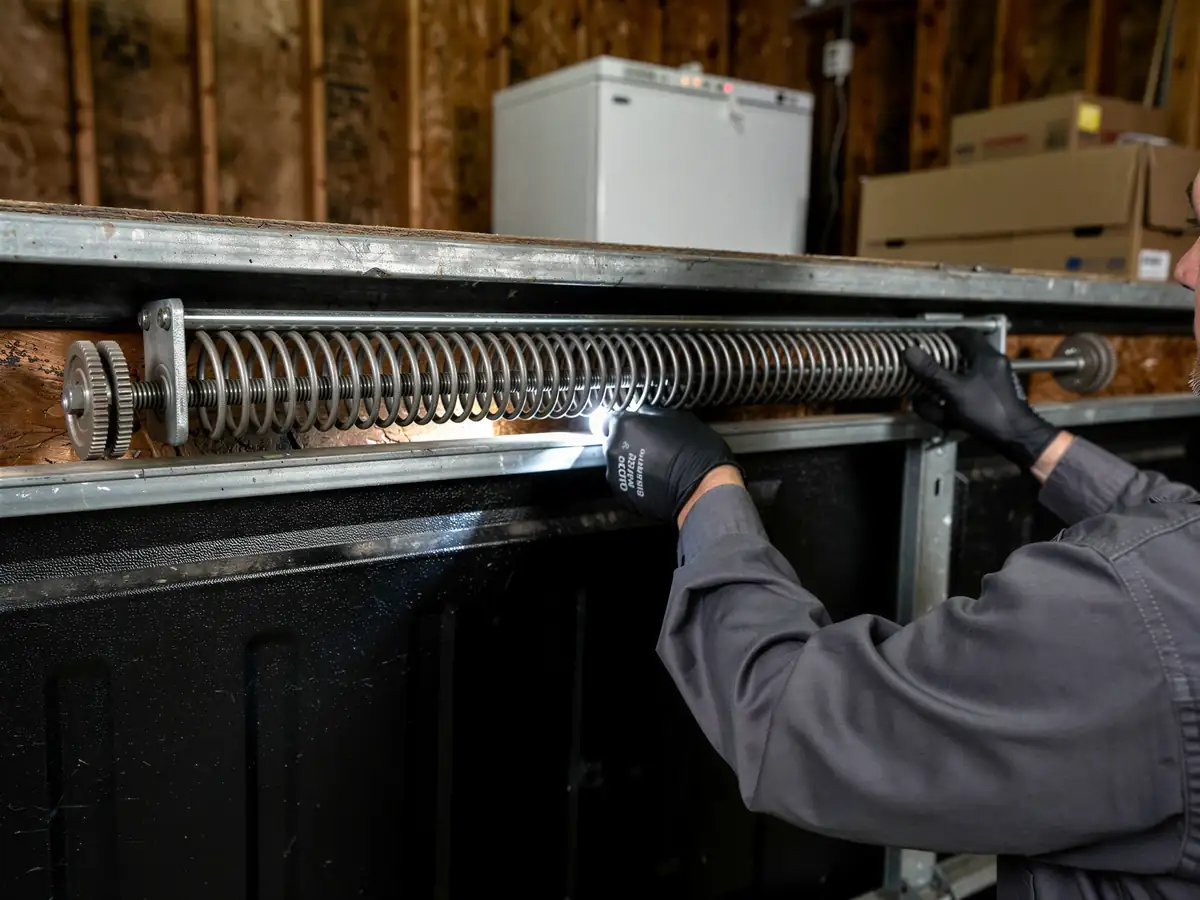
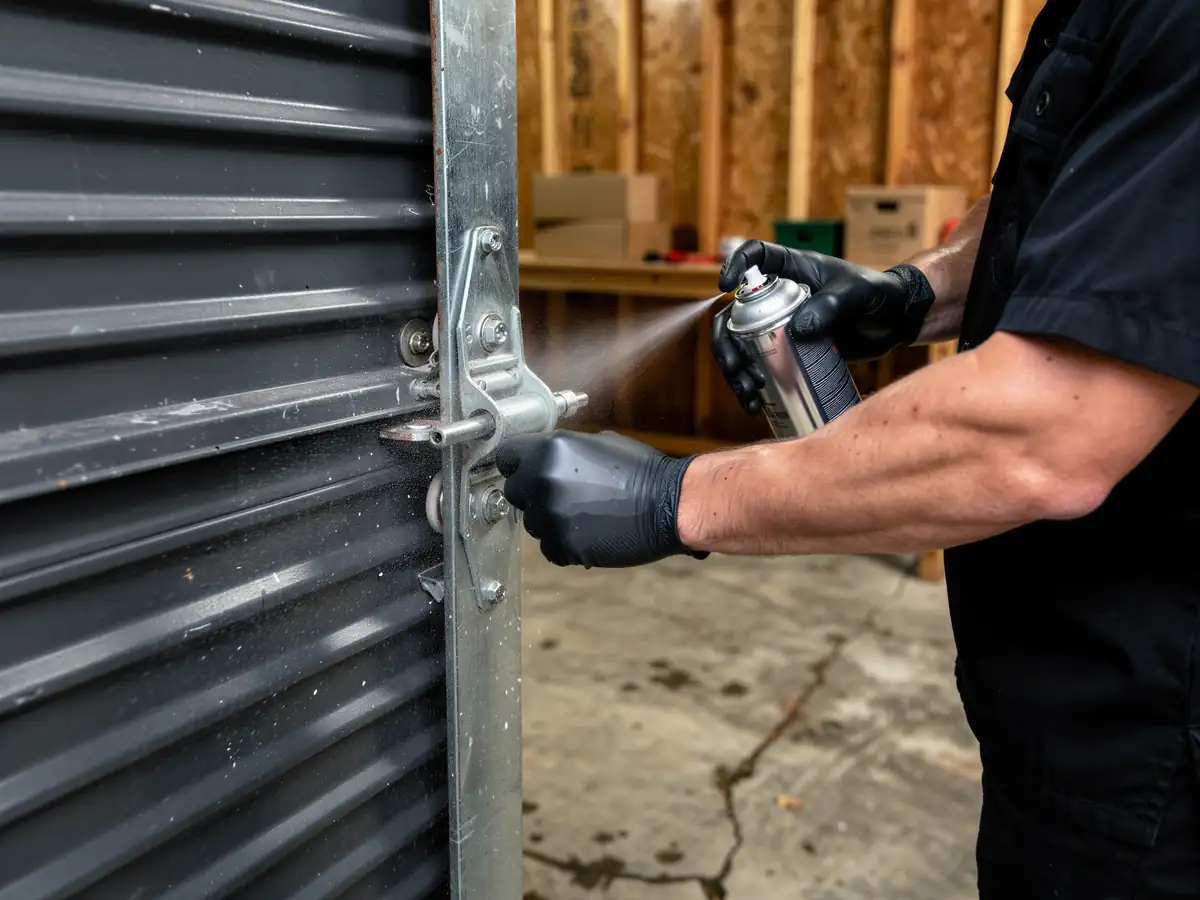
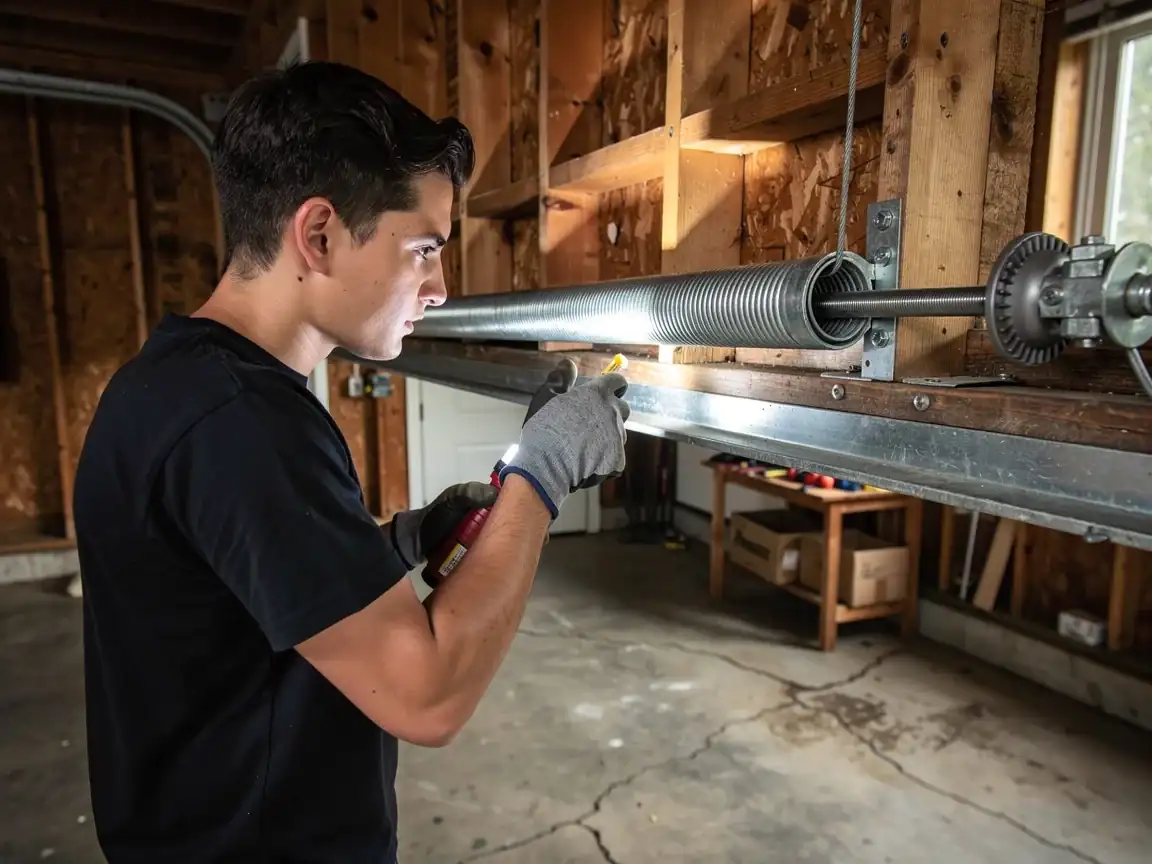
A technician shines a flashlight on a garage door torsion spring.

On-site diagnosis

A technician tests the door under power and by hand and finds what actually failed.

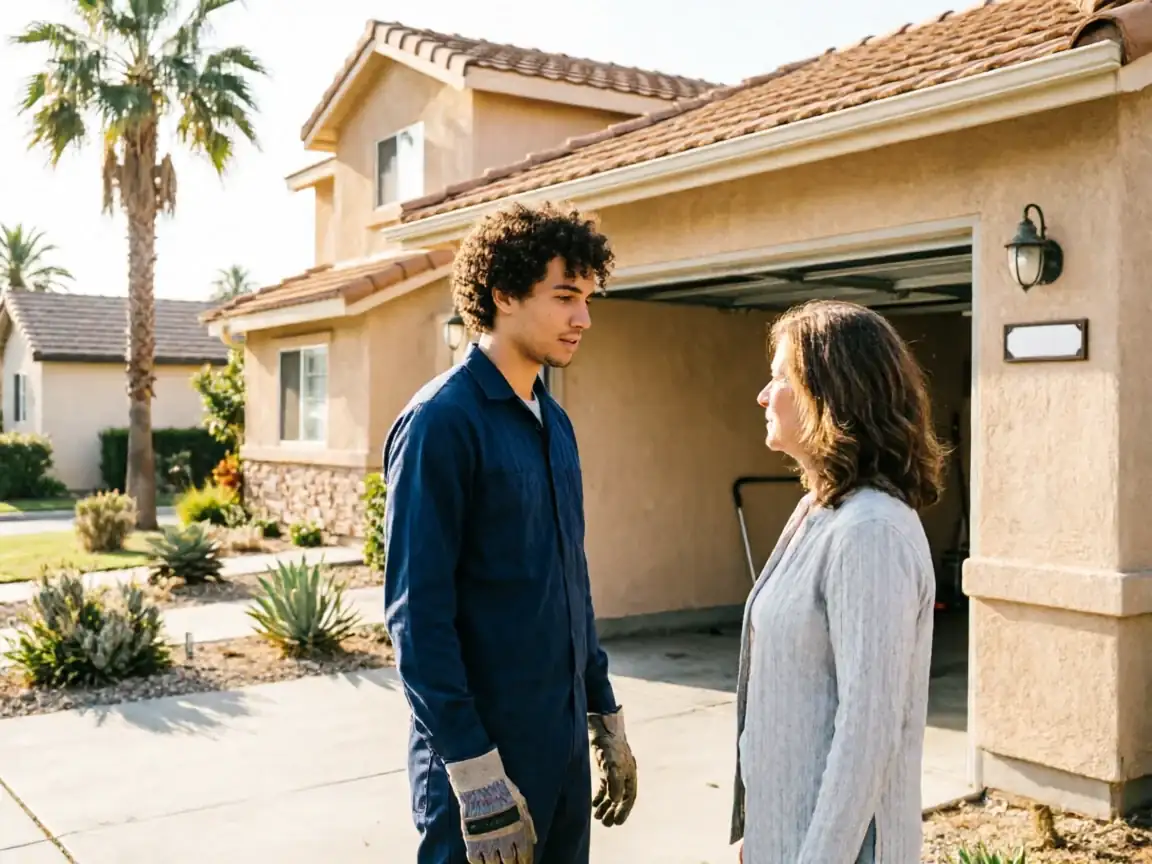
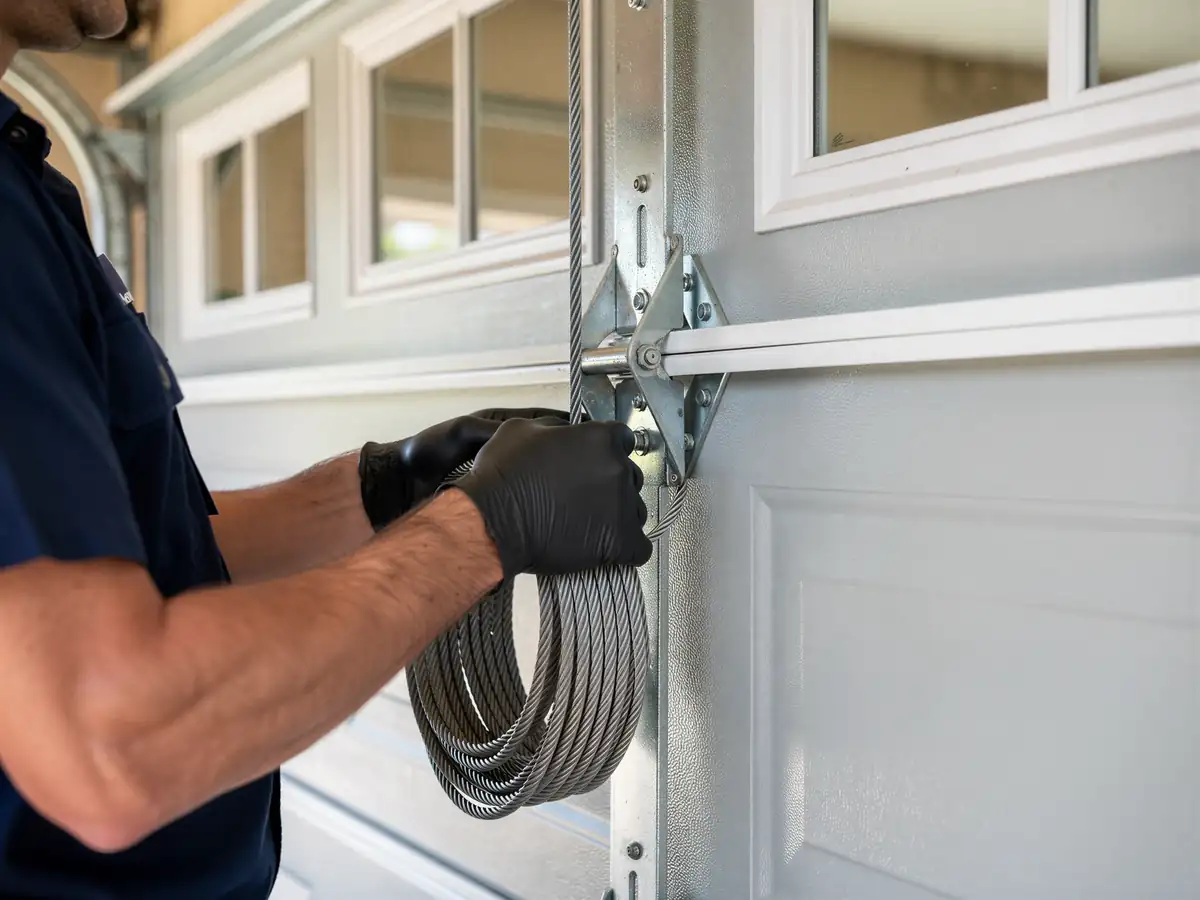
A technician in a blue uniform talks to a woman in front of a house.

Clear, up-front plan

You get the fix that’s needed and what drives the cost - before any work starts.

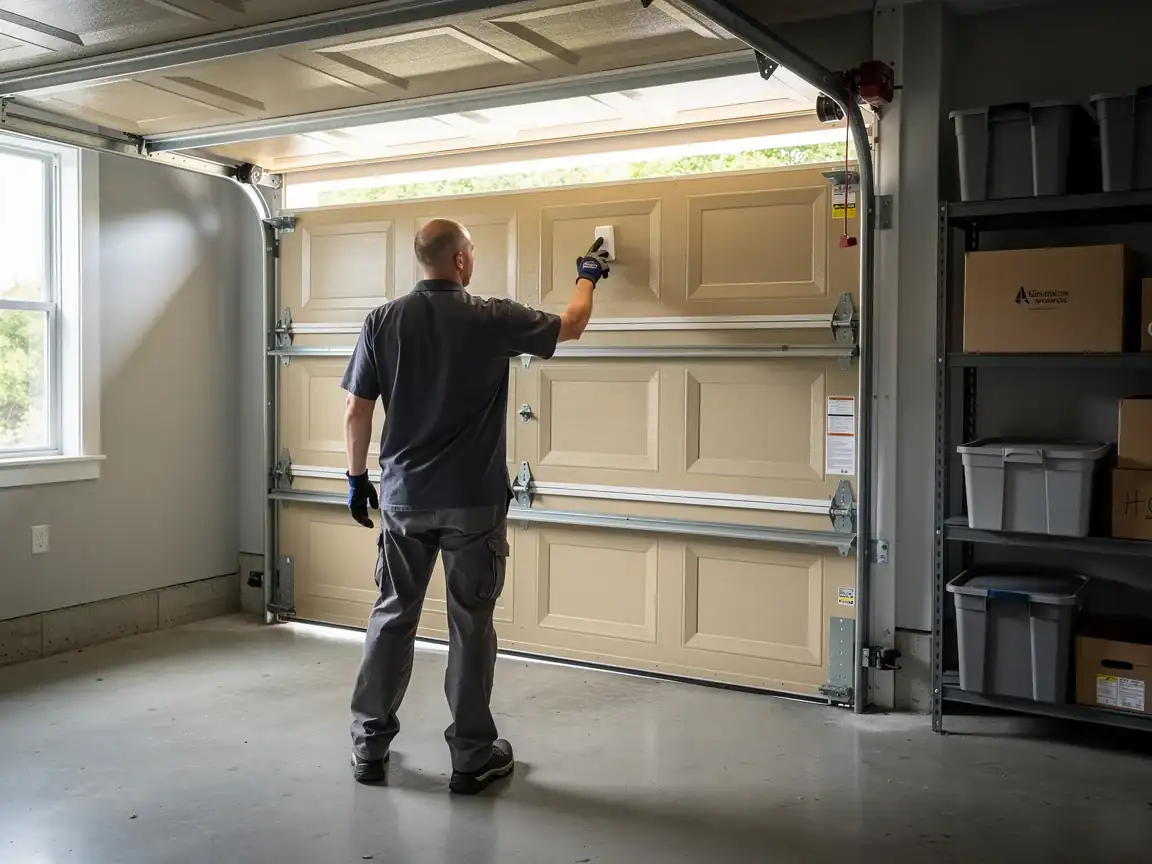
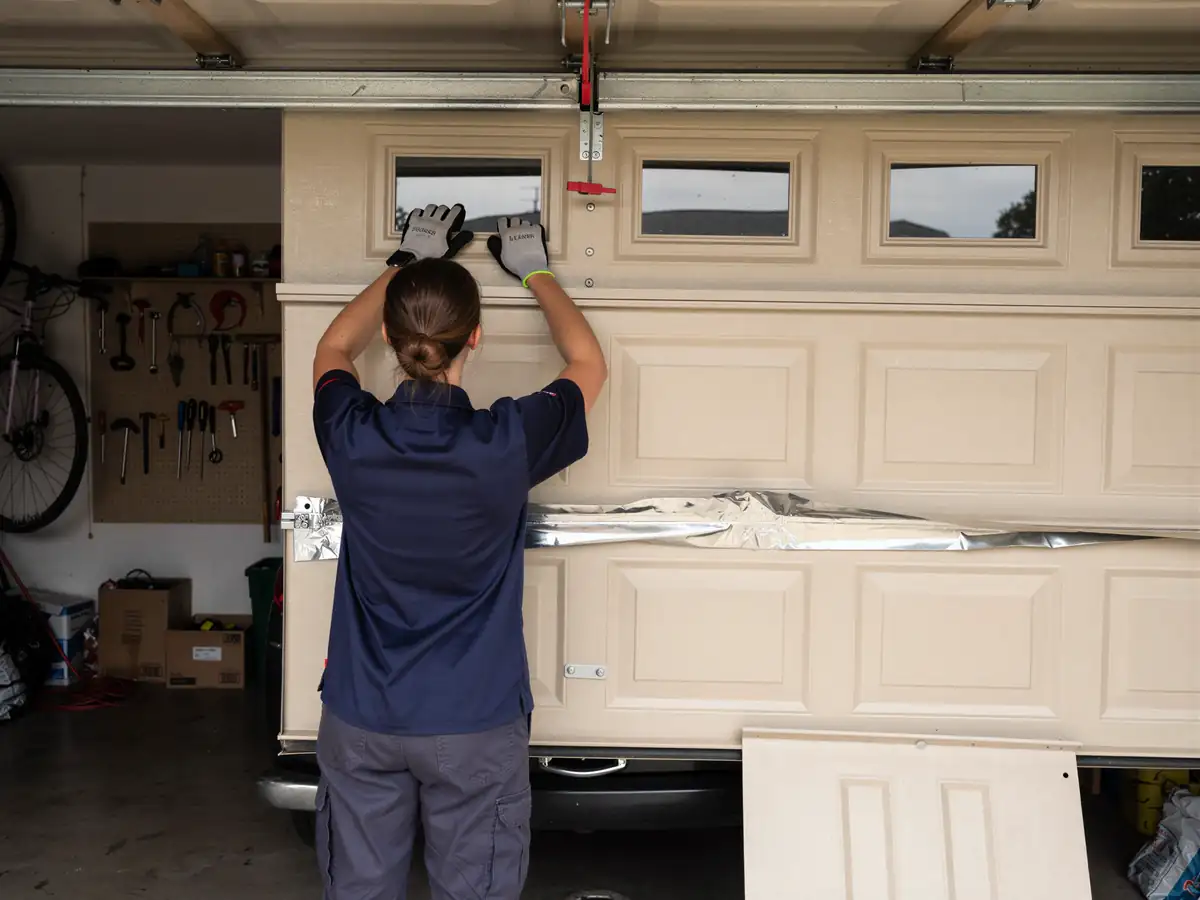
A technician in a gray uniform is pressing a button on a beige garage door.

Repaired & tested

The repair is done, the door is set true and tested, and the work area left clean.

Next step

Not sure which repair your door needs in Inglewood, CA? Describe what it’s doing - every job starts with a diagnosis.

How we work

What to expect

A straight, honest approach on every Inglewood job.

Diagnosis first

Every visit starts by finding what actually failed - not a pre-written parts list.

The right part for the door

Springs and openers matched to the door’s weight and age, so the fix holds up.

Straight answers

When a repair makes more sense than a replacement - or the reverse - you hear it plainly.

Clean, careful work

Tension released safely, hardware set true, the door tested under power before we leave.

What we do

Garage Door Services

Repair and installation work for Inglewood homes and businesses.

Questions

Frequently asked

Straight answers about garage door repair in Inglewood. Still unsure? Ask us directly.

How do I know if my garage door is too old to repair?

If the door or opener is original to a house built in the 1960s or earlier, which covers a lot of homes in this part of Inglewood, the steel and springs are well past typical cycle ratings. A working motor doesn't mean the system is sound - ask what year the hardware dates to before paying for another repair.

Does Inglewood's weather wear out garage doors faster?

Not really. The mild temperate climate here doesn't put doors through the freeze-thaw stress that damages springs and panels elsewhere. Age and daily use wear parts down in Inglewood more than weather does.

Do you install new garage doors?

No, we don't handle installation. If your door is past the point where repair makes sense, that's a job for an installer, not something we take on.

Ready to get your garage door sorted?

Tell us what it’s doing and where you are in Inglewood - we’ll take it from there.

Request a QuoteCall