The DIY Question
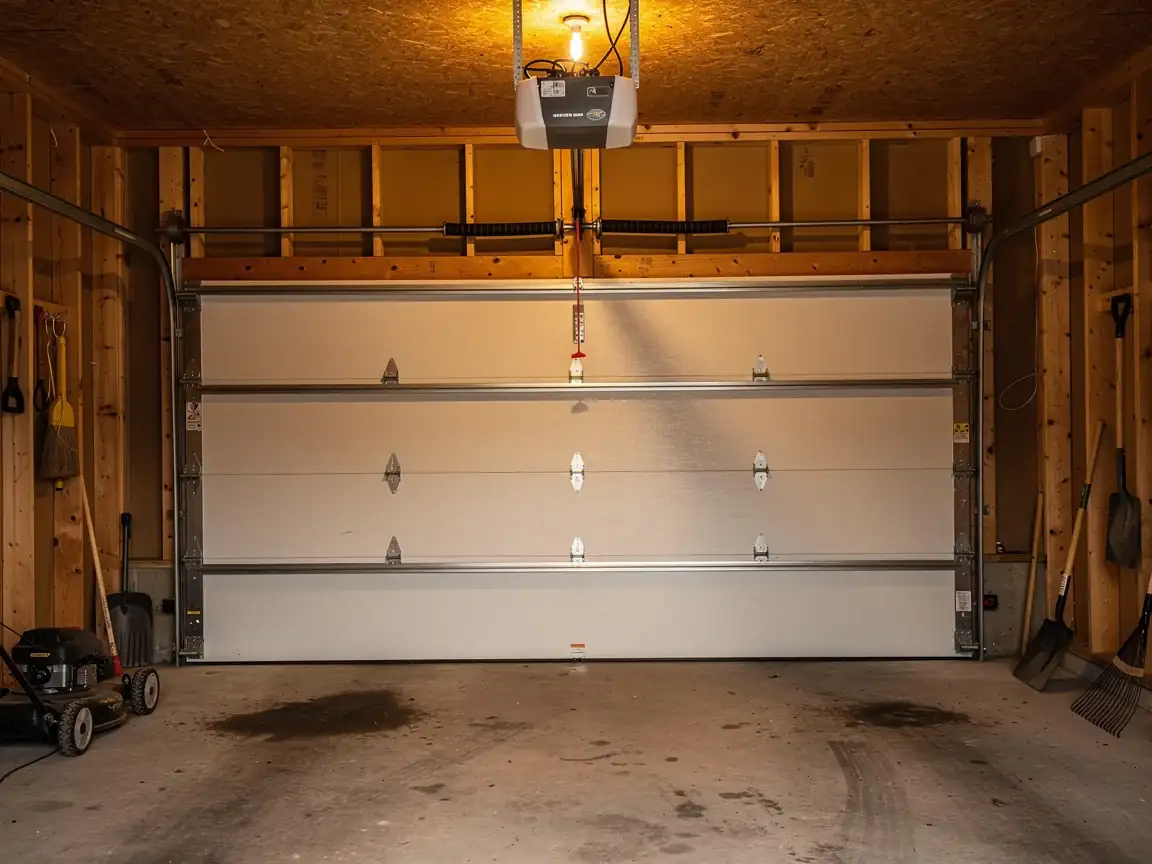
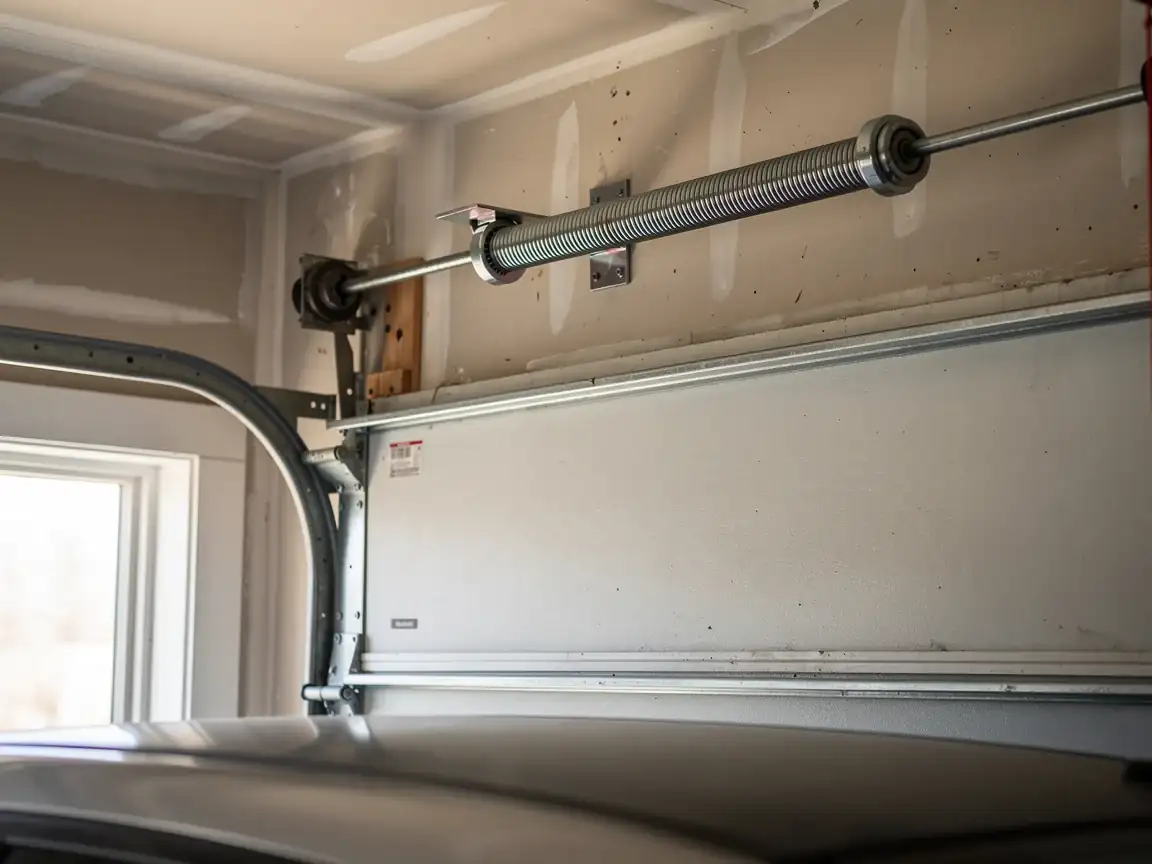
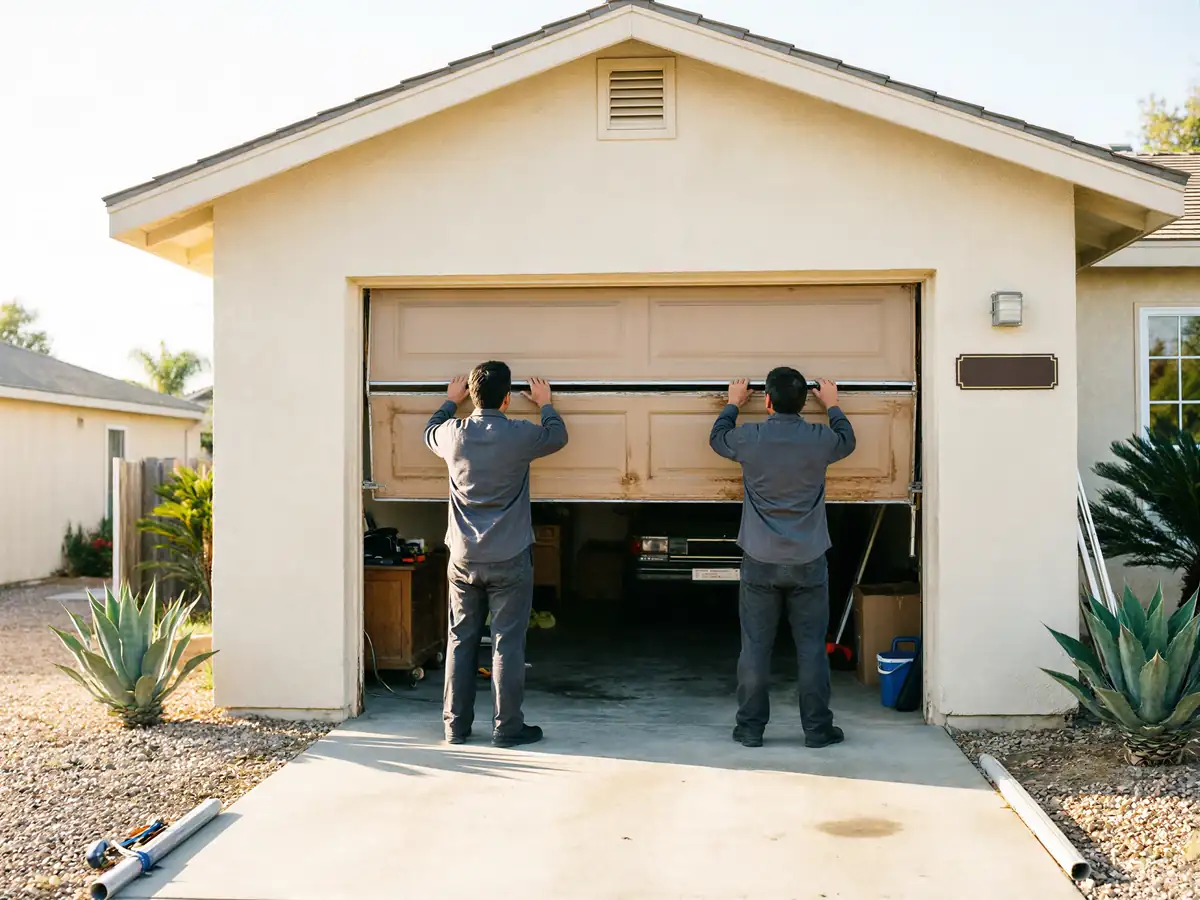
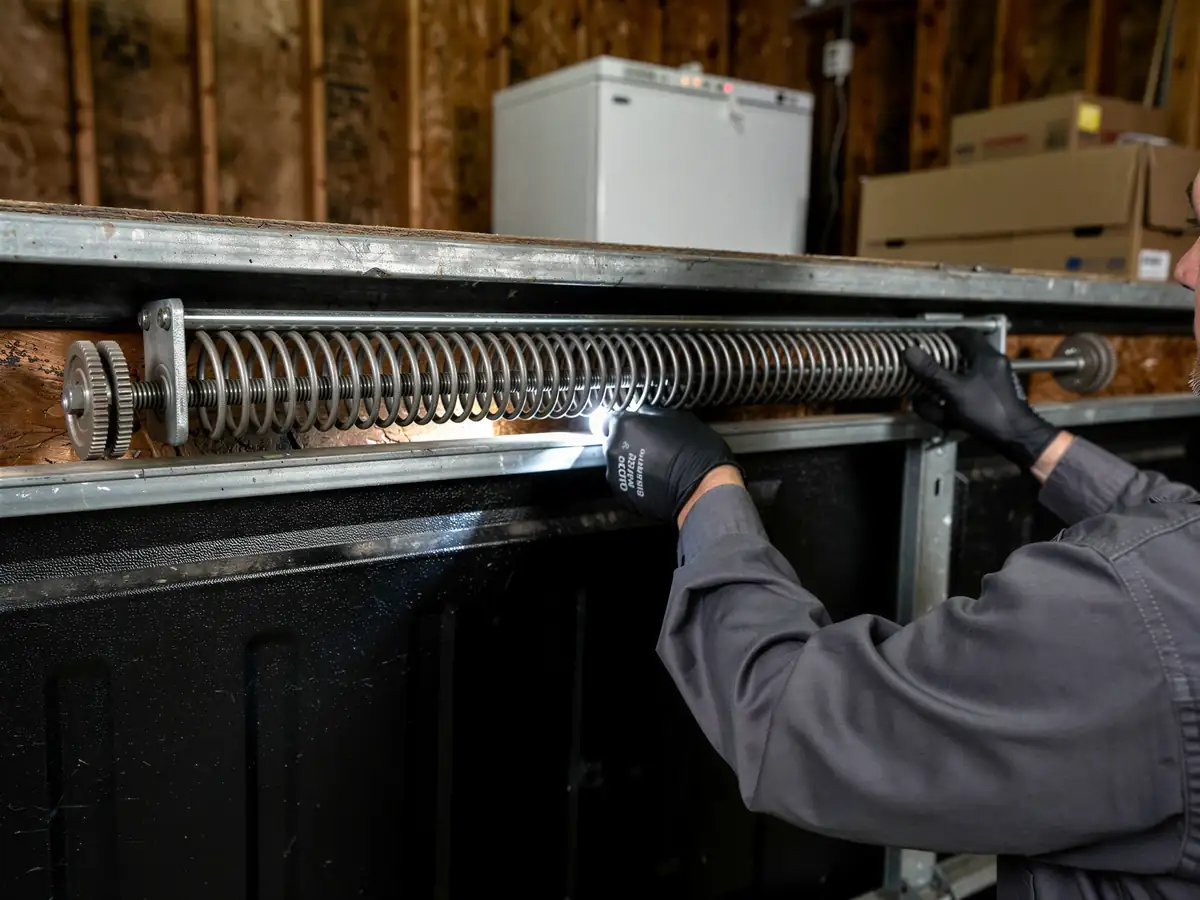
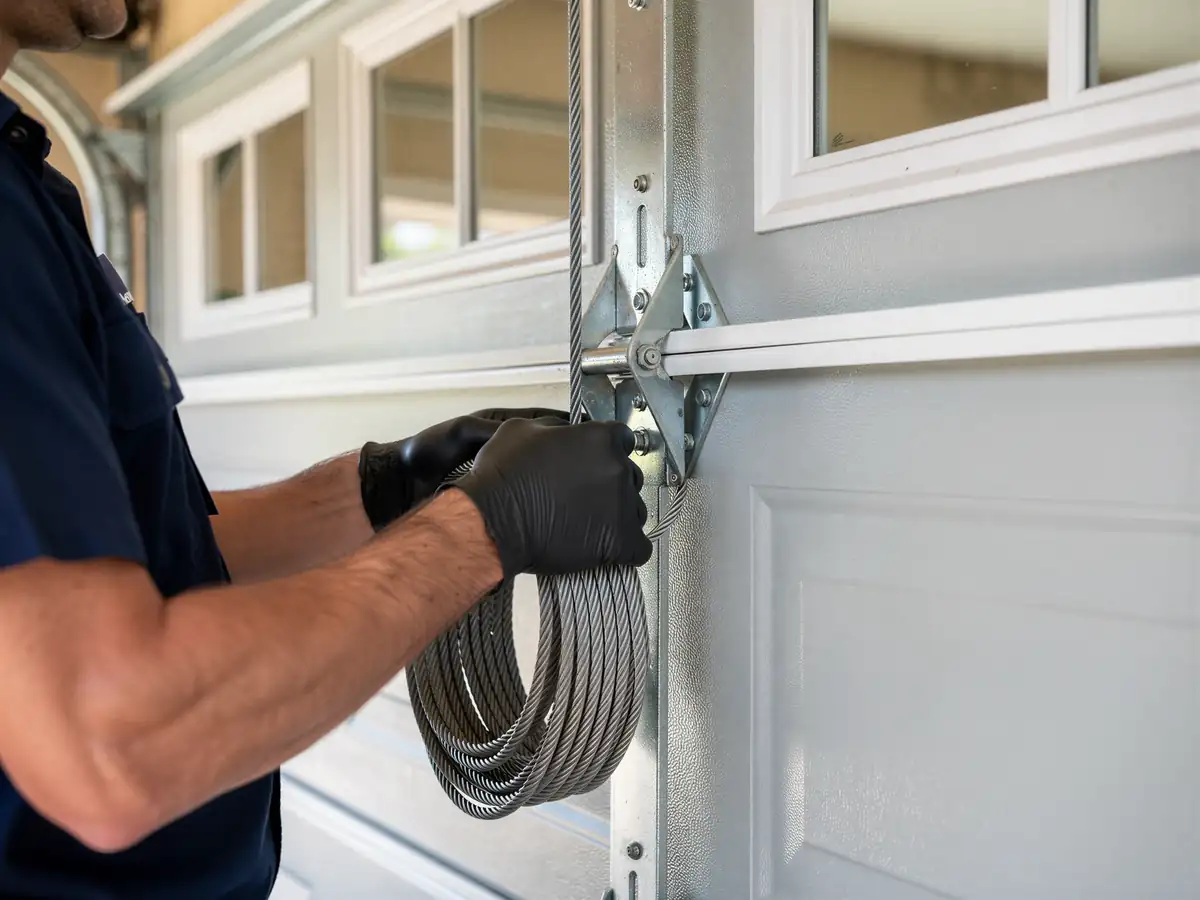
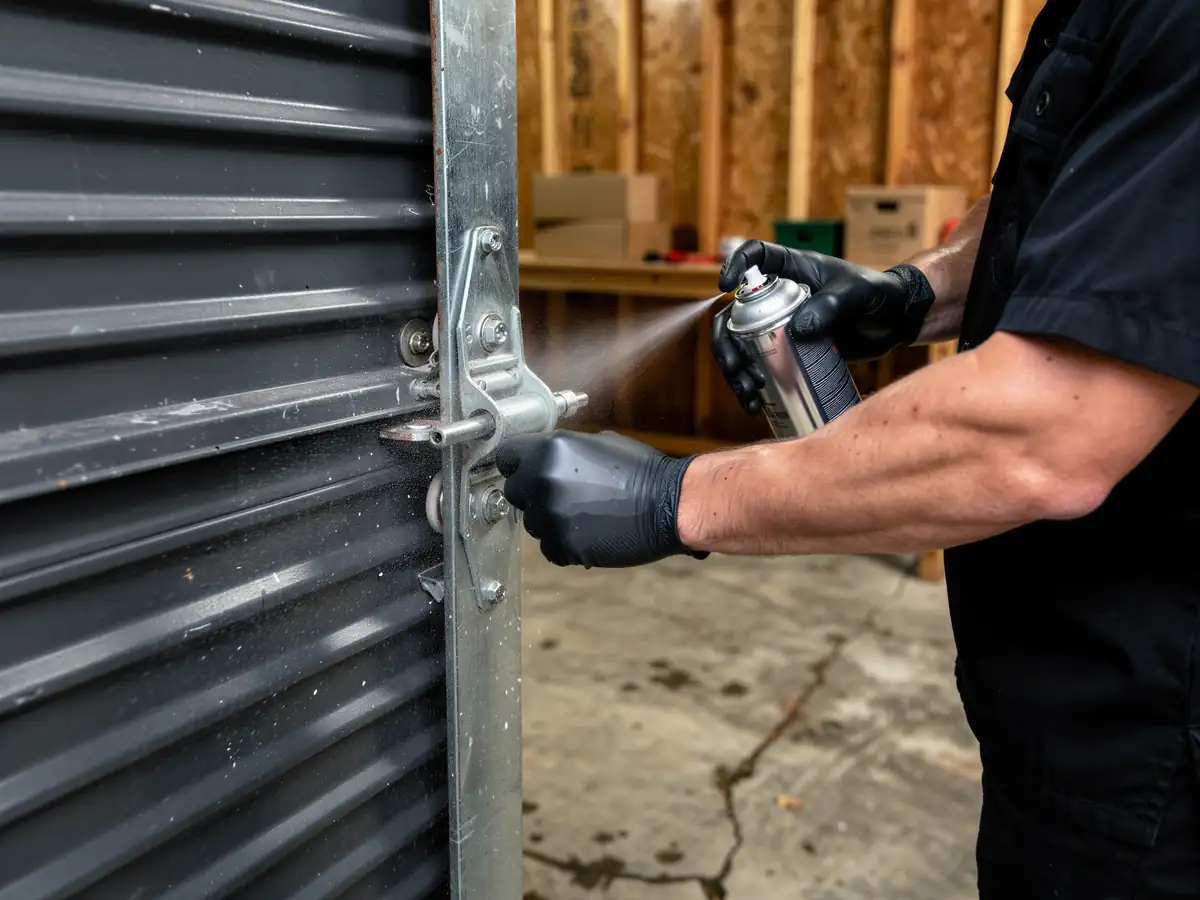
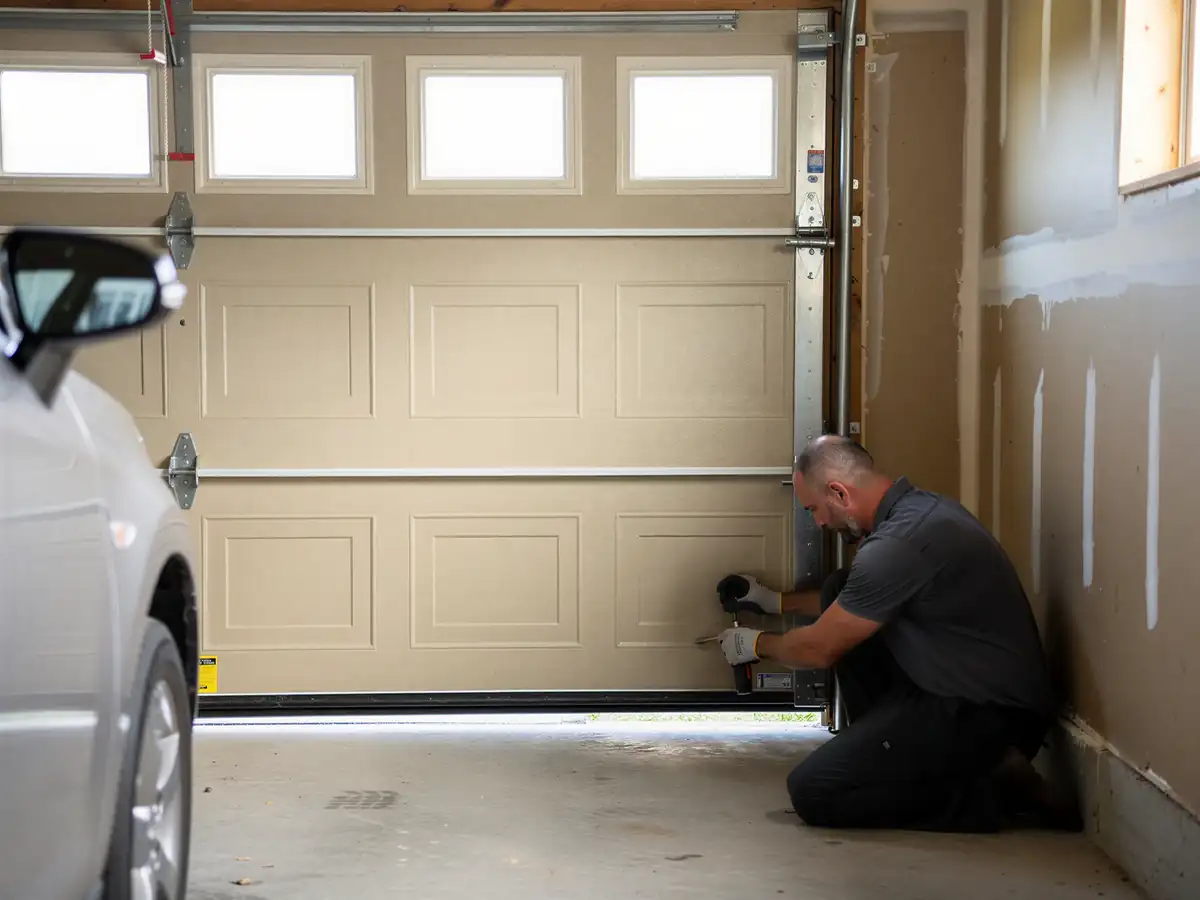
A lot of homeowners here start with a YouTube video and a trip to the hardware store. That's fine for a loose hinge or a dead remote battery. It stops being fine the moment you're looking at a torsion spring under tension, a bent track, or a cable that's frayed down to a few strands. Inglewood's housing stock runs from 1943 up through 2012, with the median build year sitting around 1961, so the door you're standing in front of is more likely an older torsion setup than a newer one. Those older systems were built with different spring sizing and drum configurations than what's sold off the shelf today, which matters more than most people expect. We're not going to tell you every repair needs a truck. Tightening hinges, lubricating hardware, and swapping a remote battery are jobs you can do yourself with a screwdriver and ten minutes. Springs, cables, and anything involving the torsion bar are a different category - the stored tension in a wound spring can break fingers or worse, and getting the wind count wrong on a repair leaves you with a door that slams instead of lowers.
How We Fix It
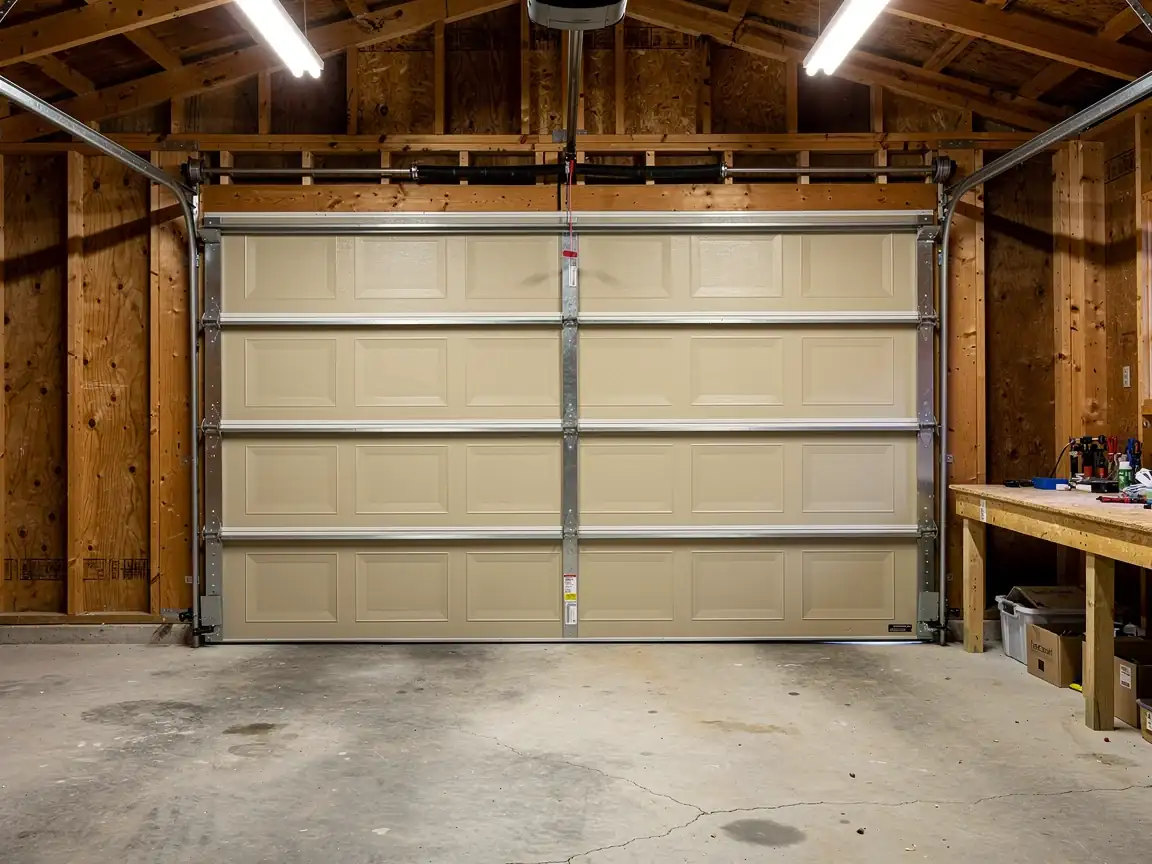
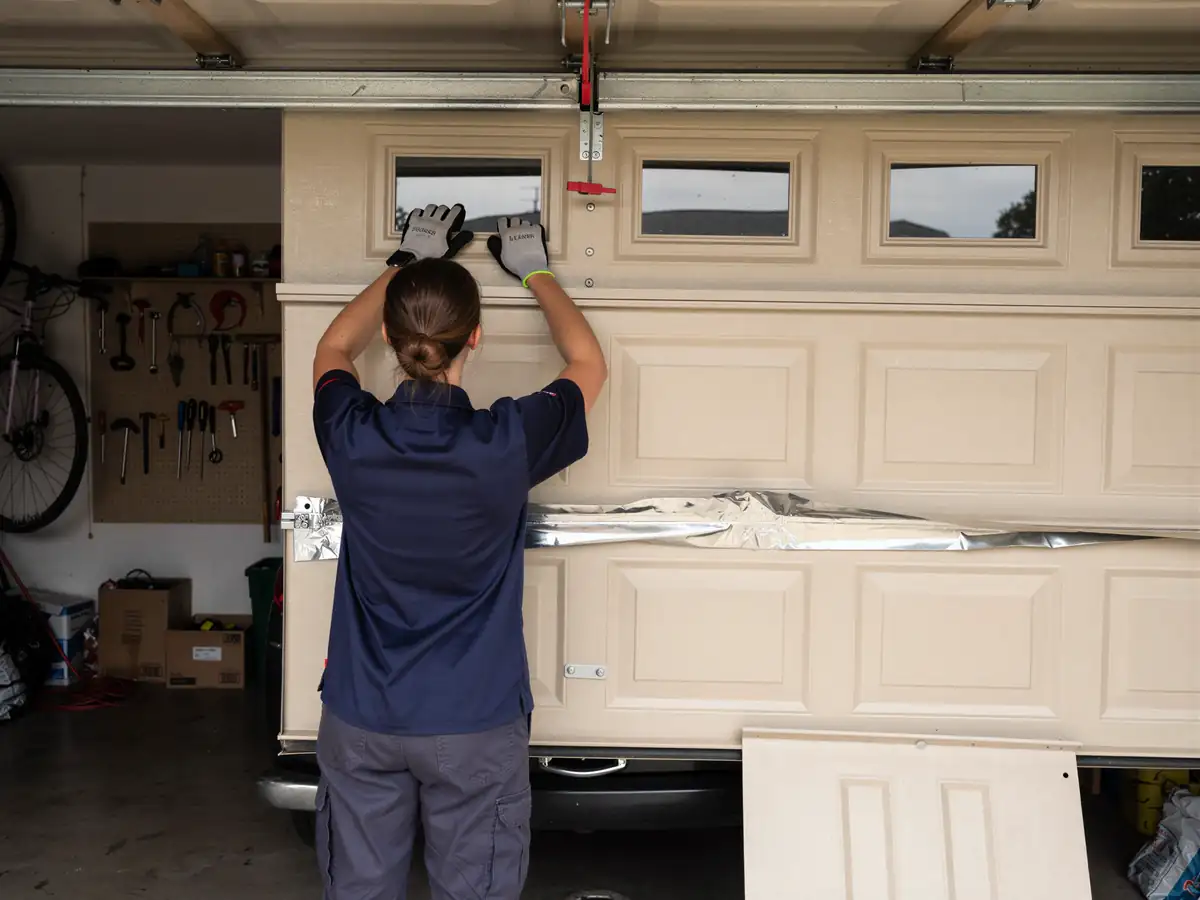
We start by identifying what's actually original to the house and what's been swapped in over the years, because on a door from this era those aren't always the same gauge of spring or the same track width. If the torsion spring is the problem, we measure the shaft and drum before we order anything - guessing on a spring size is how you end up back at the same house in six months. For openers, we check whether the unit is matched to the door weight; a lot of these older doors were converted from wood to steel or insulated panels at some point, and the opener that's installed often wasn't upsized to match. Track and roller wear gets inspected together, since a bent track is usually what's chewing through rollers, not the other way around. One honest limitation: if a door's track is badly out of alignment from age or a vehicle strike, we may recommend replacement over a patch repair, because a realigned track on an old door often drifts back out of true within a year or two. We'd rather tell you that upfront than have you pay twice.
How It Shows Up
The most common call we get is a door that won't open at all - usually a broken torsion spring, and you can tell because the door feels like dead weight the moment you try to lift it by hand. Close behind that is a door that opens but grinds, shudders, or jumps in the track, which points to worn rollers or a bent rail rather than the spring. A door that reverses right after it starts closing is almost always a sensor or limit issue on the opener, not a spring problem, and it's worth checking before anyone touches the torsion bar. Noise that's gotten louder over a few months - a low rumble through the walls when the door moves - is the sound of rollers at the end of their life, something that shows up often on houses with the original hardware from the 1960s and 70s era that makes up most of the stock in this area. We cover calls across Inglewood and into the surrounding named communities, from Westmont and Hawthorne a few miles out to Culver City and Lawndale further afield.