
How That Shows Up in the Door
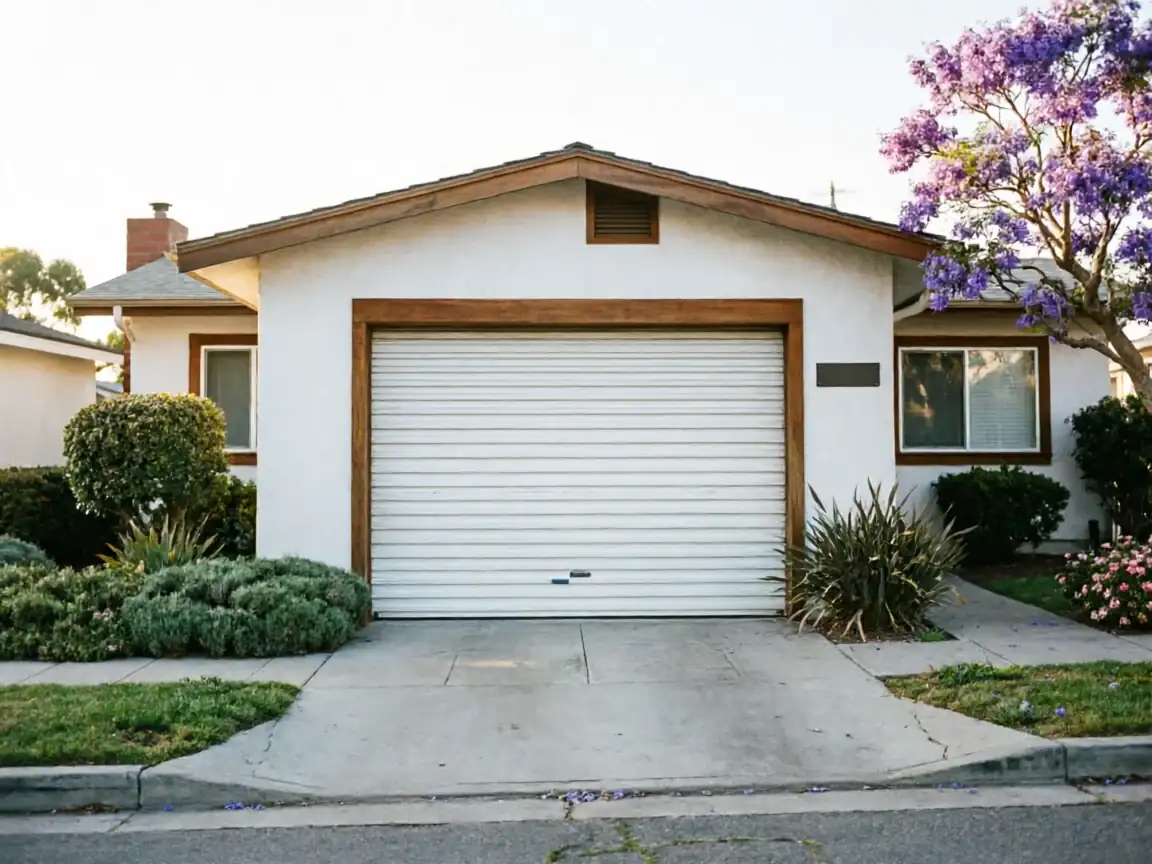
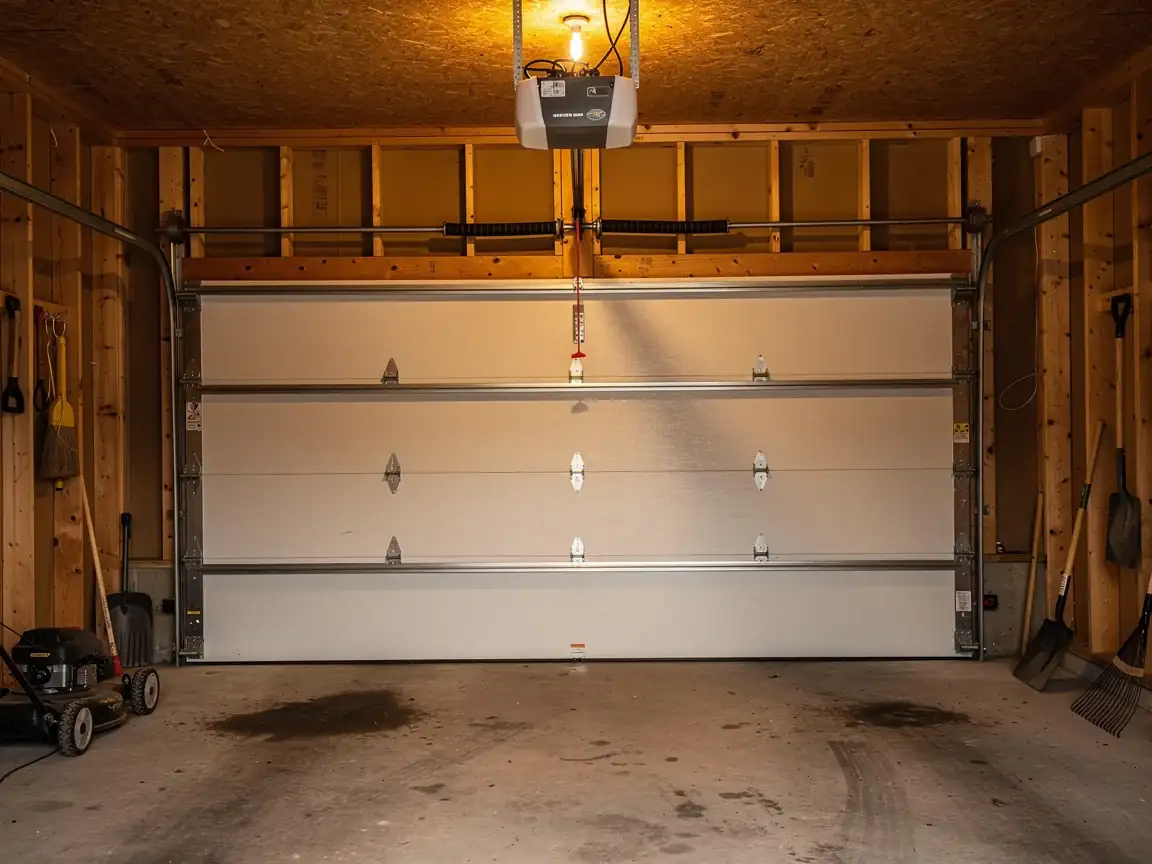
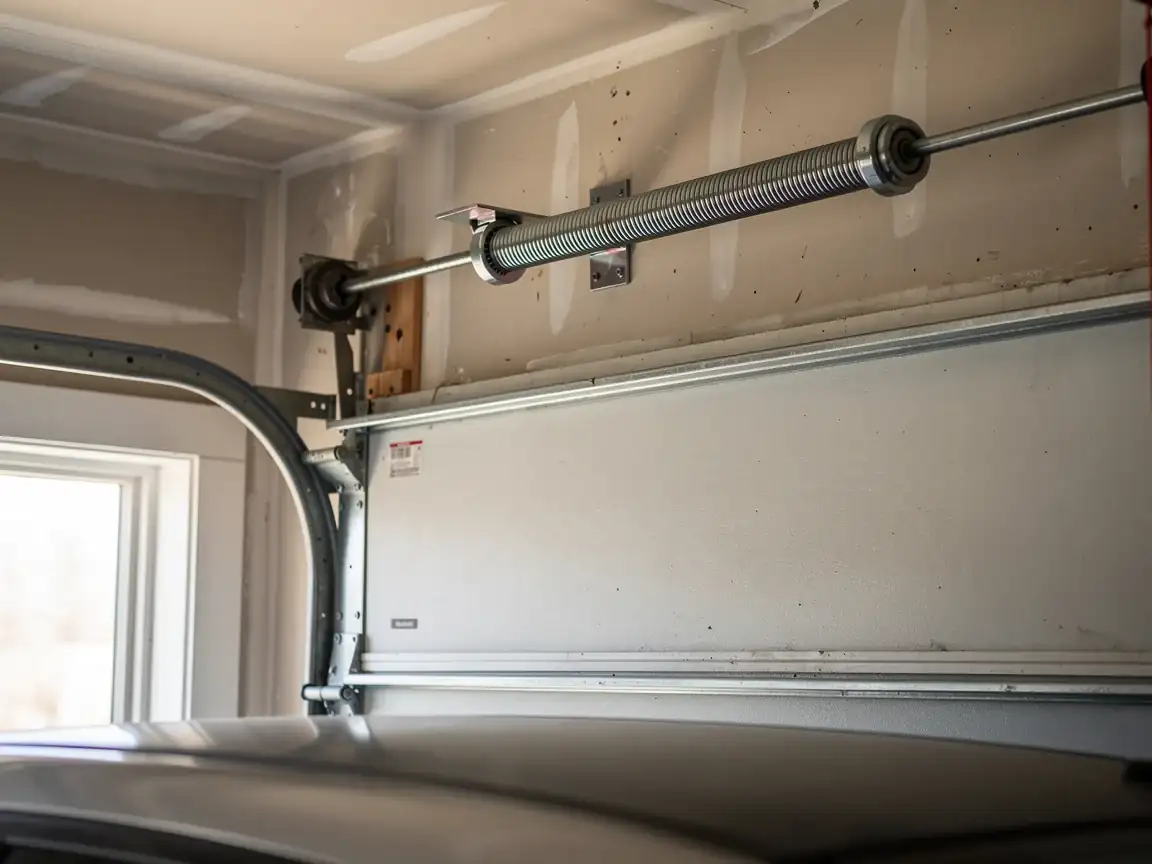
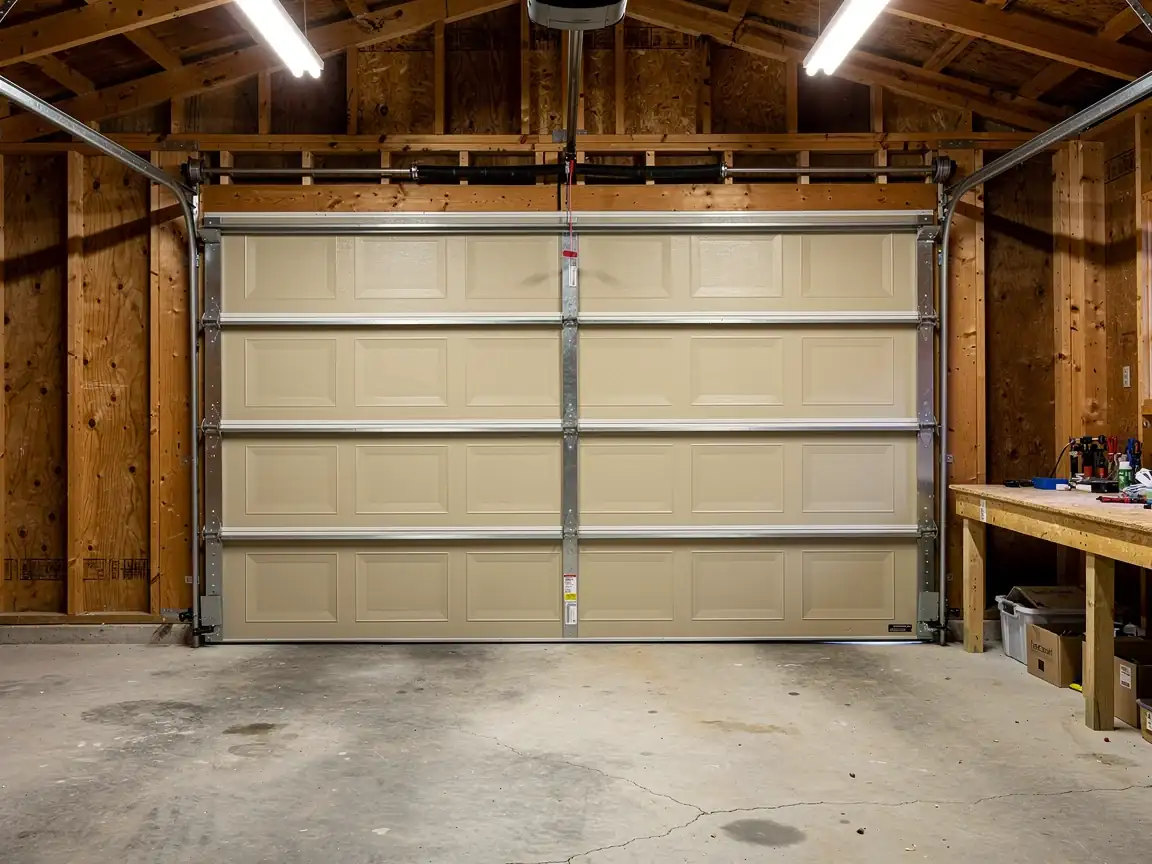
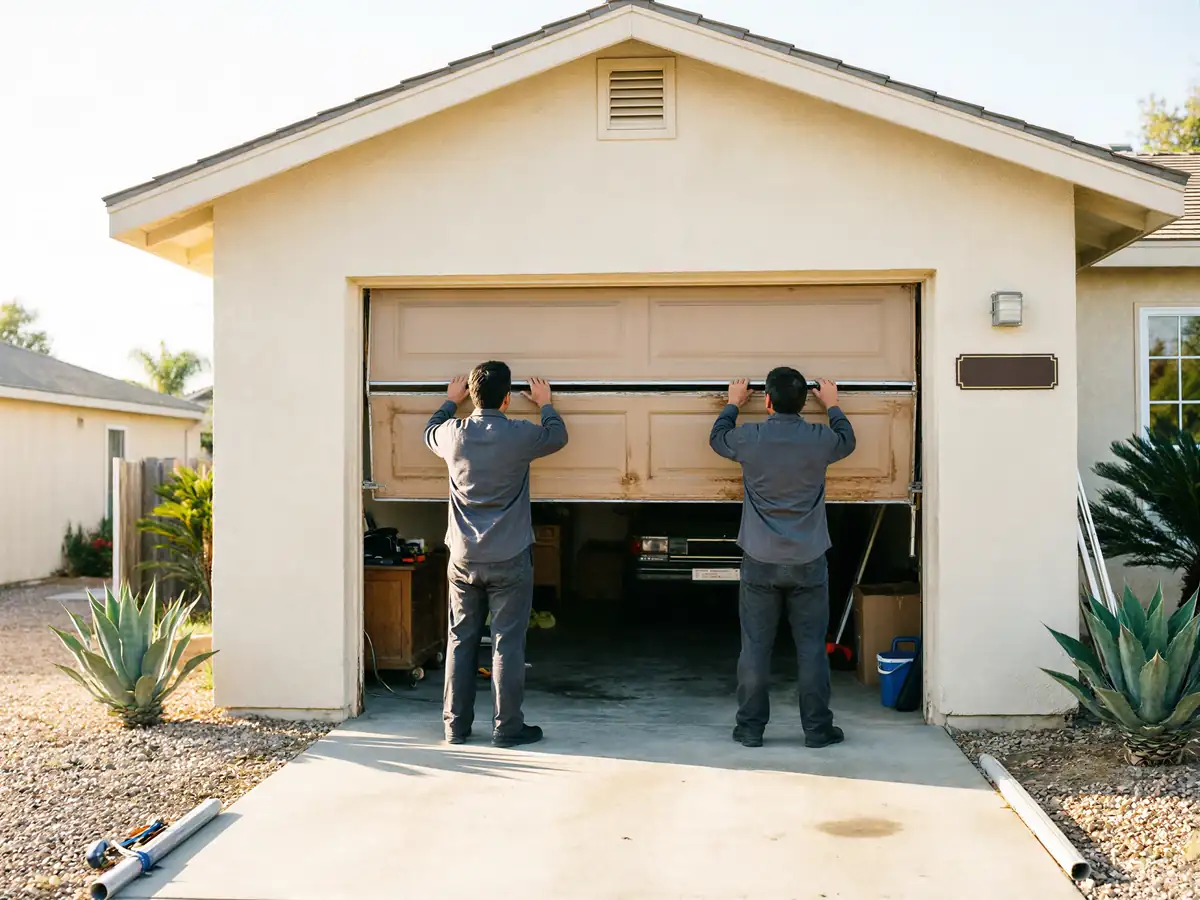
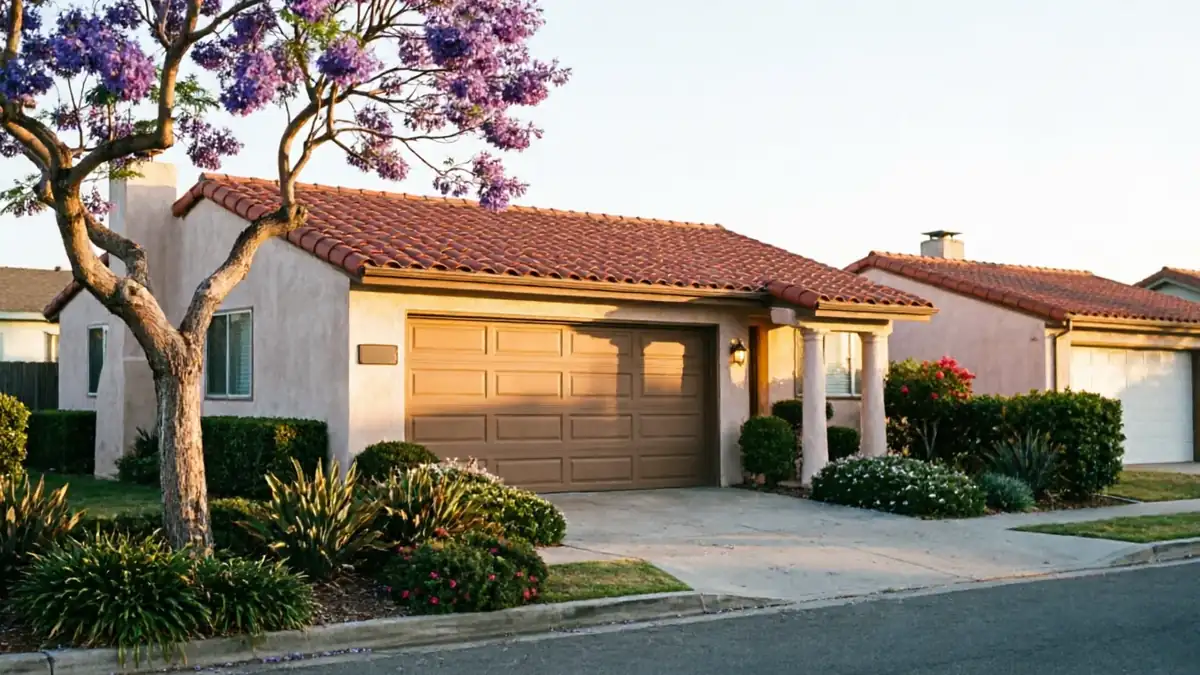
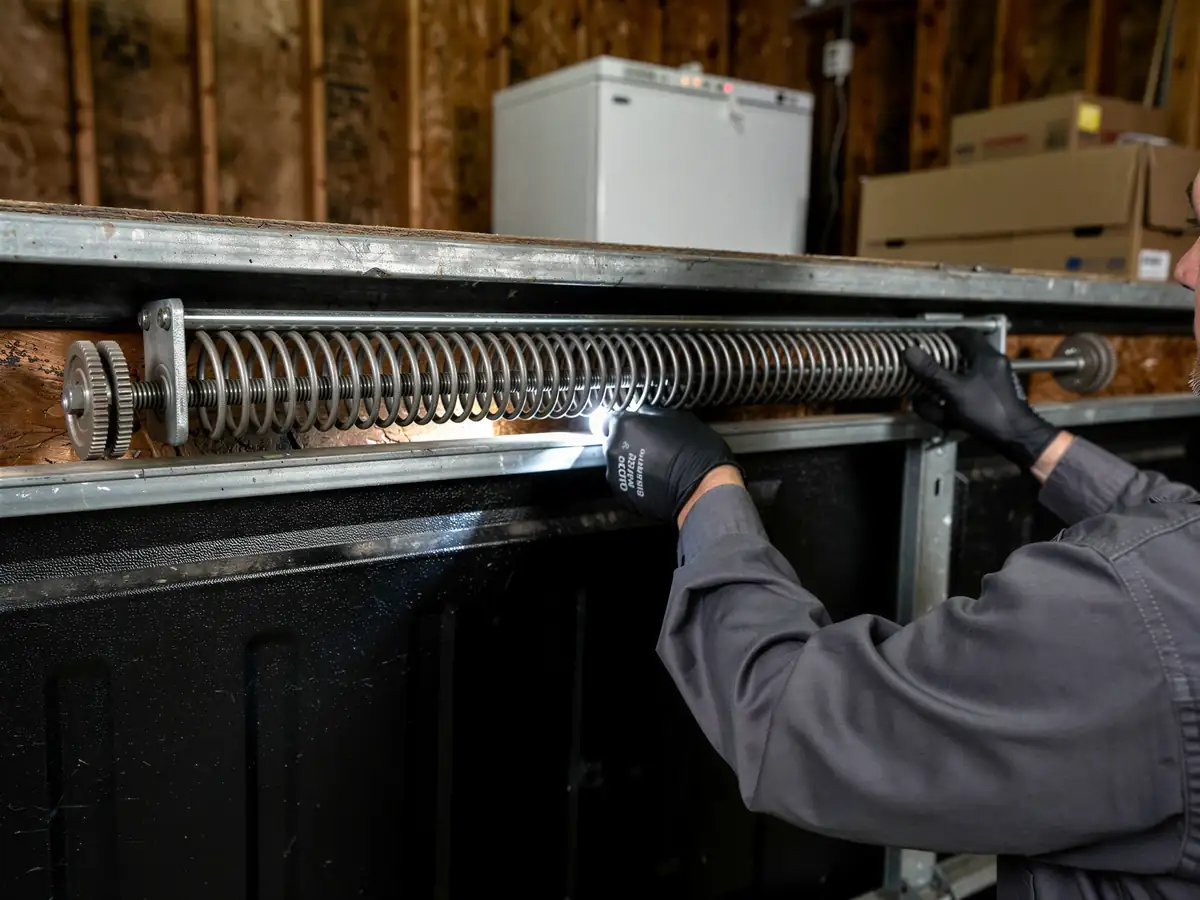
The median home in Rancho Palos Verdes went up around 1967, a few years past the 1961 median for the wider service area we work across. That gap matters more than it sounds. Doors installed in the late 60s on this stretch of the peninsula were usually wood or early steel panel, hung on torsion springs mounted on a single center shaft rather than the dual side-mount setups that show up on older 1950s tract stock nearby. The springs that came with those doors are long gone by now, replaced at least once, sometimes twice, and the replacement hardware is often a mismatch of whatever was on the truck that day. We see openers bolted onto brackets that were never meant for them, and tracks bent slightly out of true from decades of settling. None of that is unusual for a house built in this window - it's just not the same fix as a house from 1948, and it's not the same fix as a house built in 2005. The parts list we bring depends on knowing which decade we're walking into, and 1967 tells us a lot before we even open the panel.
What People Here Ring About
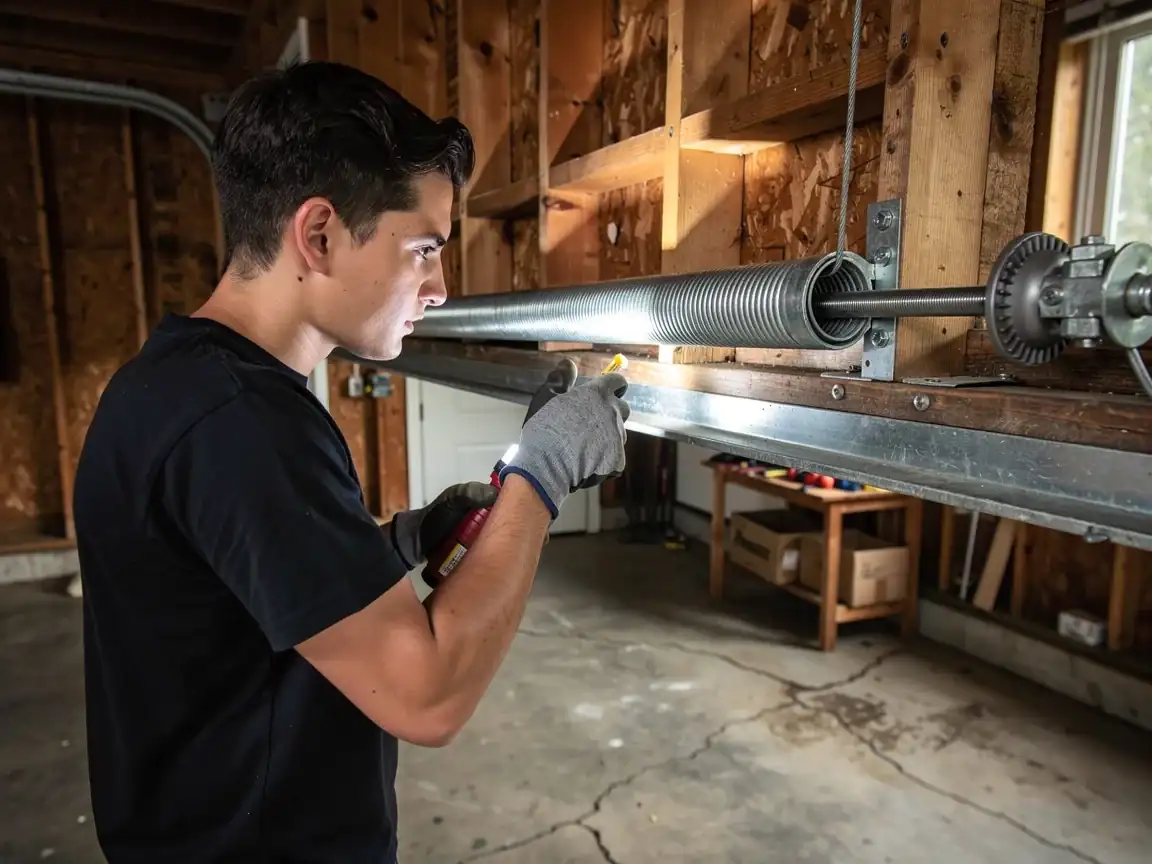
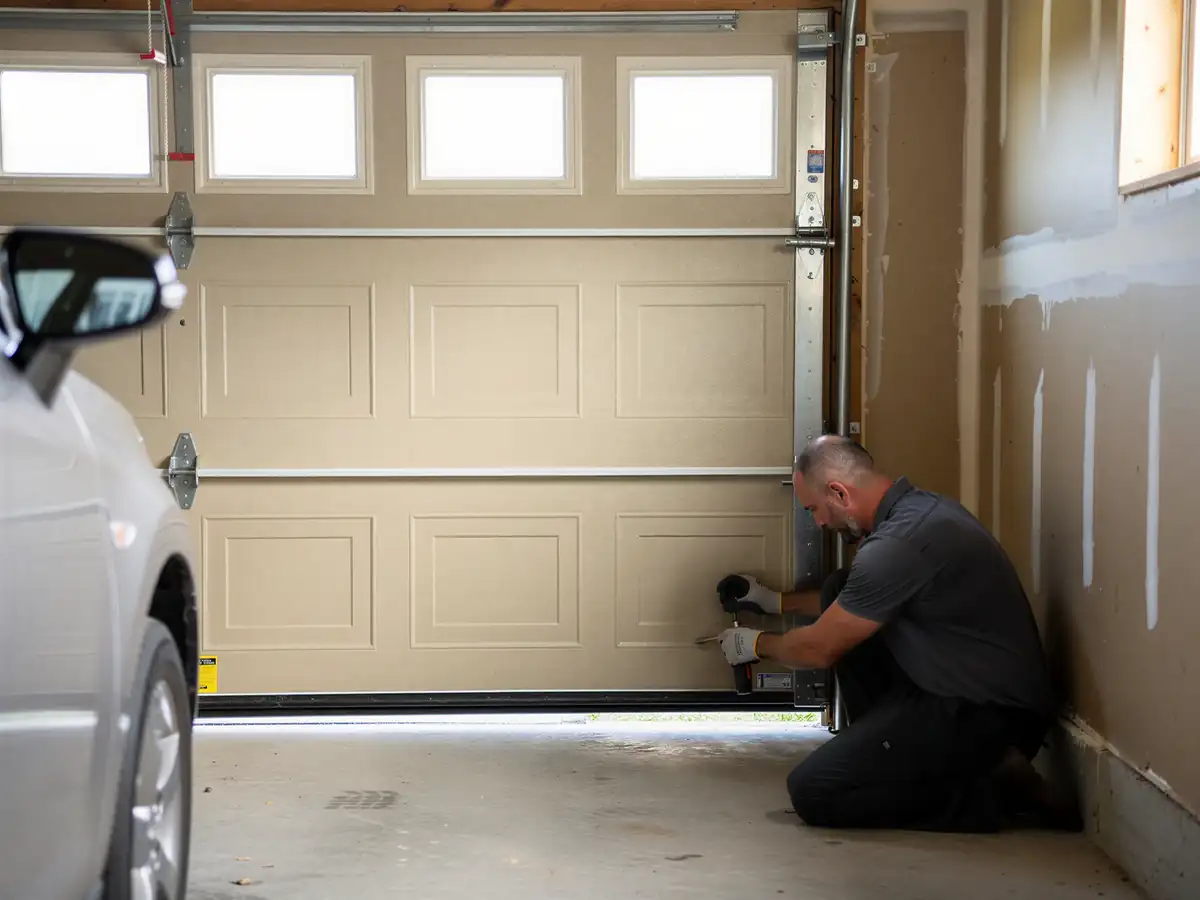
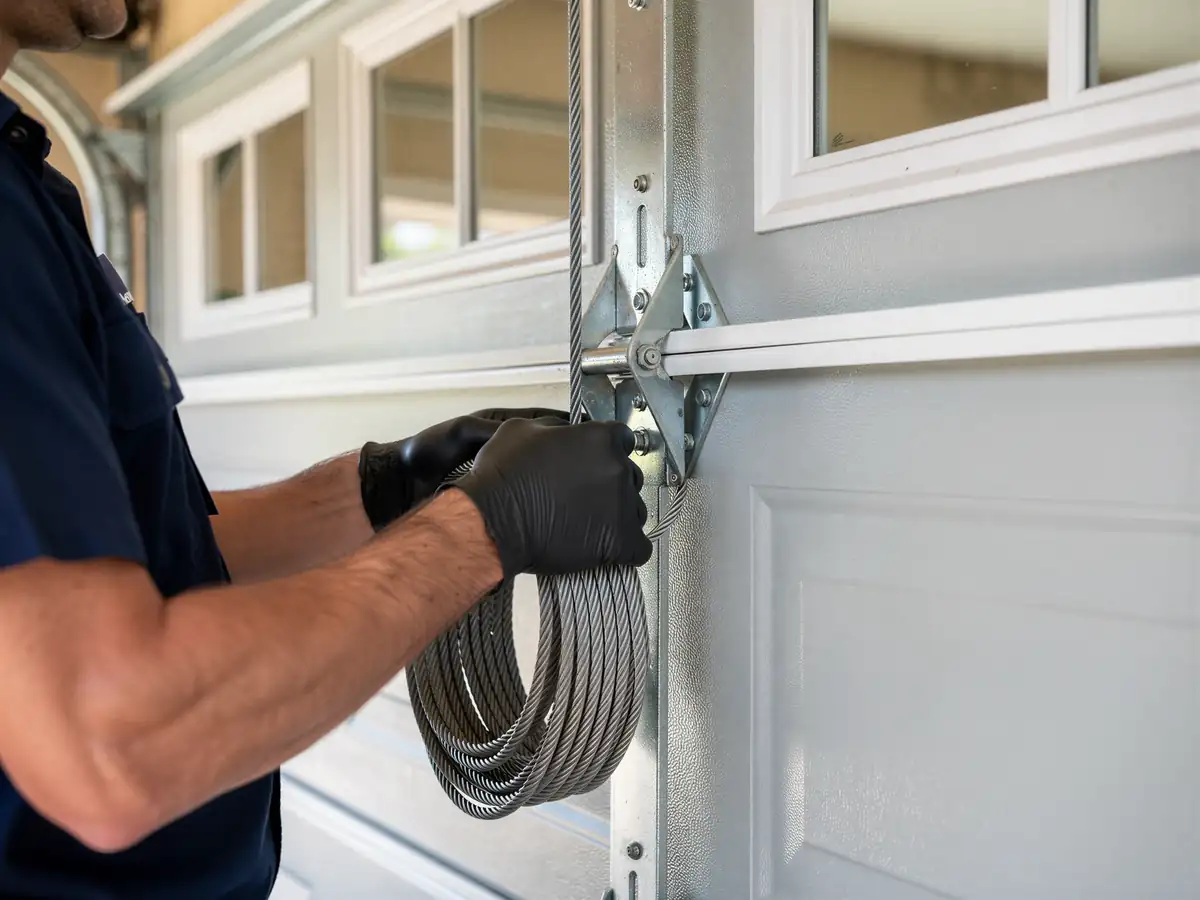
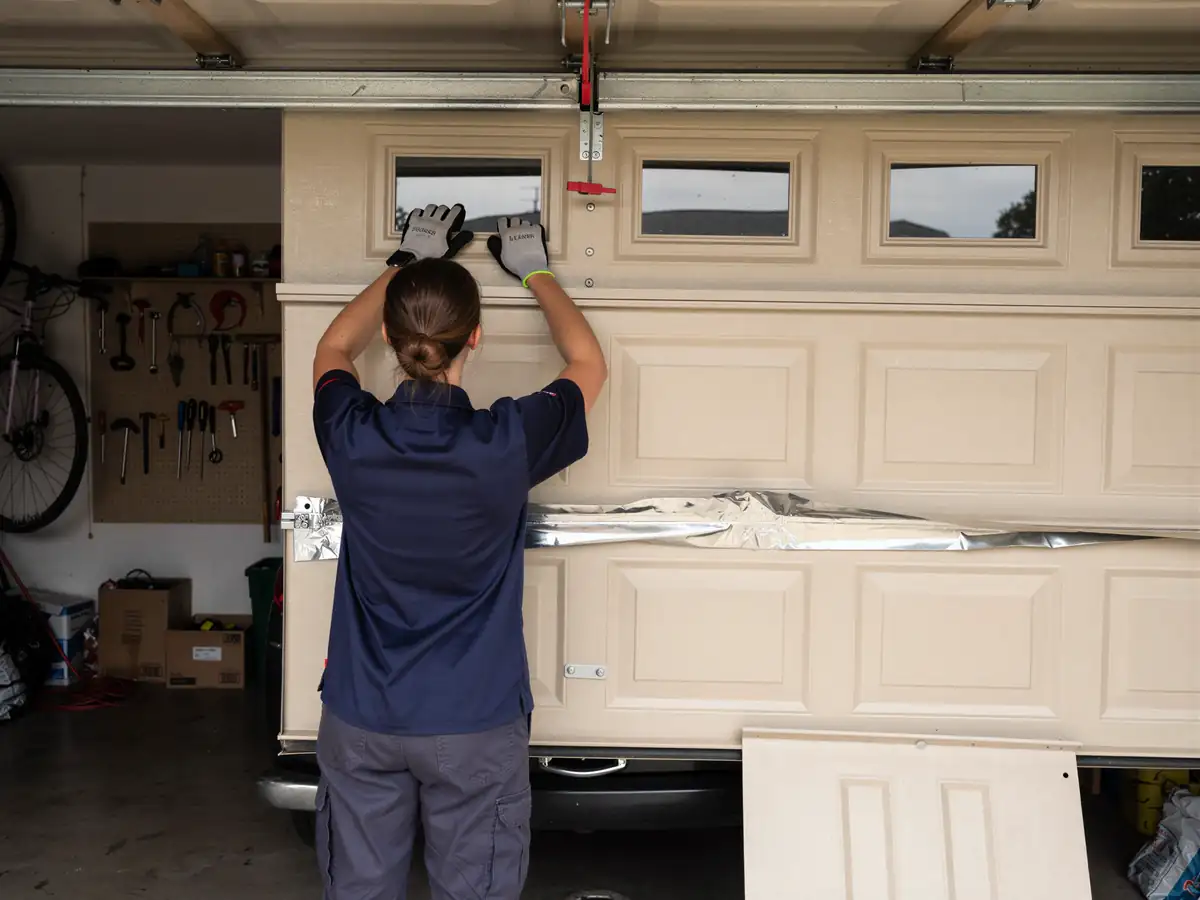
Most calls from this area trace back to the torsion spring on a single shaft mount - the kind that was standard through the 60s and 70s building boom across the wider region. When that spring goes, the door either won't lift at all or slams down faster than it should, and neither is safe to force by hand. After that, it's opener failures: units from a decade or two back that still run but grind, stutter, or drop the door halfway before reversing. Panel damage shows up too, usually from a car bumper or a wind-caught door, and on a 1960s-era steel panel door, matching the replacement section isn't always straightforward since manufacturers have changed profiles over the years. We'll tell you straight if a match isn't realistic and a full panel set or new door makes more sense than chasing an exact color and ridge pattern that nobody makes anymore.
The Houses Here
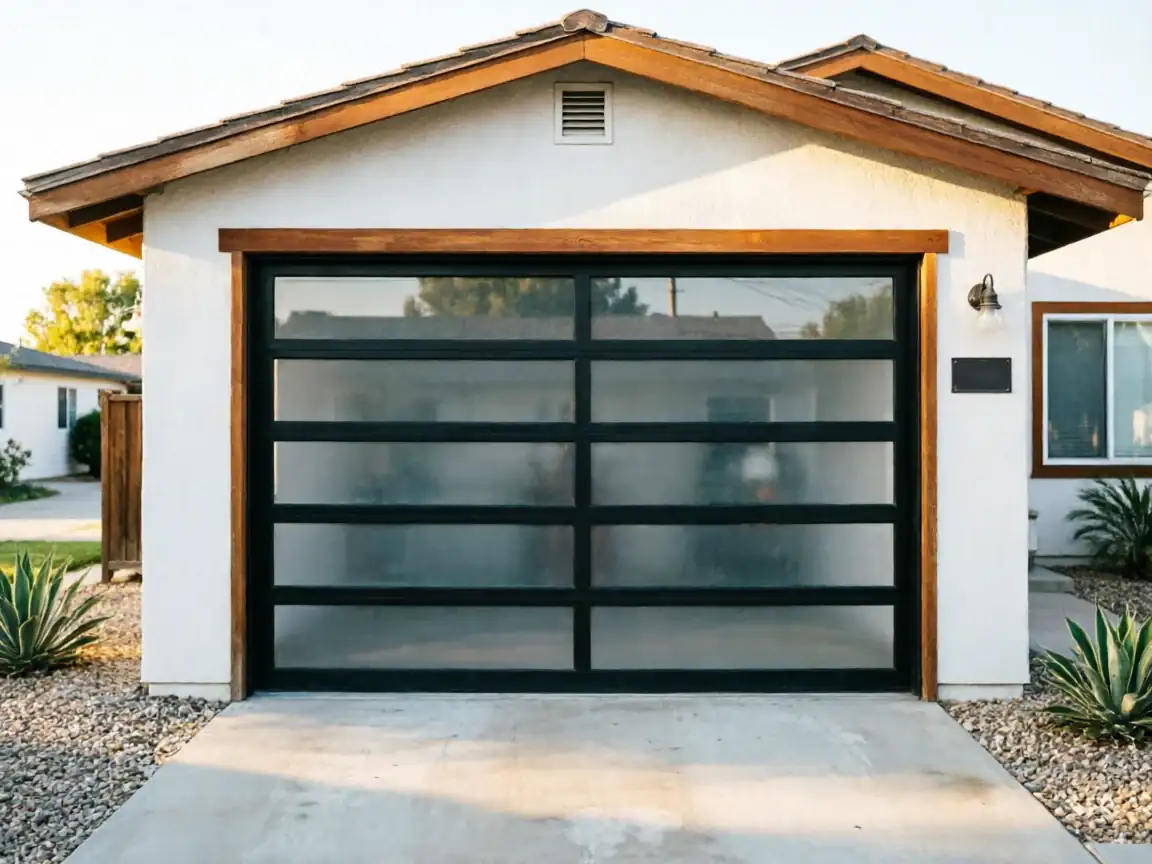
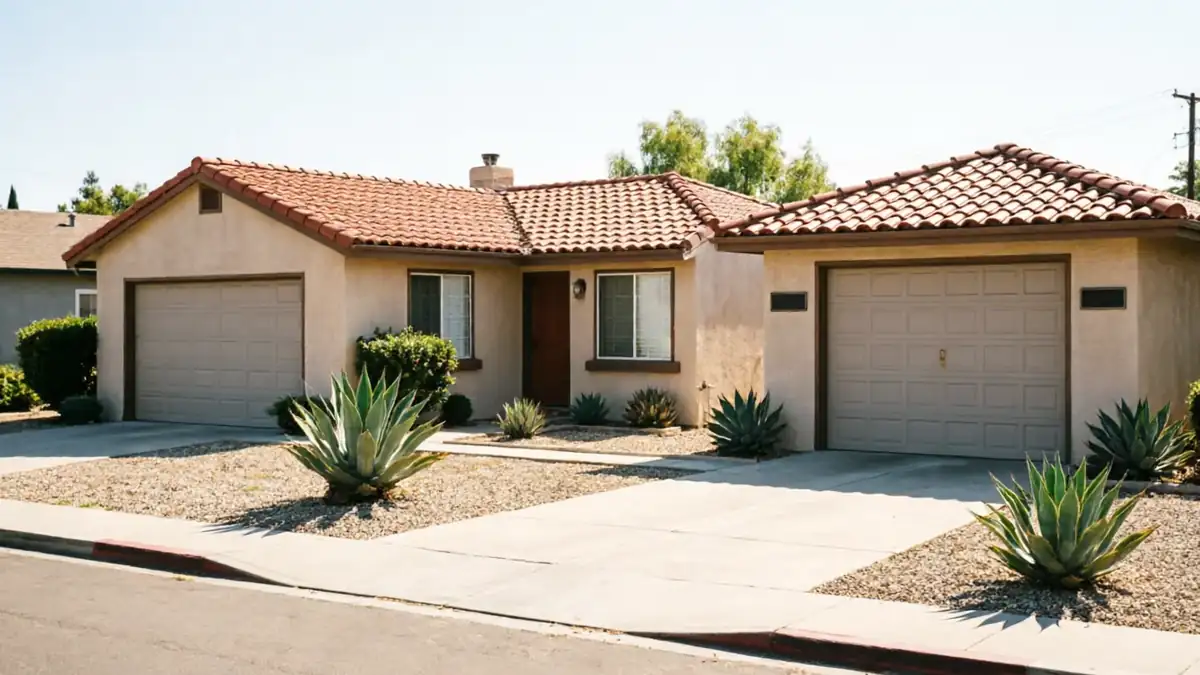
Rancho Palos Verdes has roughly 15,279 households, smaller and tighter-knit than the 749,083 households spread across our full coverage area, and the median household income here runs about $175,307 - well above the $93,882 median for the broader area we serve. That income gap tends to show up in what people ask for: more requests for insulated doors, quieter belt-drive openers, and full replacements rather than patch repairs when a door is clearly at the end of its life. It doesn't mean every house here has upgraded hardware - plenty still run the original torsion setup from the 1967 median build year, just well maintained. What it does mean is we come prepared to talk replacement options as readily as repair, because that's genuinely what gets asked for out here more often than in some of the denser, older pockets closer to Inglewood.