The DIY Question
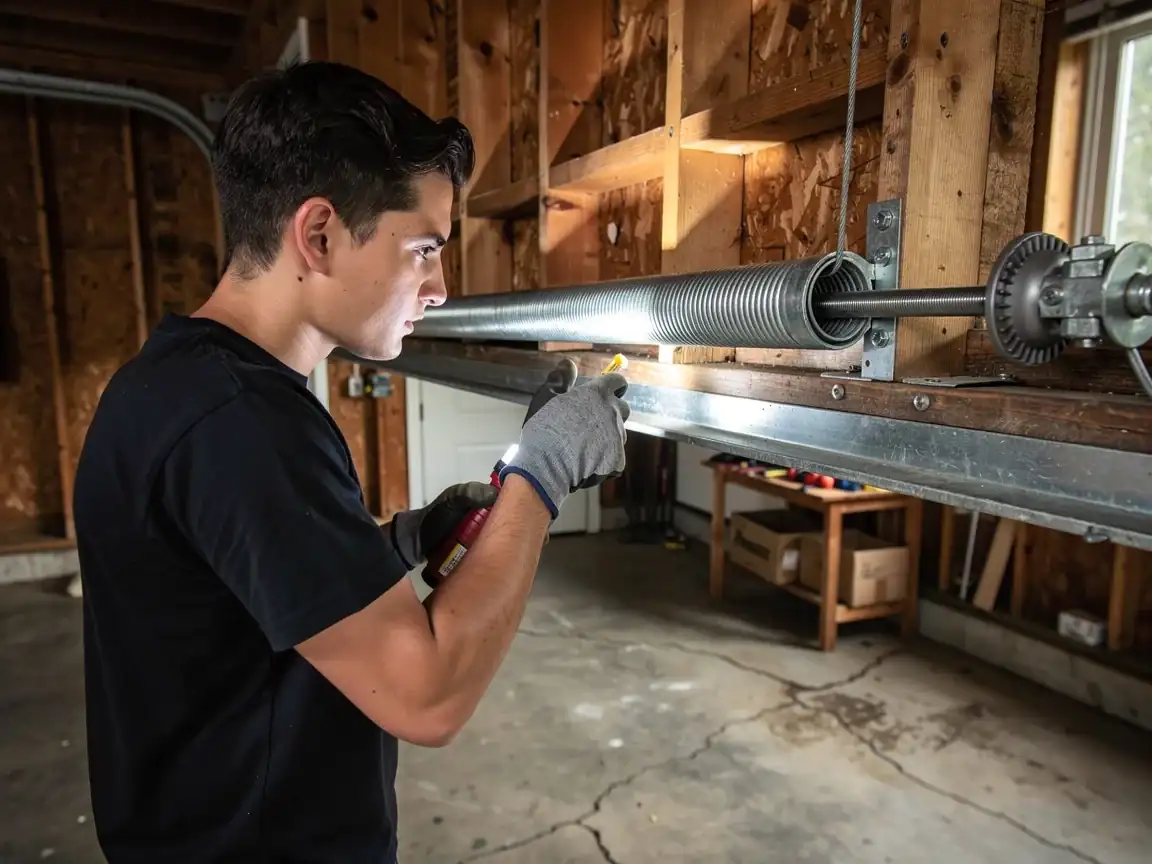
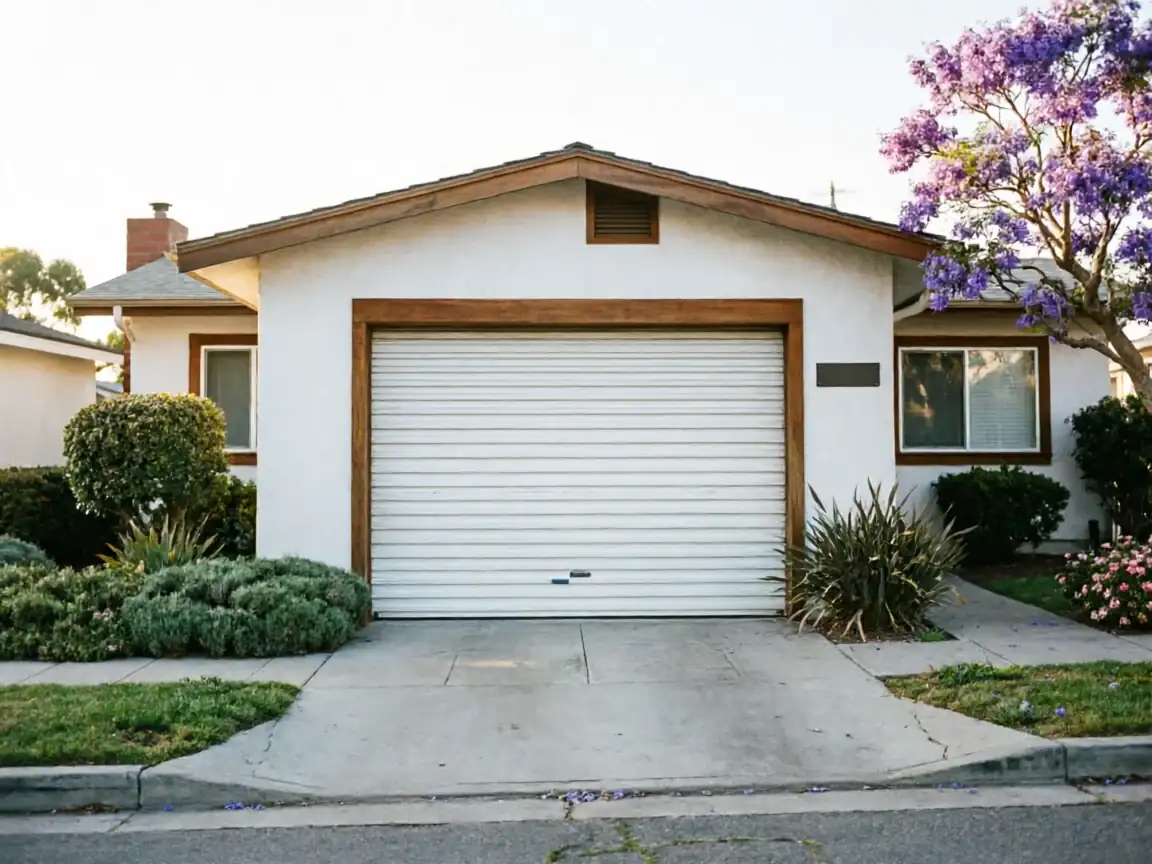
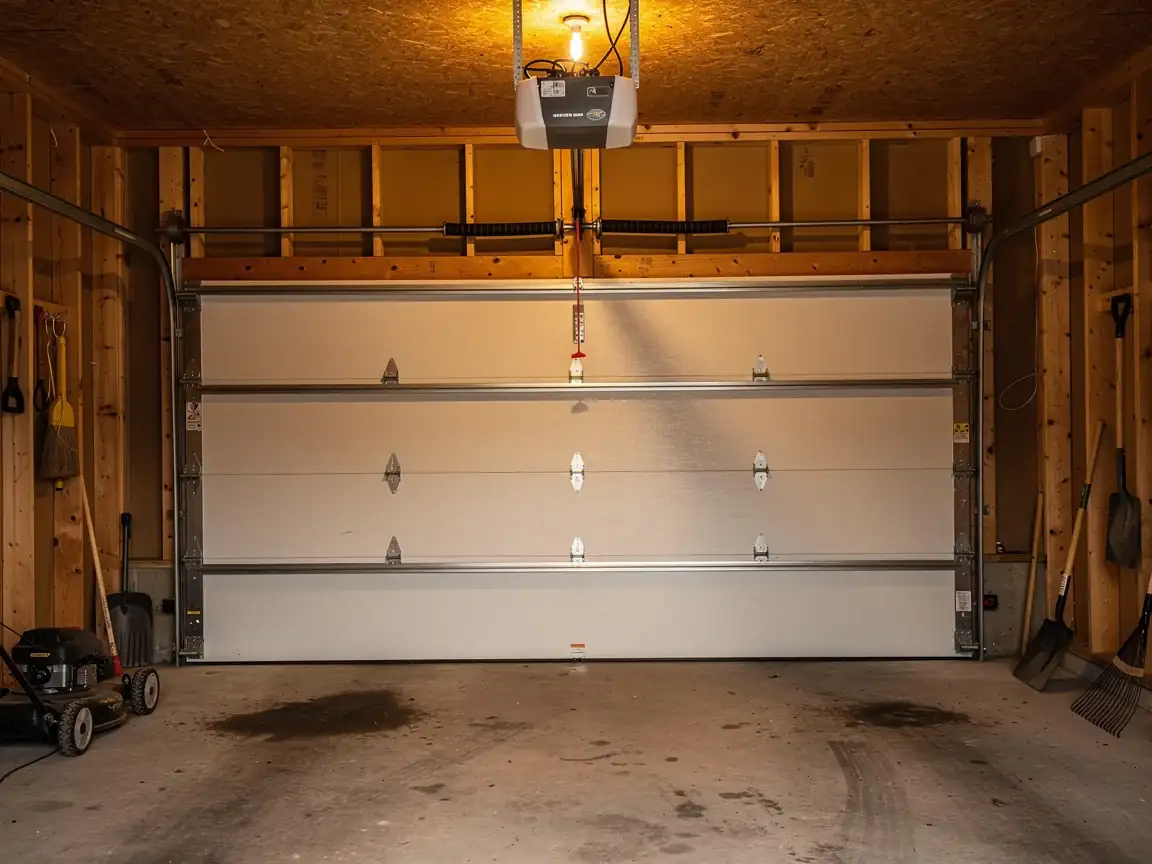
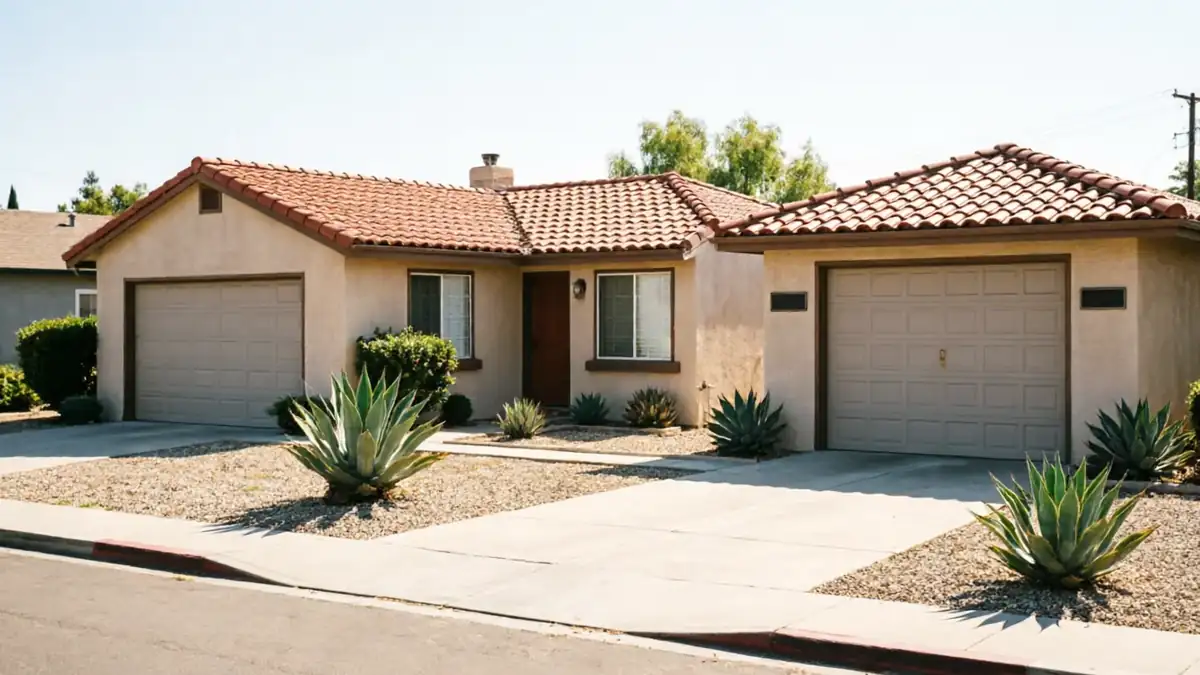
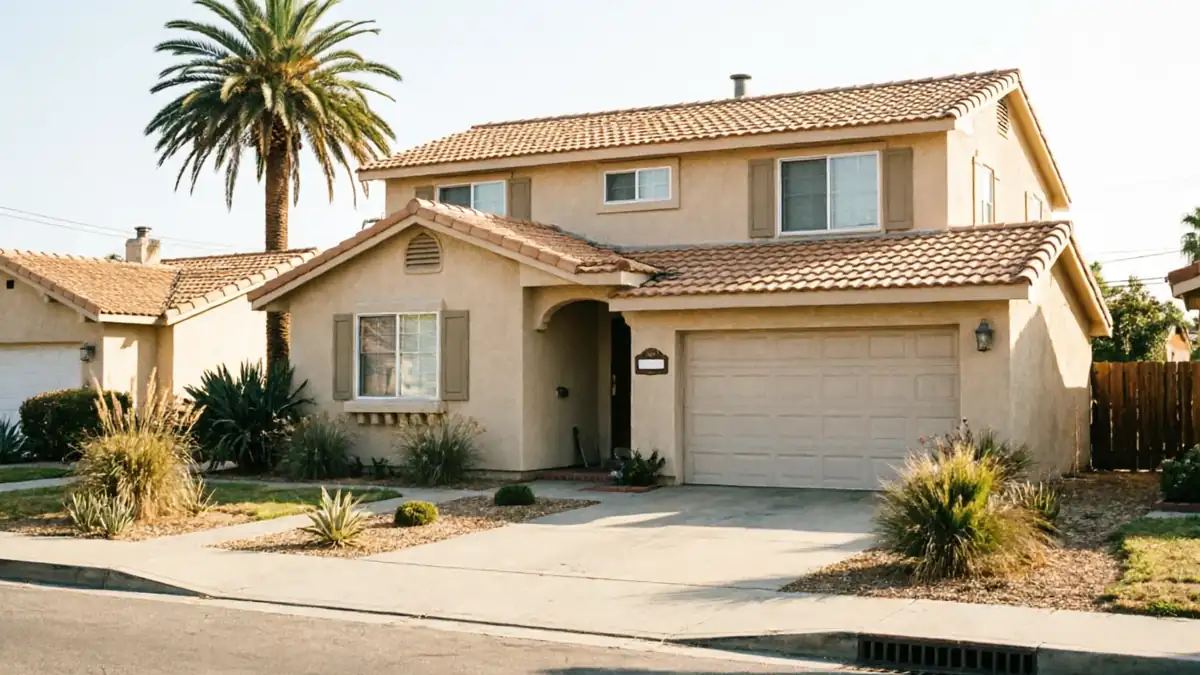
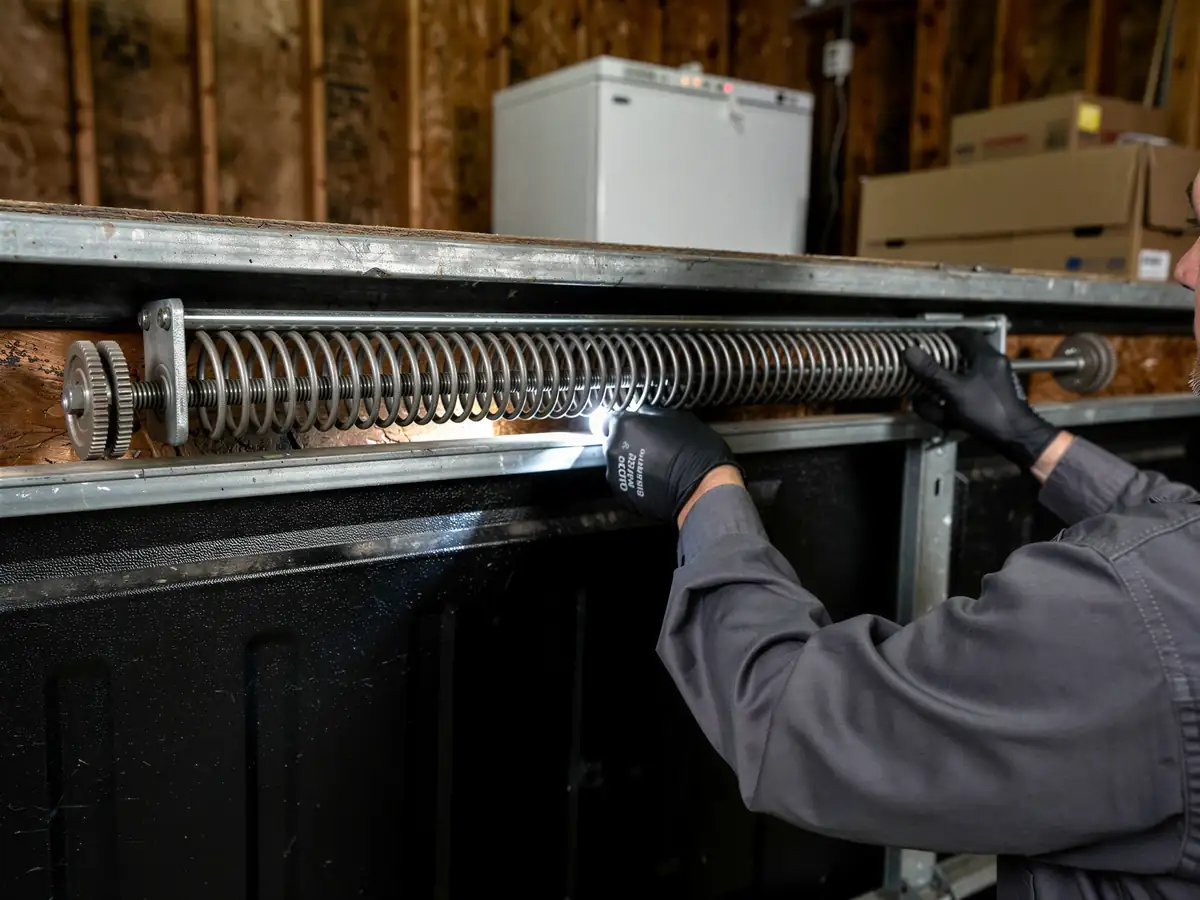
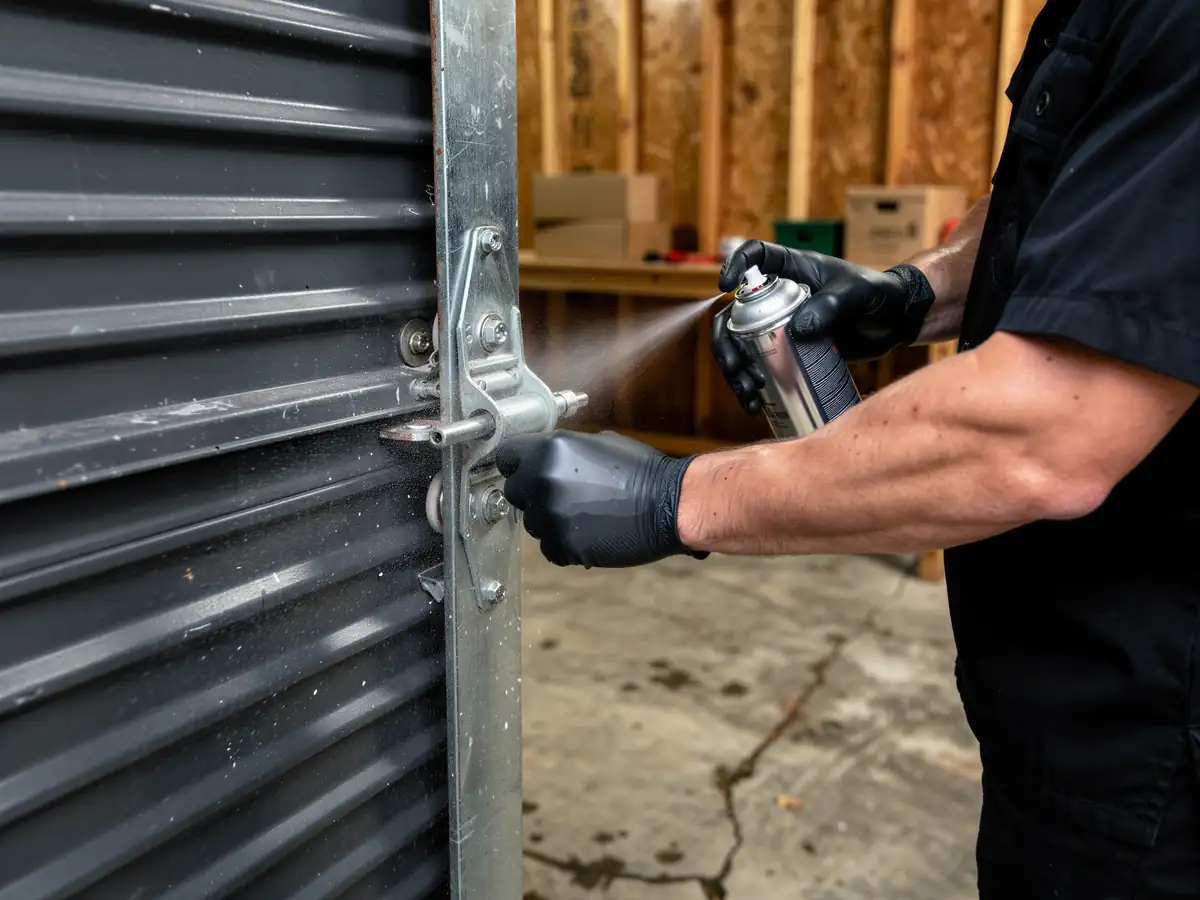
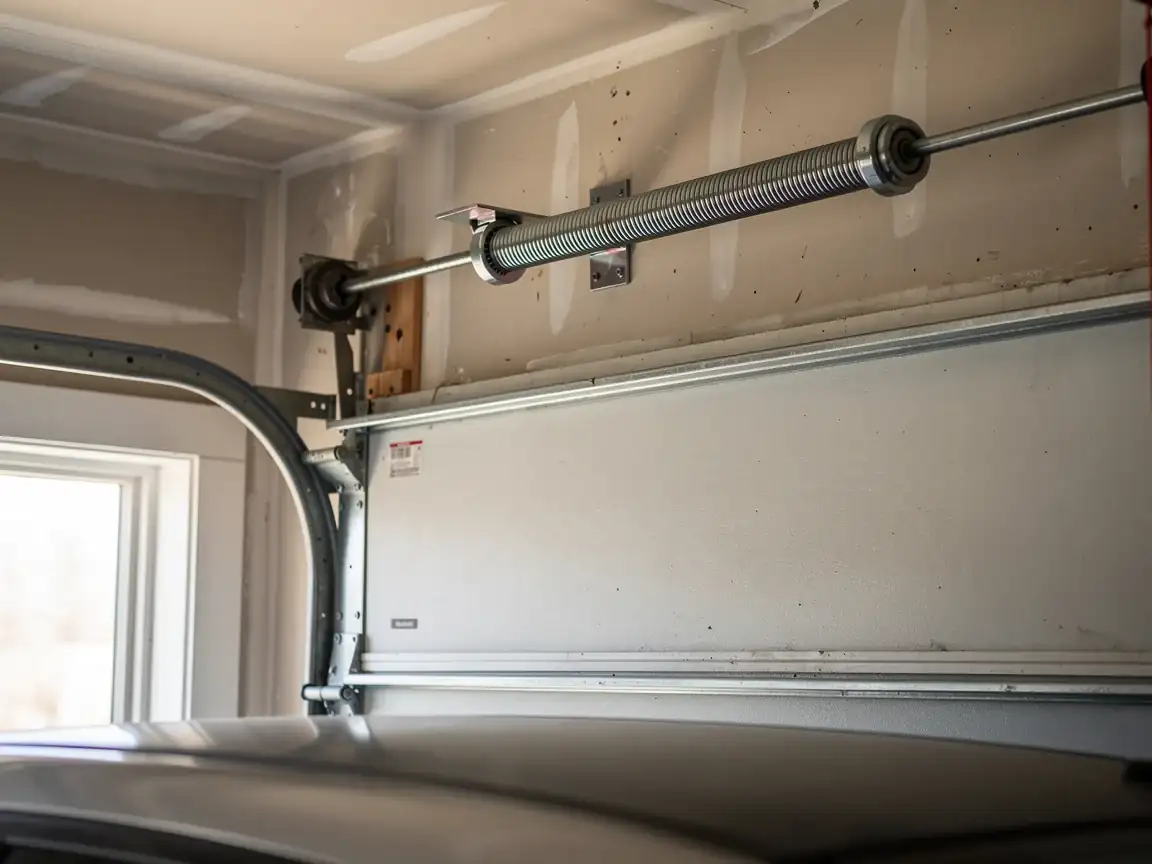
A lot of Inglewood homeowners start here: tighten a bracket, lubricate a track, maybe swap a worn roller. That's fine for noise and minor binding. What it isn't fine for is a broken torsion spring, a bent track on a door that's taken a bumper hit, or an opener that's cycling the motor but not lifting the door. Those jobs carry enough stored force to put someone in the ER, and on the original one-piece doors still common on houses from the older end of Inglewood's build range, the hardware wasn't designed with modern safety cables at all. If your house is on the older end of Inglewood's 1943-2012 build range, assume the spring and cable setup predates current practice until we tell you otherwise. We'll always tell a caller straight when it's a five-minute adjustment versus a job that needs two people and a set of winding bars. Skip the ladder-and-wrench approach on anything involving the torsion spring or cables under tension - that's where DIY turns into an ER trip, not a repair bill.
One honest limit: we won't walk you through a spring swap over the phone. Some jobs just need a second set of hands on site.
How We Fix It
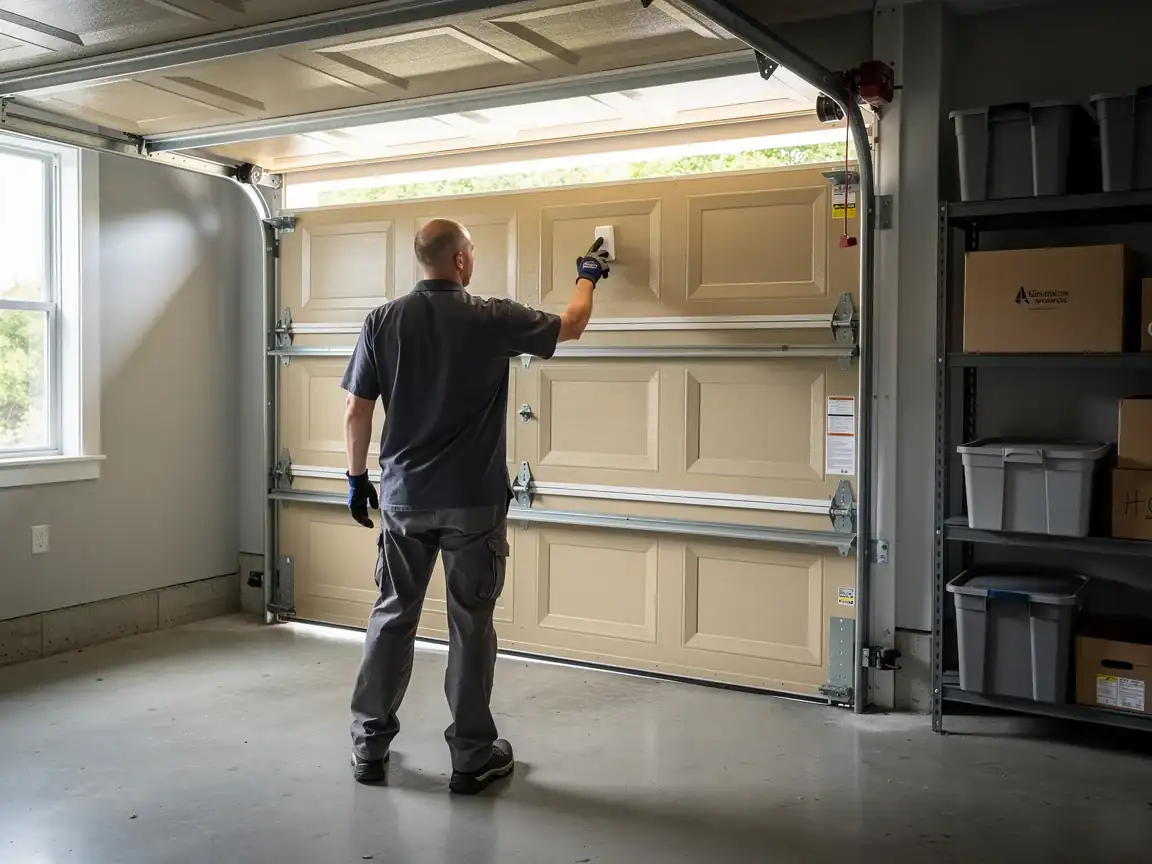
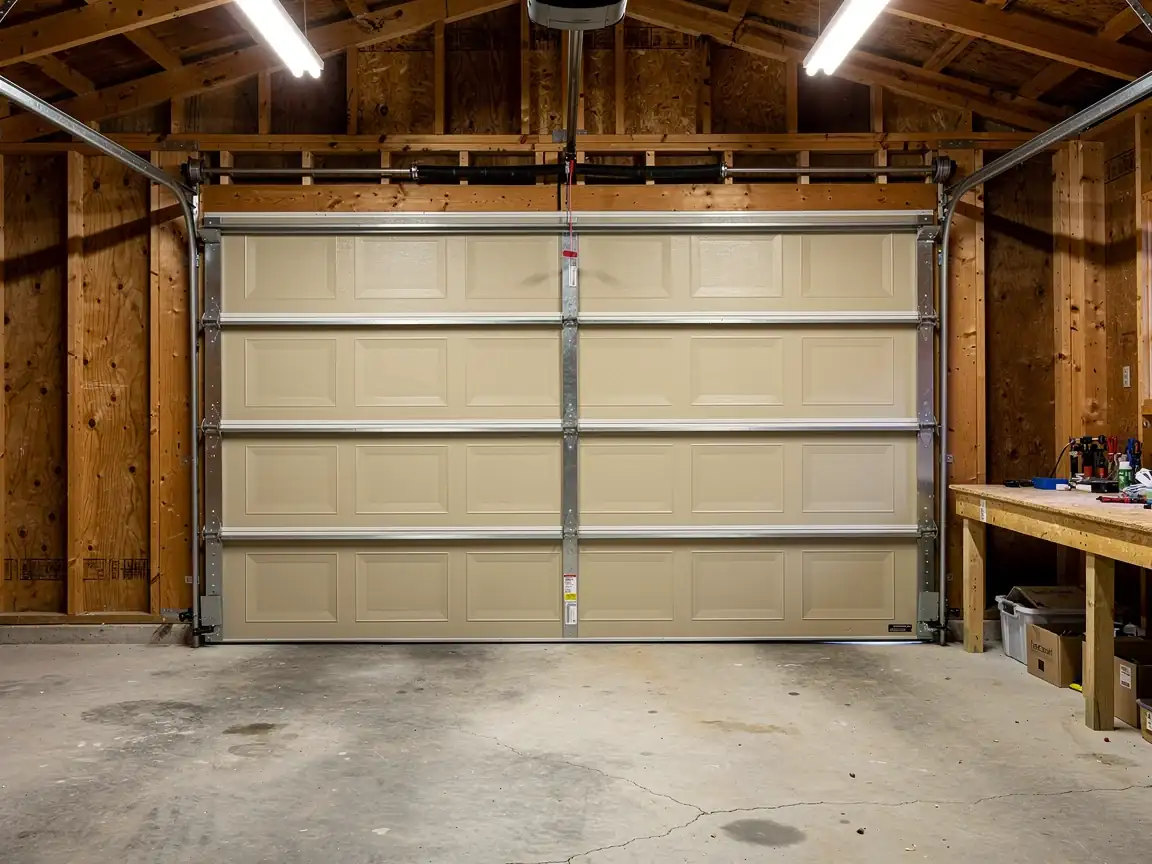
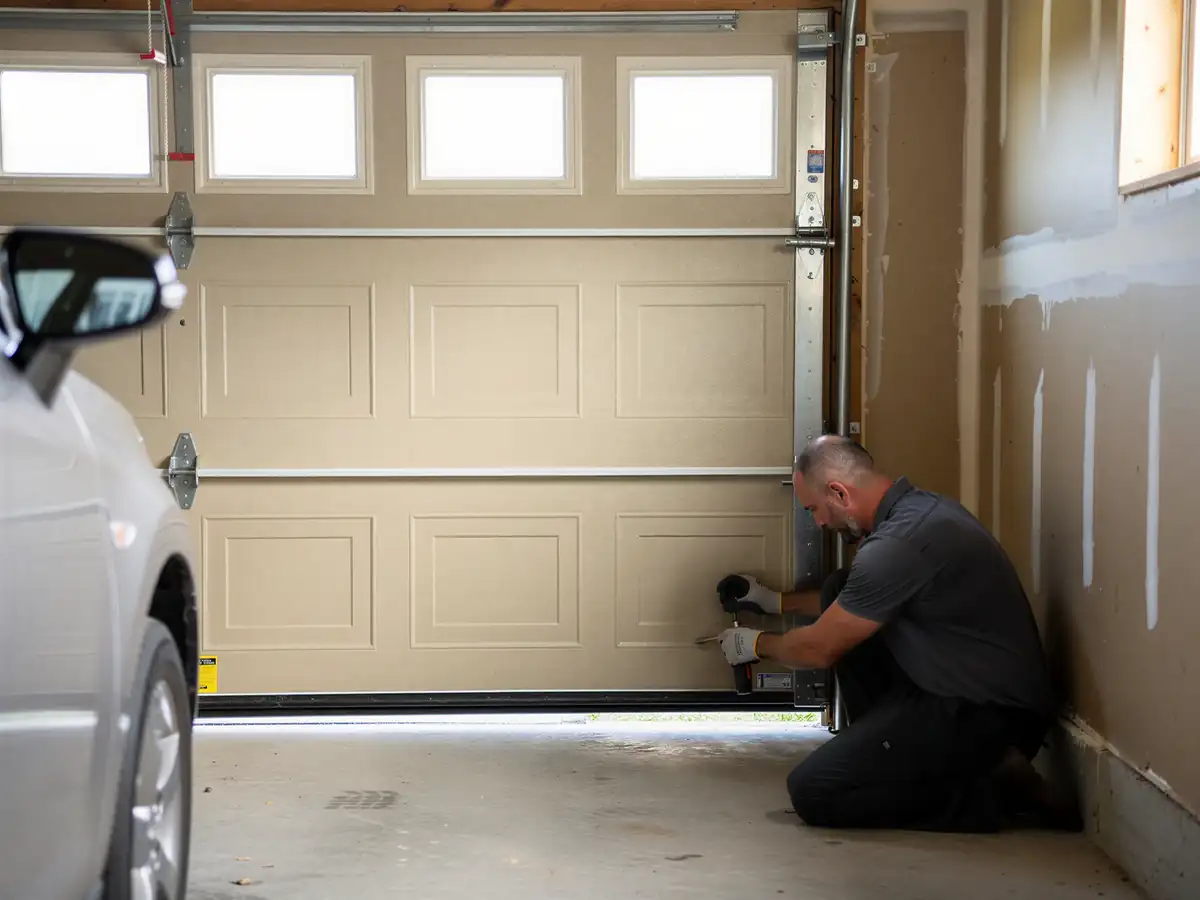
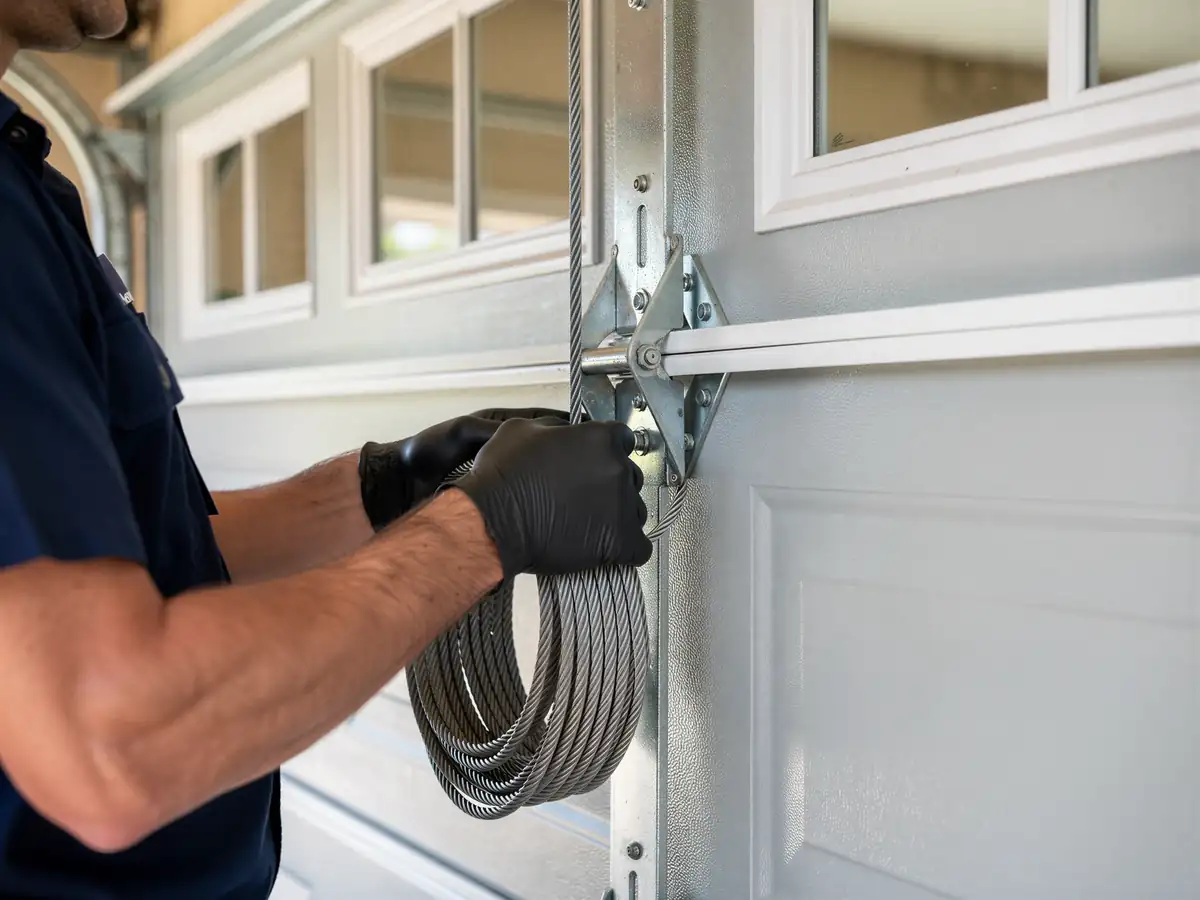
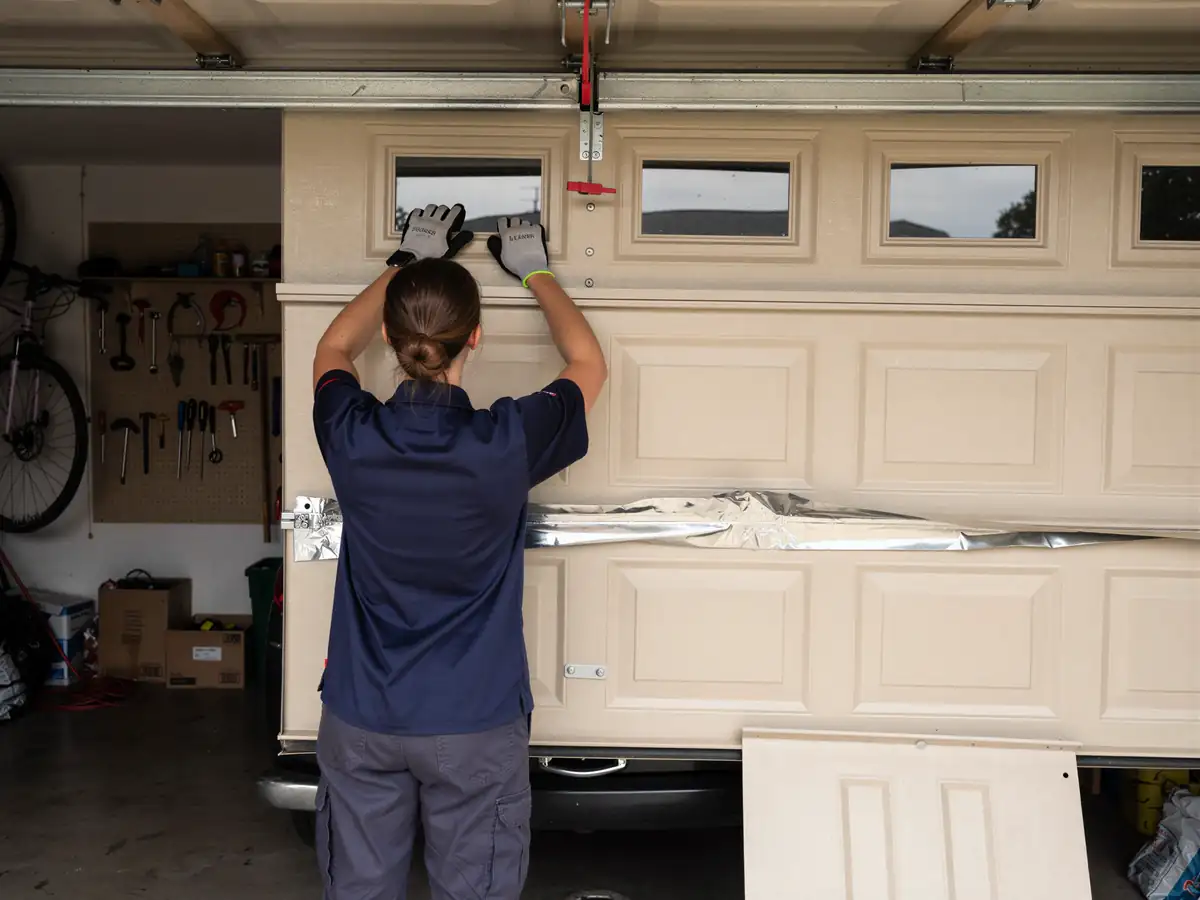
We replace what's actually worn, not the whole door, when the door itself is sound. A torsion spring job means matching wire size and wind to the door weight, not grabbing a universal spring off a shelf - a mismatch just means a second failure in a year. Cables, rollers, and track get checked as a set, because a cable that's frayed usually means the roller it rides past has been grinding metal for a while too. On openers, we test the force settings and the safety sensors before we call a job done, not just whether the door goes up and down. One limitation worth saying plainly: if your door is an original panel from the 1960s build era and the track or frame has warped, we may tell you replacement makes more sense than another round of patch repairs, since matching parts for some of that older hardware isn't something we can source on short notice. We'd rather say that up front than have you pay twice for the same fix.
How It Shows Up
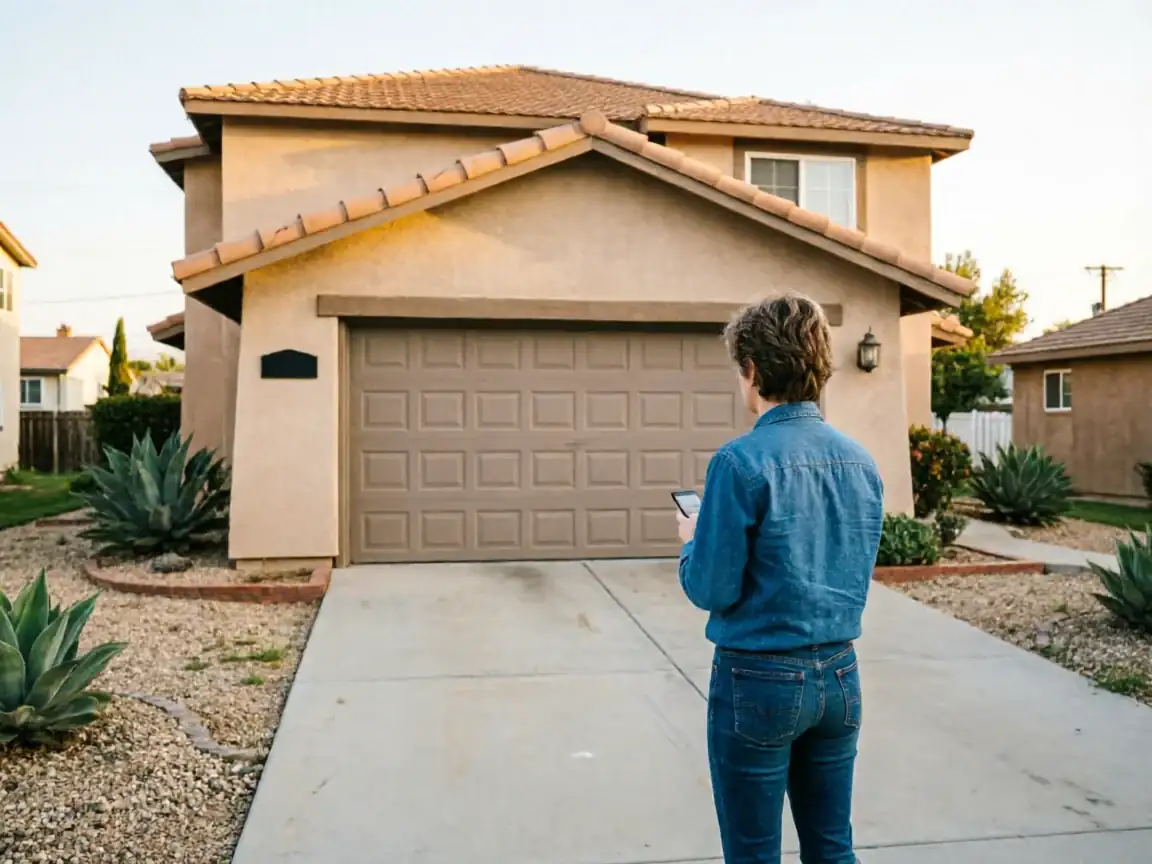
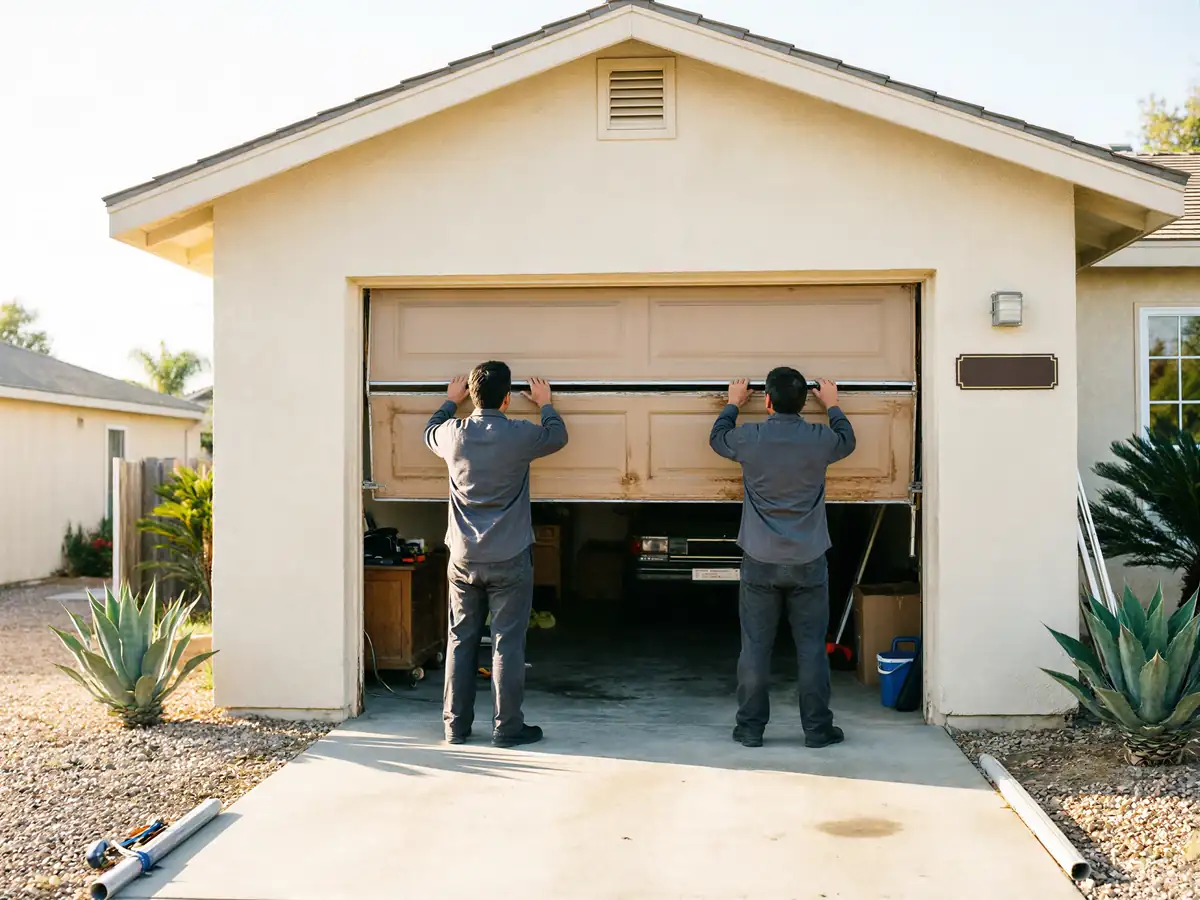
The call usually starts the same way: the door's slow on one side, or it drops the last foot instead of lowering smooth, or the opener motor runs but the door doesn't move. We see this pattern across the area - homeowners near call in with the same mid-century hardware fatigue as folks out toward because the build era doesn't change much block to block in this stretch. A door that groans going up is usually a spring losing tension; a door that reverses right after it starts closing is almost always a sensor alignment issue or a misadjusted limit switch, not the spring at all. If the door comes off track on one side only, check whether a cable has jumped the drum before you touch anything else - that's a job for us, not a ladder. With median household income here near $93,882 and a mix of owner-occupied houses across the broader service area, we get plenty of calls on doors that have been "fine" for a decade right up until the spring lets go without warning.