

How That Shows Up in the Door
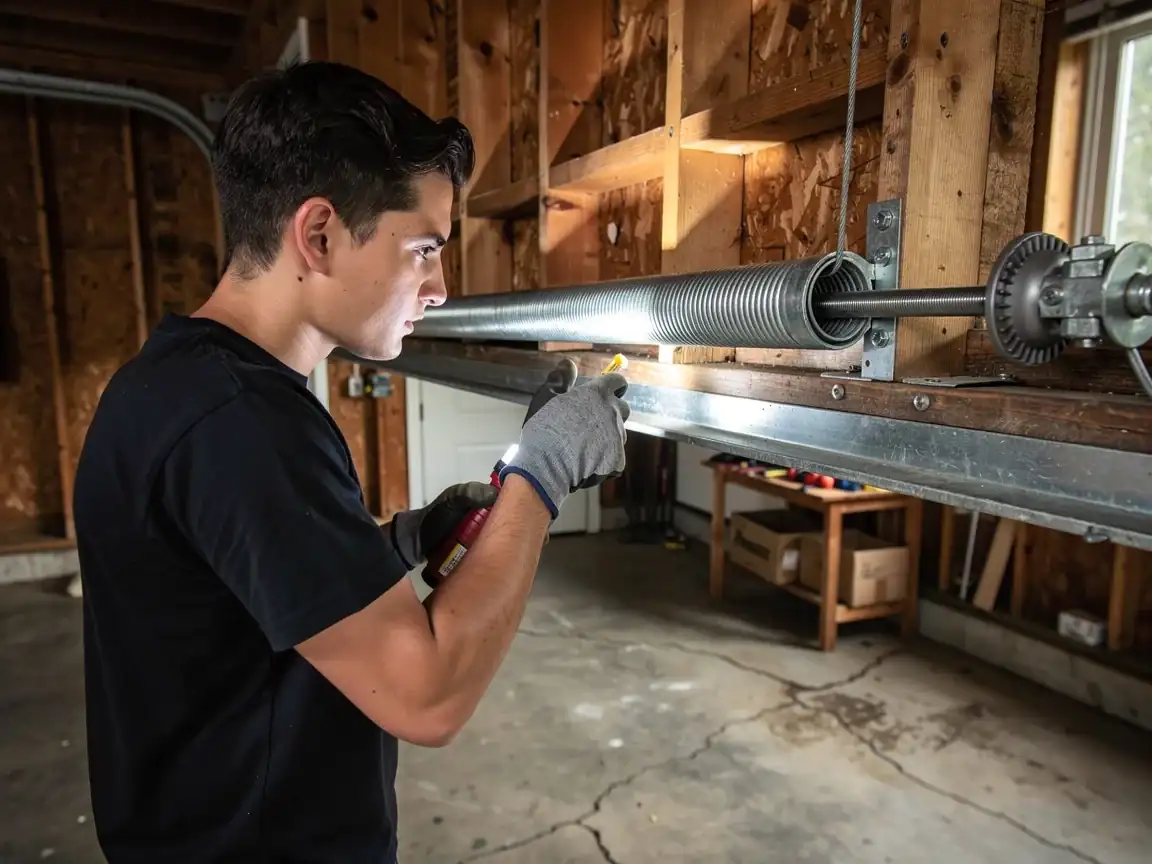
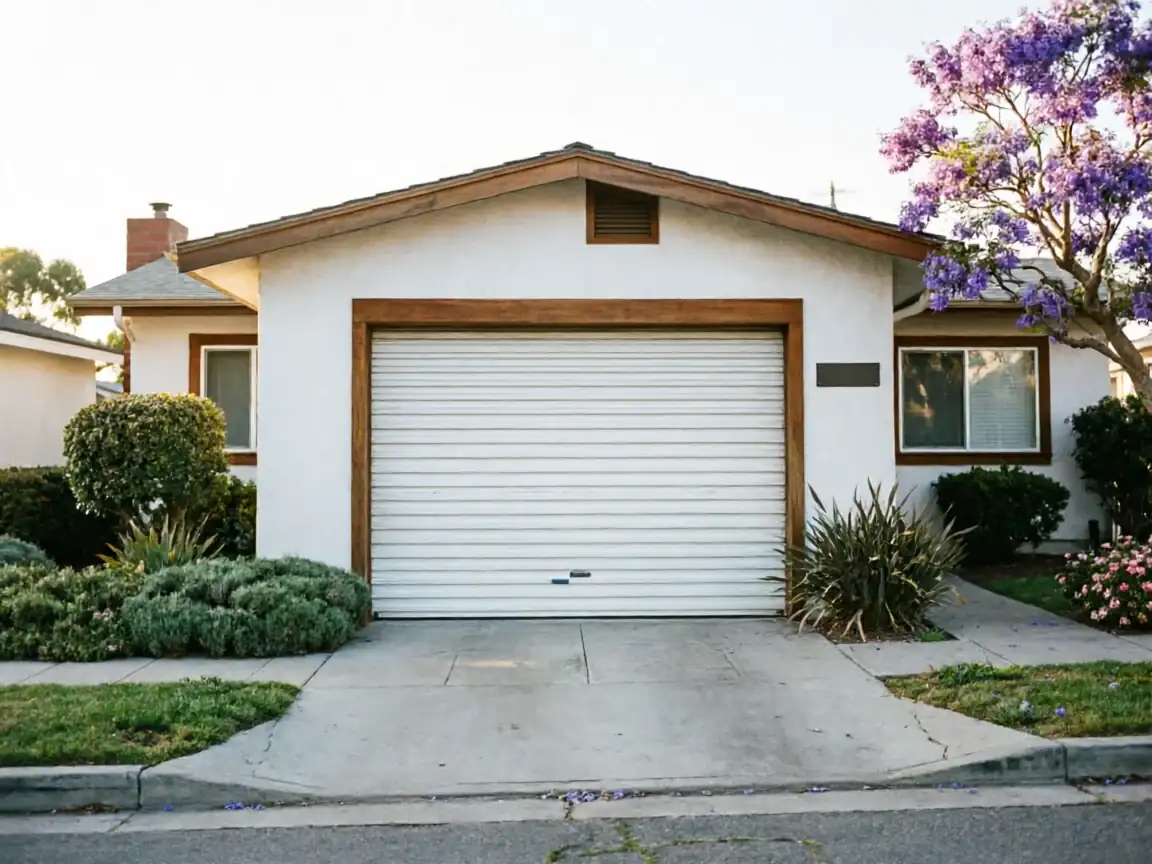
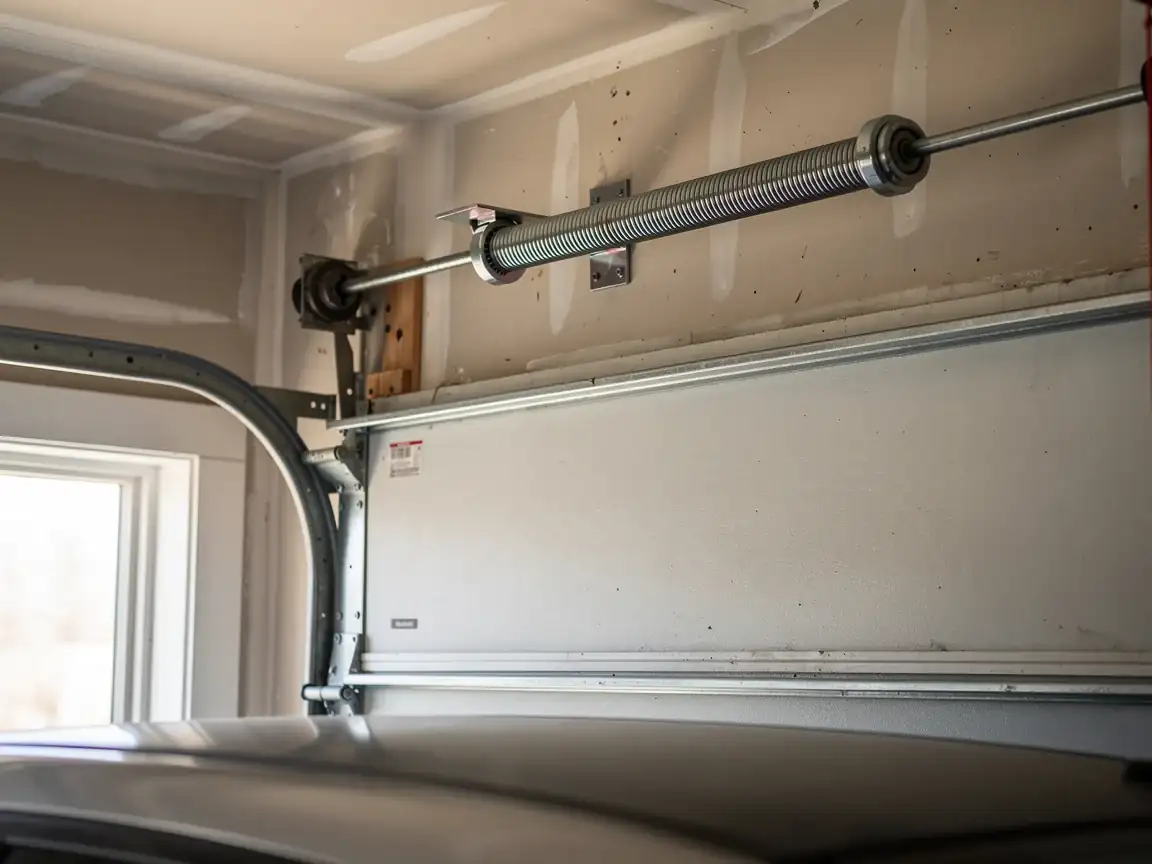
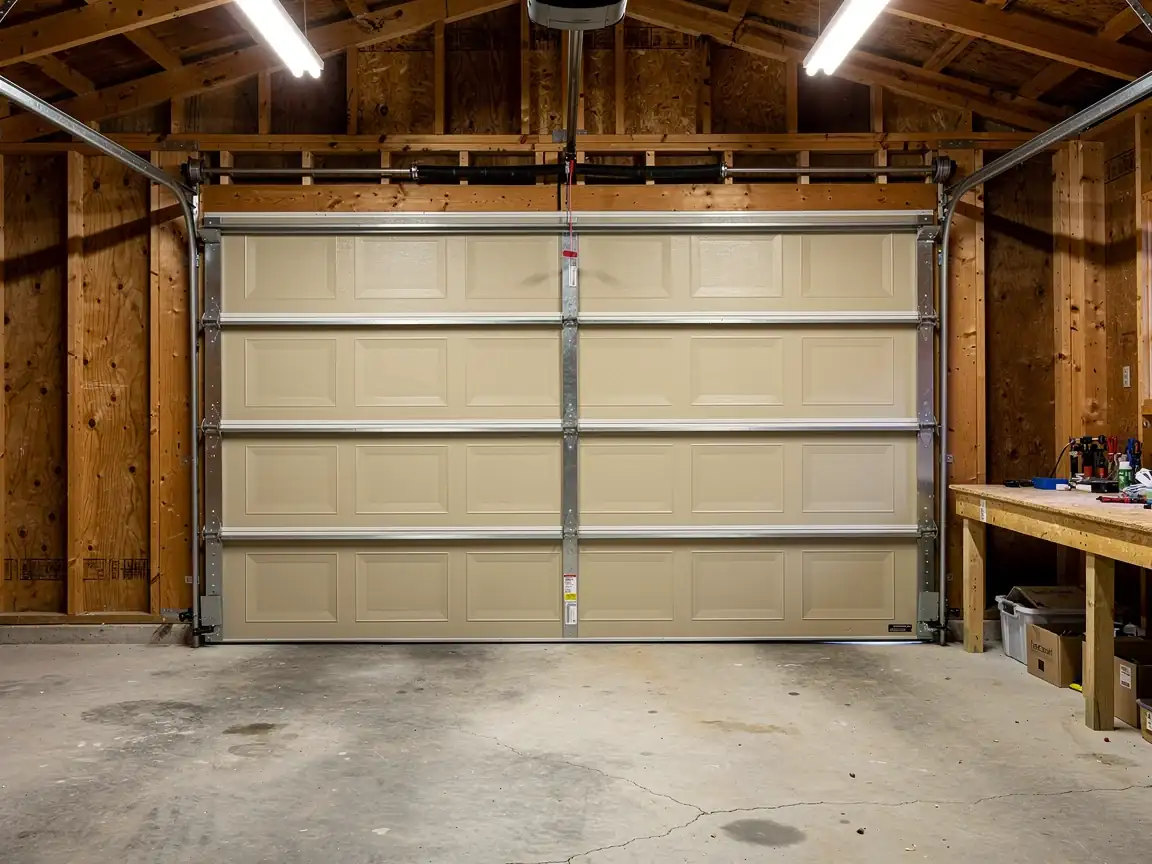
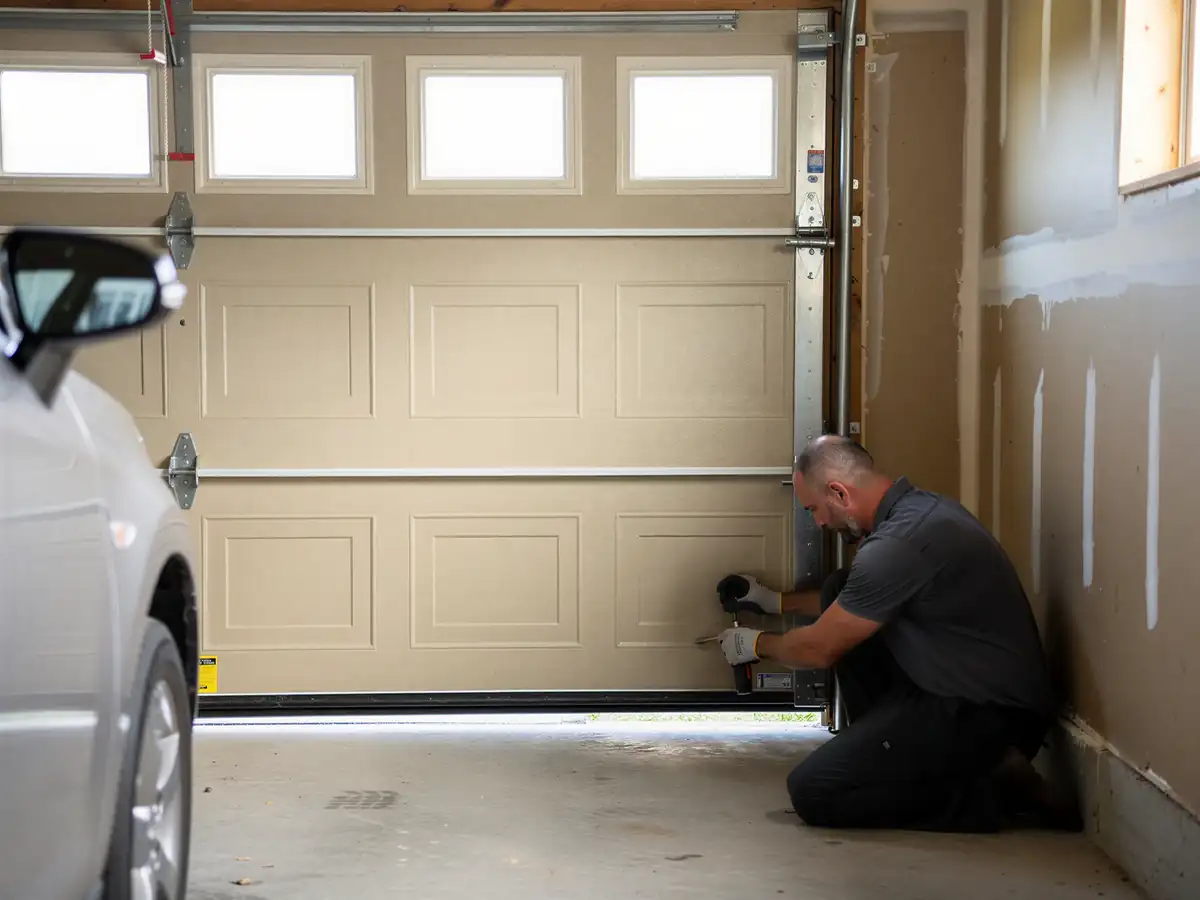
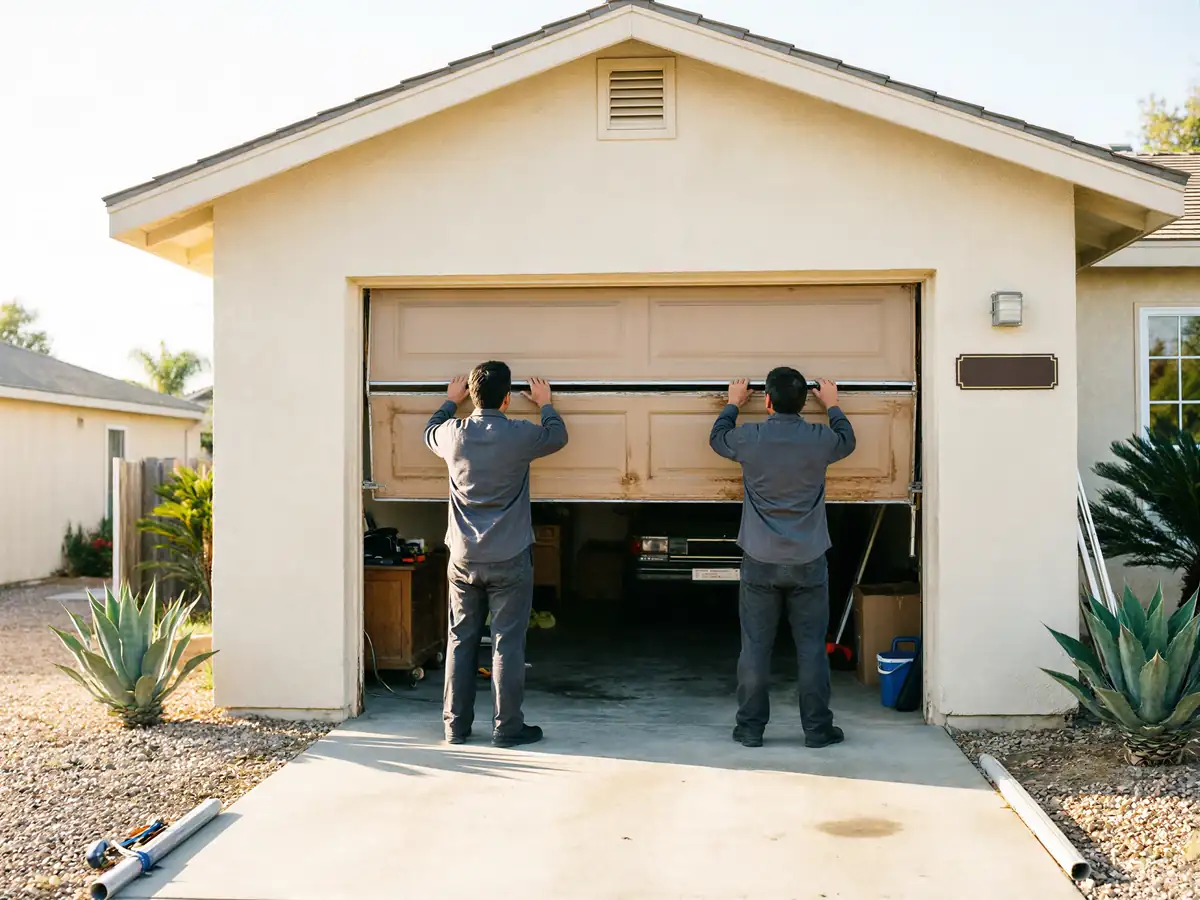
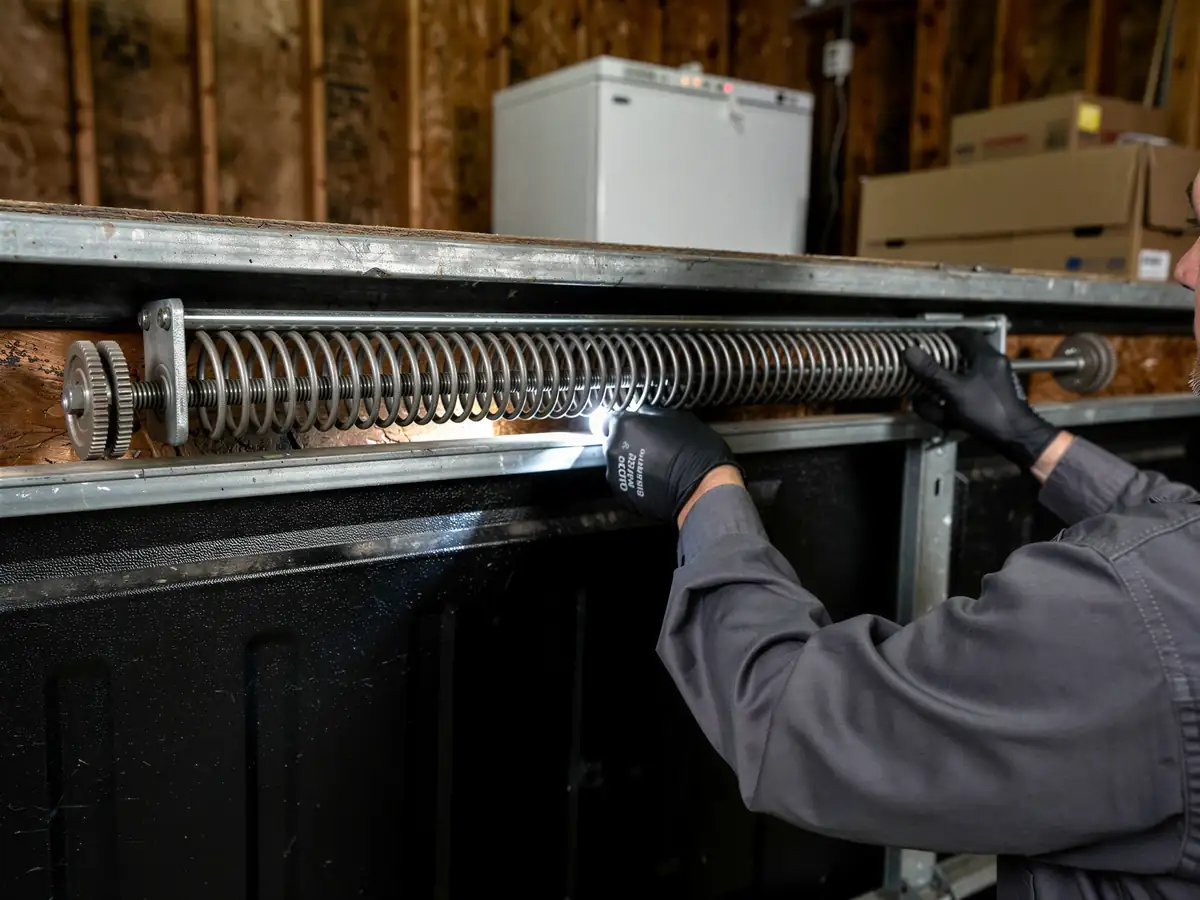
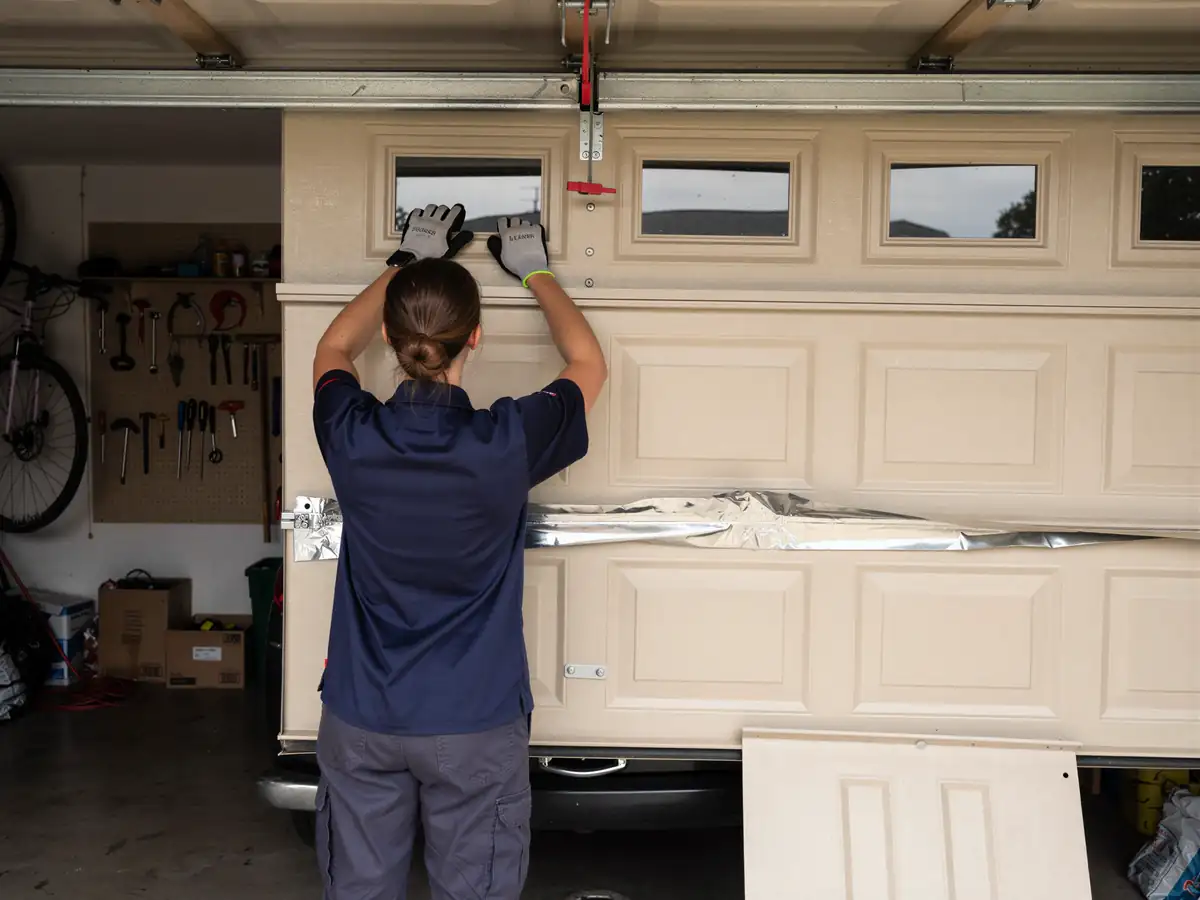
Carson's housing stock centers on 1965, a few years newer than much of the wider service area's 1961 median. That gap matters more than it sounds. Houses built in the mid-60s were more likely to get the extension-spring setups and lighter steel sections that became standard as tract building sped up through the decade, rather than the older one-piece doors still common on blocks built right after the war. On a 1965 door, the failure we see most is a worn extension spring losing tension unevenly on one side, which makes the door rack sideways in the track instead of lifting square. The rollers on these doors are often the original steel type too, and after sixty years of use they groove the track and start binding on cold mornings. We're not saying every Carson garage looks like this - a block built in 1972 behaves differently than one from 1962 - but the general wave of hardware from that build era is what we gear up for before the truck leaves Inglewood.
What People Here Ring About
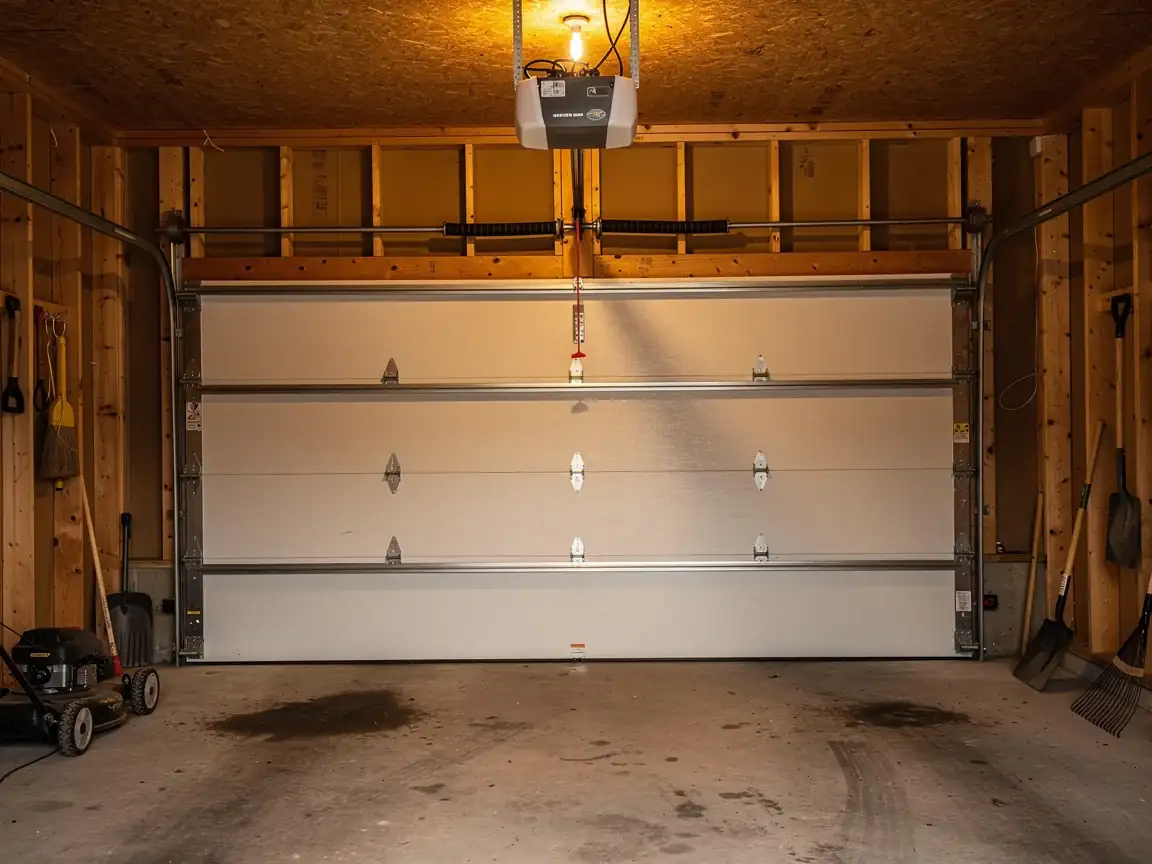
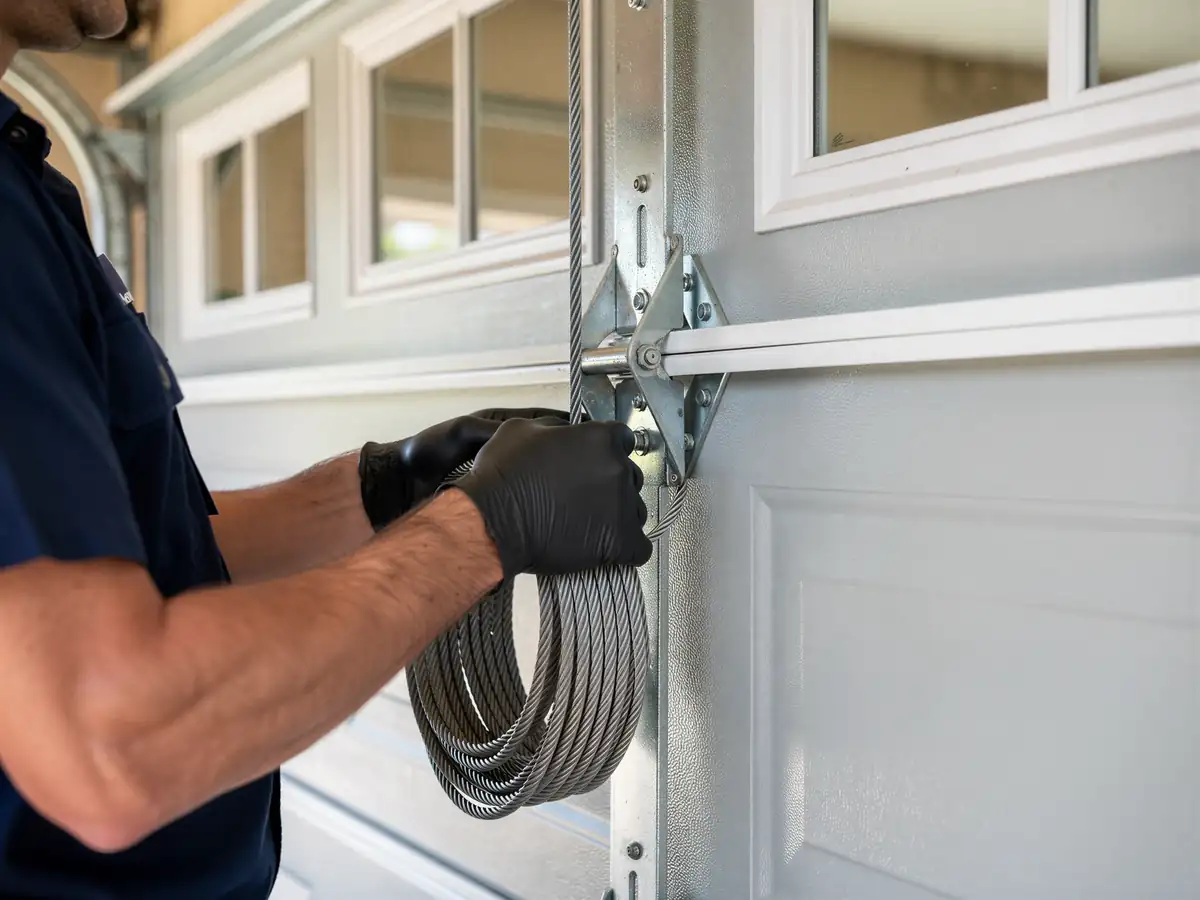
The calls we get out of Carson follow a pattern tied to that 1965-era hardware. A lot of it is extension springs that have stretched out or snapped, especially on double-wide doors where one spring doing more work than the other throws the whole door out of square. We also hear from people whose openers are original to a later remodel and just worn out - chain drives from the 80s and 90s that have gotten loud and start slipping. Track misalignment comes up often, usually from rollers that have worn their grooves over decades of the same door going up and down. With a median household income of $107,391 across Carson's roughly 26,406 households, a good number of these calls are homeowners choosing a full opener or spring system replacement over patching an aging setup one more time, since parts for some older mechanisms are getting harder to source.
The Houses Here
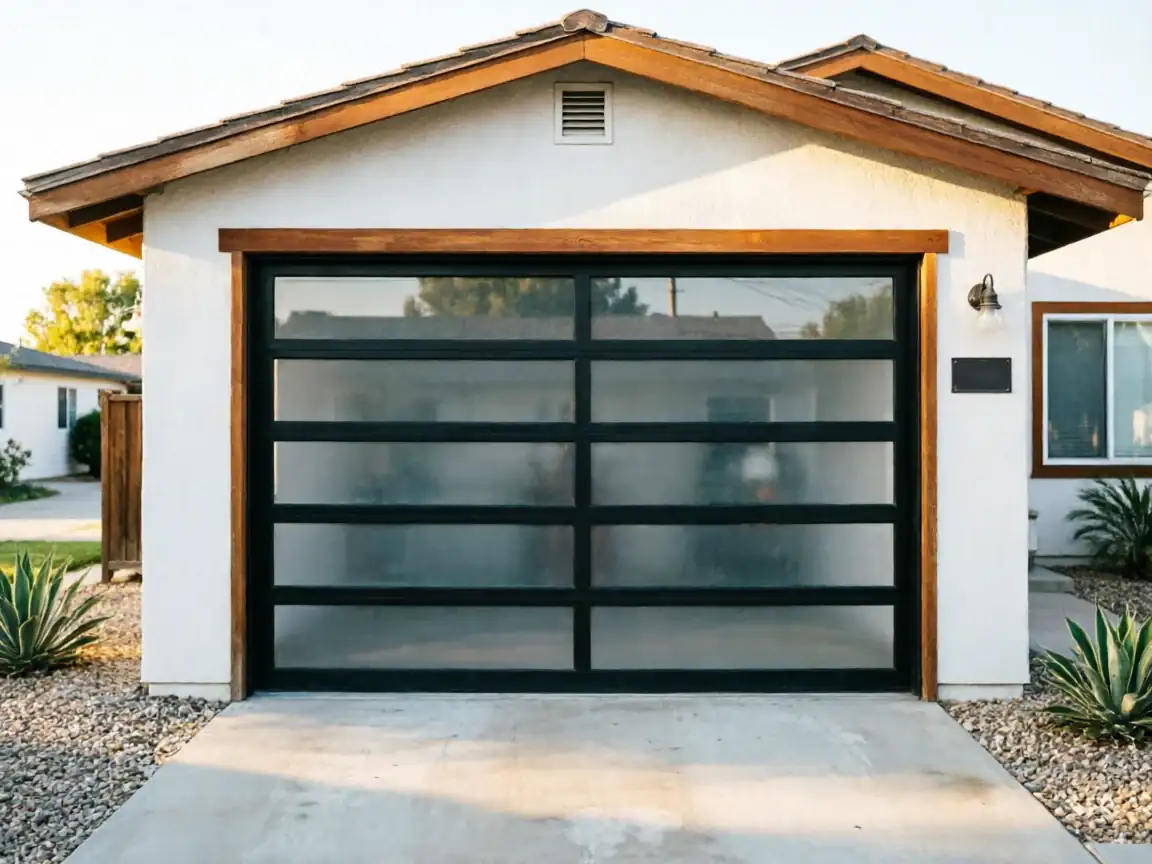
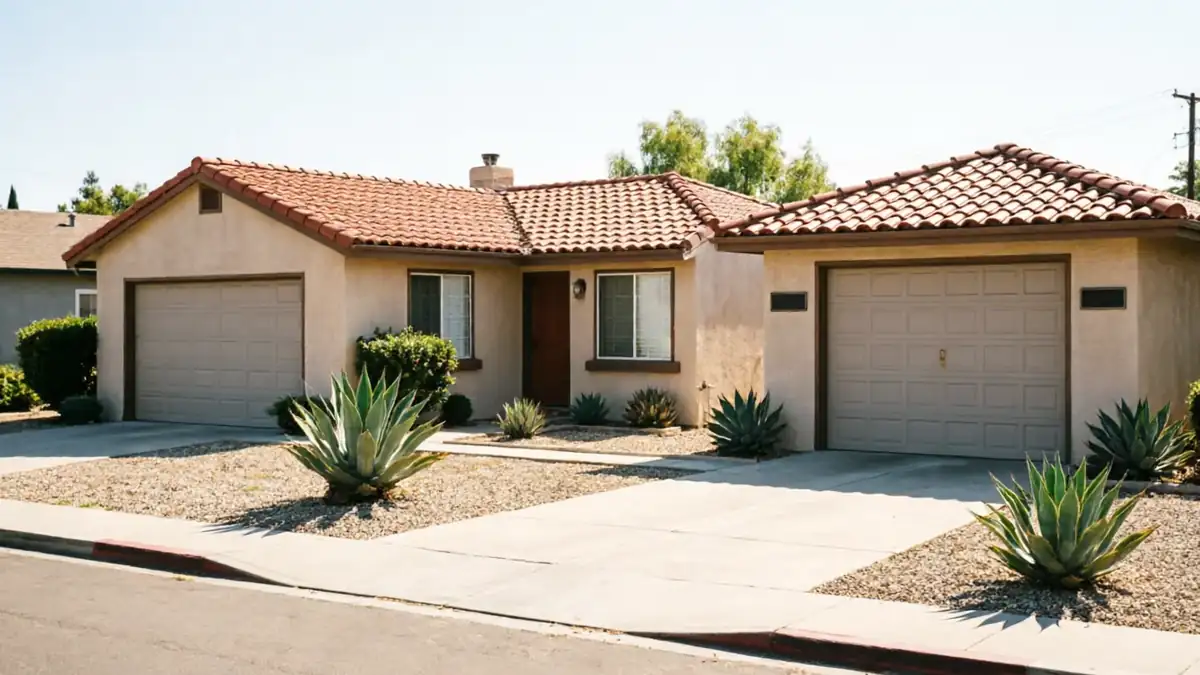
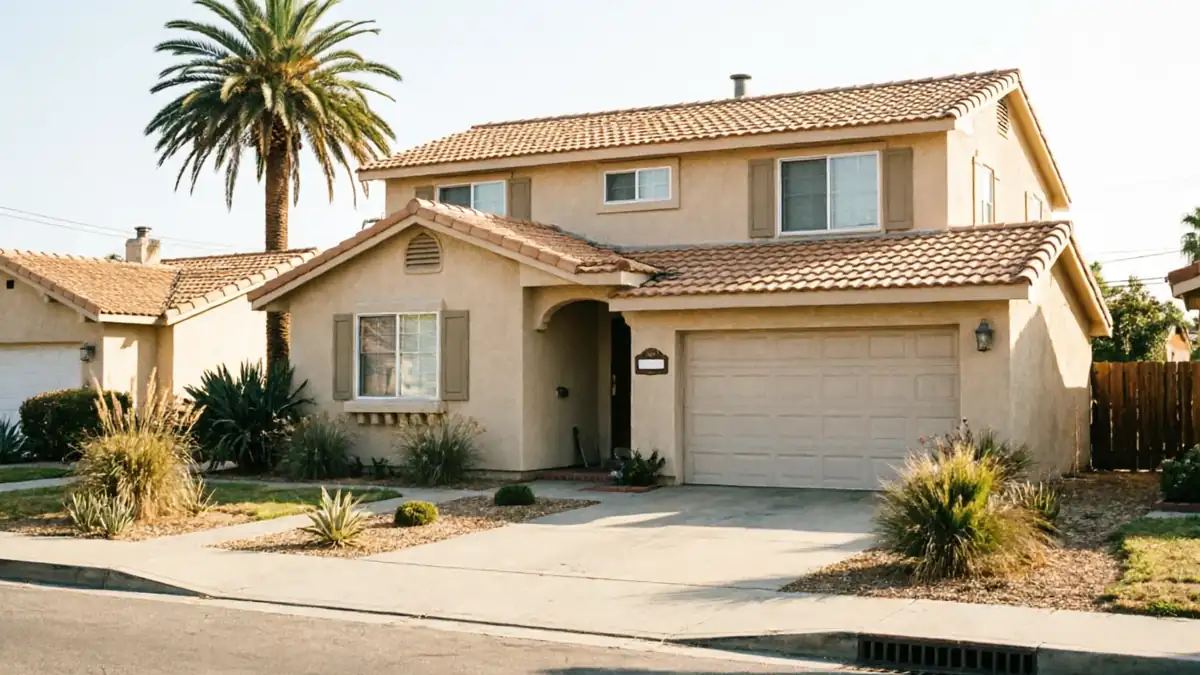
Carson sits in a stretch of the service area with 62 named communities nearby, from Compton and Gardena to Lomita, and the building pattern across that stretch runs mostly 1960s-70s with some homes as old as 1943 and some as new as 2012. Carson's own median of 1965 puts it right in the thick of that wave - not the oldest stock in the area, not the newest. What that means for a homeowner is that your door and opener are likely original to a build era, not a one-off custom setup, so when something fails it's usually a known failure point for that decade of hardware rather than a mystery. It also means a lot of neighbors are facing the same aging springs and openers around the same time, which is worth knowing if you're trying to decide whether repair or full replacement makes more sense for your situation.