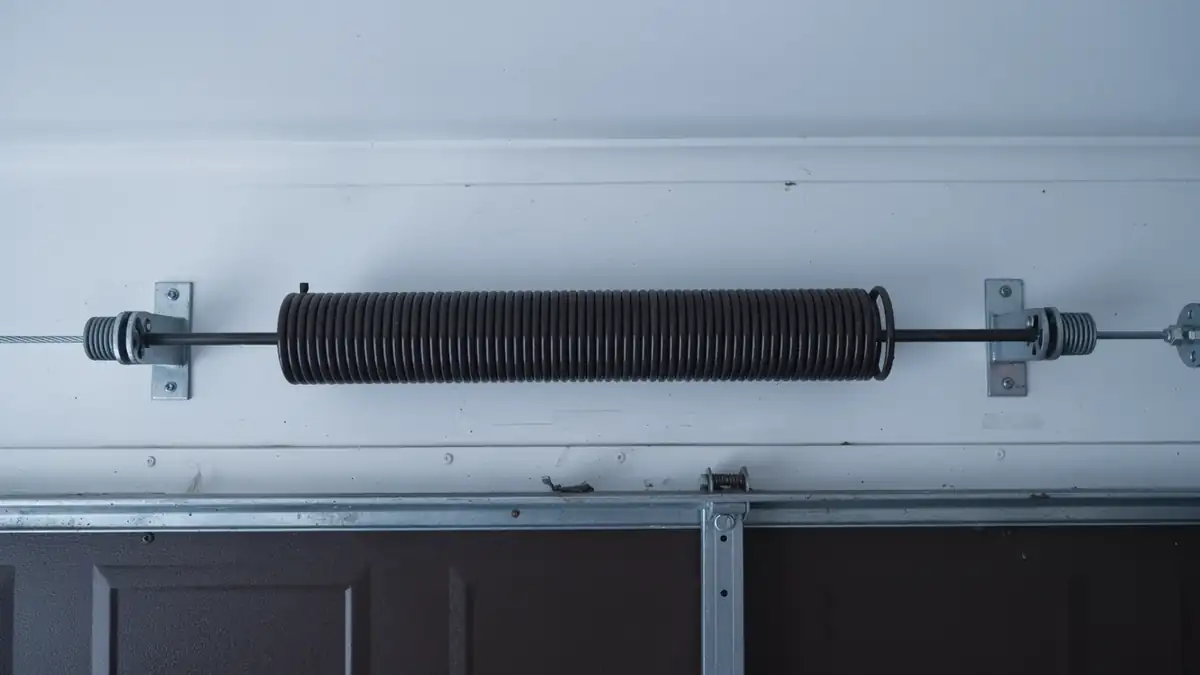
The Problem
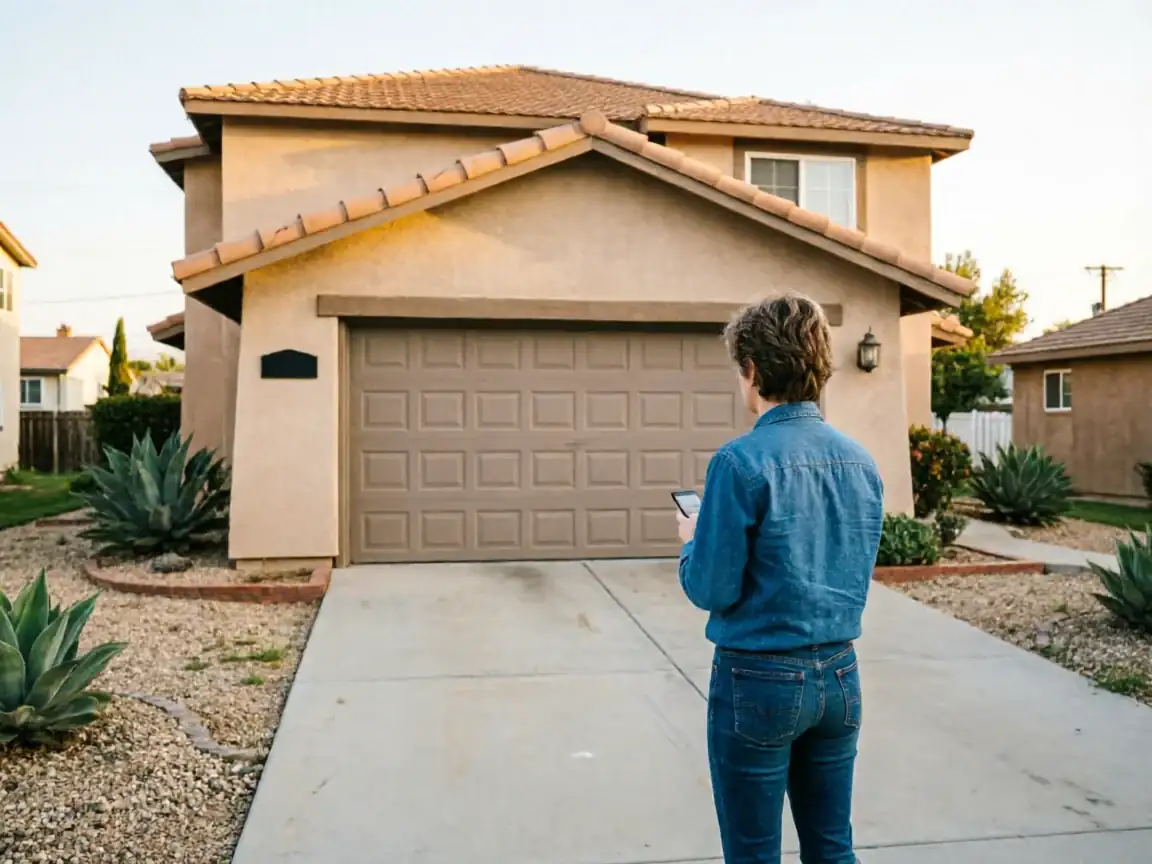
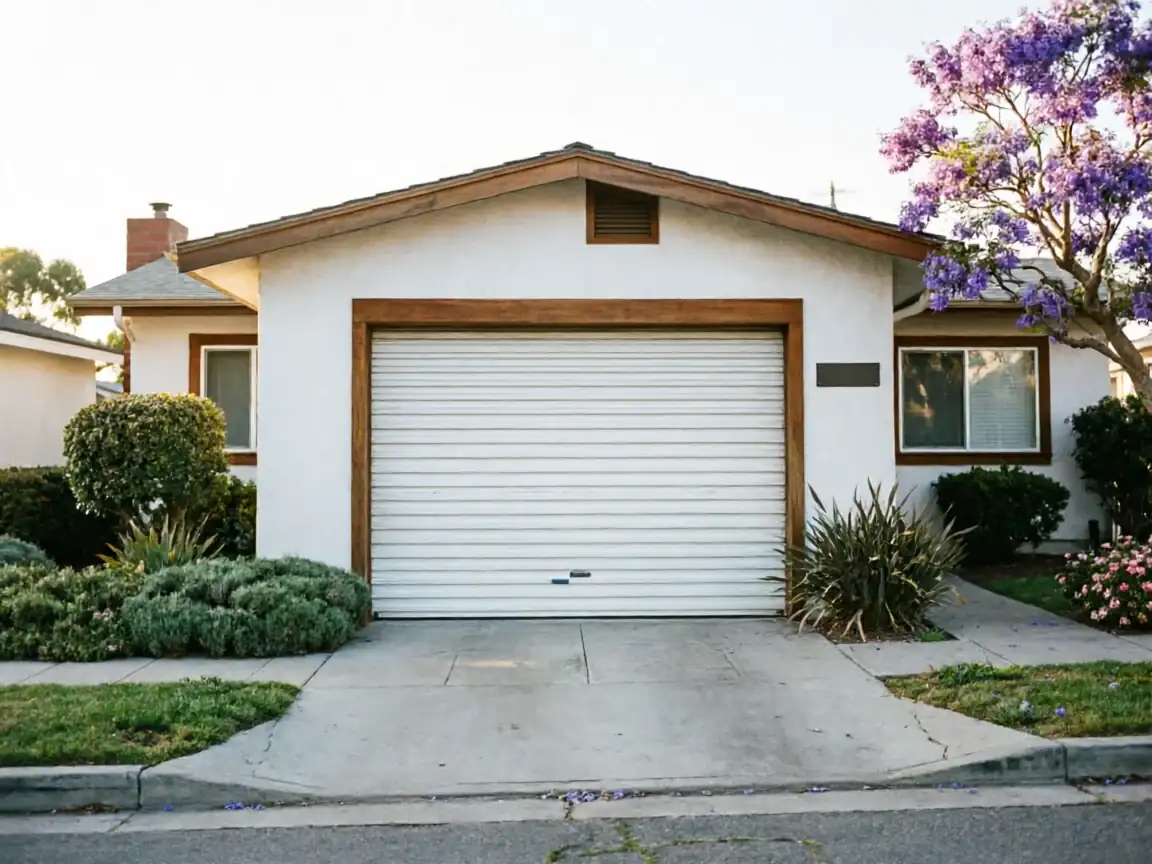
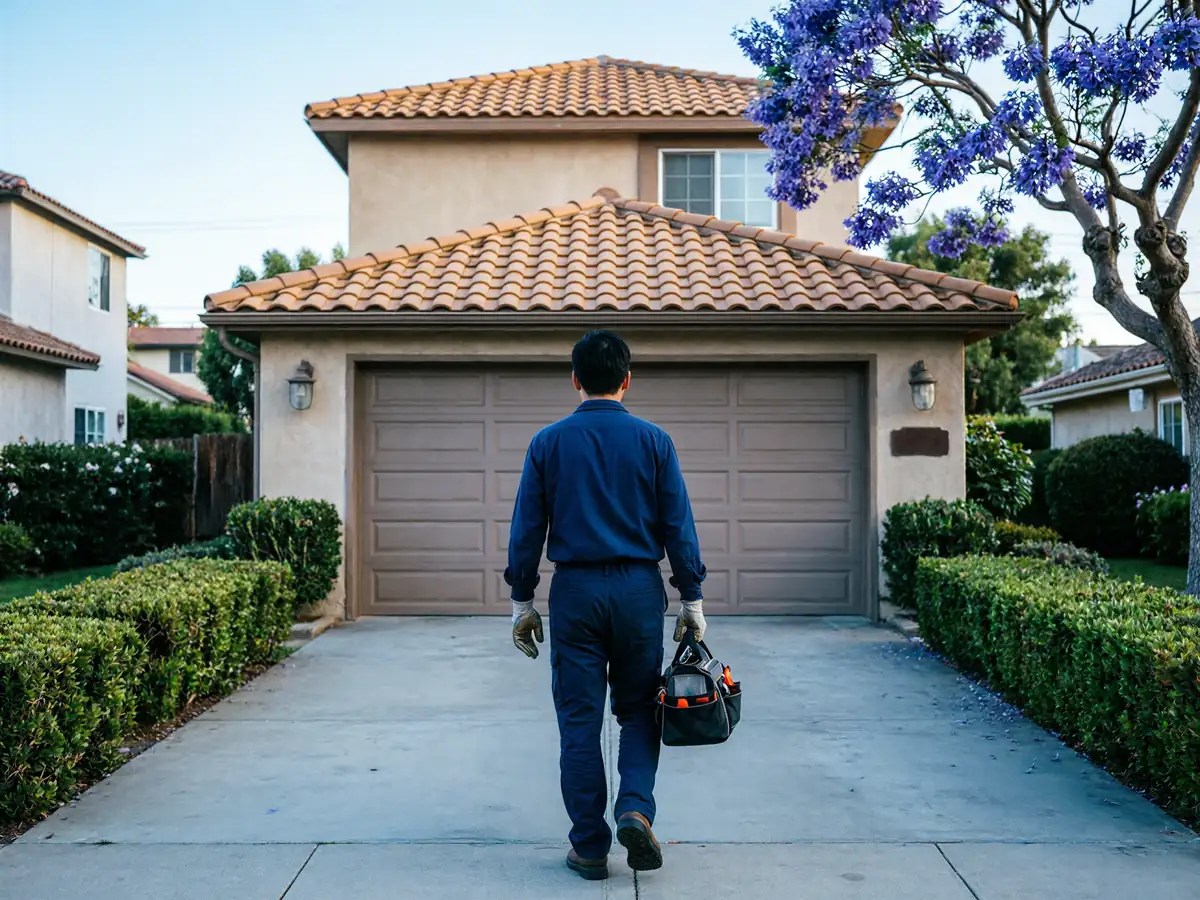
Inglewood's housing runs from 1943 to 2012, with a median build year of 1961. That means a big share of the garages in this part of the basin are still working with torsion springs that are original, or close to it. Springs don't last forever even when nobody touches them. Every open and close cycle works the coil, and by the time a spring has been through fifty or sixty years of mornings, the steel is tired long before anything dramatic happens to it.
Here's the part people don't expect: you don't need a hard freeze for a spring to let go. Inglewood sits in a mild temperate band, no snow, no deep frost, but the swing between a warm afternoon and a cold night still shrinks steel enough to add that last bit of stress to a coil that was already near its limit. A spring that's fine in July can snap at 6 a.m. in January, not because the cold did the damage, but because the cold found the weak point first. Most of the areas around here, going back to that 1960s-70s building wave, are full of doors carrying springs nobody's thought about since they were installed.
Leaving It Alone
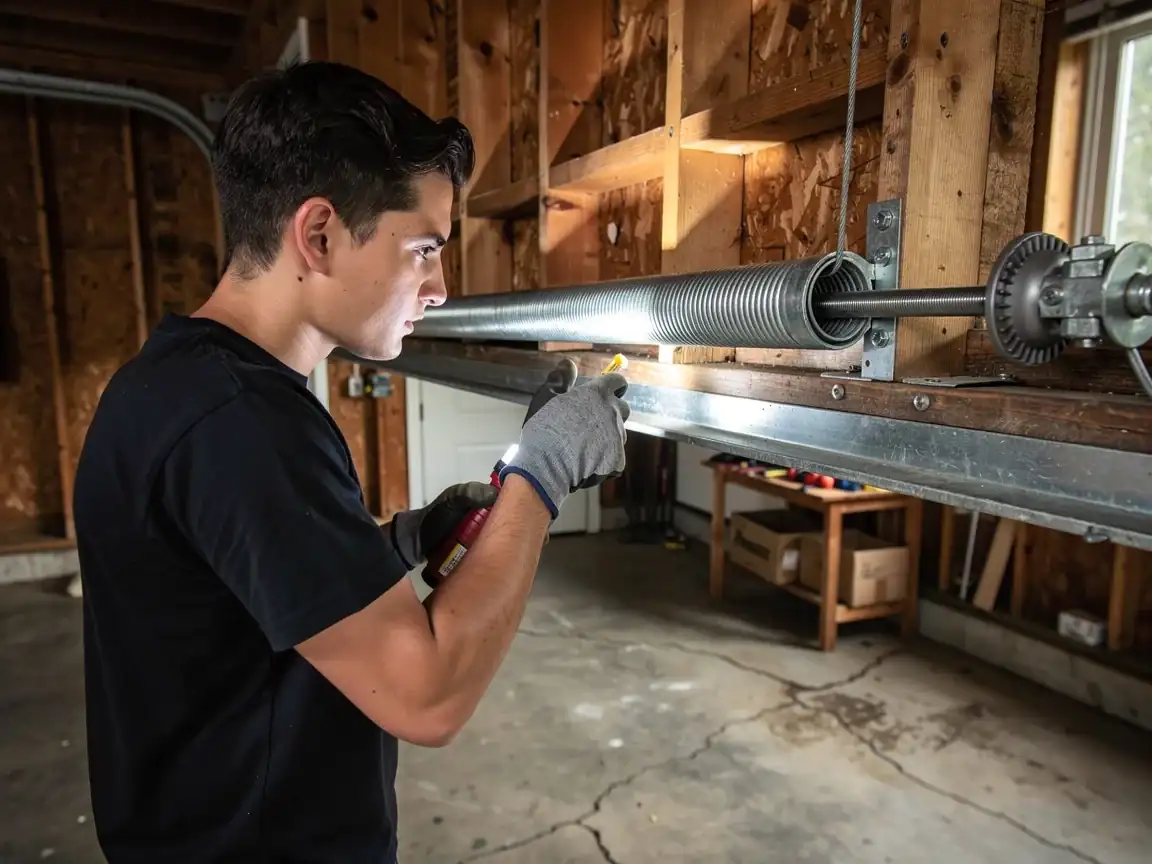
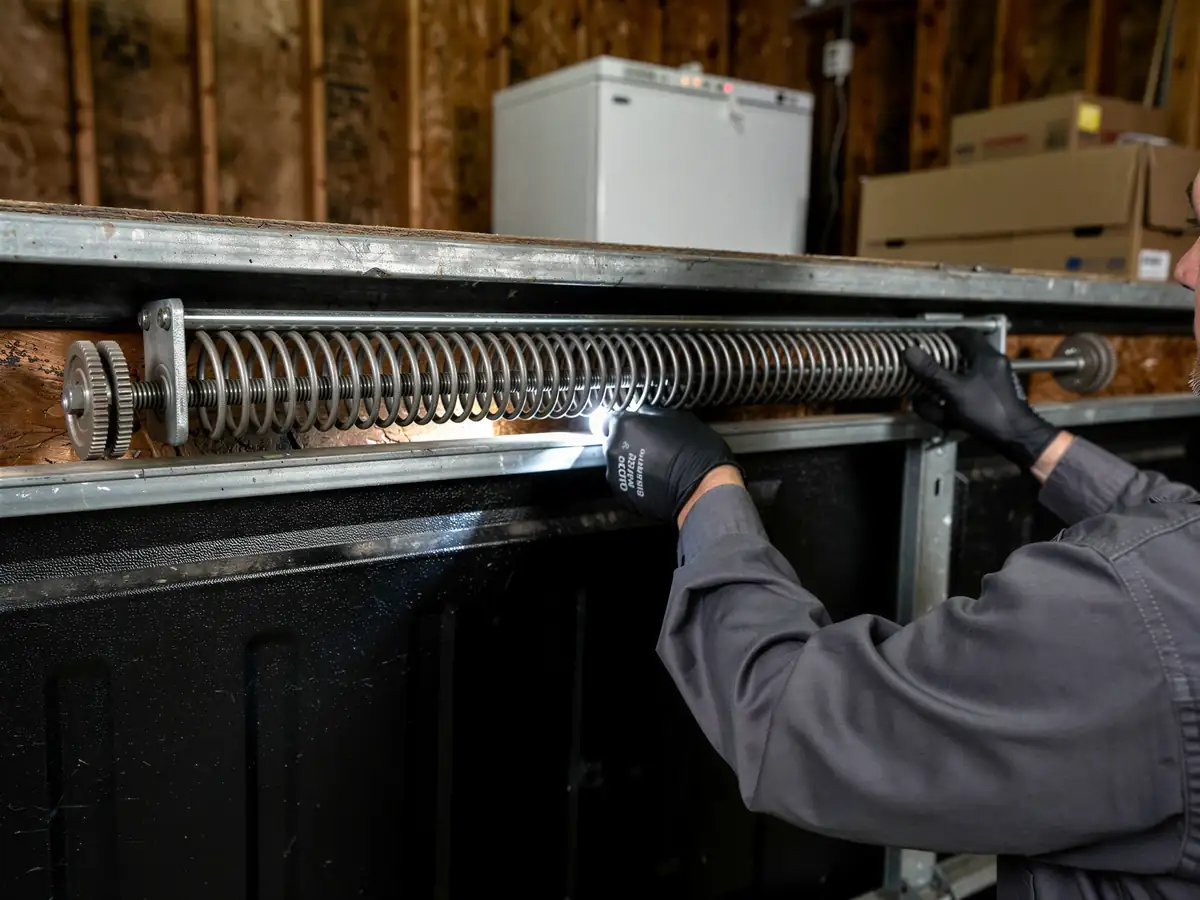
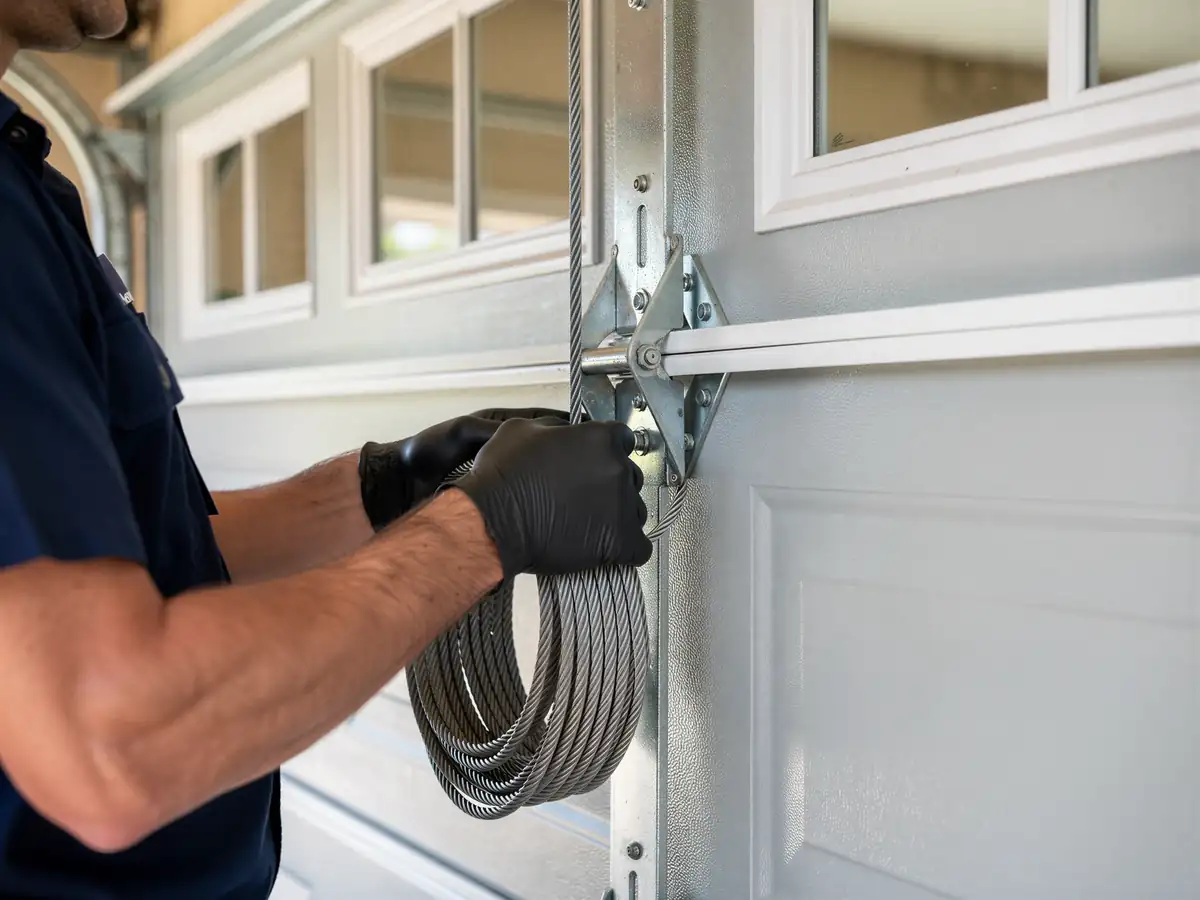
A torsion spring under tension is storing real force
And when it's original to a house built near 1961, it's had decades to develop small cracks in the coil that you can't see from the garage floor. Leaving it alone doesn't mean nothing happens. It means the spring keeps cycling closer to its failure point every time the door goes up, and when it finally lets go, it does so suddenly, usually while the door is in motion.
The risk isn't just a door that won't open
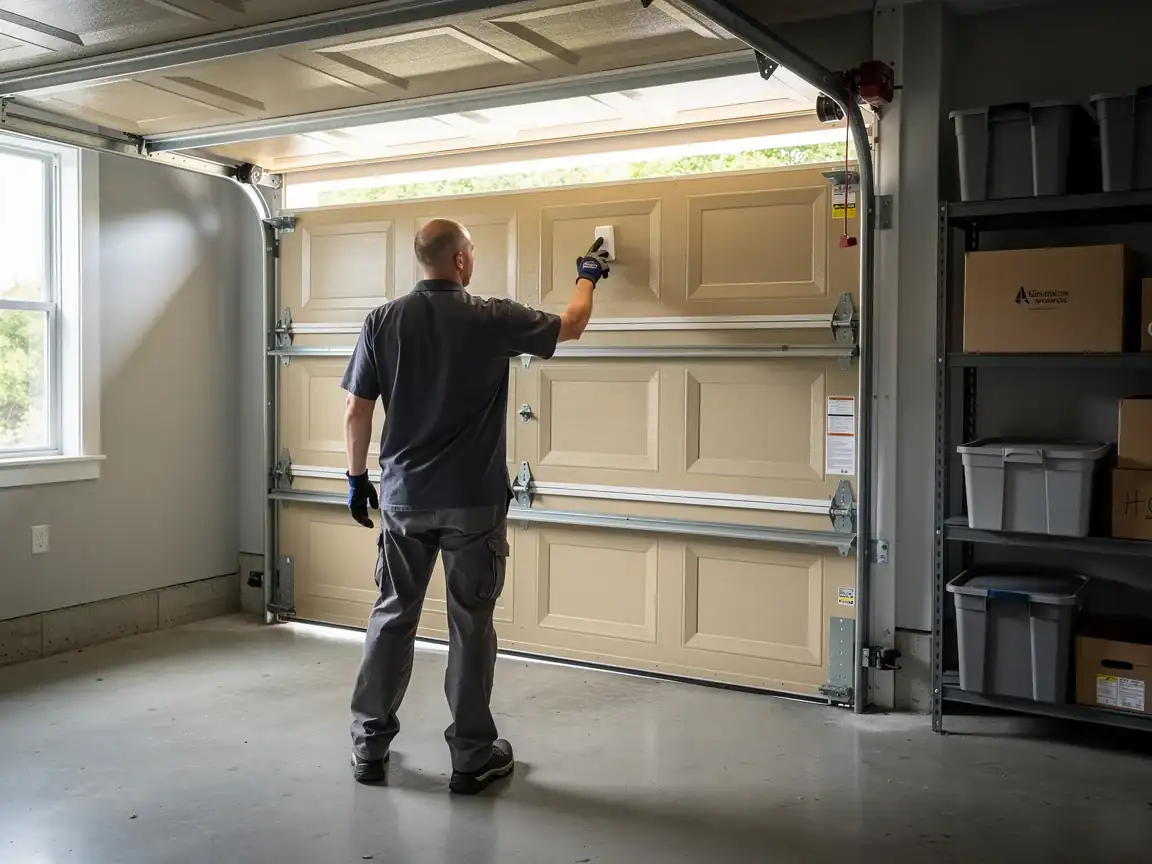
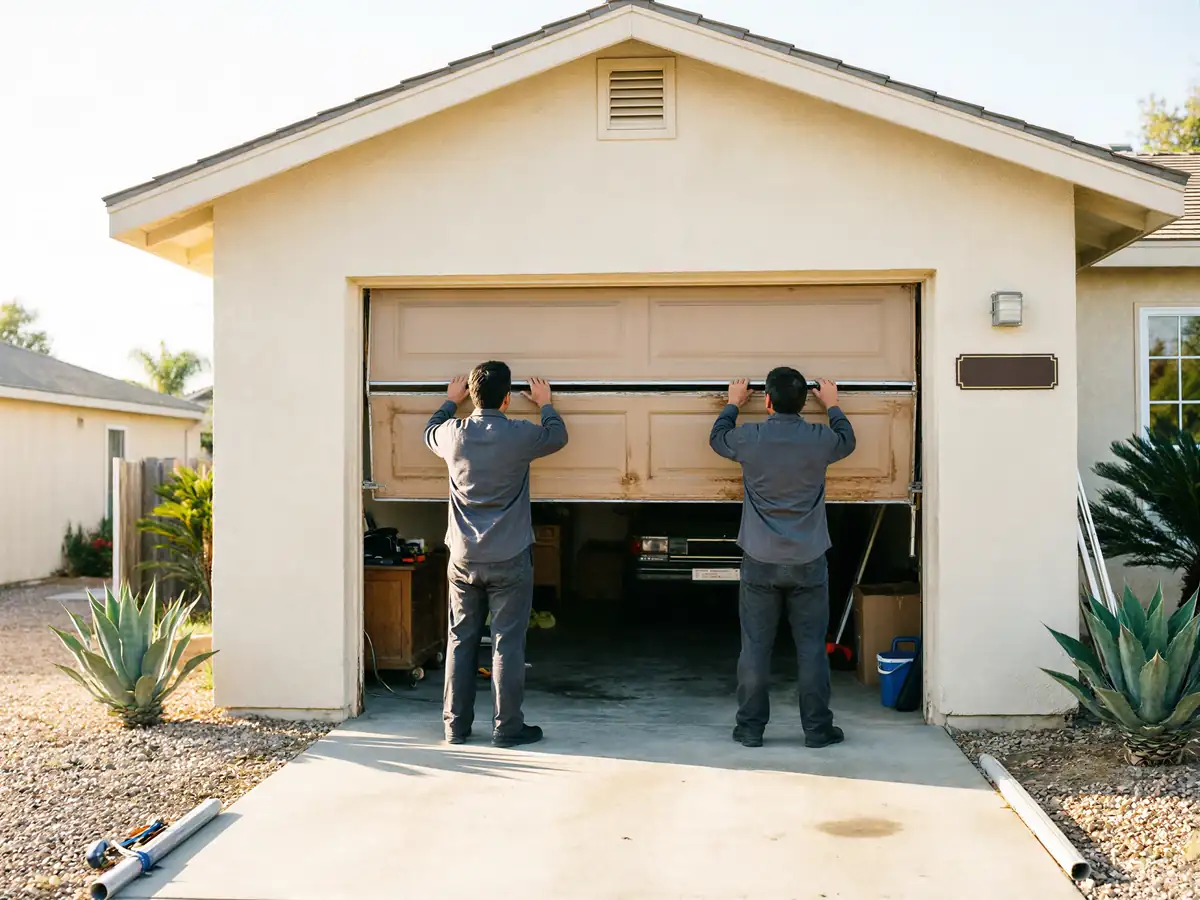
A spring that fails mid-cycle can drop a door that weighs more than most people guess, straight down, with no warning. On older houses built in that mid-century wave, the hardware holding the spring in place is also original, which means the mounting itself may not be rated the way current hardware is. Waiting for the spring to just fail on its own, rather than having it checked, trades a planned repair for an unplanned one at the worst possible time.
Where People Go Wrong
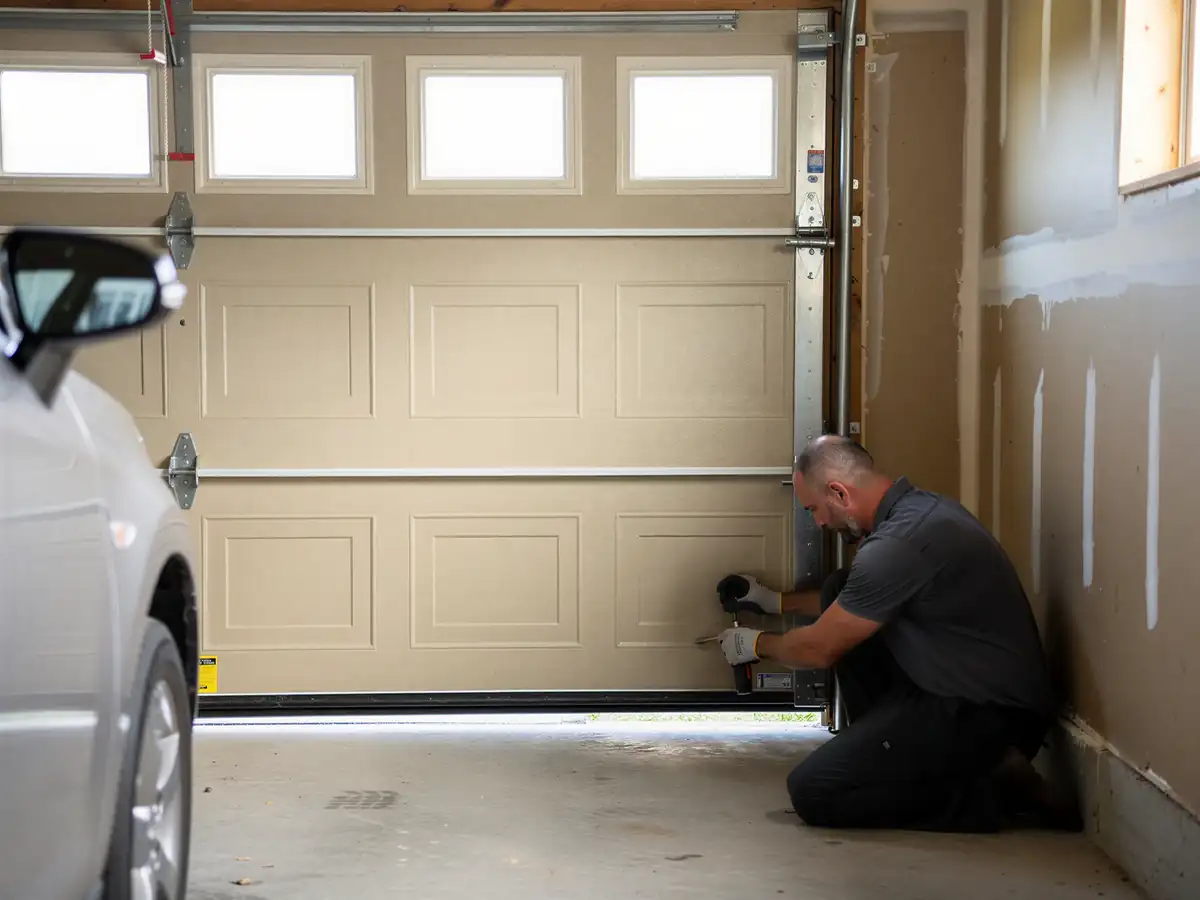
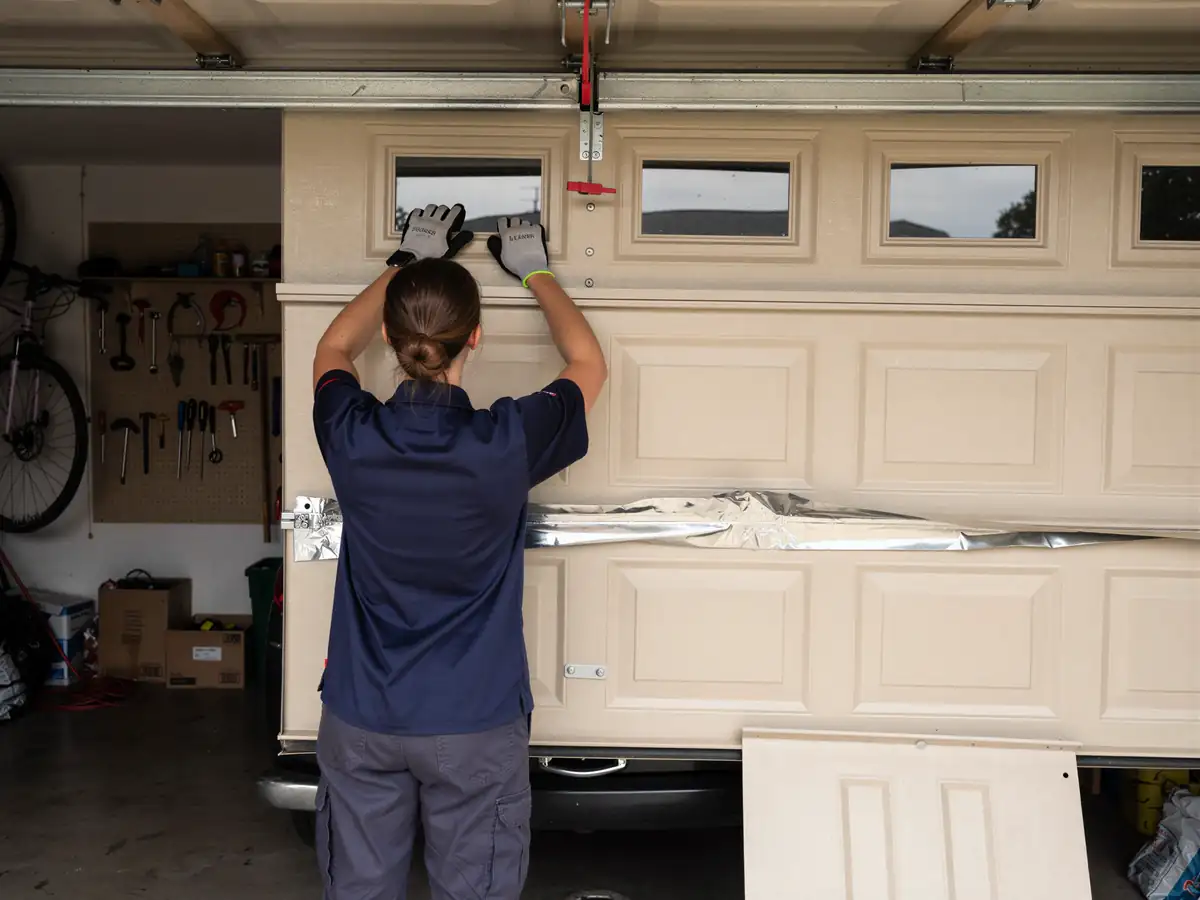
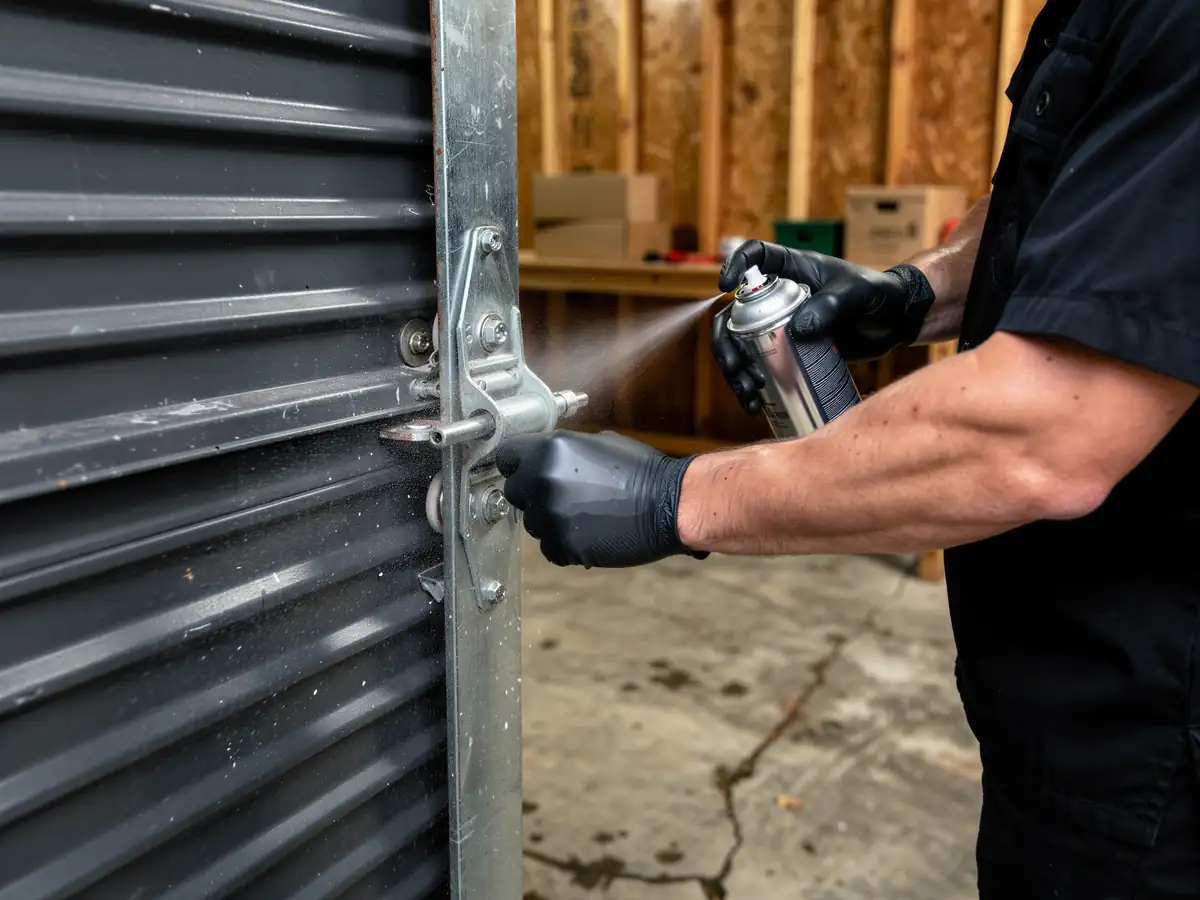
The most common mistake is treating a stiff or noisy door as a lubrication problem when it's actually a spring reaching the end of its life. WD-40 on a track doesn't fix a coil that's lost its temper. The second mistake is DIY spring replacement on a cold morning, when the steel is at its least forgiving and the margin for error is smallest, this is exactly the kind of job where a slipped winding bar does real damage.
The third mistake, specific to houses from this build era, is swapping in a generic spring without matching it to the door's actual weight and cycle life. A lot of homes from the 1960s and 70s still run original wood or early steel doors that are heavier than the lightweight panels sold today, and a spring sized for a modern door won't hold up under that load. We won't just grab a spring off the shelf and call it a match. If the door is original to a house from that era, we check the weight and cycle count before we commit to a spring, which takes longer than a five-minute swap but means it doesn't fail again in six months.
What Local Conditions Do
Because Inglewood doesn't get the big temperature swings or humidity extremes that stress springs in other parts of the country, failures here tend to be slow and gradual rather than sudden and seasonal. You won't see a wave of calls after one cold snap the way a colder-climate town might. What you see instead is steady wear across a housing stock that's mostly 1960s and 70s construction, springs reaching the end of a long, quiet life all year round, with cold mornings acting as the final push rather than the cause.
That's actually useful to know as a homeowner. It means a spring on an older Inglewood garage is rarely failing because of one bad week of weather. It's failing because it's been doing this job since the Johnson administration and finally ran out of cycles. The mild climate buys time, but it doesn't buy forever.