How That Shows Up in the Door
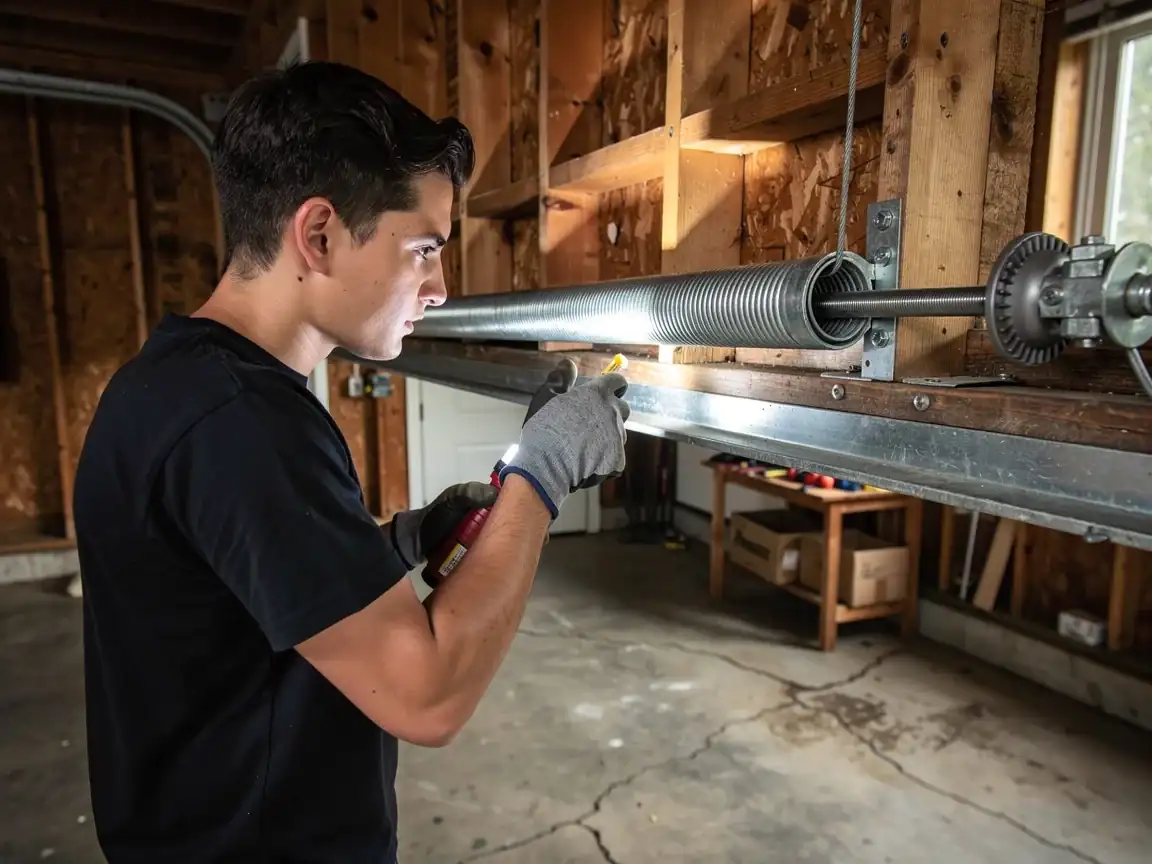
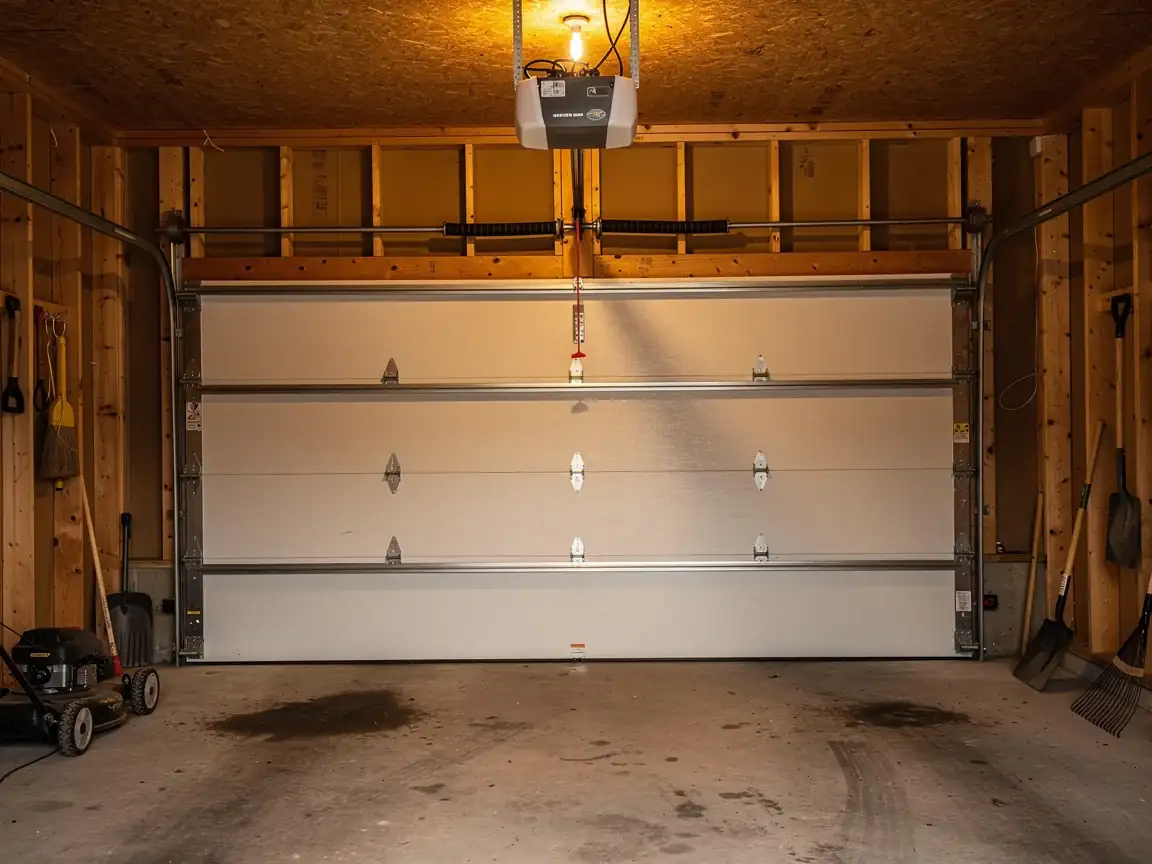
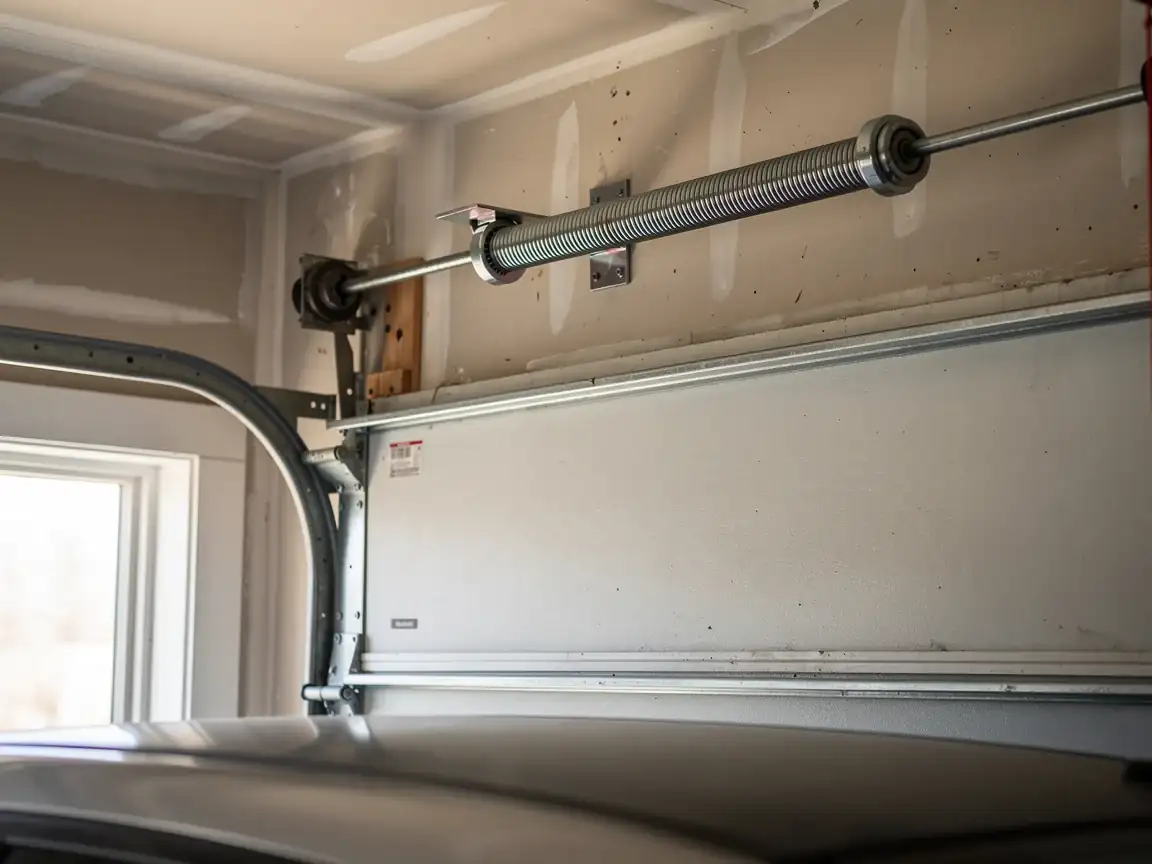
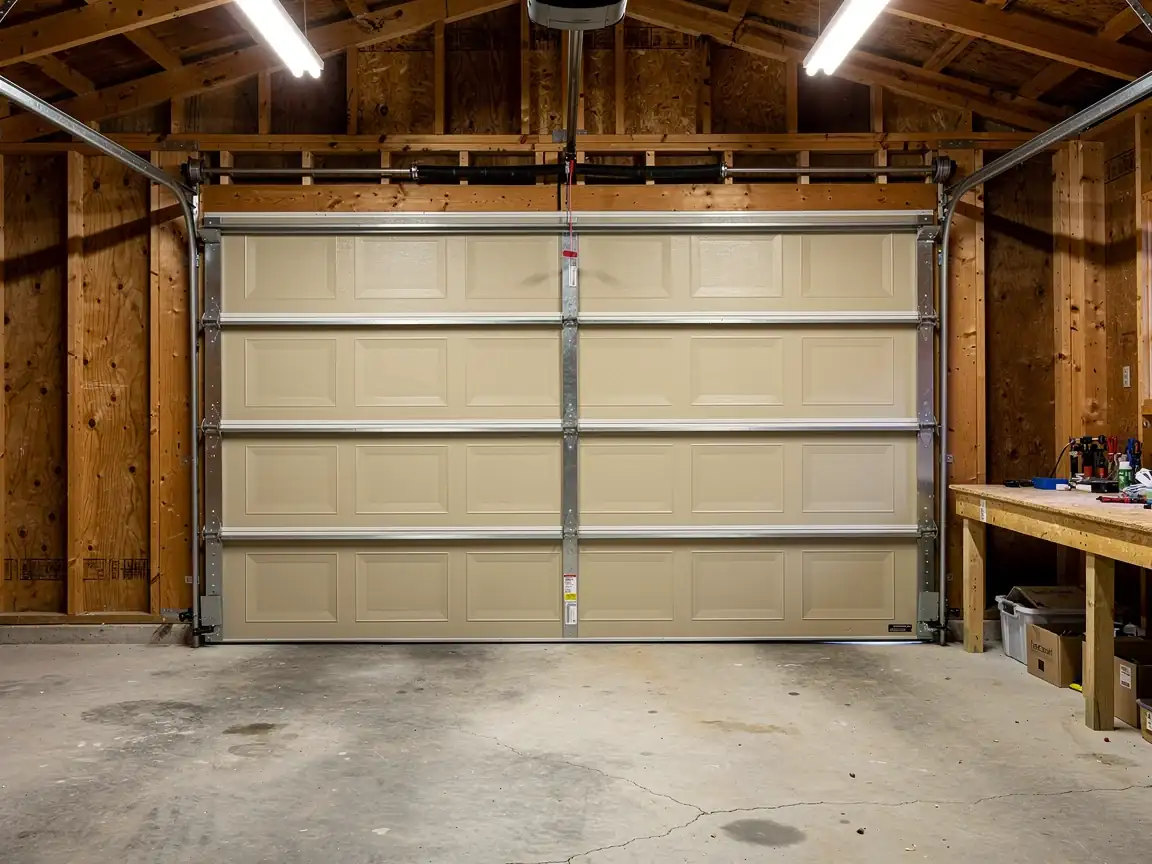
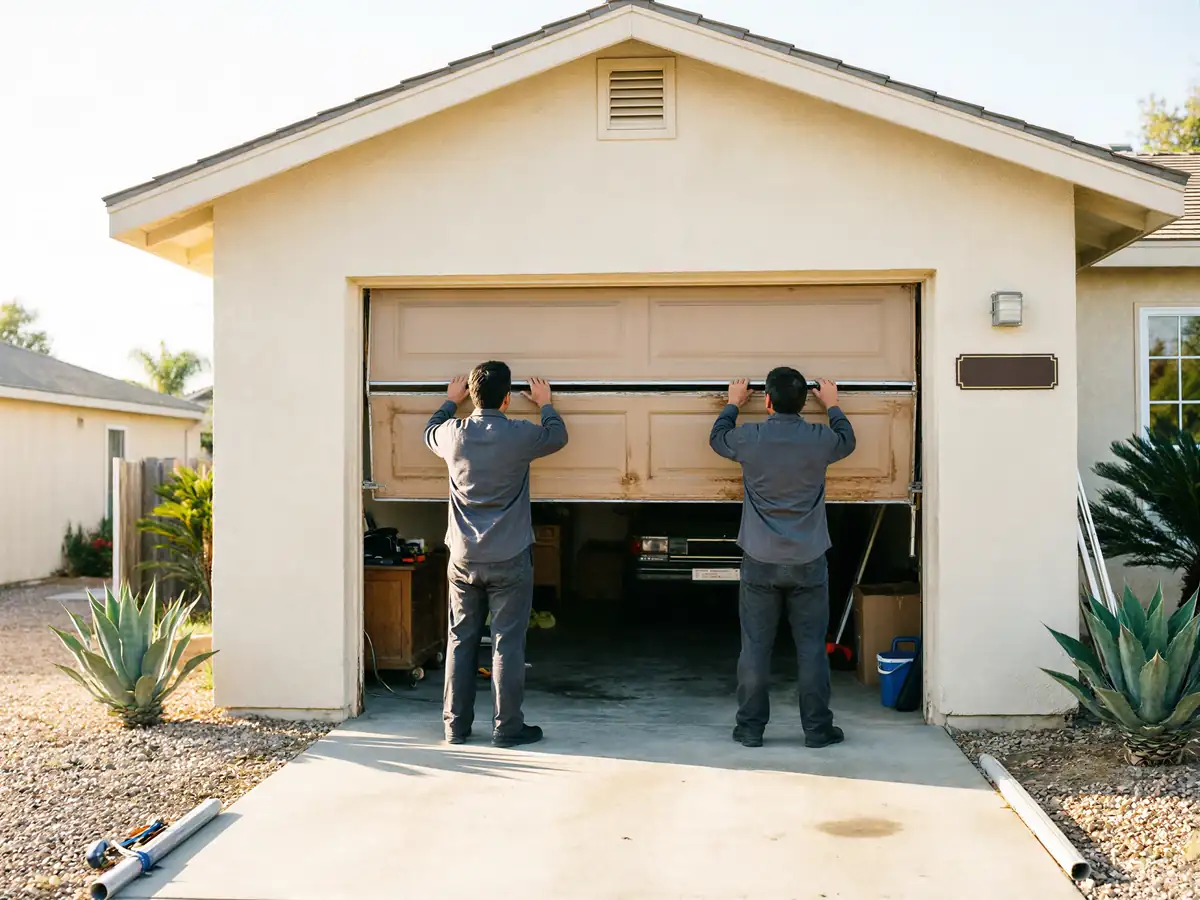
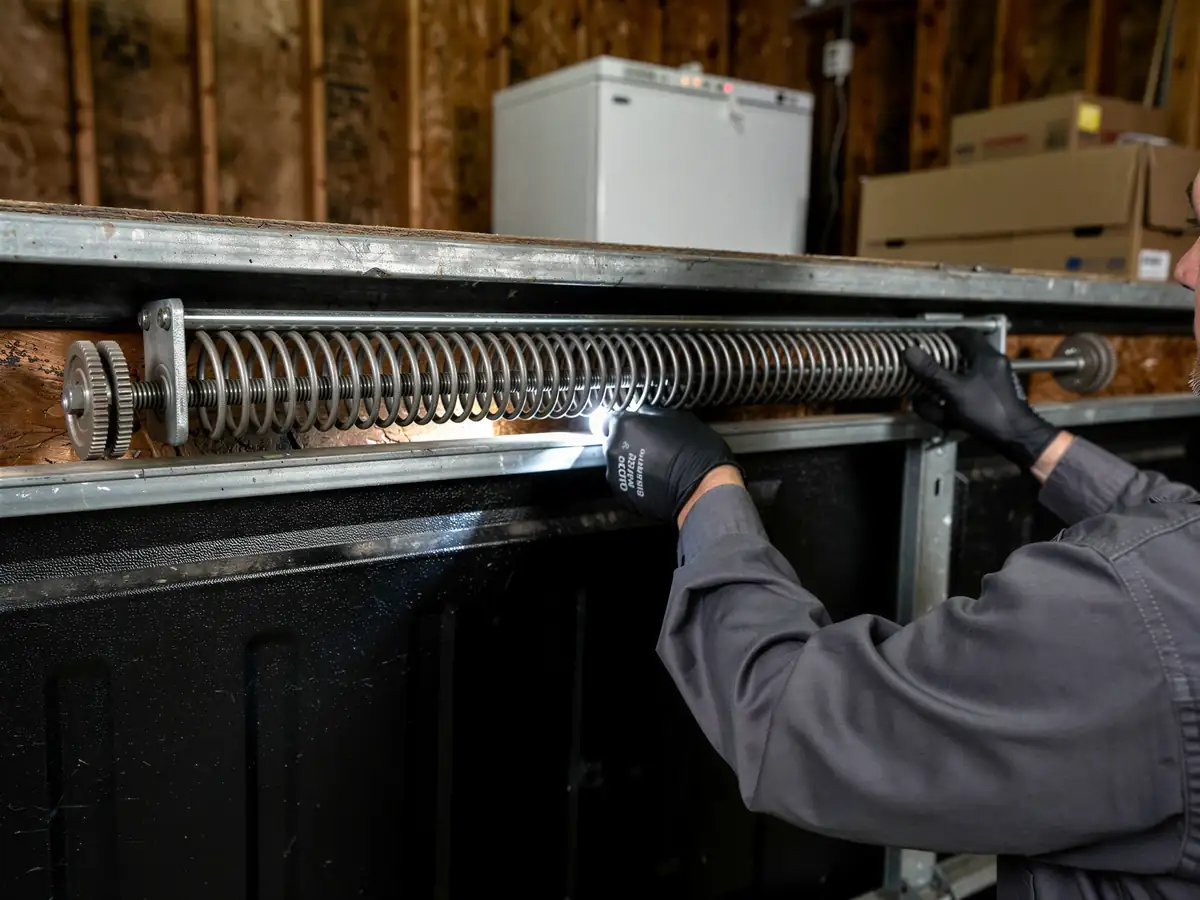
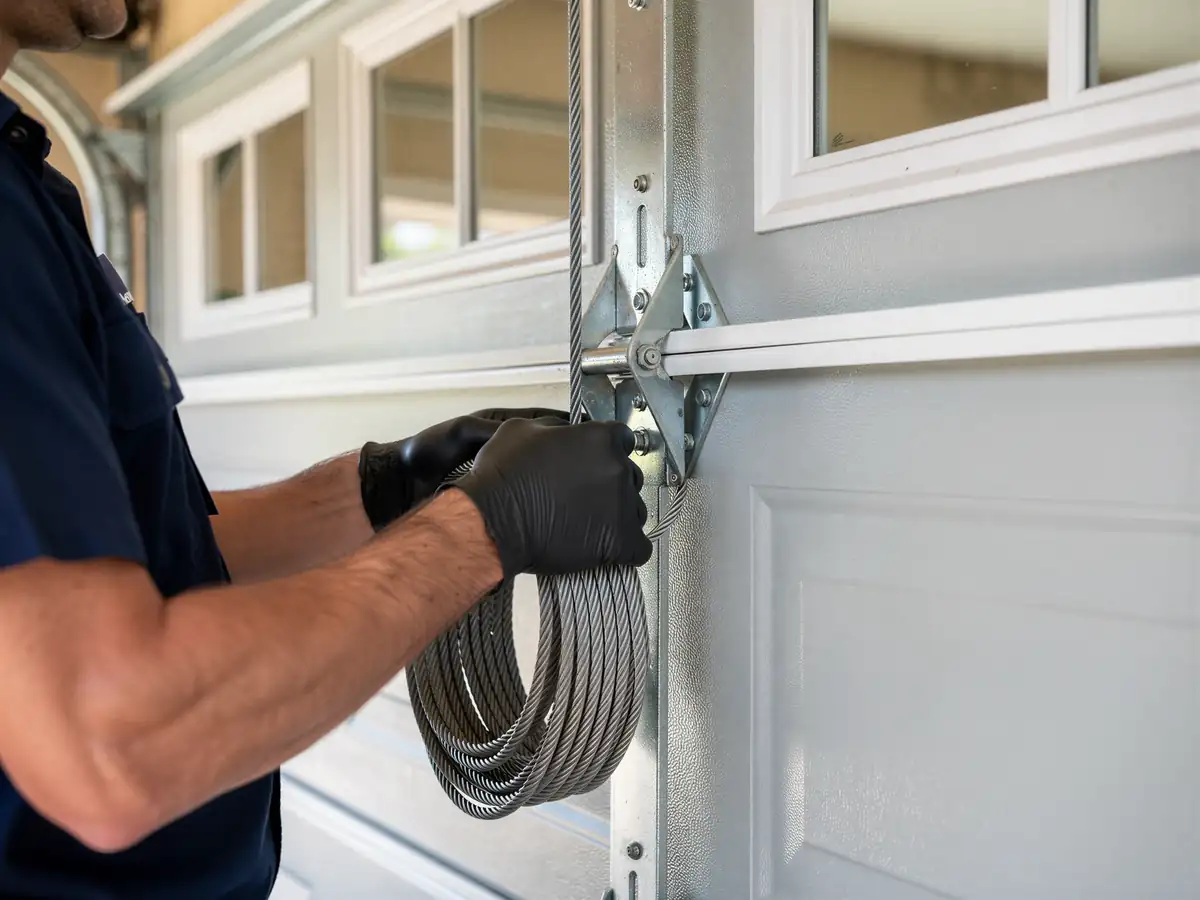
The median house in Lakewood went up in 1957, which puts it a few years ahead of the broader service area's 1961 median and squarely in the window when builders were still running extension springs over the horizontal track instead of torsion bars overhead. That matters when a cable snaps or a spring lets go. On a lot of these original setups, the pulley brackets and the safety cables (if they were ever added at all) are not what you'd find on anything built even a decade later. We see steel doors from this era with flat panel faces, no insulation, and hinges worn thin from sixty-plus years of use. Some owners have already swapped in a newer door with a torsion system; plenty haven't. The result is a real mix on any given street - a fully modern door two houses down from one running hardware that predates the opener bolted to it. Before we quote anything, we want to know which setup we're actually looking at, because a repair plan for an extension-spring door from 1957 is not the same plan as one for a torsion system installed five years ago, even if the symptom - a door that won't budge - looks identical from the driveway.
What People Here Ring About
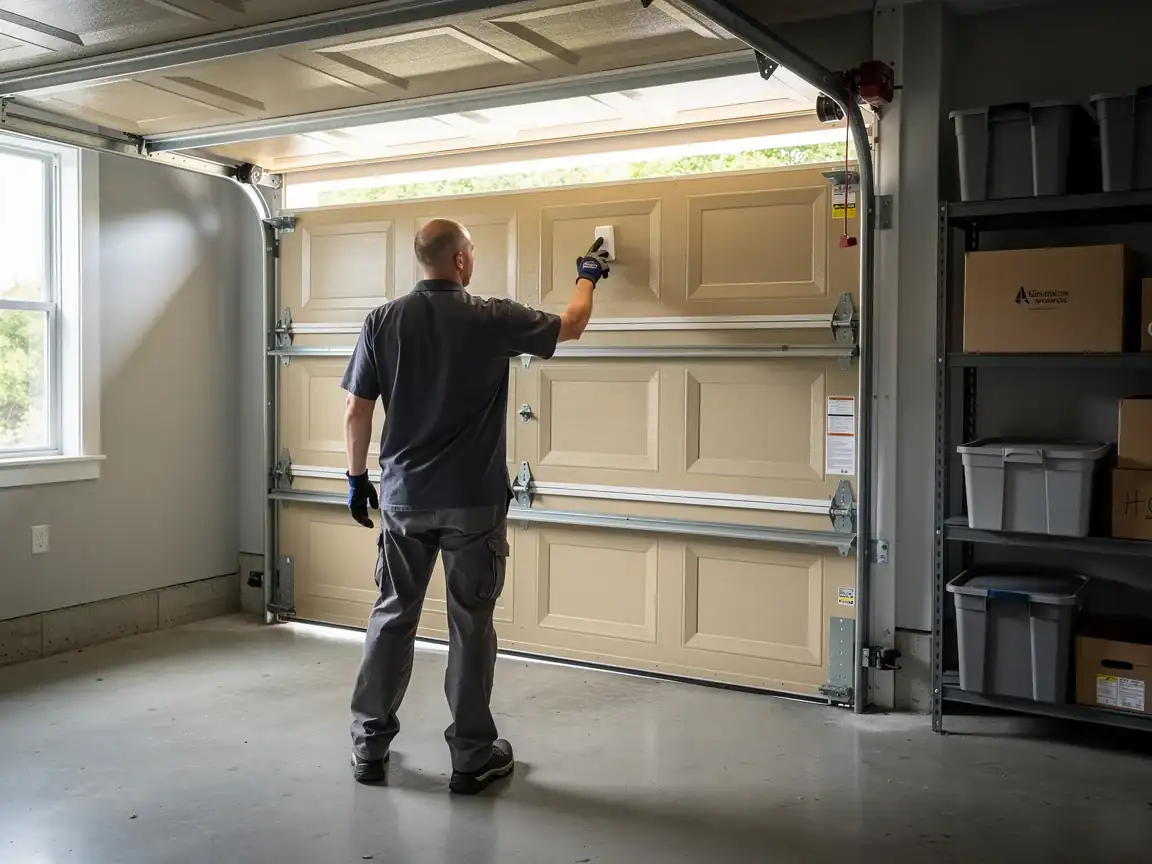
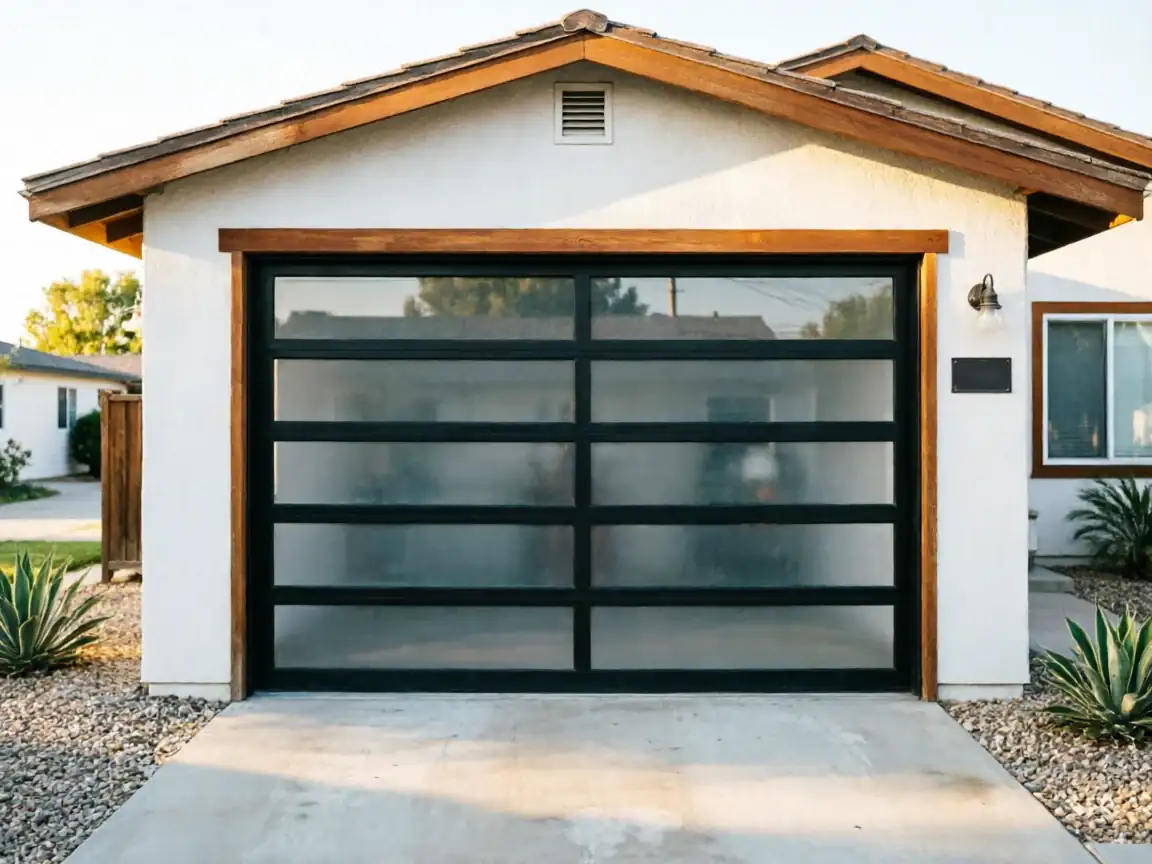
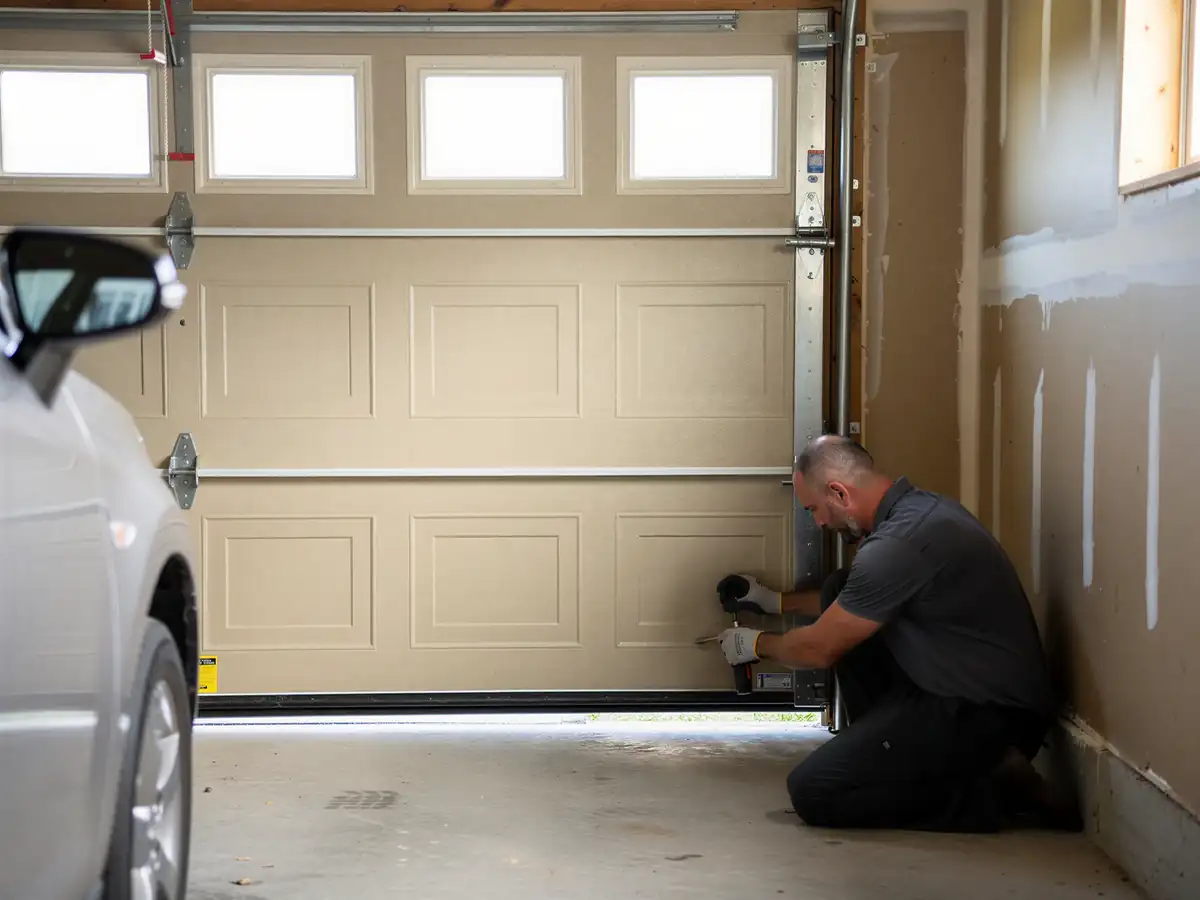
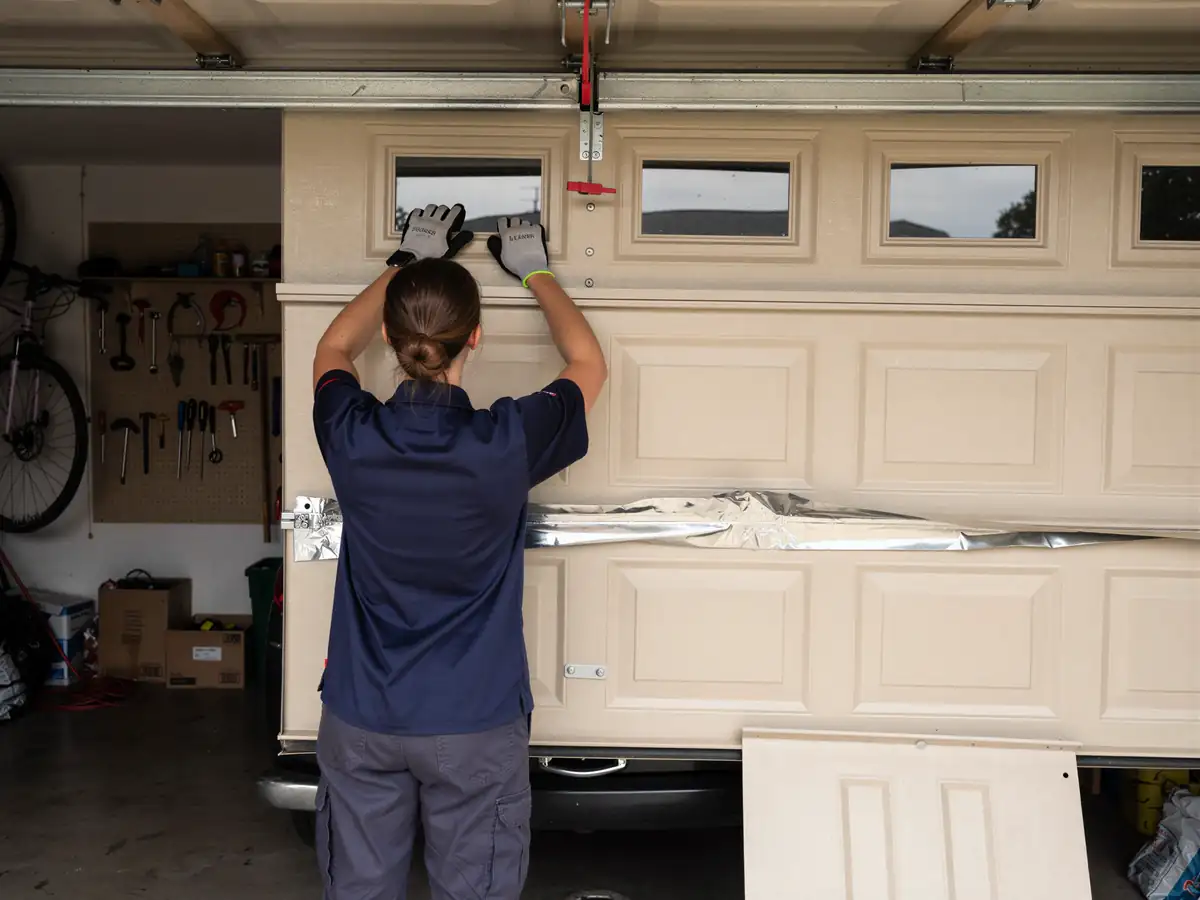
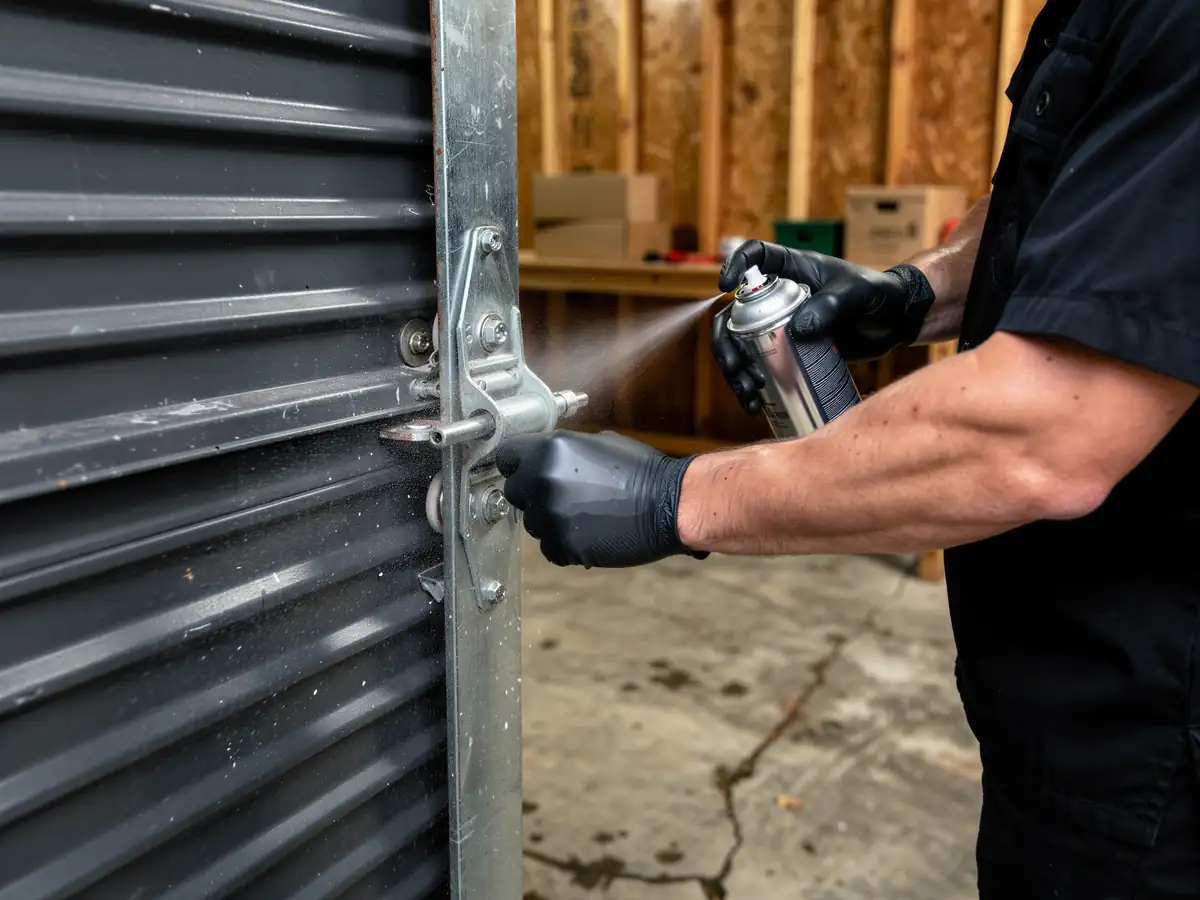
Given the age of the housing stock, a good share of the calls we get from Lakewood are springs - either a torsion spring that's finally fatigued on a door that got upgraded at some point, or the older extension-spring setups failing on doors that haven't been touched since they were installed. Rollers are another common one; steel rollers on a 1957-era track tend to be loud and sticky long before they fail outright, and a lot of owners call us thinking the opener's dying when it's really the rollers dragging. Openers themselves come up too, especially on homes where a newer unit was bolted onto original hardware that was never built to interface with it cleanly. With a median household income of $116,794 in the area, we also see more owners opting to replace an aging door outright rather than keep patching it - insulated steel over the old flat panel is a common upgrade request once a spring or panel repair starts looking like it'll just be the first of several.
The Houses Here
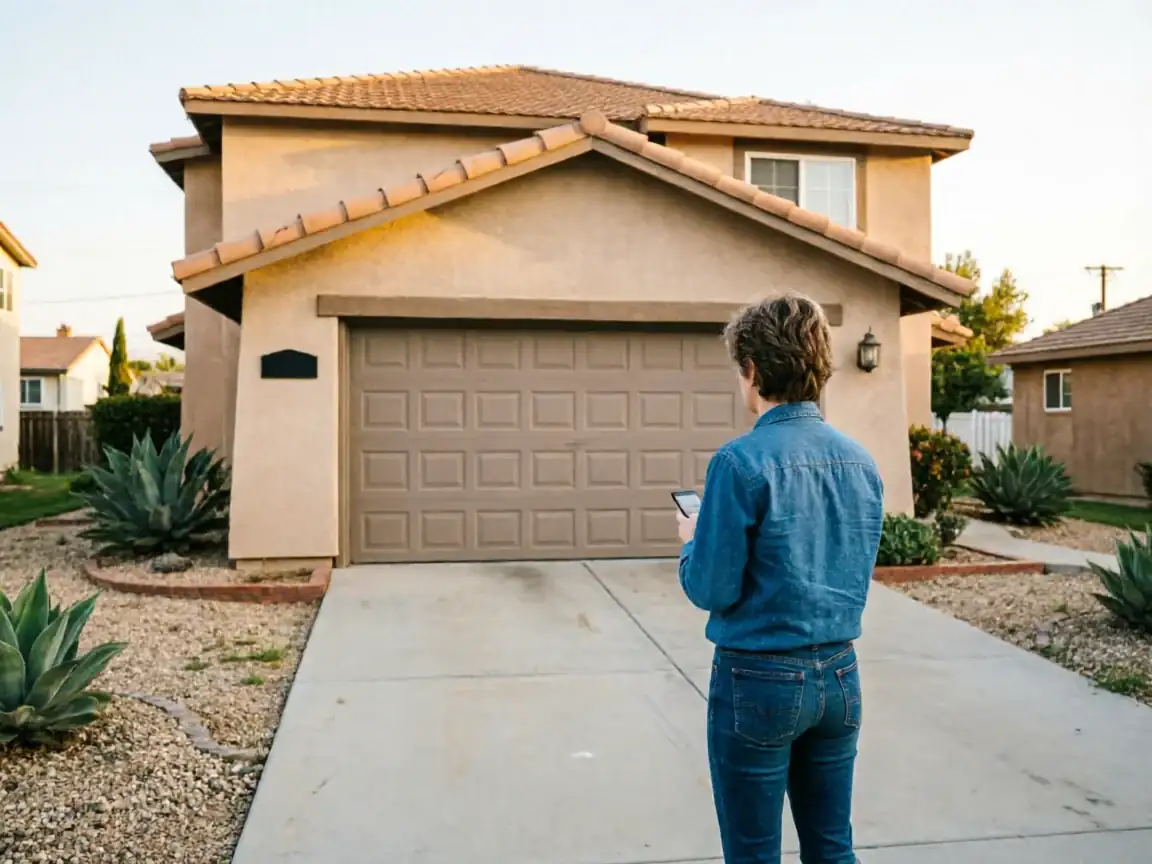
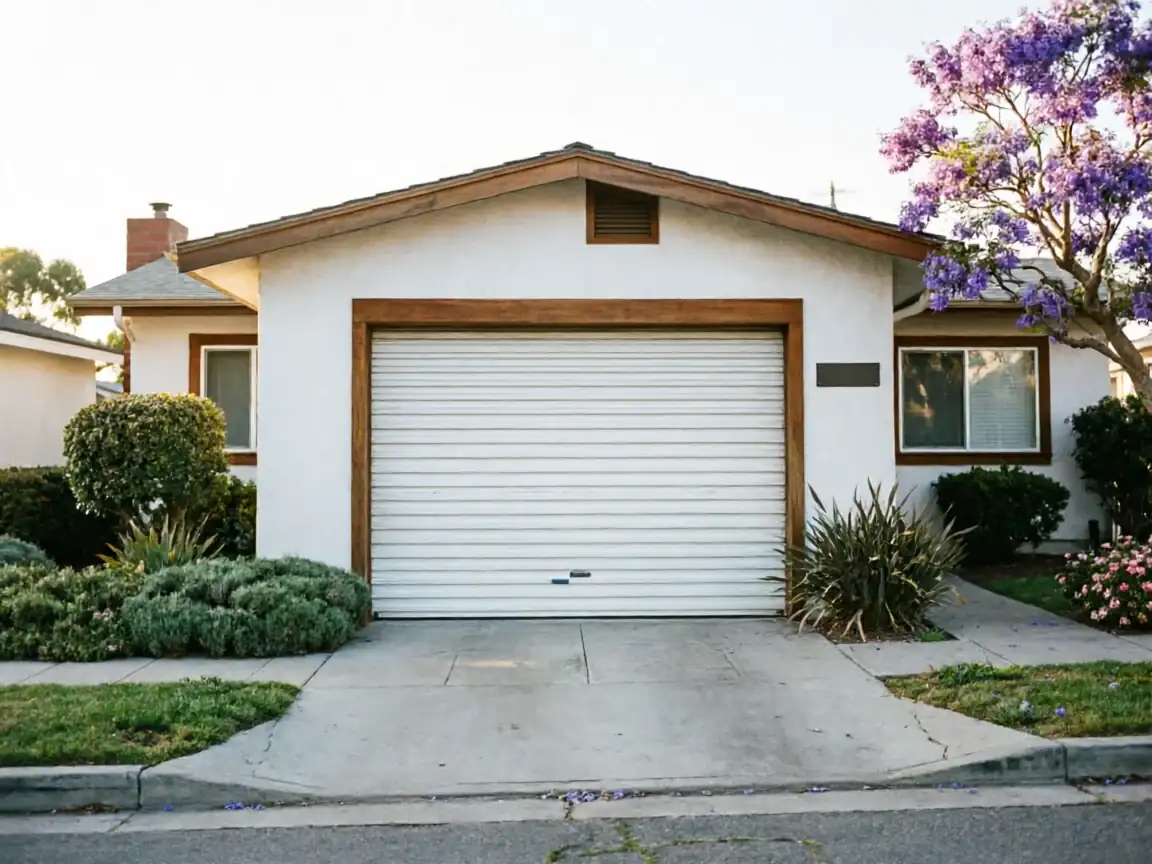
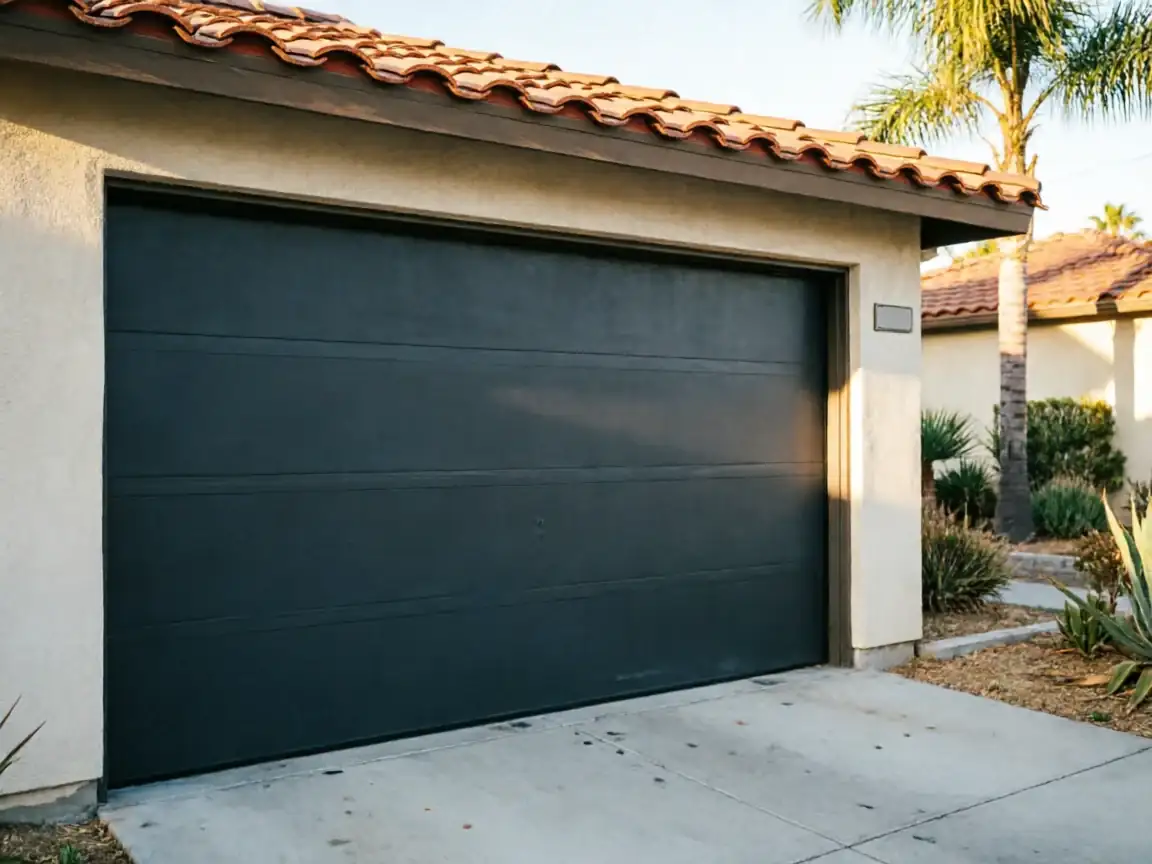
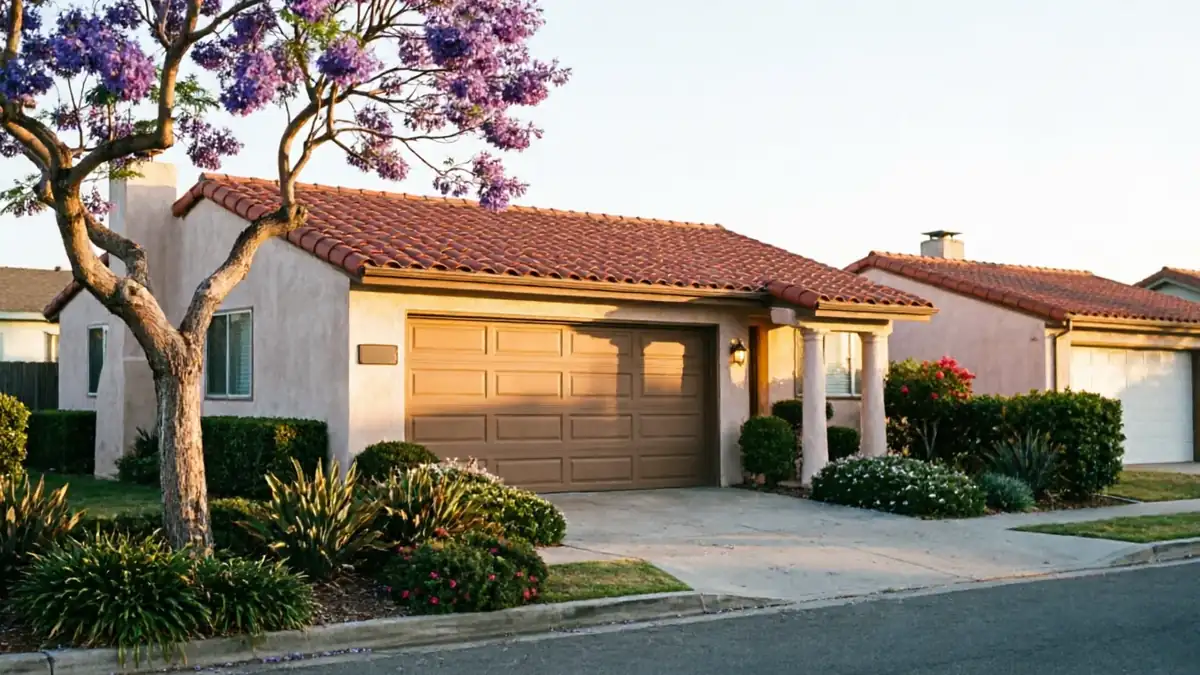
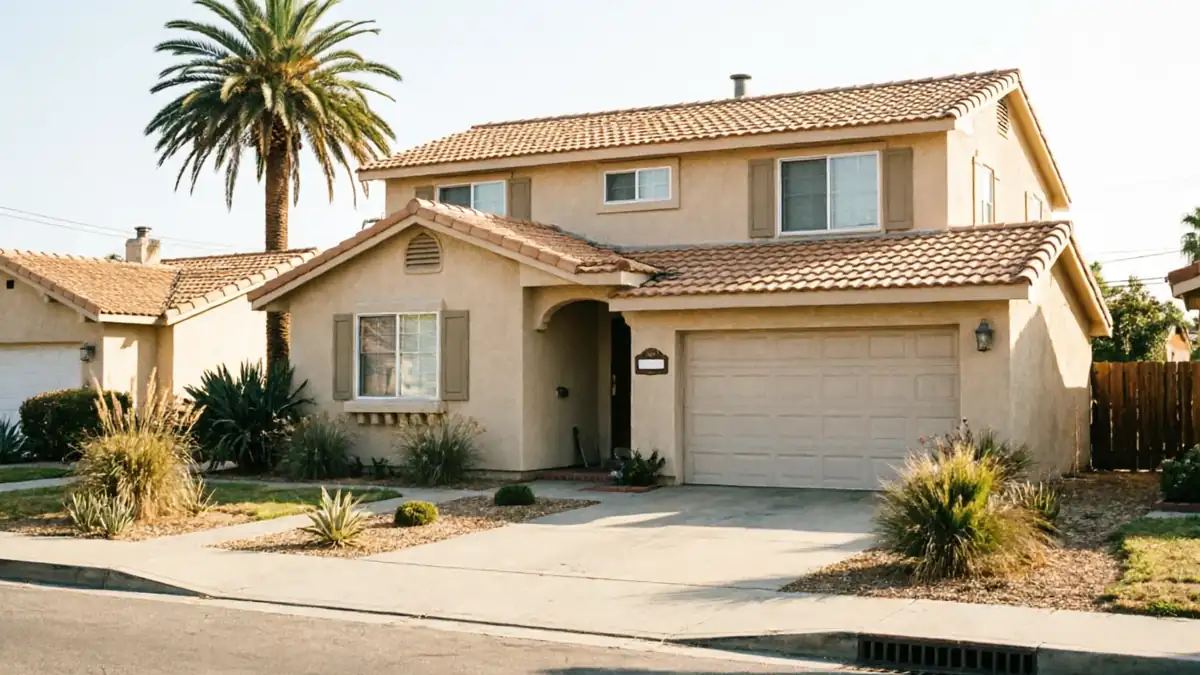
Lakewood's roughly 26,118 households sit mostly in houses built around 1957, which lines up with the postwar tract construction common across a lot of this part of the service area, though it runs a touch earlier than the 1961 median for the region as a whole. The climate here falls in the mild temperate band that covers the whole service area - no hard freezes, no extreme heat swings - which is honestly kind to garage door hardware compared to places with harsher winters or desert summers. Springs and rollers here fail from age and cycle count more than from weather damage, which is a different conversation than we'd have in a harsher climate. One limitation worth naming: we don't stock every obsolete panel style for these original mid-century doors, so if a specific original panel needs replacing rather than the whole door, that can mean a special order and a longer wait than a standard repair. For a lot of these older doors, once you're past patching the second or third thing, replacement ends up being the more honest answer than another repair.