The Problem
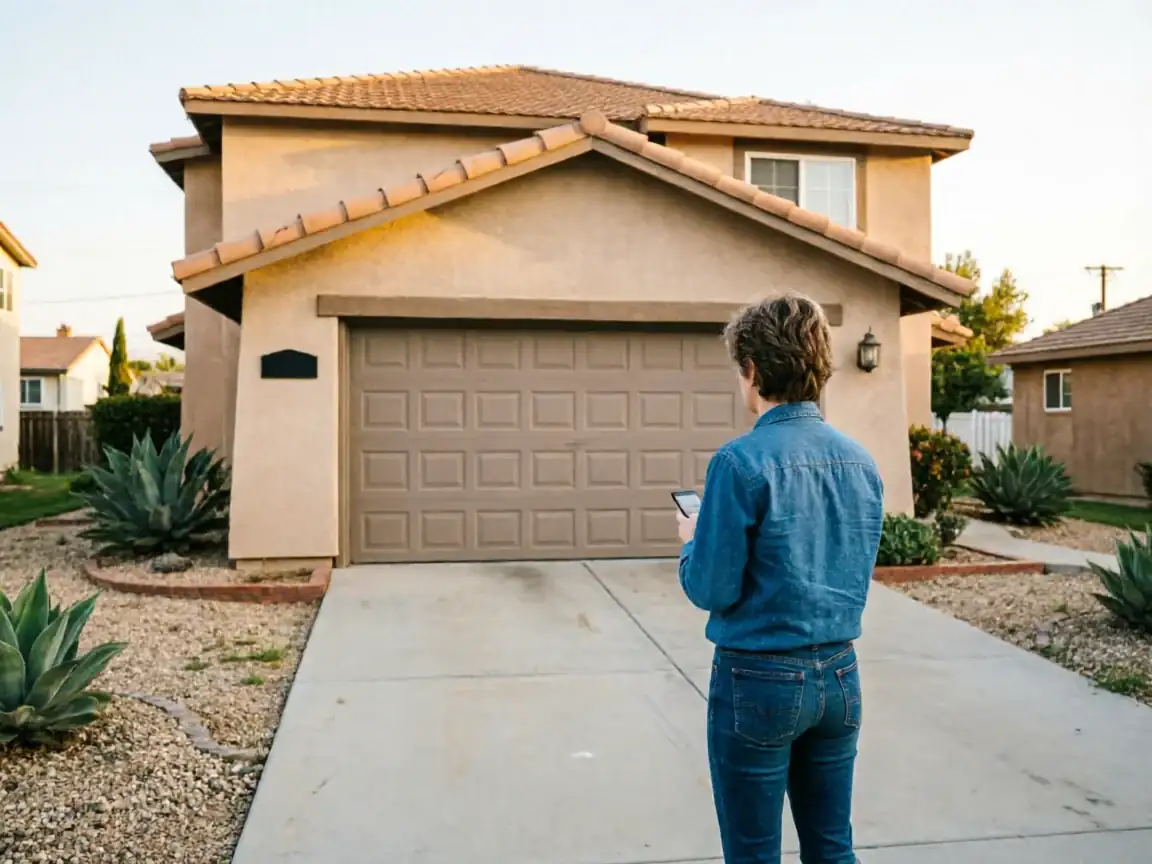
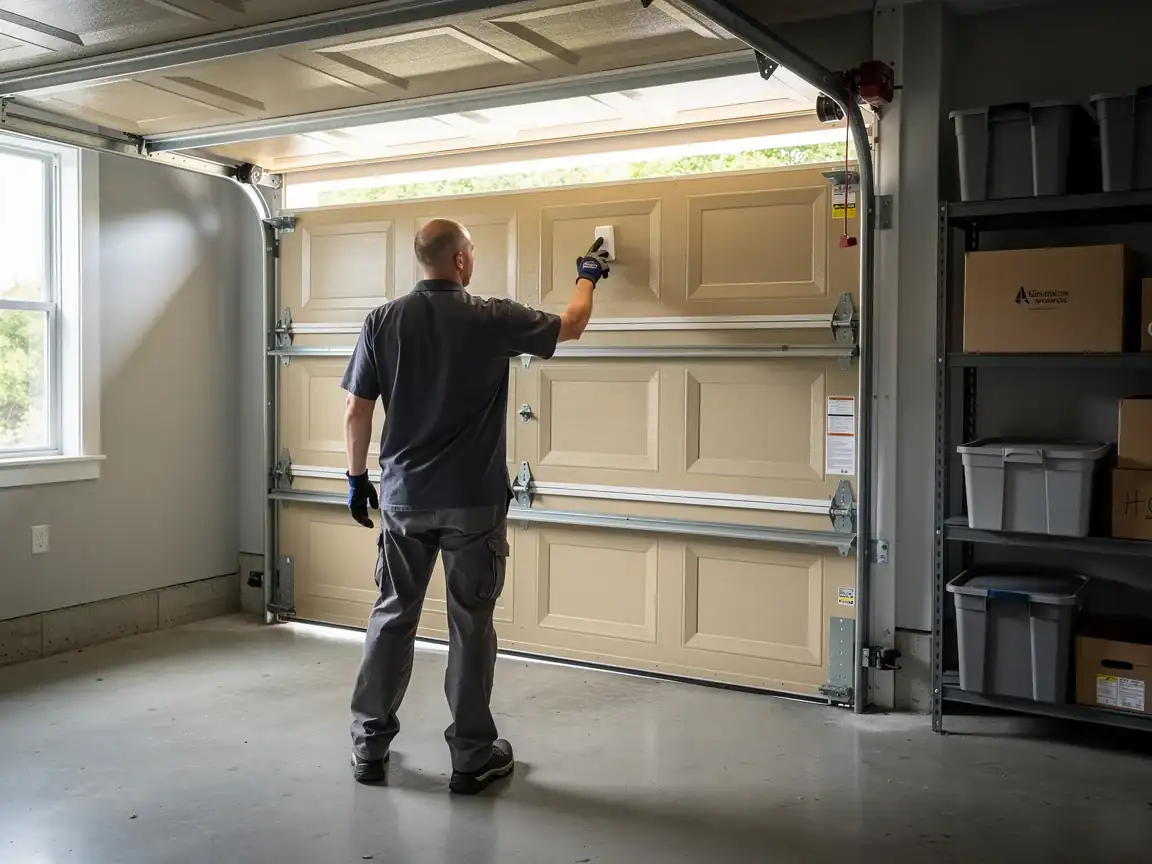
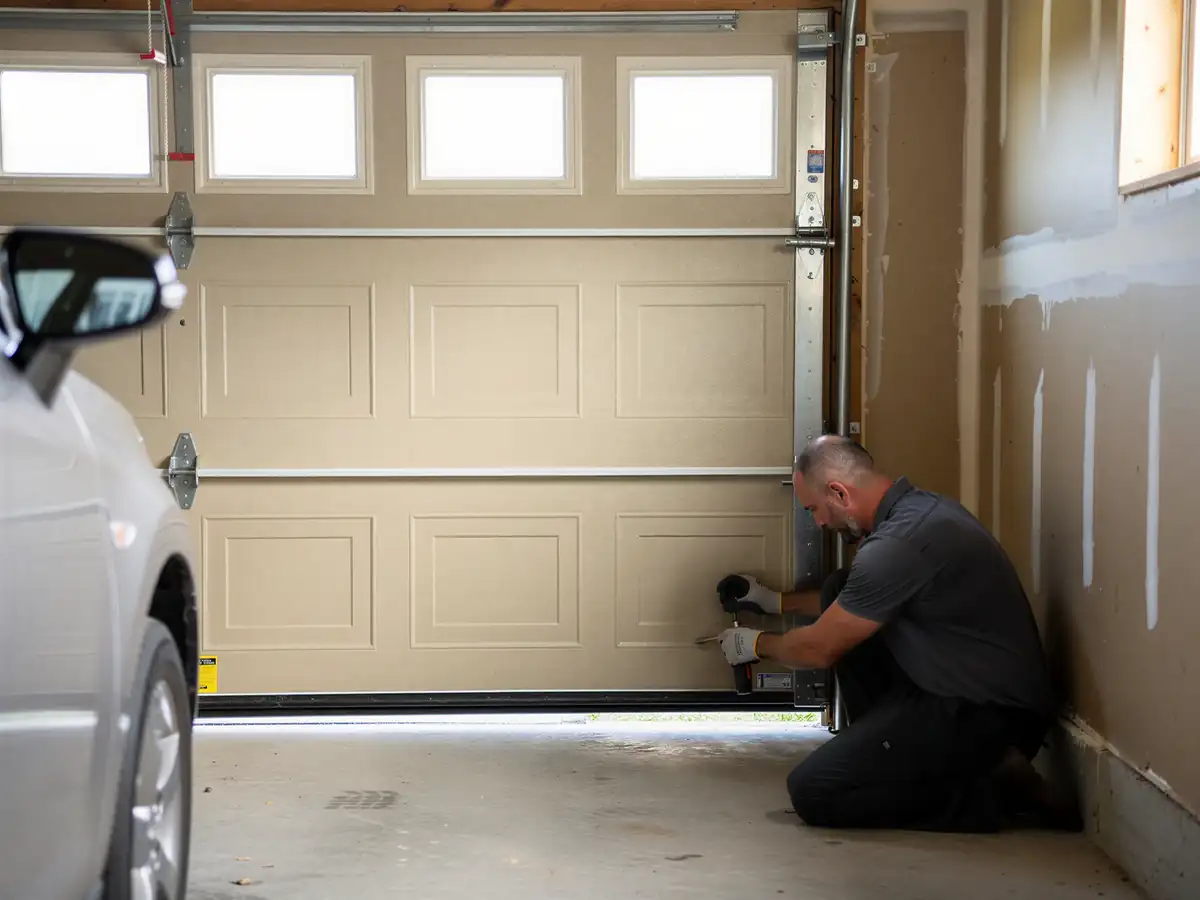
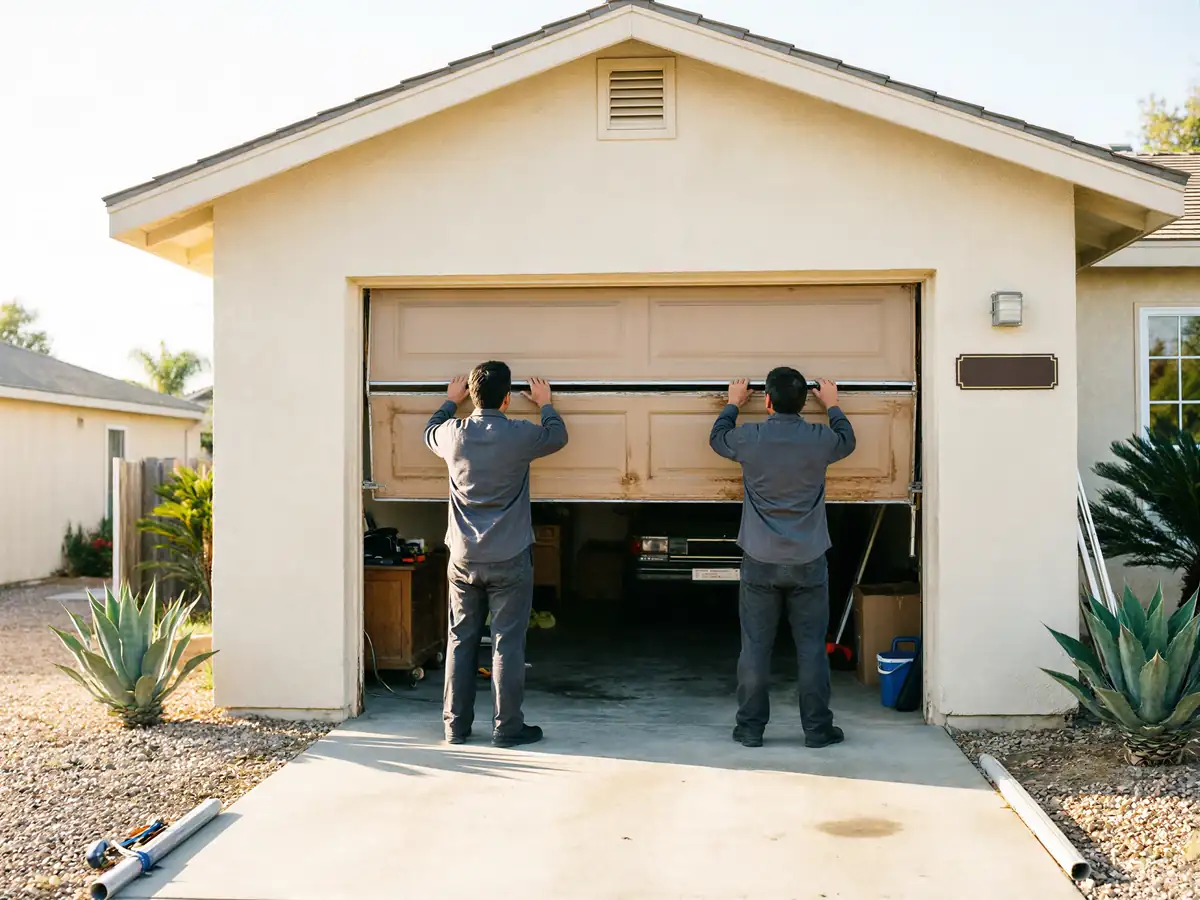
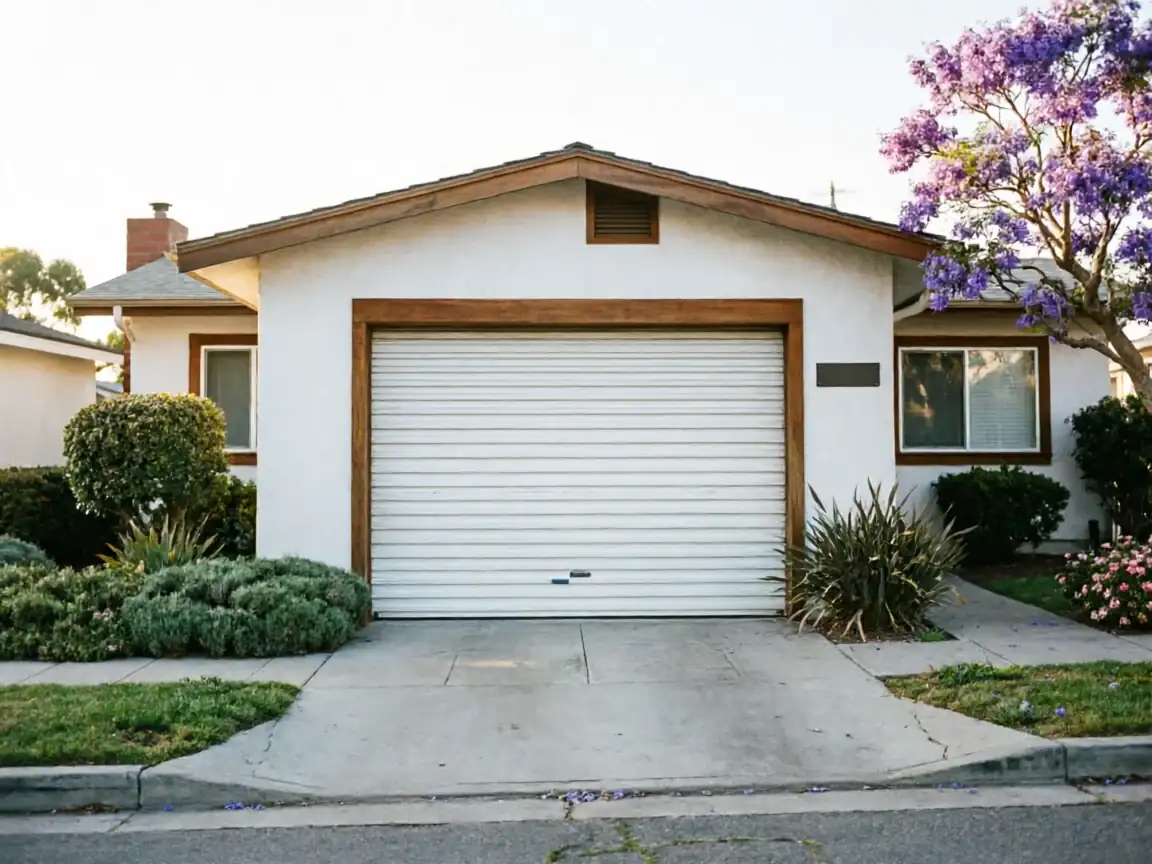
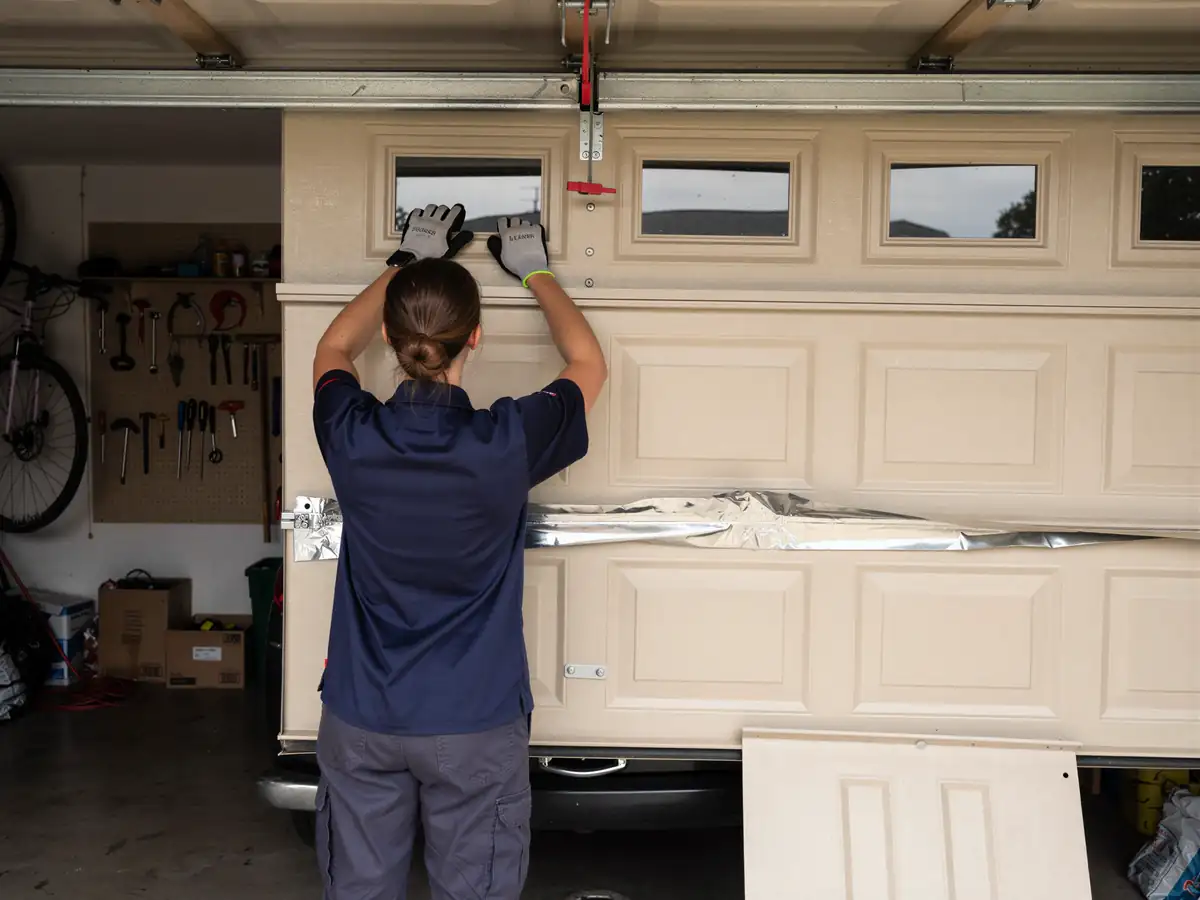
Most houses in this service area went up between 1943 and 2012, with the bulk of the stock dating to the 1960s and 70s. That matters because a garage door system installed when a house was built in 1961 is not the same system you'd find in new construction. The track spacing, the spring size, the way the opener was bolted on years after the house went up - all of it reflects what was standard decades ago, not now. A service call on a house like this starts by figuring out what's actually original and what's been patched over the years, sometimes by more than one previous owner. We've seen openers mounted to brackets that were never meant to hold that much weight, because they were added to a door built for manual lift. Before anything gets adjusted or replaced, we're looking at the whole system - spring, cable, track, rollers, opener - not just the part that's making noise today. On a house this age, the part that's quiet is often the one about to fail next.
Where People Go Wrong
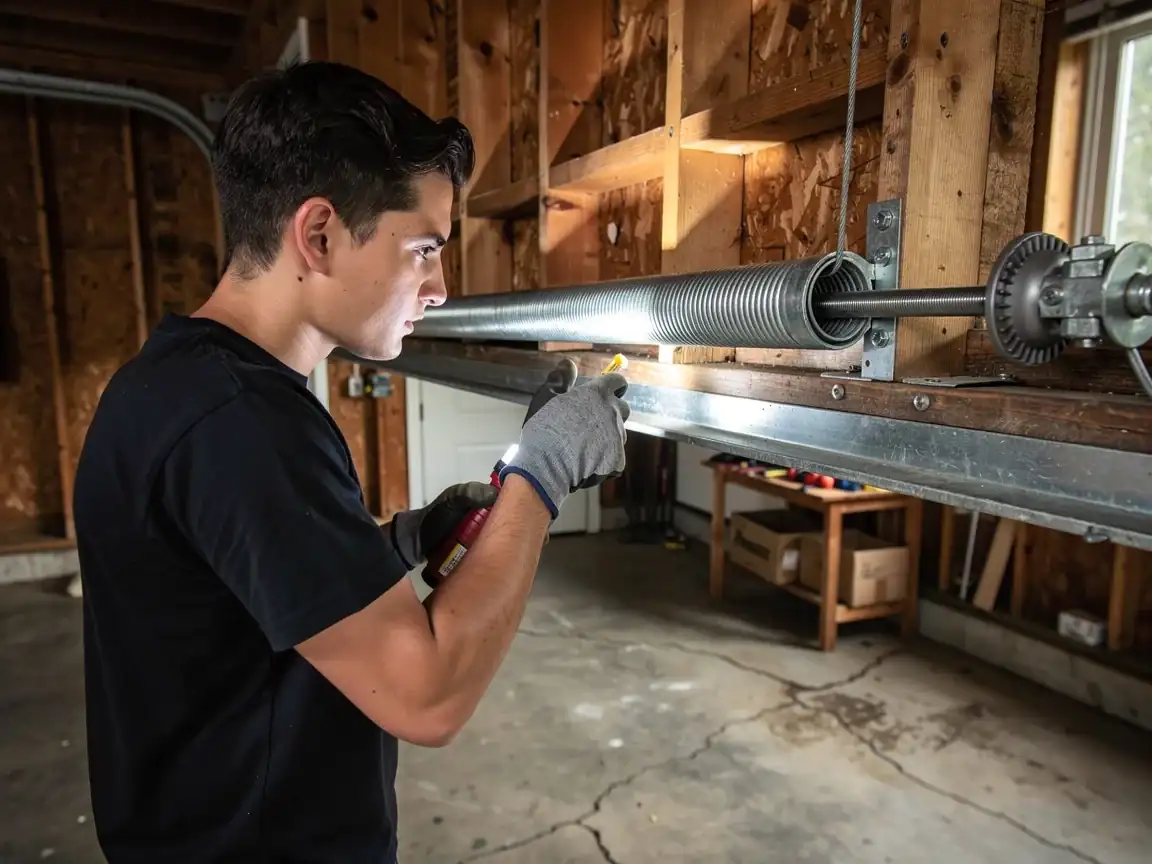
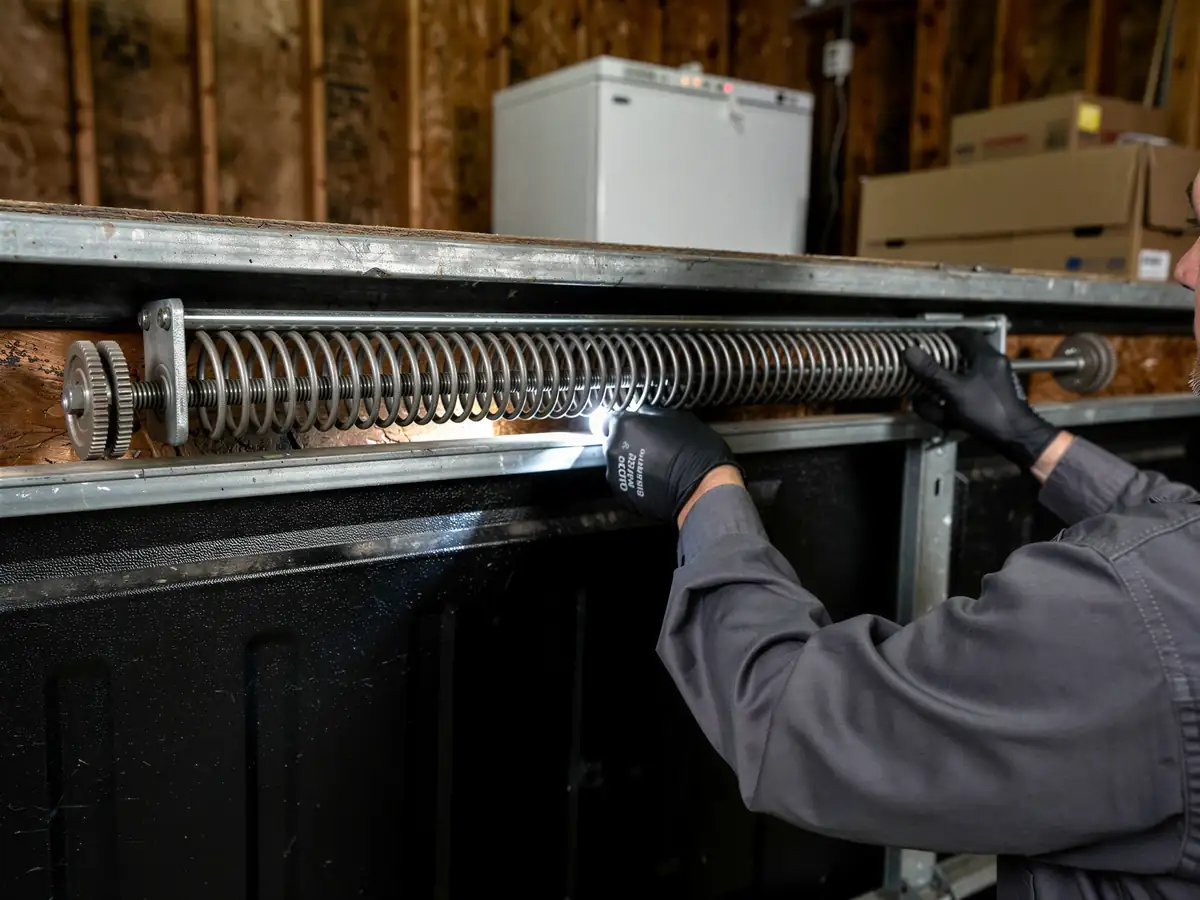
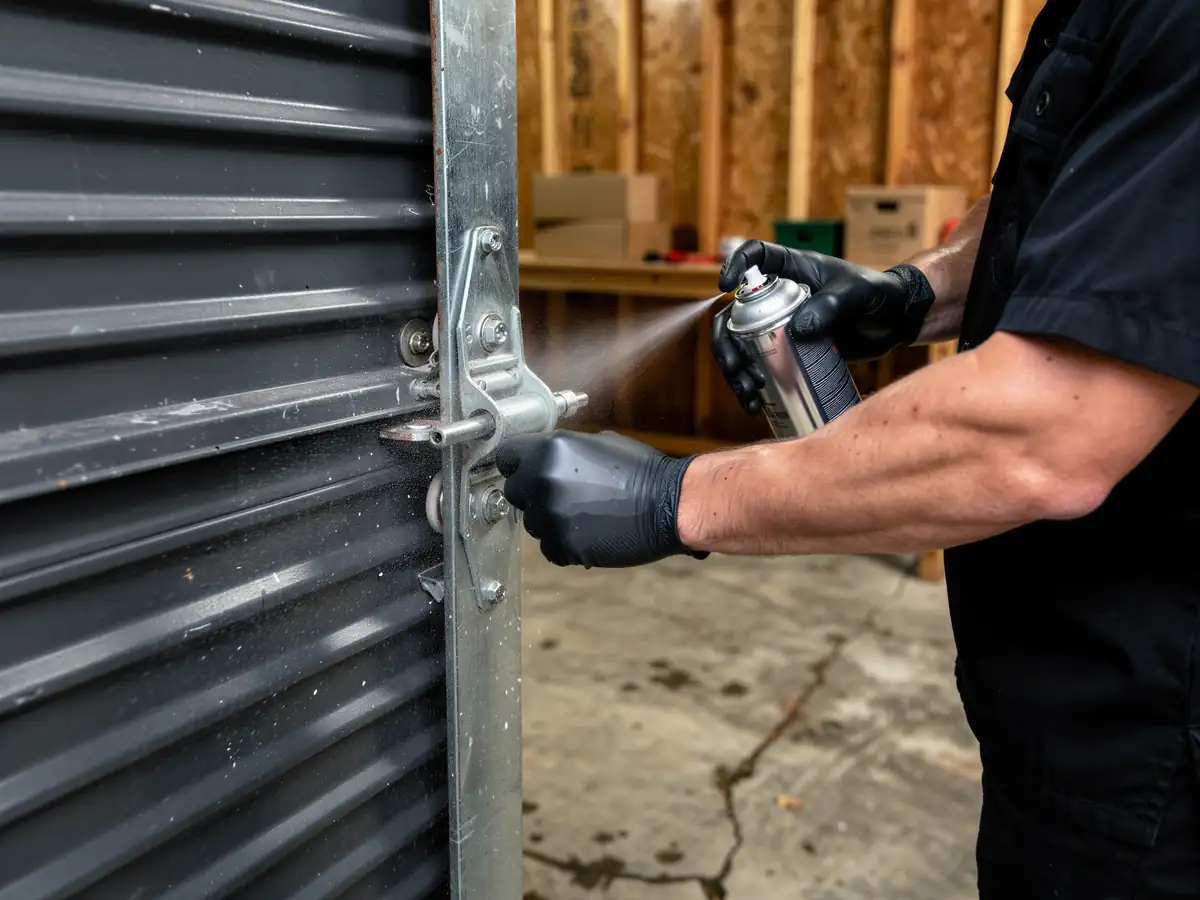
The original torsion hardware on these 1960s-era garage doors wasn't designed for the openers that got added to them later, and that mismatch is where a lot of DIY trouble starts. A universal replacement spring bought off a shelf doesn't account for the specific wind and drum size this era of door used, so it gets over-torqued or under-torqued trying to make it fit. Homeowners also tend to oil the wrong parts - spraying the opener chain and skipping the hinges and rollers that actually need it, or using the wrong lubricant on a track that then collects dust and binds. Adjusting spring tension yourself is also genuinely dangerous; a torsion spring under load can cause serious injury if the winding bars slip. We don't do remote spring adjustments as a quick fix on a service call if the hardware underneath is original and worn past the point of safe adjustment - at that point the spring and sometimes the shaft need replacing, not tweaking.
What Local Conditions Do
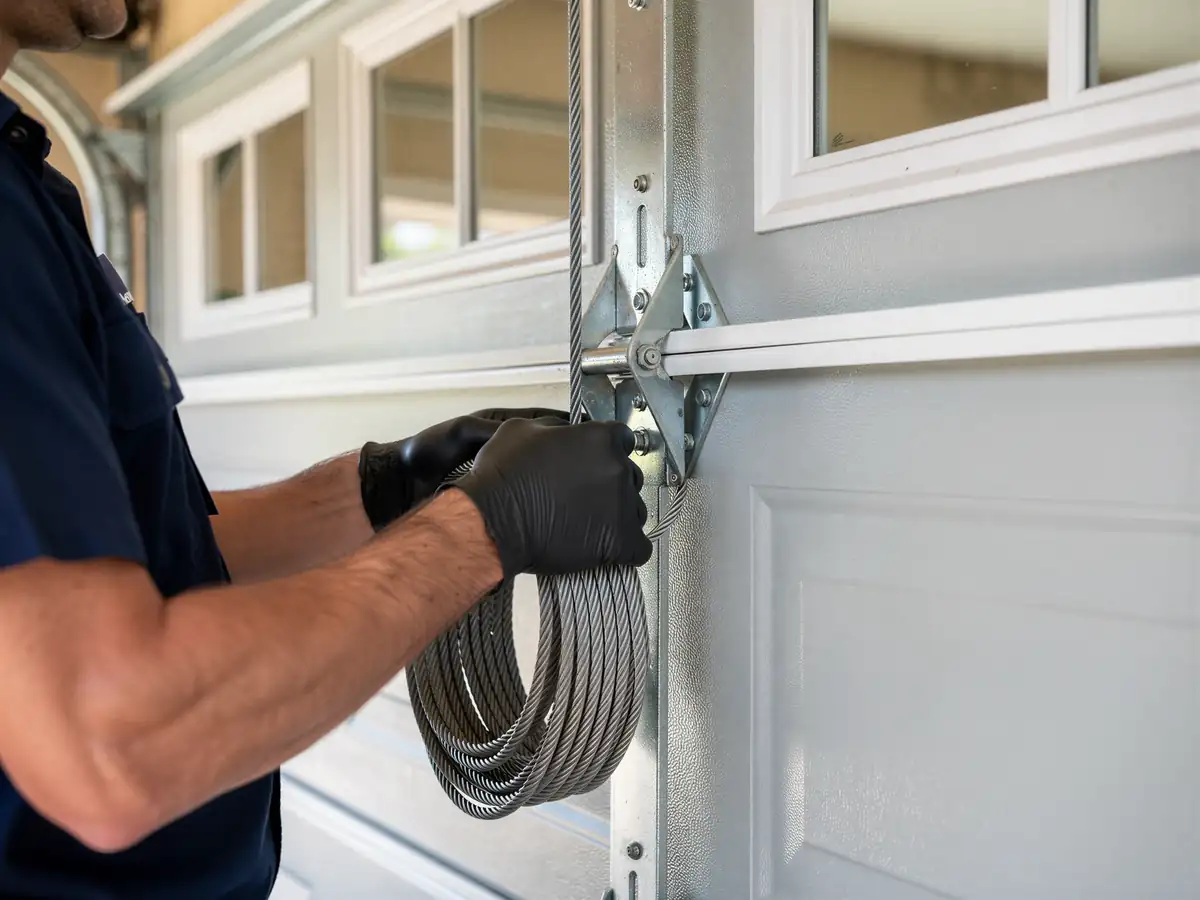
Inglewood sits in a mild temperate band, without the freeze-thaw cycles that crack concrete slabs or shrink wood panels the way harsher climates do elsewhere. That's good news for the door itself - you're not dealing with ice jamming a track or a slab heaving under a threshold. But mild and steady doesn't mean no wear. On houses built decades ago, galvanized hardware exposed to coastal air for 50-plus years still corrodes slowly at the cable ends and spring coils, even without dramatic weather swinging through. Combined with original housing stock from the 1960s and 70s, what we see most is fatigue and corrosion working together quietly, rather than one big weather event causing sudden failure. Within three miles you've got Westmont, Hawthorne, and View Park-Windsor Hills, all built in roughly the same era, and we see the same wear patterns there. It's steady, gradual decline - which is actually easier to catch early, if someone's looking for it, than the sudden damage climates with harder seasons tend to produce.