The Problem
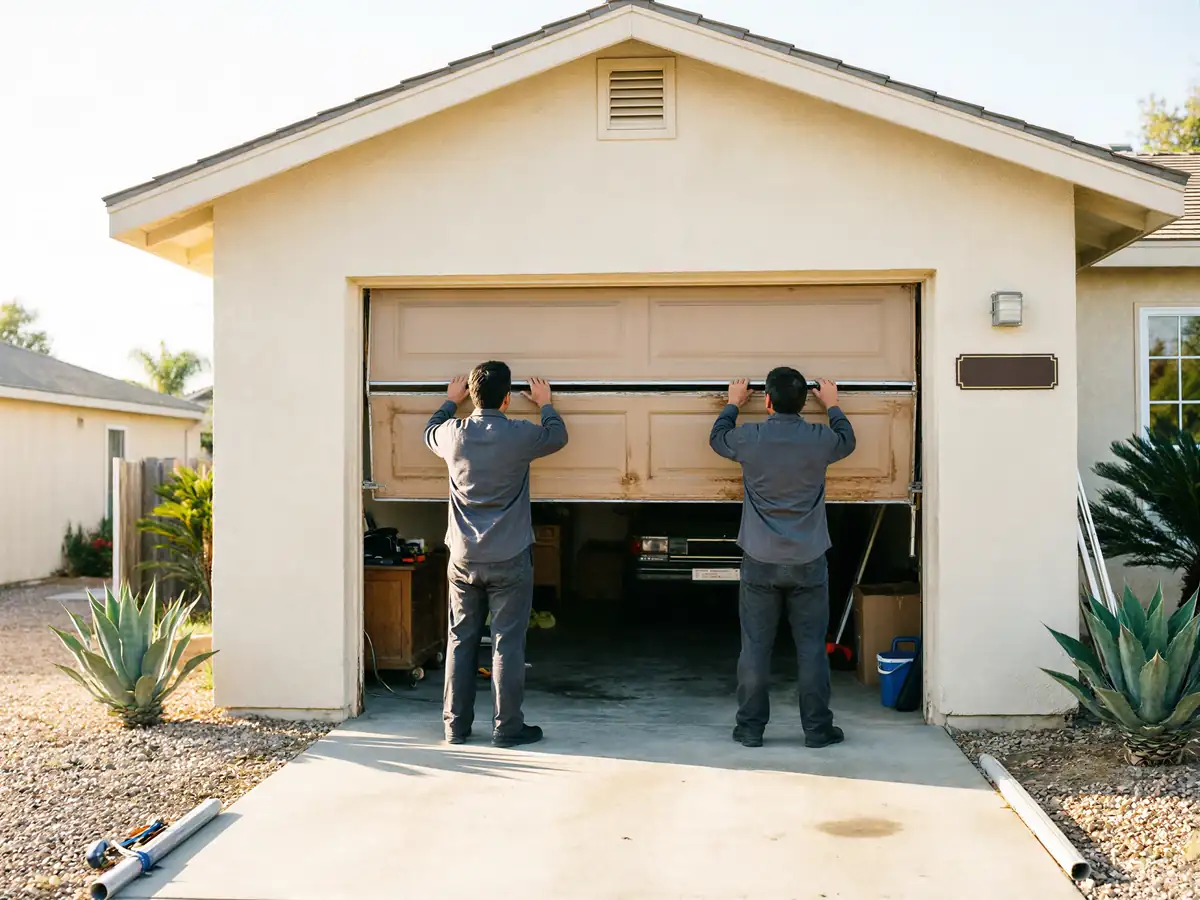
Most houses in this part of Inglewood went up between 1943 and 2012, with the typical build landing around 1961, and that matters more than people think when an opener quits during a power cut. A lot of these houses were wired before dedicated garage circuits were standard, which means the opener often shares a line with a freezer, a light string, or a bench outlet in the garage. When the power drops or a breaker trips, the opener doesn't just lose juice cleanly - it can leave the trolley mid-travel, the door half up, or the logic board in a state it doesn't reset from on its own. We see this across the older pockets near just as much as anywhere else in the service area, because the wiring era is the same. It's not a defect in the opener. It's a mismatch between a appliance built for steady, isolated power and a circuit that was never meant to carry one.
Where People Go Wrong
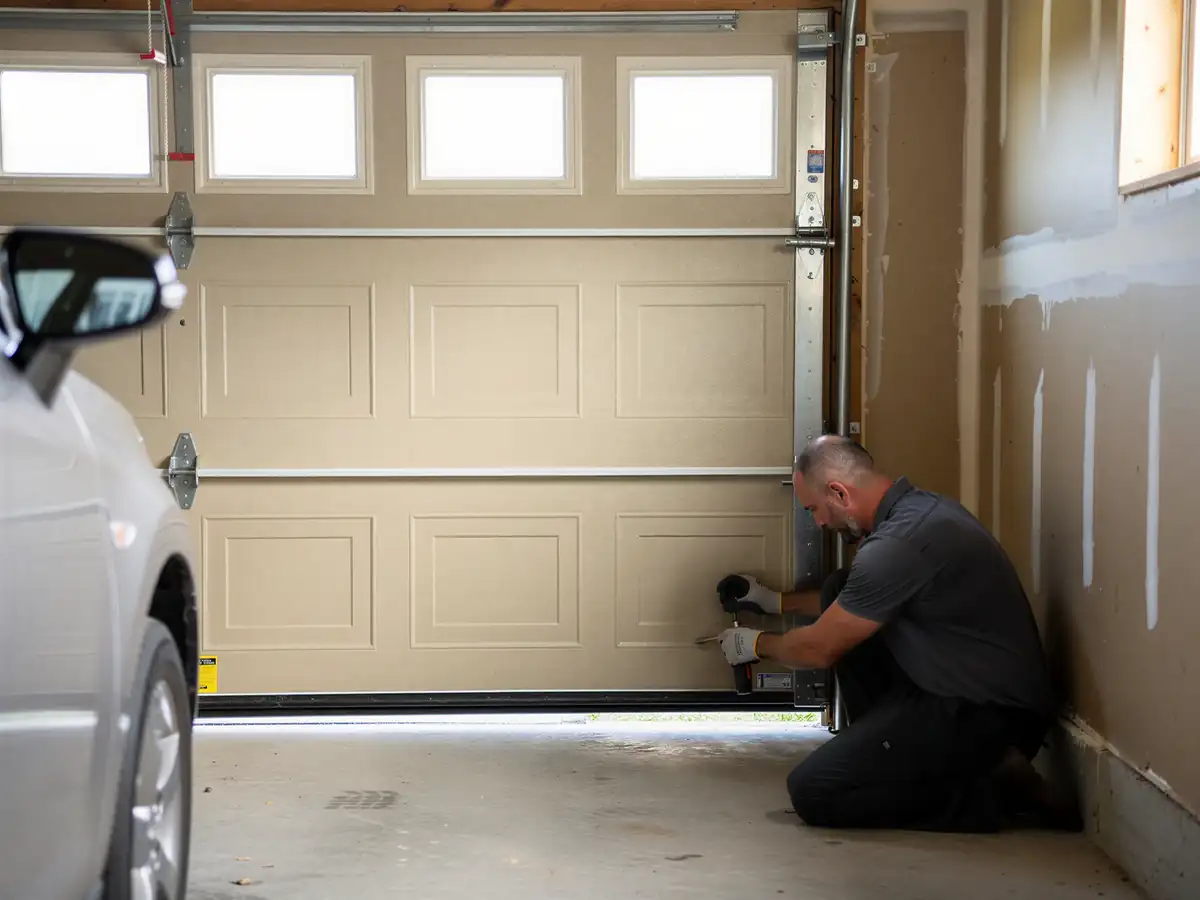
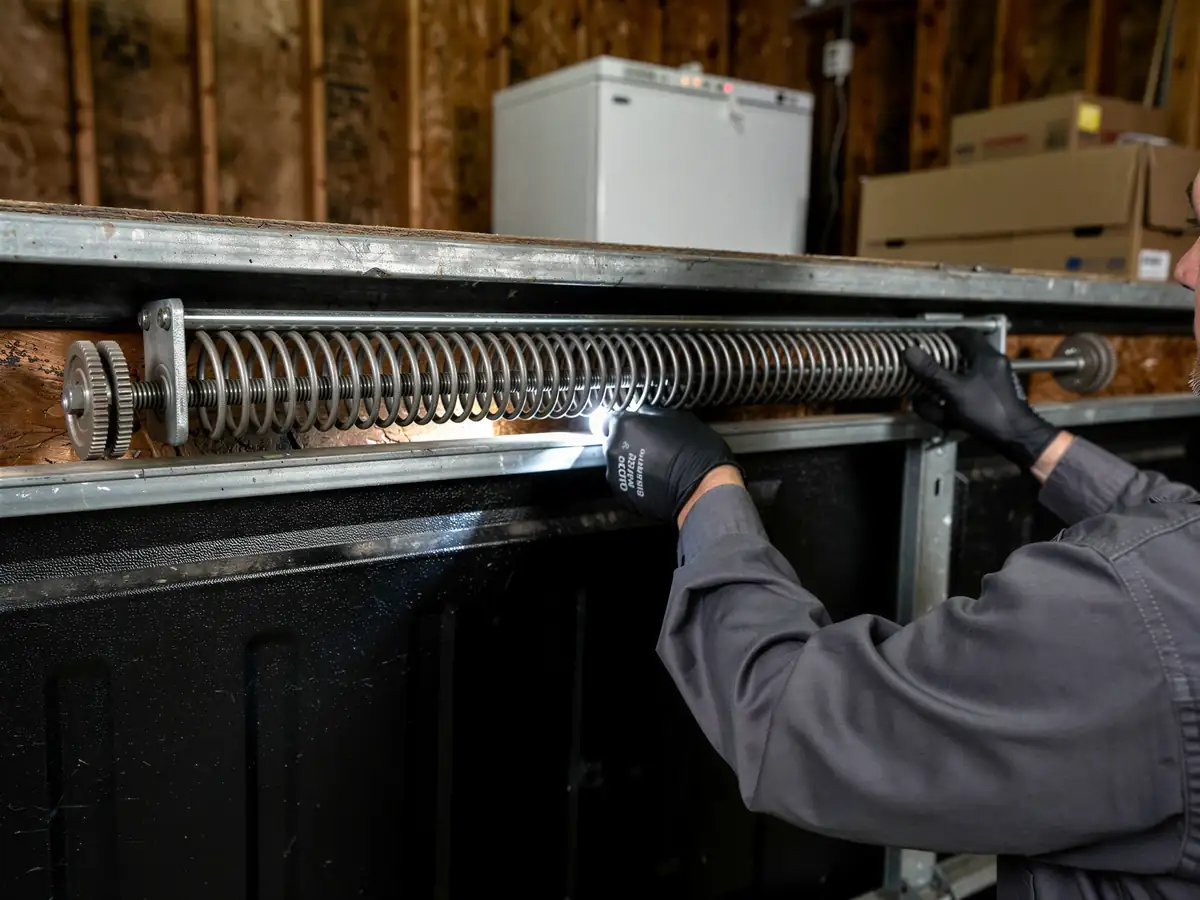
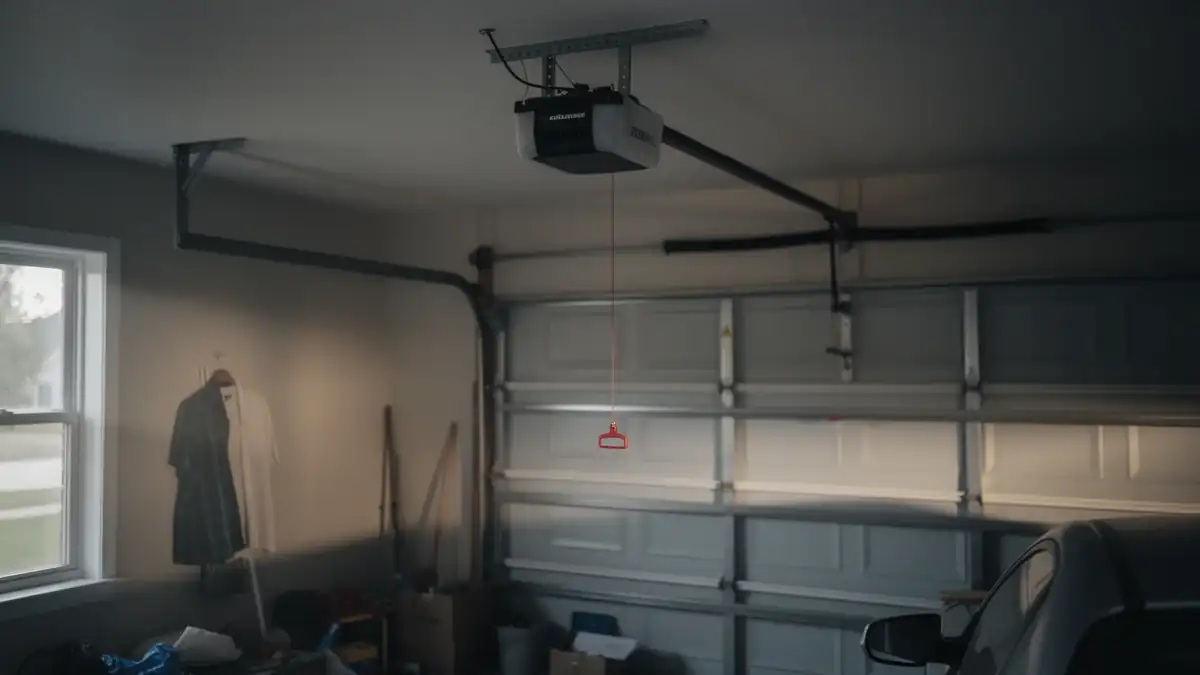
The most common mistake we see is assuming every opener has battery backup. Plenty of the openers installed in houses built through the 1960s and 70s don't, and some replacement units installed later still skip it unless someone specifically asked for it. Owners find this out for the first time during a power cut, which is the worst moment to learn it. The second mistake is not knowing where the manual release cord actually is - on older torsion setups tucked into a mid-century garage, it's sometimes been painted over or hidden behind storage that's accumulated for years. Third, people try to diagnose the opener itself when the real issue is upstream at the breaker or outlet, which isn't something we touch - that's electrical work, and if your panel or garage circuit needs attention, that's a call to a licensed electrician before we reconnect anything.
What Local Conditions Do
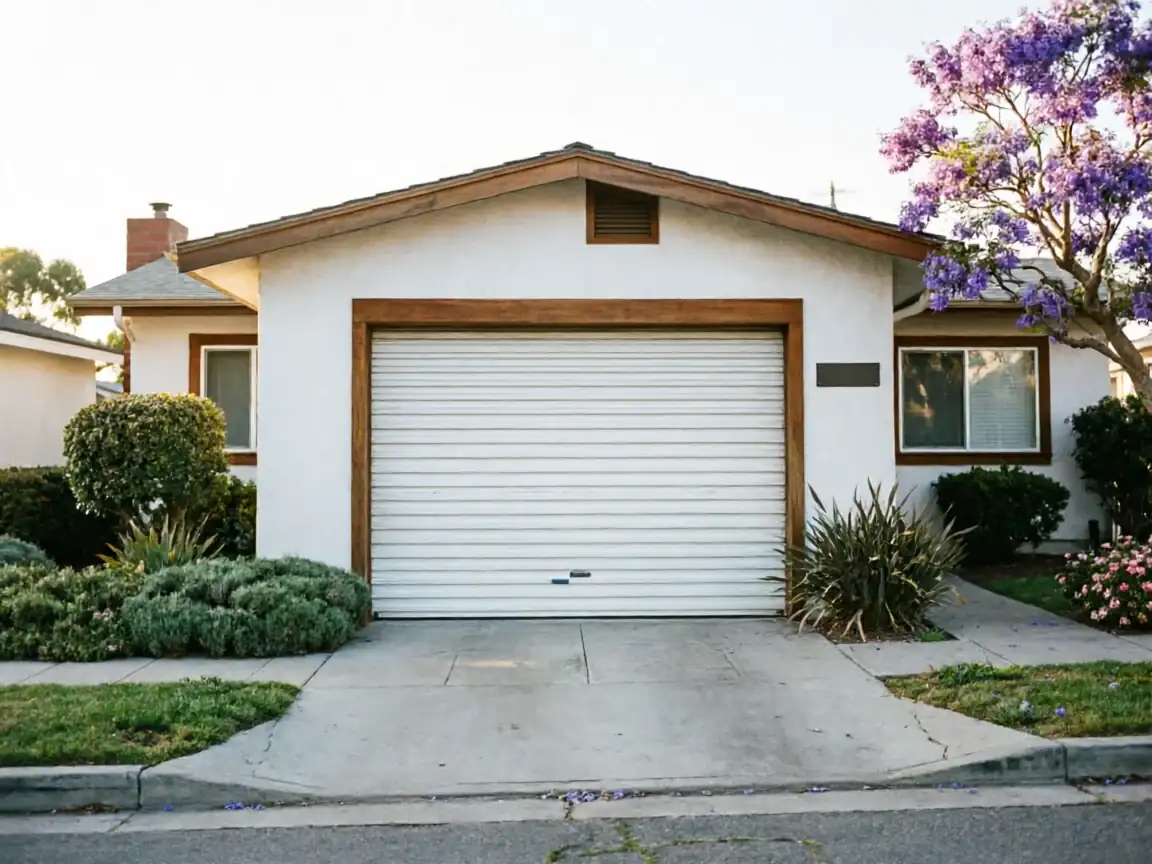
Inglewood sits in a mild temperate band, so the openers here aren't fighting the heat-expansion or hard-freeze problems that cause failures in harsher climates. That's actually part of why the age of the wiring stands out as the bigger factor - there's no extreme weather masking it or sharing the blame. In a lot of towns with newer housing stock, a shared circuit wouldn't be as common a culprit because the code at time of build already required a dedicated line. Here, with median construction around 1961 and most of the stock from that same 1960s-70s window, the opener circuit is frequently original or close to it. That's the local condition that actually drives power-cut problems on garage doors in this service area - not storms, not heat, just older houses carrying newer appliances on old lines.