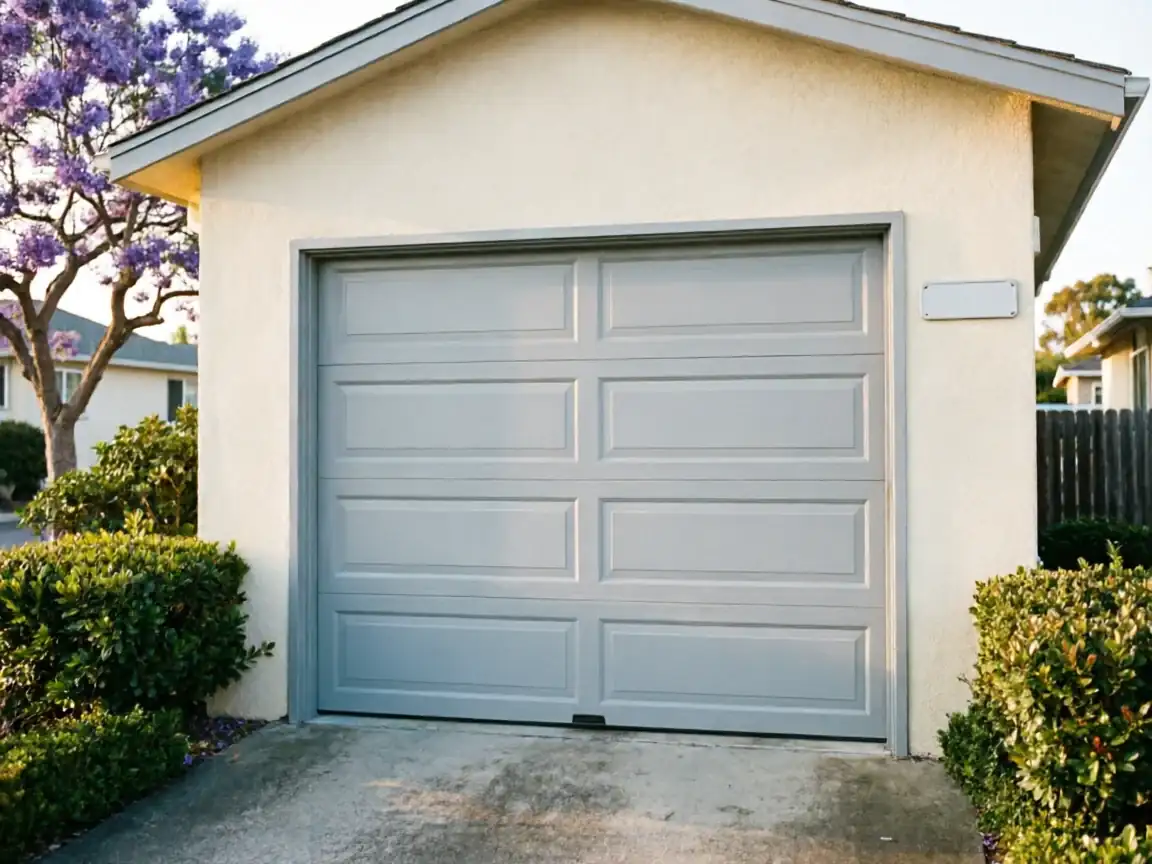
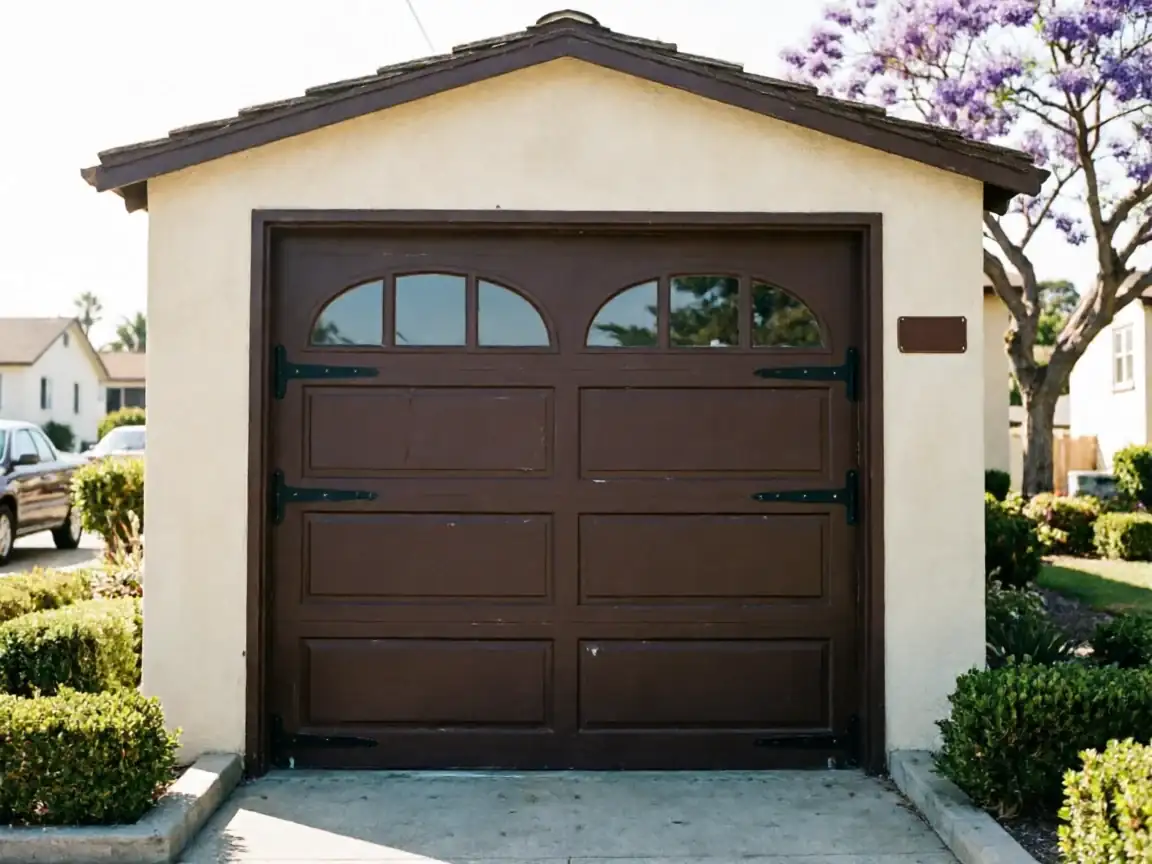
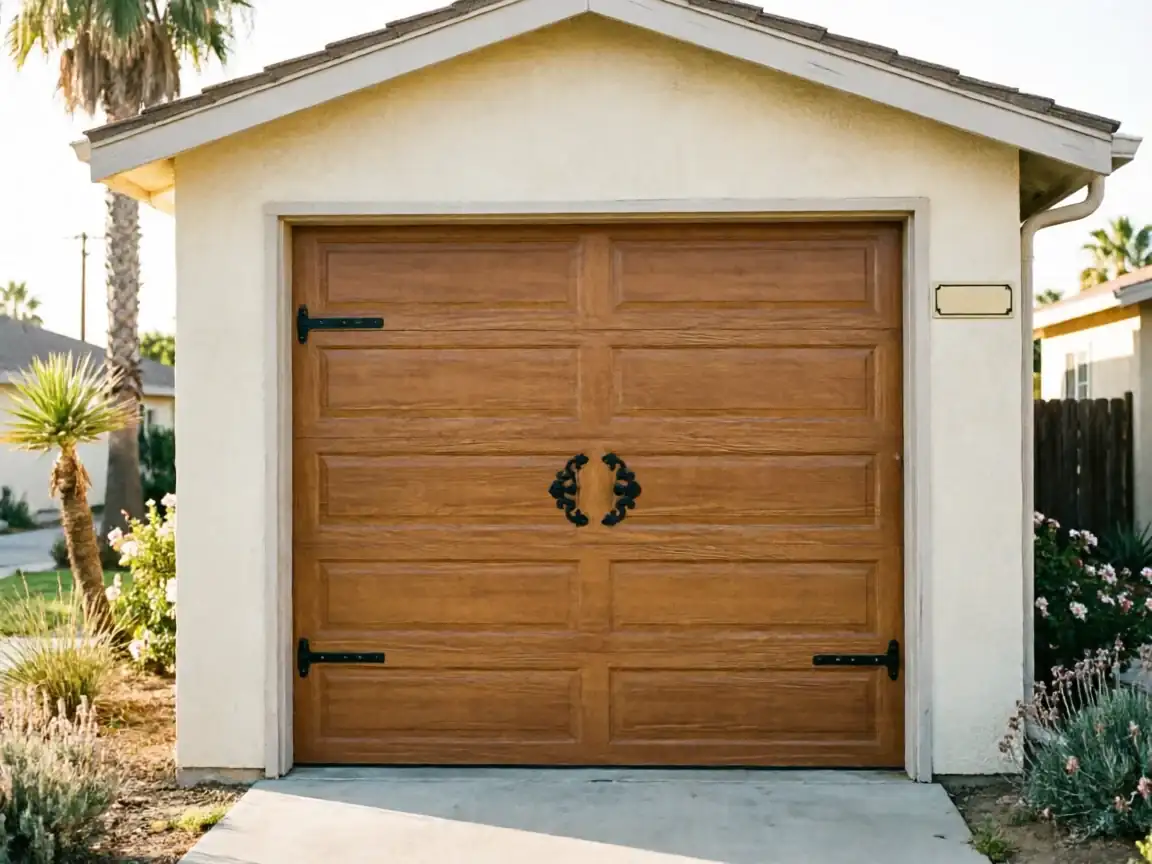
How That Shows Up in the Door
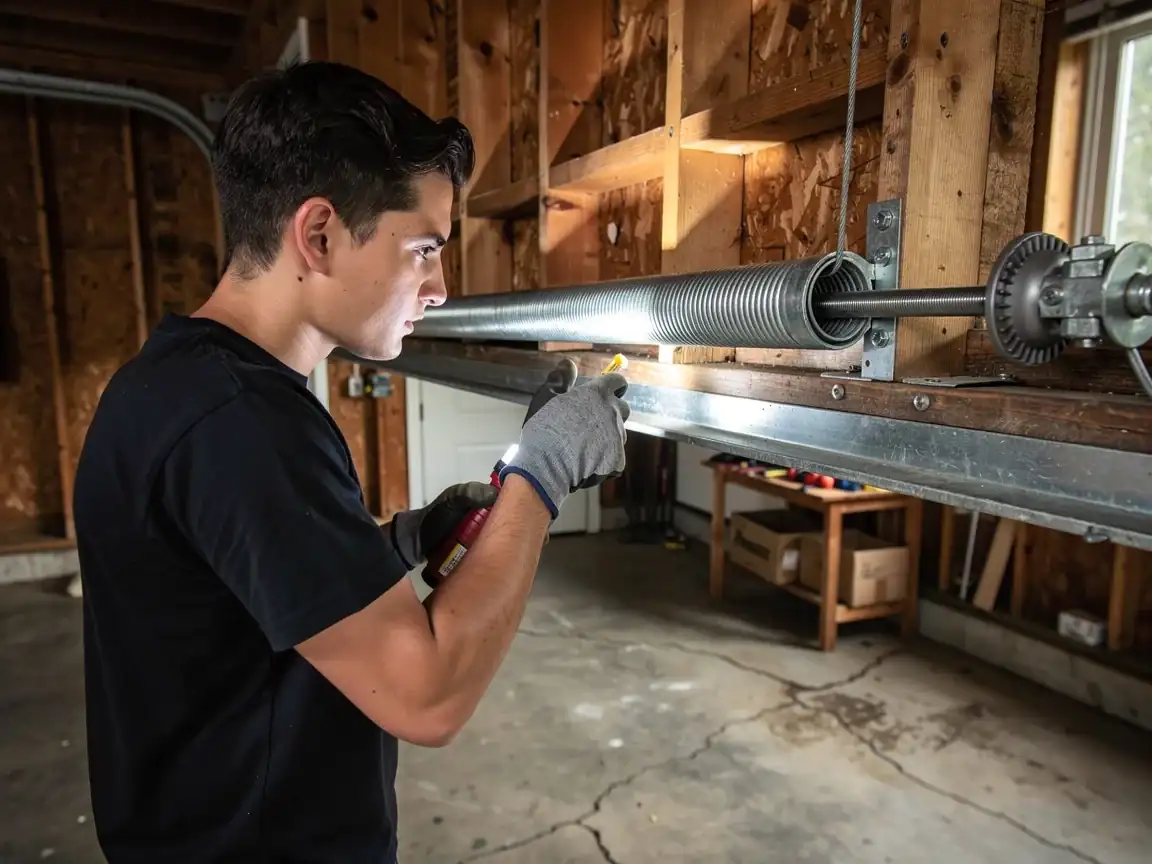
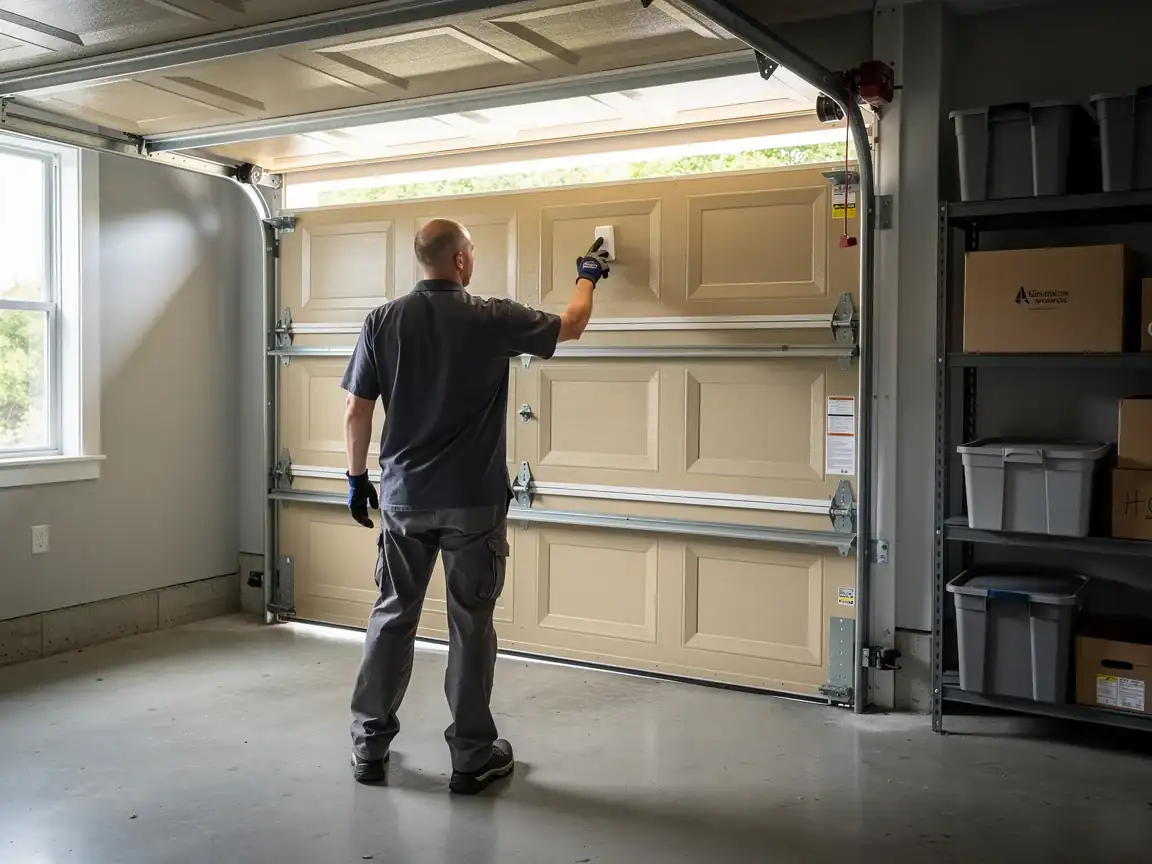
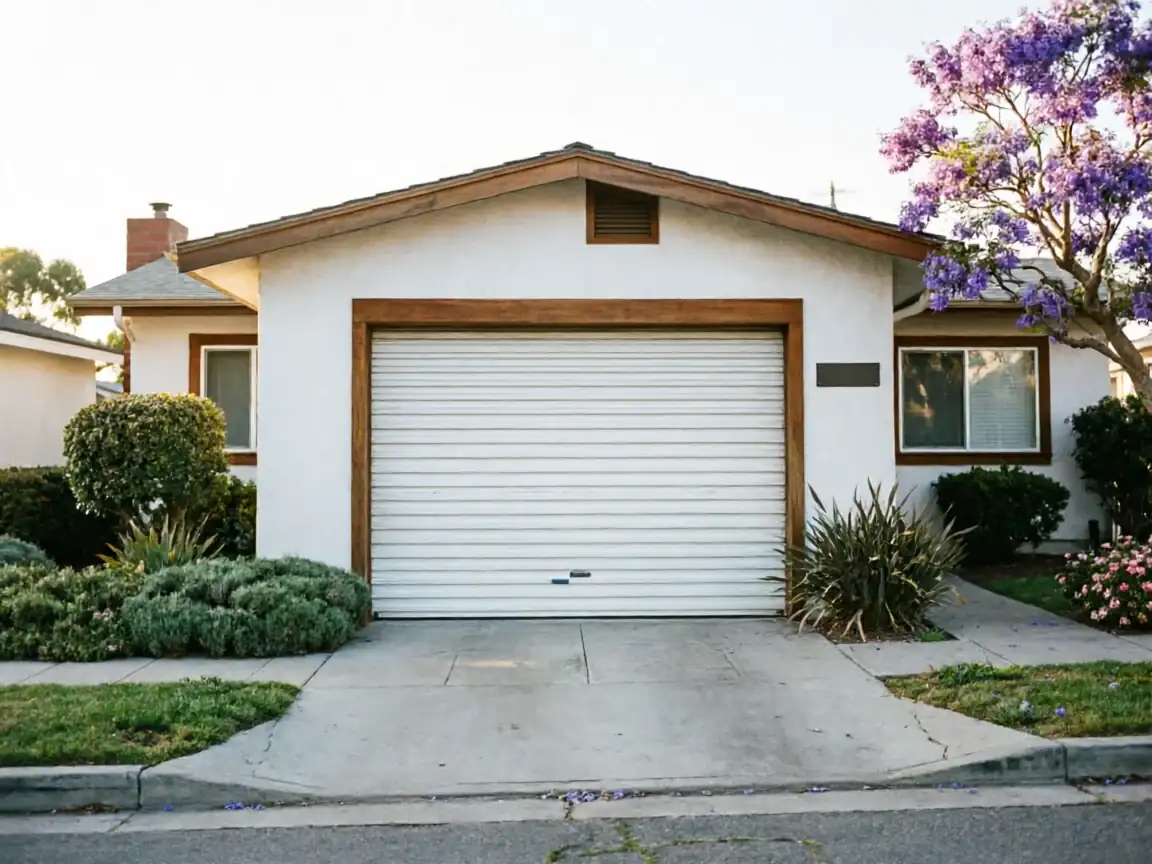
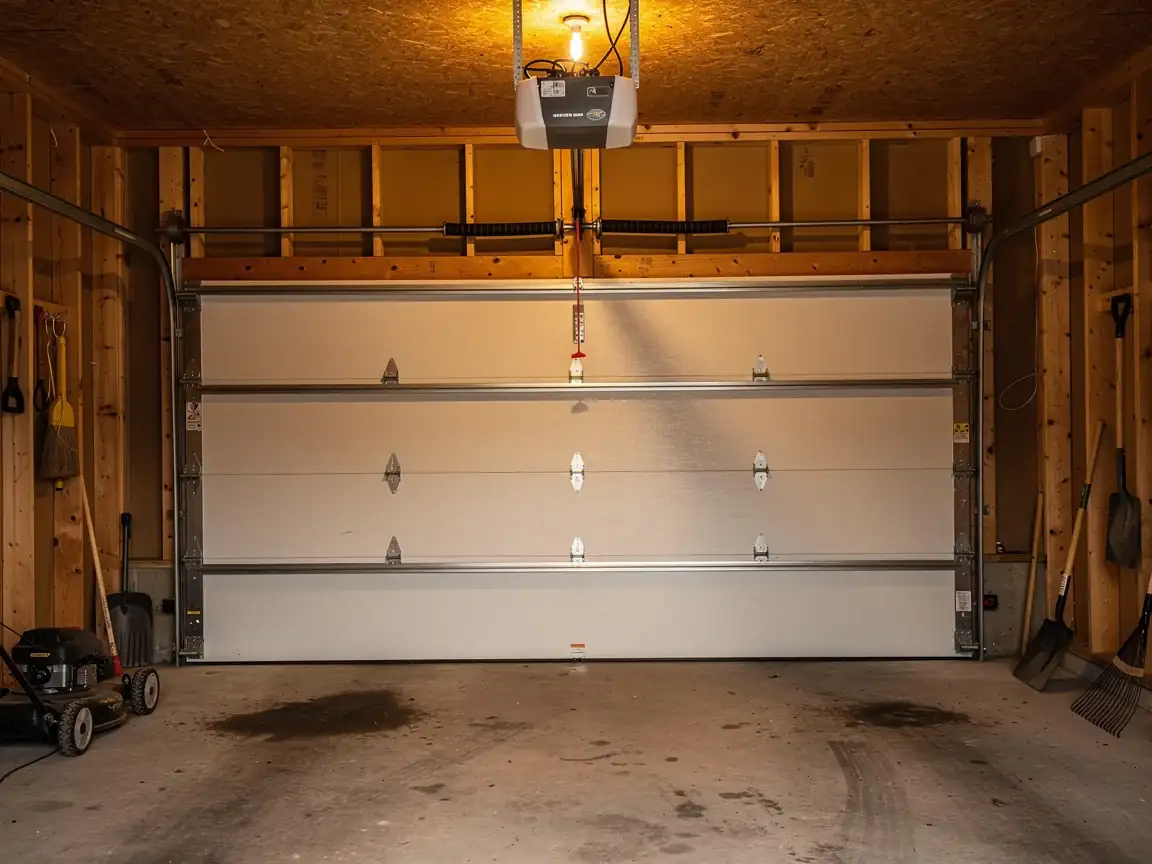
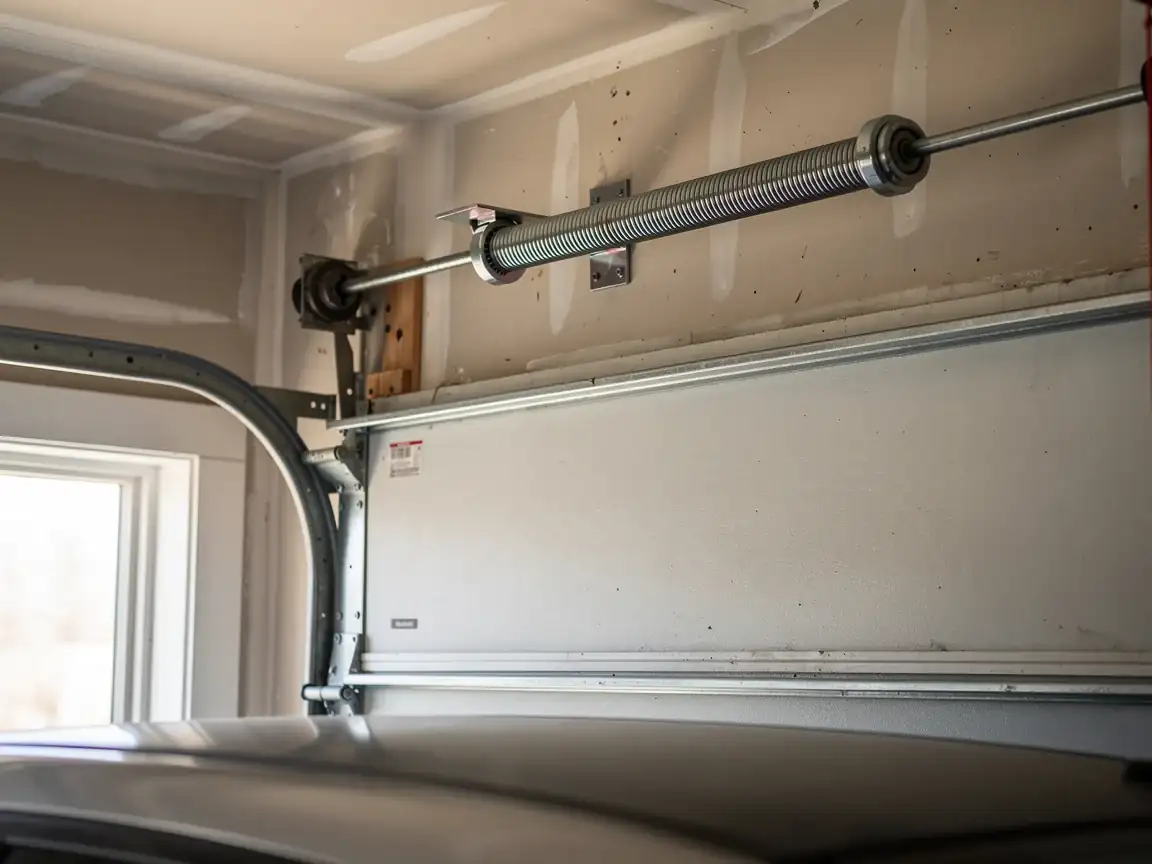
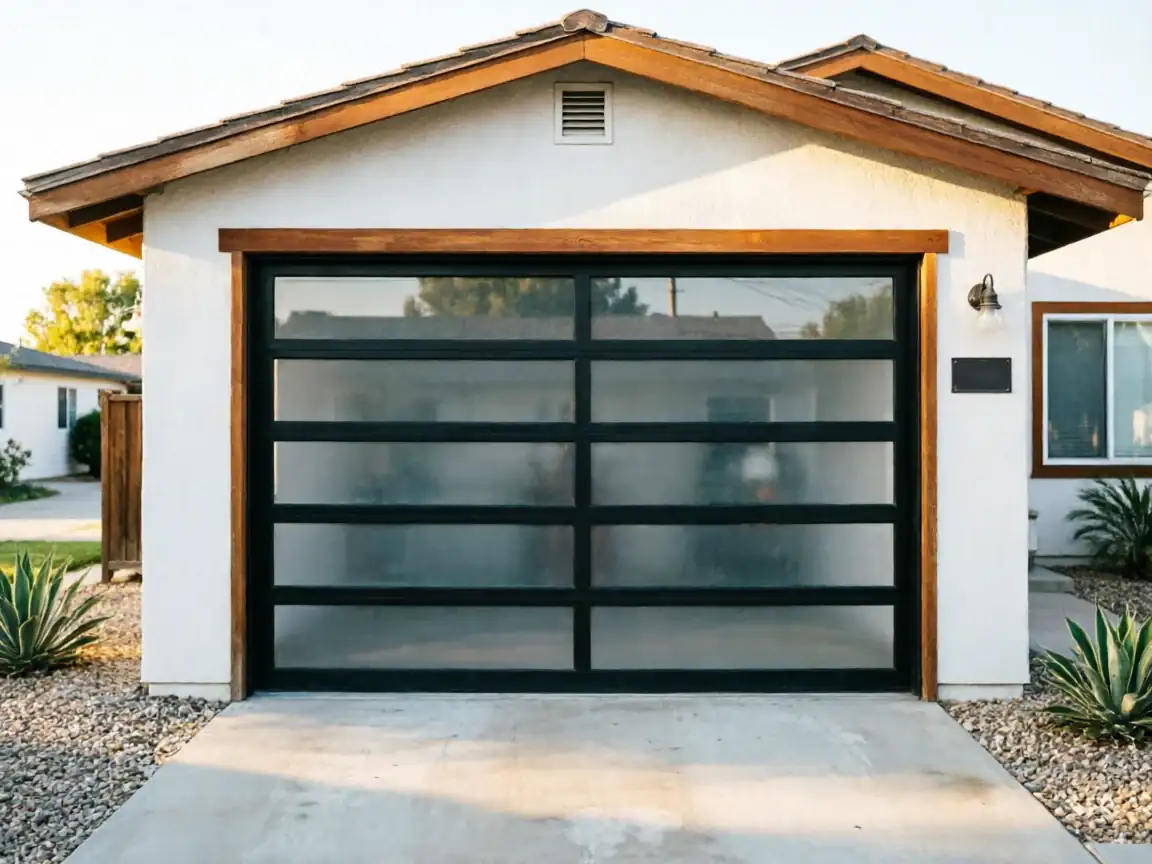
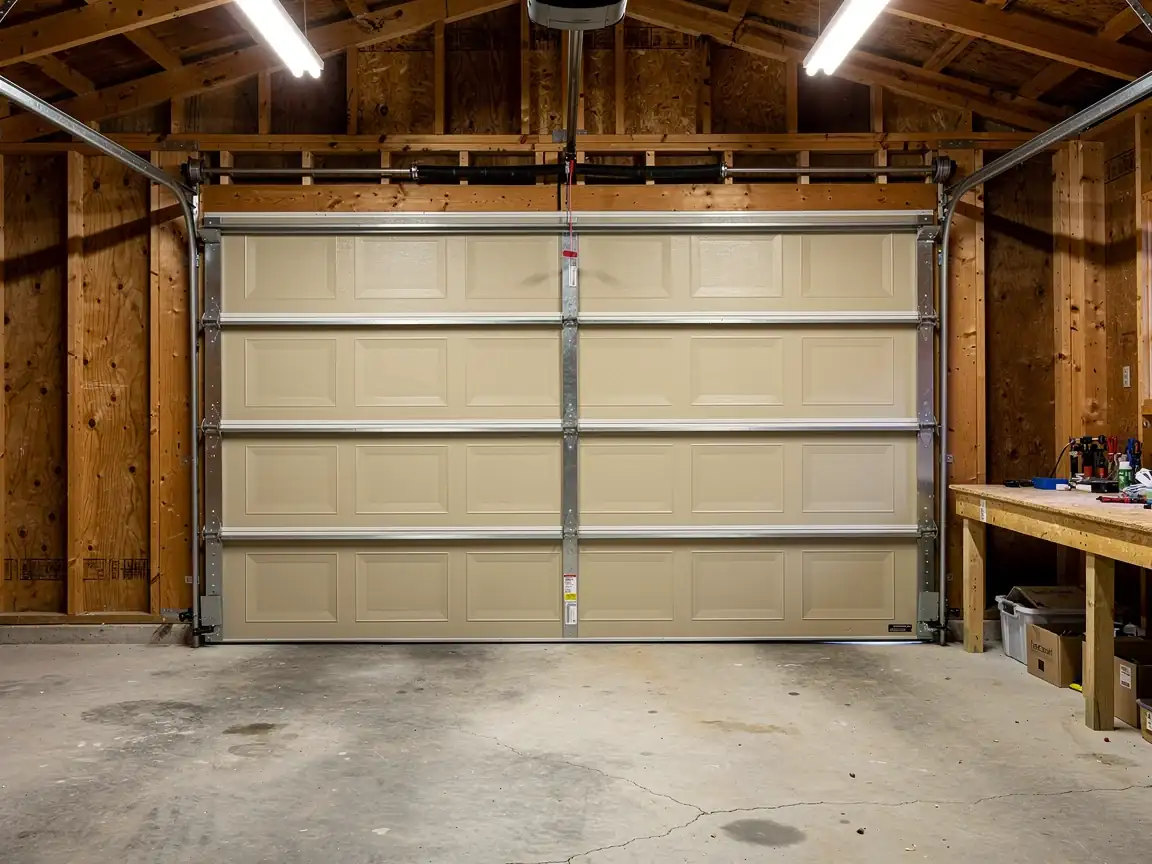
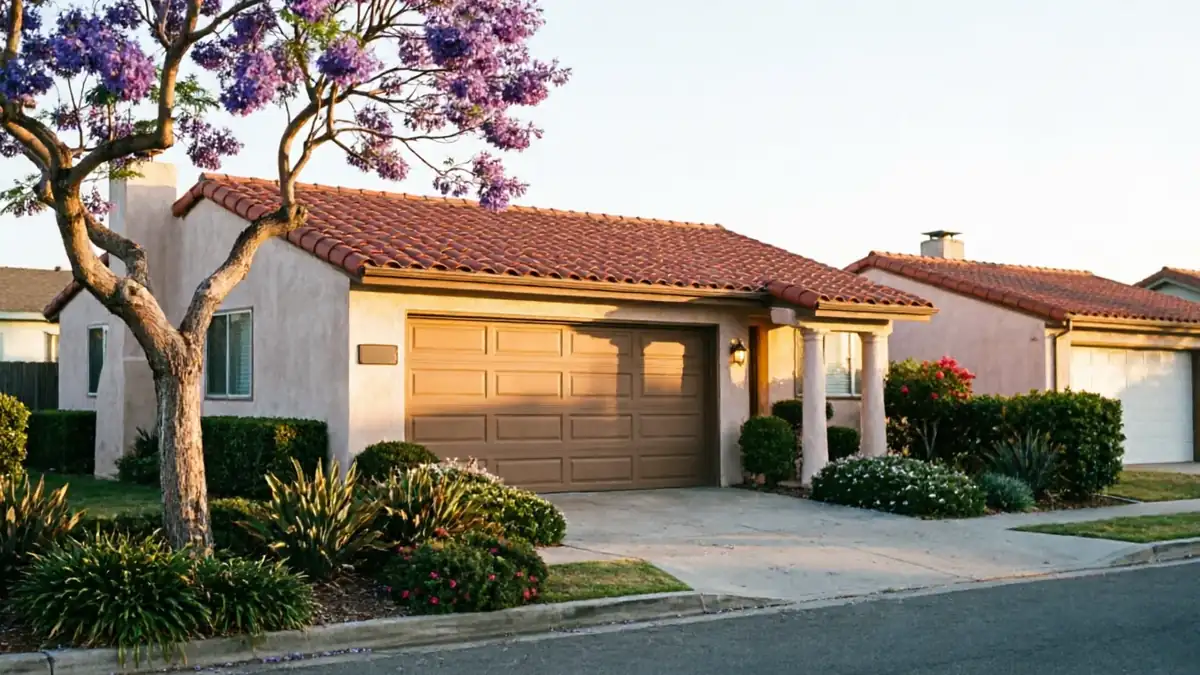
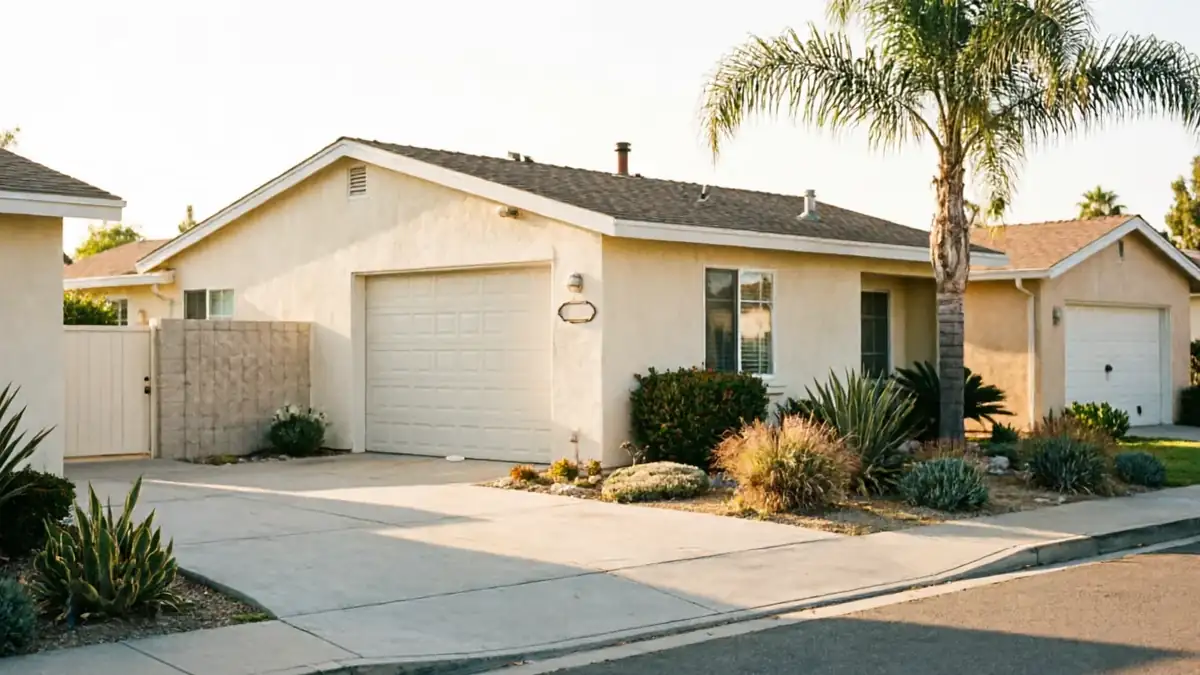
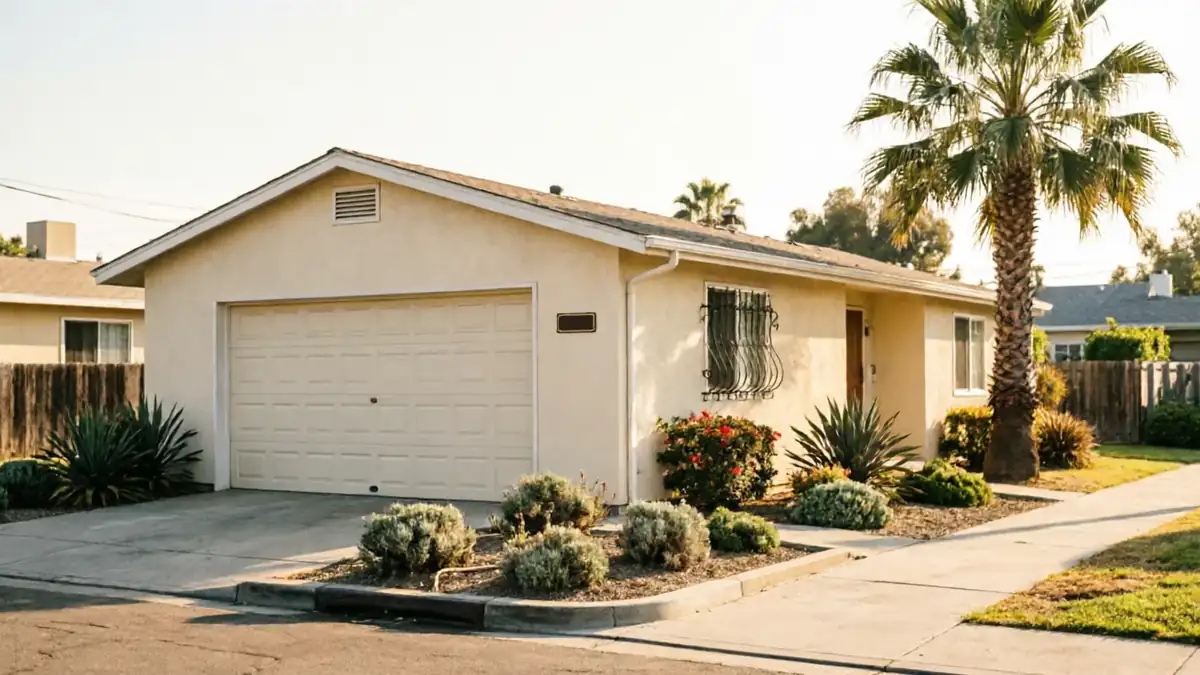
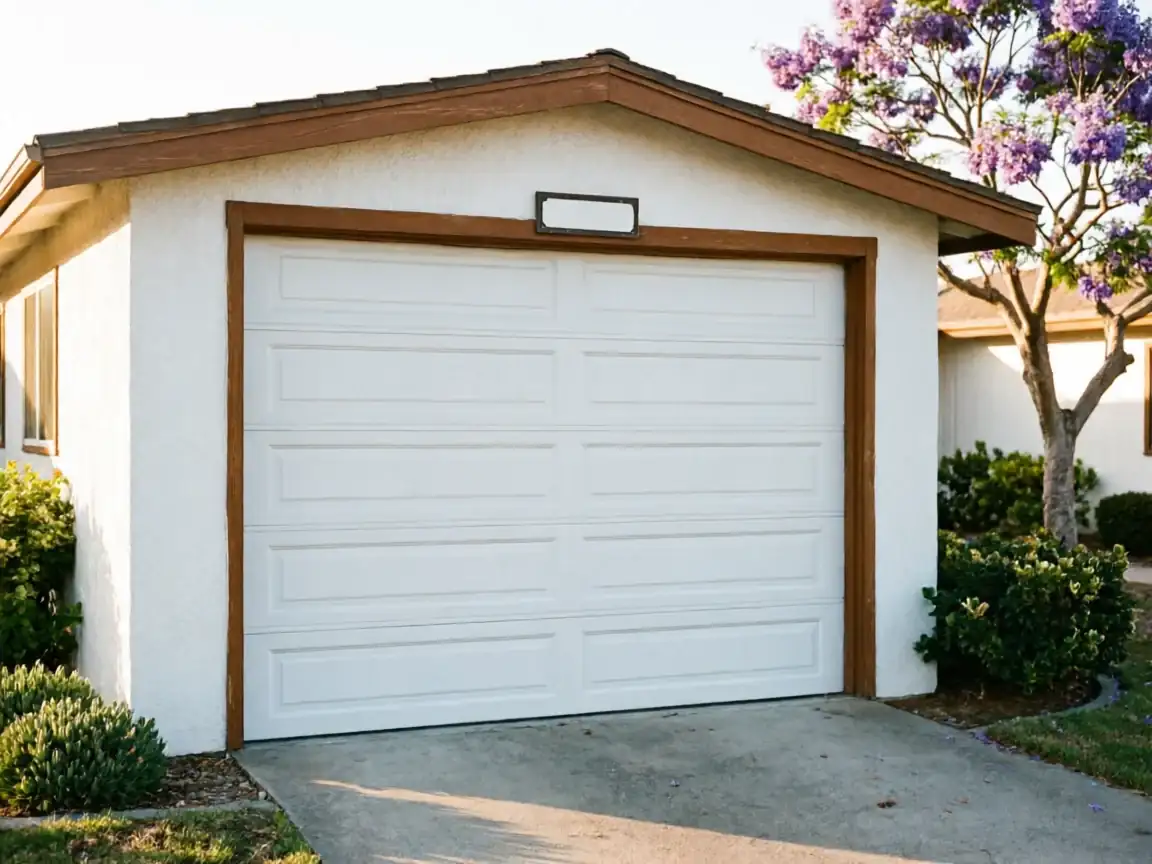
Willowbrook's housing stock centers on 1969, a few years past the broader area's 1961 median. That gap matters more than it sounds. Doors and openers installed or replaced during the late 60s building wave tend to run heavier torsion springs than the earlier stock nearby, because builders in this stretch favored wider two-car openings over the narrower single bays common on older blocks. We see more oversized torsion springs failing on these doors, and more of the original steel track still in place, slightly bowed from decades of use rather than replaced outright. Rollers on these doors are often the stamped-steel type that came standard in that era, which wear loud and stiff long before they actually break. If your door from this period is sticking halfway up or dropping unevenly, that's usually a spring losing tension unevenly across a wider span, not a motor problem. We don't guess at this from the truck - we look at the door in front of us, but knowing the build era tells us what to check first.
What People Here Ring About
Most calls from this stretch are torsion springs, worn rollers, and openers that have outlived their circuit boards. With roughly 5,919 households in Willowbrook, we hear the same pattern often enough to recognize it: a door that's 50-plus years old, original track, and a spring that was never upsized when the door got heavier insulation panels added later. Median household income here runs around $60,386, which is lower than some of the areas we also cover, and it shows in the calls - more requests to repair a working door than replace it outright, and more questions about whether a part can be sourced instead of swapped for a whole new unit. We're honest when a repair isn't worth it, but on doors this age, a spring and roller job is usually the cheaper and correct call, not a stopgap.
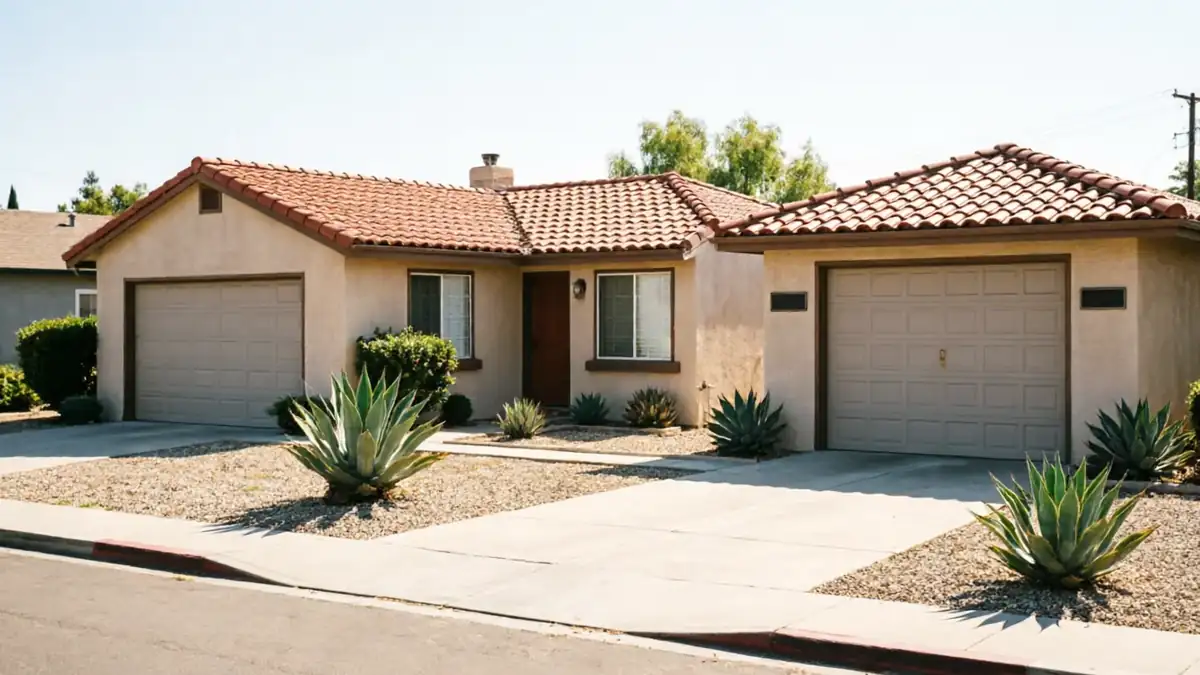
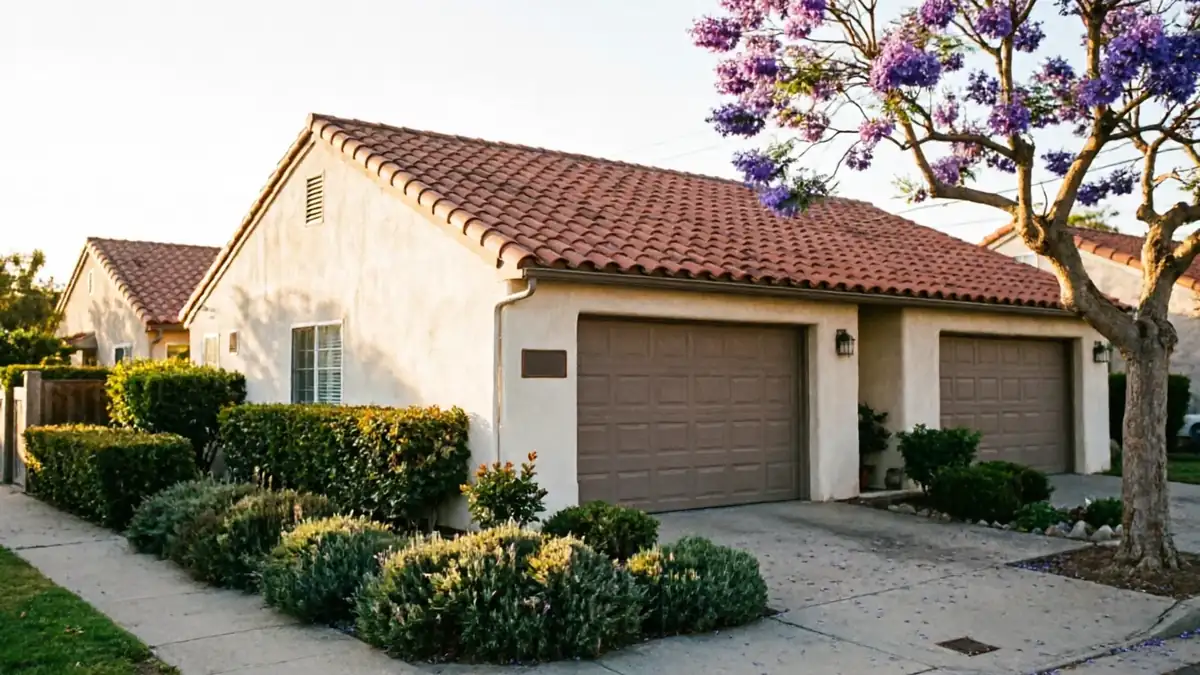
The Houses Here
The climate band across this part of the region is mild temperate, so we're not dealing with frozen tracks or swollen wood jambs the way colder-climate techs do. That keeps failures mechanical rather than weather-driven - springs fatiguing from cycle count, rollers wearing from age, cables fraying where they've rubbed against a drum for years. Willowbrook sits about 7 miles from our Inglewood base, within a cluster of neighborhoods we also reach including Compton, Lynwood, all a short drive further out. The 1969 median build year here means original hardware is now well past its expected service life on a lot of doors, even ones that still open and close fine today. That's usually the moment a spring goes without warning, mid-cycle, which is the call we get most.