How That Shows Up in the Door
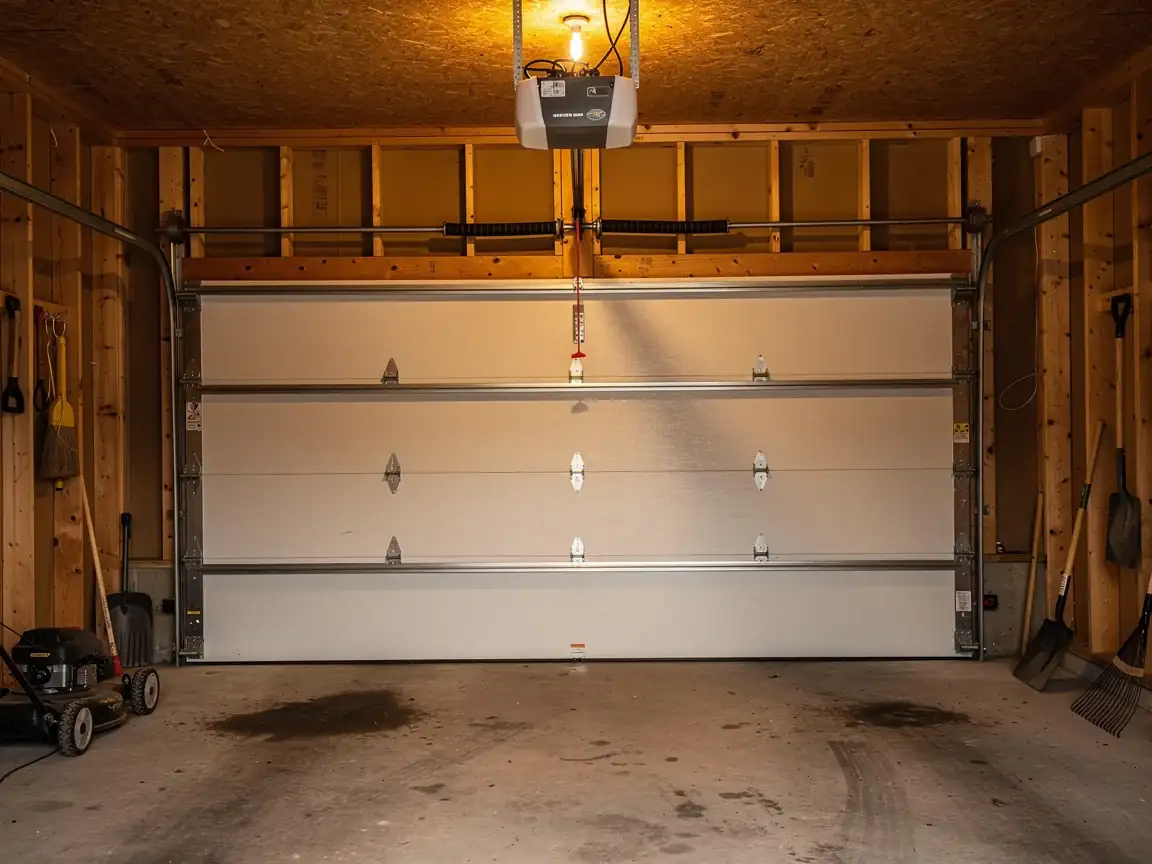
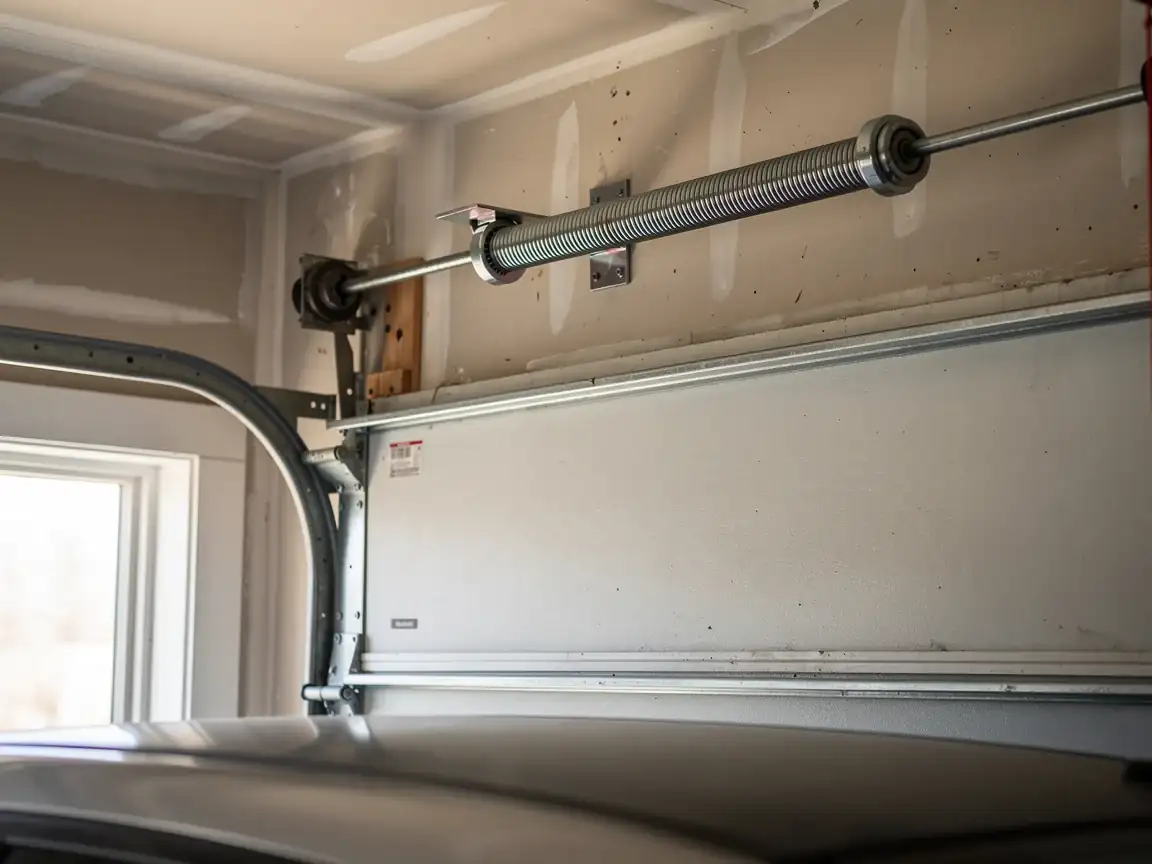
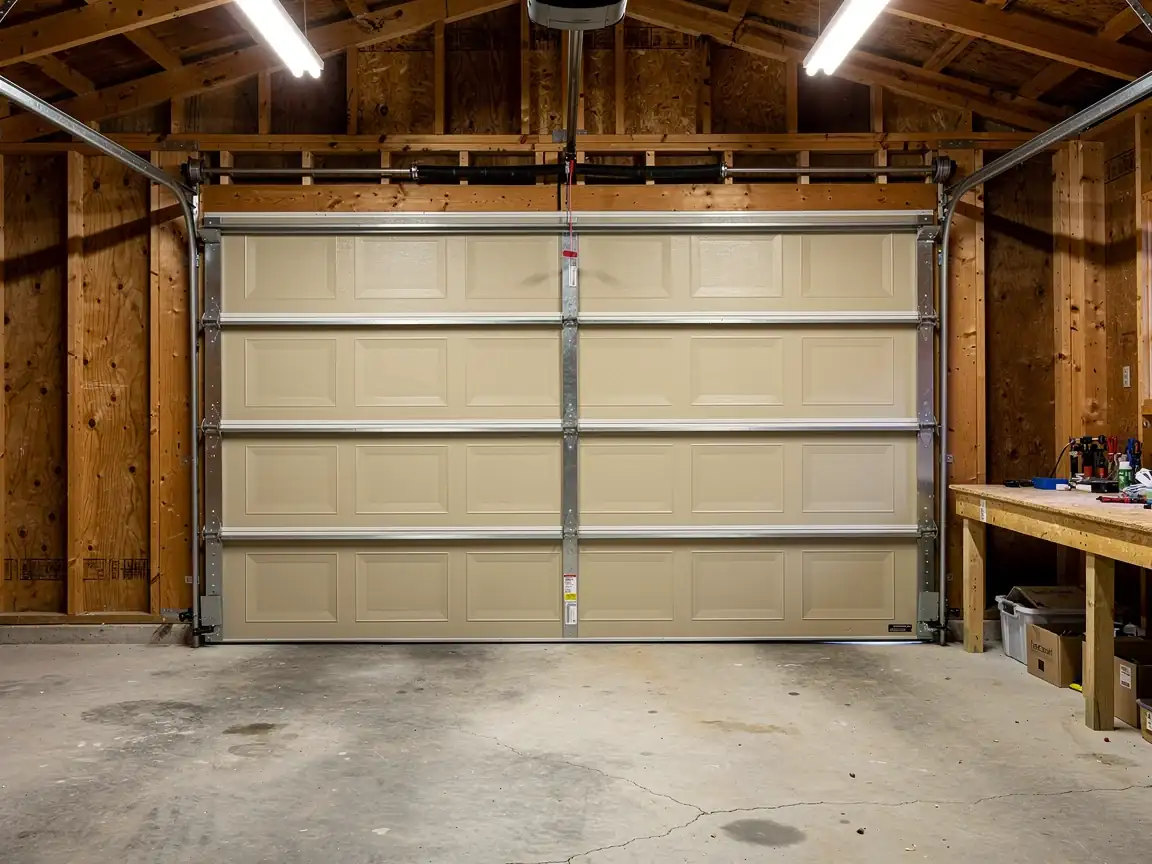
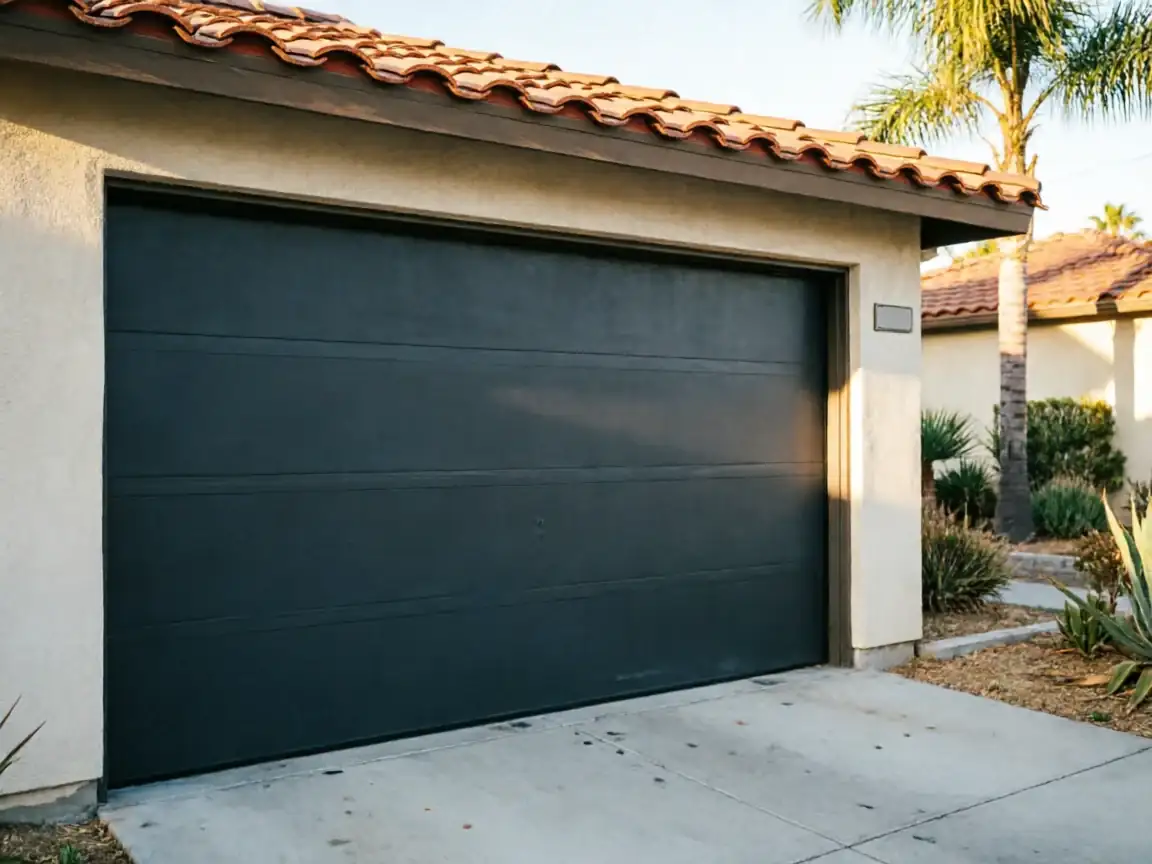
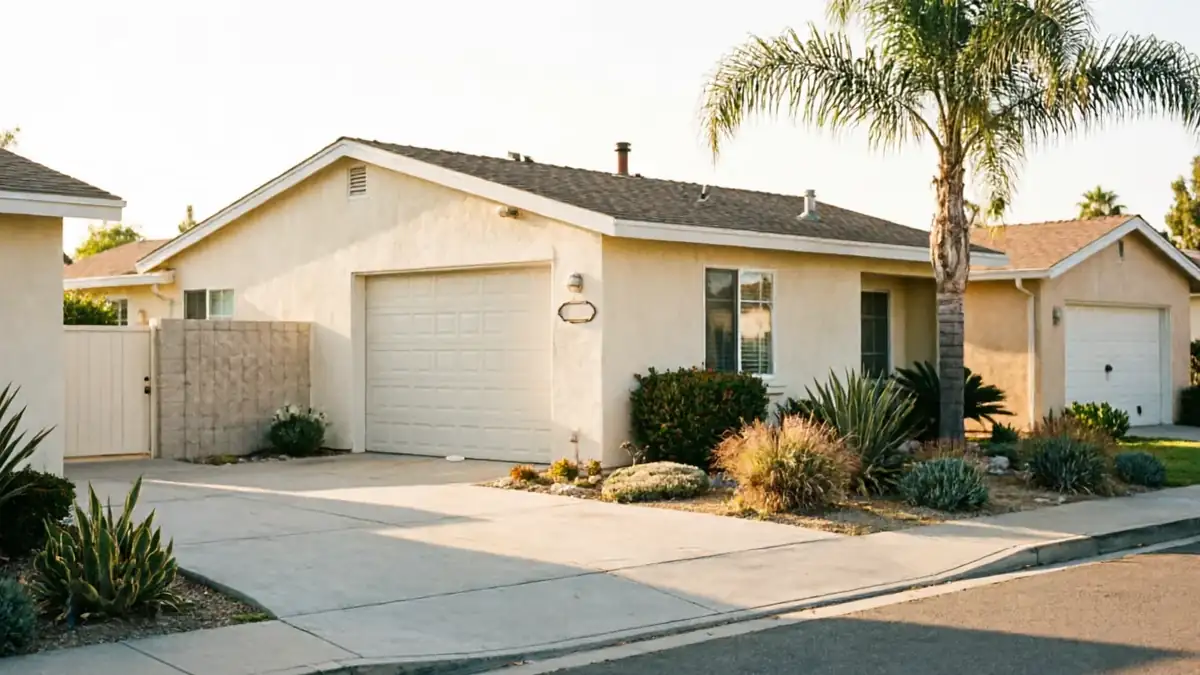
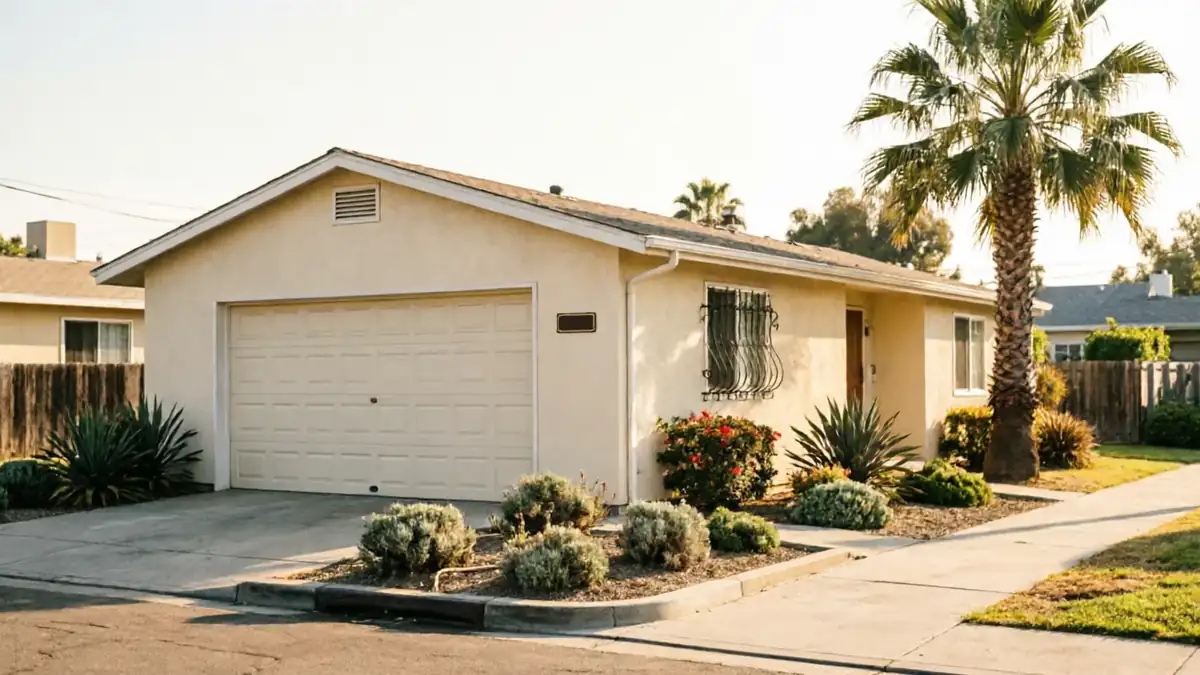
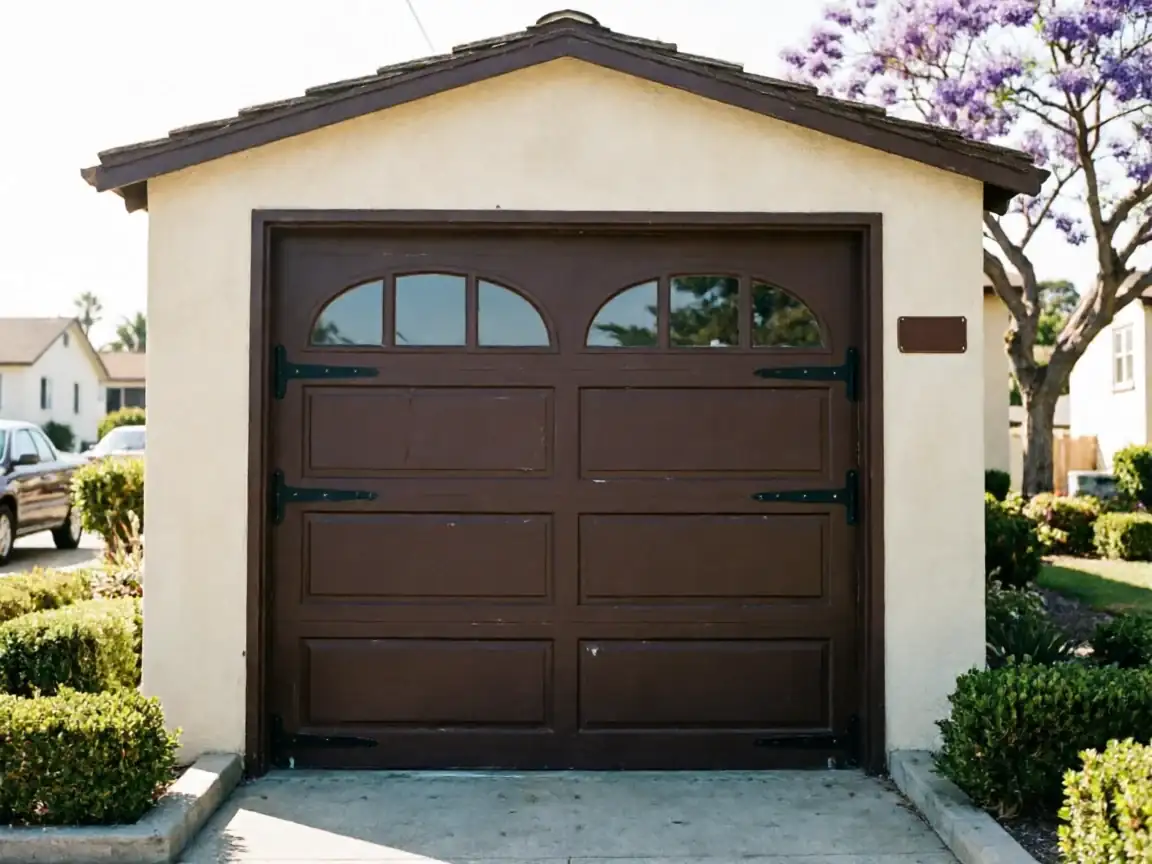
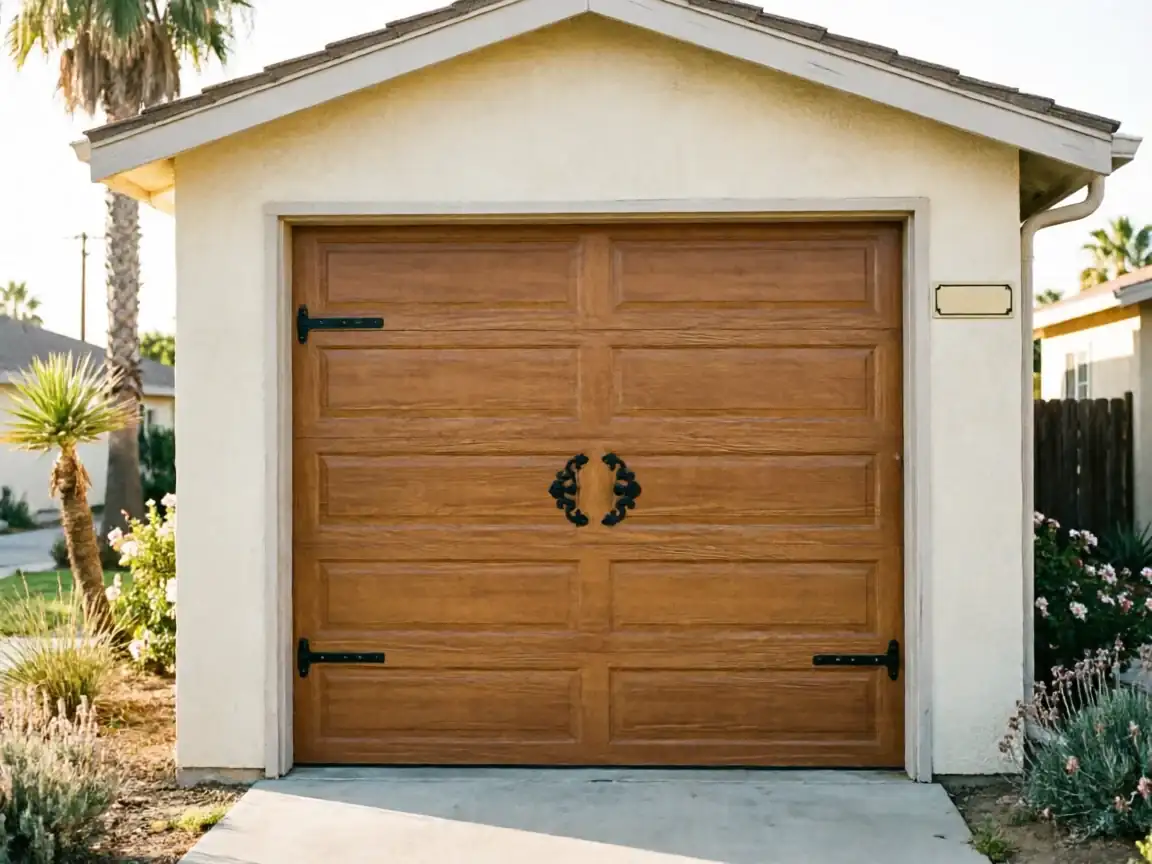
Hawthorne's housing stock centers on 1972, which puts it a decade past the broader service area's 1961 median. That decade matters more than it sounds like it should. Doors built into early-70s construction were often set up with the short-torsion-spring brackets and lighter-gauge track that became standard mid-decade, not the older side-mount or extension-spring rigs you still find on the oldest houses in this corner of Los Angeles. If your garage went up with the house, you're likely dealing with a torsion system on a header above the opening rather than springs mounted along the horizontal track. That changes what a tech needs on the truck before showing up - a 1972-era torsion spring isn't interchangeable with a 1950s extension spring, and guessing wrong means a second trip. We ask about the build year on the phone for exactly this reason.
What People Here Ring About
With 29,849 households in Hawthorne and a median household income of $72,719, this is a market of mostly single-family houses where people tend to live with a door problem for a while before calling - a spring that's clearly going, an opener that grinds before it runs, a remote that only works from six inches away. We don't see a lot of emergency same-day panic calls here; more often it's a scheduled repair once someone's decided the squeaking isn't going to fix itself. One limitation worth saying plainly: if the opener motor is original to a 1972 install, replacement parts for that specific unit often aren't made anymore, and a new opener is usually the honest answer rather than a repair quote that won't hold.
The Houses Here
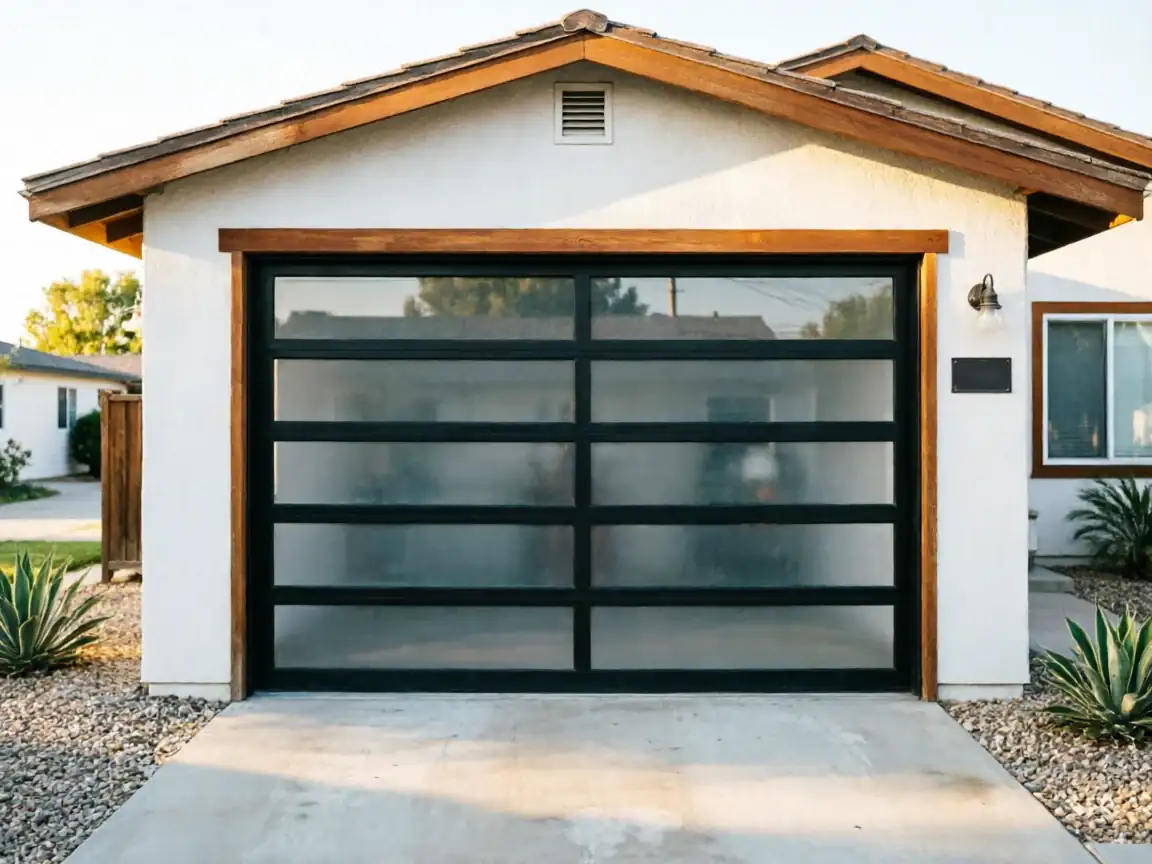
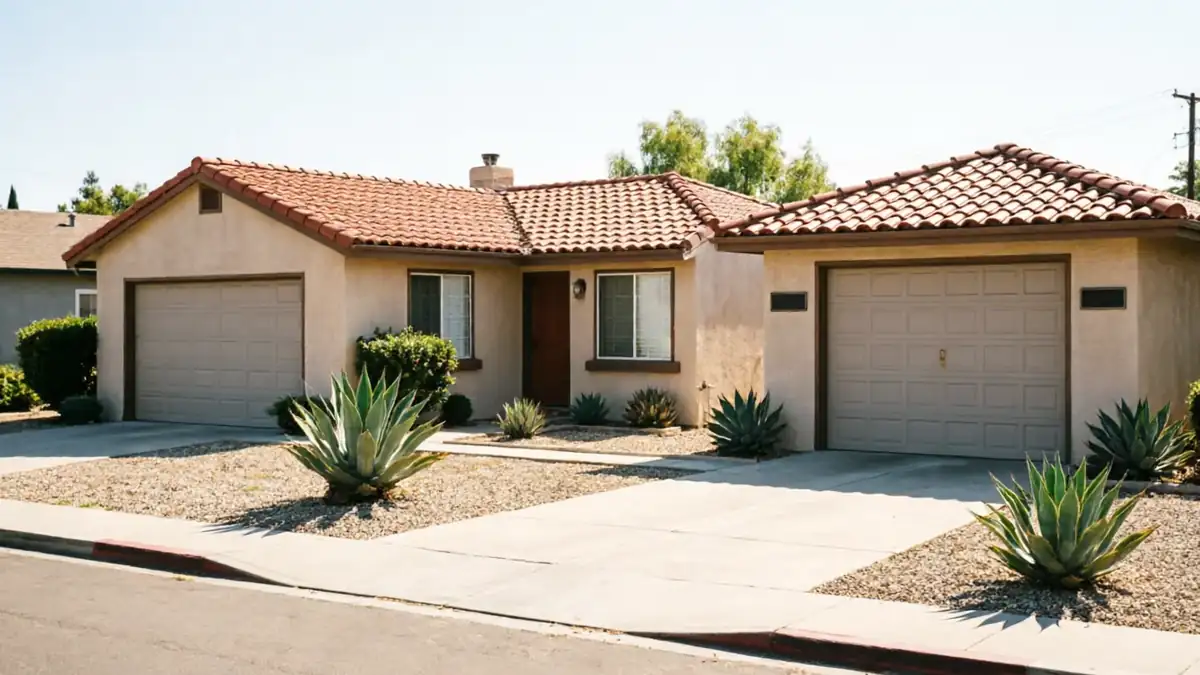
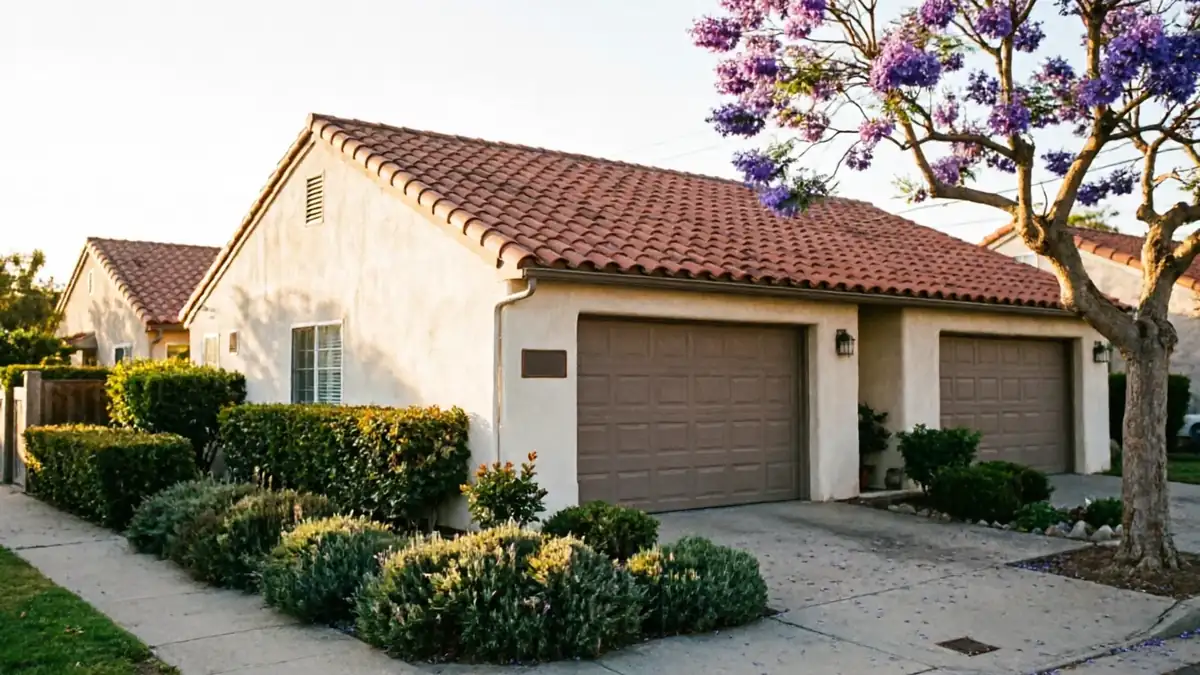
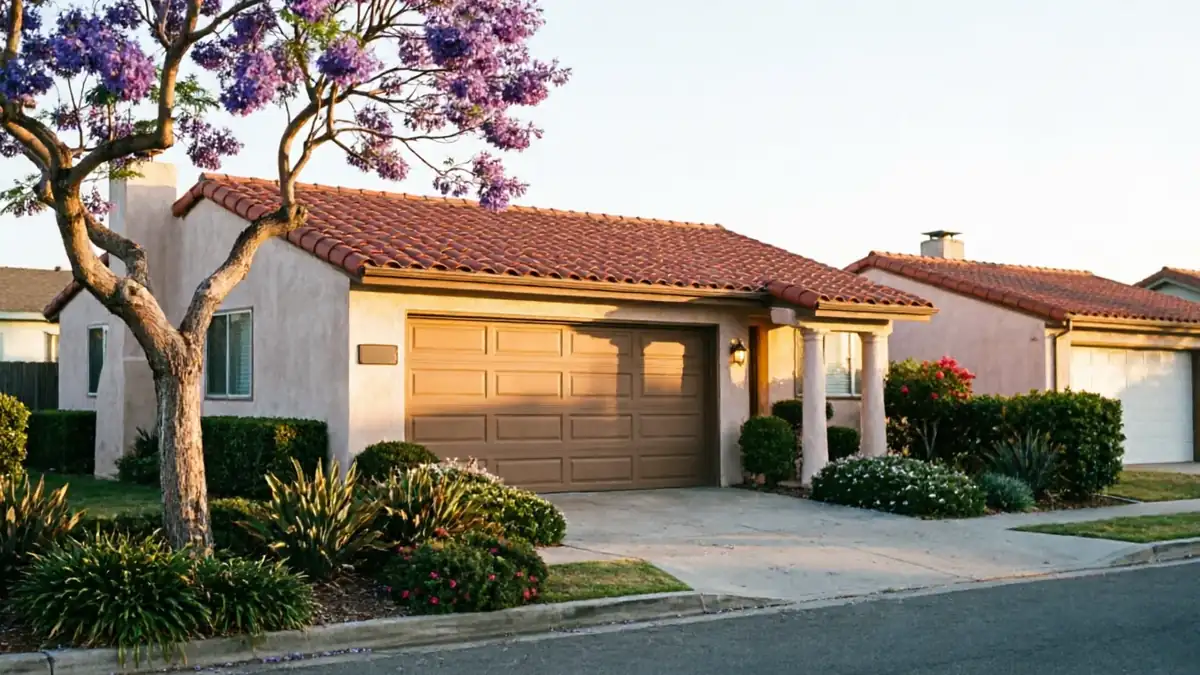
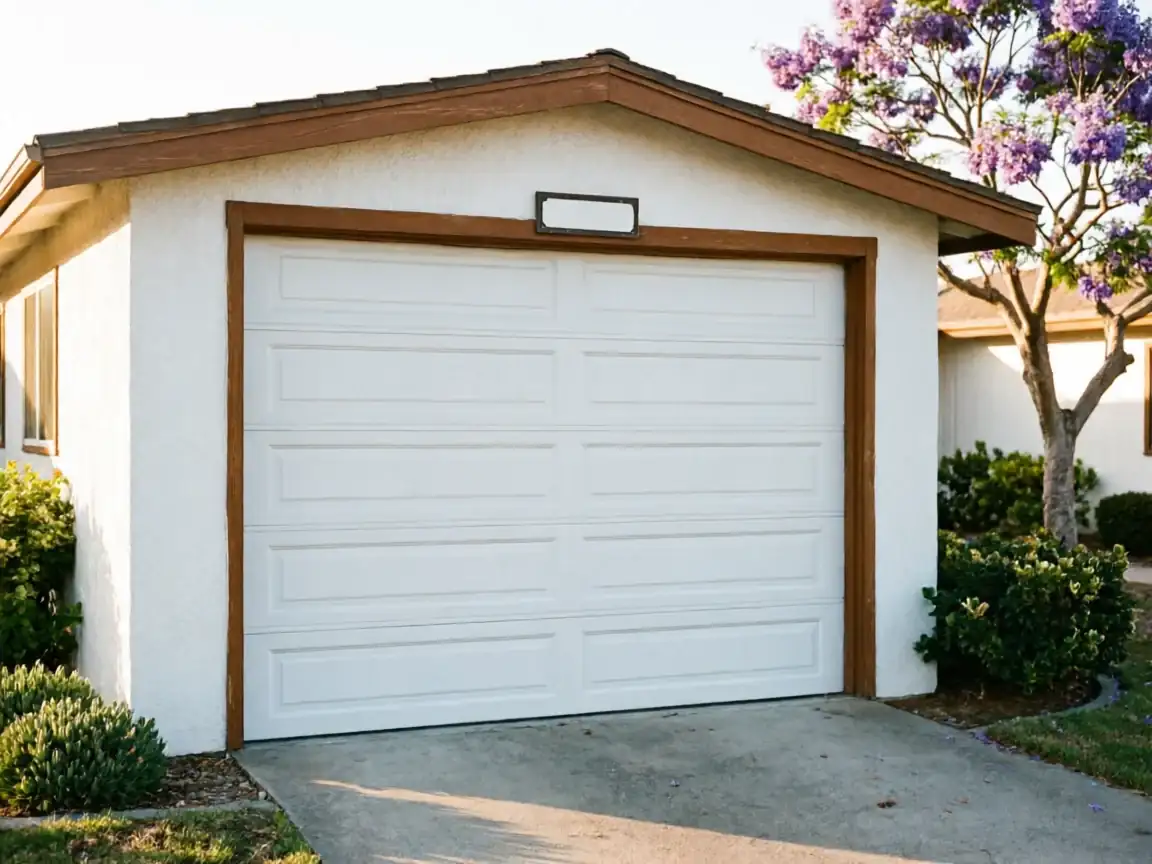
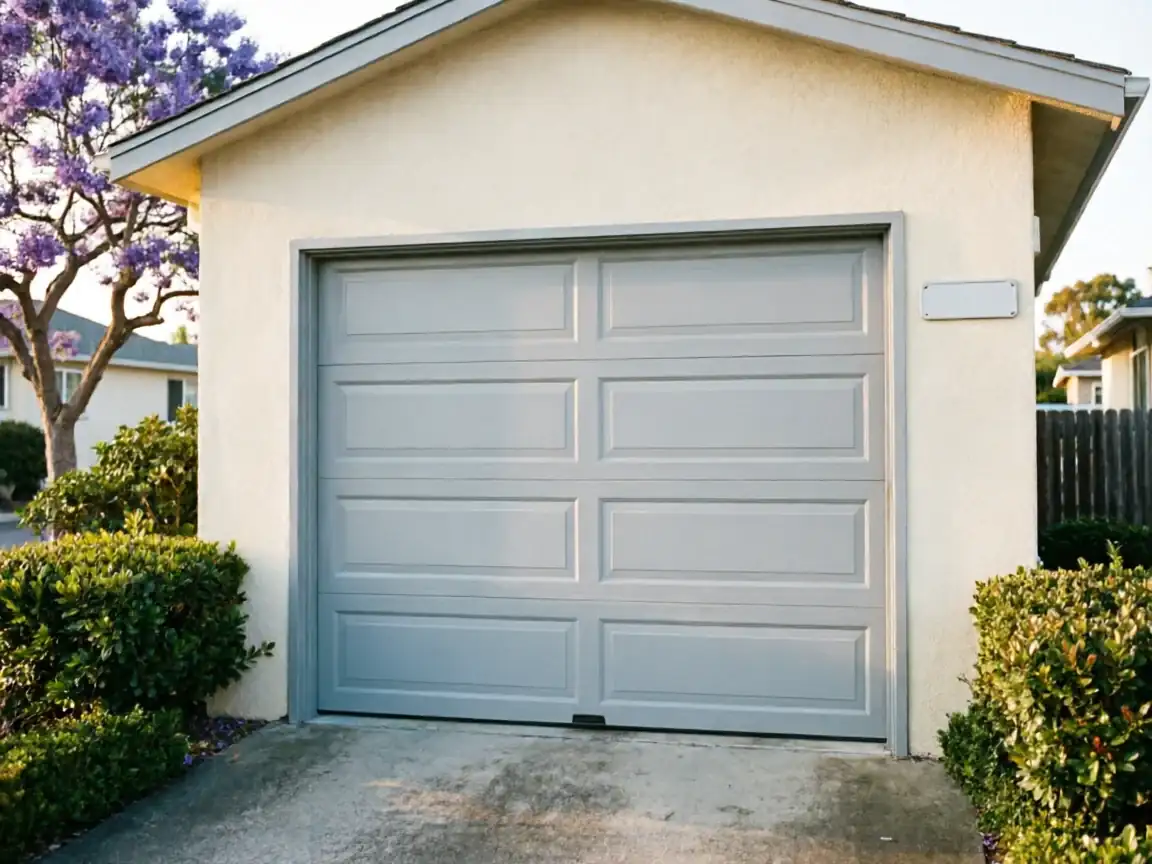
Because the median build year here runs to 1972, about a decade later than much of the surrounding service area, Hawthorne garages more often have the torsion-spring-over-the-door setup rather than the older side-mounted extension springs still common on earlier houses nearby. Panel sizes and track widths from that era are fairly standard, which is good news for parts availability - these aren't the odd custom widths you sometimes find on pre-1950s construction. What we do see more of: steel panels starting to show surface rust at the bottom section, and torsion springs that have simply outlived their wind-cycle count after fifty-plus years without ever having failed catastrophically. That's a quieter kind of failure - the door starts feeling heavy on the way up long before anything snaps.