The DIY Question
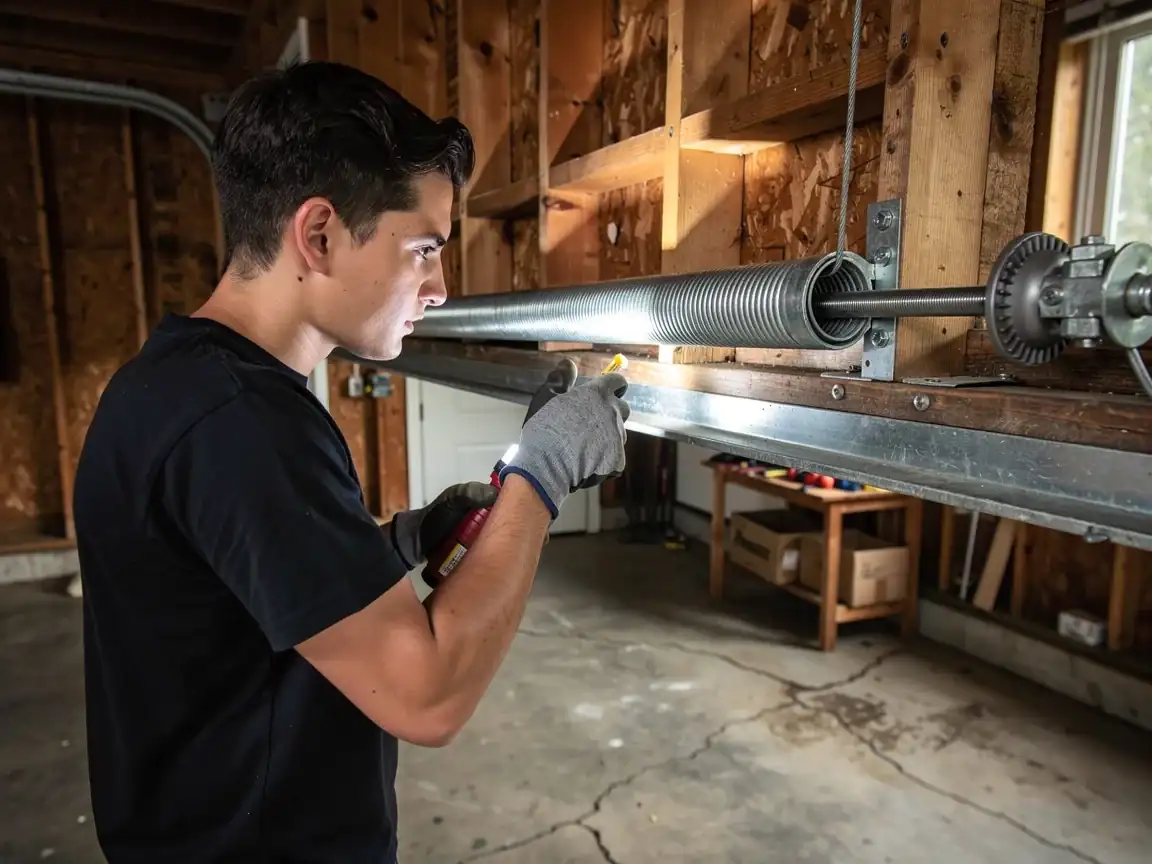
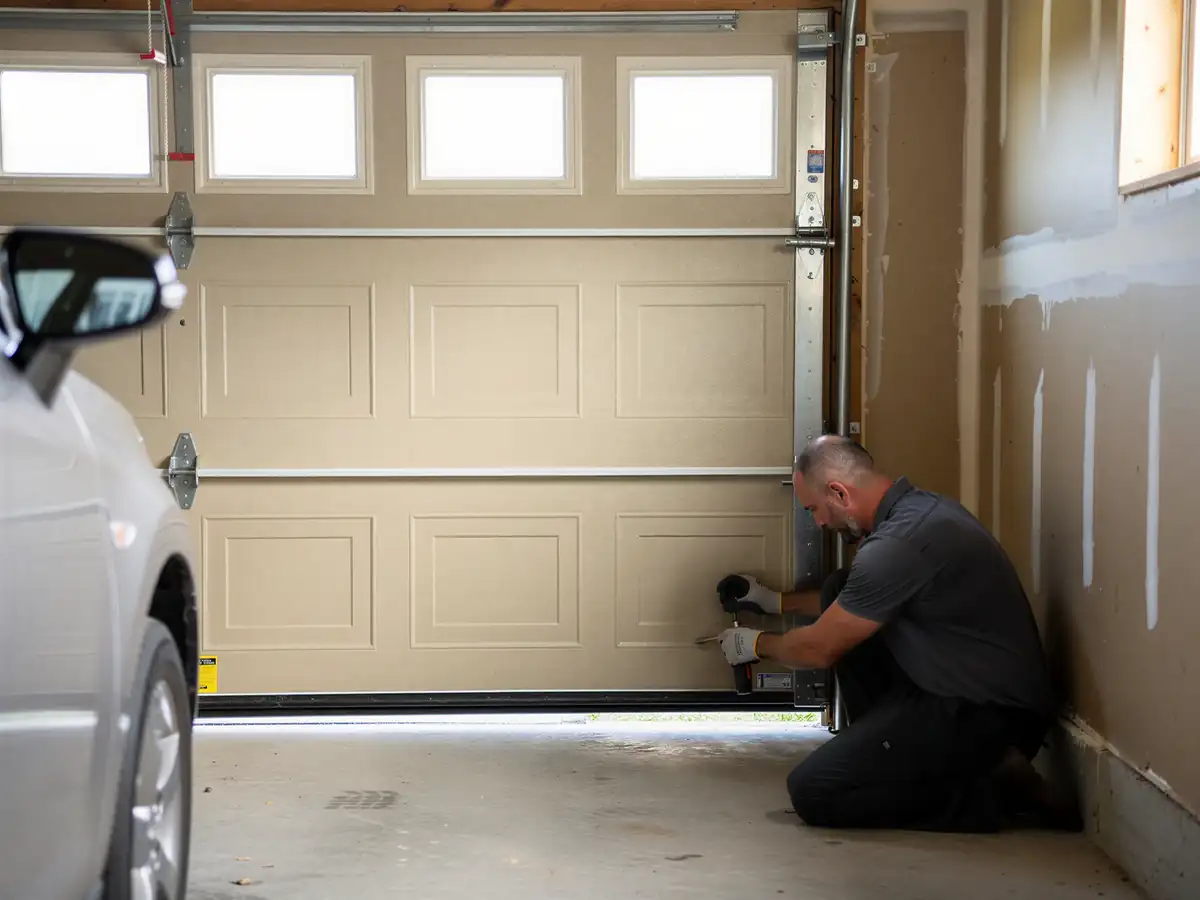
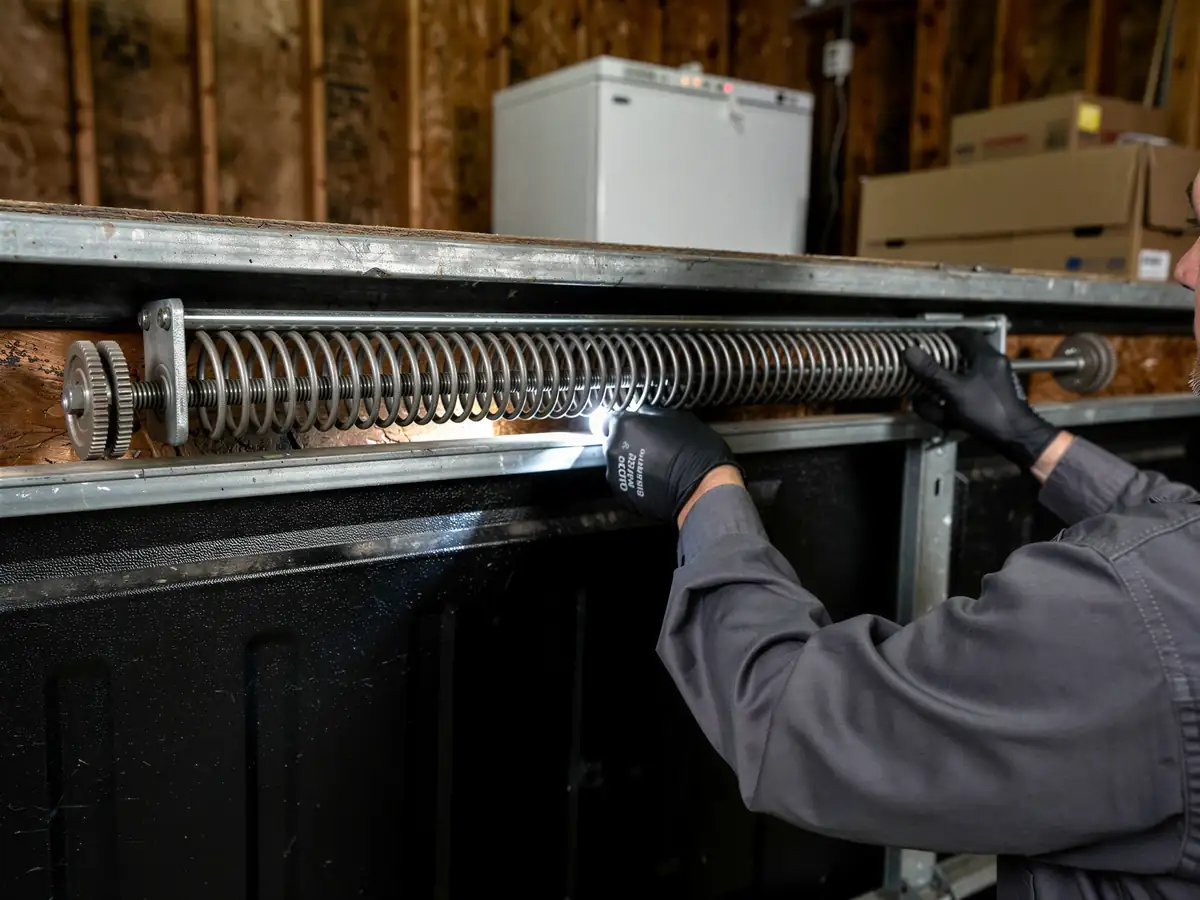
A frayed cable looks like a small job. It isn't. The cable is under load from the spring the whole time the door is closed, and if it lets go while you're working near the drum or the bottom bracket, it can snap back hard enough to break a finger or put a hole in drywall. We don't recommend any homeowner work on a cable, drum, or spring while the door is down and the spring is wound. That's not a sales line, it's where most garage injuries actually happen.
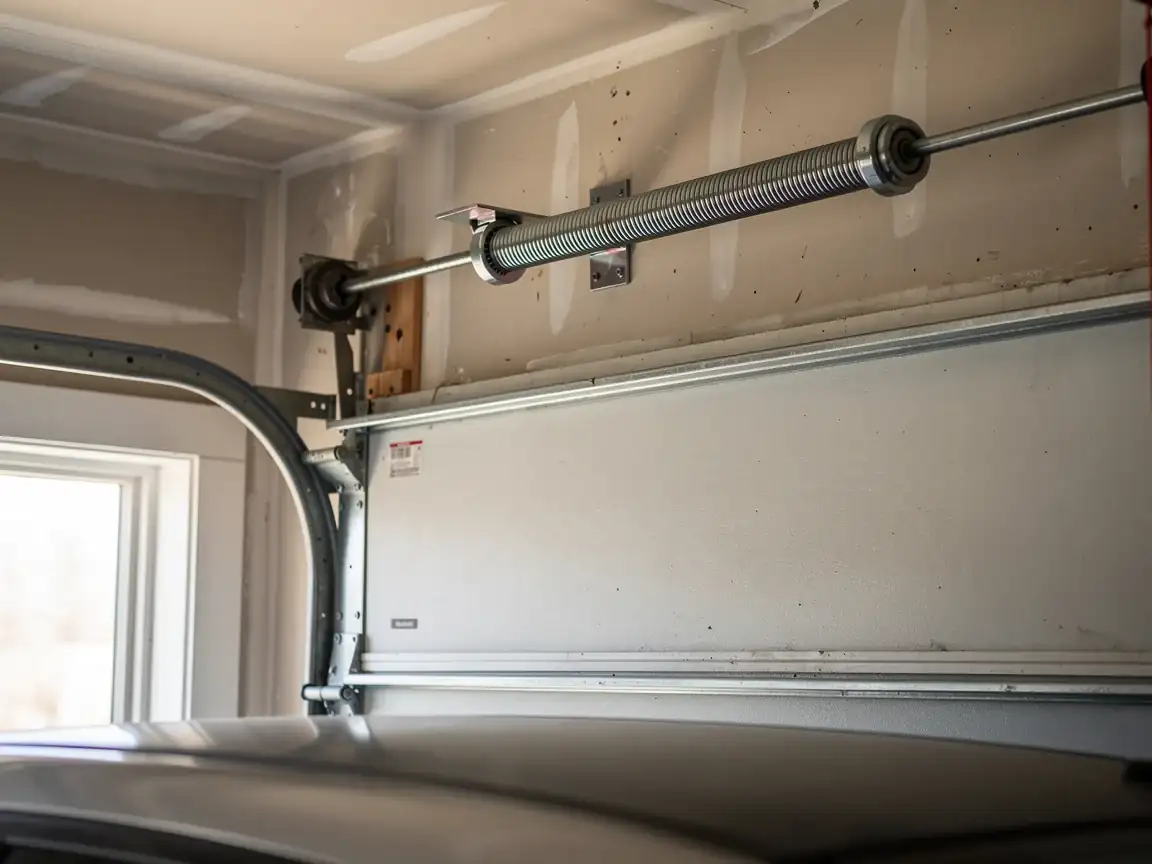
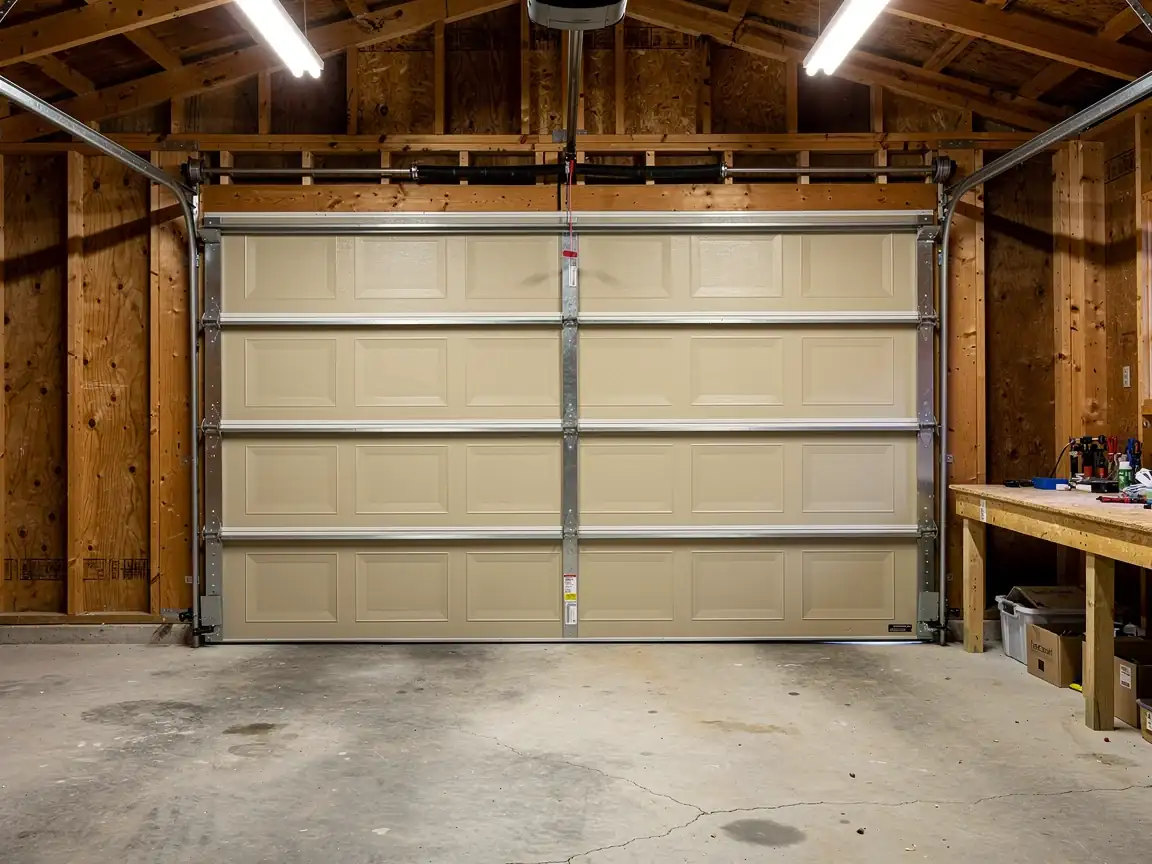
What you can safely do yourself: look at the cable from a few feet away with the door open. Check if it's frayed near the bottom bracket, if it's come off the drum grooves, or if one side of the door hangs lower than the other. Note what you see and when it started. That's useful information for whoever comes out, and it helps us figure out on the phone whether this is a same-visit cable swap or something that also needs a new spring, because the two usually go together once a cable has already failed.
Why This Fails Locally
Most homes in Inglewood were built between 1943 and 2012
With a median build year around 1961, so a lot of the original garage hardware is still in service decades later. A cable that's been wound and unwound tens of thousands of times on a door from that era is well past any reasonable service life, even if nobody's touched it.
Inglewood's mild temperate climate doesn't rust out cables the way humid or coastal-salt regions do
So when a cable fails here it's almost always wear, not corrosion. The strands fatigue at the drum and at the bottom bracket crimp, and they let go gradually, then all at once. Across the service area, 244,769 owner-occupied houses sit on doors that are the same age as the house, which means a lot of original torsion hardware nobody makes parts for anymore. On a lot of those setups the drum and cable are a matched pair, so a correct repair means matching cable length and drum size to the spring that's still on the shaft, not grabbing a generic length off a shelf.
- 244,769 owner-occupied
How We Fix It
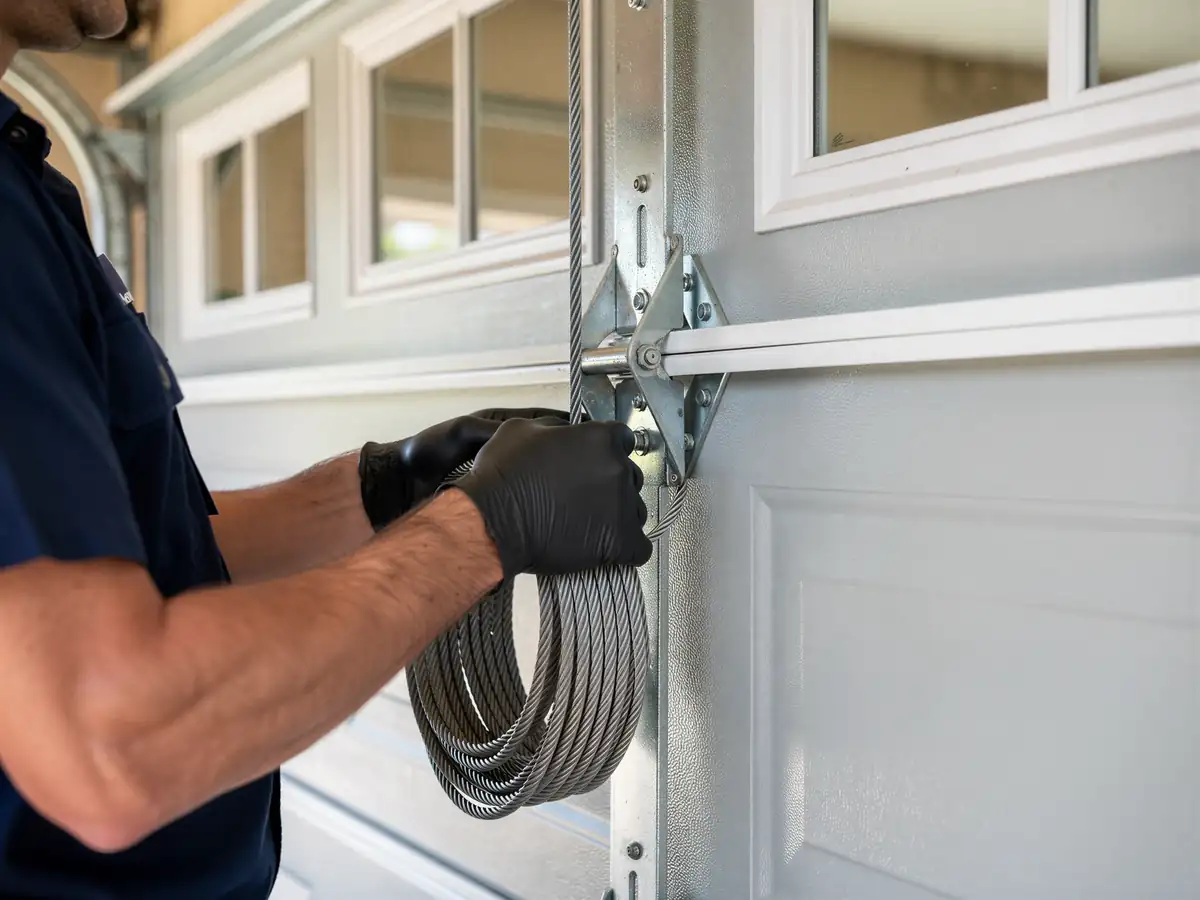
We replace both cables as a pair, even if only one has failed. If one side is worn, the other is close behind, and running mismatched cable age on a double door is how you end up back out here in a month. We check the drums for grooving or a cracked flange while the door is apart, since a scored drum will chew through a new cable just as fast as the old one wore out.
If the spring is also near the end of its life, we'll say so before we start, not after. Replacing a cable on a spring that's about to go isn't a complete repair, it's a deferred second call.
We work across Inglewood and in nearby communities like Westmont, Hawthorne, and View Park-Windsor Hills, all within three miles, along with the broader service area out toward Culver City, Gardena, and Lawndale. Lead times on uncommon drum sizes for older doors can run a few days if the part isn't something we carry on the truck, and we'll tell you that up front rather than make you wait to find out.
How It Shows Up
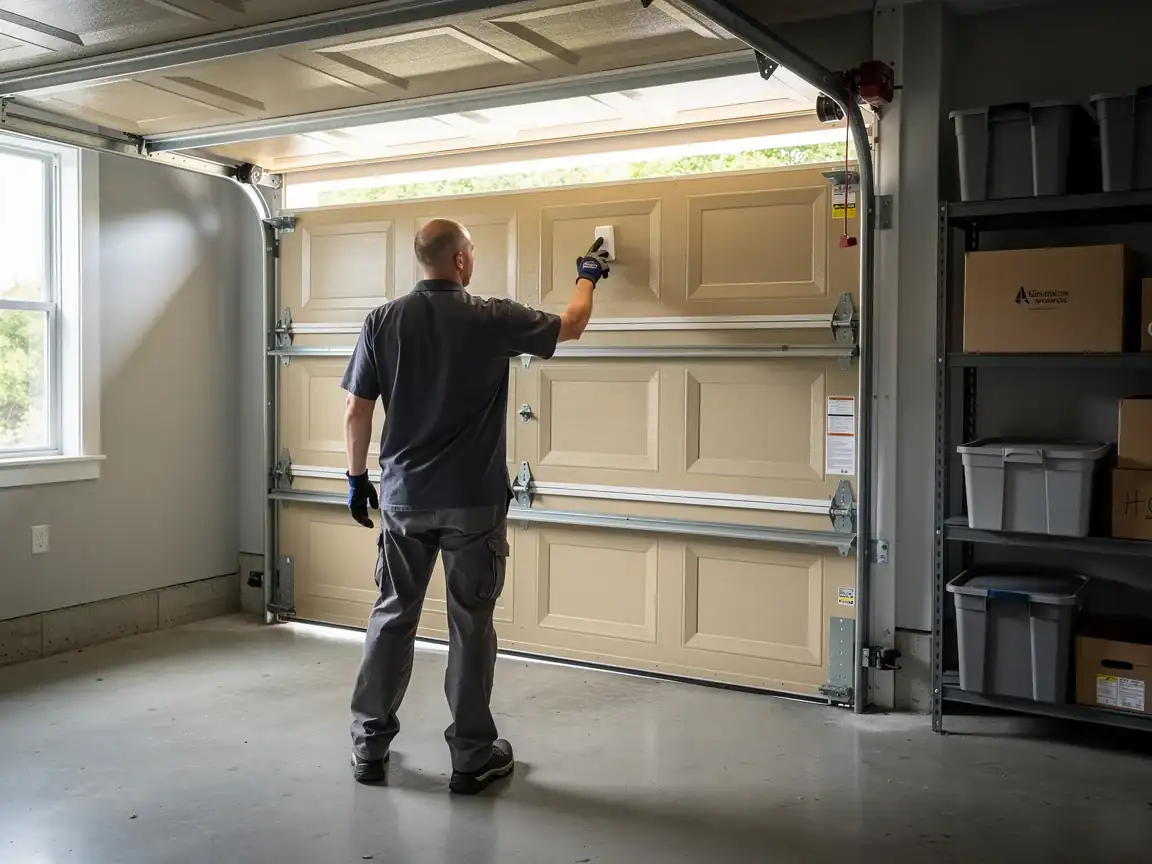
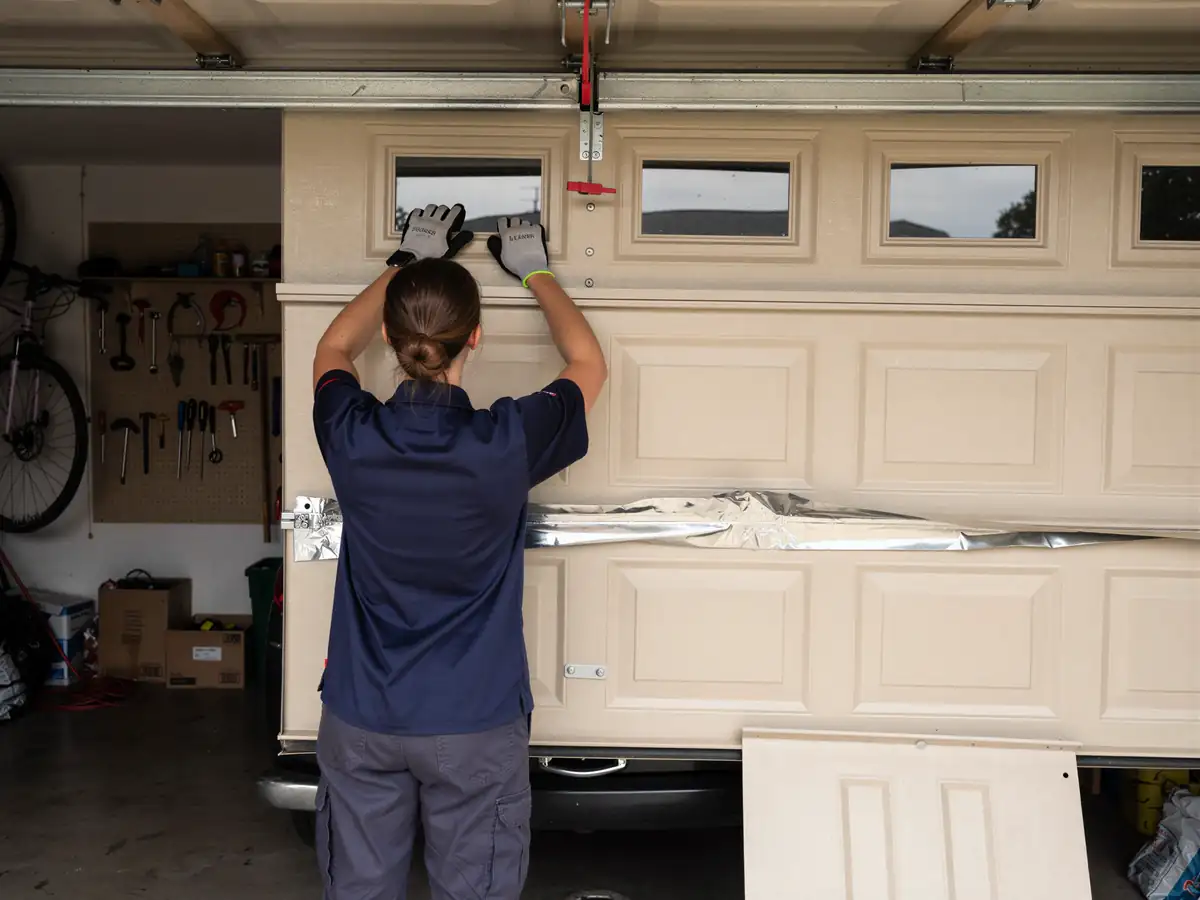
A failing cable rarely announces itself cleanly. The most common sign is a door that sits crooked when it's down, one corner lower than the other, because one cable has stretched or started to slip off the drum. Sometimes you'll hear a popping or snapping sound as the last strands give out, followed by the door refusing to open at all or opening a few inches and stopping.
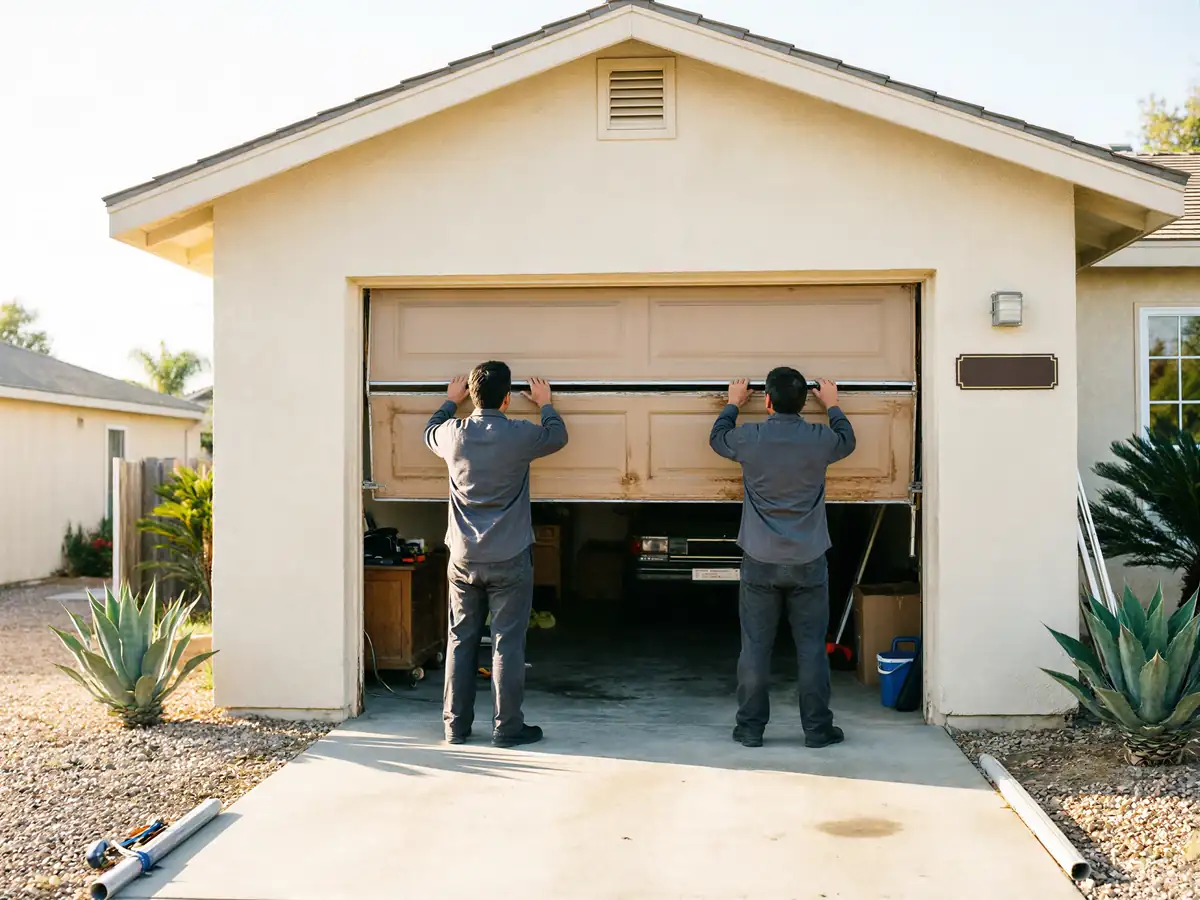
If the cable has already come off the drum or the bottom bracket, the door may look fine standing still but will bind, jump the track, or drop suddenly when someone tries to lift it. A door that's gone fully off-track on one side, with the cable hanging loose, is not safe to force open or closed. Leave it where it is and call rather than try to walk it back into the tracks yourself.