The Problem
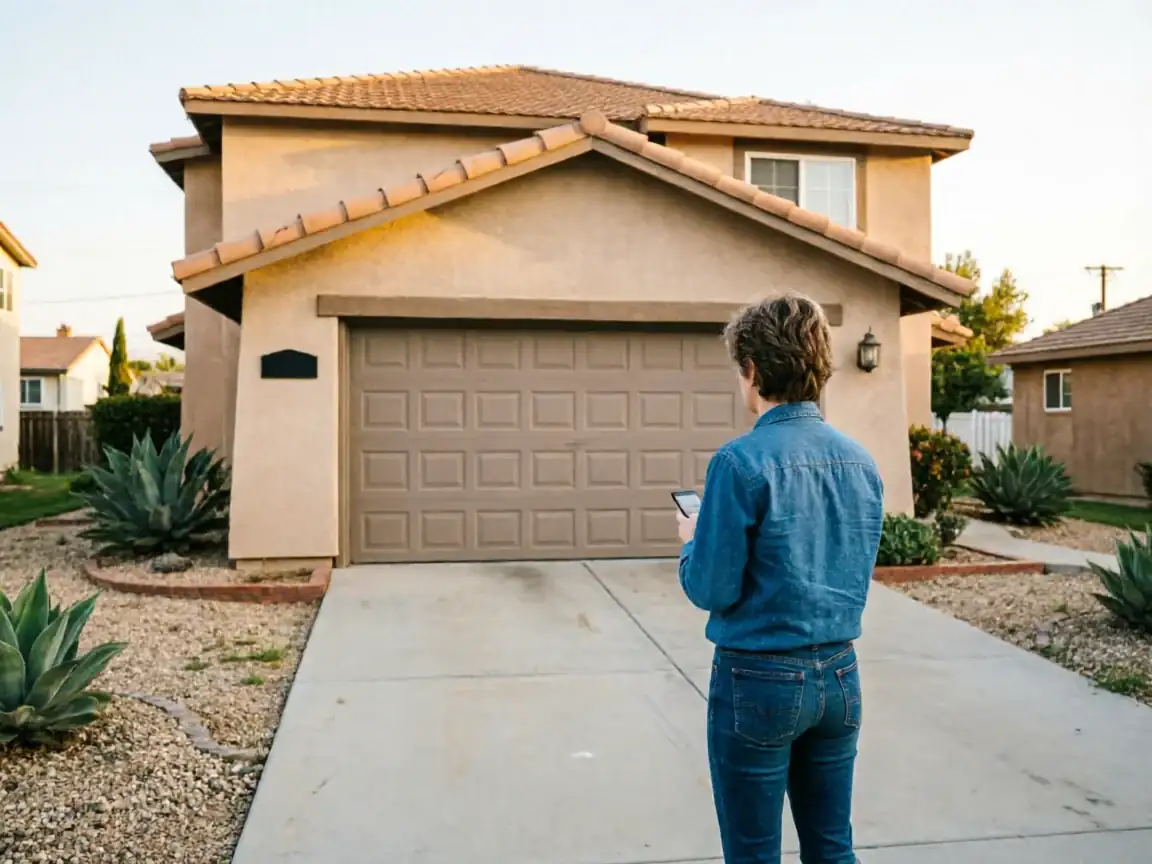
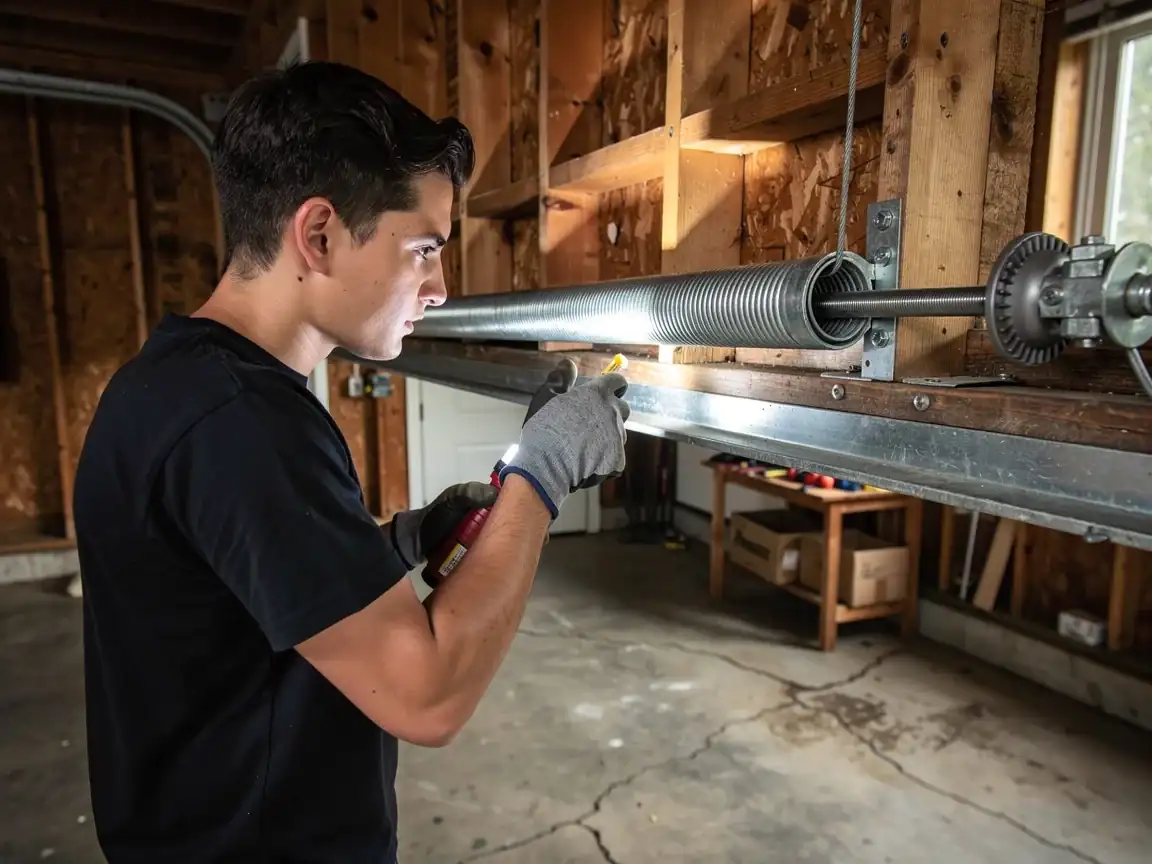
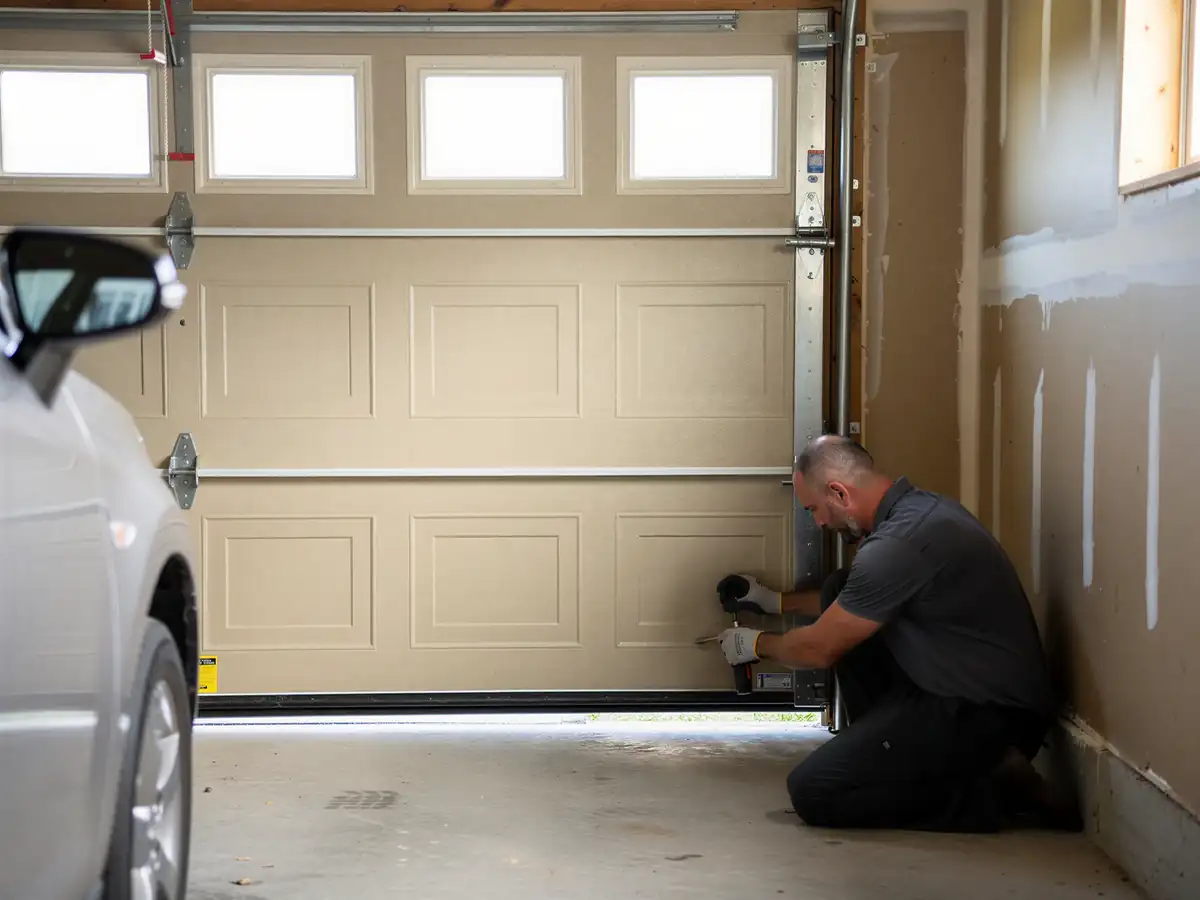
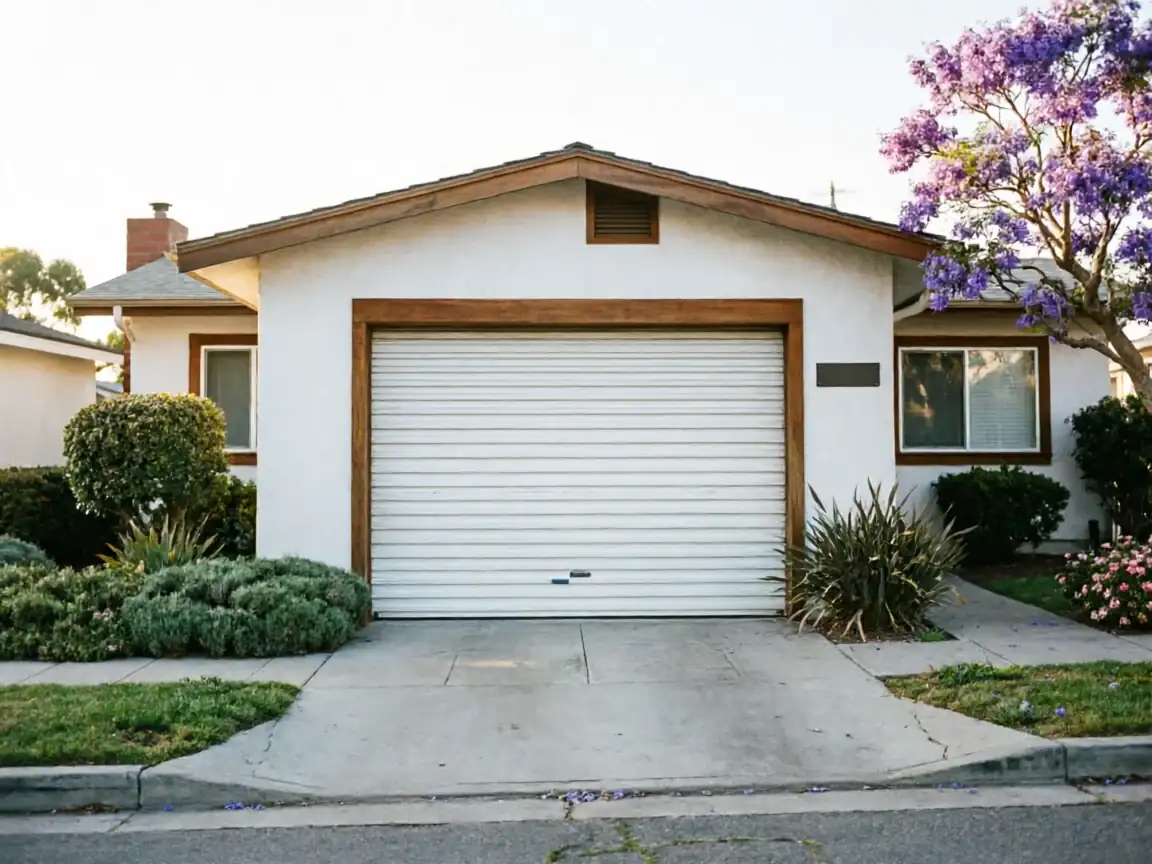
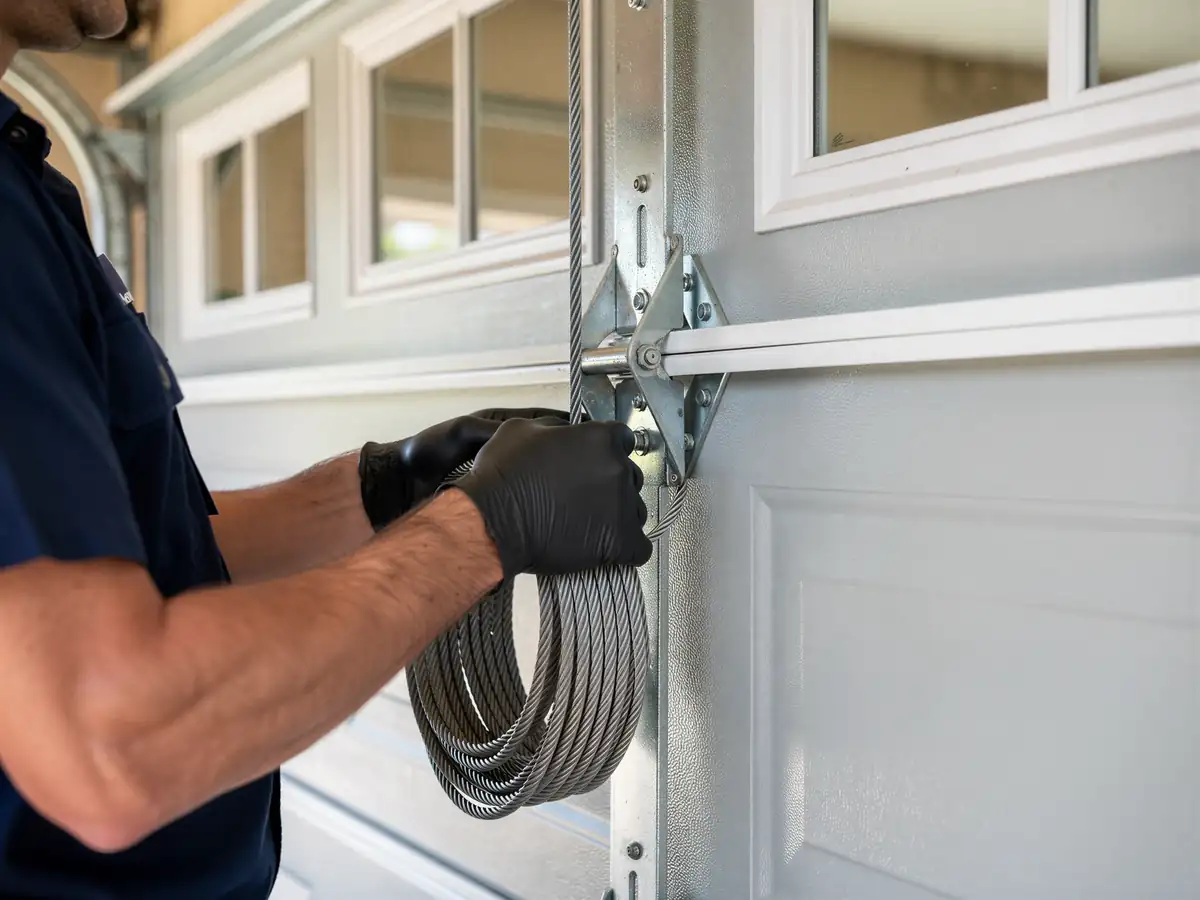
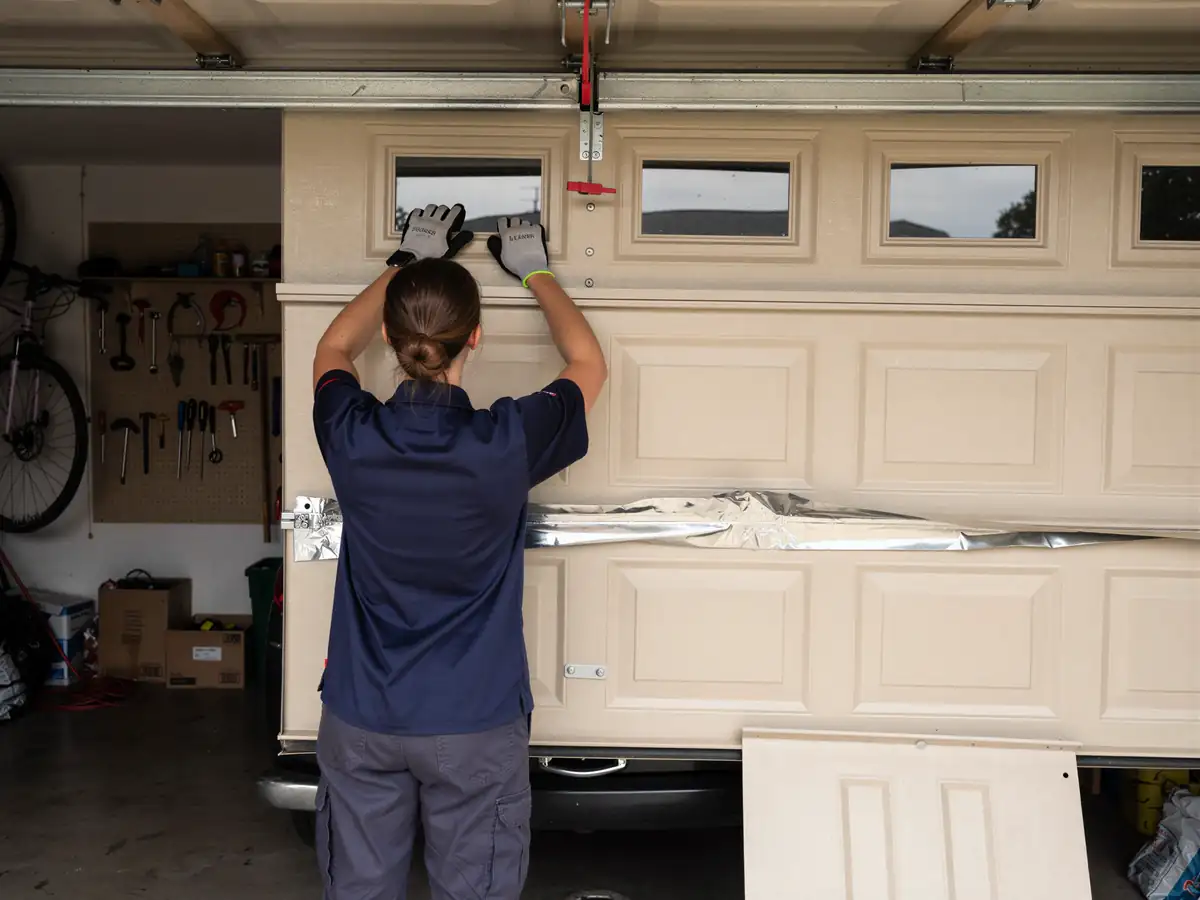
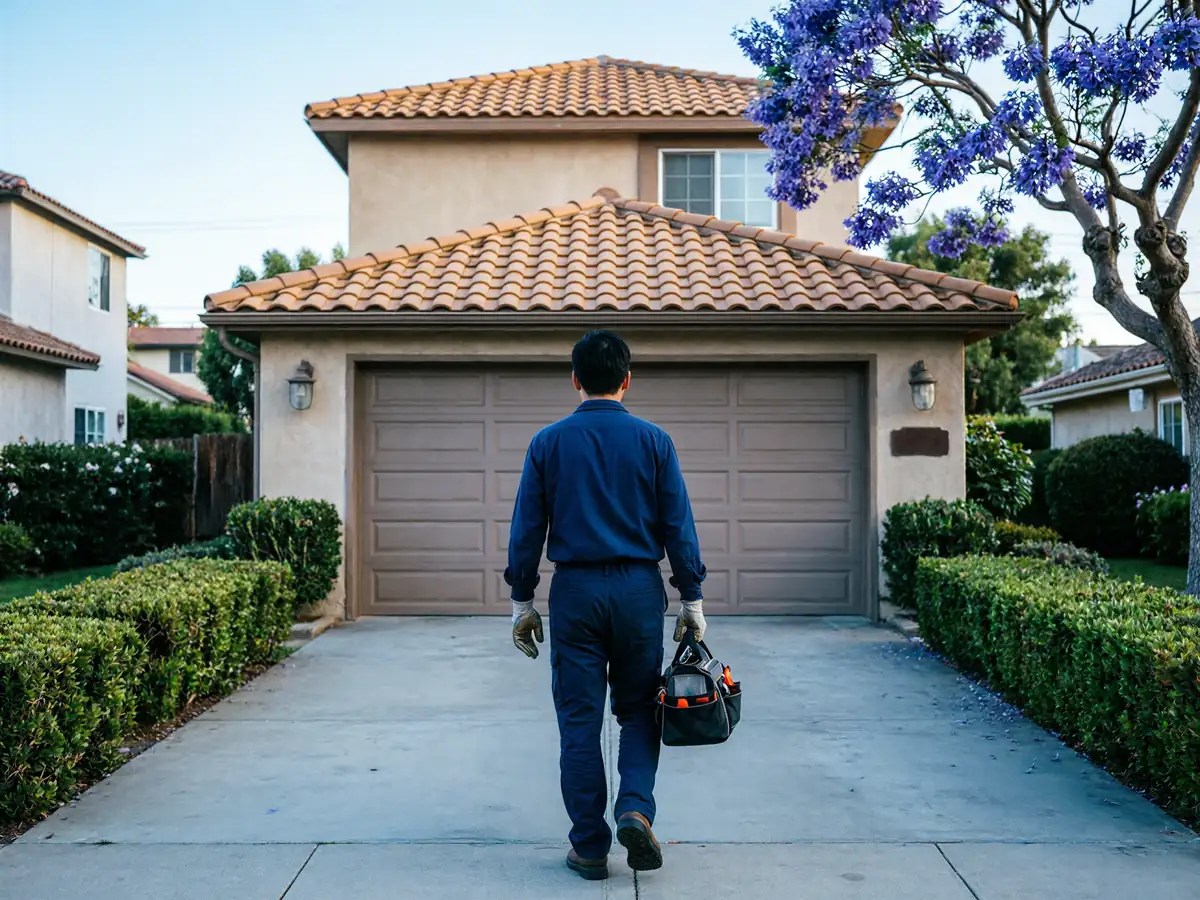
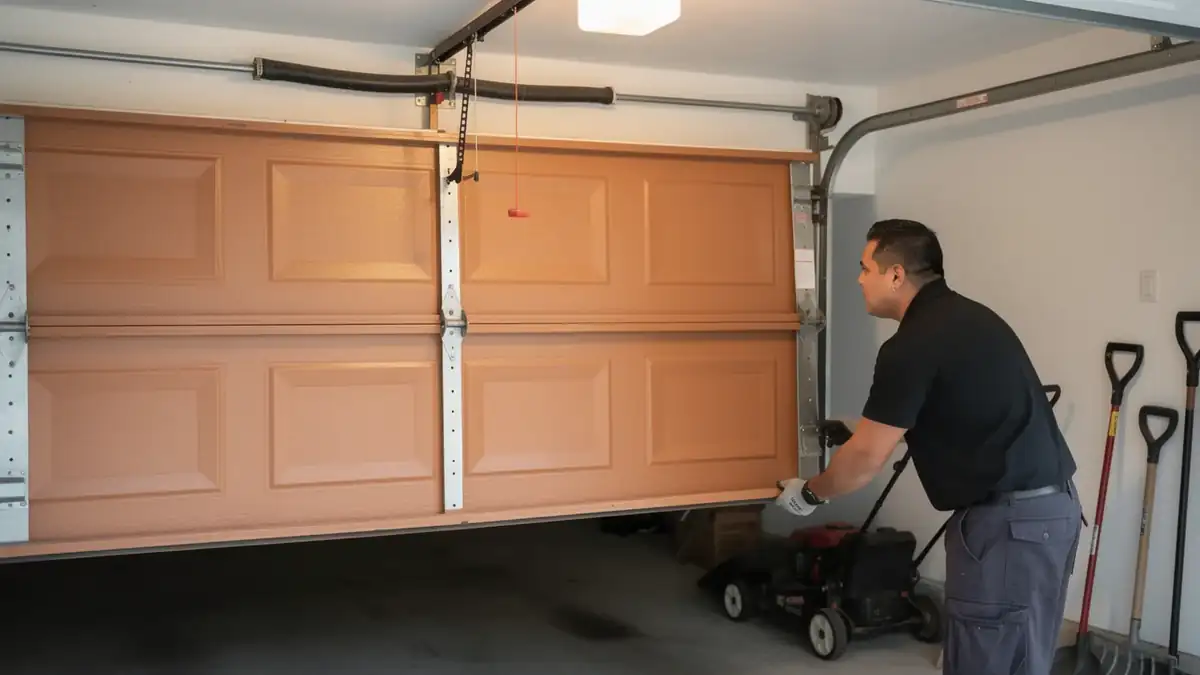
Most of the housing stock in Inglewood and the surrounding named areas went up between 1943 and 2012, with the median build year sitting around 1961. That means a tech showing up to a service call is usually looking at a door system that's been through two or three owners and at least one coat of fresh paint over original hardware nobody's touched. The first thing we check isn't the spring - it's the jamb. Sixty years of wood movement means the track brackets are rarely still plumb to the door, even if the door looks fine standing still. A door that looks straight can still be binding against a track that's drifted an eighth of an inch off true, and that eighth of an inch is what burns out an opener motor two years early. Before anything gets lubricated or tightened, we're reading the bracket angles and the jamb condition, because that tells us whether we're fixing a symptom or the actual cause.
This isn't a guess about old houses in general - it's what the 1960s-70s stock across this area actually looks like up close, and it's the starting point for almost every call.
Leaving It Alone
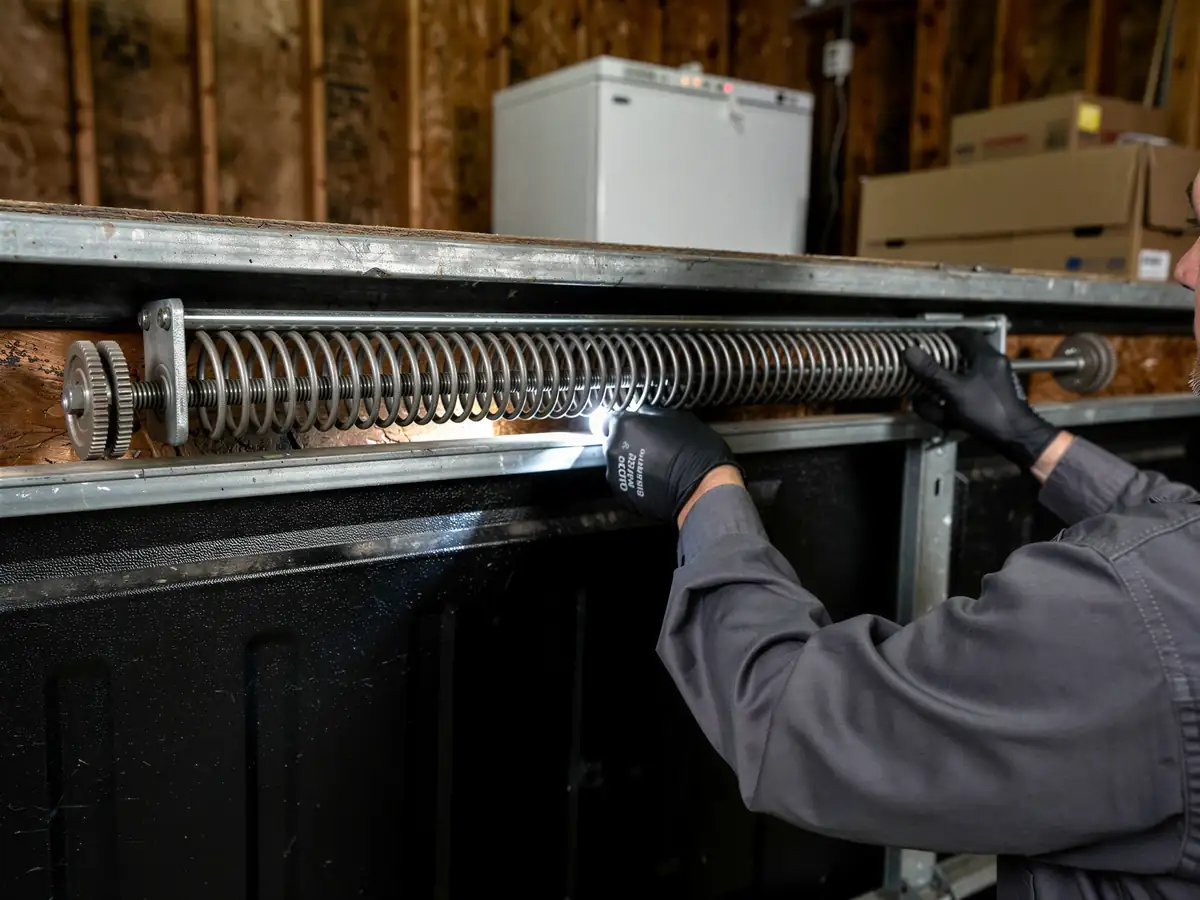
A door that's a little stiff on original 1960s-era torsion hardware doesn't fix itself
And it doesn't stay the same either. The spring keeps cycling against a drum that's slightly misaligned, the cable keeps riding a groove that's worn a little deeper each month, and the opener keeps pulling harder than it should to compensate. None of that shows up as a loud noise right away. It shows up as a slow closing door, then a door that reverses for no clear reason, then a cable that frays at the drum and lets a panel drop crooked.
We're not going to tell you every quiet door is a ticking bomb
Plenty of these systems run another five or ten years with nothing more than a bent panel from a bumper tap. But on hardware this old, the gap between 'working fine' and 'cable snapped' is usually smaller than people expect, because the wear has already been happening for decades before anyone calls.
Where People Go Wrong
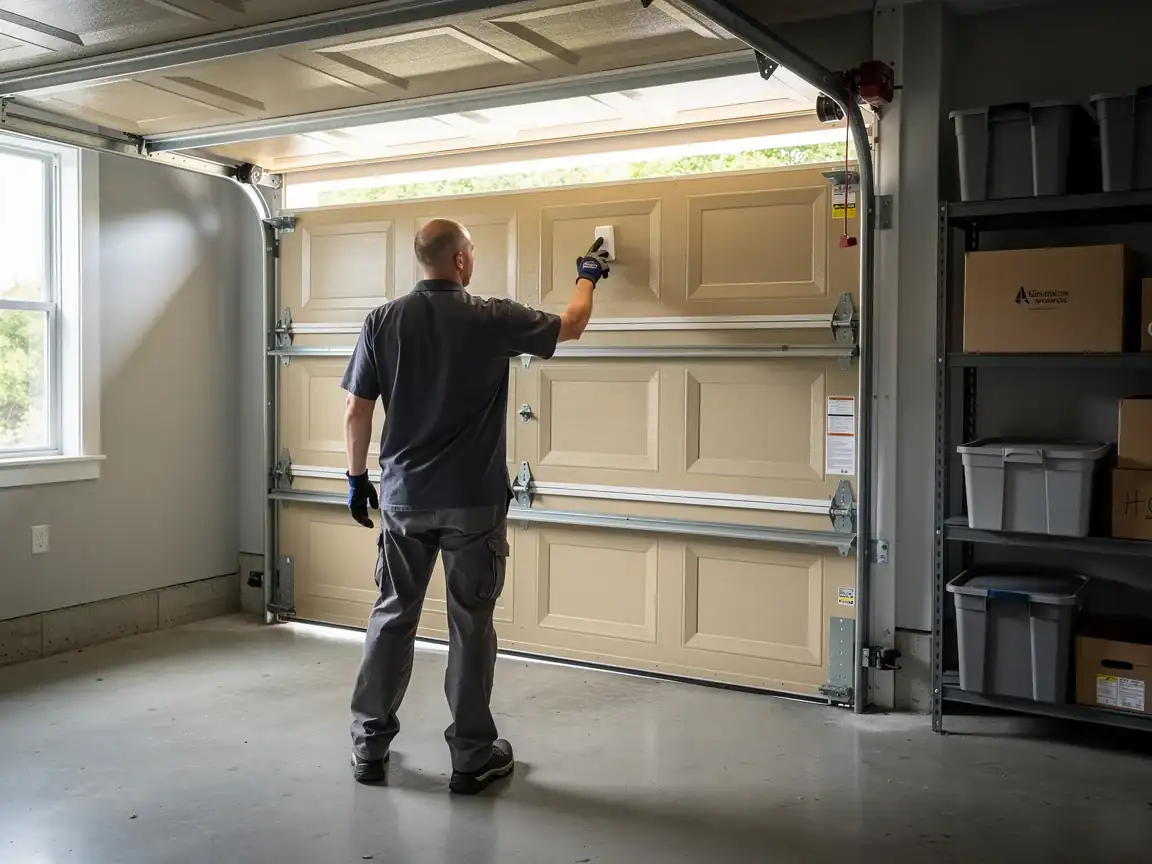
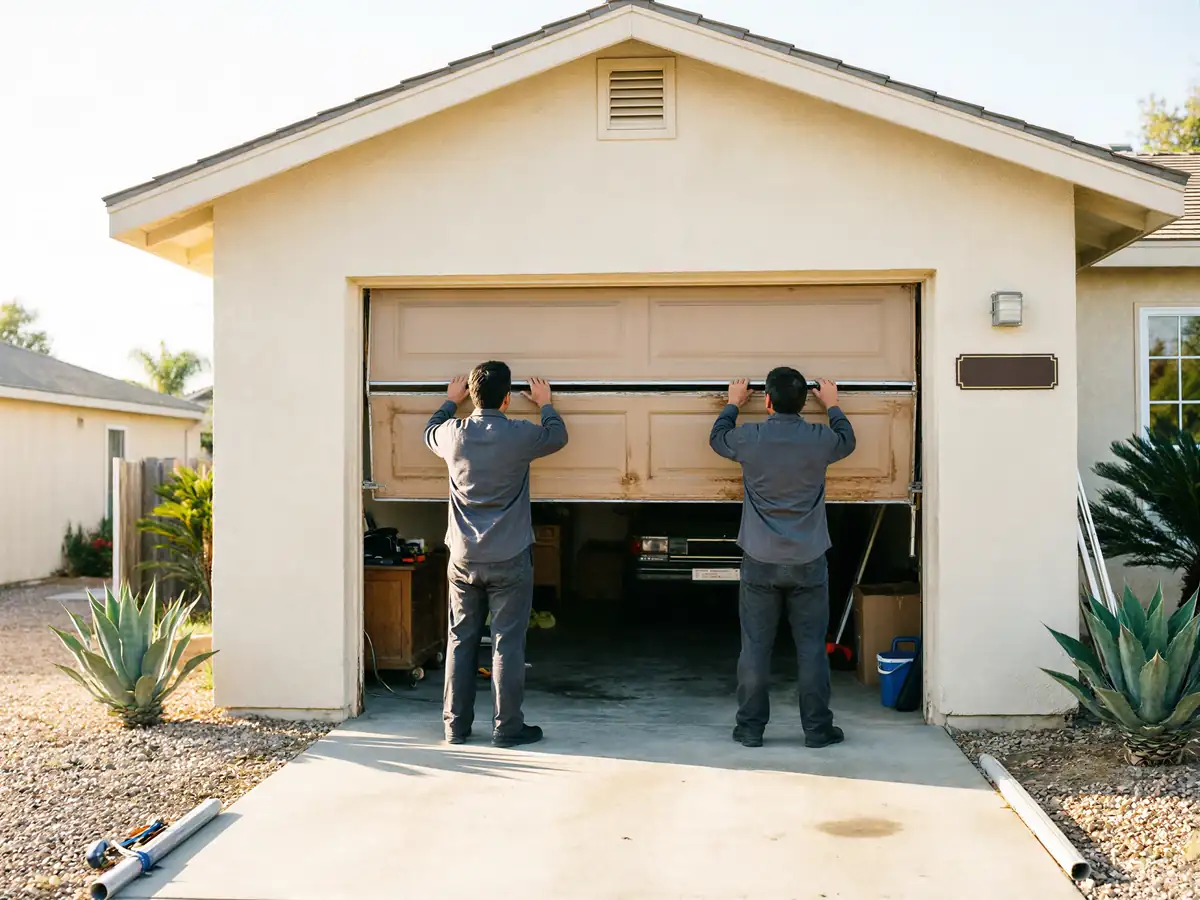
The most common mistake we see on these older Inglewood systems is treating the opener as the problem when the track and bracket alignment is the actual issue. Somebody notices the door groaning or reversing and assumes the motor's dying, so they replace the opener - sometimes more than once - and the door keeps doing the same thing because nobody touched the track geometry underneath it.
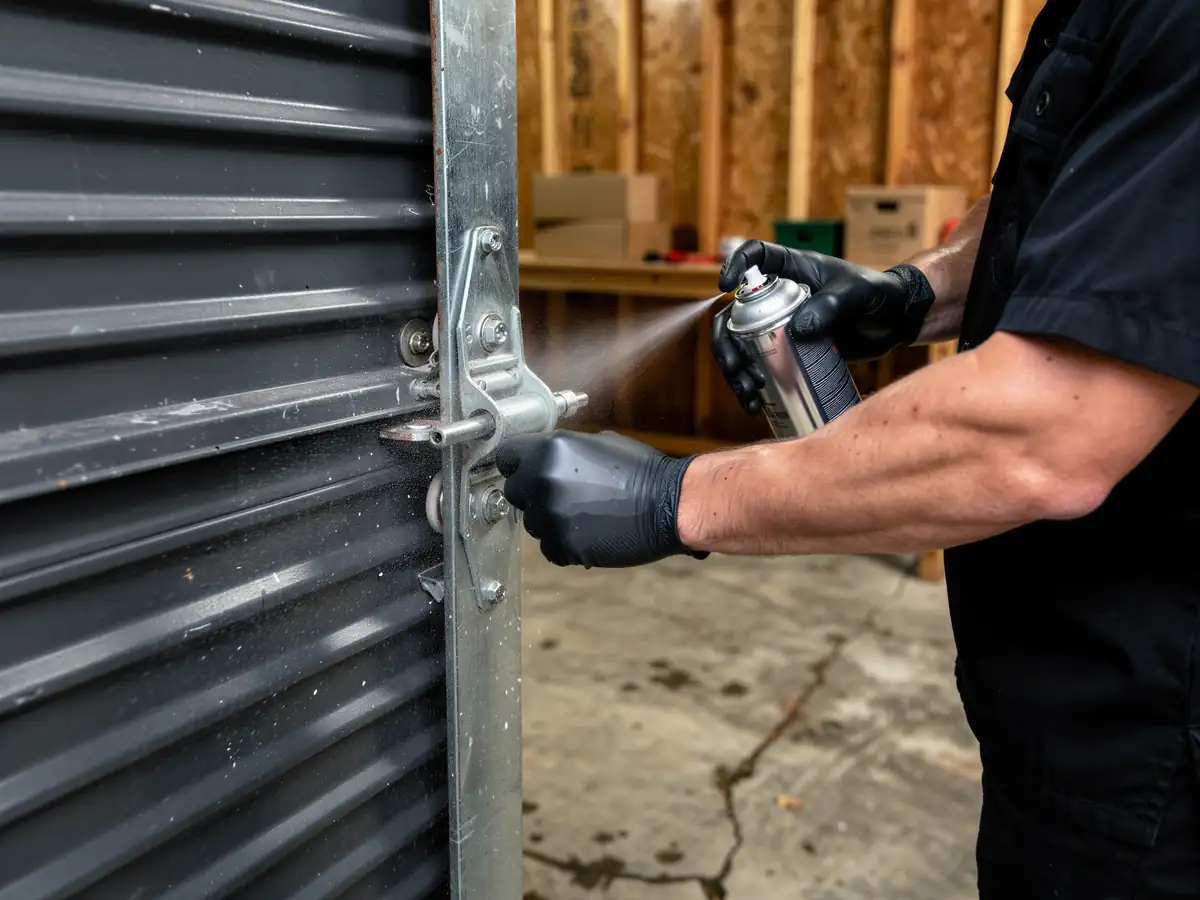
The second mistake is lubricating a noisy roller and calling it solved. On hardware that's been settling against a shifted jamb for fifty-plus years, grease quiets the sound for a few weeks but doesn't correct the angle causing the friction. We'll be straight about it: sometimes a repair genuinely isn't worth it. If the track brackets have pulled far enough out of the jamb that they need to be re-set into new wood, and the door itself is already near the end of its run, replacing the whole system is usually cheaper over time than patching an alignment problem on an installation this old.
What Local Conditions Do
Inglewood sits in a mild temperate climate band, so we're not dealing with the freeze-thaw cracking or ice-jammed tracks that cause failures in colder parts of the country. That's the good news. The wear here comes from steady daily cycling and decades of heat-cool expansion in wood jambs and steel brackets that were never built to be replaced - they were built to last the life of the house, and on homes from the early 1960s, that's a long time to ask of original hardware.
What this means in practice: we're less worried about sudden weather damage and more focused on cumulative mechanical wear - spring fatigue, bracket creep, cable groove wear - the kind of thing that builds slowly in a stable climate and gets missed because nothing dramatic ever happens to force the issue. That's exactly why a first visit starts with a full look at the bracket and jamb condition rather than just the part that's making noise.