How It Shows Up
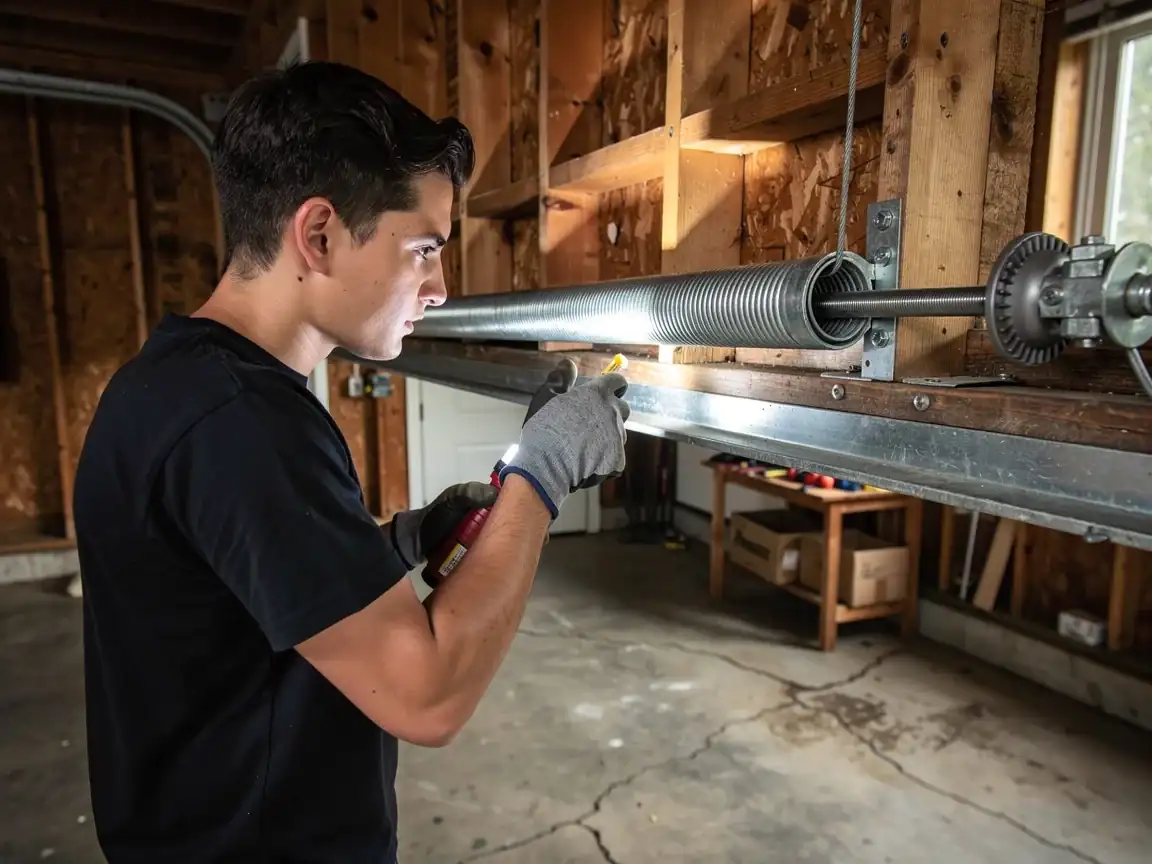
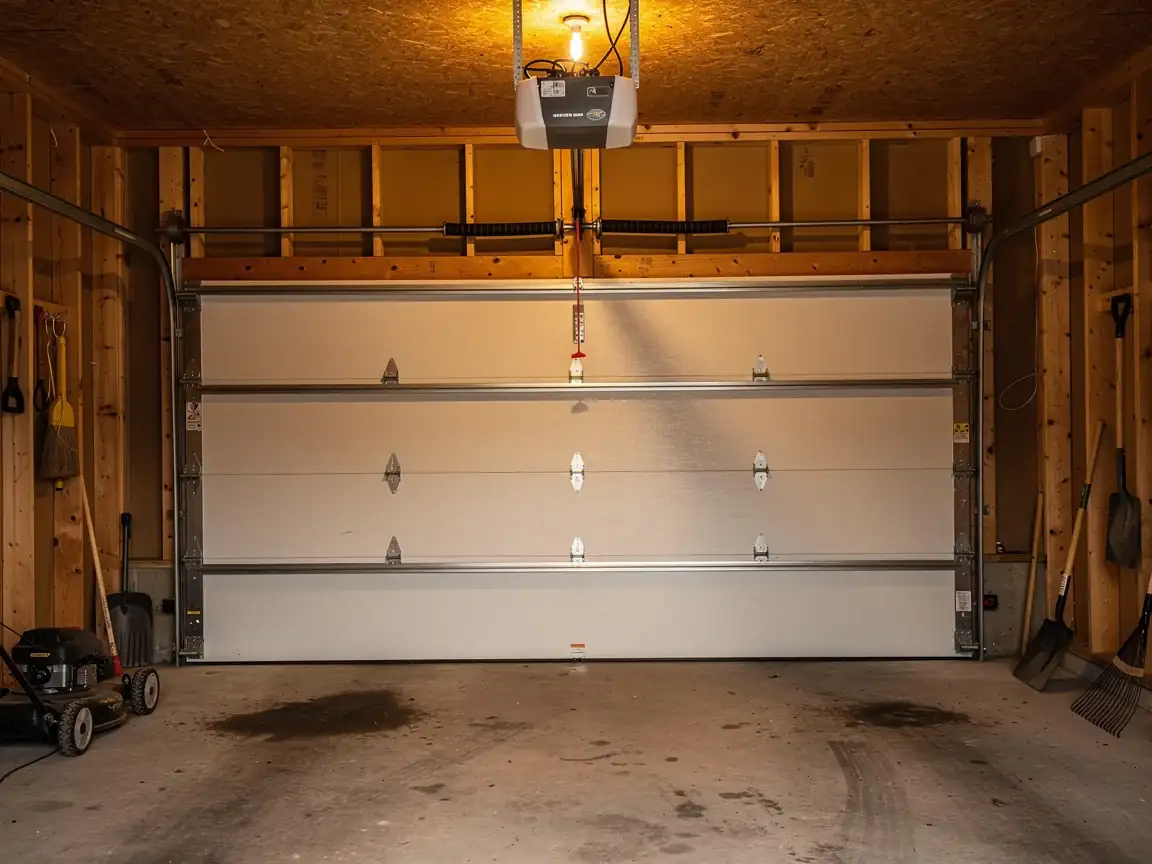
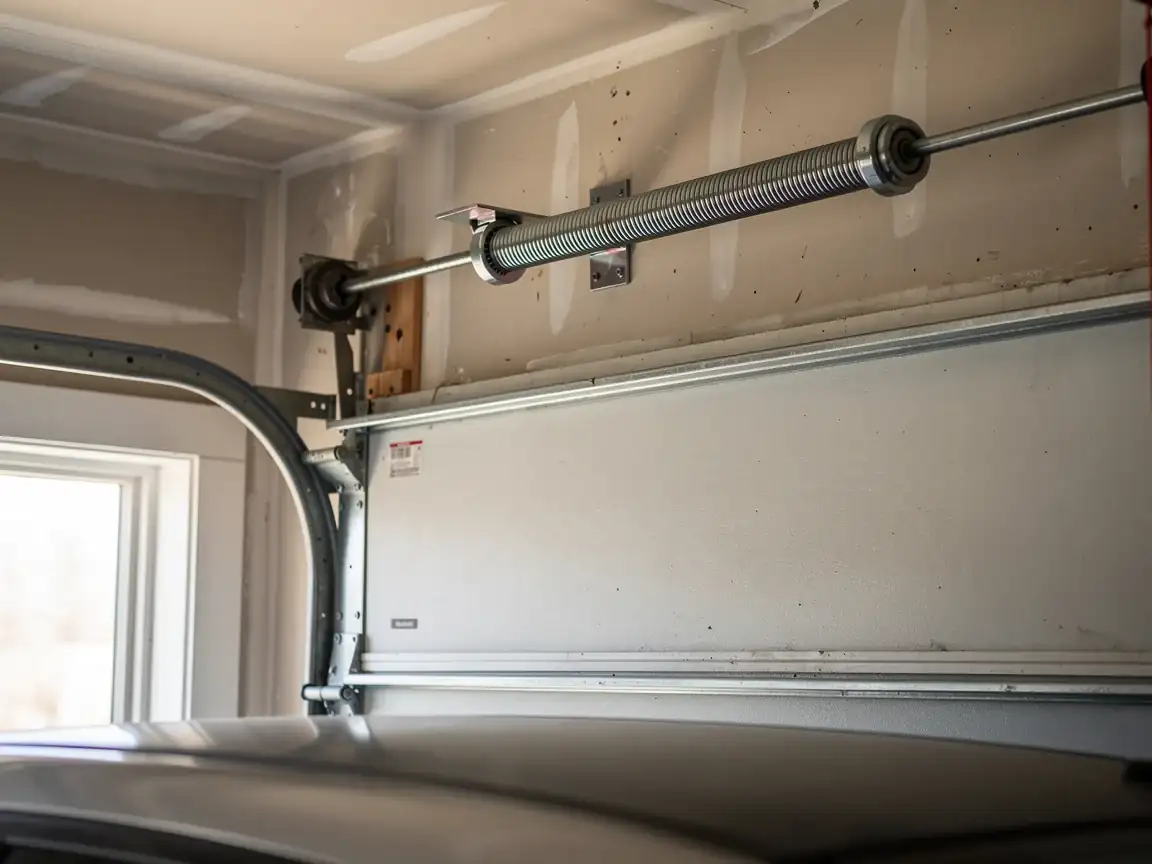
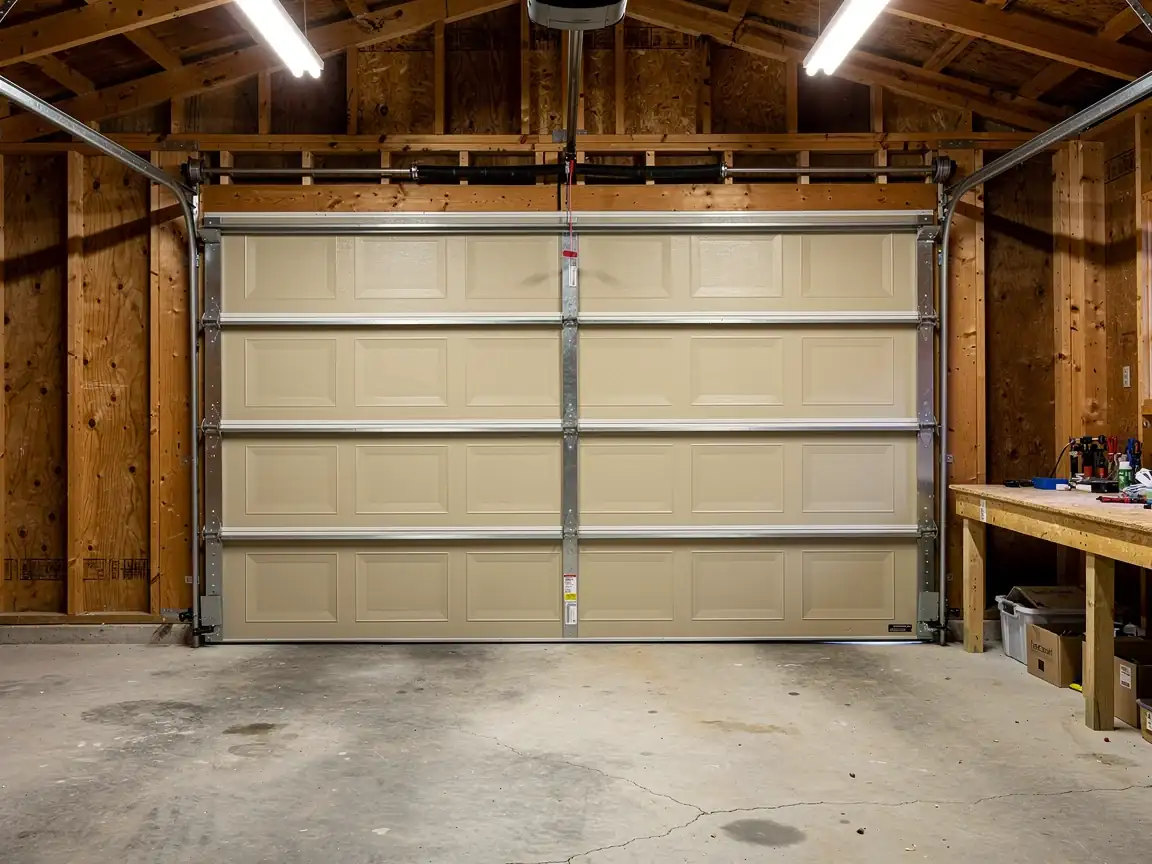
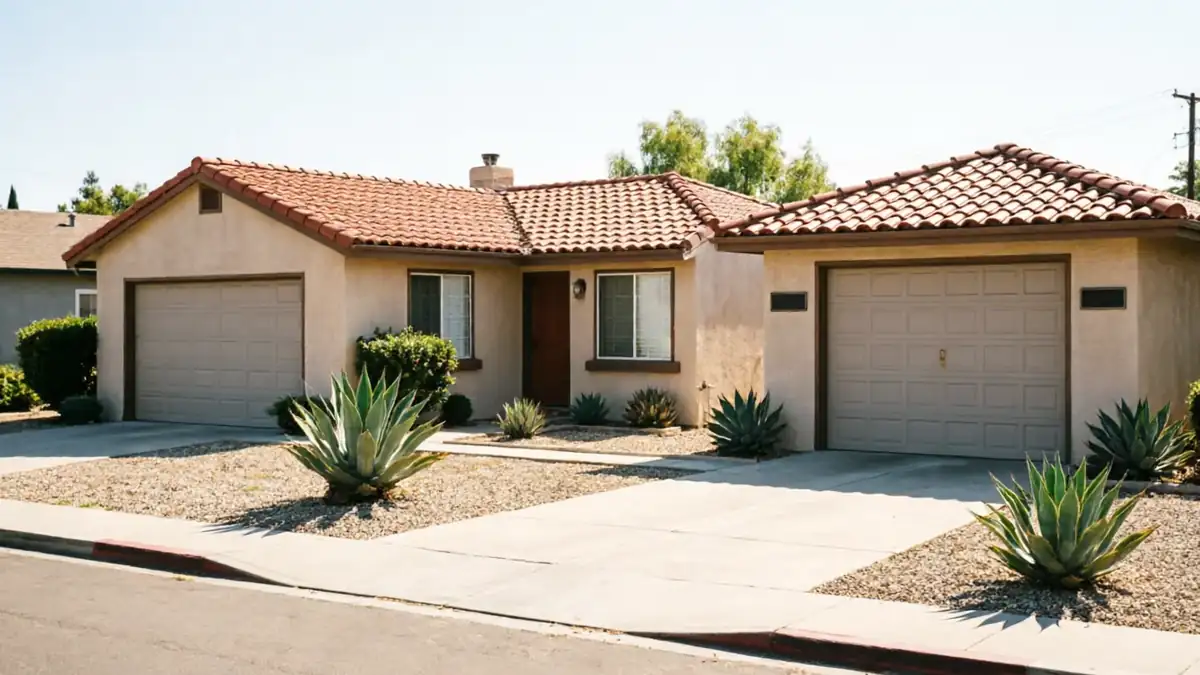
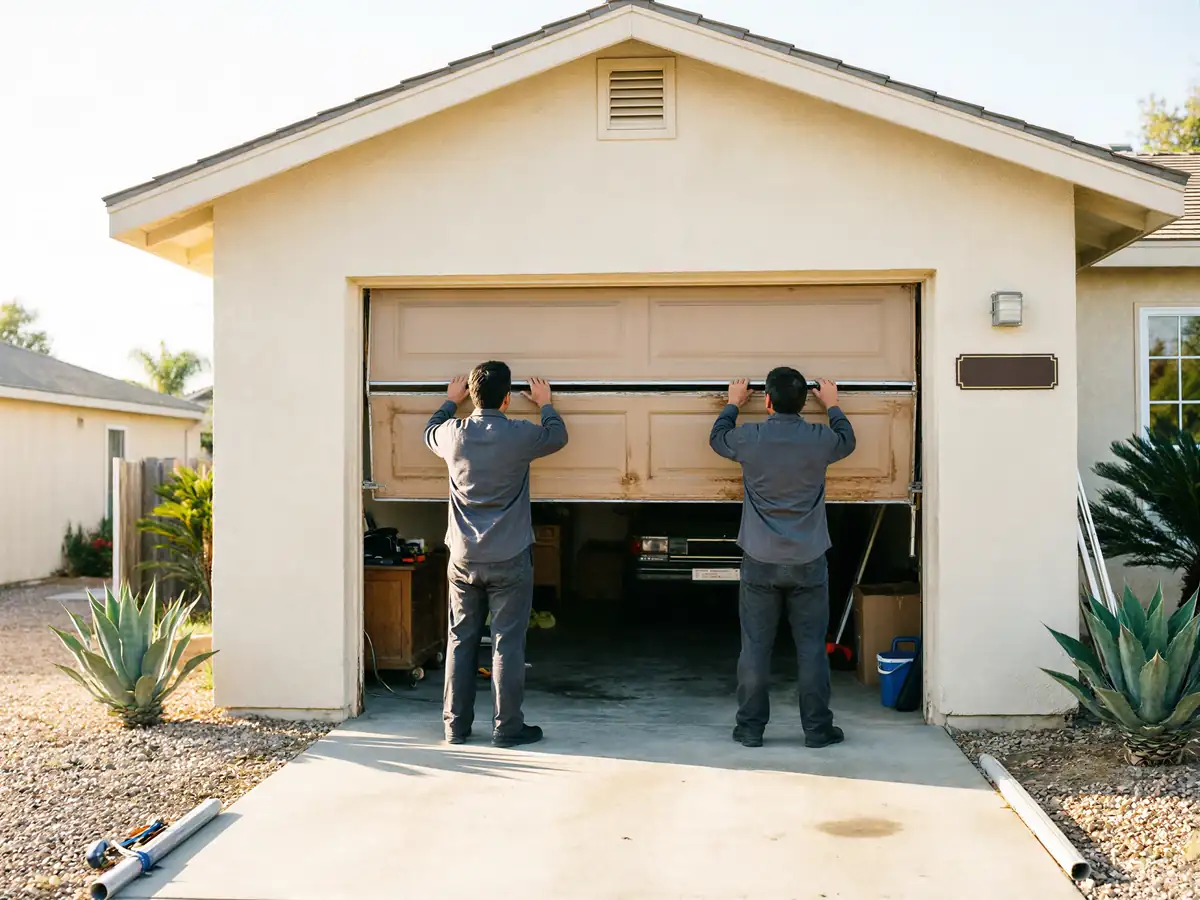
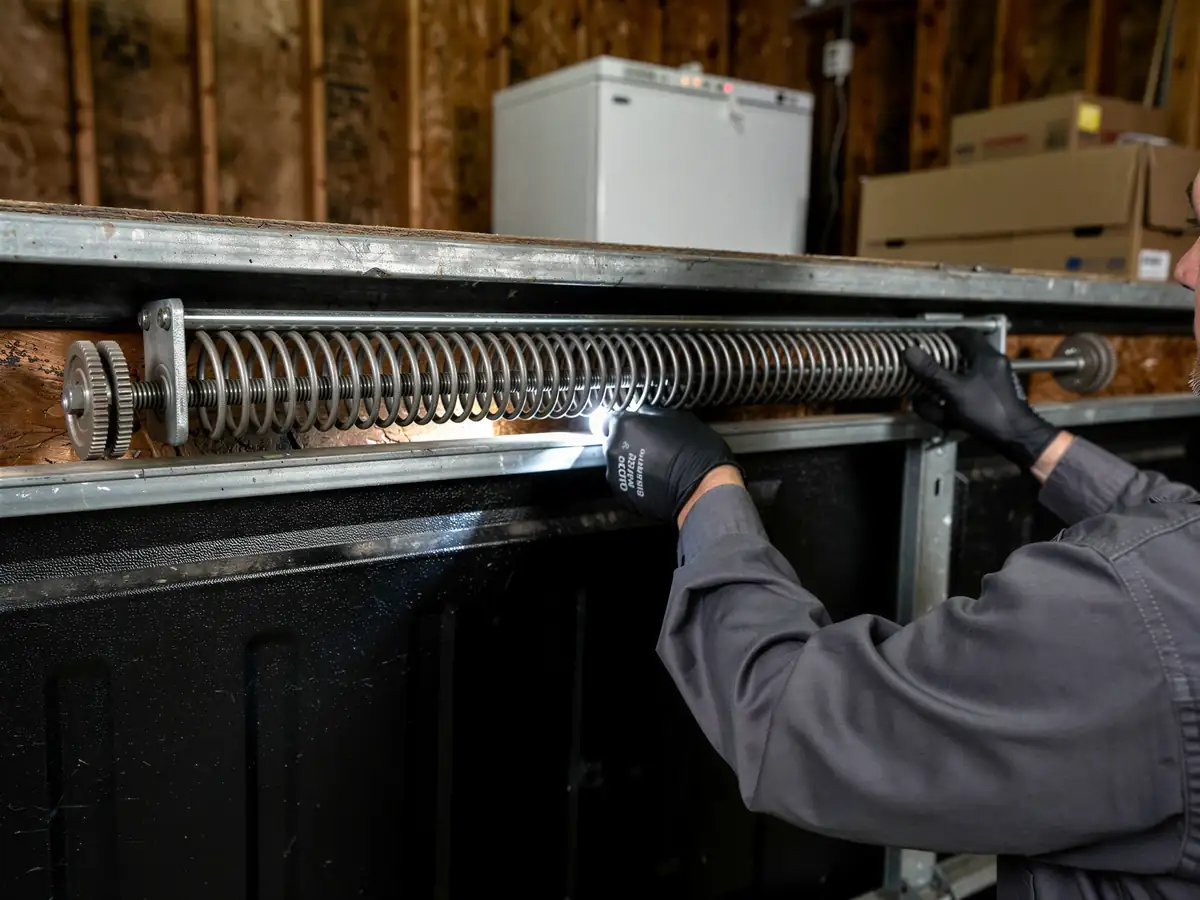
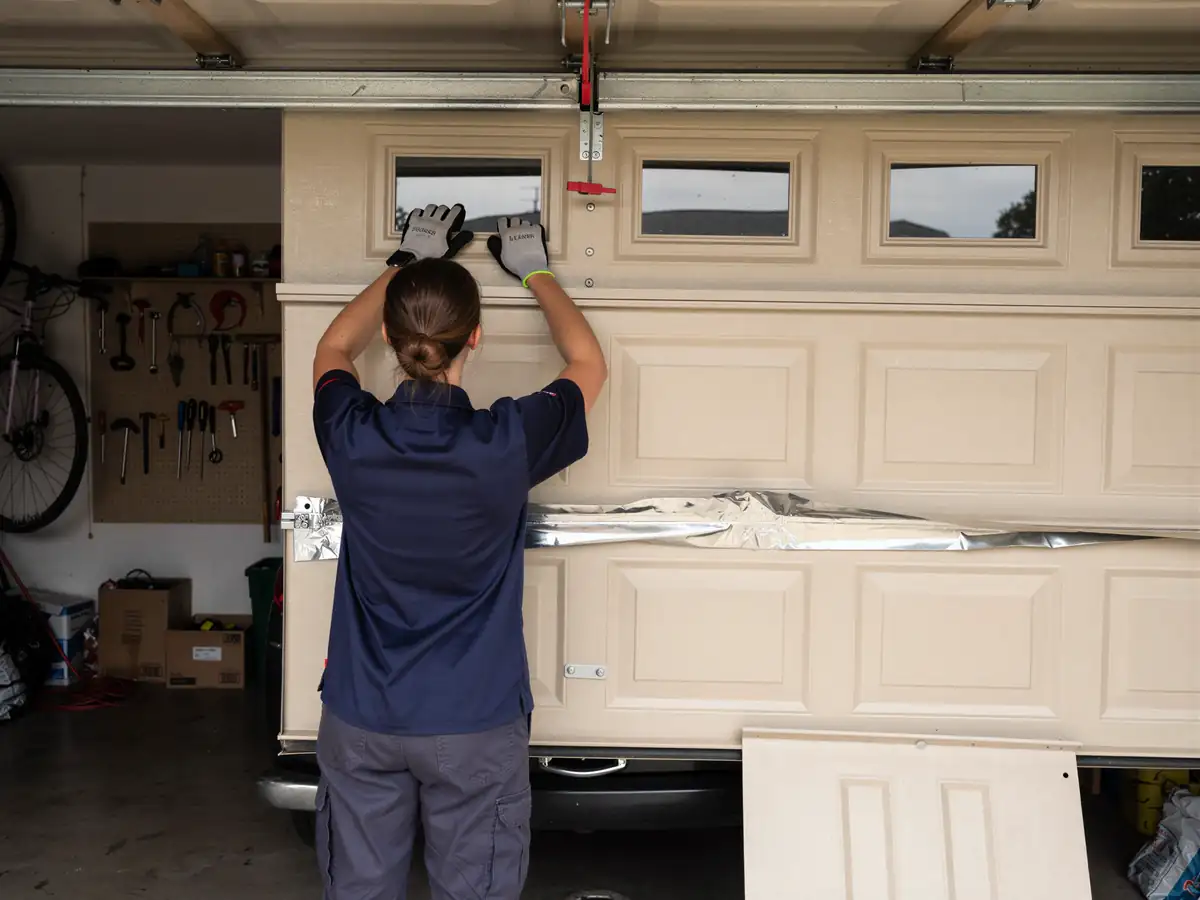
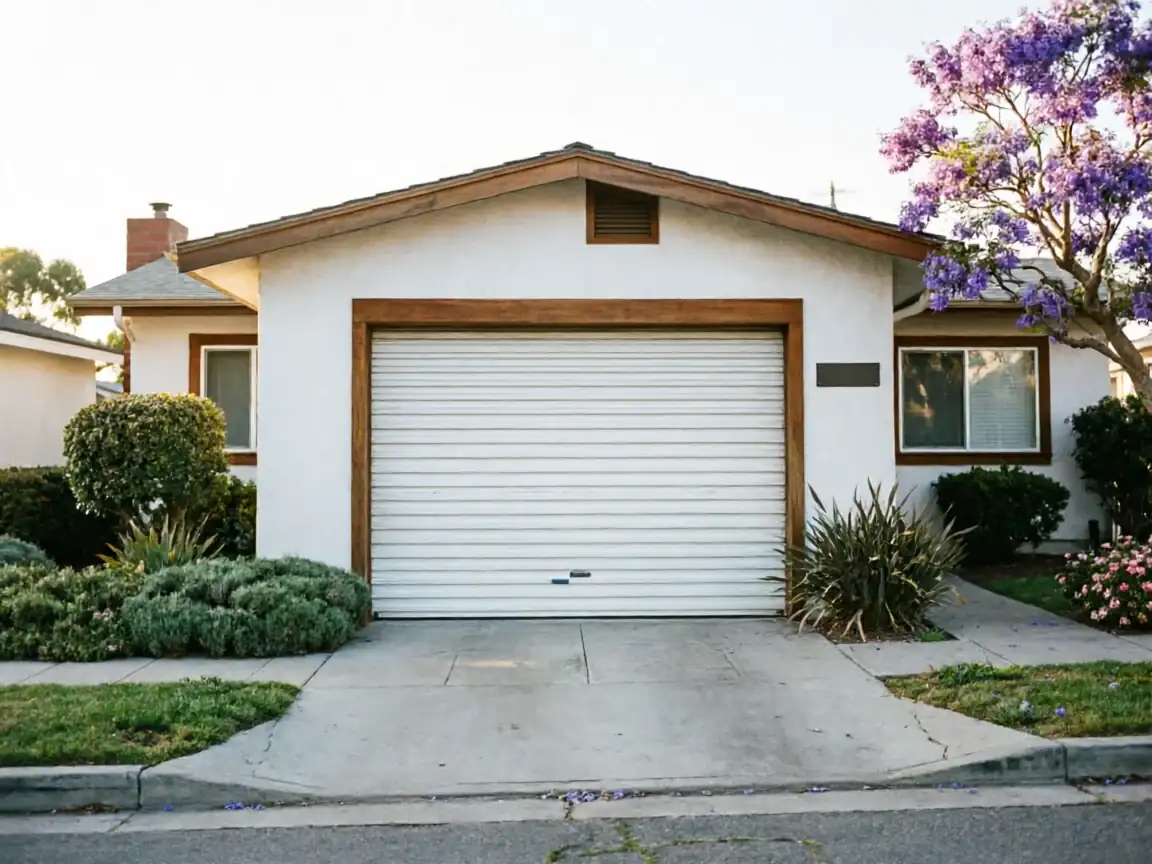
Most of West Athens went up around 1959, right in the middle of the broader area's 1943-2012 building window. That year matters more than people think. A door hung in 1959 was almost always a flat, lightweight panel set on a torsion spring mounted straight above the opening, with steel hinges that have had sixty-plus years to loosen. What you see today is the slow result of that: a door that shudders halfway up, a spring that's lost tension and makes the opener strain, or a track pulling away from framing that's settled more than it should. None of this looks dramatic at first. It's a grinding sound on the way up, a door that won't sit flush at the bottom, a remote that works only on the third try. Those are age symptoms, not random bad luck, and they show up earlier here than in neighborhoods built after the 1970s retrofit codes took hold. We see the same pattern across the mild coastal climate band here - it's not heat or ice doing the damage, it's four to six decades of daily cycling on hardware that was standard for its time but never meant to last this long.
How Long It Takes
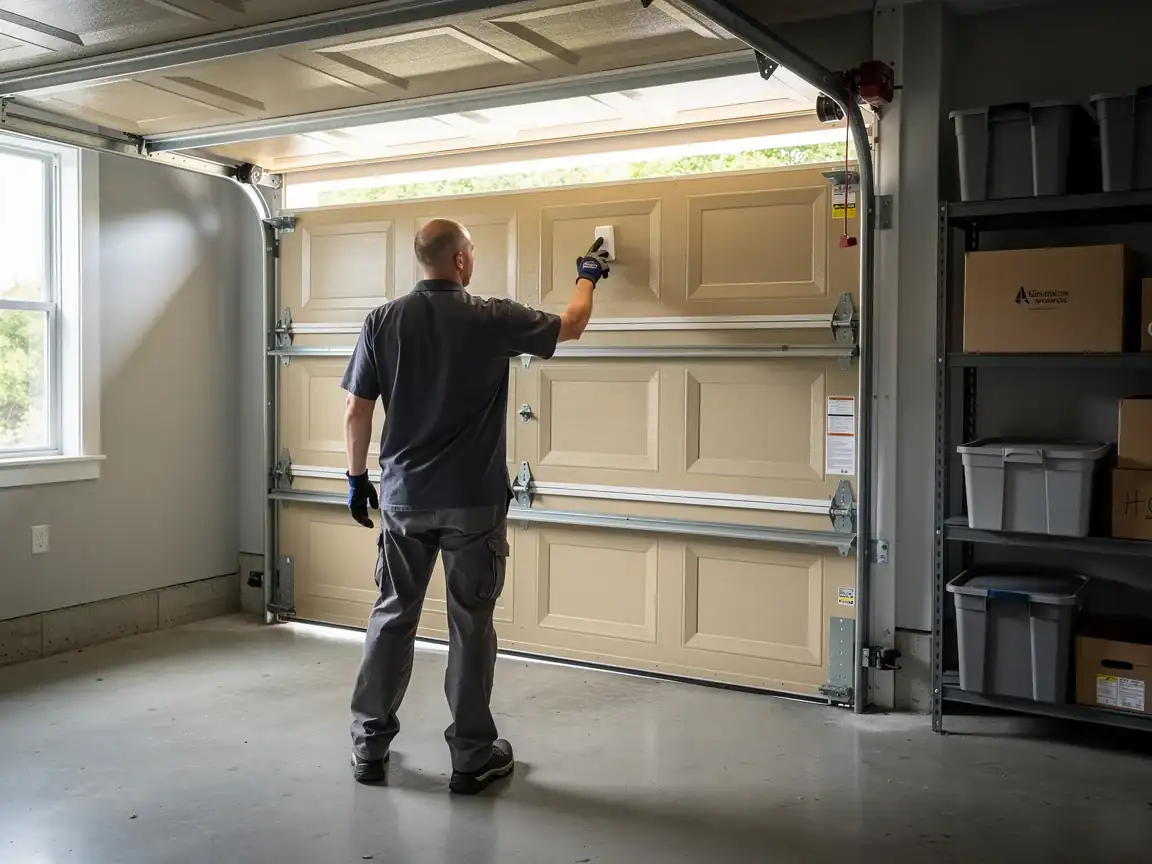
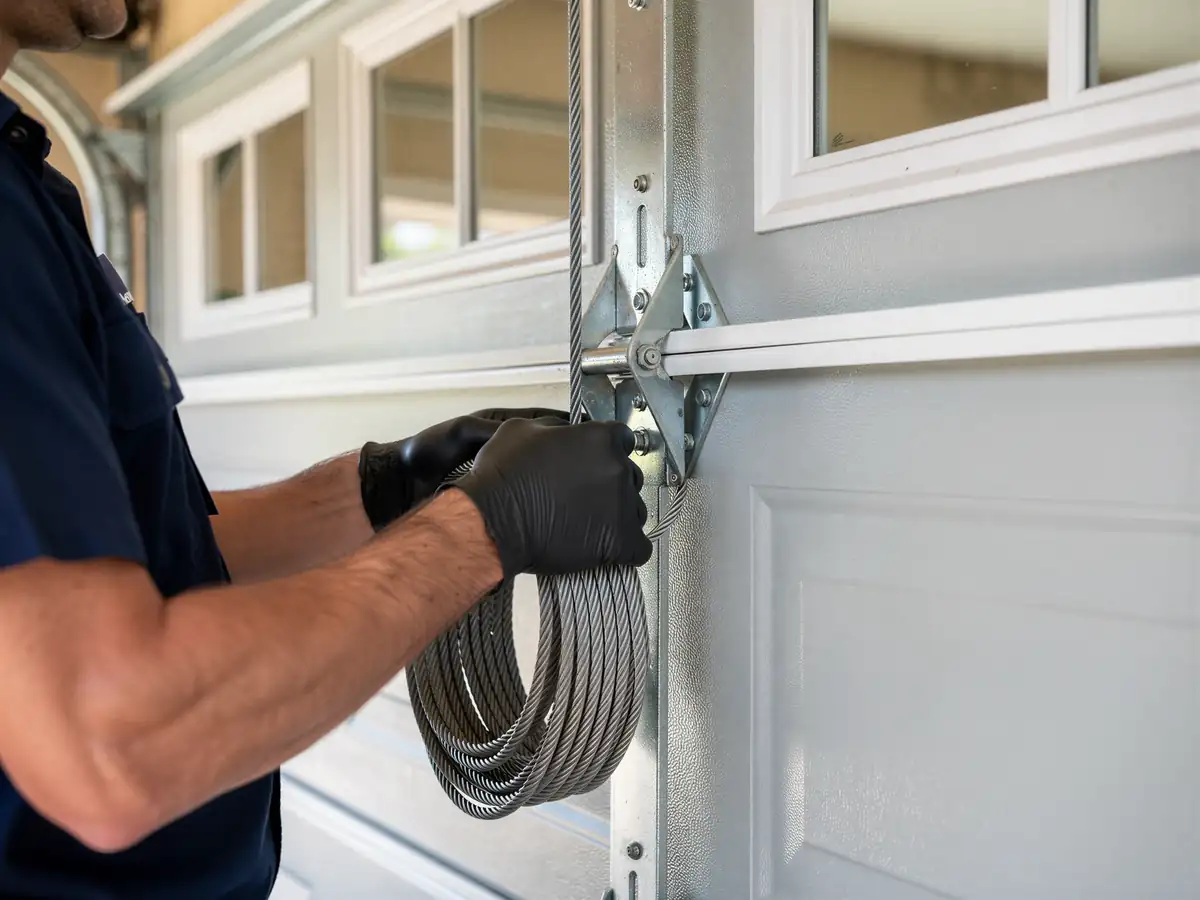
We don't carry a West Athens-specific crew or stock here - we come from Inglewood, about 3 miles away, so travel time is short but it's still a drive, not a walk-in. Most spring and cable jobs on a single door run a couple hours once we're on site; a full door replacement takes longer and depends on whether the opening is a standard size, which is common in this era of construction, or has been modified over the decades. We won't quote an exact window here because every job depends on what we find once the door's open - a 1959 install can hide a replaced spring from the 1980s next to original hinges, and that mismatch changes the repair.
Where This Job Goes Sideways
The most common misstep we see on houses from this period is a spring swapped to the wrong size or wind direction because someone matched it to the opener's strain instead of the door's actual weight. That makes the opener do work the spring should be doing, and it burns out the opener motor faster than it should fail. Another one: track realignment done without checking whether the framing itself has shifted, which is more likely in a house pushing sixty-five years old than a newer build. You end up with a straight track bolted to a frame that isn't straight, and the door binds again within months. Both of these save time on the day of the job and cost more within a year.
How We Fix It
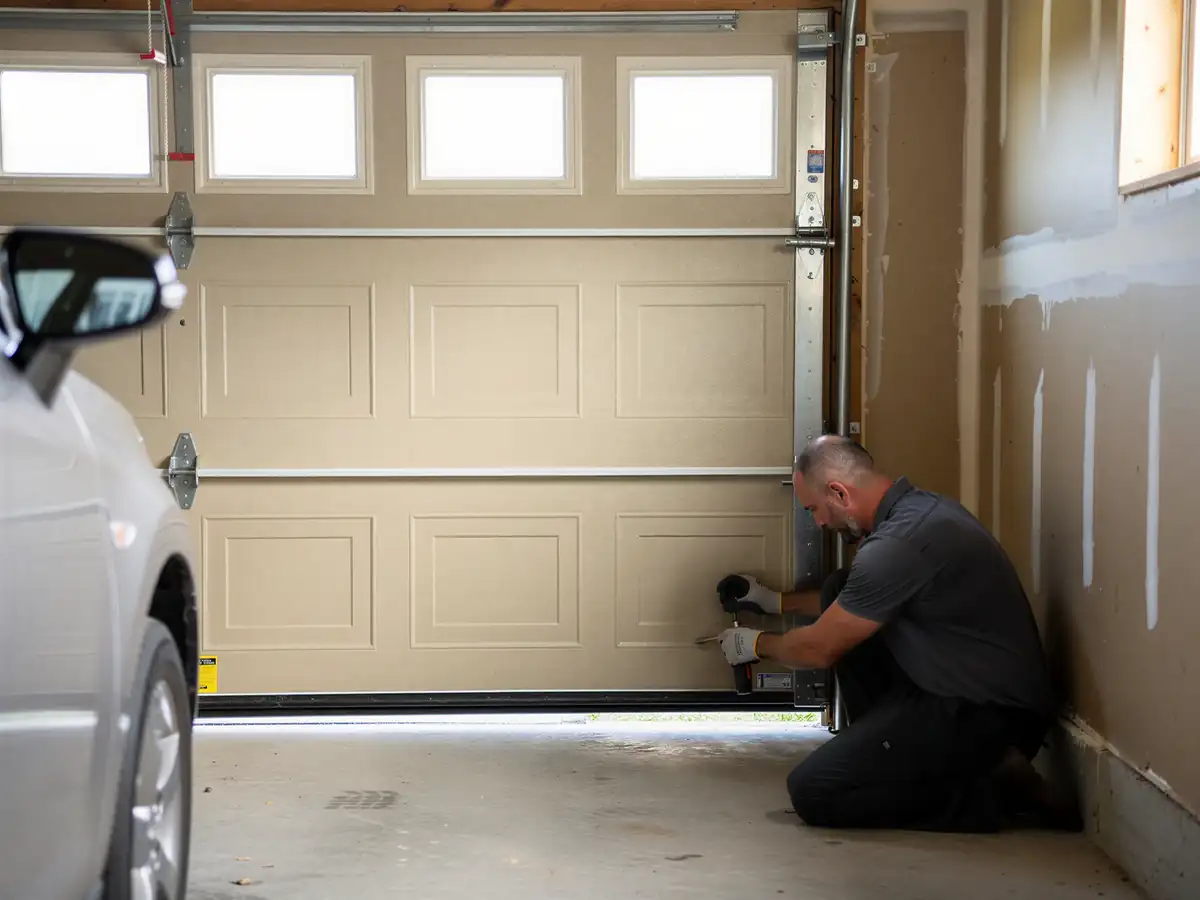
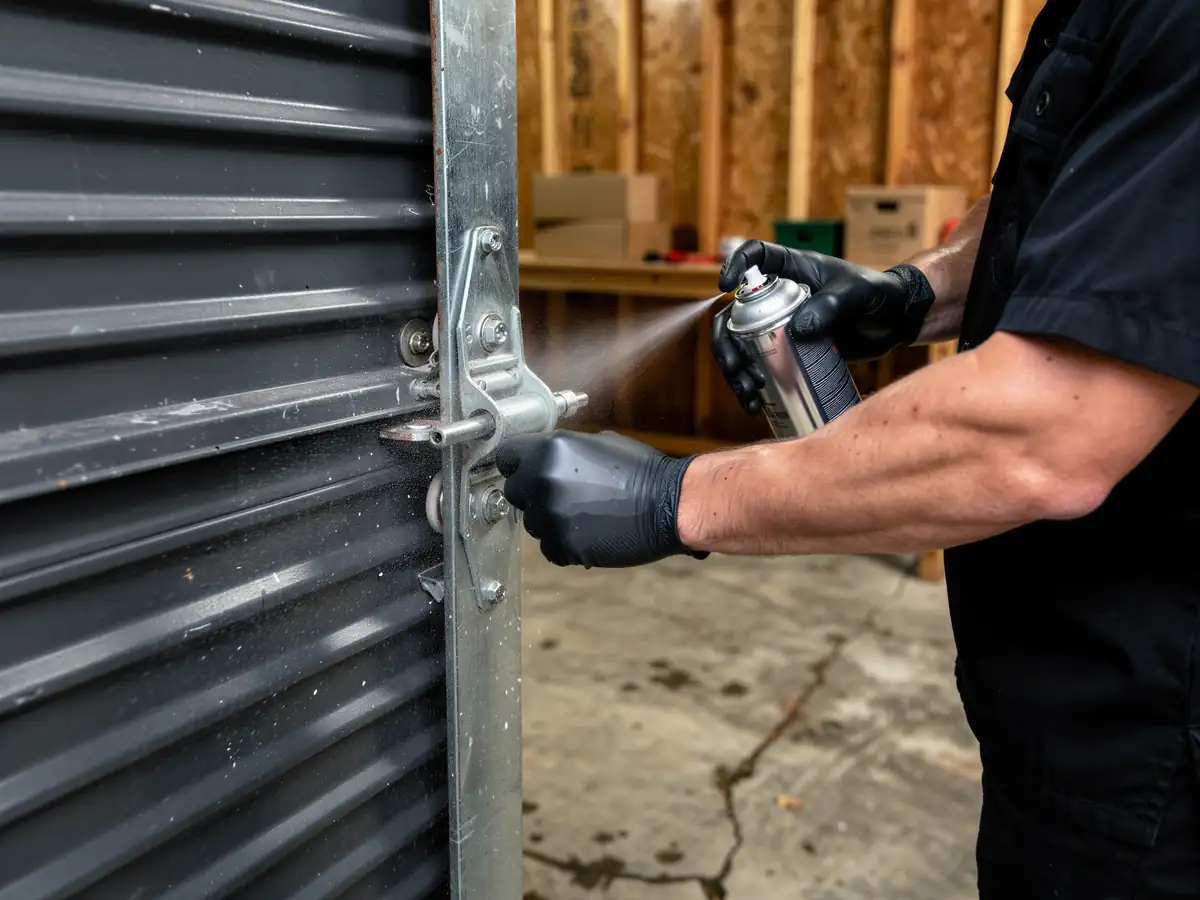
We start by figuring out which era each component actually belongs to - spring, cable, track, opener - rather than assuming the door is one consistent system. On a house built around 1959, that usually means the spring and drum are the oldest parts and the opener is the newest, so we size any new spring to the door's actual weight, not to whatever the last opener was straining against. If the frame has settled, we true the track before locking it down rather than bolting it straight into a crooked opening. We're honest when replacement beats repair: if the door itself is the original panel from that era, patch options are limited because the panel sizing and hardware mounts don't match what's stocked today, and at that point a new door costs less over time than chasing parts for the old one. We handle this from our Inglewood location, 3 miles out.