What It Costs
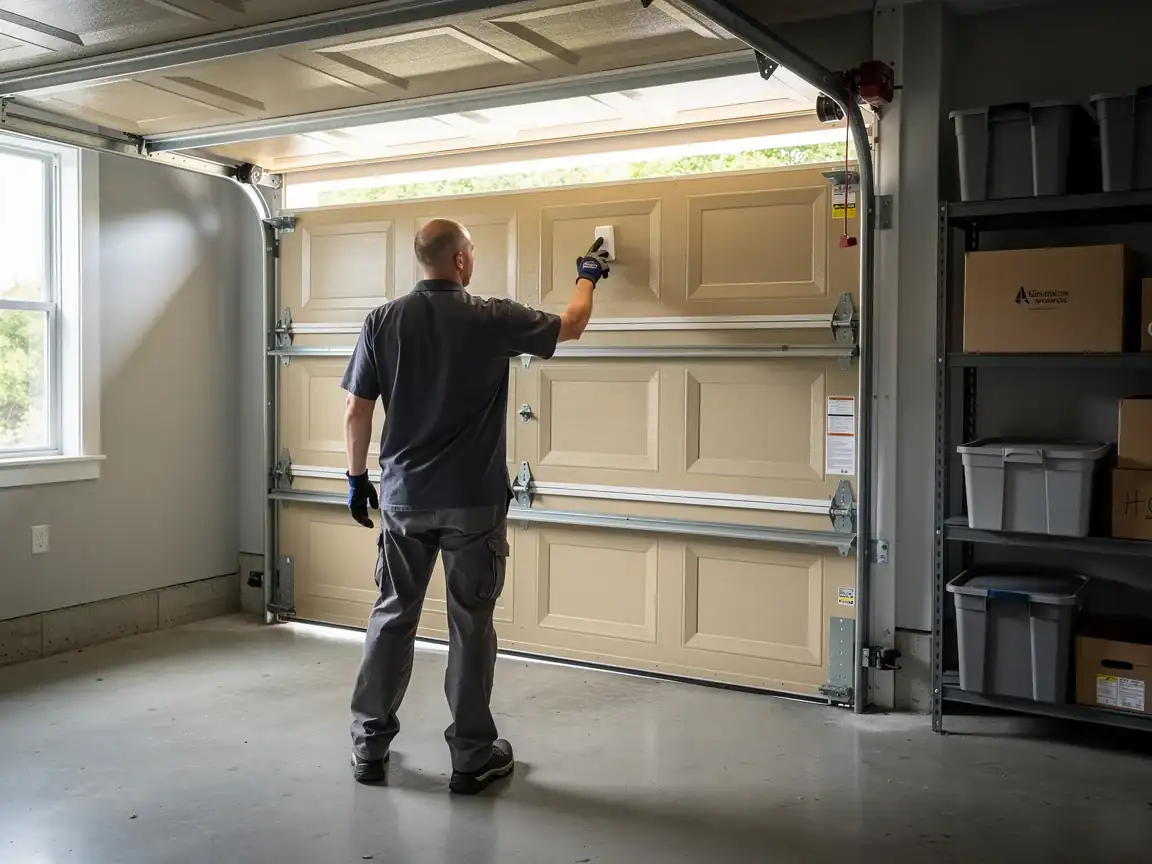
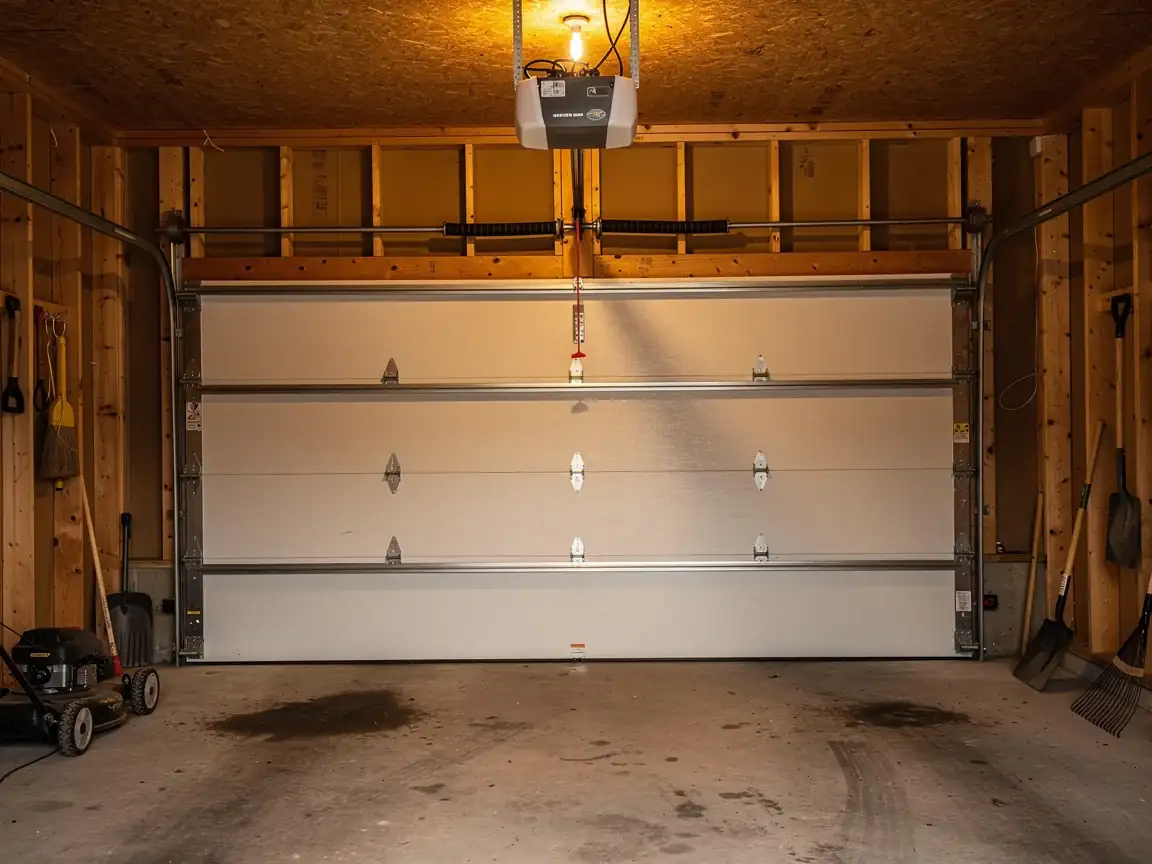
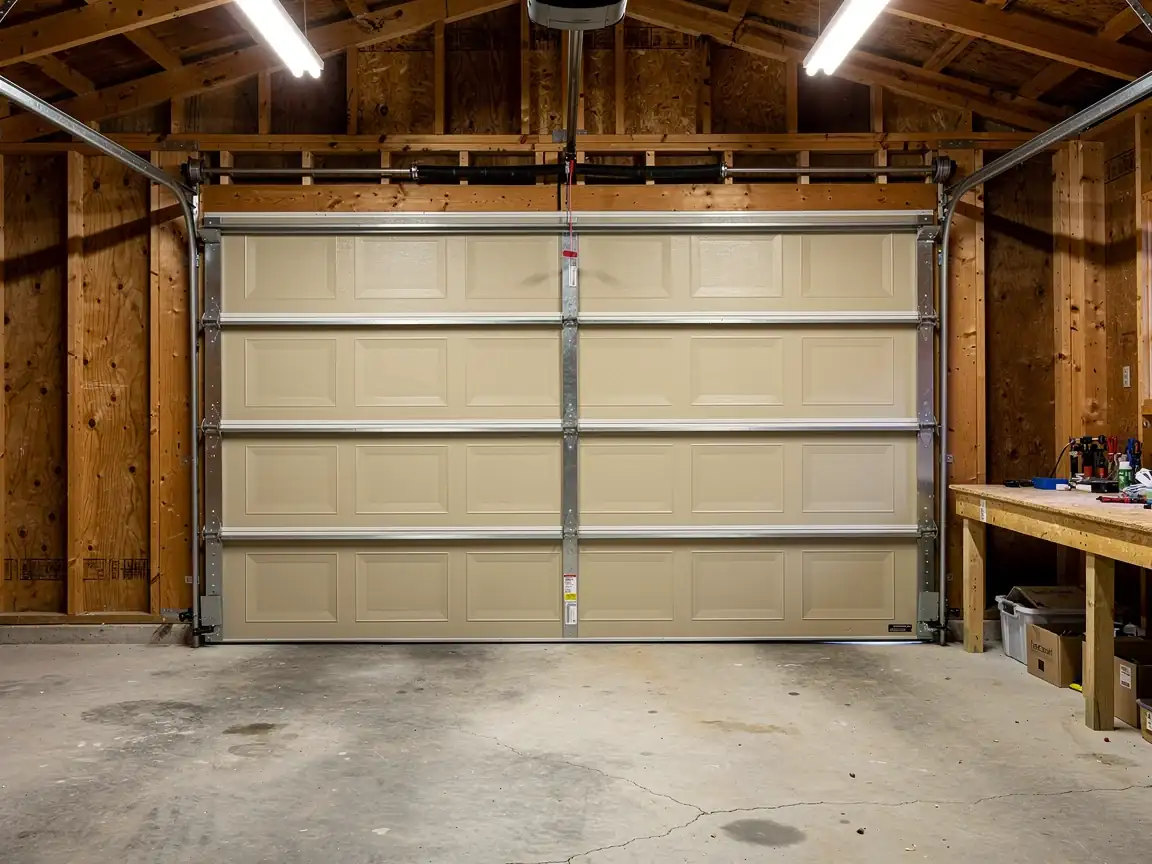
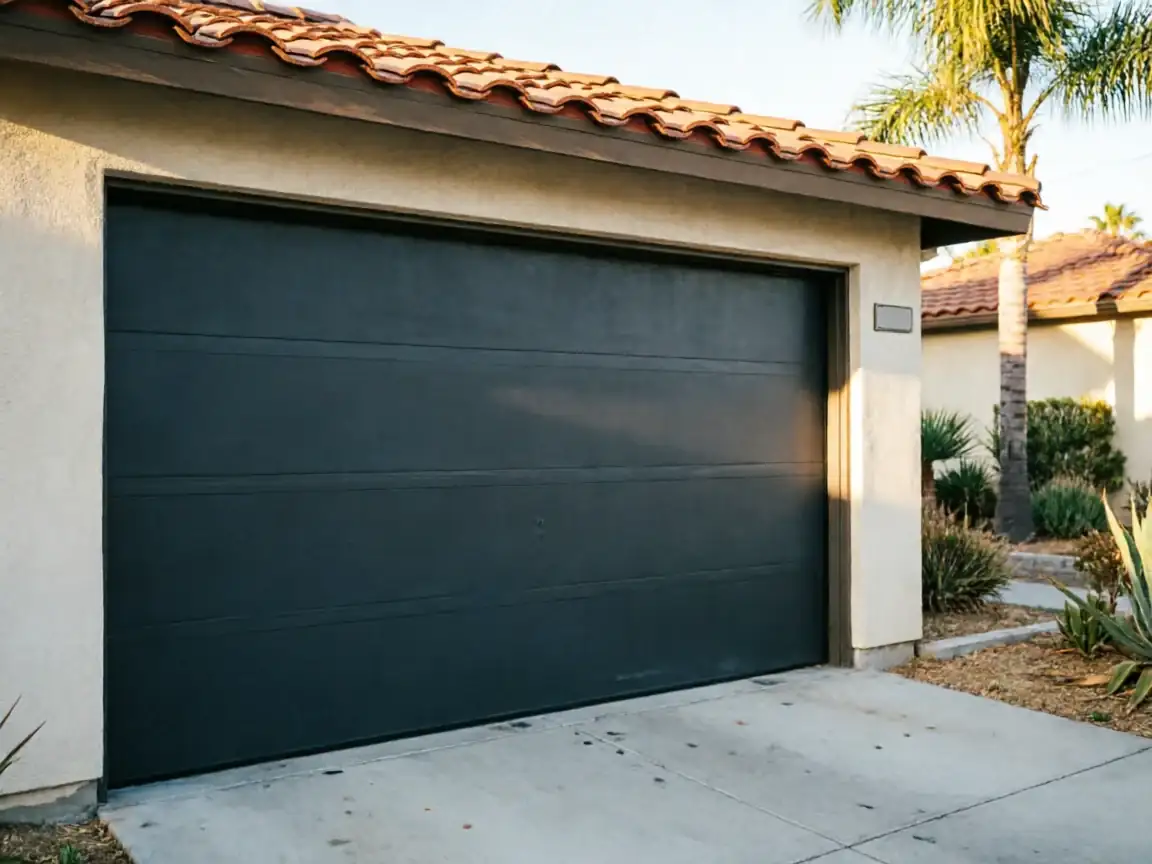
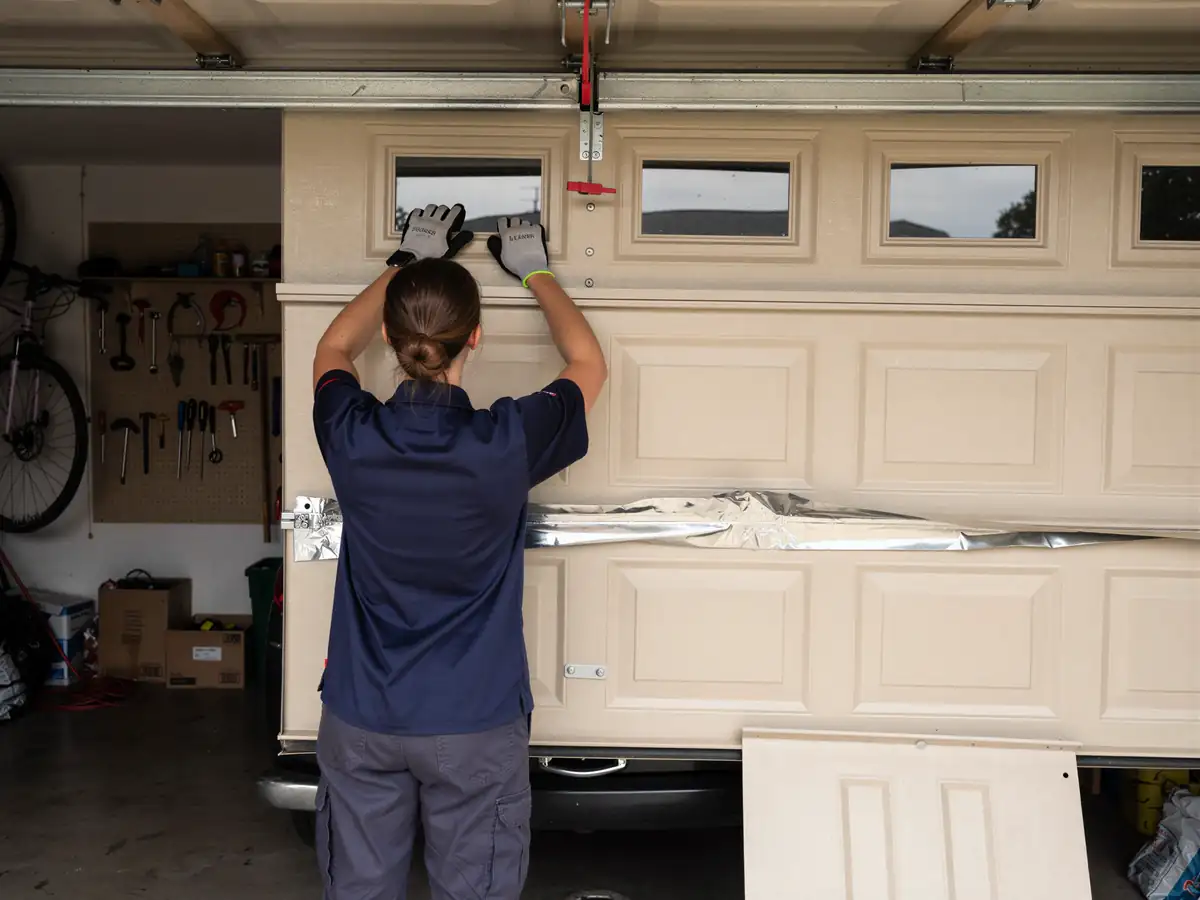
We don't quote a number on this page because it depends on size and whether you're matching a single or double opening, and we're not going to pretend otherwise. What we can tell you is what drives the cost in a neighborhood like this one: most garages here were built for a single-layer steel or wood-panel door around 16x7 or 9x7, hung on overhead track with no insulation, because the house itself dates to around 1969. Swapping that out for a new door usually means new track and new springs too, since the old hardware wasn't sized for anything heavier. If you want insulation added where there wasn't any before, that's a different door and a different header check, not a drop-in swap. Median household income in this part of the service area runs lower than some of the areas we also cover, around $60,386, and we try to be straight about what's optional versus what the opening actually needs before you commit to a number. Ask for the breakdown in writing before the crew starts cutting anything loose.
How It Shows Up
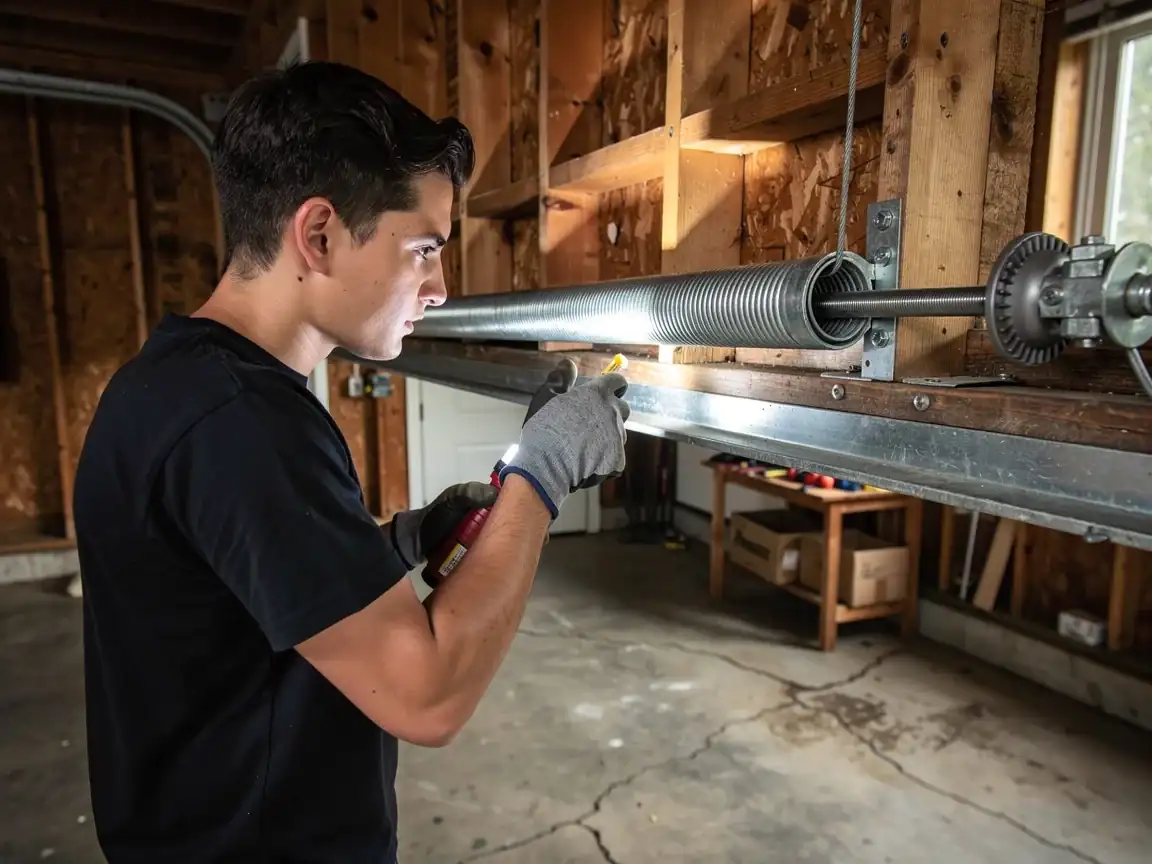
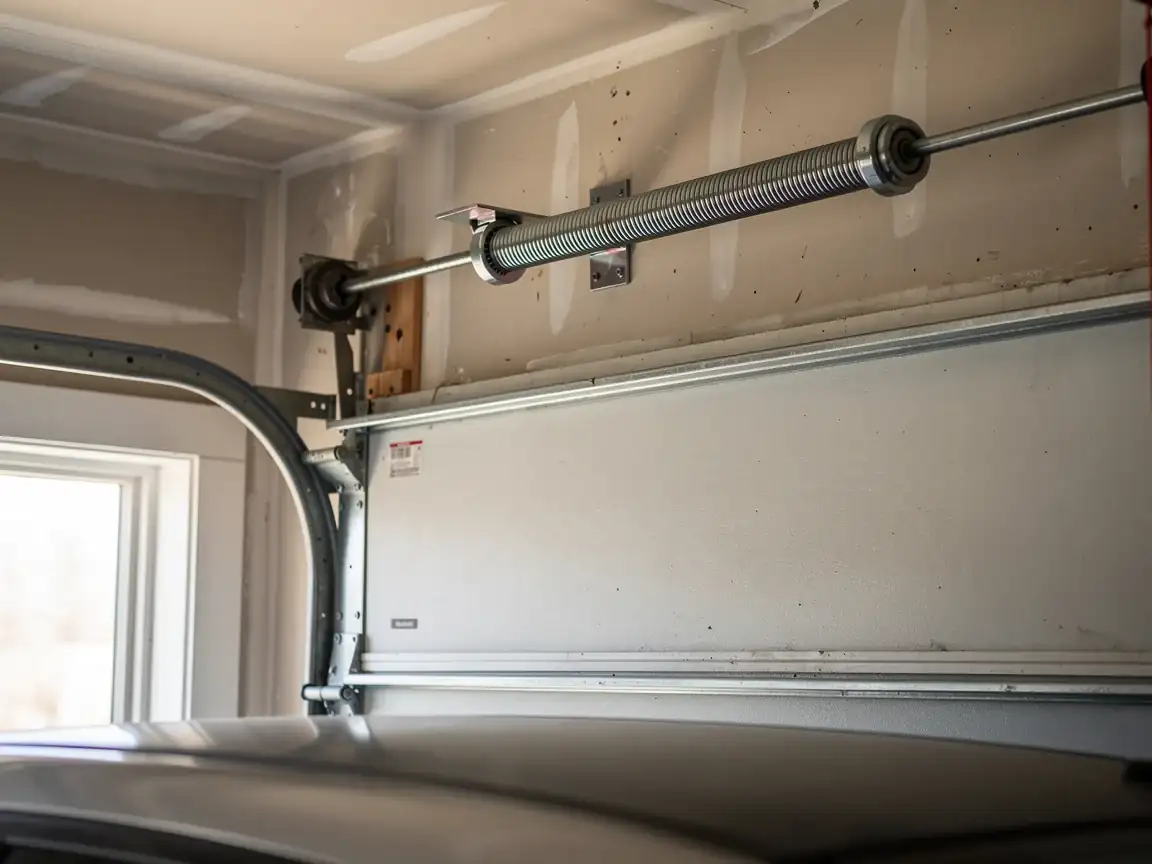
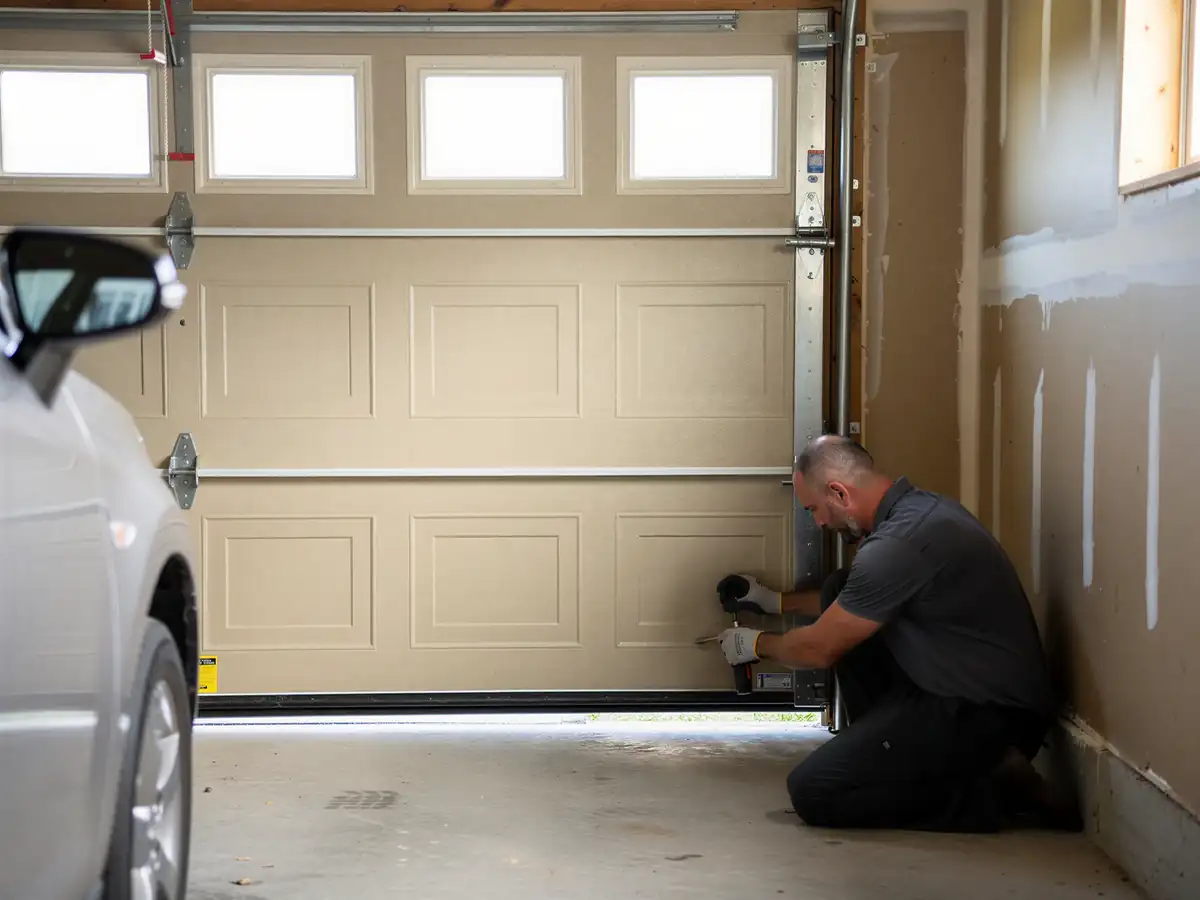
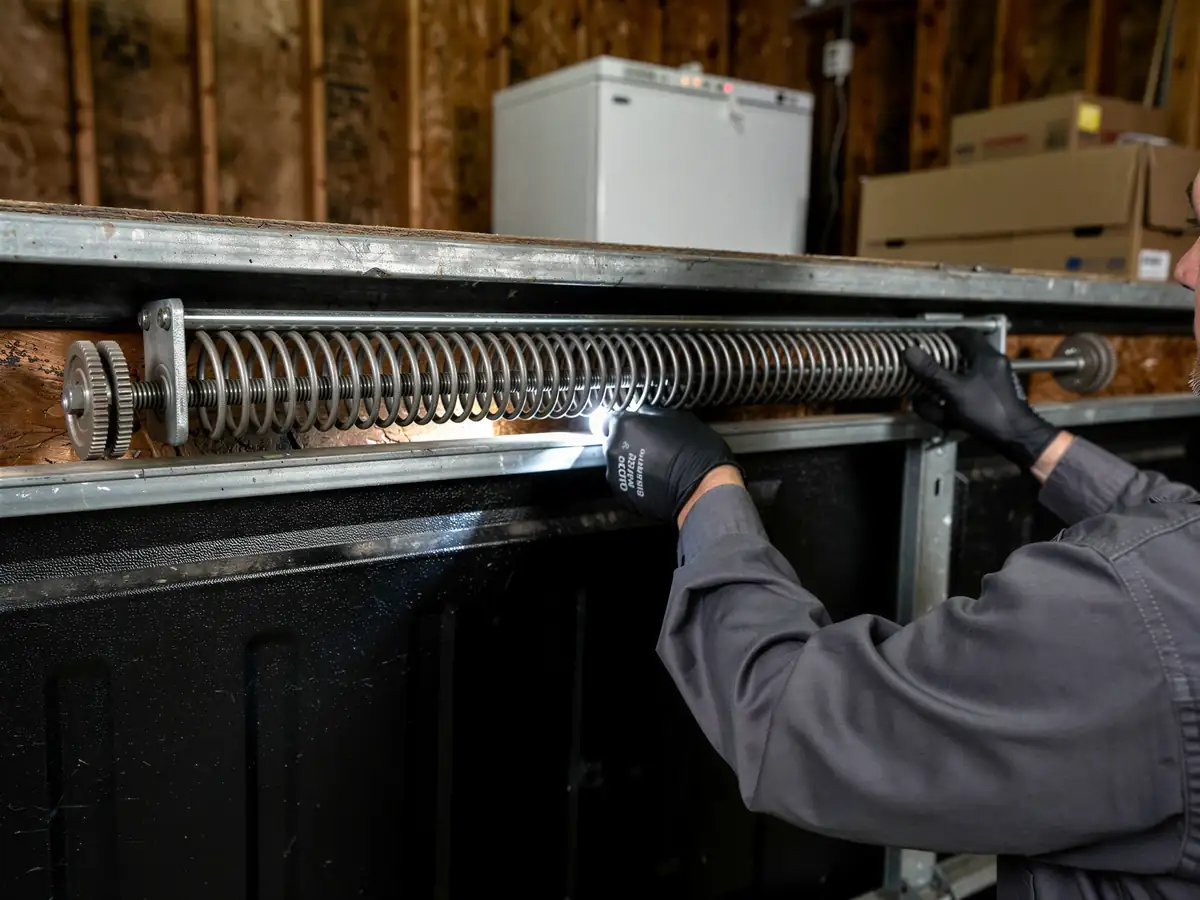
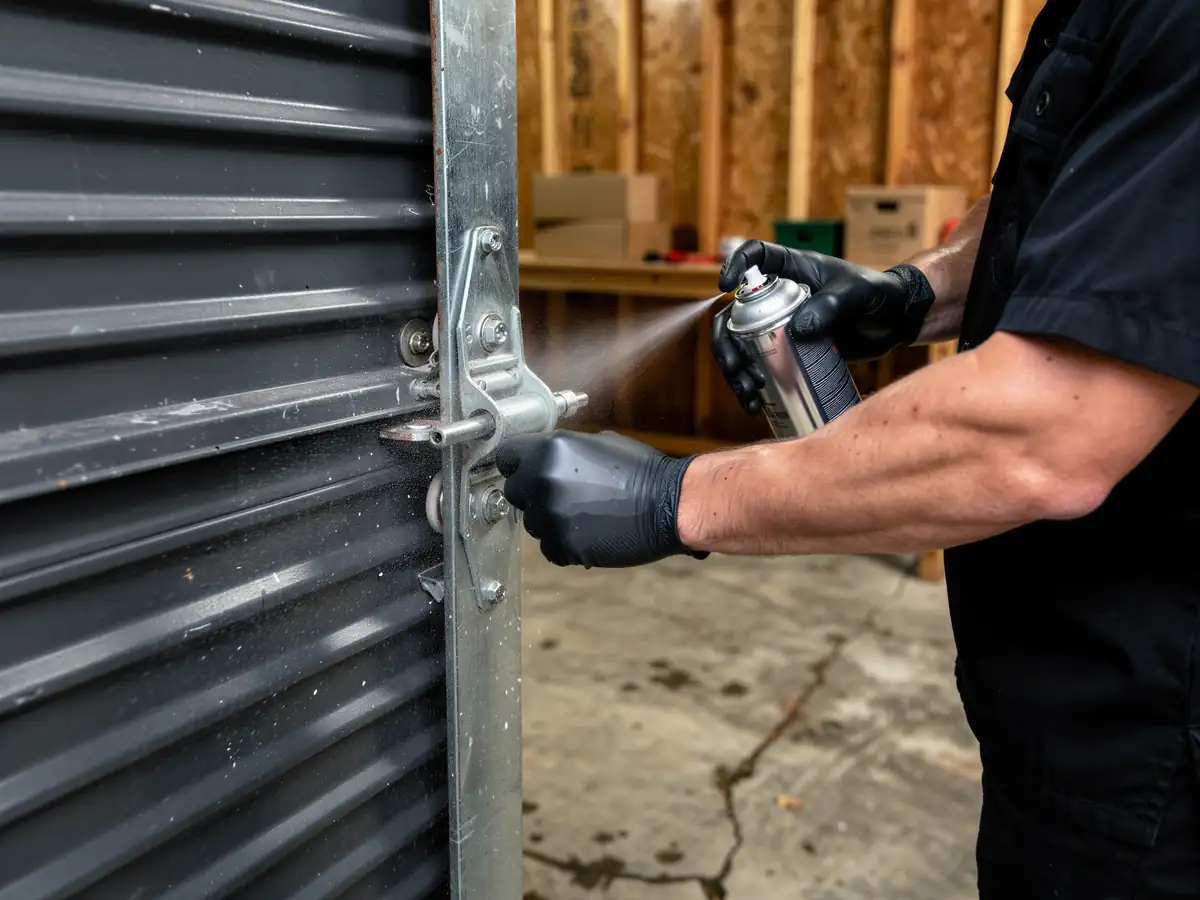
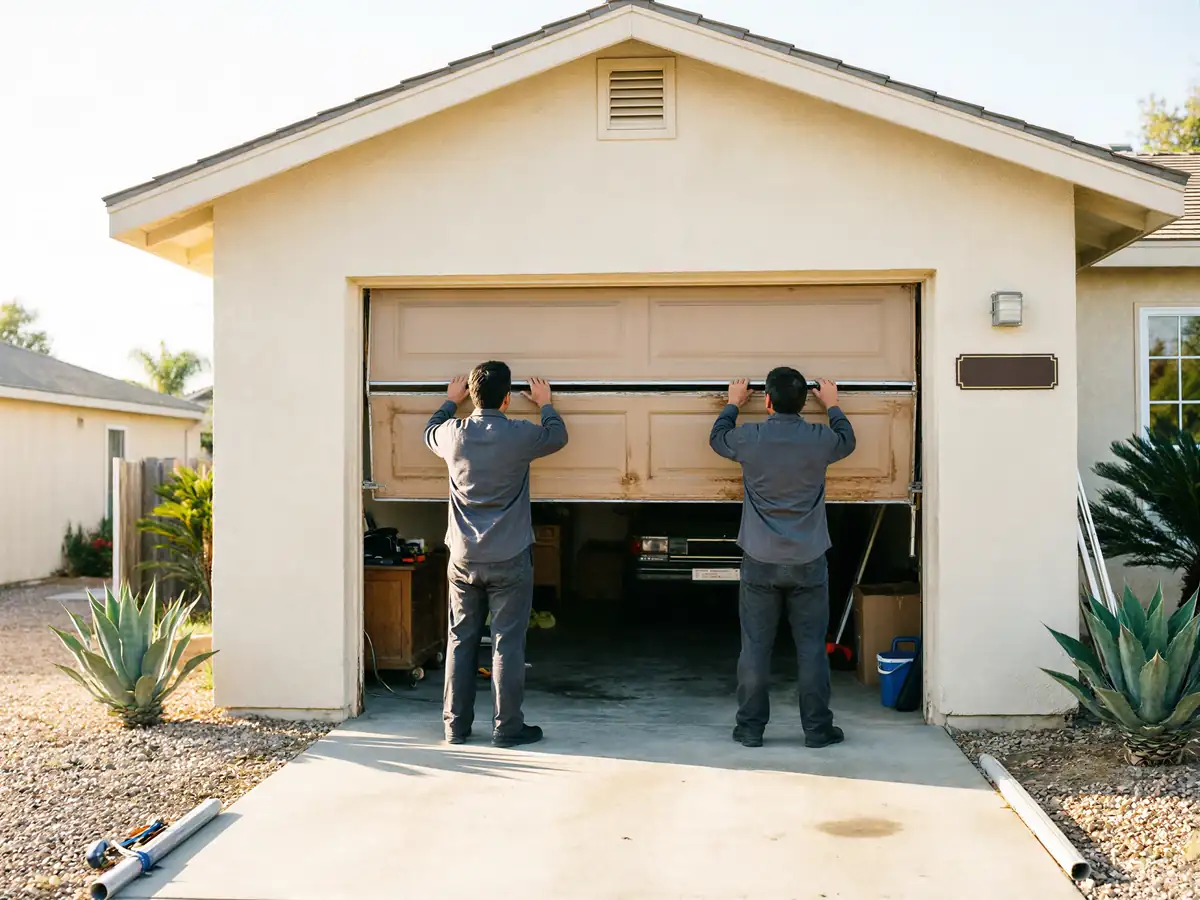
On a house built around 1969, the symptom usually isn't the door panel itself giving out - it's the track pulling away from the jamb, or an extension spring that's stretched past where it should still be coiling. Those non-insulated steel or wood doors from that era are heavier per square foot than anything made today, so the opener (if one was ever added) is often straining against a door it was never matched to. You'll notice it as a door that slams the last foot of travel, or one that needs a shove partway up before the spring takes over. In this mild coastal-influenced climate we're not dealing with freeze-thaw cracking or extreme heat warping panels, so when a door in this neighborhood is failing, it's almost always age and hardware fatigue, not weather damage.
Why This Fails Locally
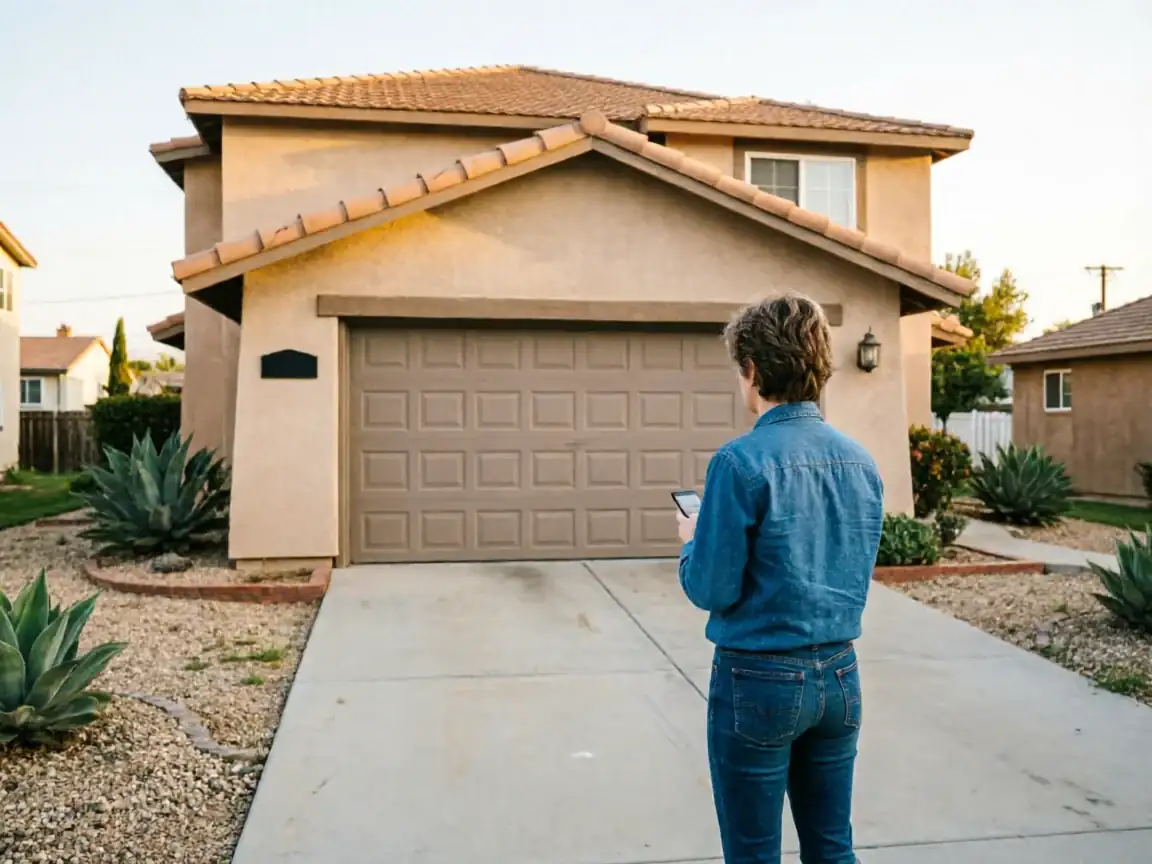
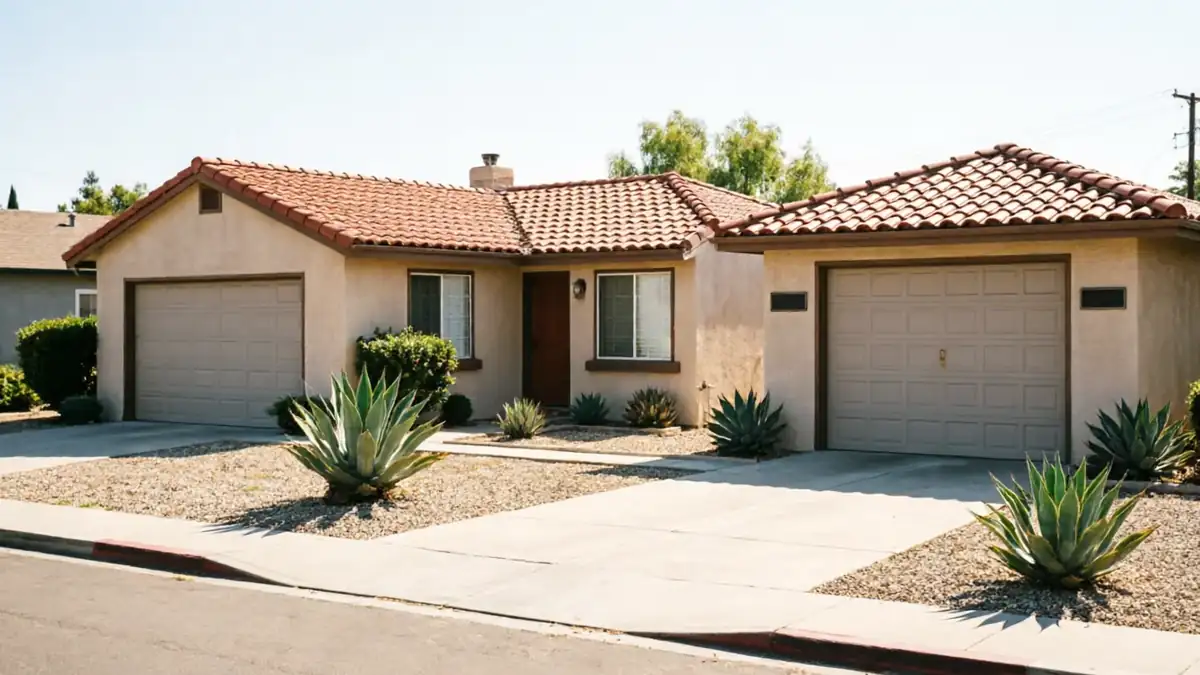
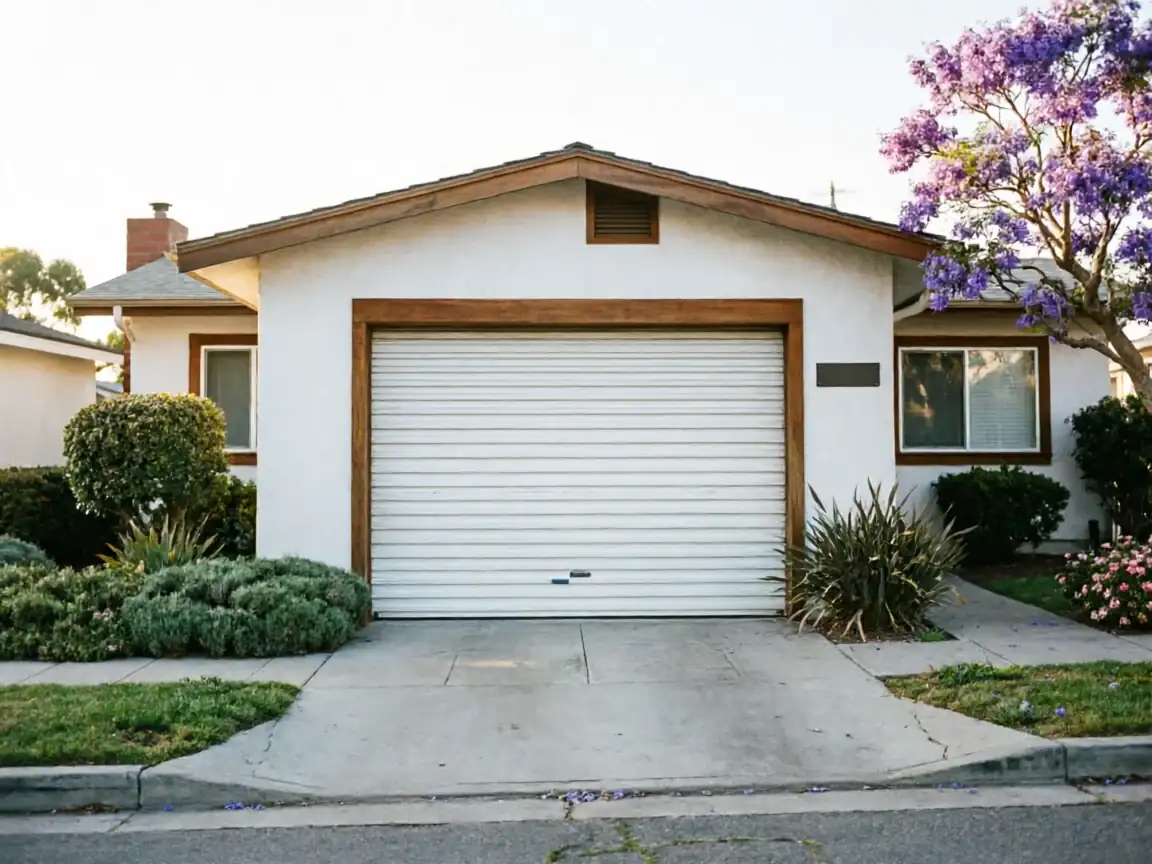
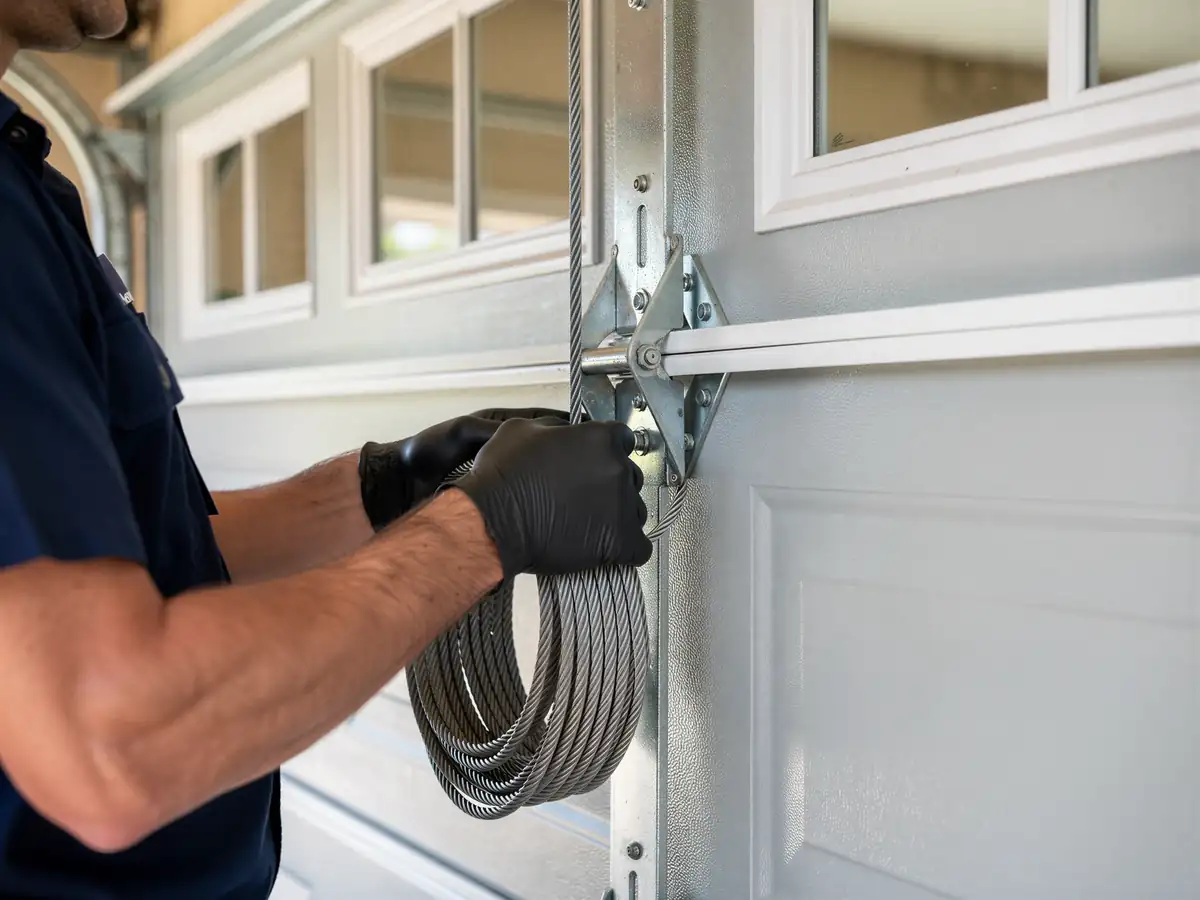
The housing stock across this service area runs from 1943 to 2012 with a median around 1961, but Willowbrook itself centers closer to 1969 - late enough that most garages got a single-car or two-car opening sized to the standards of that decade, not today's wider double-door norm. That means a straight swap to a modern door sometimes means the new unit doesn't quite match the old rough opening, and the jamb needs shimming or trimming rather than a clean bolt-in. It also means the spring and cable hardware on an unreplaced door is now over fifty years past its install date, well beyond any reasonable service life regardless of how it looks. We see this pattern across most of the 1960s-70s stock in the wider area, but Willowbrook's numbers skew it slightly later than some of the neighborhoods closer to Inglewood itself.
How Long It Takes
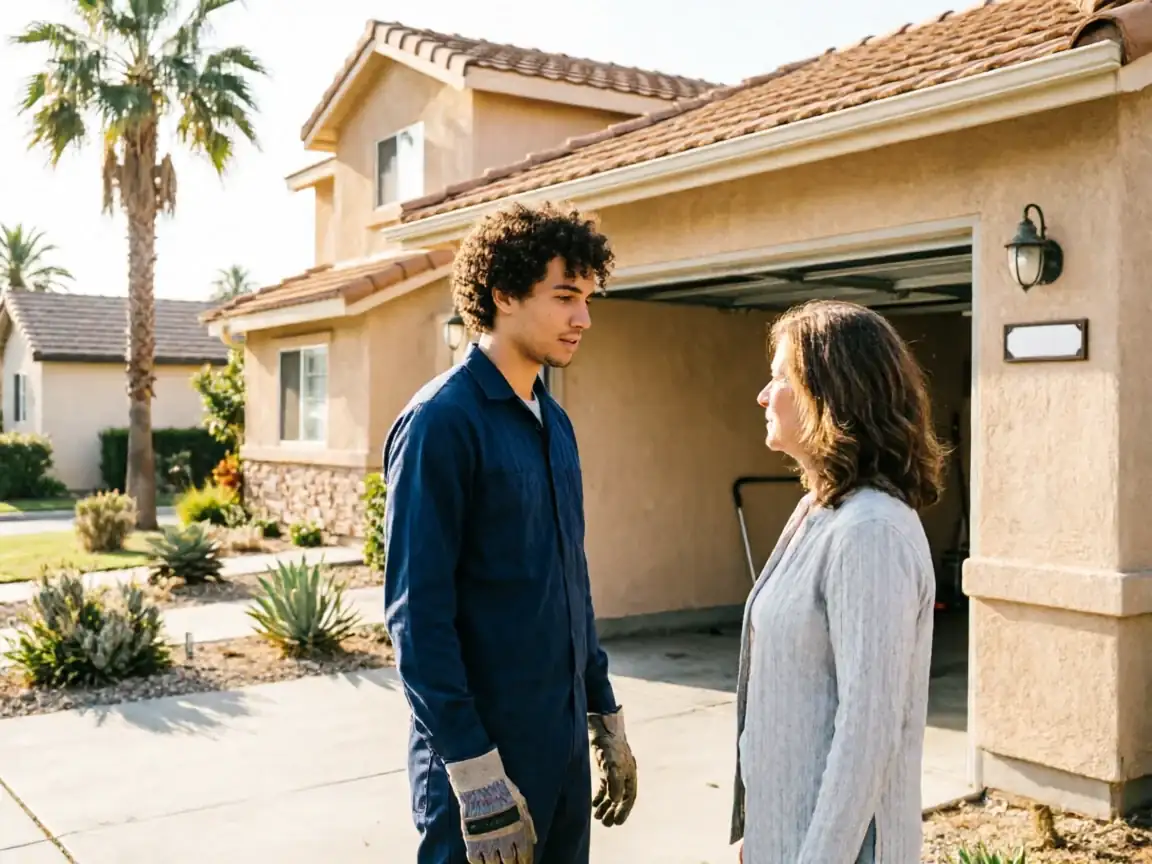
A standard single or double door swap on an opening that's already the right size and on sound track is typically a one-day job once the door itself is on site. What takes longer is everything upstream of the install: measuring the opening, confirming header condition, and waiting on the door to arrive if it's not a stock size. Given how much of Willowbrook's garage stock dates to the late 1960s, non-standard openings aren't rare, so ask early whether yours needs a custom order. Because the crew is traveling from Inglewood rather than working out of a Willowbrook location, we schedule the install date around both your opening's readiness and the door's arrival, not around a truck that's already nearby.