How It Shows Up
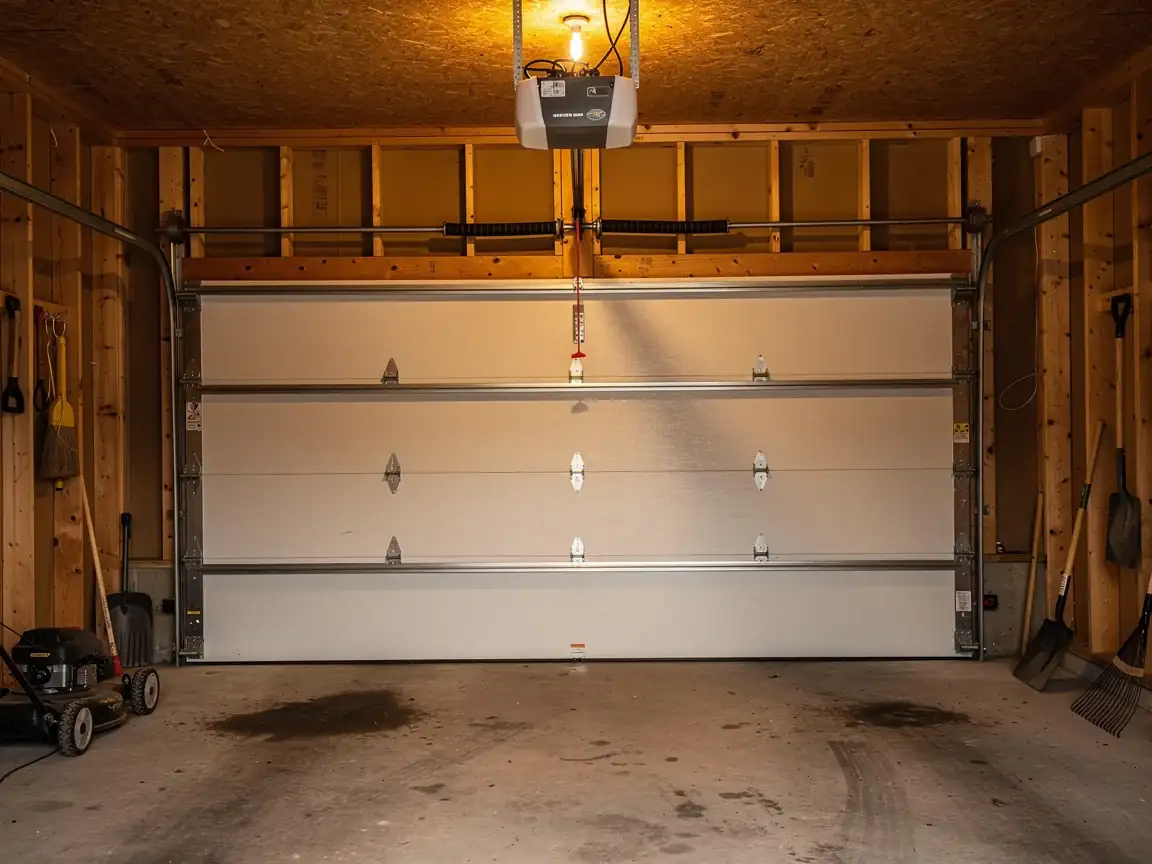
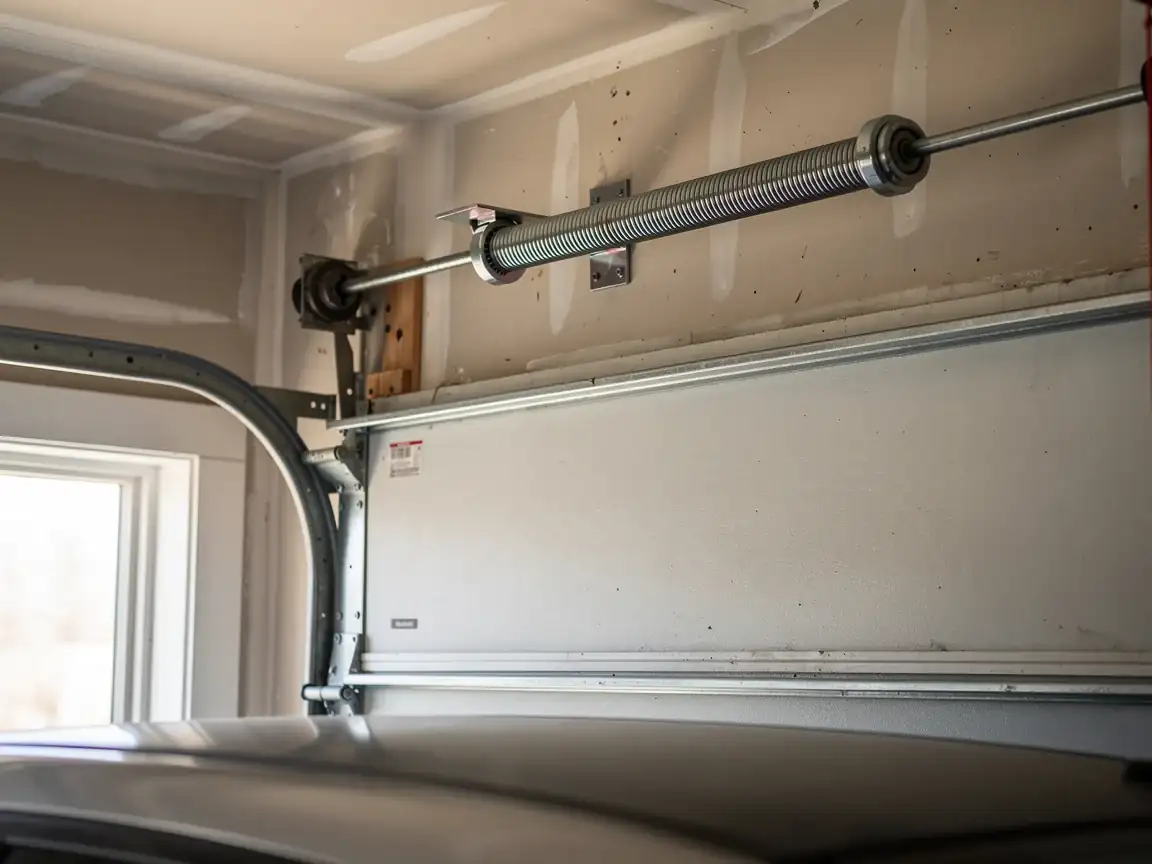
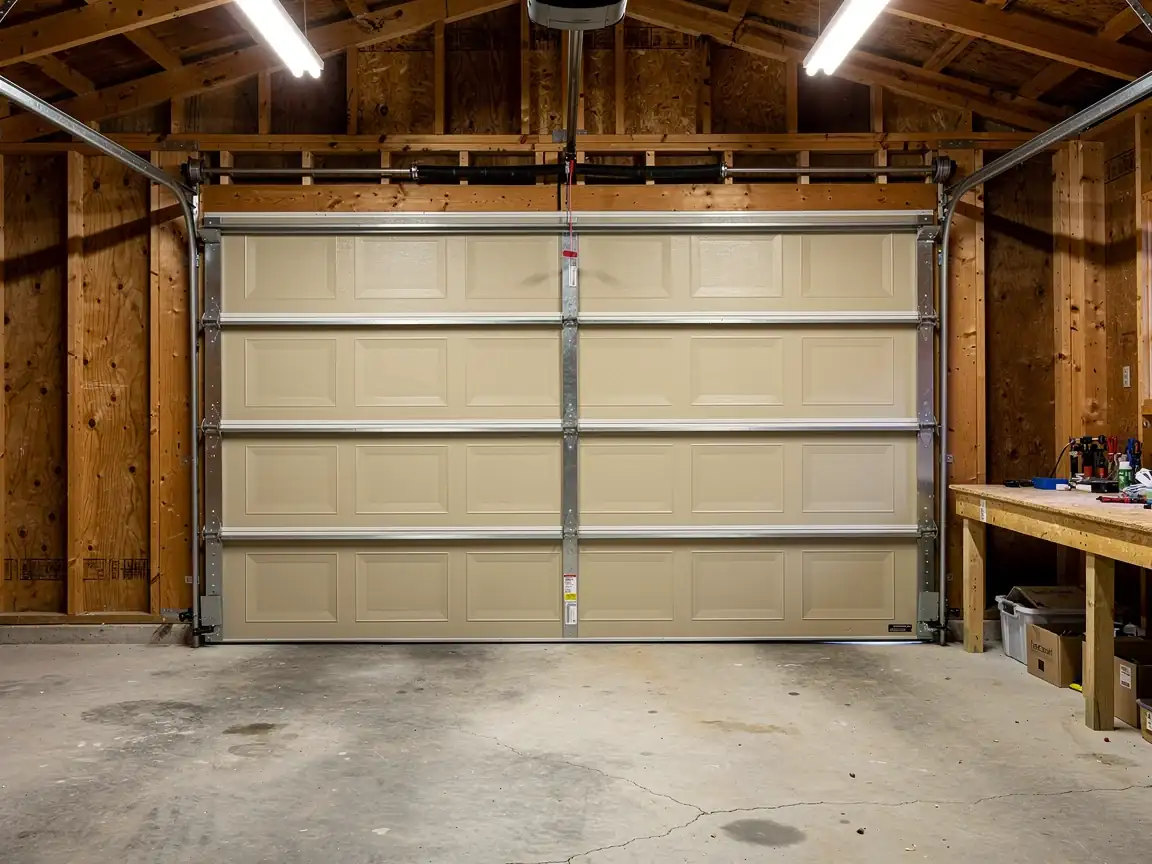
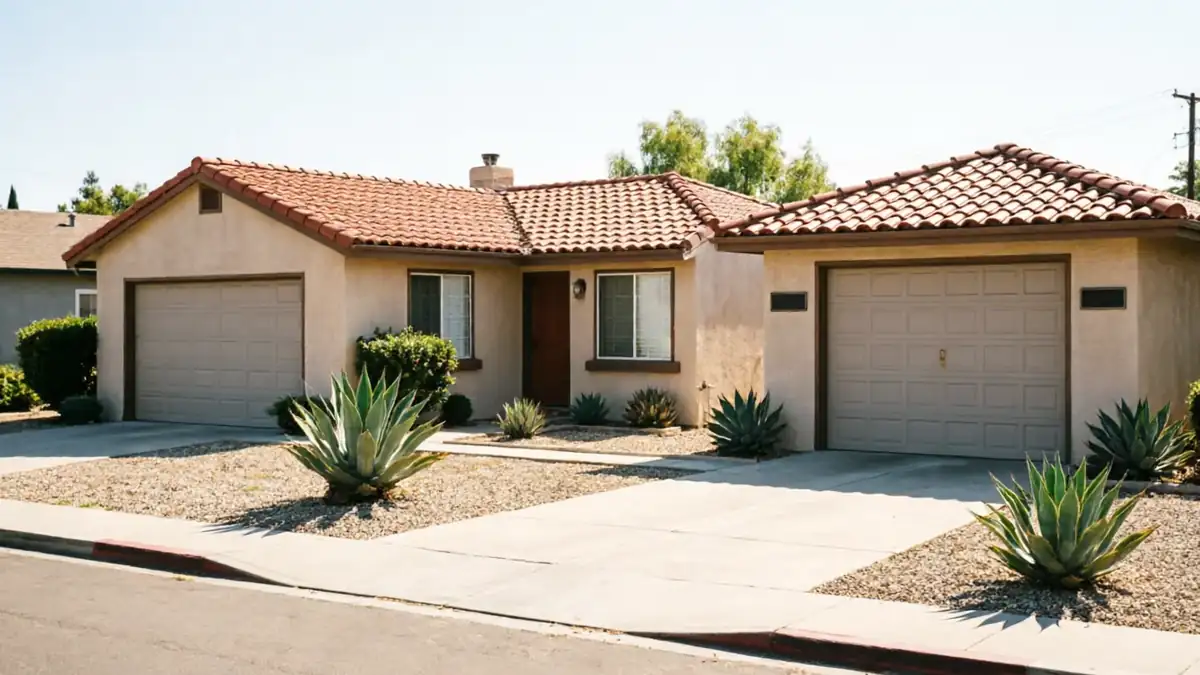
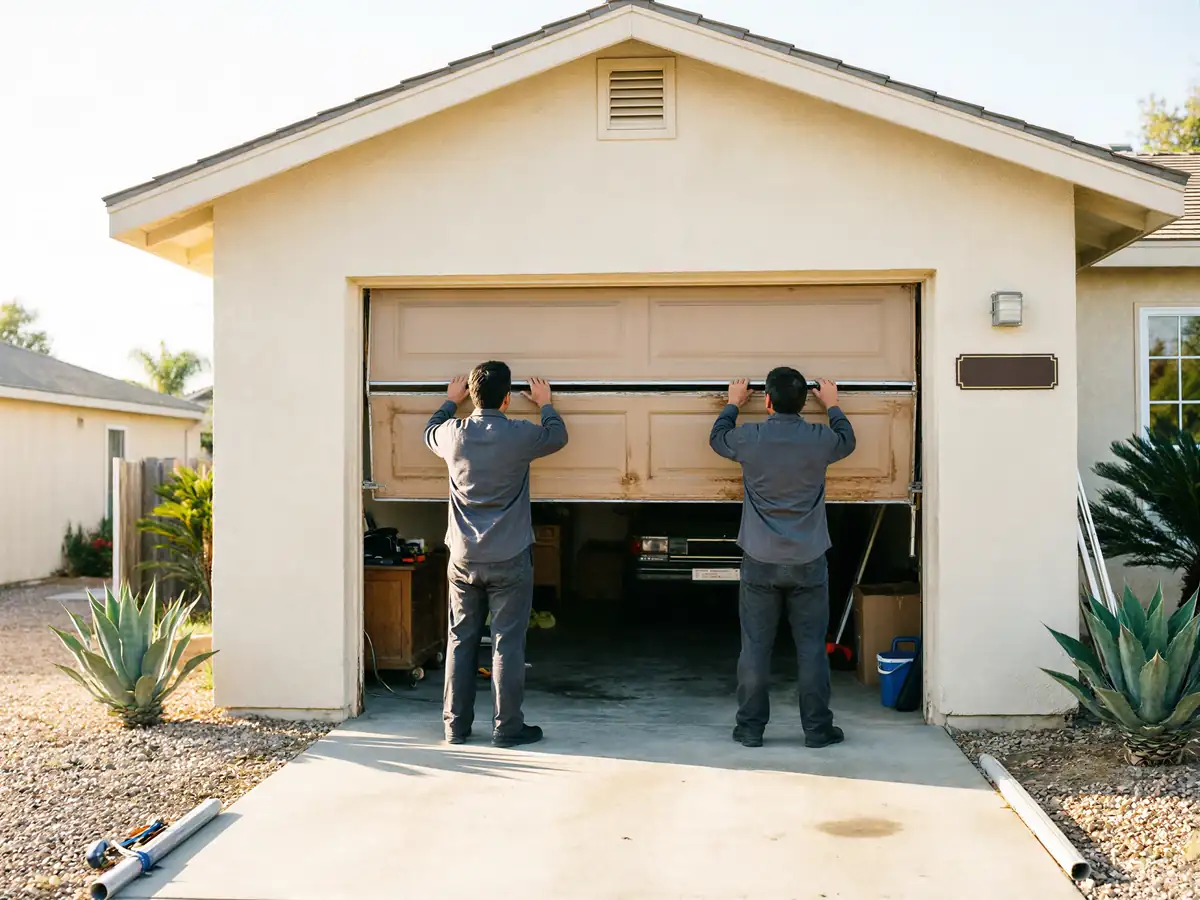
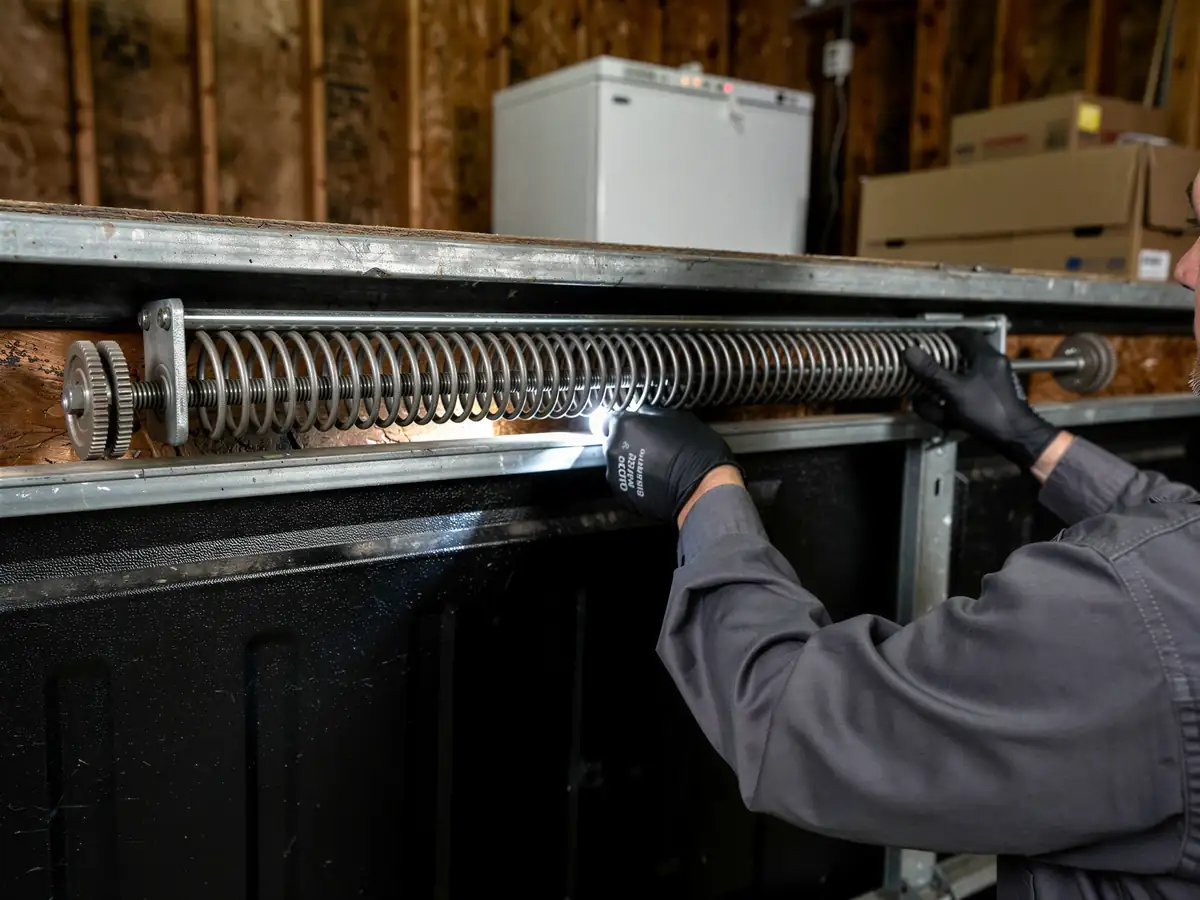
Lakewood's housing stock centers on a median build year of 1957 - a few years ahead of the 1961 median across the rest of the service area. That gap matters more than it sounds. A handful of extra years on the same hardware means more springs, more cable wear cycles, more chances for a bracket to finally give out. What you'll notice first is usually one of two things: the door won't lift past a foot or two and the opener strains against dead weight, or the door comes down crooked, scraping one side of the track before it stops moving at all. Sometimes it's quieter than that - a loud bang from the garage, then nothing, which is almost always a torsion or extension spring letting go. On a 1957-era door, that spring has often been doing the job since before the current owner bought the house. We don't guess at what's wrong over the phone, but these are the calls that come out of this part of the service area most often, and they track with the age of the stock here rather than anything unusual about how the doors are used.
Why This Fails Locally
A door built around 1957 is more likely to be running on an older spring configuration than the torsion setups common in homes from the 1970s onward, and those older assemblies don't forgive decades of daily cycling the way newer hardware does. The mild temperate climate across this part of the service area means the failures we see aren't weather-driven - no deep freeze cracking a seal, no monsoon humidity swelling a wood panel. What wears these doors out is simpler: thousands of open-close cycles on springs and rollers that were sized for a lighter door or a different opener than what's on the bracket today. With 26,118 households in Lakewood against roughly 749,083 across the full service area, this is a smaller pocket, but the age of the stock here is consistent enough that the pattern holds house to house. The honest limitation: if the opener and the door were mismatched by a previous owner or installer, a spring repair alone sometimes won't fix the real problem, and we'll say so rather than charge you twice.
Stocked Parts
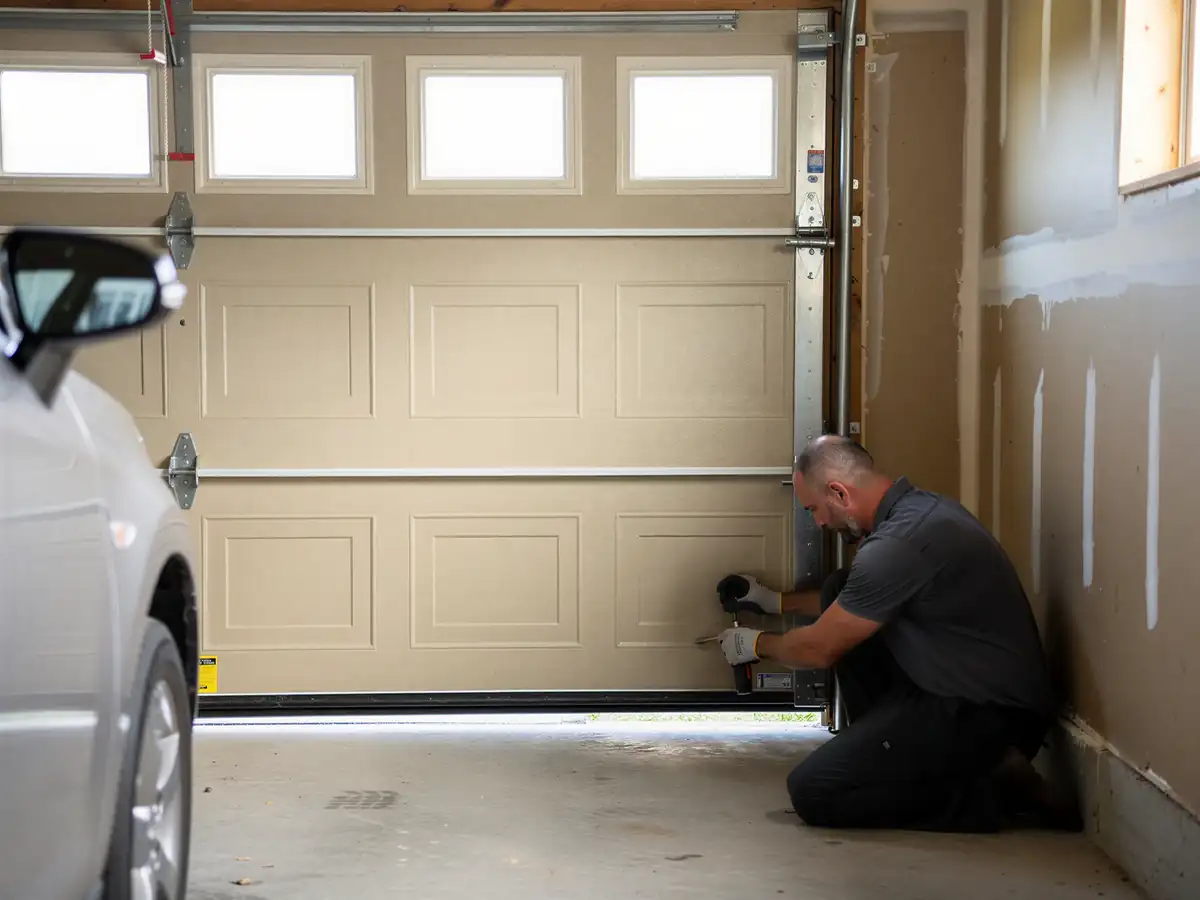
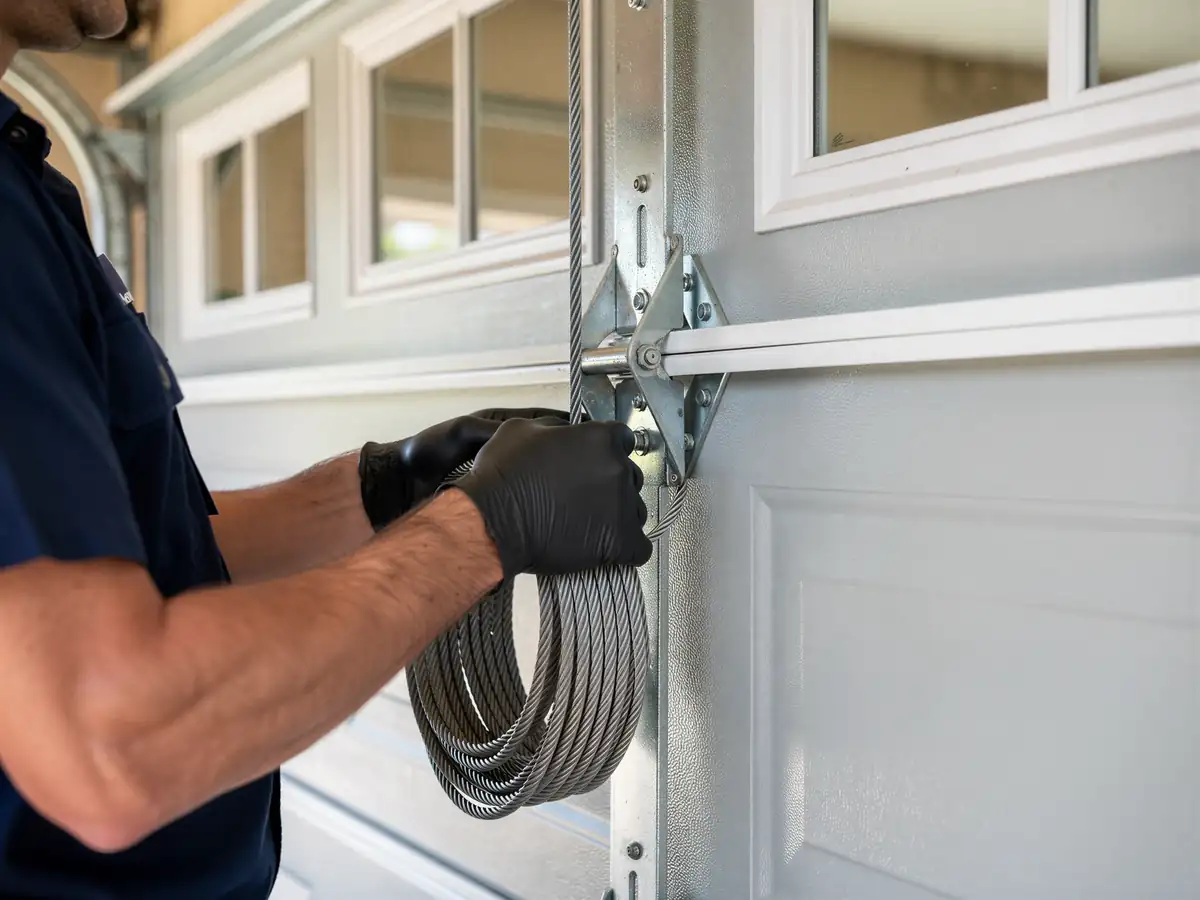
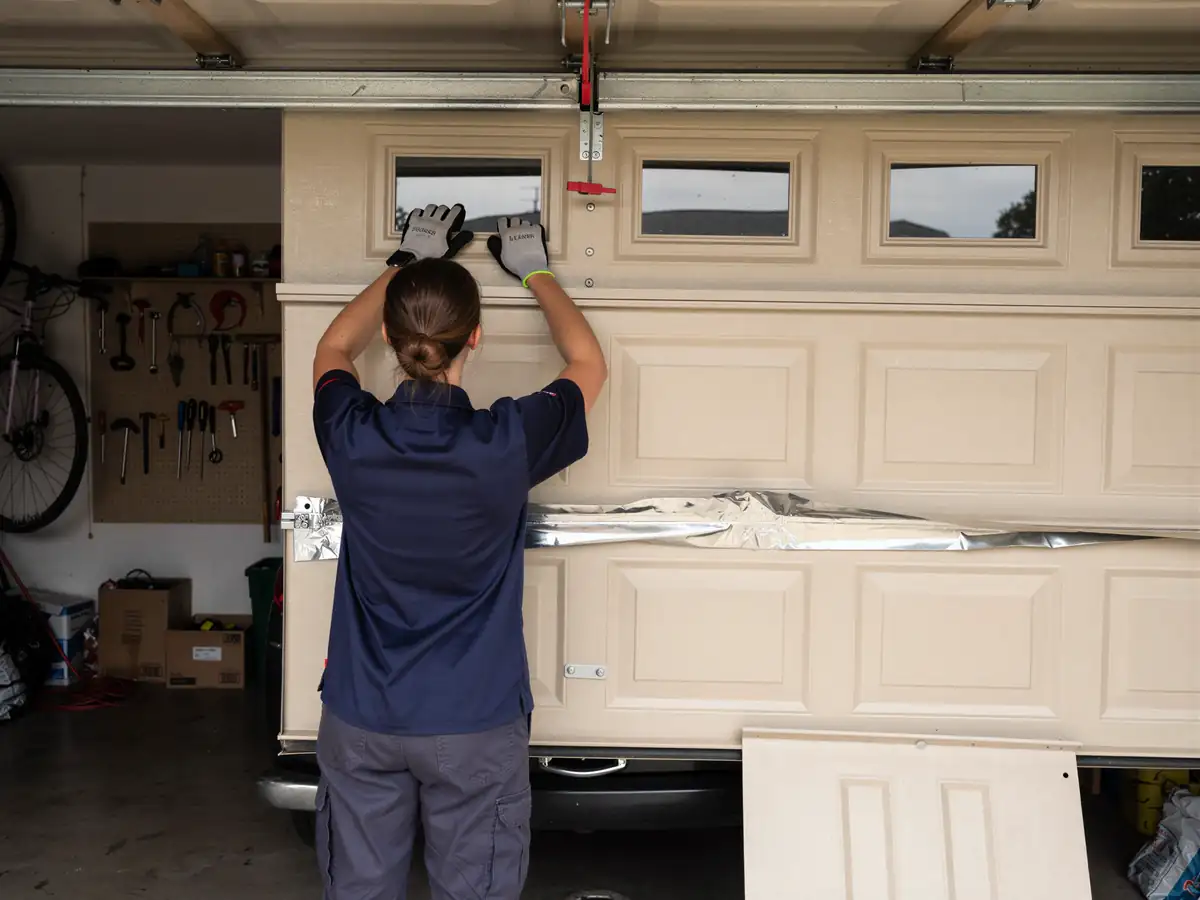
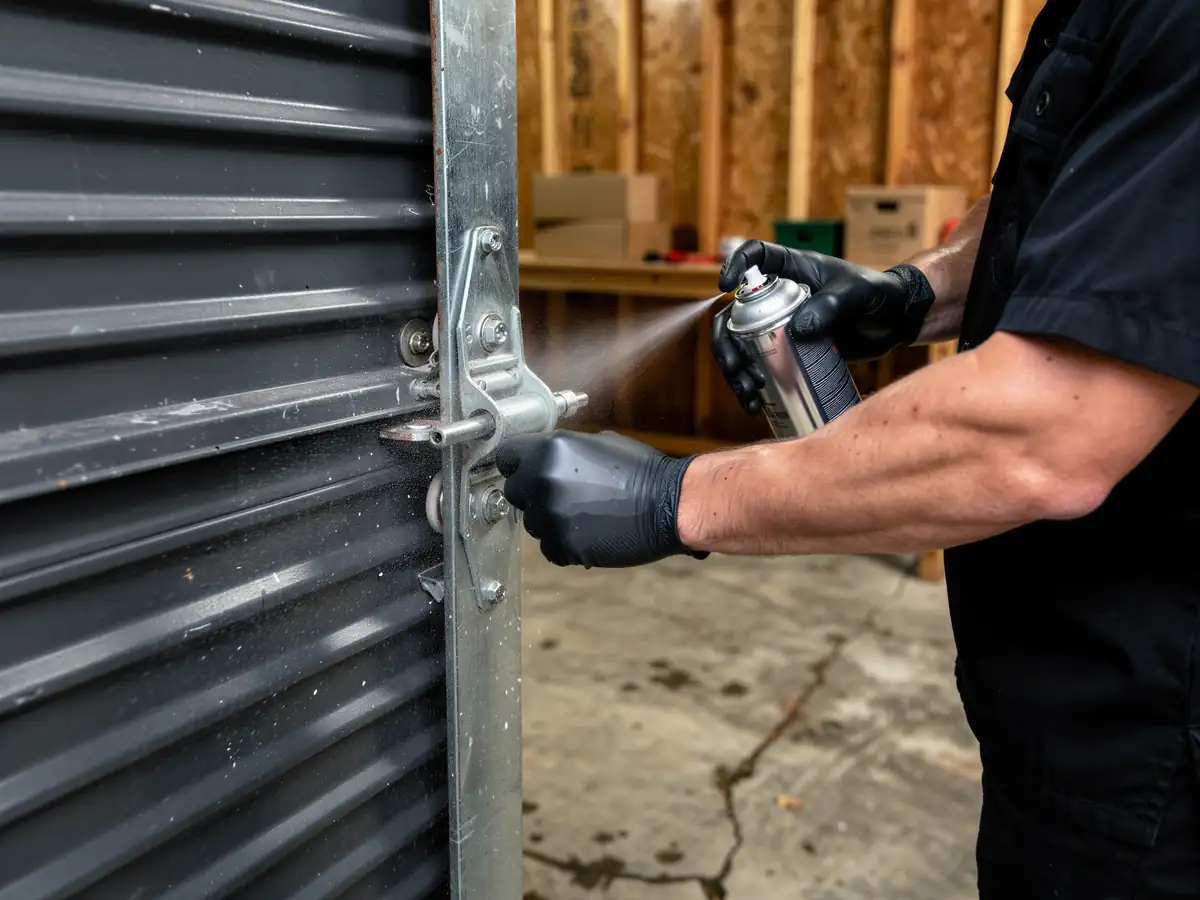
Most of what breaks on a 1957-era door - torsion and extension springs, lift cables, rollers, hinges, center and end bearing plates - are parts we carry because they fail at a predictable rate on housing stock this age across the service area. Where we run into a wait is on anything specific to the original door itself: a discontinued panel profile, a track width that doesn't match what's sold today, or hardware drilled for a bracket pattern nobody uses anymore. On a door built in 1957, that's a real possibility, not a hypothetical. If your door needs a panel match rather than a hardware fix, we'll tell you that on site instead of promising a same-visit repair we can't deliver. For openers, cables, springs, and rollers, though, the truck is usually stocked for exactly this kind of call, and that's most of what comes in from this part of the service area.