How It Shows Up
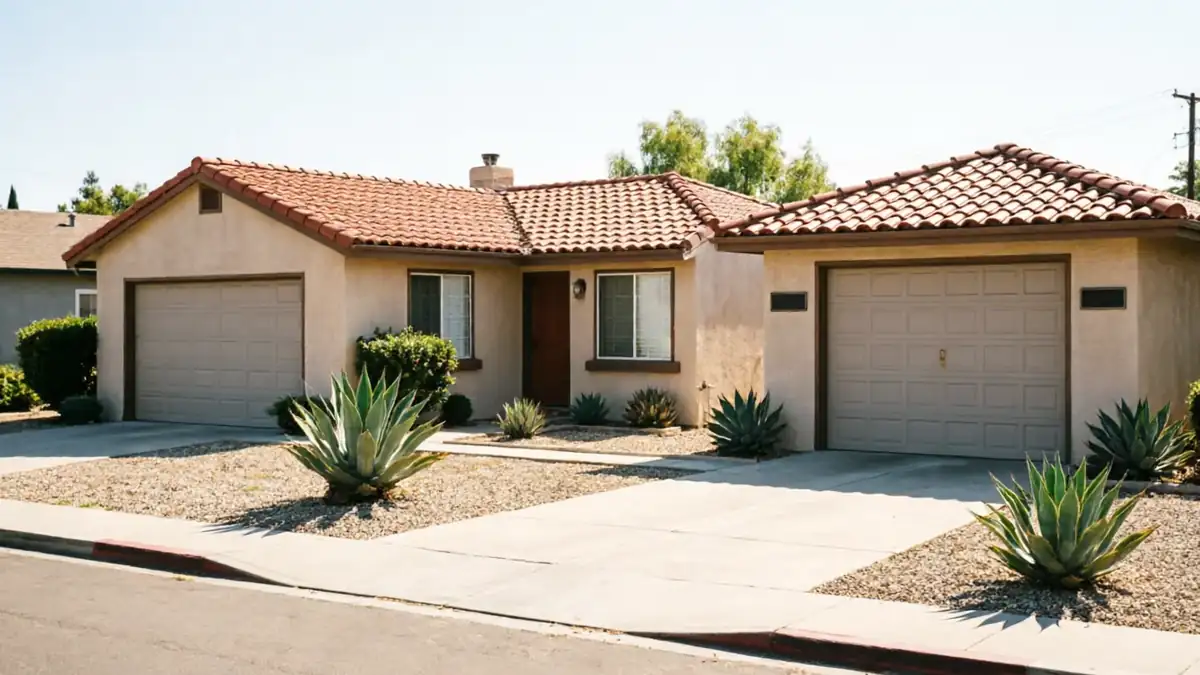
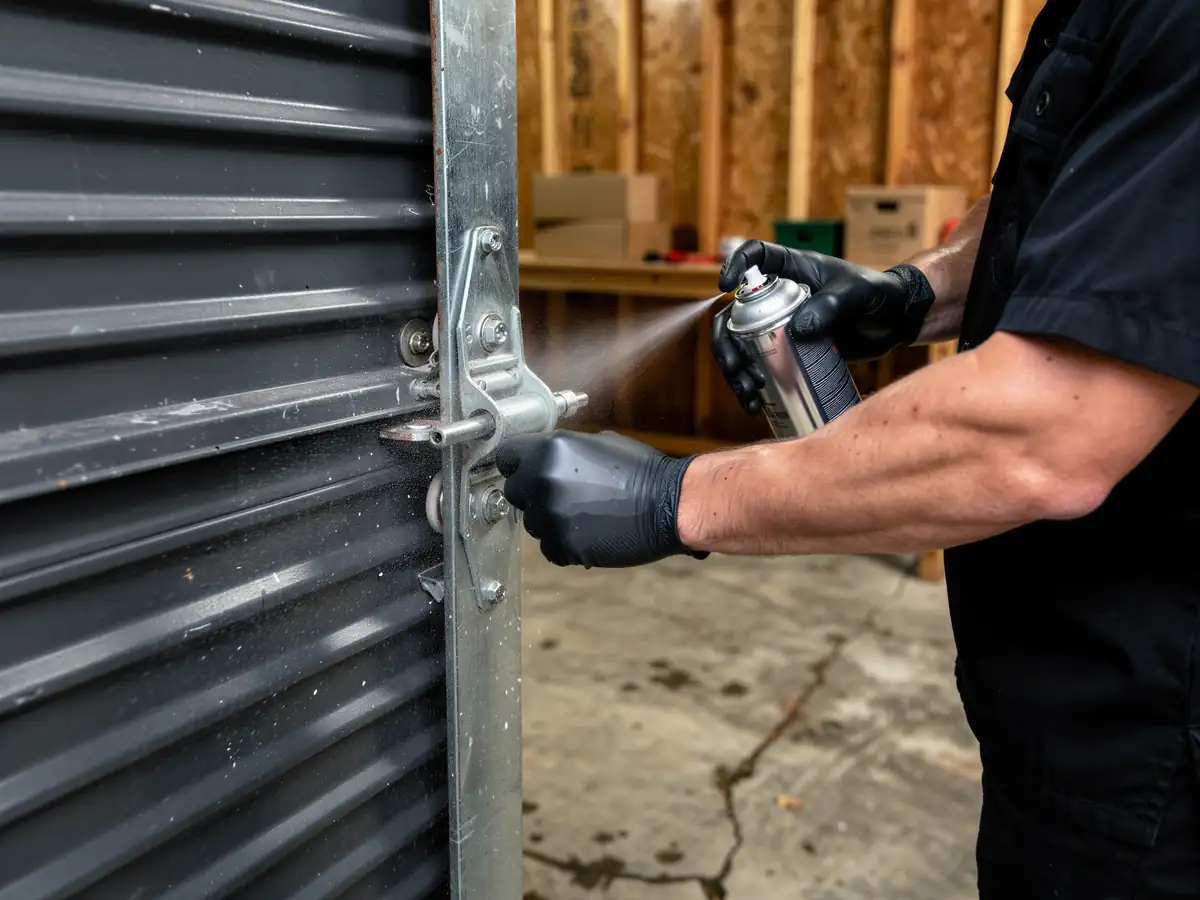
Lakewood sits roughly 15 miles from our shop in Inglewood, which means the call isn't a quick cross-town hop. We plan the trip, we bring the truck stocked for what we expect to find, and we don't promise a response time we can't back up over that distance. What we expect to find here is shaped by when the neighborhood went up. Most houses here went up around 1957, seven years earlier than the service area's overall median of 1961. That gap matters more than it sounds: a door and opener matched to a 1957 build is often a different generation of hardware than what you'd see on a house finished in the mid-60s. Springs sag differently, tracks were set to different tolerances, and a lot of these garages still have the original jamb brackets bolted straight into wood that's now sixty-plus years old. The mild temperate climate across the area has been kind to the metal - you don't see the rust-through failures you'd get somewhere humid - but heat cycling and decades of sun still take their toll on seals, rollers, and the glue lines on older panel doors.
Why This Fails Locally
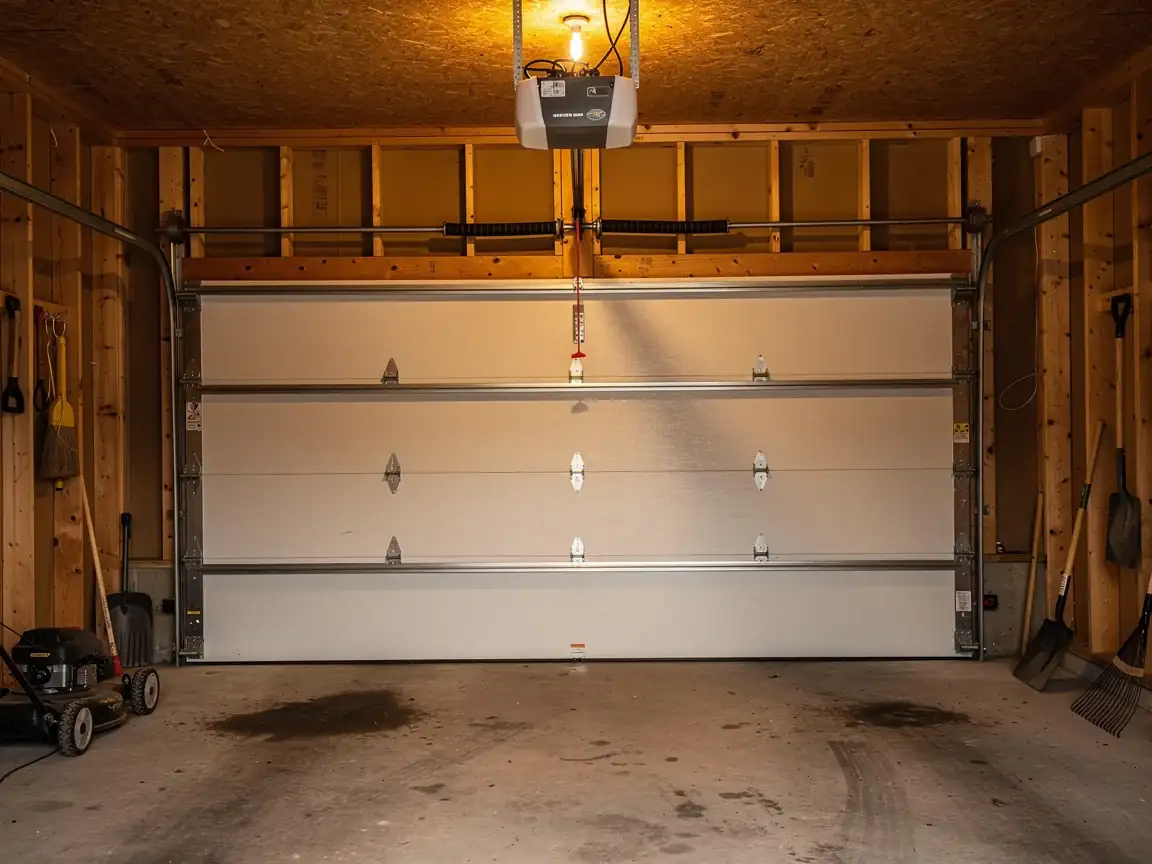
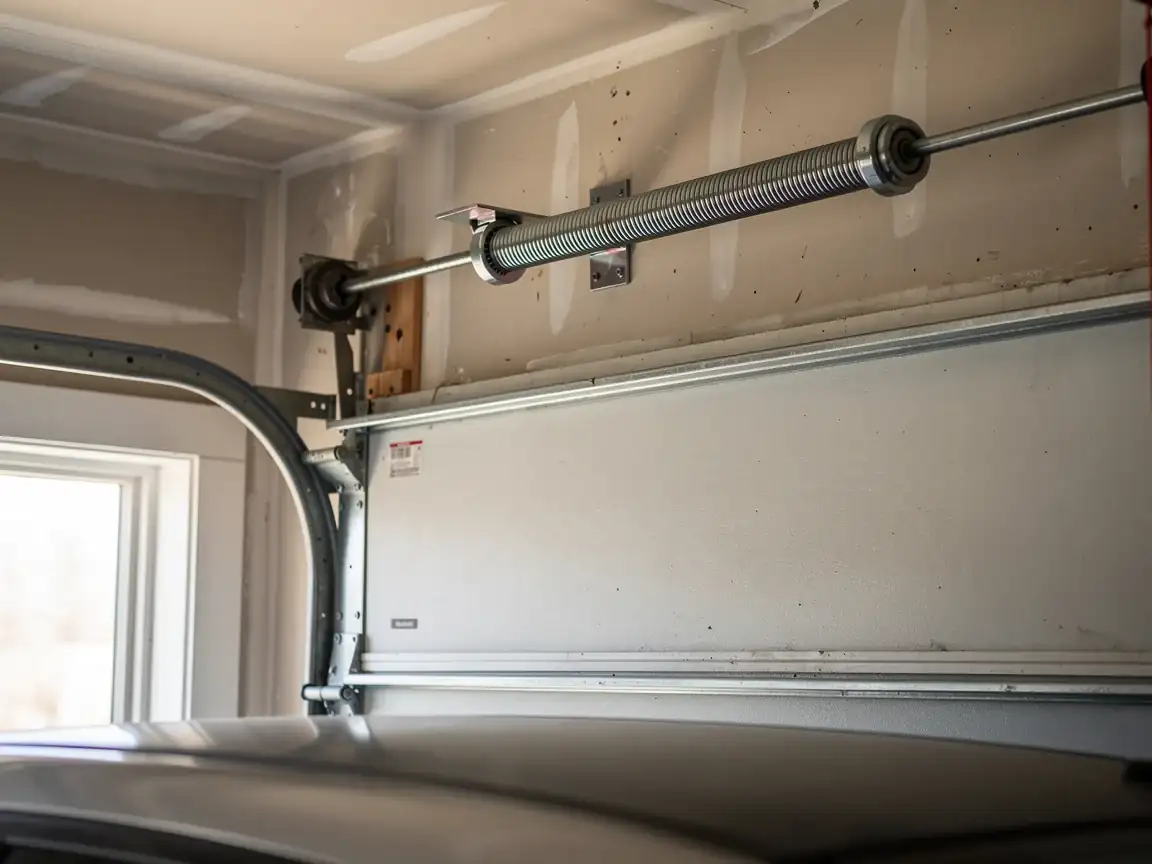
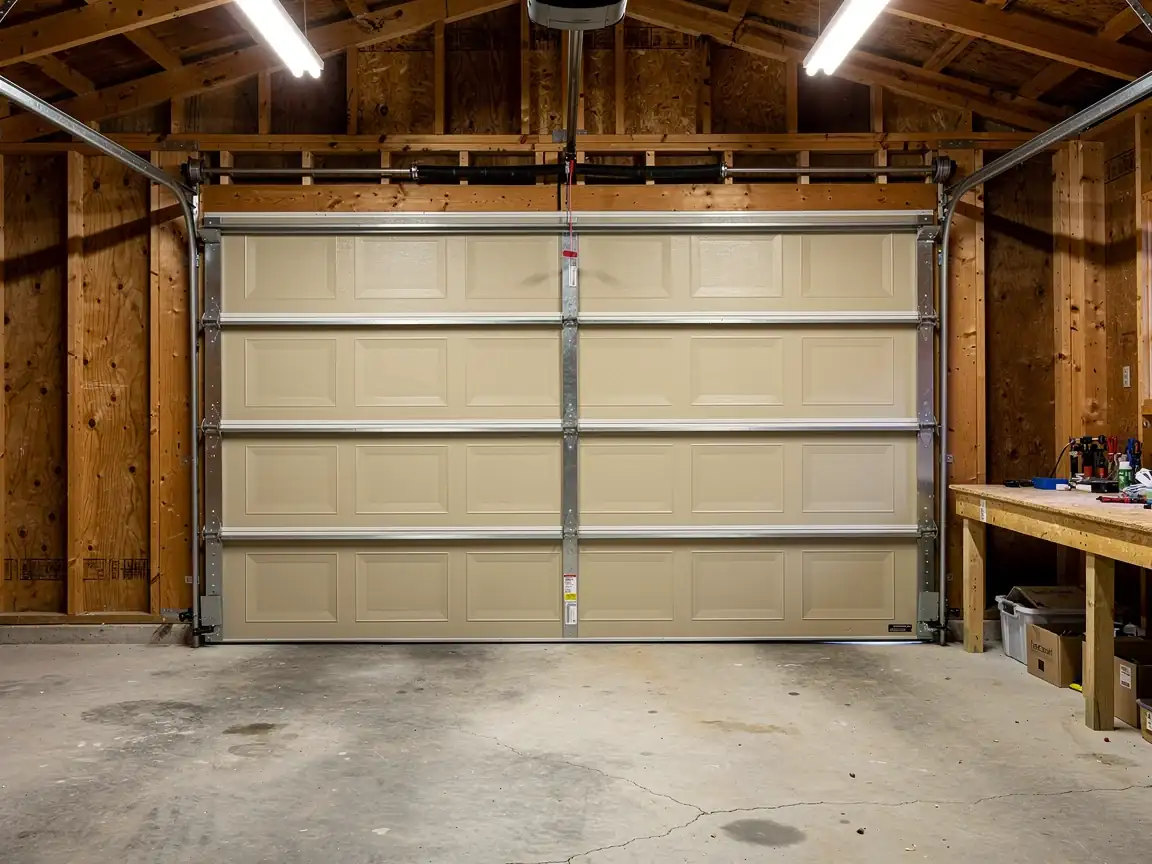
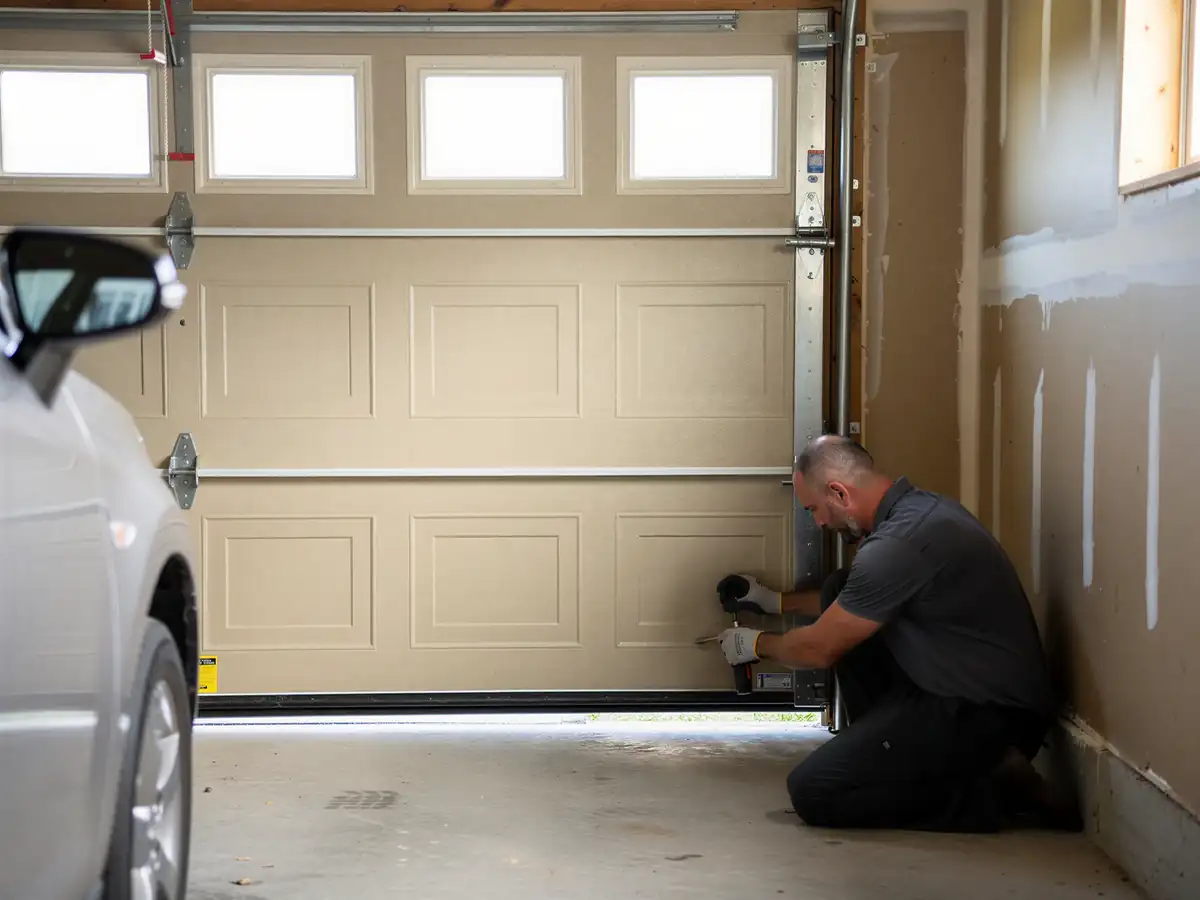
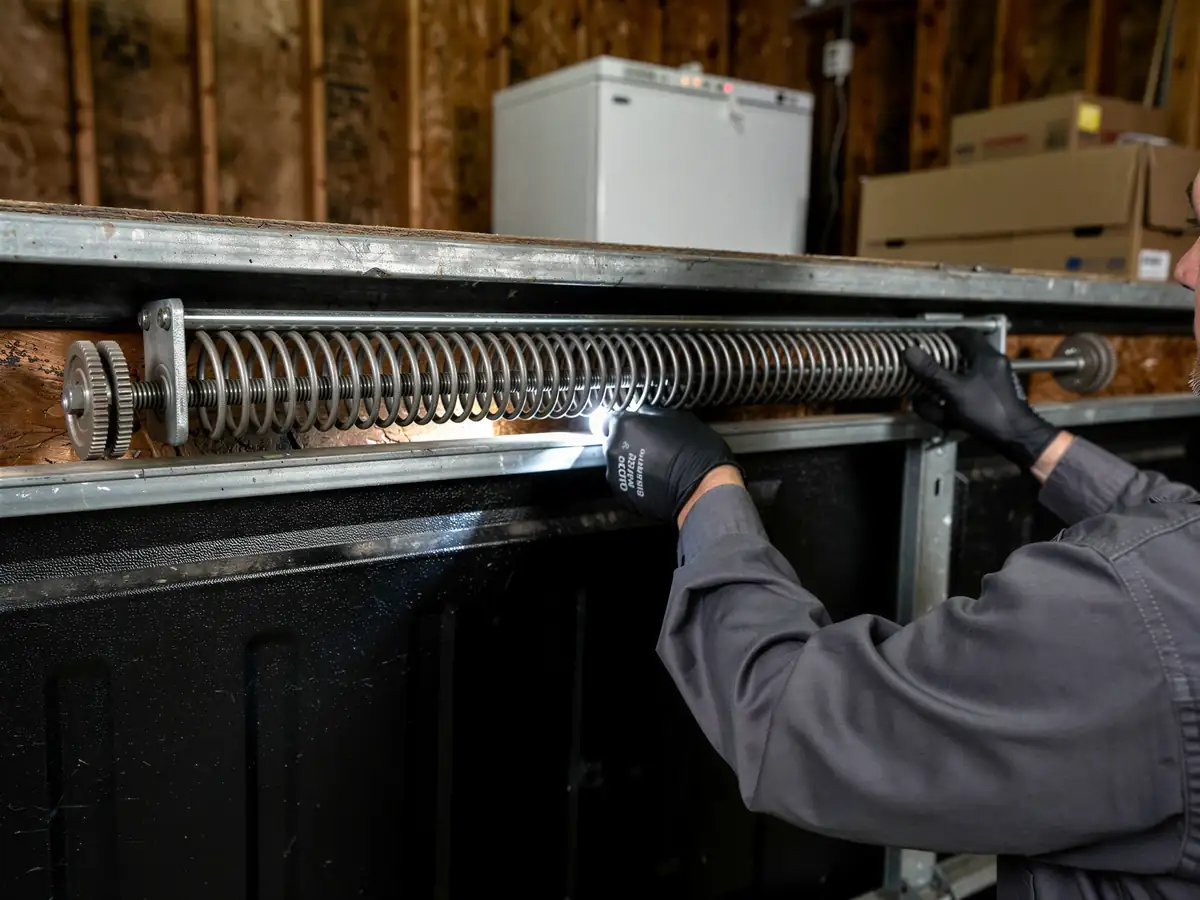
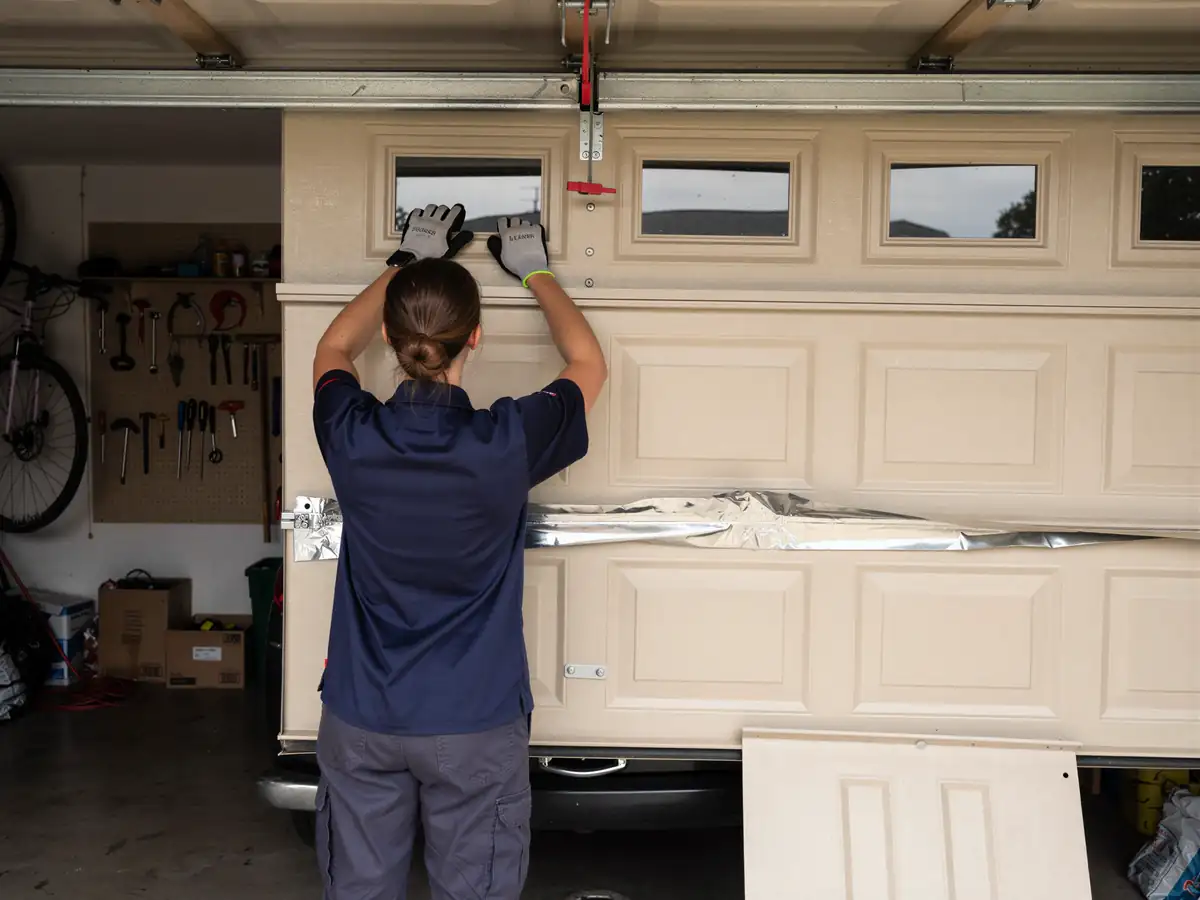
Across Lakewood's roughly 26,118 households, the housing stock skews toward that late-1950s build window, and a lot of those garages were fitted once and never touched again until something broke. A door built to match a 1957 Lakewood home often still carries a single torsion spring instead of the twin-spring setups that came standard on wider doubles once building habits shifted in the following decade. Single springs under a heavier modern insulated replacement panel wear out faster than they were ever designed to - that's one of the most common calls we get once a homeowner has swapped an old door for something heavier without upgrading the spring to match. Openers from the same era are usually long gone, but the original track and header brackets sometimes aren't, and they weren't engineered for the motor loads of a modern belt-drive unit. The mild climate keeps rust out of the picture, so when something fails here it's almost always fatigue and mismatch, not corrosion.
Stocked Parts
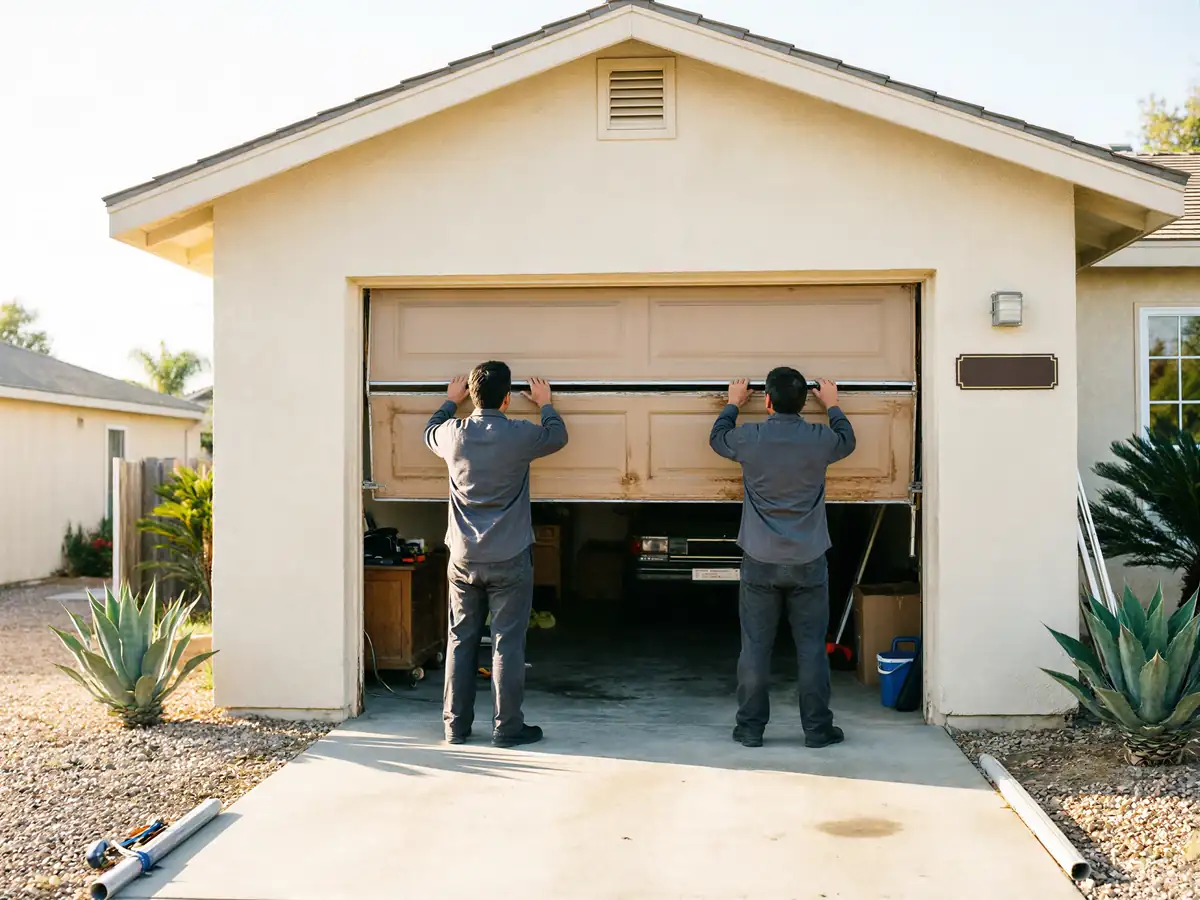
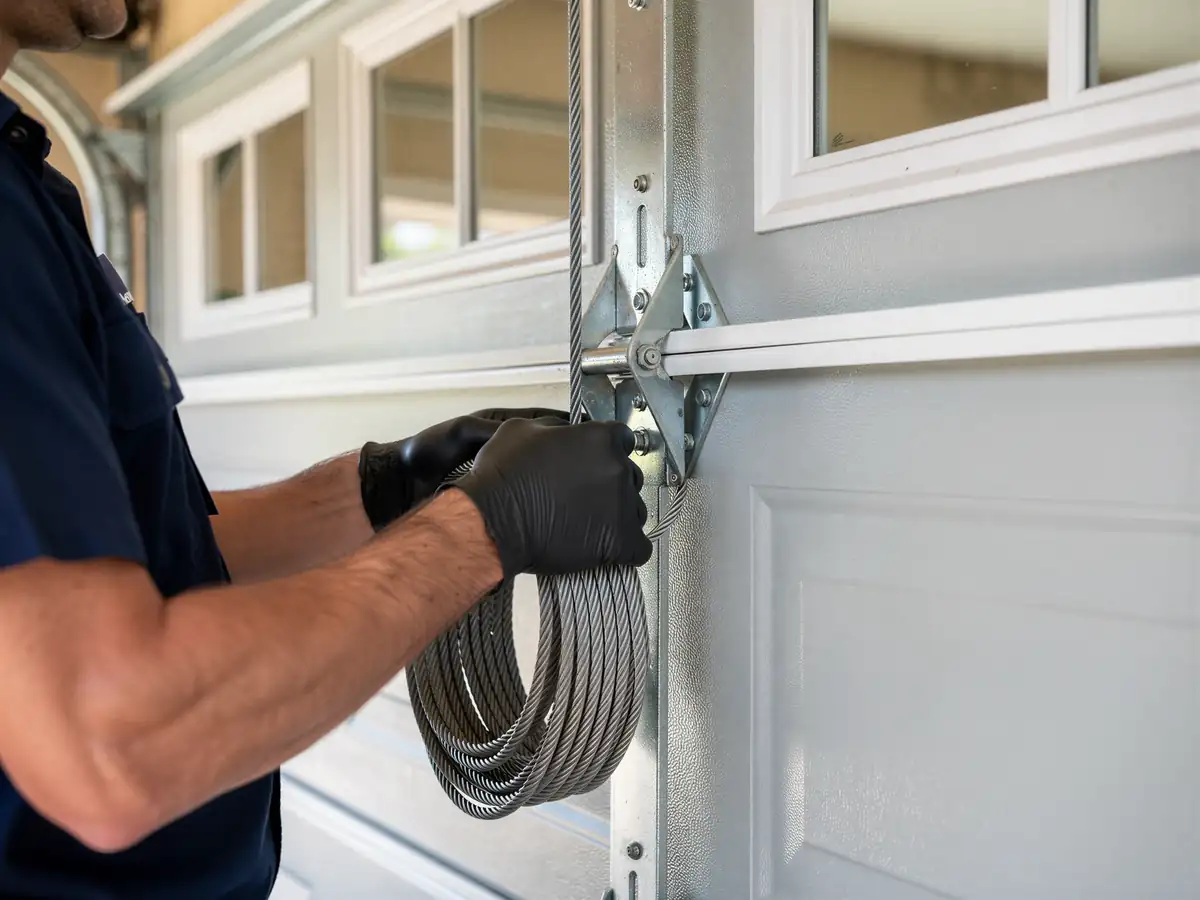
Because so many Lakewood jobs trace back to that 1957-era build window, the truck carries torsion springs sized for older single-spring setups as well as the standard double-spring kits for newer replacements - we'd rather show up with both than guess and drive back to Inglewood. We also keep extension spring kits, since some of these garages were never converted to torsion at all. Rollers, cables, and bottom brackets round out what we bring, because those are the parts that fail regardless of the decade a door was built. What we don't stock on the truck is anything custom-sized - a non-standard panel width or a specialty insulated door built to order has to go through a supplier, and that's the one honest limitation worth saying plainly: if your door needs a part nobody makes anymore, we'll tell you straight that replacement is the better call rather than chasing a part that may take weeks to land.