How It Shows Up
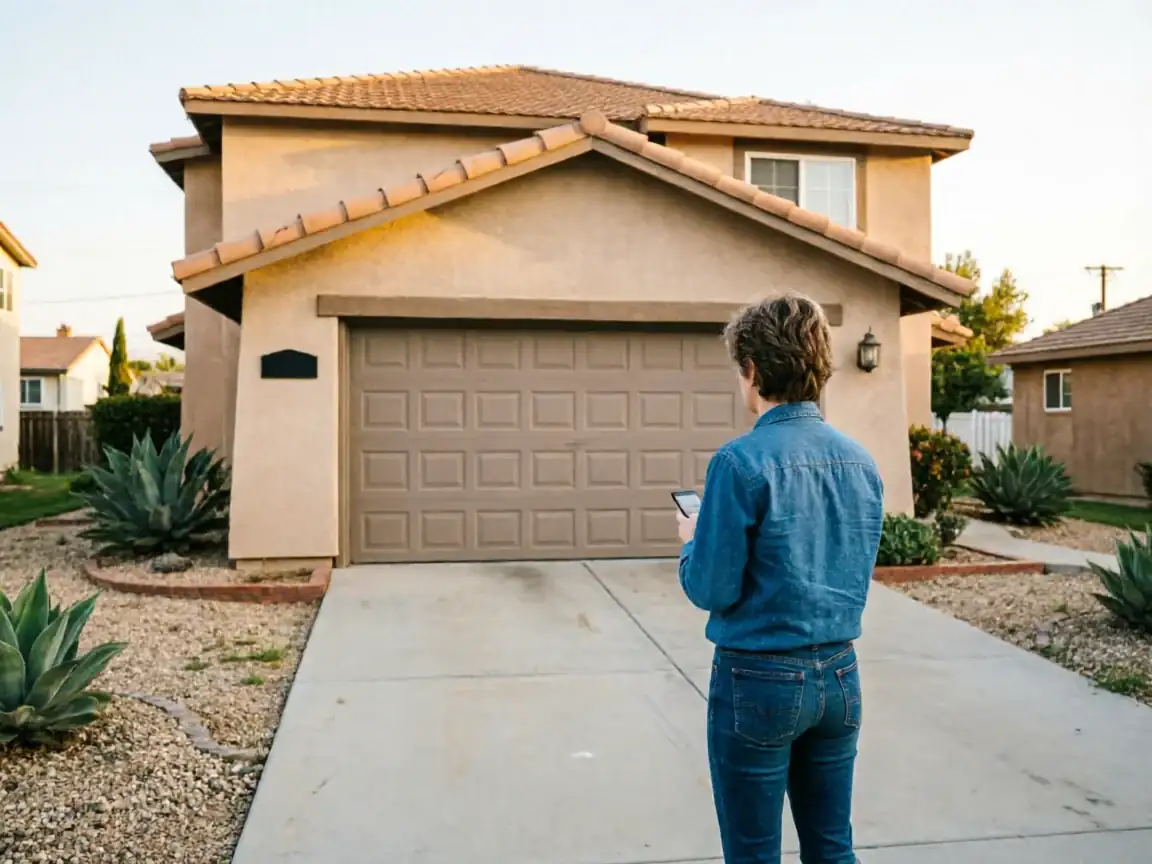
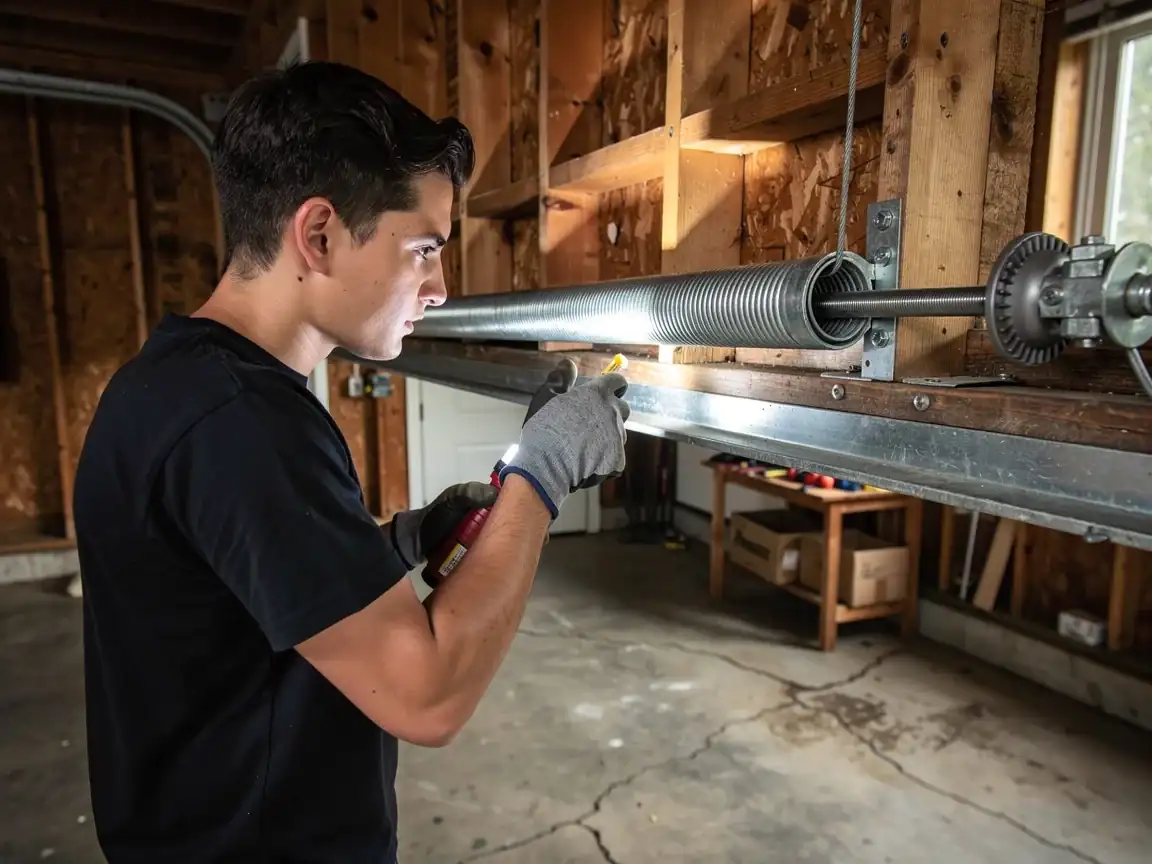
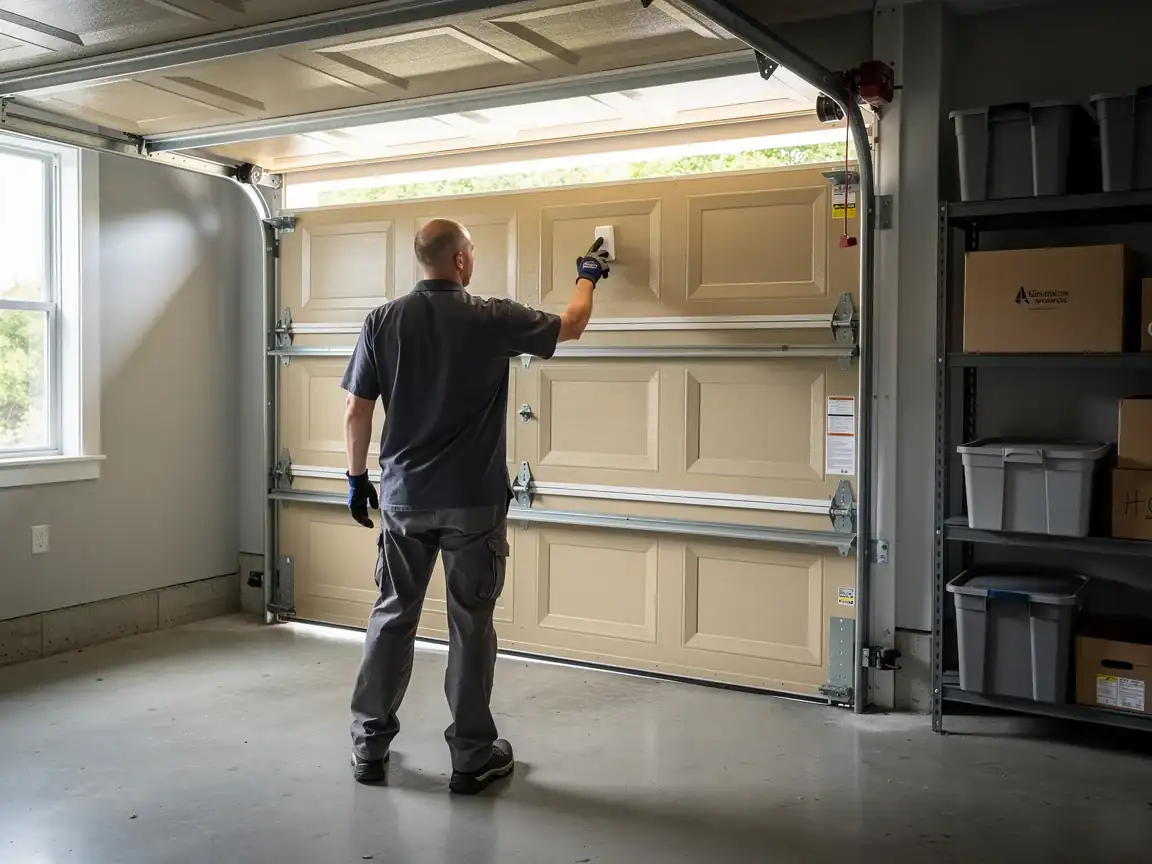
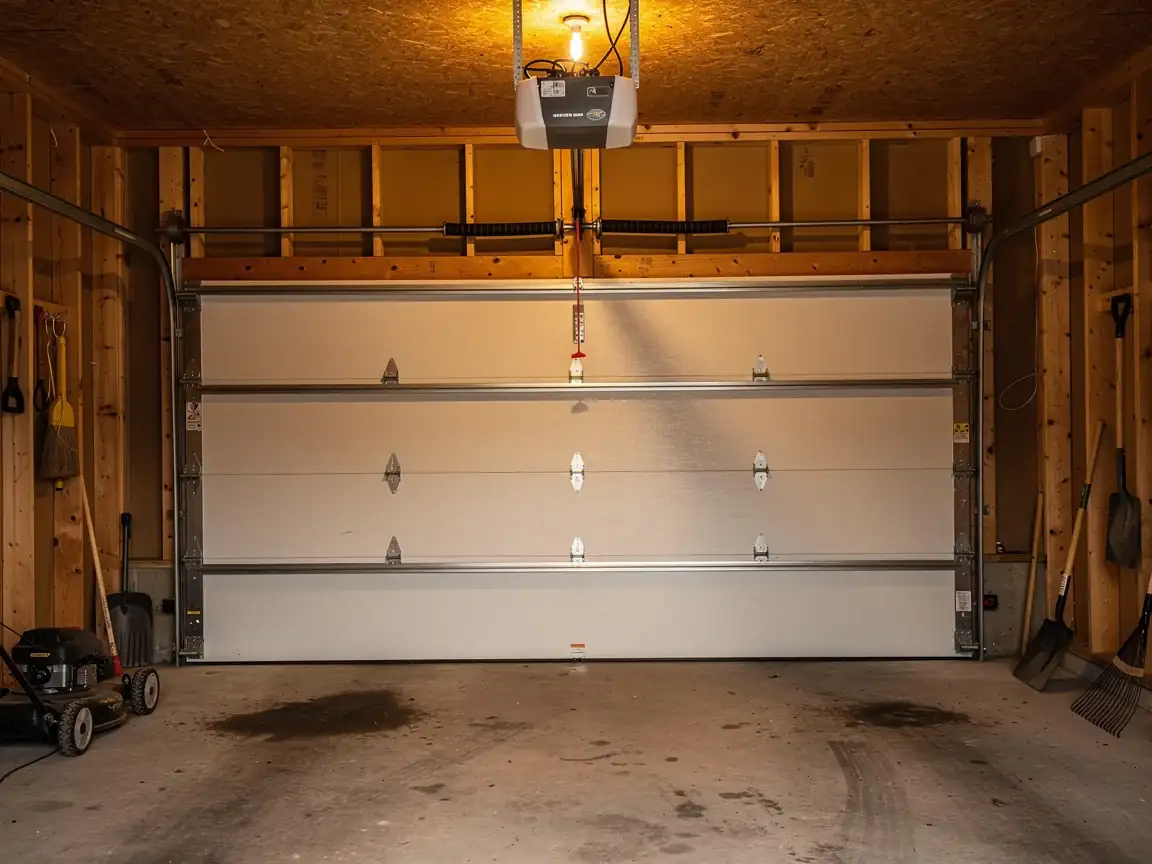
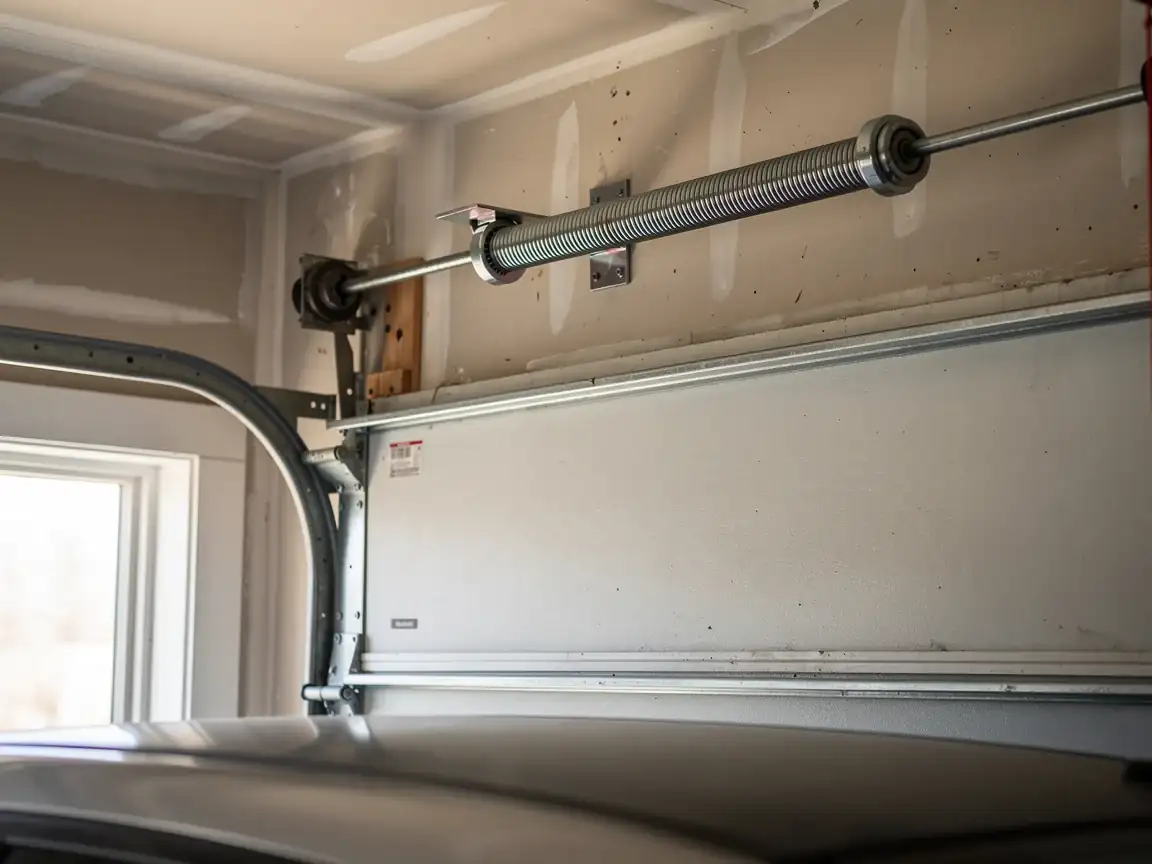
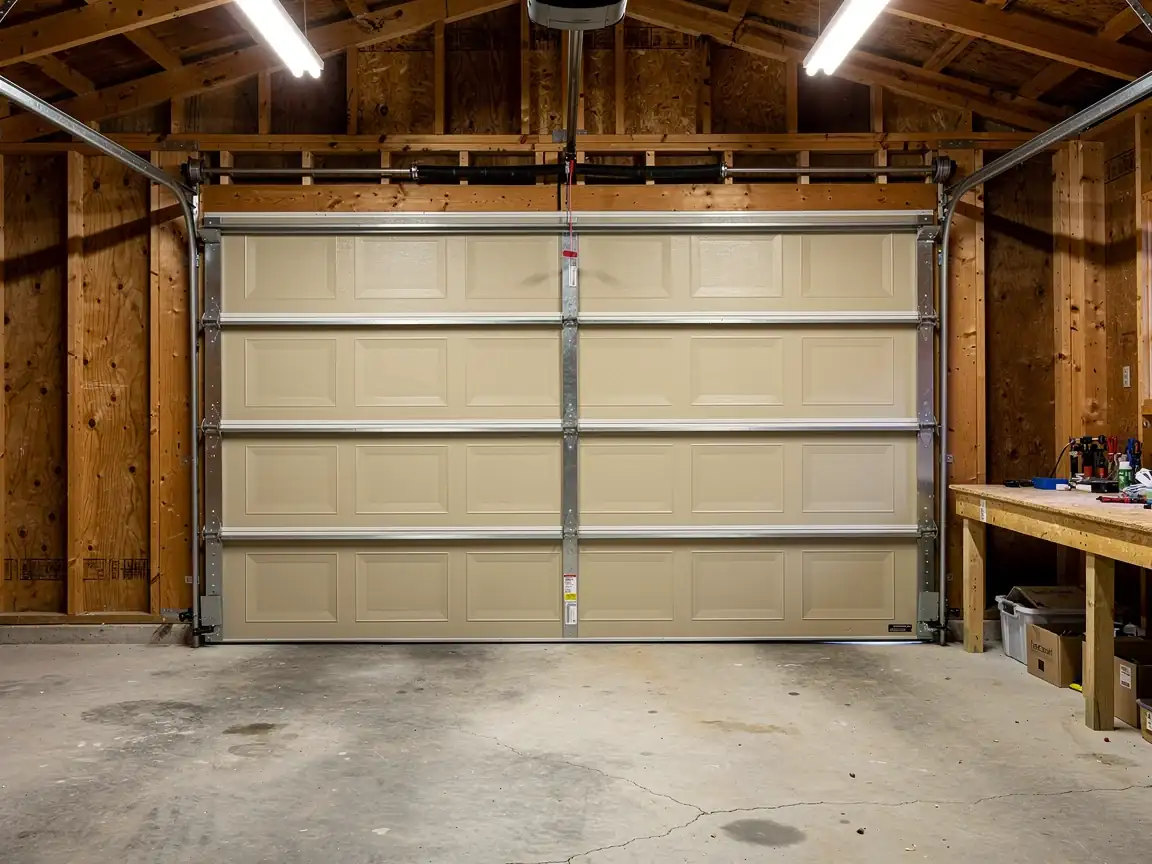
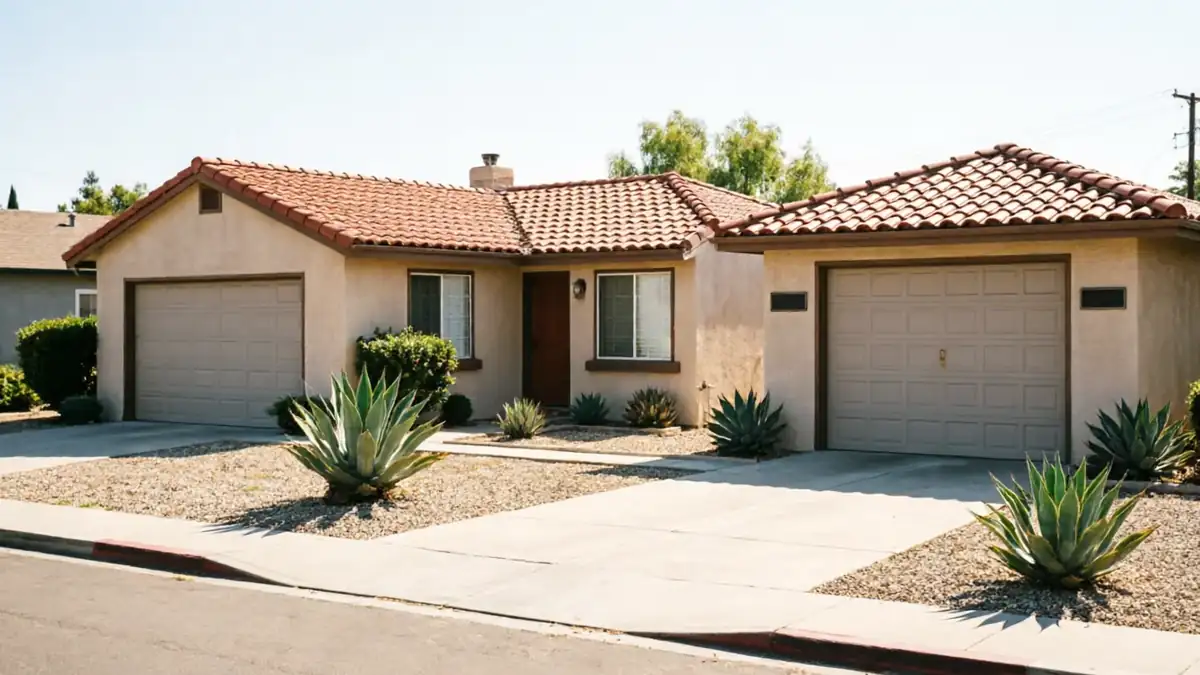
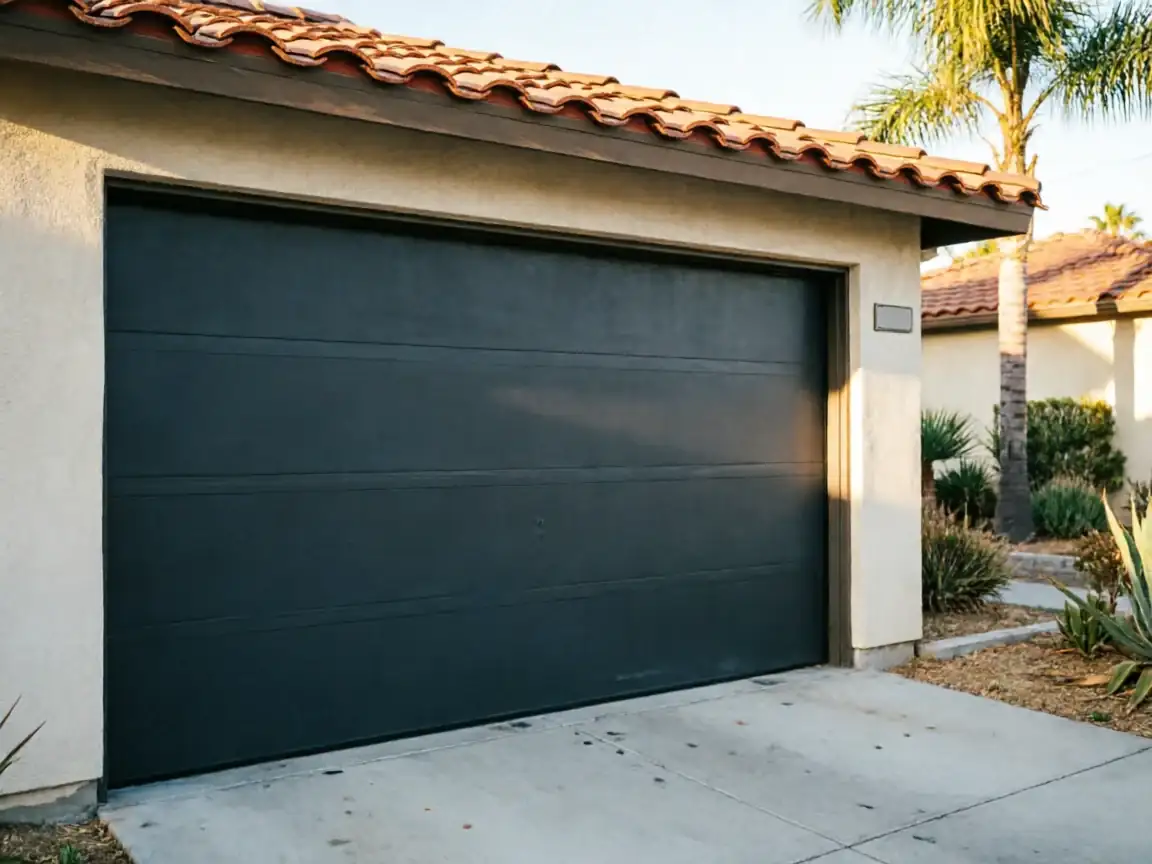
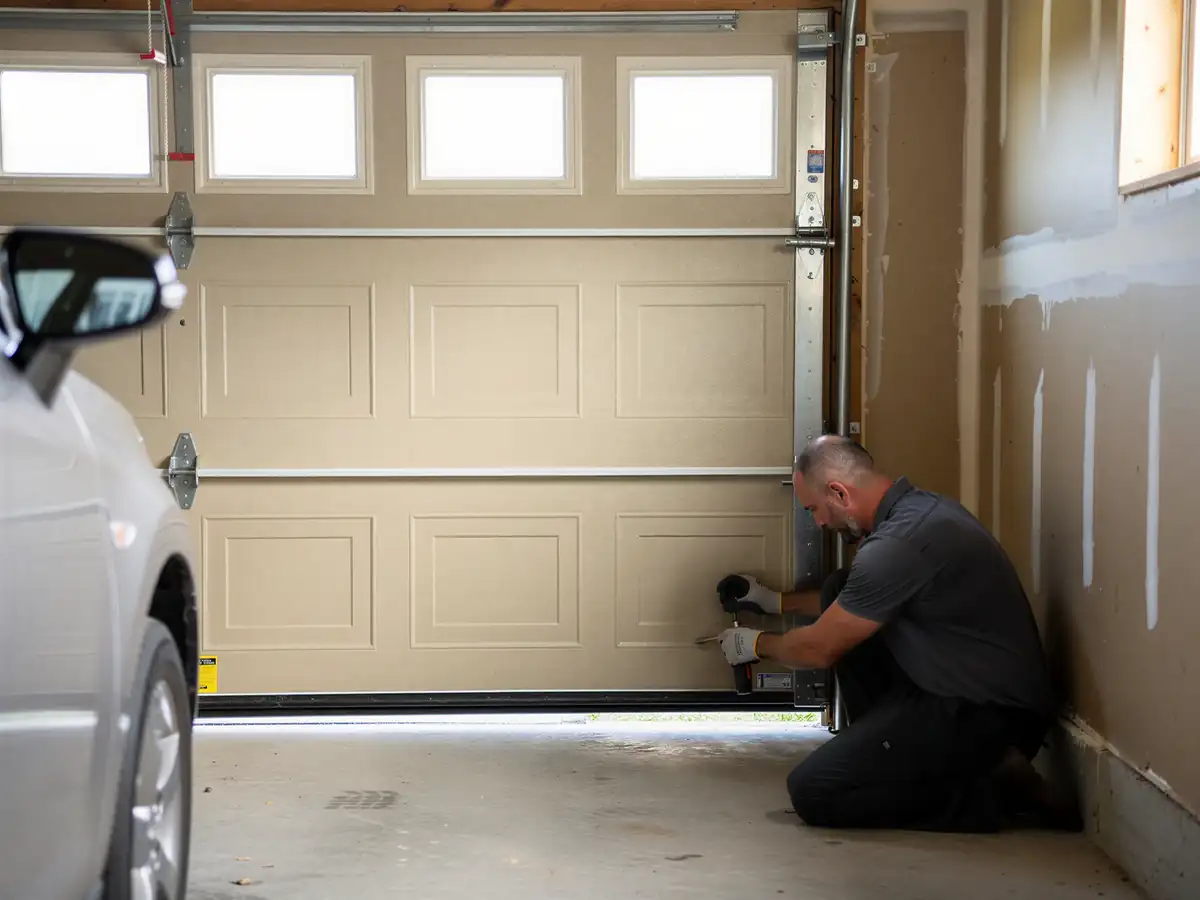
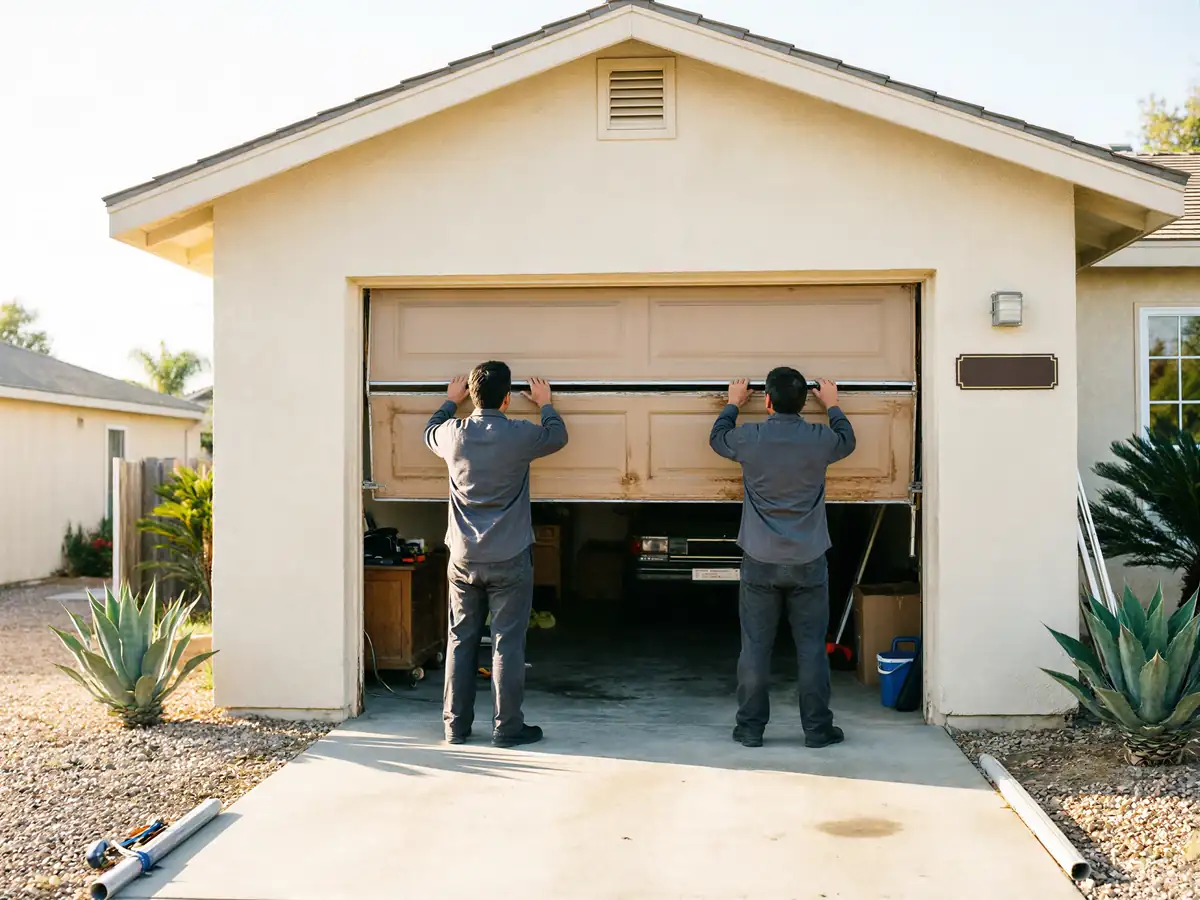
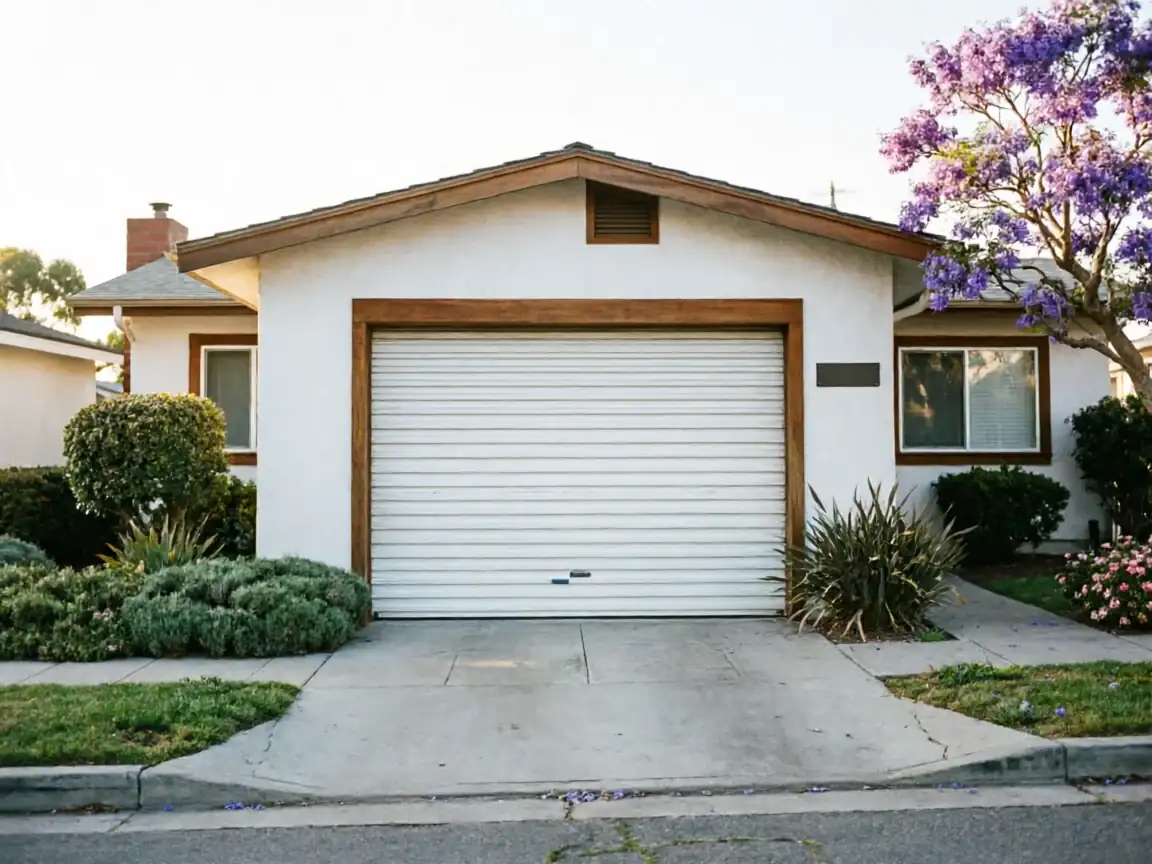
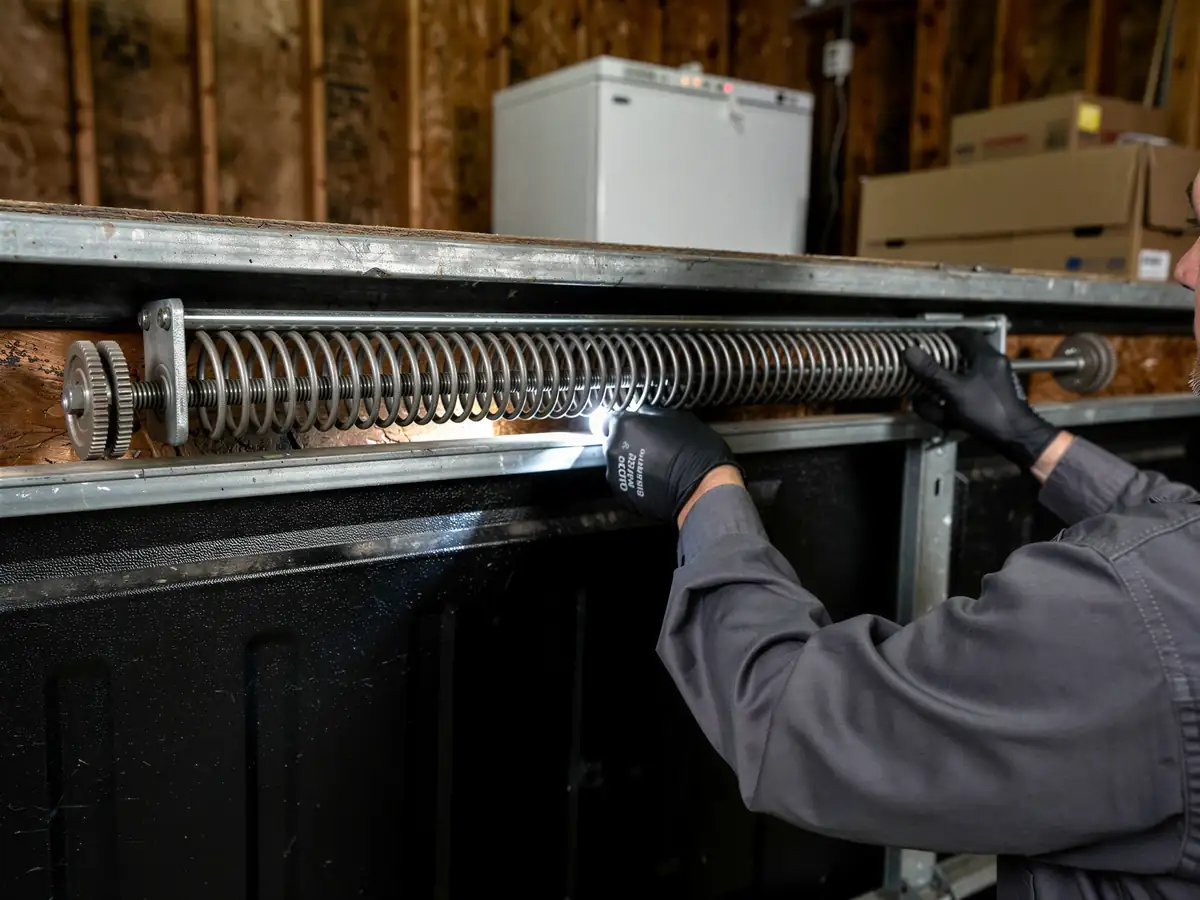
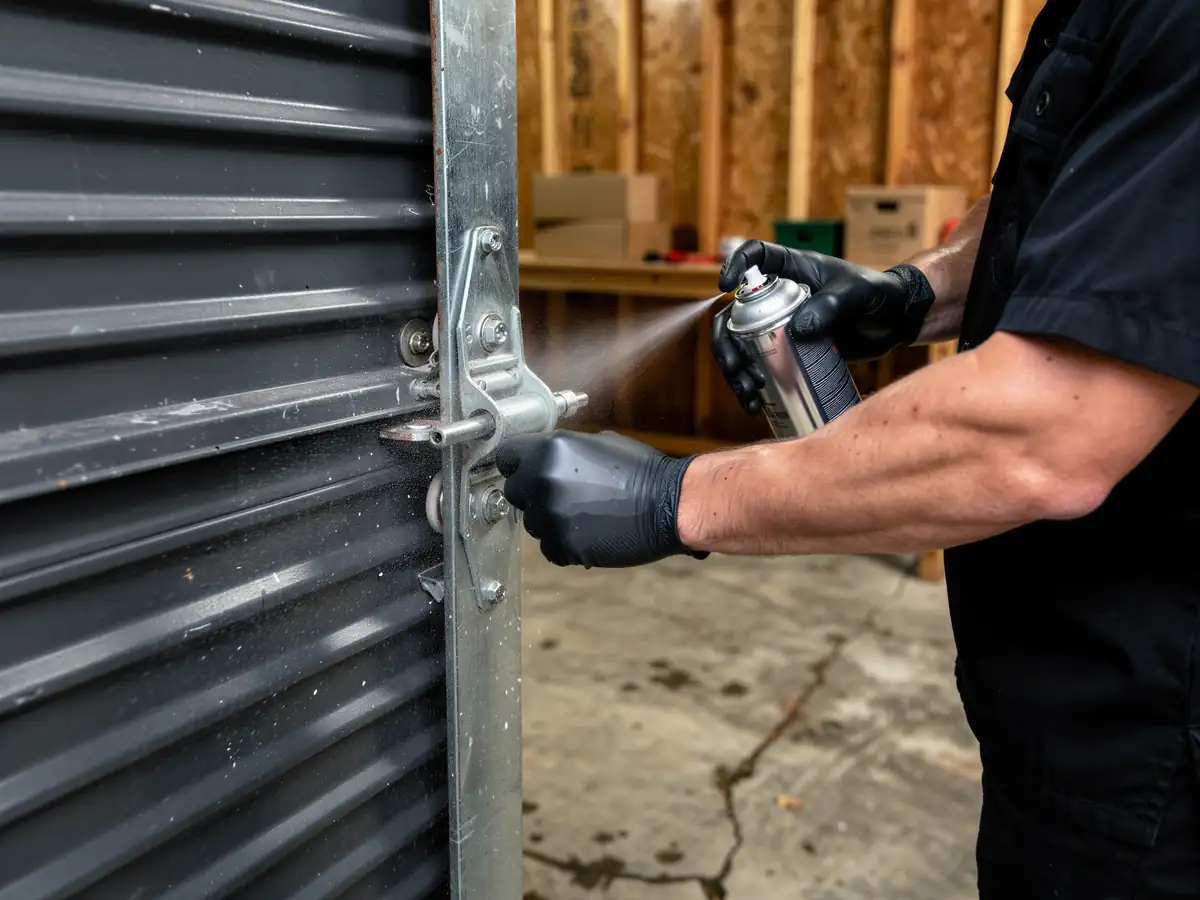
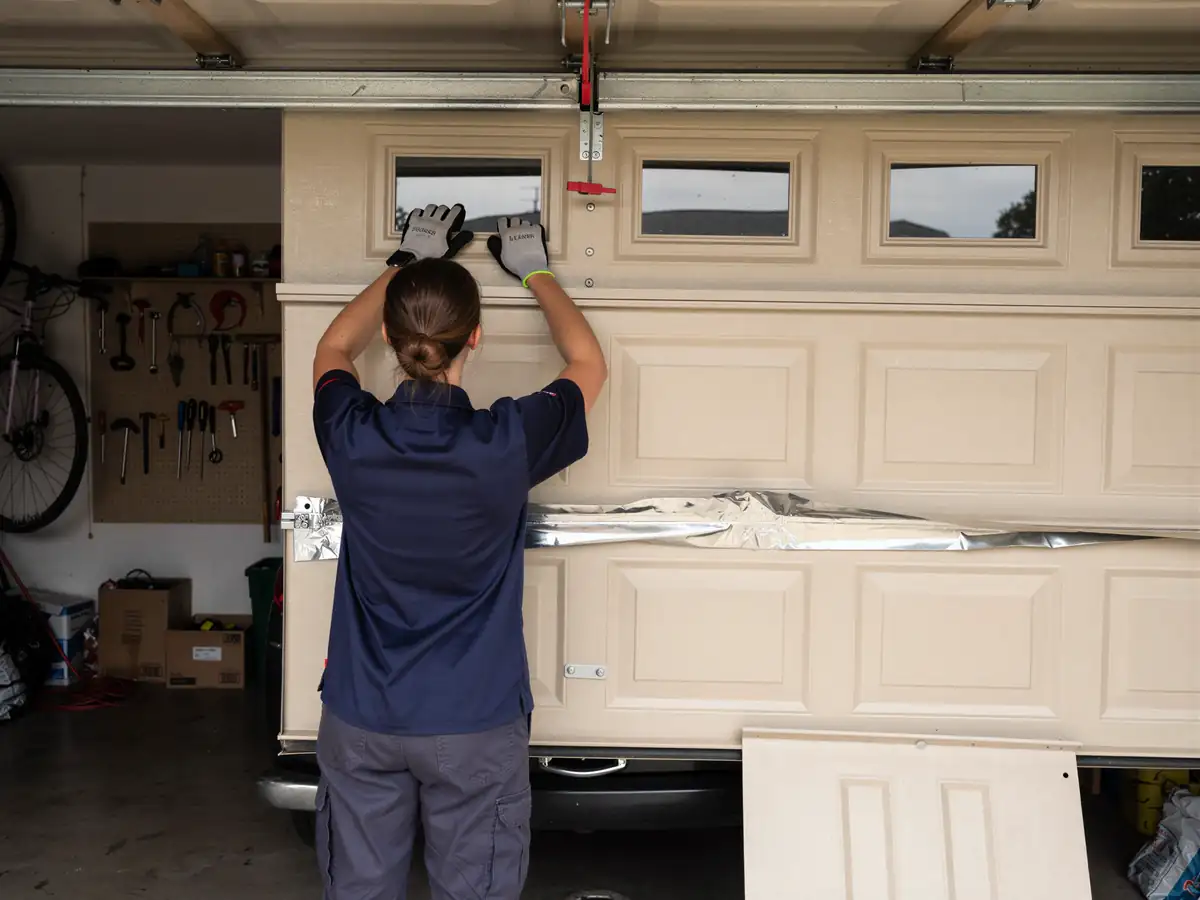
Most houses in Lakewood went up around 1957, and a lot of garages still have the panel sections that came with the house. Nobody thinks about a garage door panel until a car clips it backing out, or a baseball goes through the bottom section, or years of sun crack the paint down to bare metal and the panel finally buckles. On a door this old, the dent or crack is rarely the only issue - the hinges holding that section are original too, and the roller brackets have usually stretched their holes over sixty-plus years of cycling. You call about a dented panel and the real job is often a panel plus the hardware right around it, because that hardware was never built to be removed and reinstalled once it's been riveted in place for decades. We tell people this up front rather than quoting a swap-the-panel price and finding the real scope once the door's apart.
Why This Fails Locally
Lakewood's mild coastal-influenced climate is actually kind to steel panels compared to places with real freeze-thaw cycles or heavy coastal salt spray closer to the water - you don't get the rust-through failures that eat panels in wetter climates. What you do get here is UV and heat-cycle fatigue on paint and the thin galvanized coating, plus 26,118 households' worth of doors that have simply been in daily use since the Eisenhower era. A panel that's sixty-some years old wasn't engineered to modern wind-load or impact standards, and once one section is damaged, the remaining original sections are usually close behind it in wear. Median household income here runs well above the wider service area average, and that shows up in how people decide this job: more Lakewood owners choose to replace all the originally-matched panels in one visit instead of patching the one that broke, because a single new section next to five faded 1957 ones is an obvious mismatch.
Stocked Parts
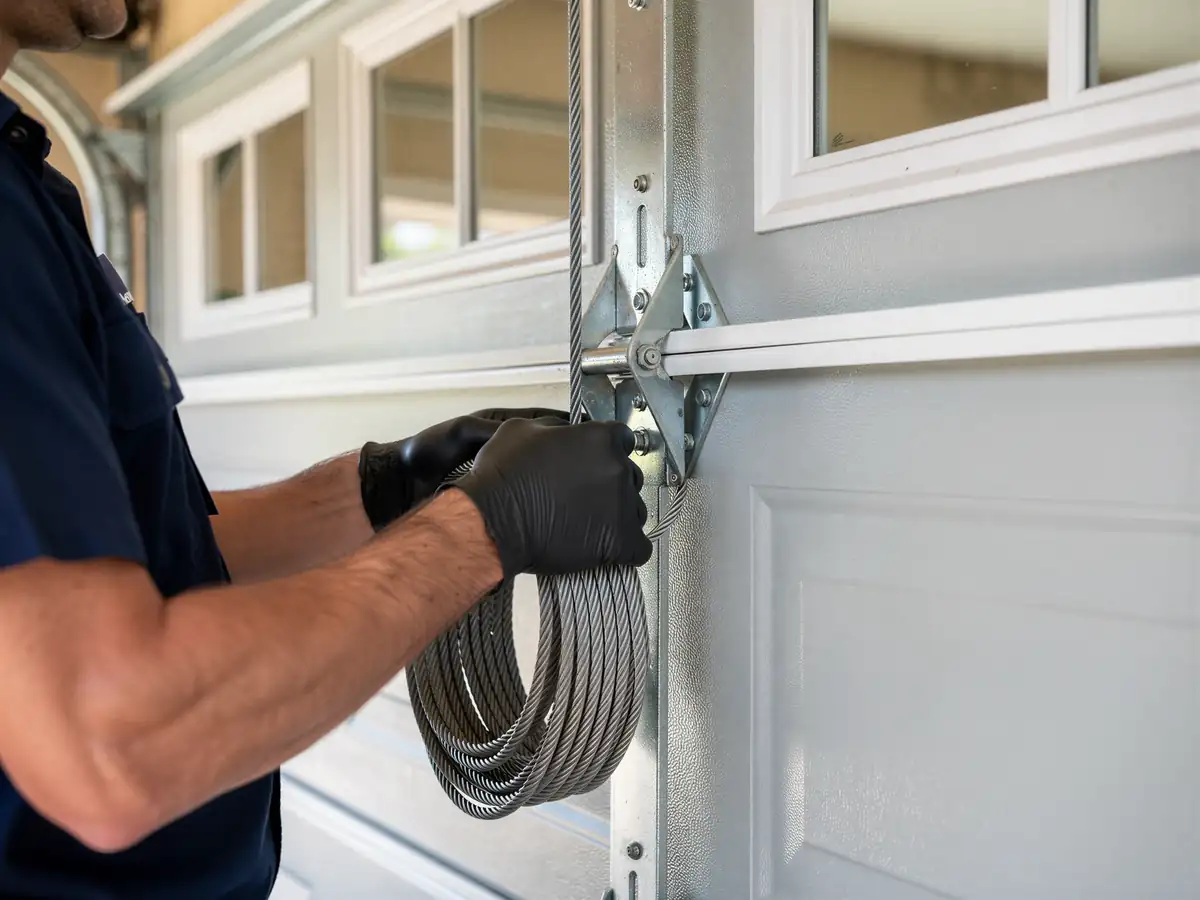
We carry common steel panel sections and the matching hinges, end stiles, and roller brackets that fit the sizing used on doors from the 1940s-through-1970s building era that covers most of this service area. What we don't keep on the truck is a discontinued panel profile from a specific original manufacturer - some 1950s door lines haven't been made in decades, and if yours is one of them, we're ordering a color-matched or closest-fit replacement section rather than an exact one. That's the honest limit: we can usually get you a panel that fits and seals correctly, but we can't always get you the identical panel that shipped with the house in 1957.