Getting It Booked In
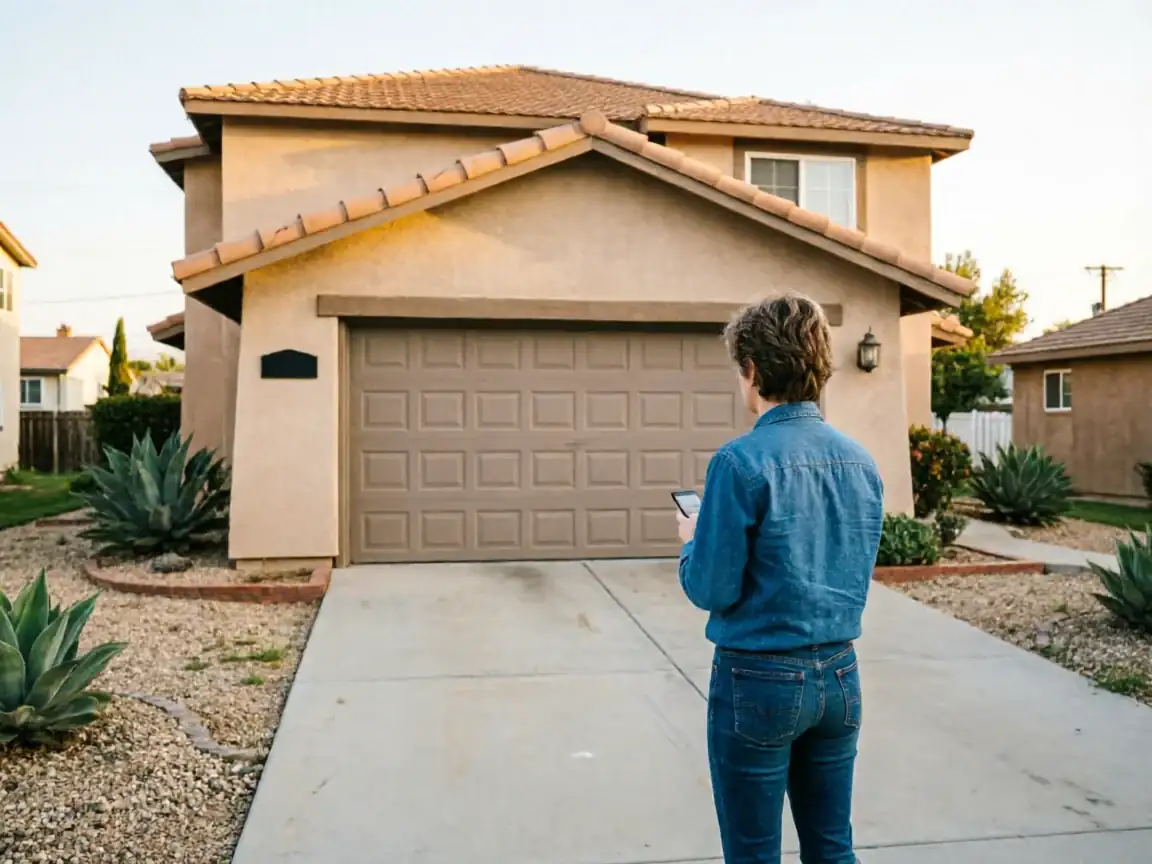
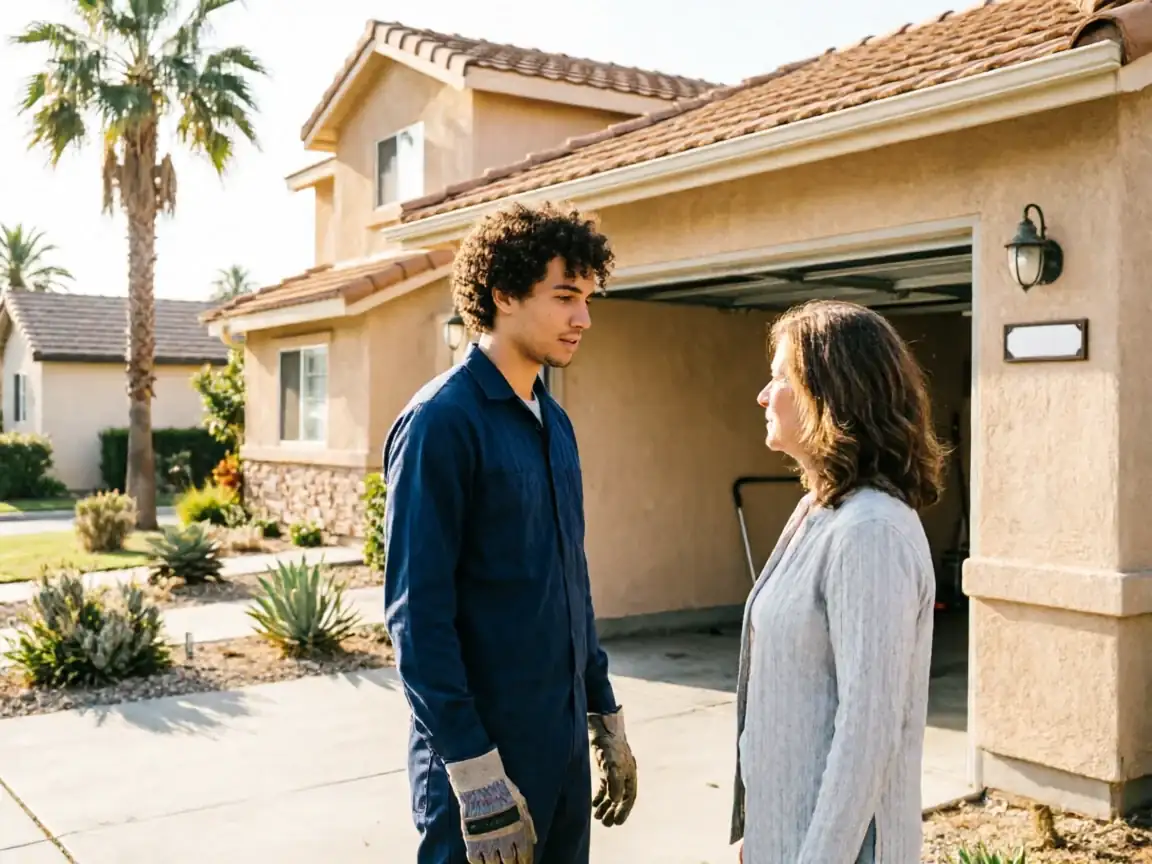
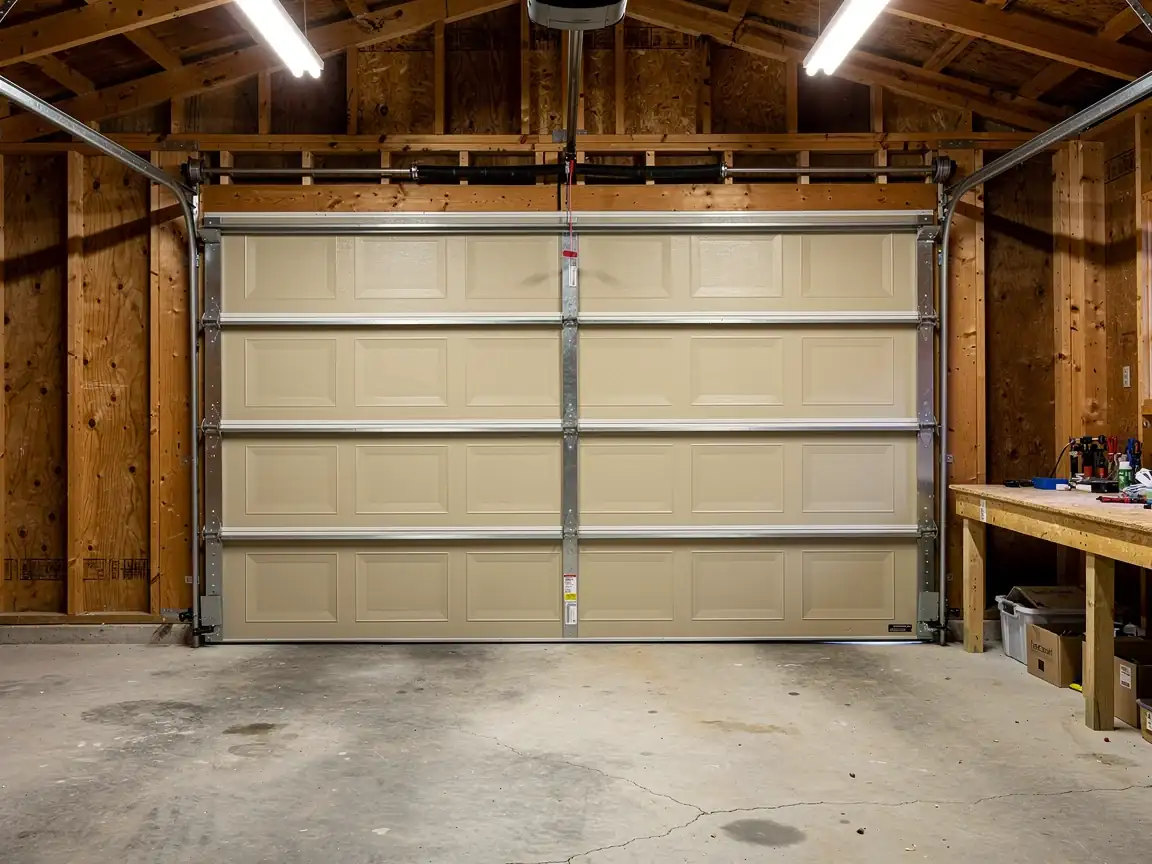
We work out of Inglewood and Hawthorne sits about 3 miles out, so a call here doesn't mean waiting on a crew to cross town. When you call, tell us the age of the house if you know it - Hawthorne's housing mostly went up around 1972, a decade or so after the service area's overall median, and that one detail changes what we bring on the truck. A door from that build year usually means a torsion spring rated for a lighter steel panel than what's sold today, and openers that have been swapped at least once but tracks that likely haven't. We'll ask what the door is doing - won't open, opens crooked, makes noise on the way down - because that narrows the part before we ever pull up. Same goes for whether it's a single garage or the wider two-car opening common in that era's tract construction. We don't keep a branch in Hawthorne itself; we're a short drive from Inglewood, and that's the honest version of how this works.
Where This Job Goes Sideways
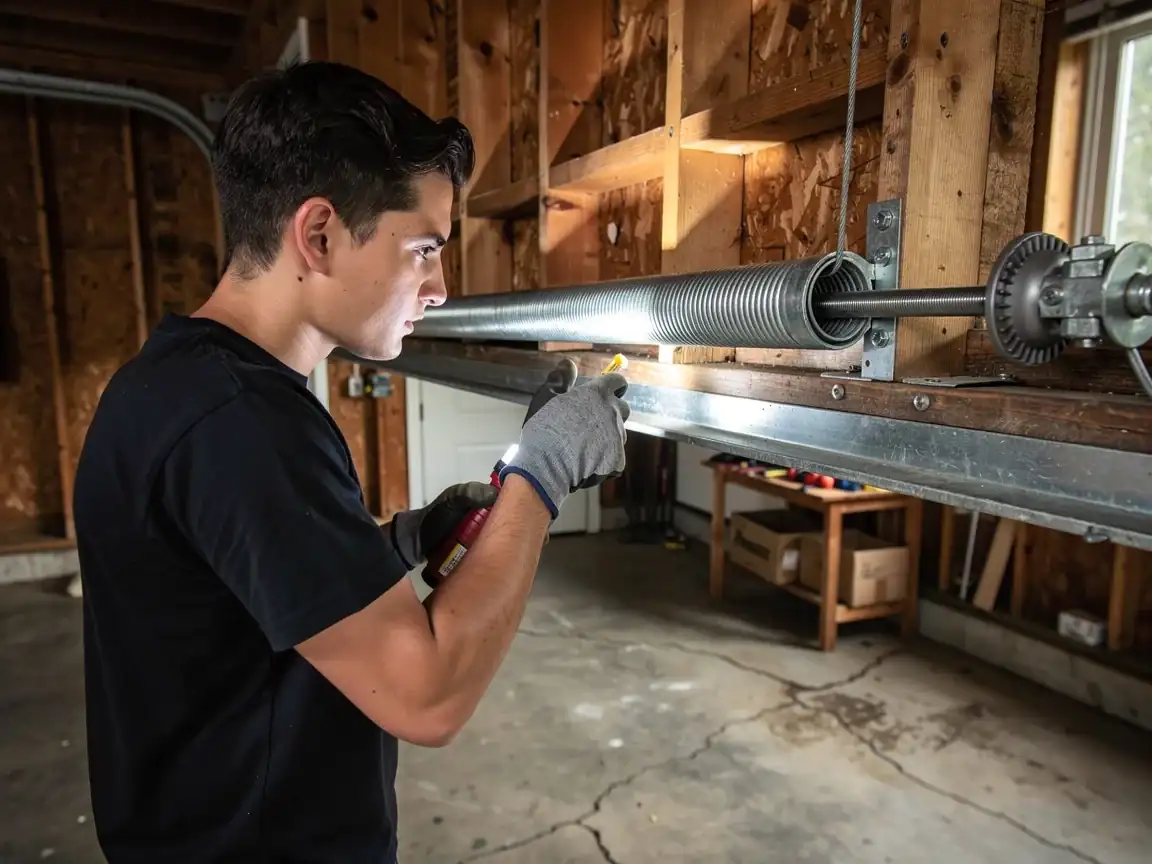
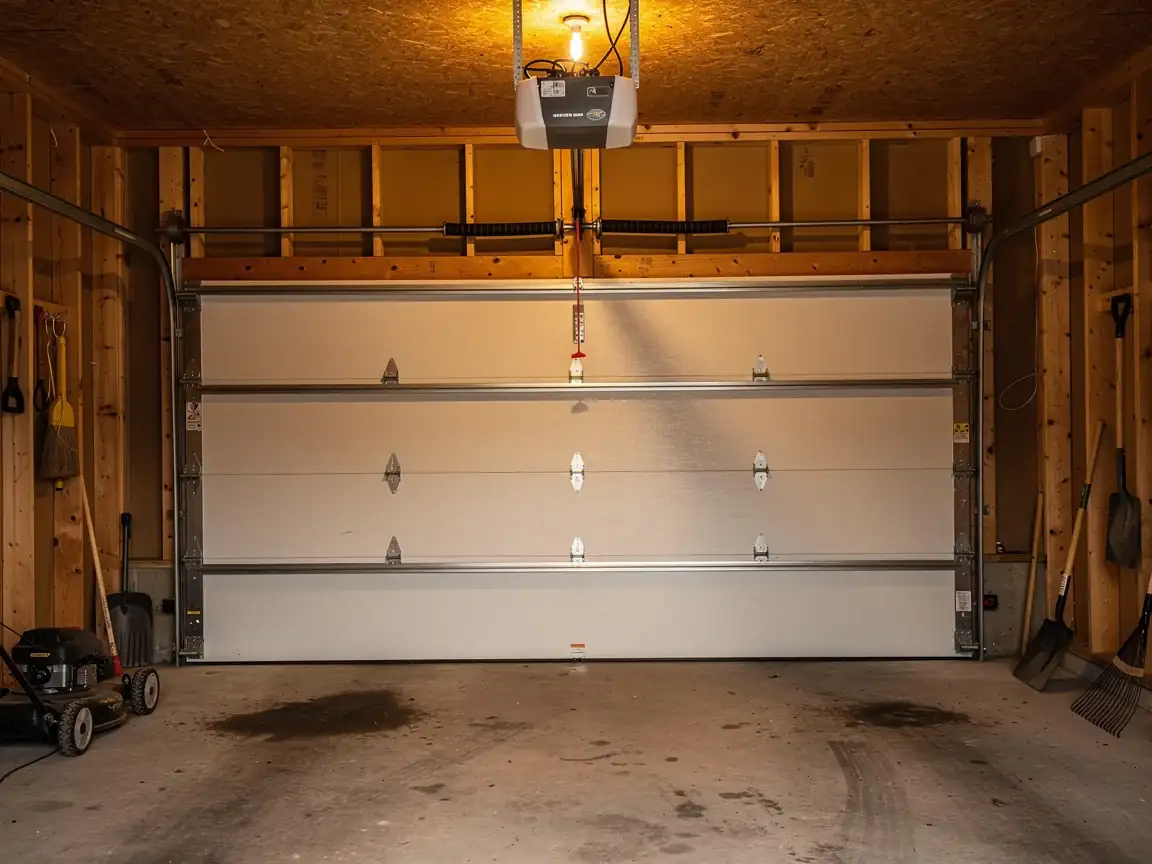
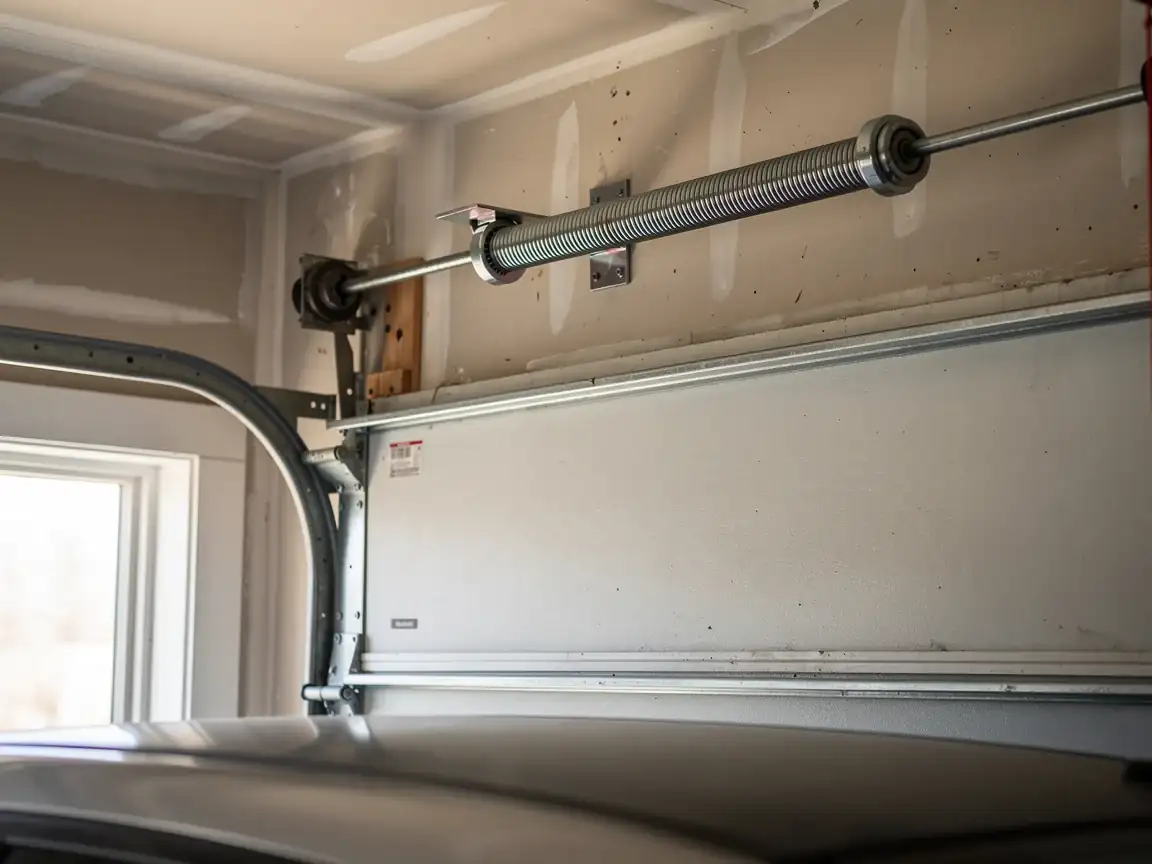
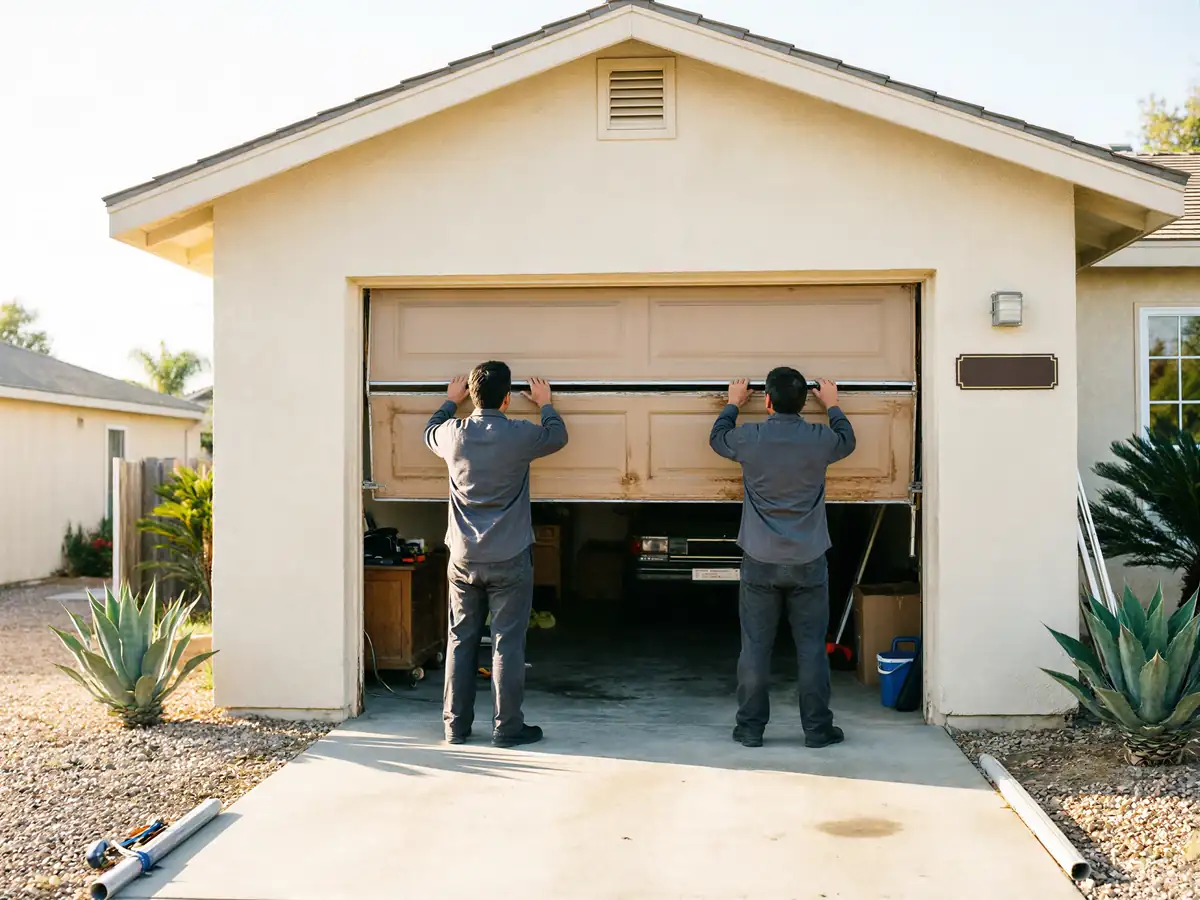
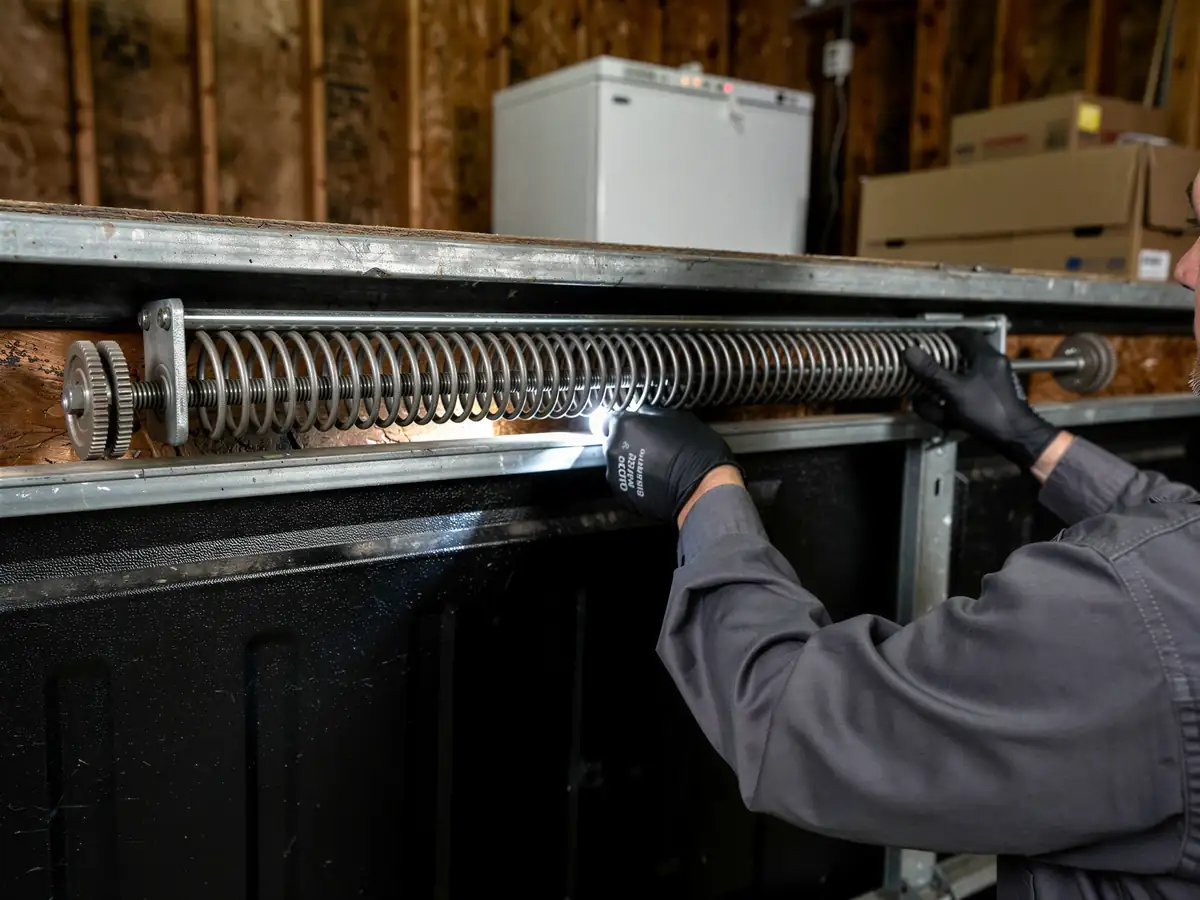
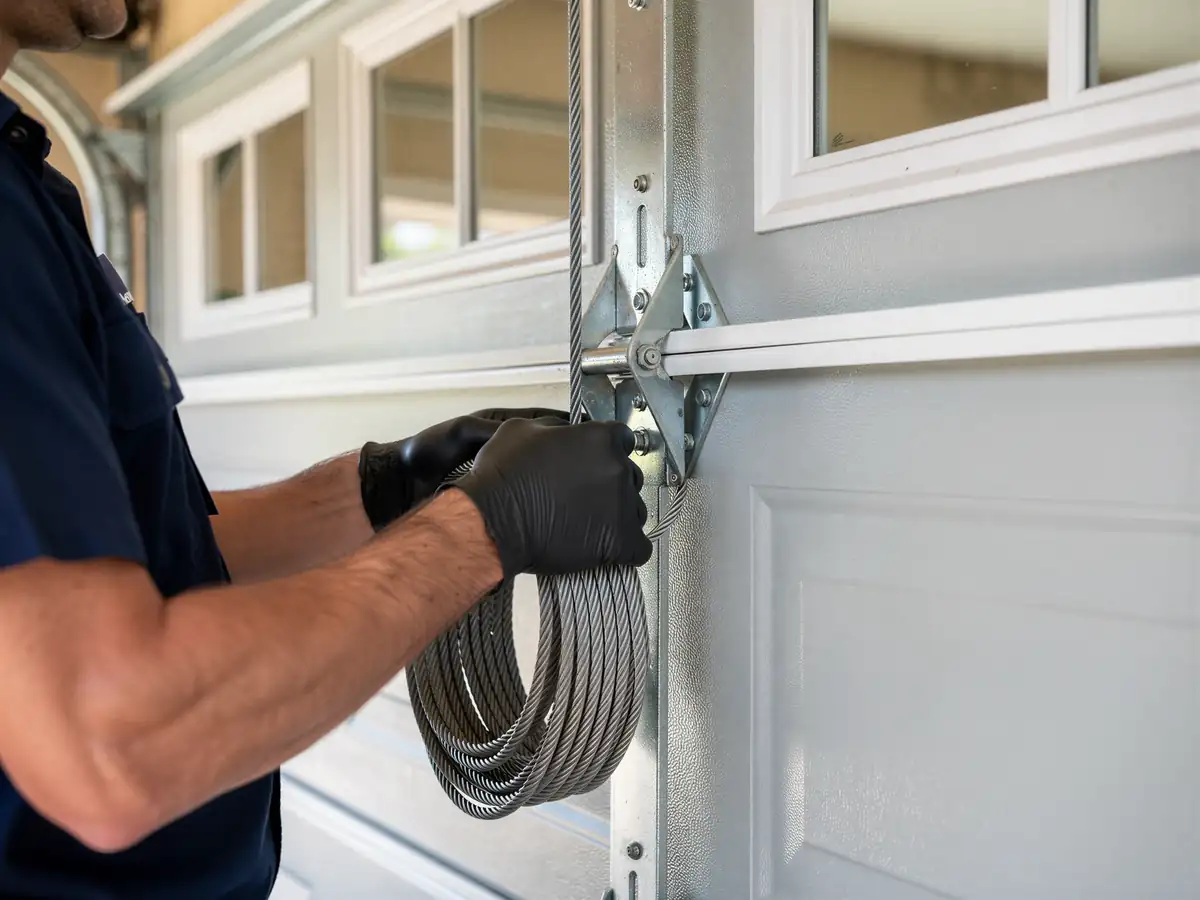
The job gets harder when a homeowner's already tried to force the door closed after a cable snapped - that bends the track, and now you're not replacing a cable, you're replacing a cable and straightening or swapping a track section. We also run into mismatched parts from a prior repair: a torsion spring sized for a lighter door installed under a heavier insulated panel someone added later, which just means the door will fail again, sooner. Here's the honest limitation - if the original torsion hardware on a 1972-era door has been painted over or rusted at the shaft for years, sometimes the drum or shaft is seized enough that spring replacement alone won't fix it, and you're looking at replacing the whole operating hardware, not just the spring. We'll tell you when that's the case instead of patching it and having you call again in six months.
Why This Fails Locally
Hawthorne's roughly 29,849 households sit inside a service area where median household income runs near $93,882, but Hawthorne's own figure is lower, around $72,719 - which in practice means more of these doors get repaired piece by piece instead of replaced outright, and more of that original 1972 hardware stays in service longer than it would elsewhere. That's not a knock on the town; it's just the math behind why we see so many original torsion setups still in the garage at this address. The mild temperate climate across the area means we're not dealing with the rust and ice-driven failures other regions get - spring fatigue here is a cycle-count problem, not a weather problem. That's a narrower set of failure modes than you'd see in a harsher climate, which is part of why the diagnosis on a Hawthorne call tends to be quick once we're looking at the door.