Getting It Booked In
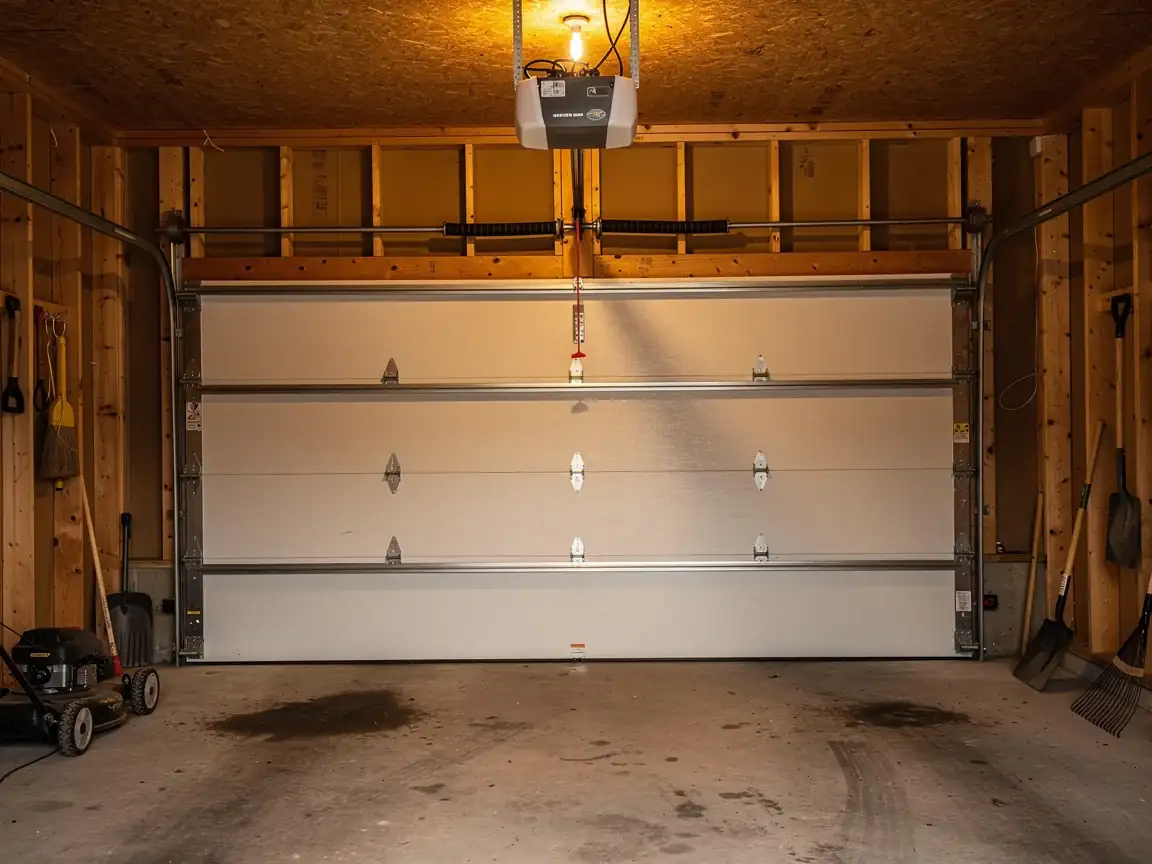
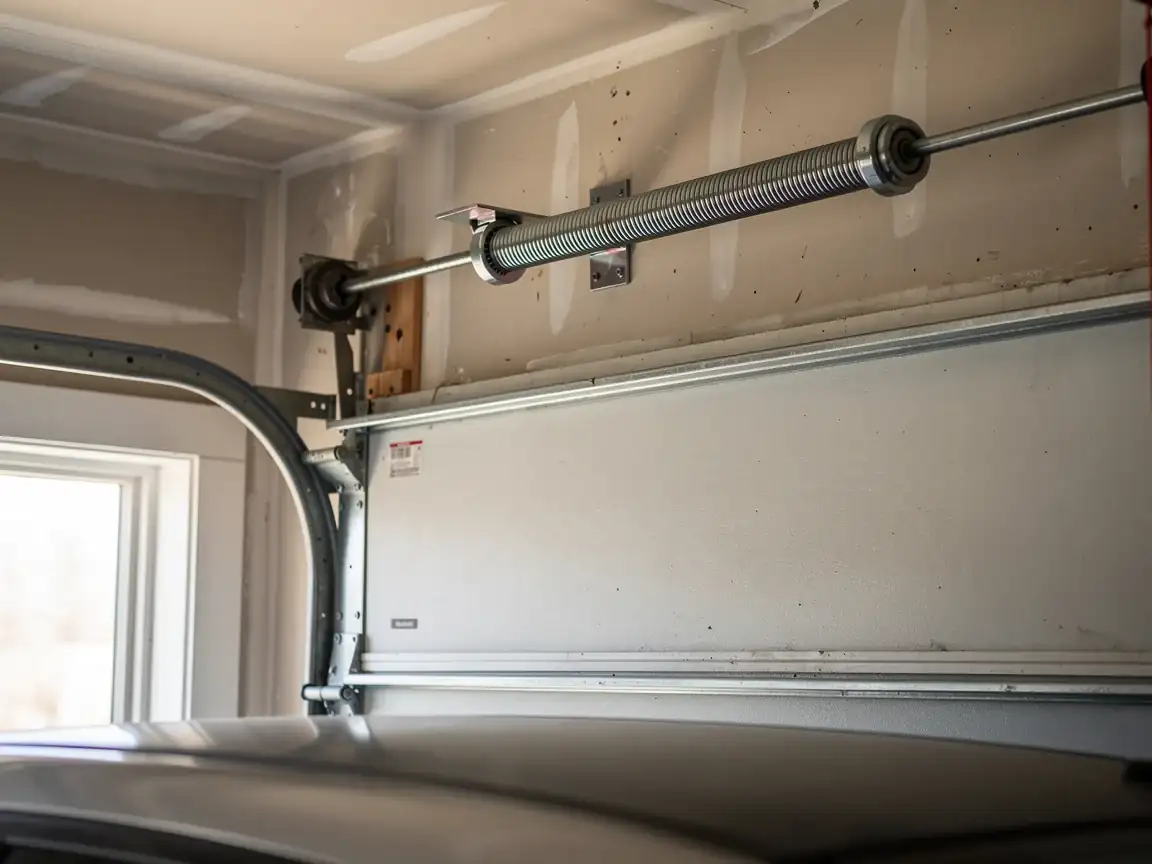
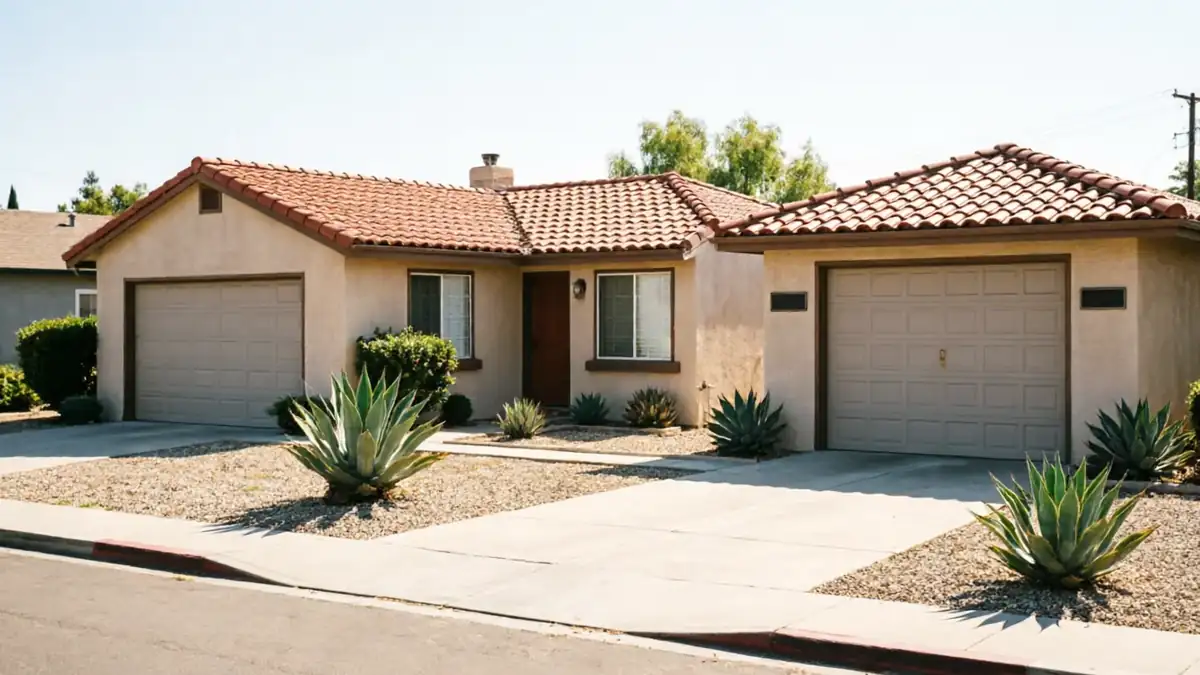
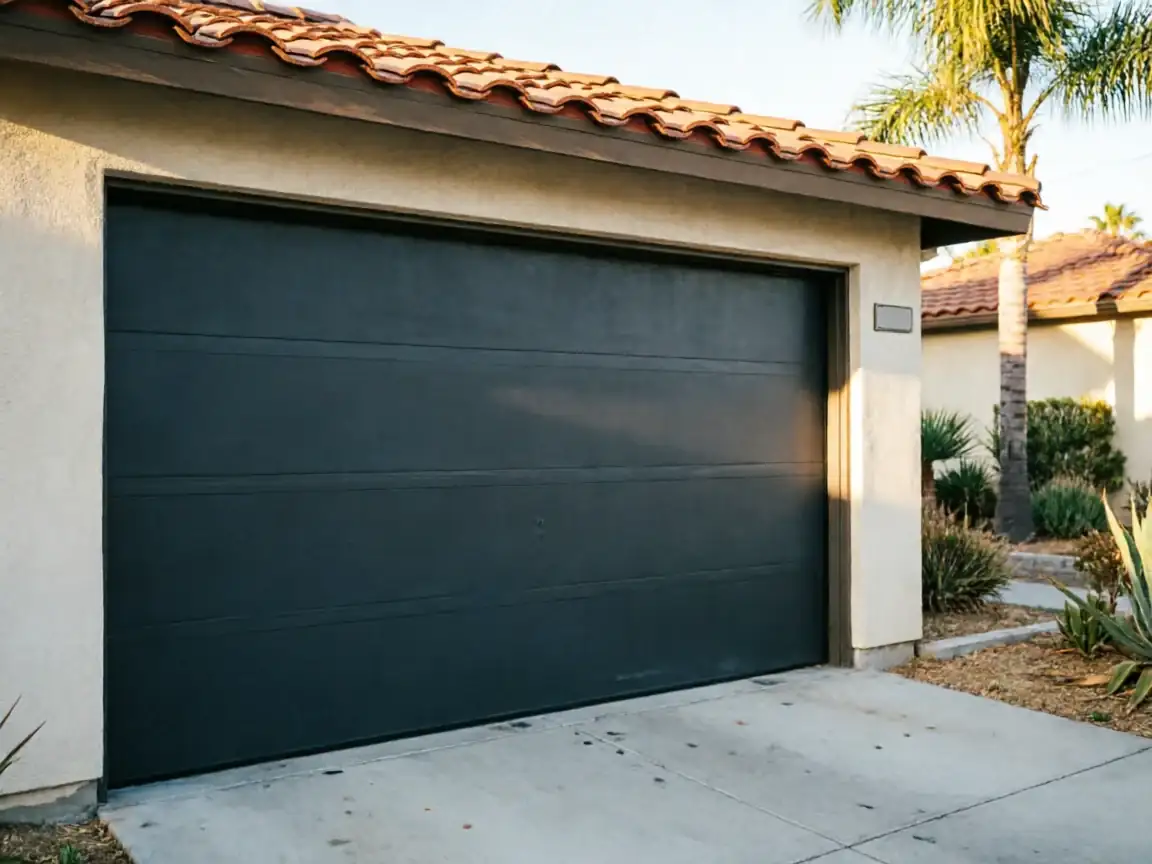
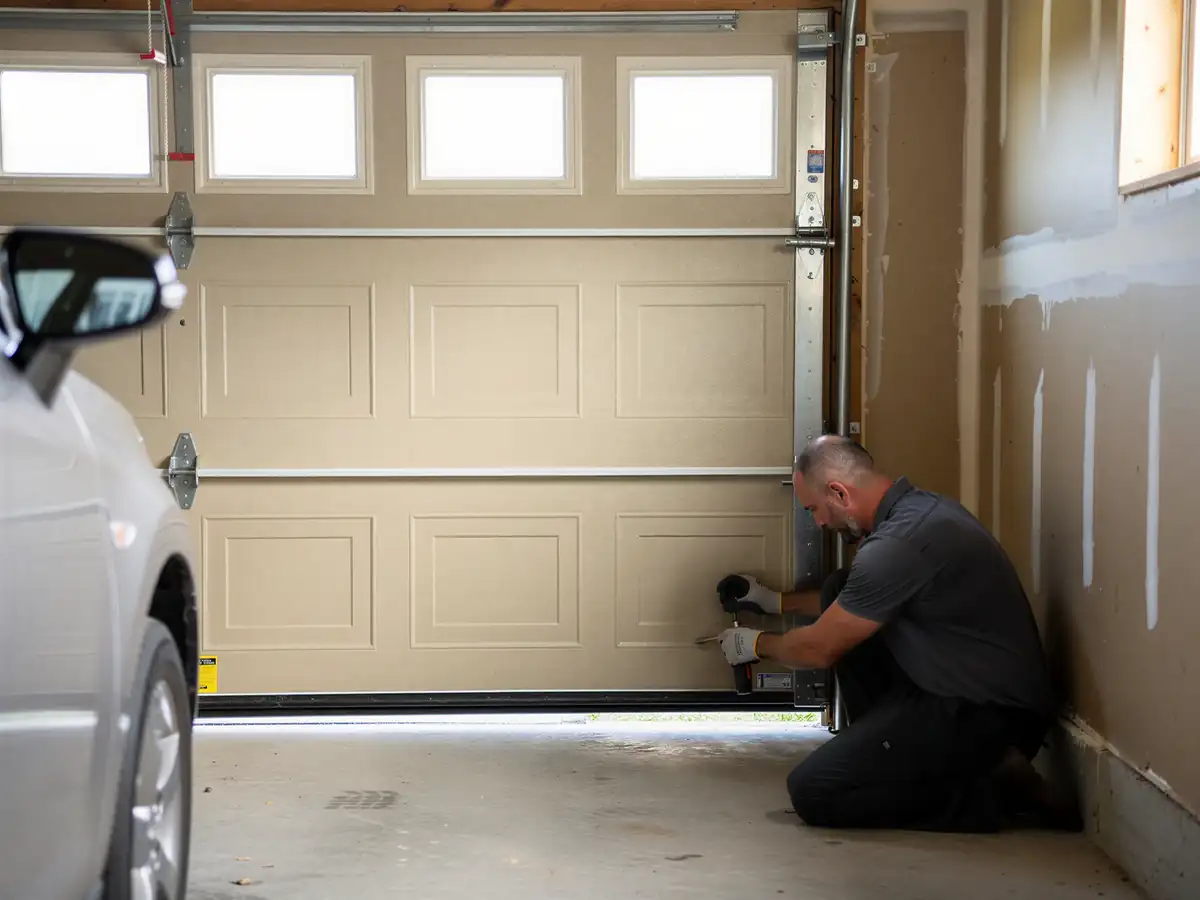
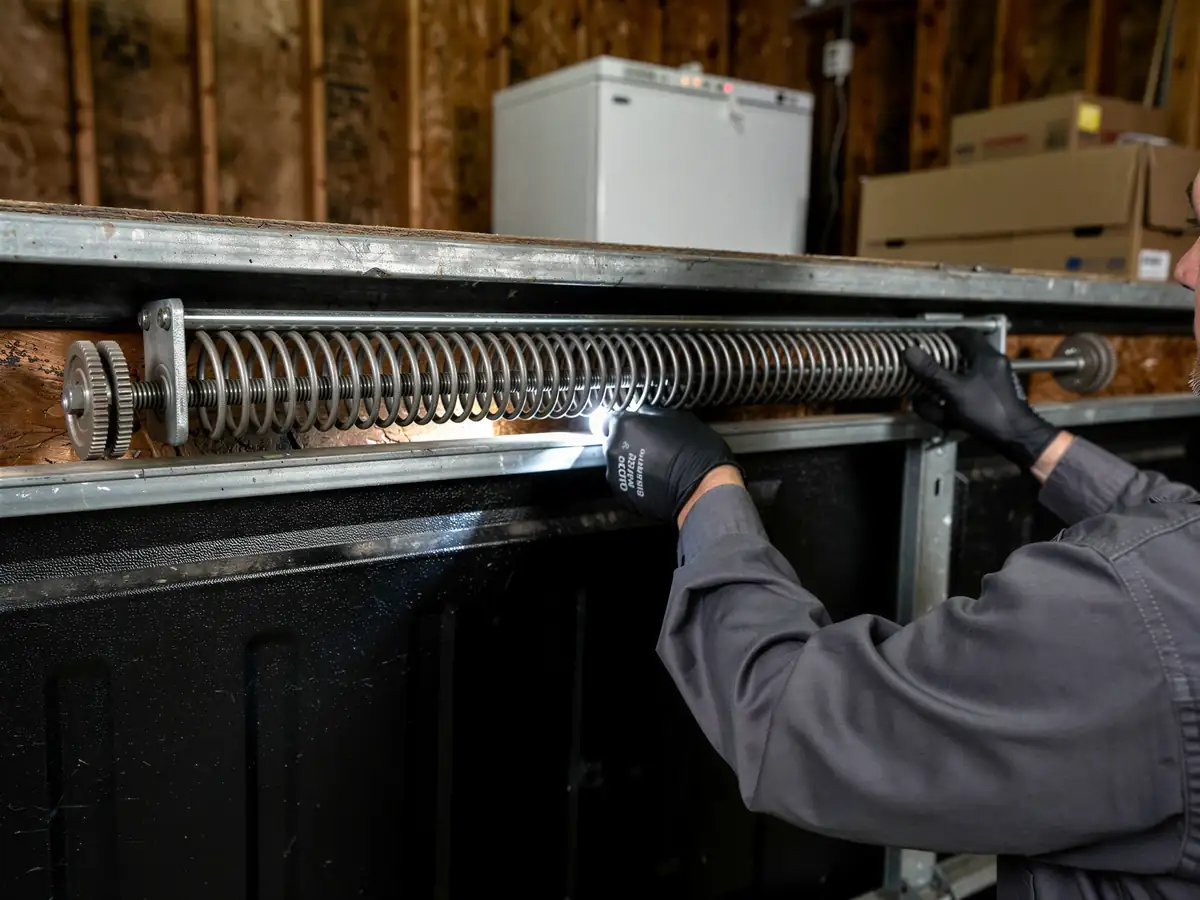
We run this job out of Inglewood, about 3 miles from Hawthorne, so there's no local branch to call - just a truck that comes to you. When you book, tell us the rough age of your house if you know it; most of Hawthorne went up around 1972, and that single fact changes what we load on the truck before we leave. A door from that build era usually means steel sectional panels on a torsion or extension spring system that's original or close to it, and the opener, if it's been swapped at all, is probably a later retrofit bolted onto old track. Knowing that in advance saves a second trip for the right spring size or the right opener bracket. We ask for the make if it's visible on the motor housing, a description of the noise or the symptom, and whether the door still moves at all. None of that requires you to diagnose anything - it just means we show up with the right parts the first time instead of the second.
Where This Job Goes Sideways
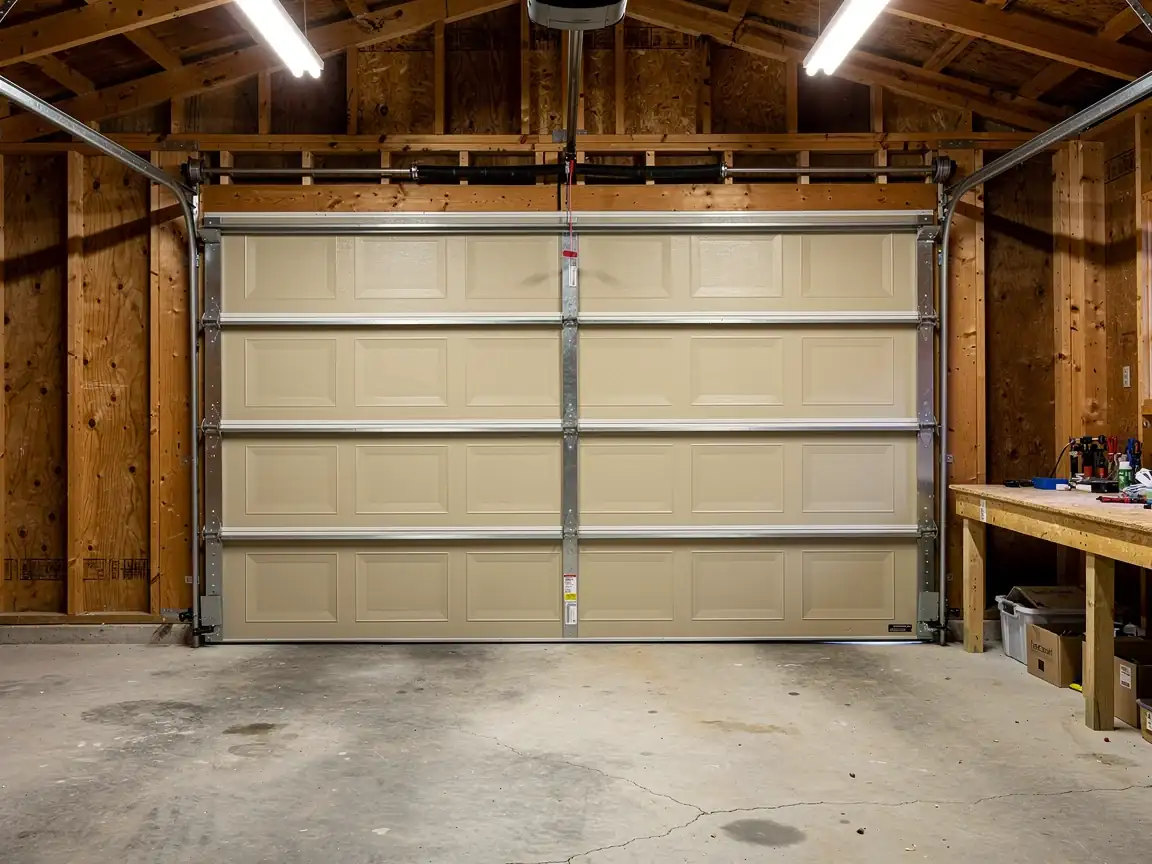
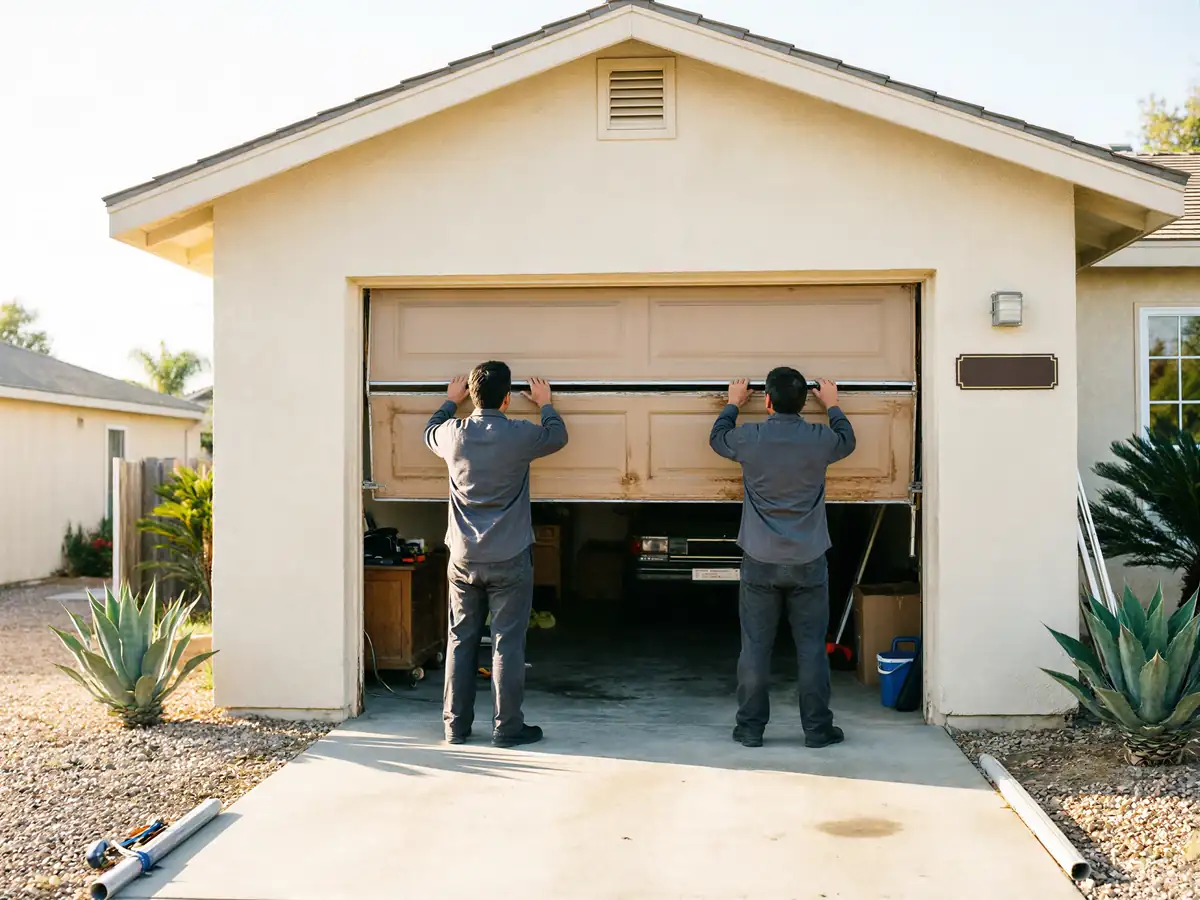
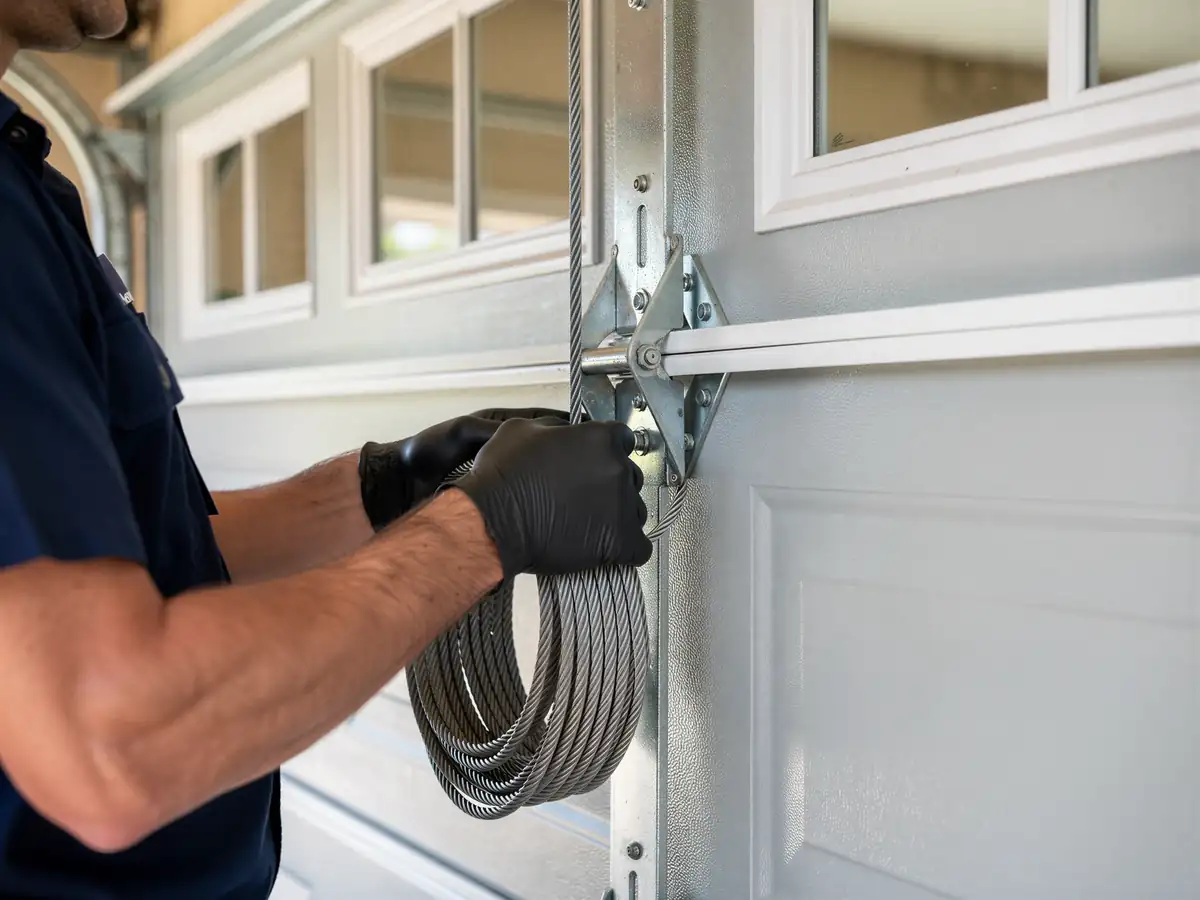
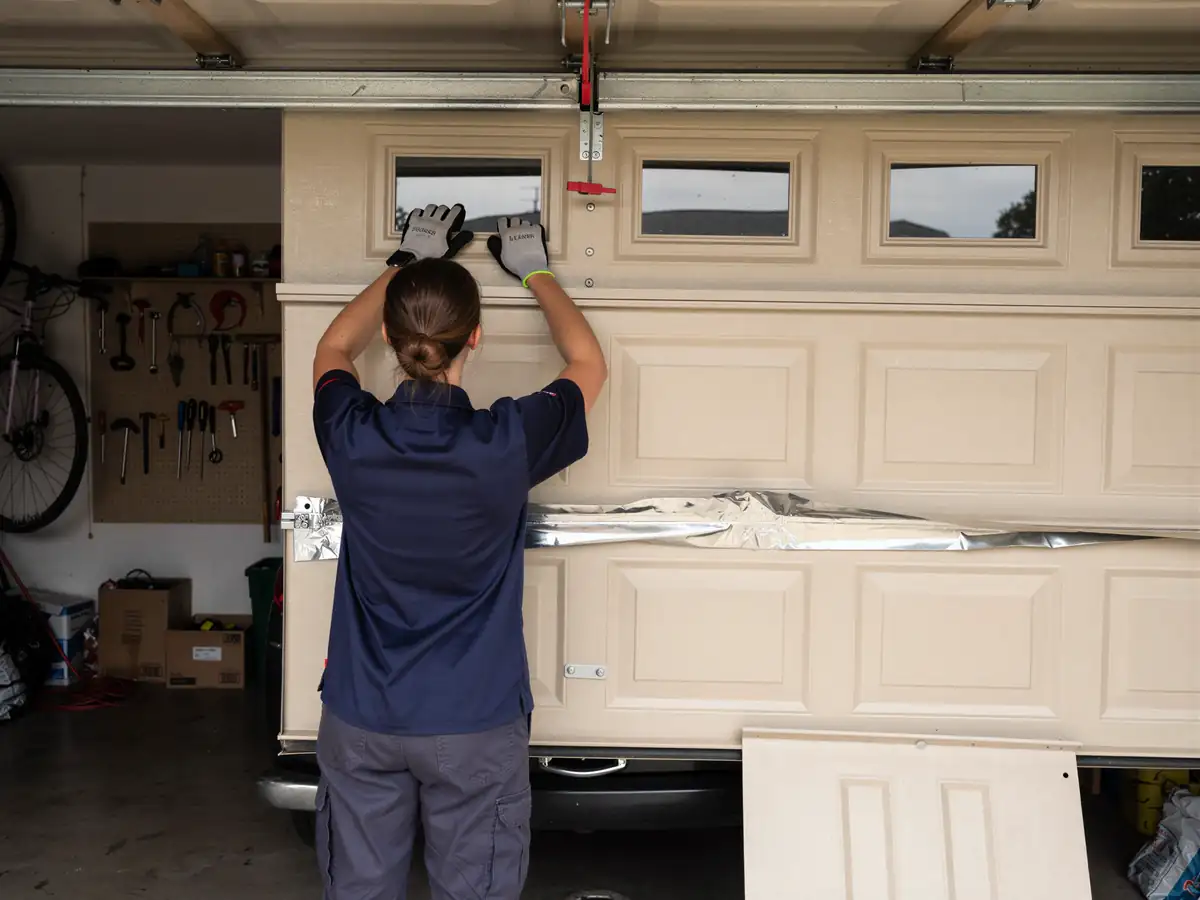
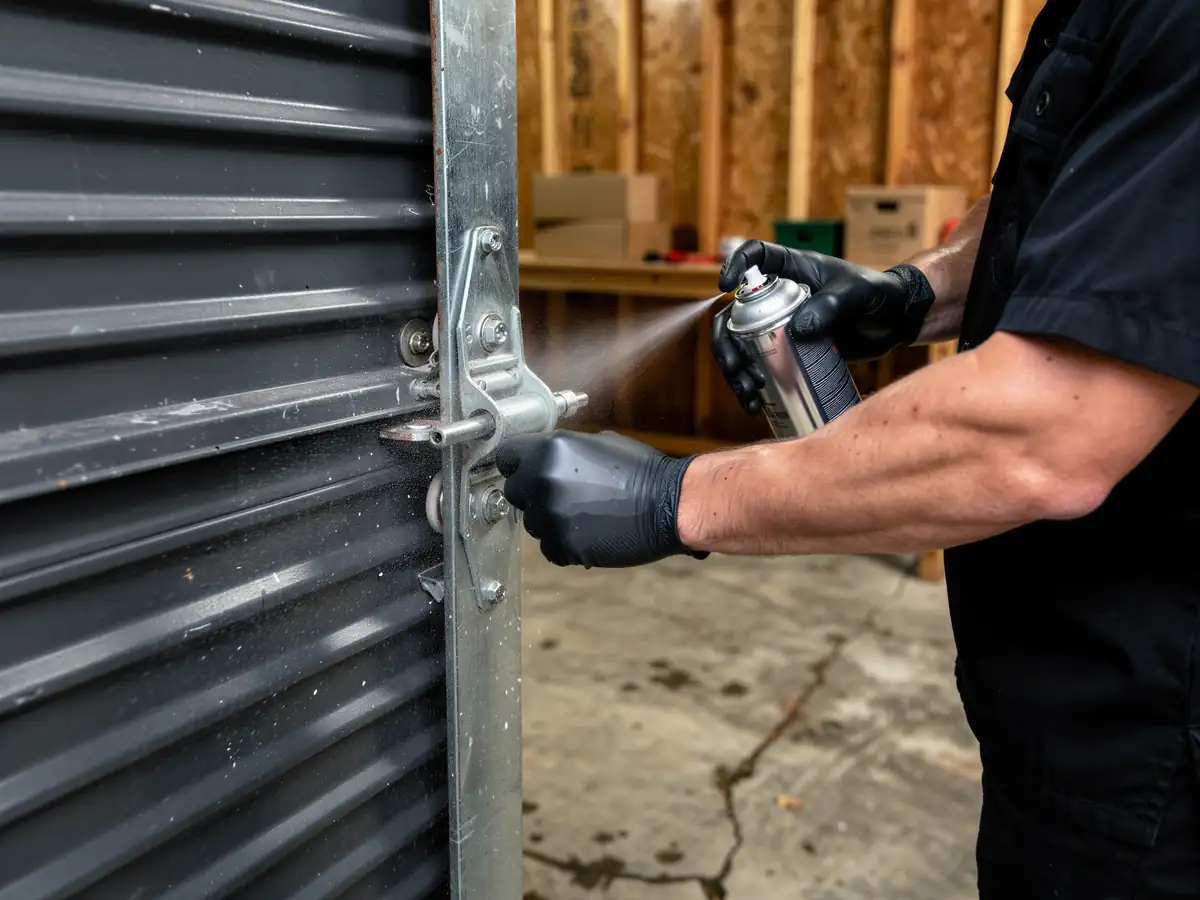
The complication on a 1972-era door is almost always sizing. Doors from that period were built to dimensions that don't always match what's sold off the shelf today, especially on original sectional panels that were never replaced piece by piece. If one panel is damaged and the rest of the door is sound, matching width and panel height can mean a special order instead of a same-day fix, and that's a lead time we don't control. Track brackets from this era were also mounted with hardware that's since been phased out, so a straightforward track replacement sometimes turns into a bracket replacement too. We'll tell you straight if a repair is going to cost more in parts and labor than putting in a new door - on a door this old, replacement is sometimes the cheaper call over a two-year span, even if the repair looks smaller today. We won't push a fix just because it's possible.
Why This Fails Locally
Hawthorne's housing didn't go up all at once the way some tracts did - the median build year lands around 1972, which puts most original garage hardware well past any reasonable service life, spring or opener. With roughly 29,849 households in the area and a median income near $72,719, we see a wide range of what gets fixed versus replaced: some owners want the original door kept running as long as possible, others are ready to move to a newer steel or insulated door once the springs go. Either is a reasonable call - we're not going to tell you the 1972 door has to go the day a spring breaks. The mild climate band here means the failures are driven by cycle count and age, not by heat-swollen wood or ice-jammed track, so a straightforward spring or roller job solves most calls without a bigger teardown.