Getting It Booked In
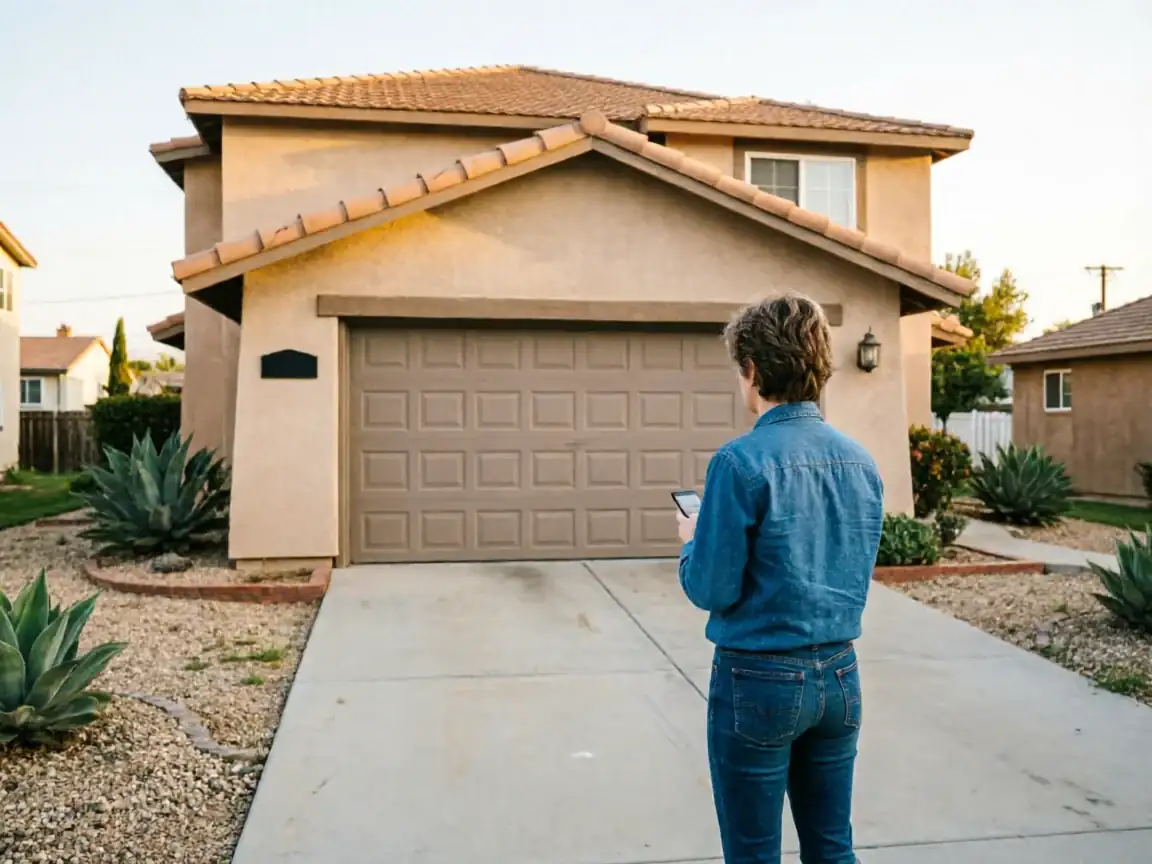
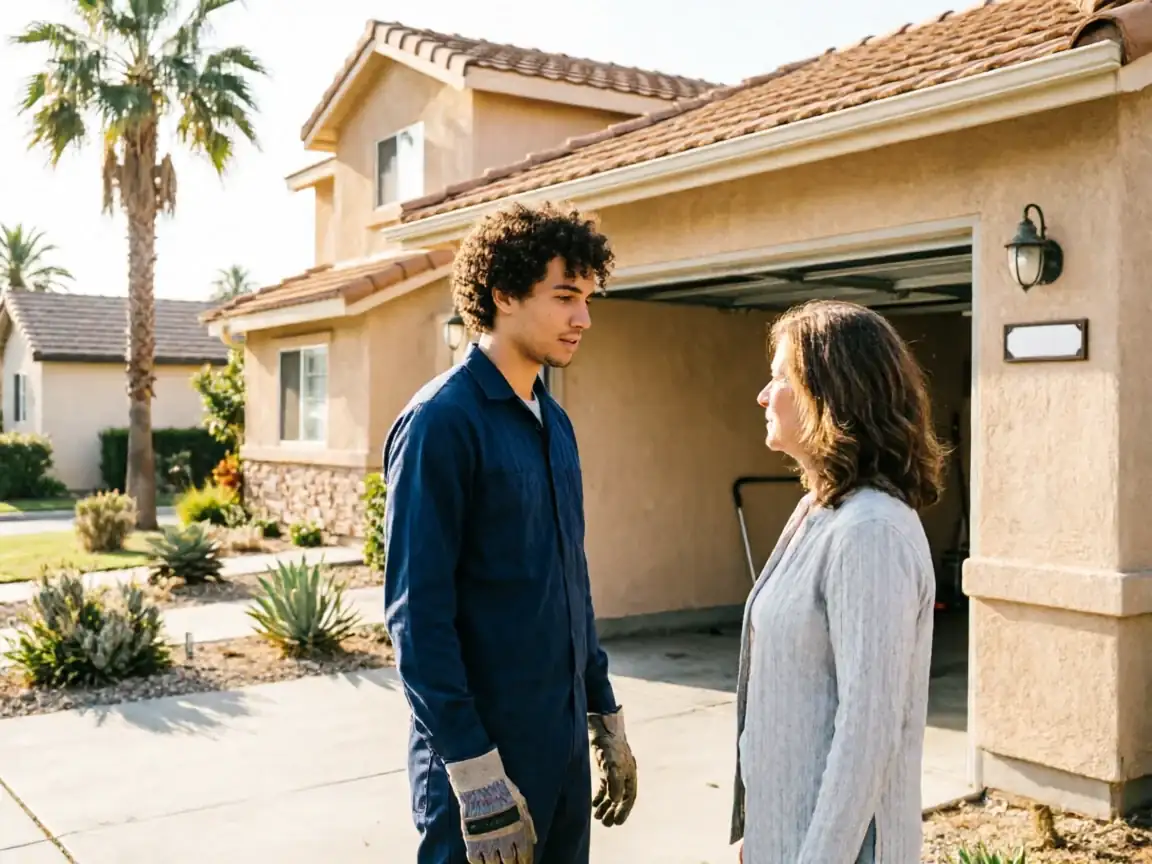
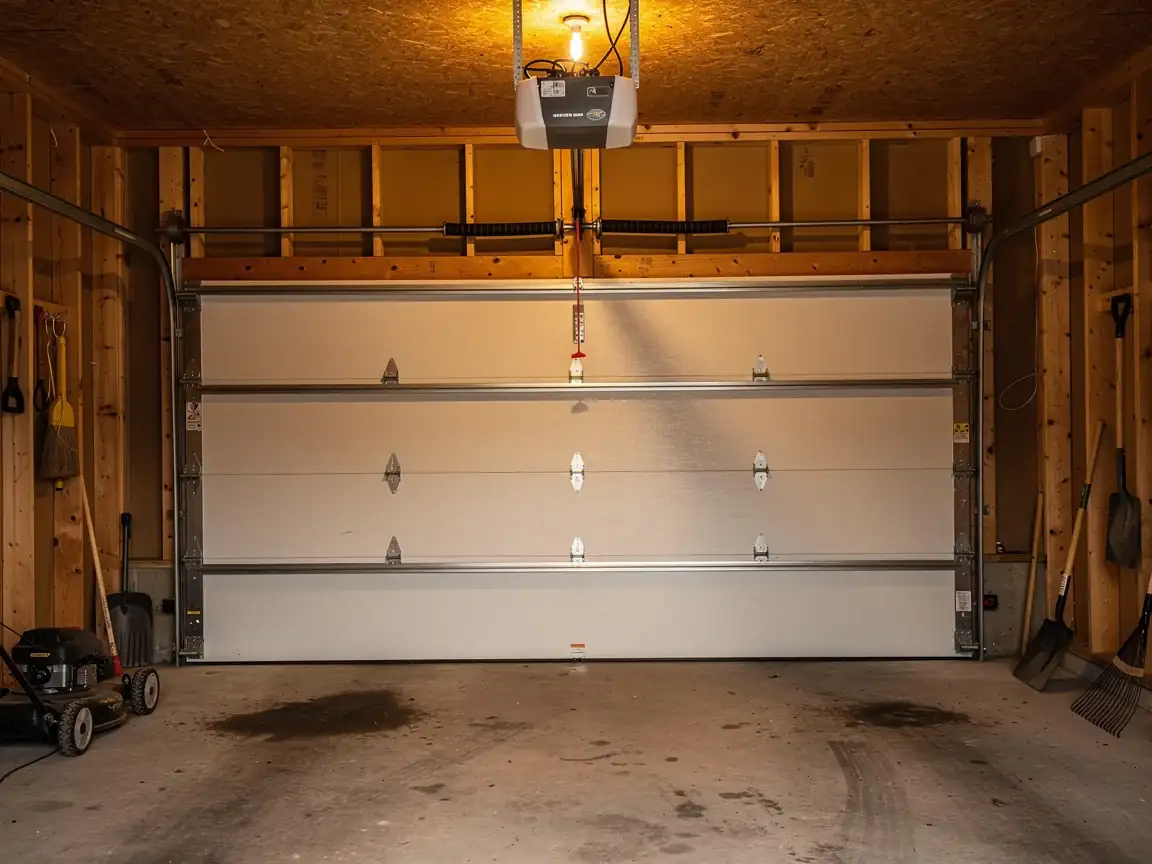
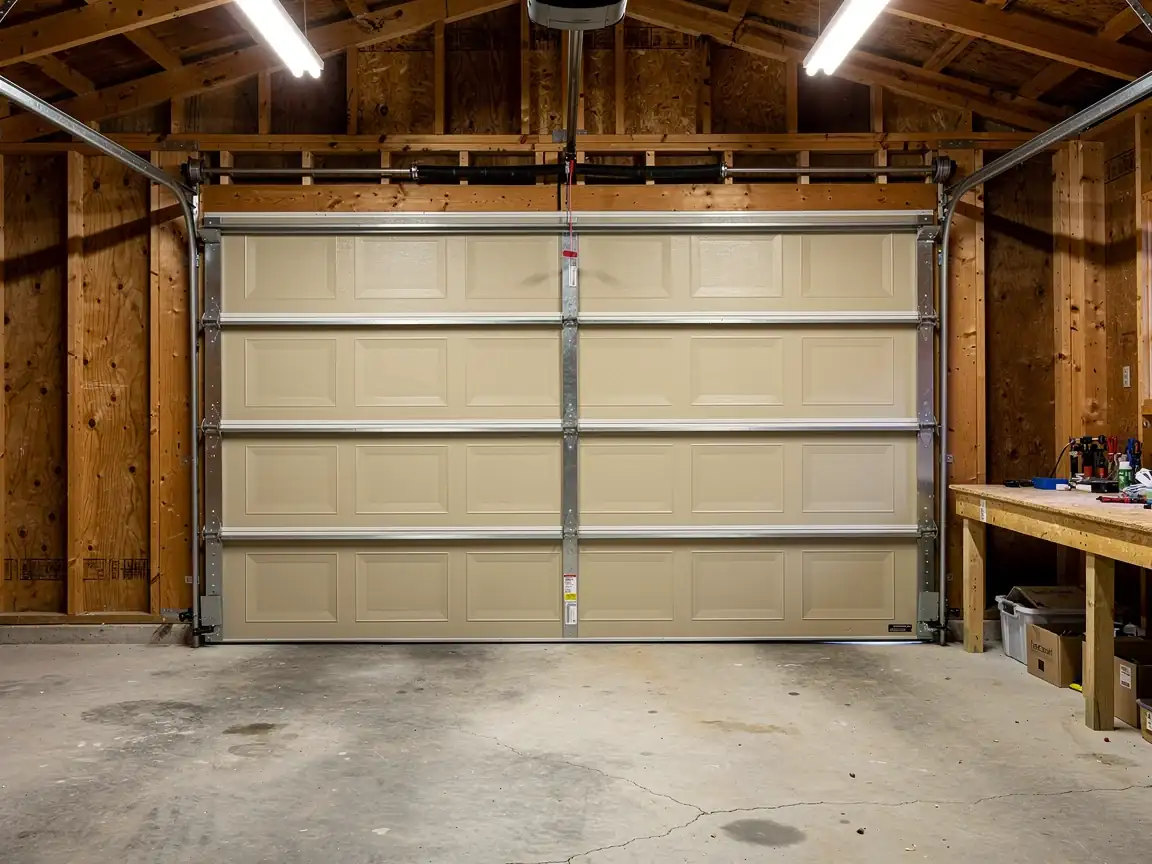
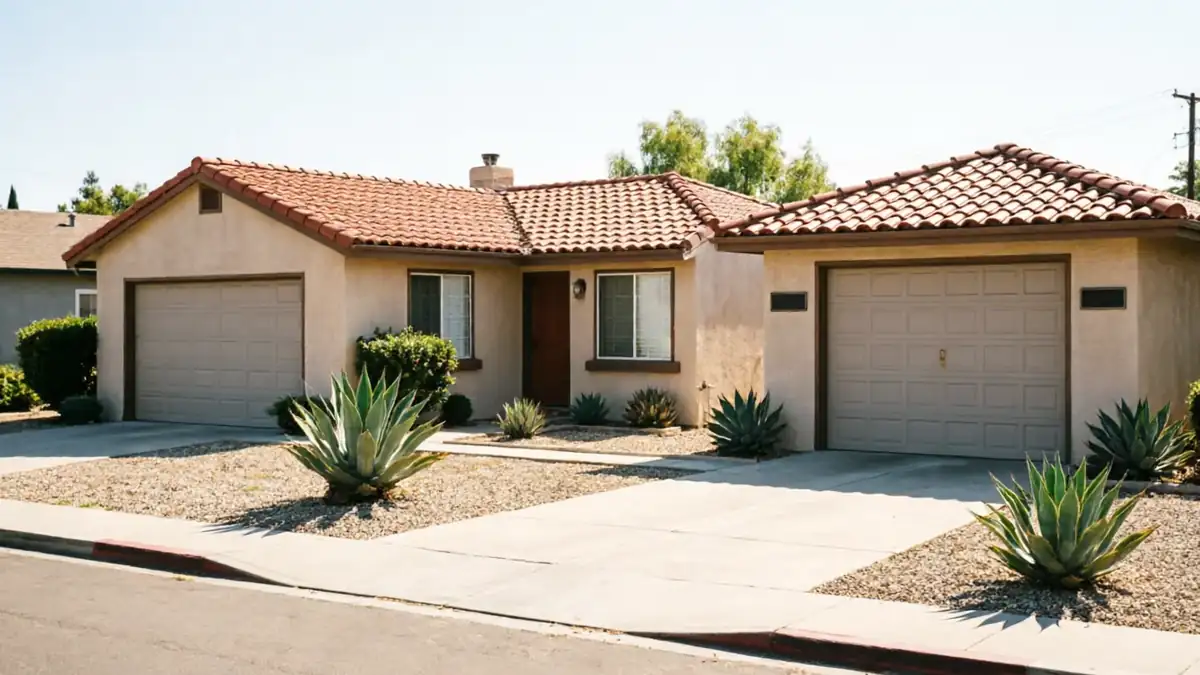
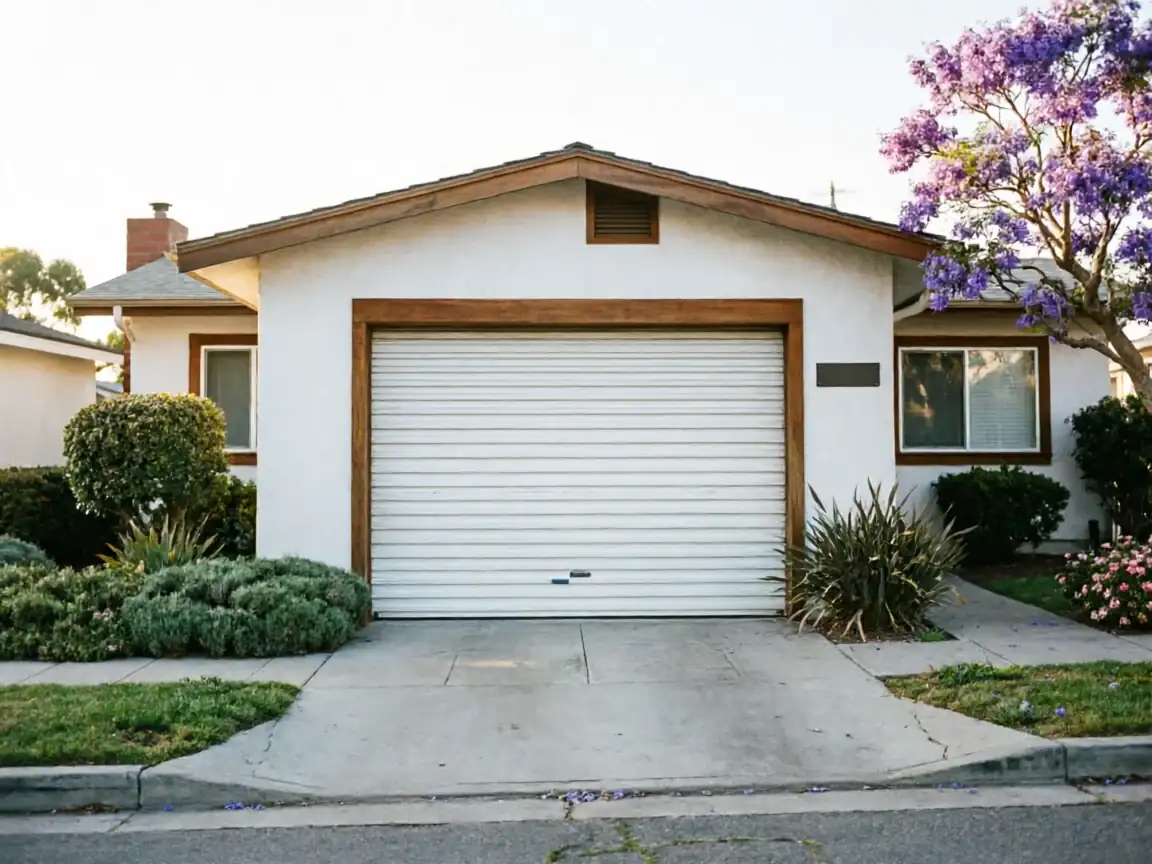
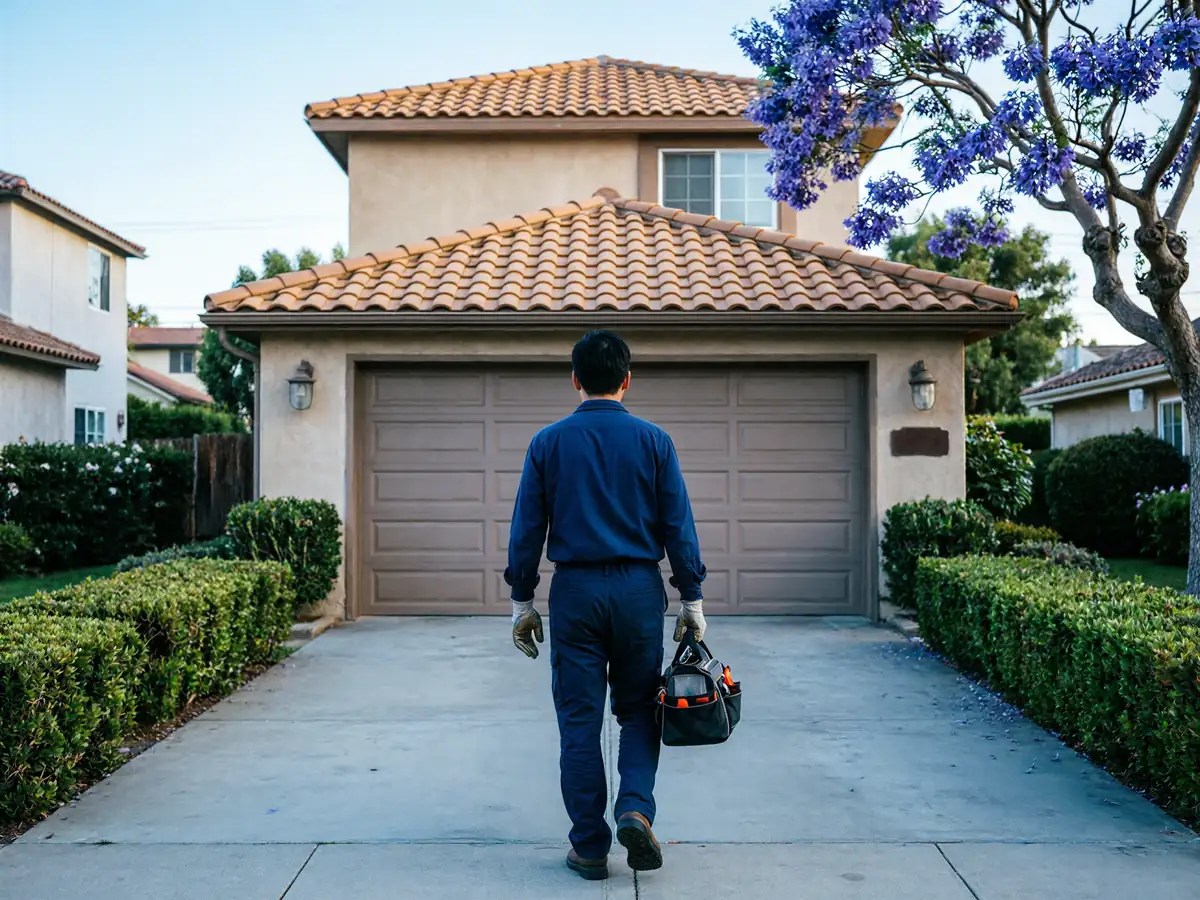
Hawthorne's housing stock runs newer than the service area average. Where the wider area centers on a median build year of 1961, Hawthorne's own median is 1972 - a full decade later. That gap matters for panel work because it usually means steel sectional doors on roll-formed tracks rather than the older wood or heavier-gauge steel panels you see on 1950s streets closer to the center of the area. We travel out from Inglewood, about 3 miles, to look at the door in person before quoting anything. A damaged panel almost never matches up with a stock size over the phone - we need the actual panel height, the hinge spacing, and whether the run is still available before we commit to a number. No same-day promise here; we book around the drive and the parts call, and we tell you which one is the longer wait before you decide to go ahead.
If your garage was part of an early-70s tract build, there's a decent chance the door is original or a first replacement from the 80s. Either way, the panel section itself is usually more standard than people expect for that era, which is good news - it's the trim and end caps that tend to be the sticking point.
How It Shows Up
The most common call is a single dented or caved-in bottom panel
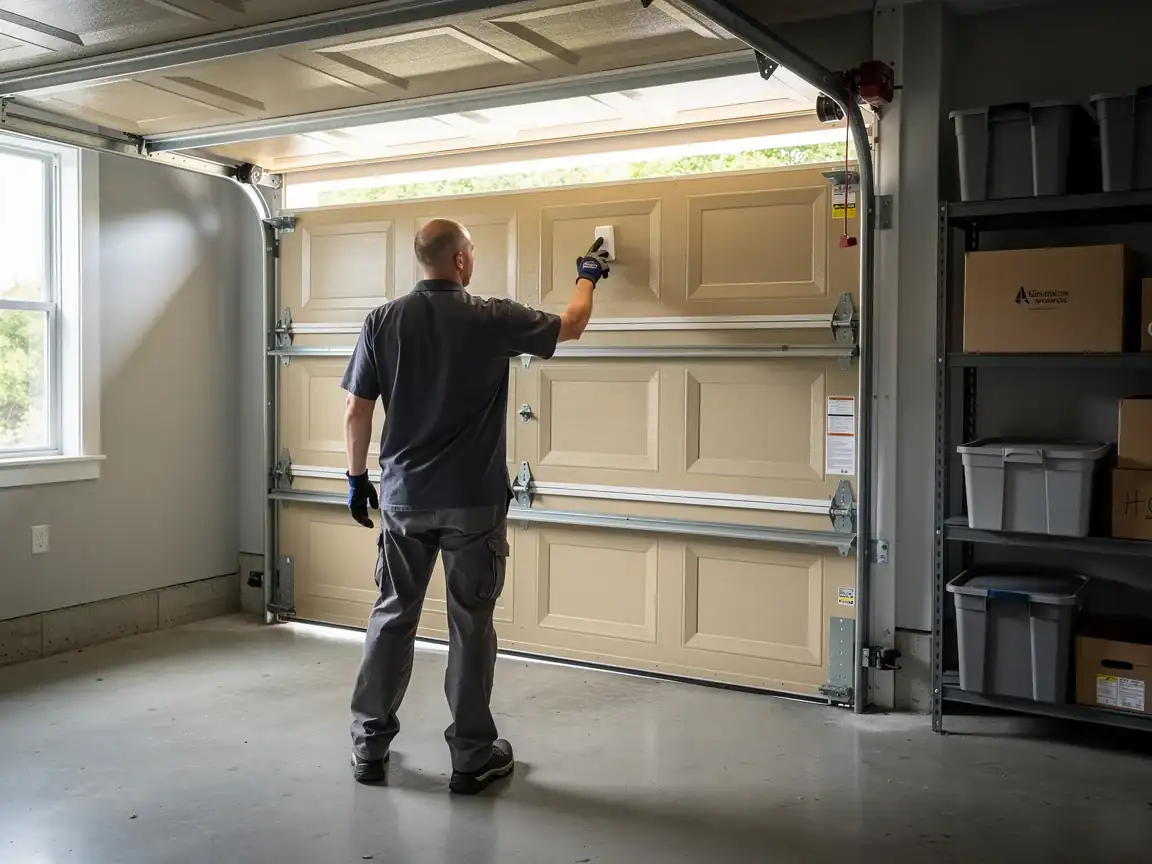
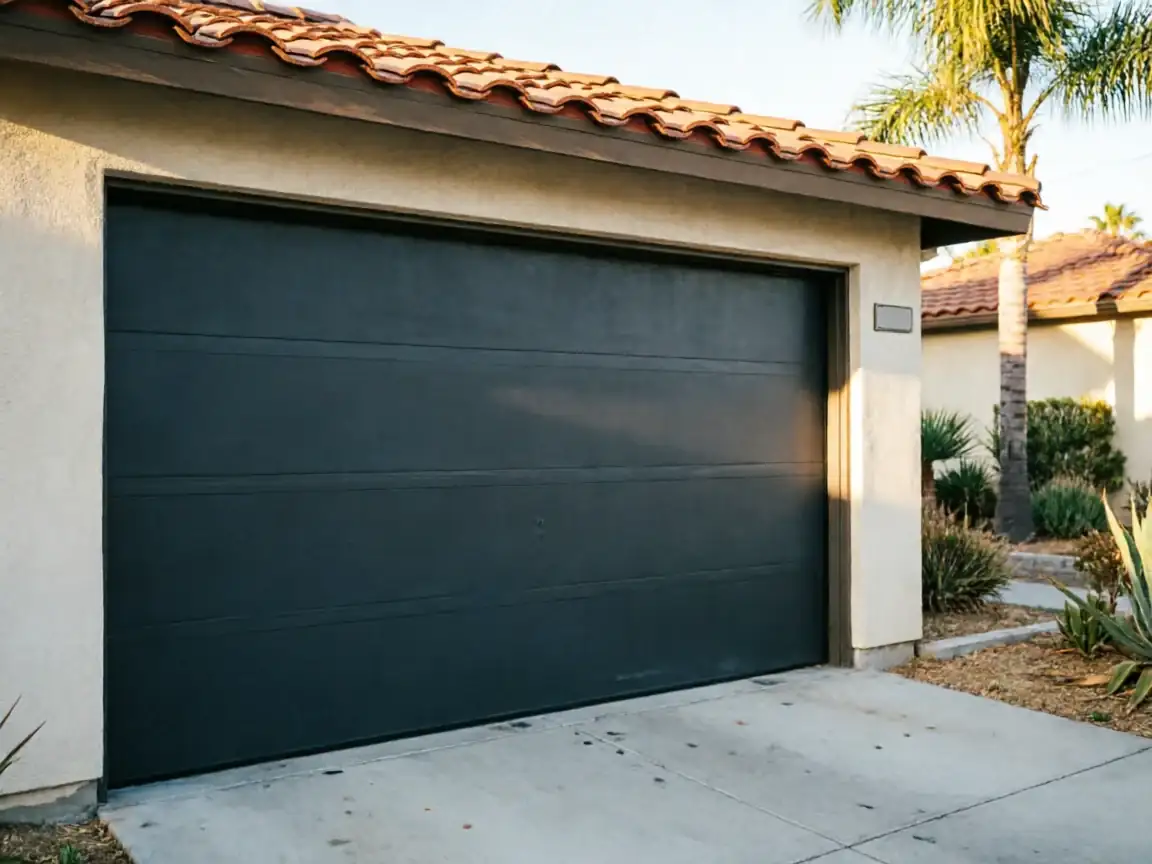
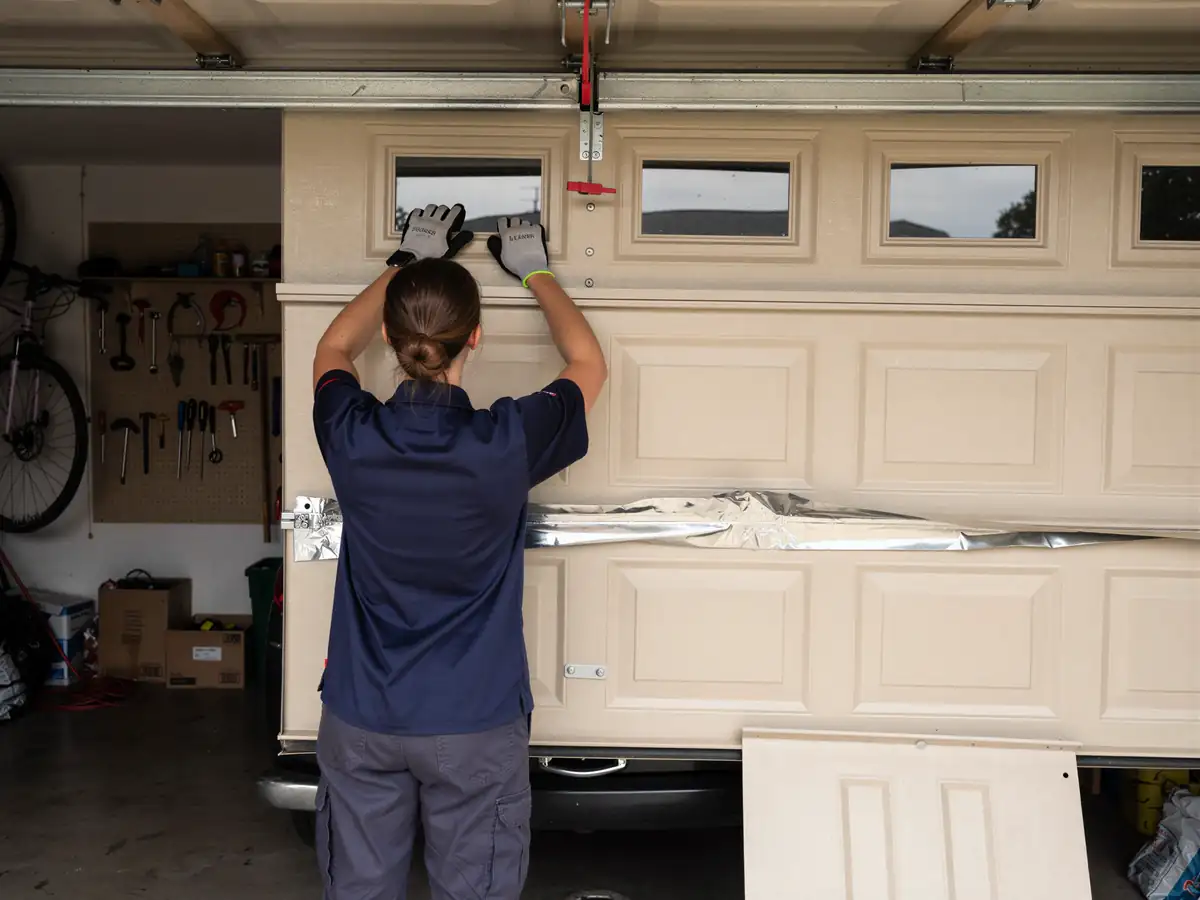
Usually from a car bumper or a trash can caught under the door. On the 1970s-era steel doors common in Hawthorne, the bottom section carries the most weight from daily contact, so it's the one that goes first. Less common but still regular: a middle panel that's rusted through at the seam, especially on doors that have sat in a shaded side yard and never fully dried out after the area's wetter winter stretches. Given Hawthorne sits in the same mild temperate band as the rest of the area, this isn't storm damage - it's slow moisture sitting against steel over years.
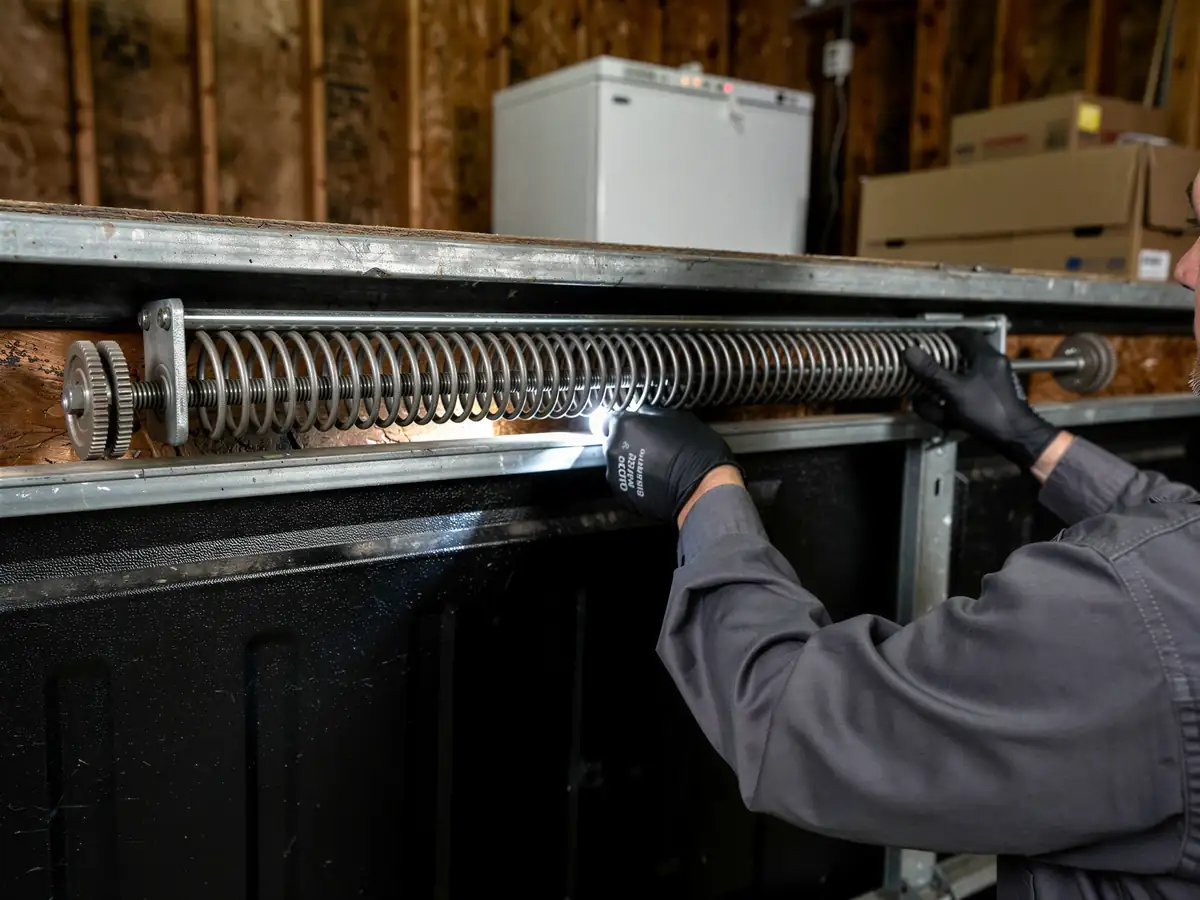
Cracked panels from a broken spring are the other pattern
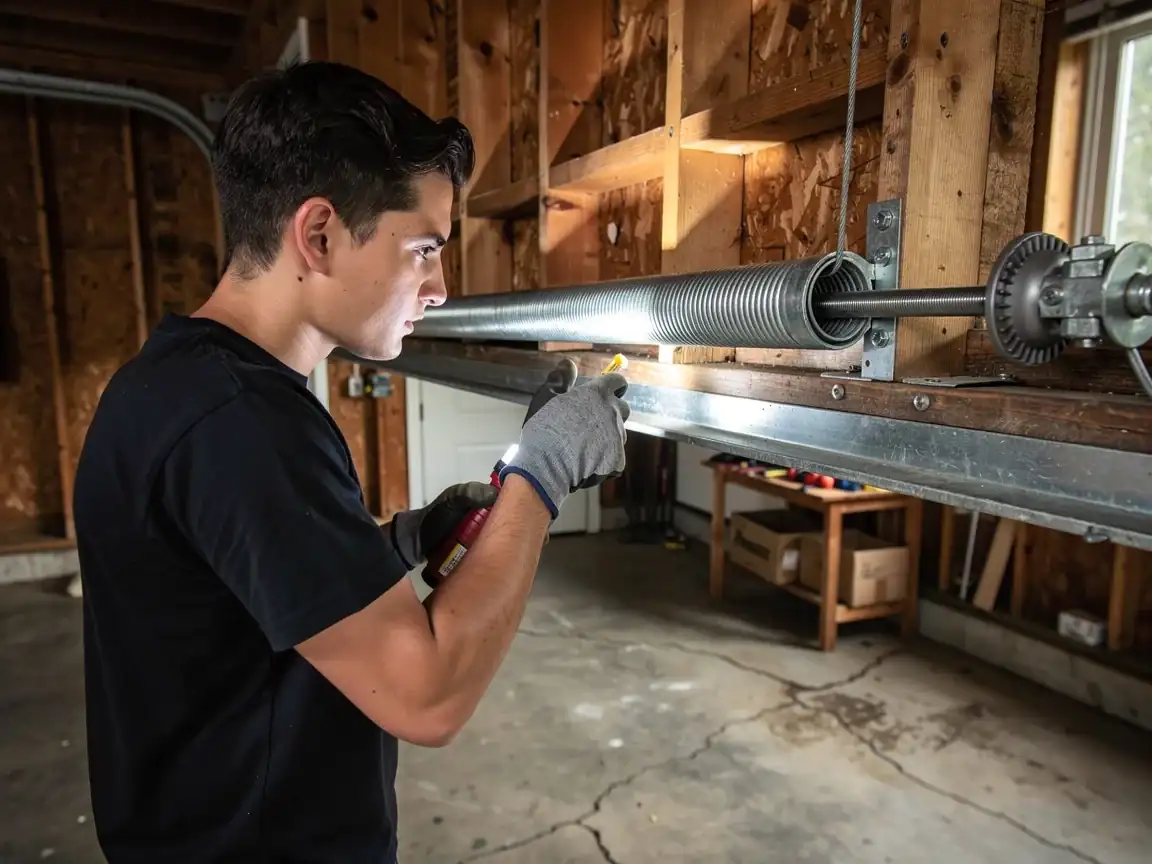
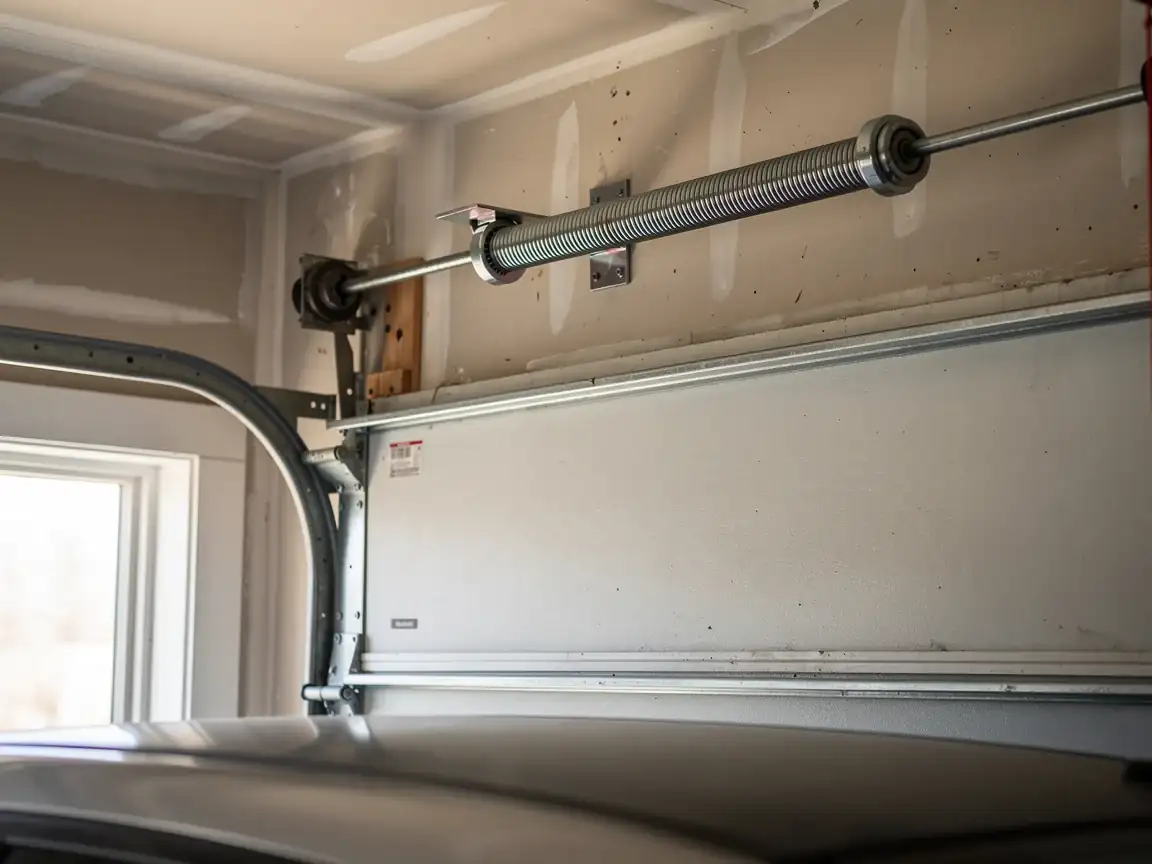
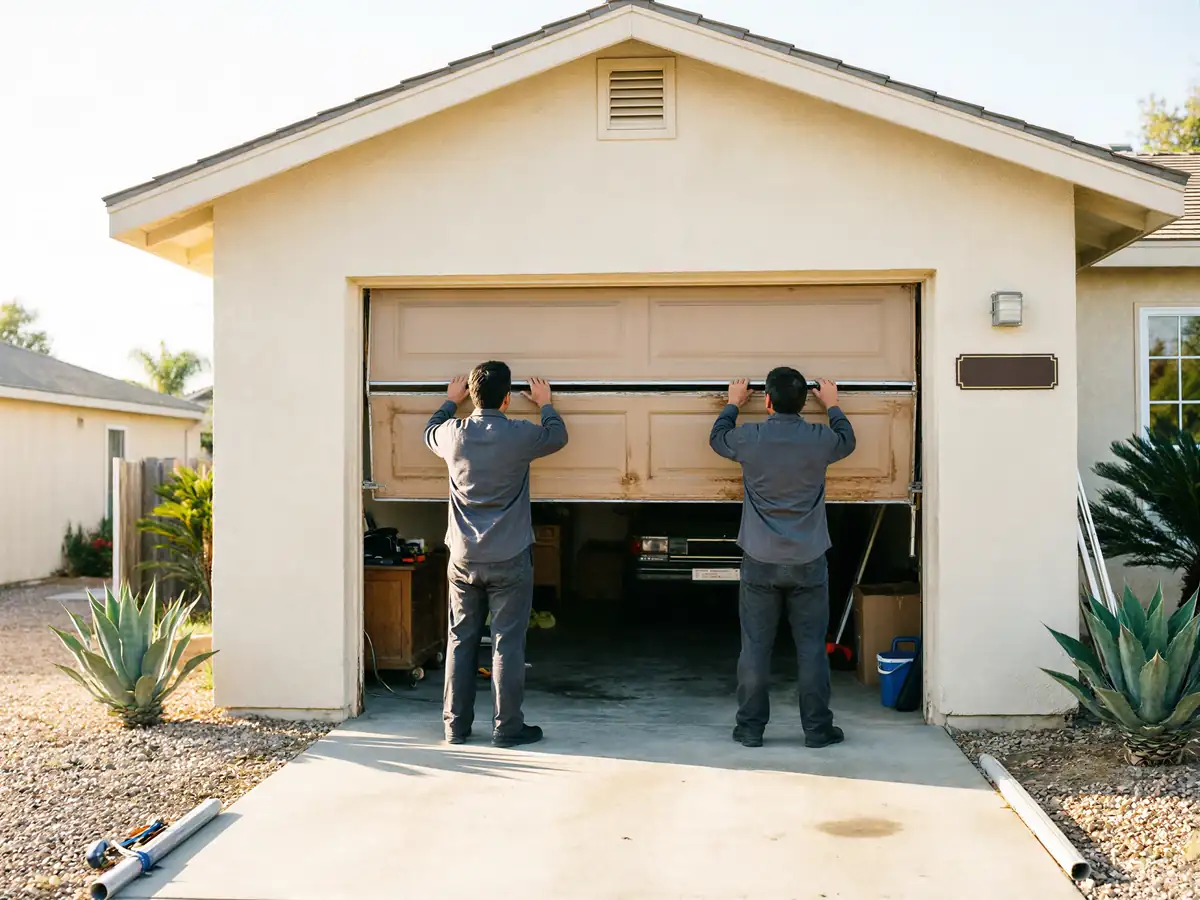
When a torsion spring snaps, the door can drop unevenly and rack against the track, and the panel nearest the break takes the stress. If that's what happened here, the panel is a symptom - the spring is the actual repair, and we'll say so rather than sell you a panel that will crack again in six months.
Where This Job Goes Sideways
The honest limitation first: if your door is a discontinued run - which happens more with the odd-width garages you sometimes get on infill lots - we may not get an exact color or ridge-profile match for a single panel, and a full replacement becomes the better call even though it costs more up front. We'll tell you that at the quote stage, not after the panel's on order.
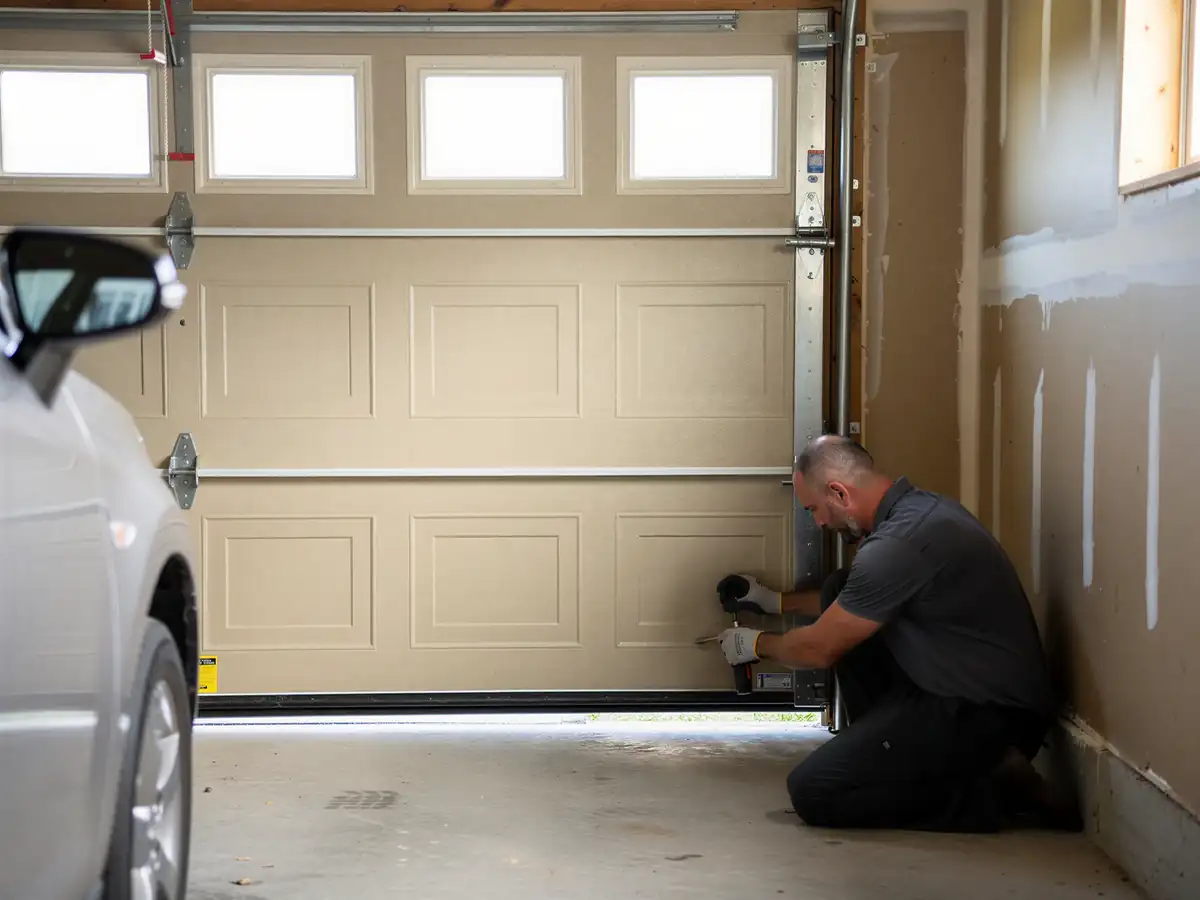
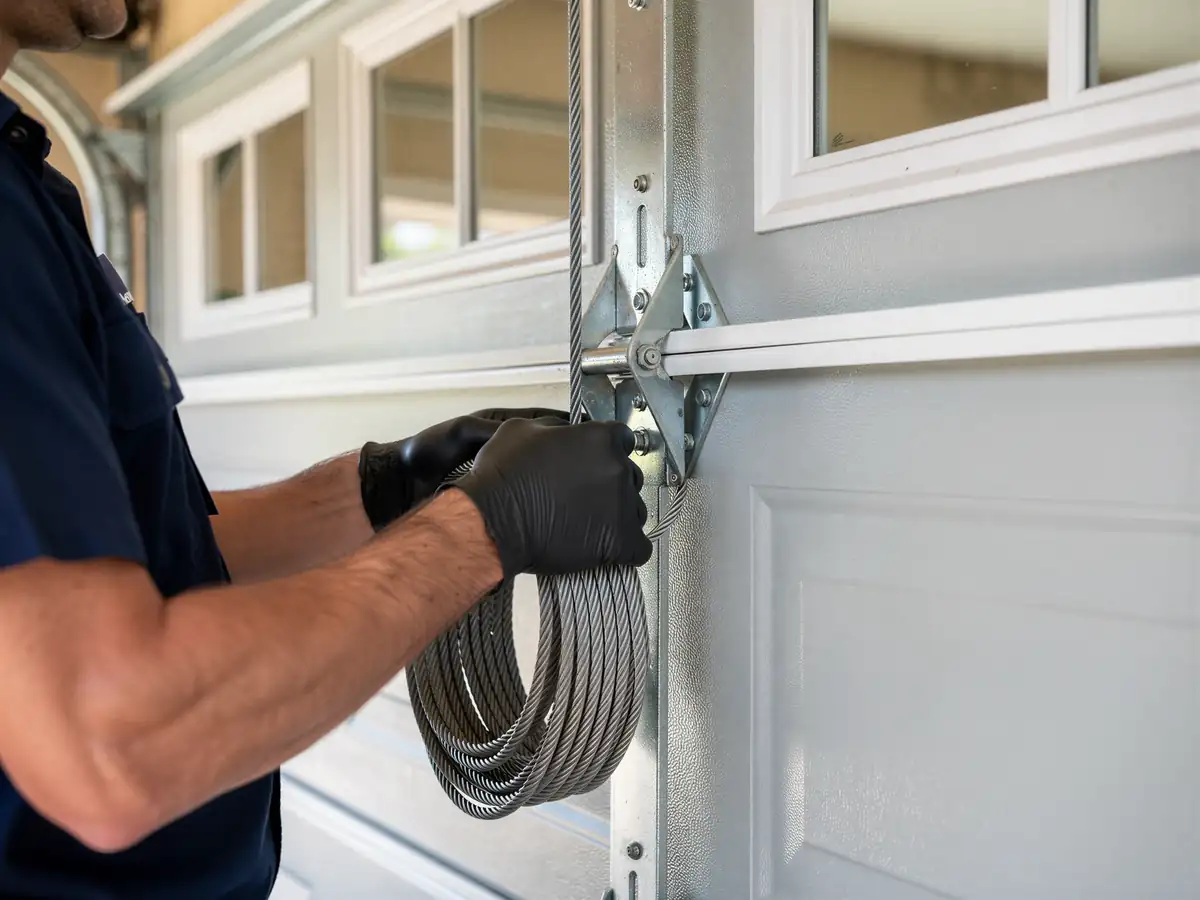
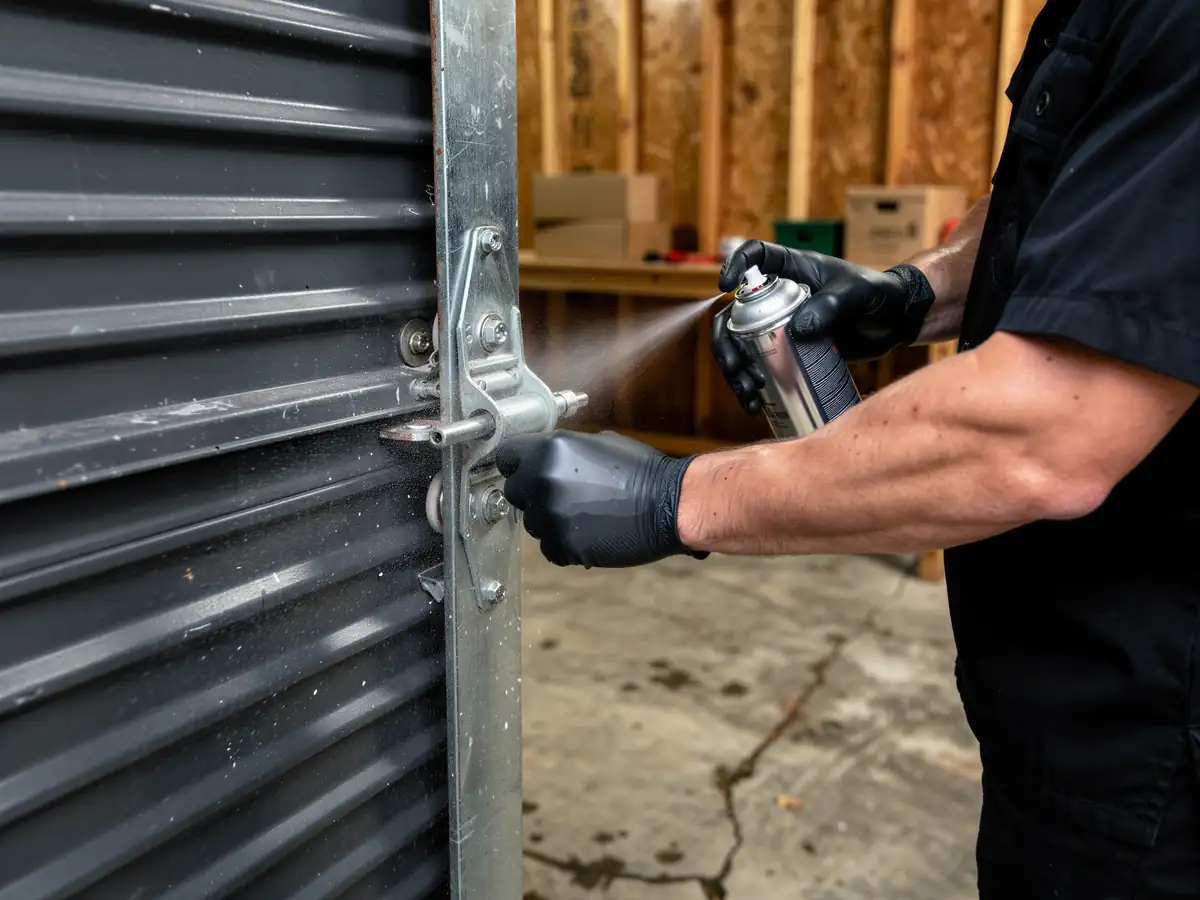
The other place this goes sideways is hardware. A panel swap means pulling hinges, rollers, and sometimes the end stile, and on a 1972-era door those fasteners have usually never been off. They can be stripped or rusted enough that replacing one panel turns into replacing the hinge set too. We price that as a possibility up front rather than a surprise add-on at the truck.
Why This Fails Locally
Hawthorne's median household income sits at $72,719, noticeably below the $93,882 median for the broader service area, and with 29,849 households in the city, panel failure here tends to track ordinary wear and tear rather than one dramatic cause. Doors get used hard, repairs get put off a season or two, and by the time we're called the dent has usually rusted at the edge or the track has started to bow slightly from the uneven weight. That's a different failure path than you'd see on an older, heavier door closer to the middle of the service area, where the panel itself is often original 1960s-grade steel holding up fine while the opener and springs are what's failed.
We don't stock every panel profile on the truck, so a same-visit fix depends on what's already damaged versus what needs ordering - we'll know which on-site.