Getting It Booked In
Start with the money, because it decides what maintenance is worth doing. Hawthorne's median household income runs $72,719, well under the $93,882 median across the broader service area. That gap matters on a maintenance call, because it's exactly where the repair-or-replace line sits. A tune-up on a door that's basically sound is cheap insurance. A tune-up on a door that's already shedding galvanizing and running a tired opener motor is money spent delaying a decision you're going to make anyway in a year.
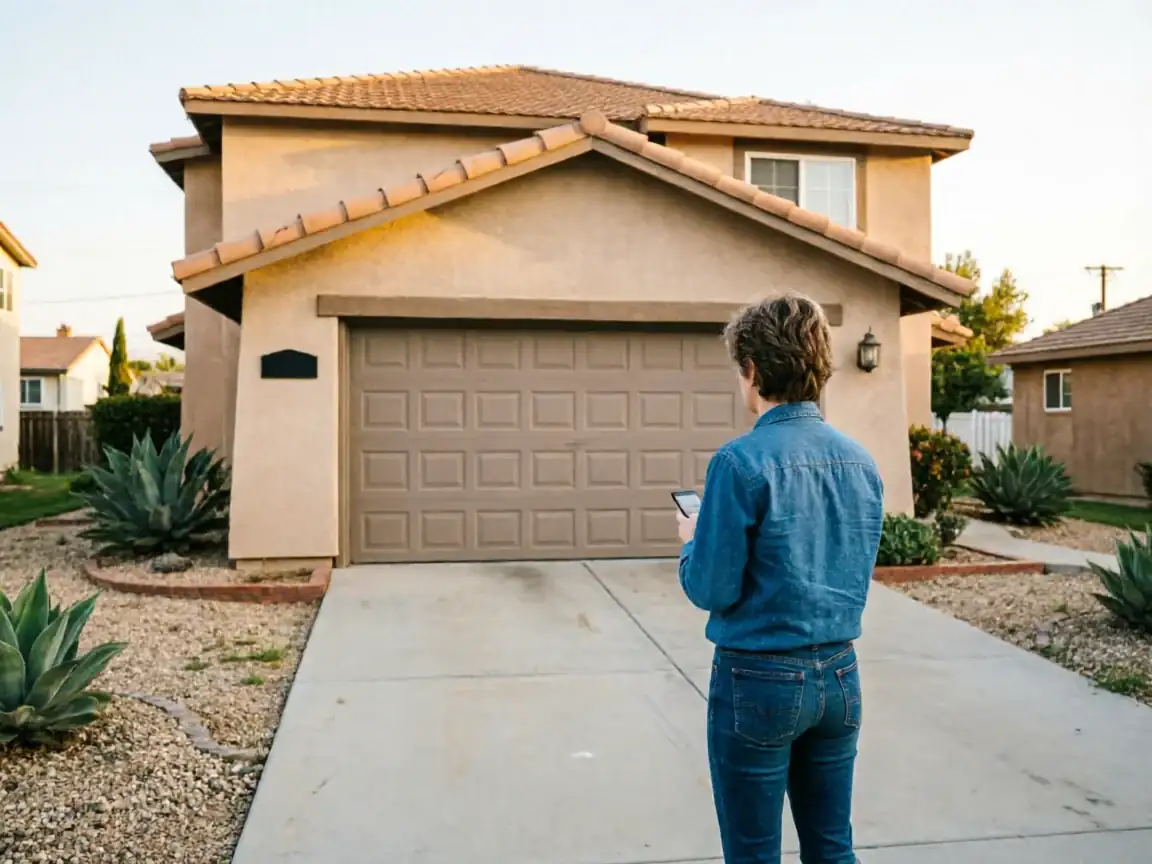
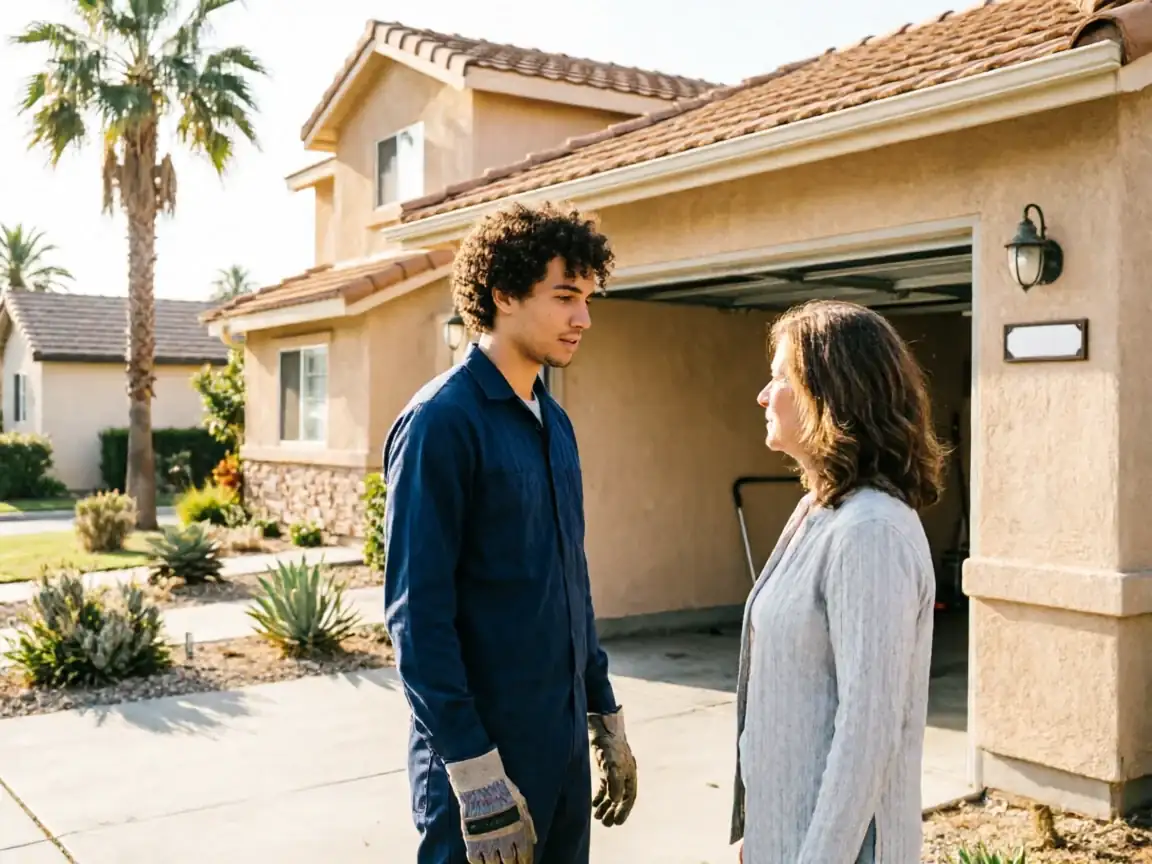
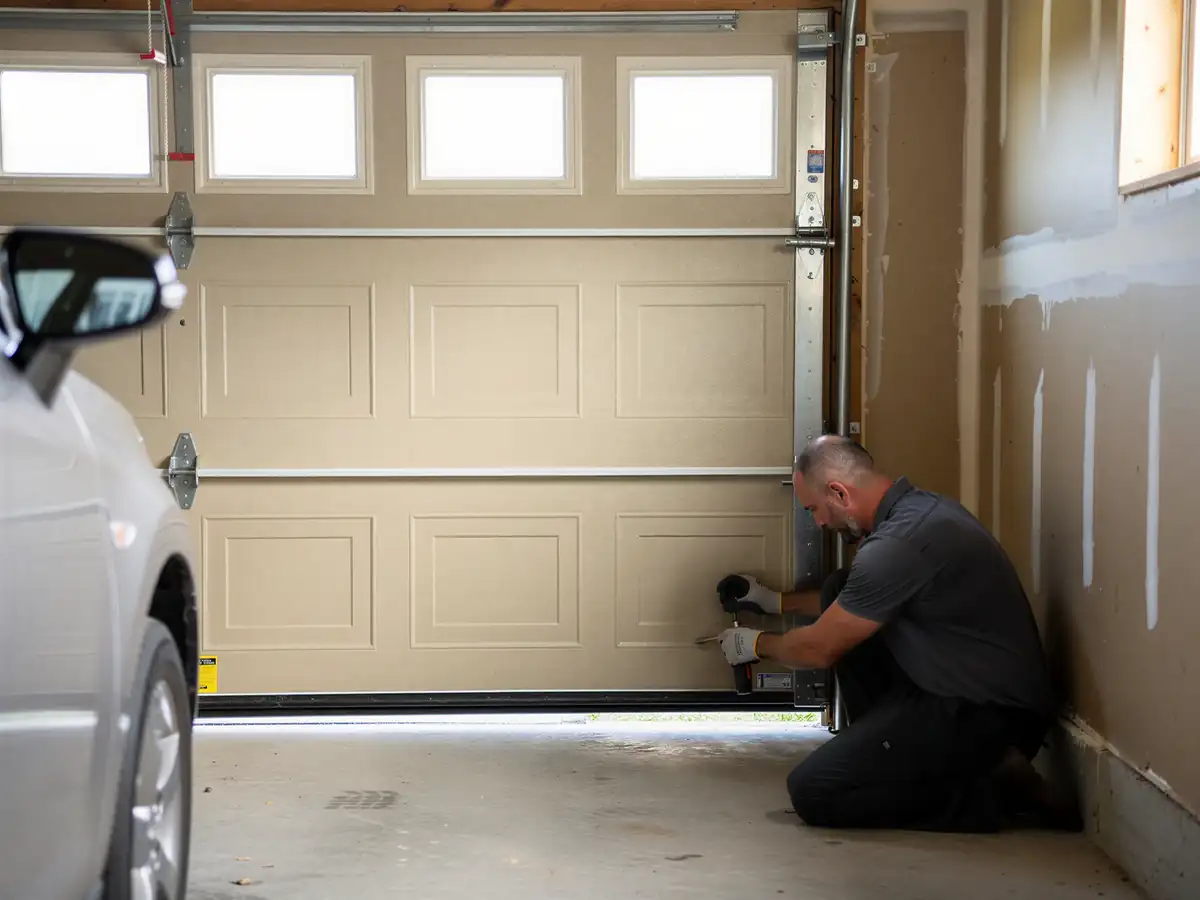
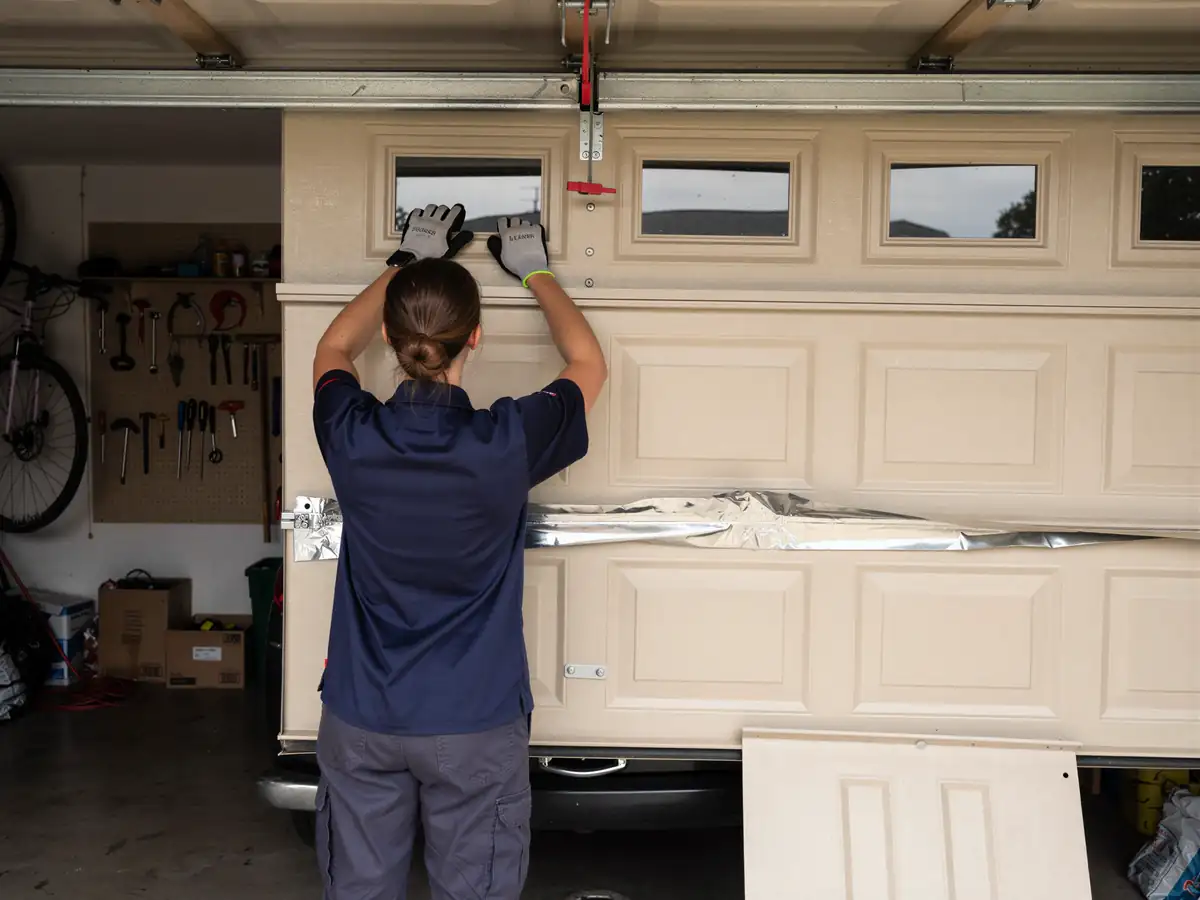
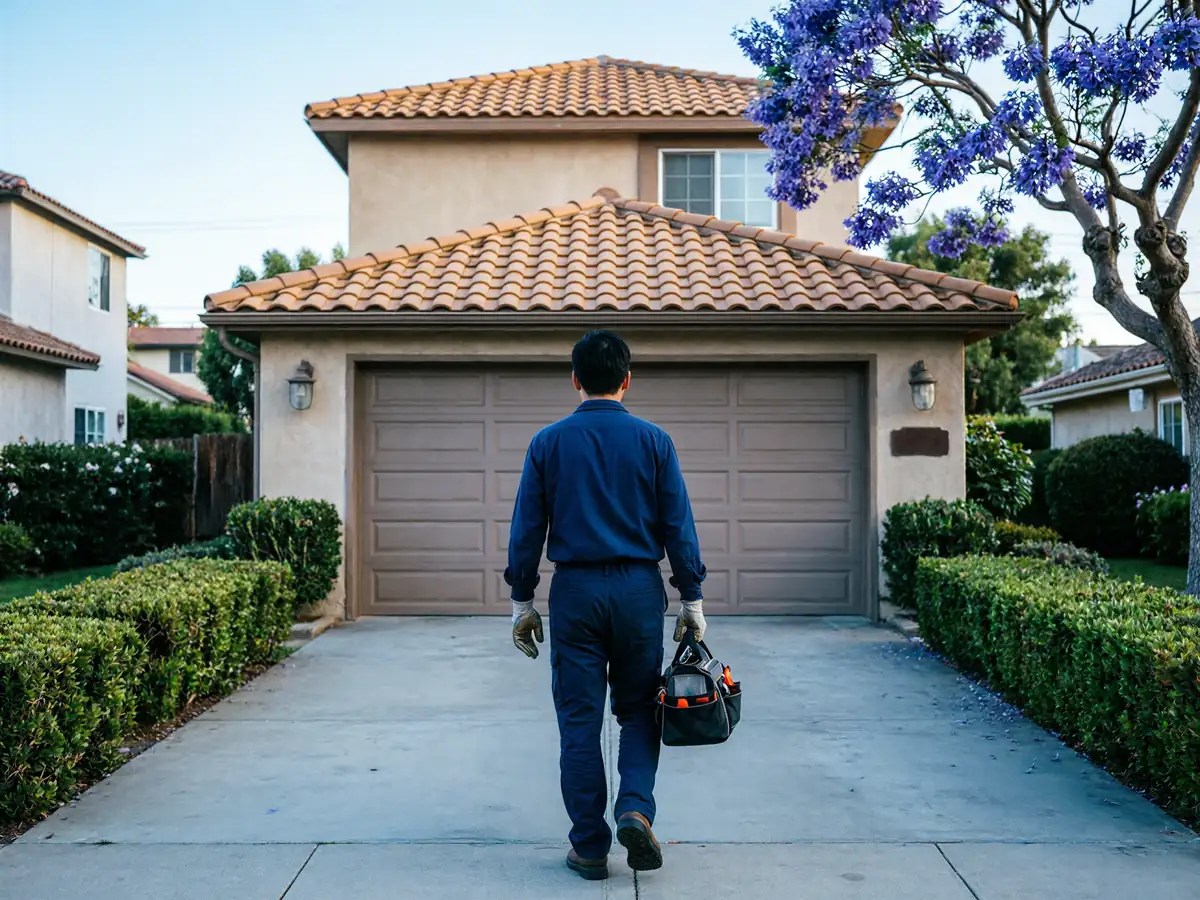
We come out of Inglewood, about 3 miles away, so getting a technician to a Hawthorne address doesn't mean a long haul or a half-day window tacked onto the schedule. We book maintenance visits the same way we book repair calls here - look at the door, tell you straight whether a lube-and-adjust visit is the right spend or whether you're better off putting that money toward a spring or opener swap instead. We don't upsell a service plan on a door that doesn't need one. With roughly 29,849 households in Hawthorne, we see enough of this housing stock to know which signs mean
How It Shows Up
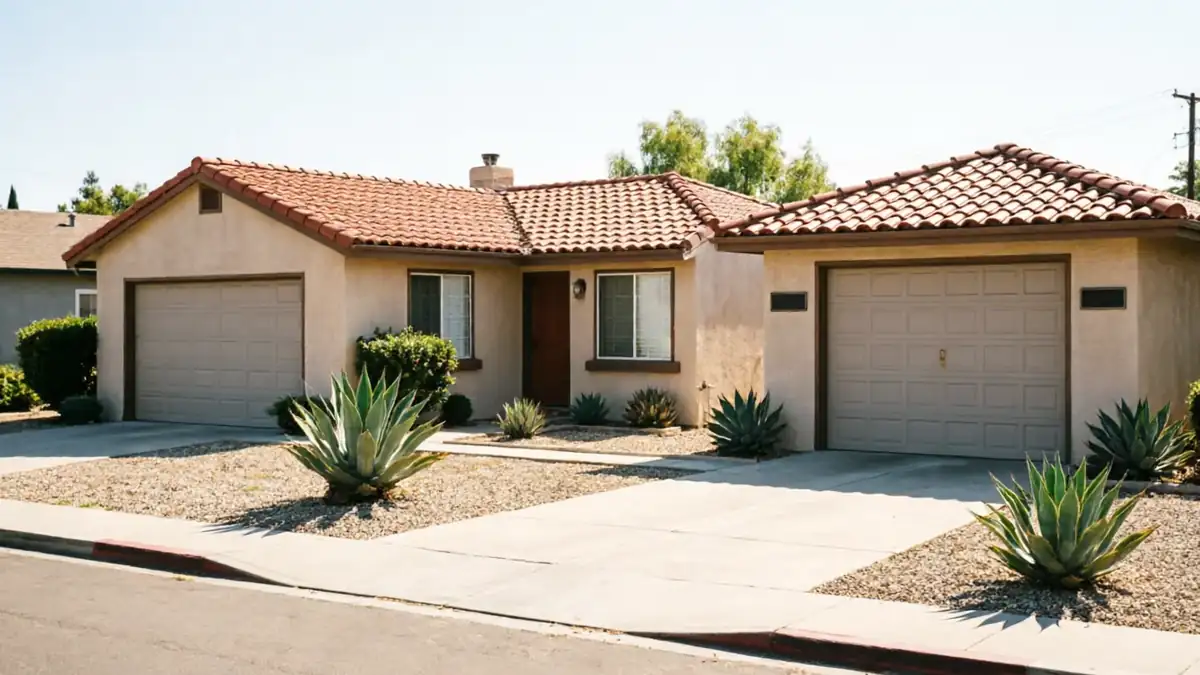
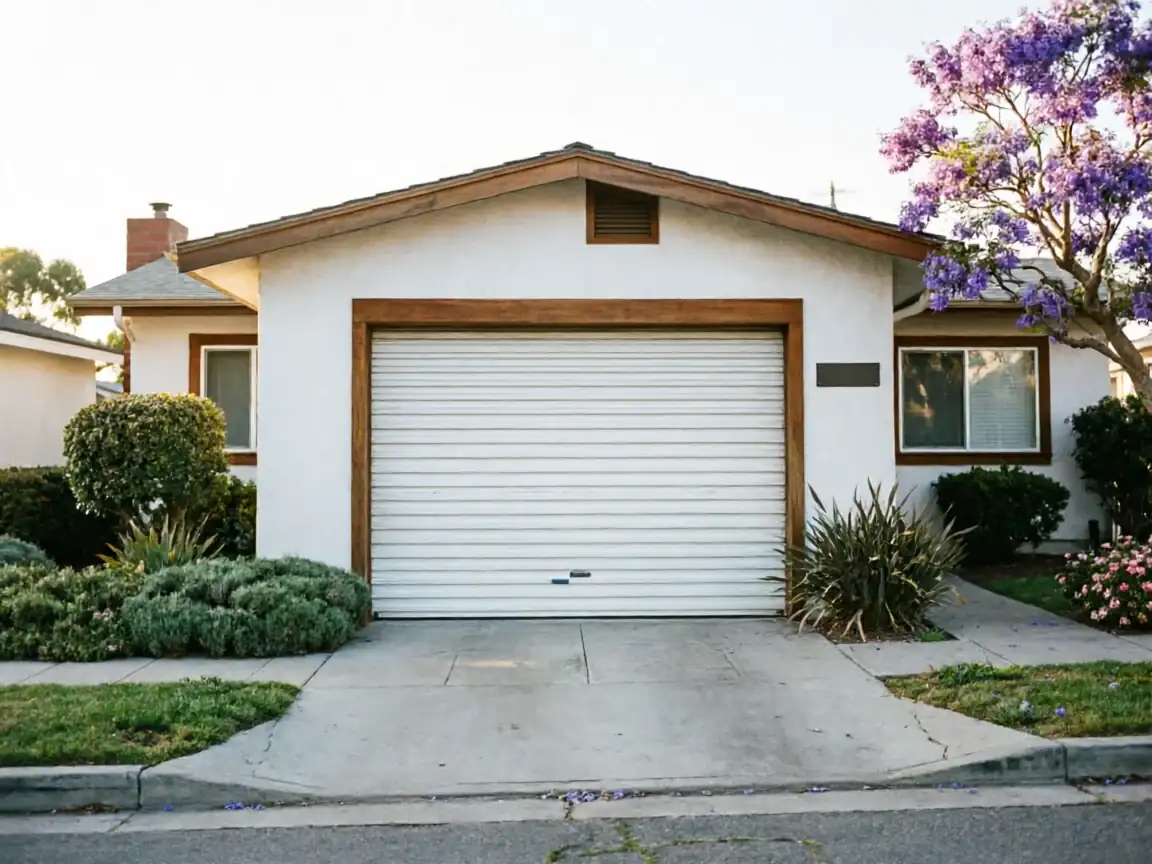
Most of the garage doors we work on in Hawthorne trace back to construction around 1972
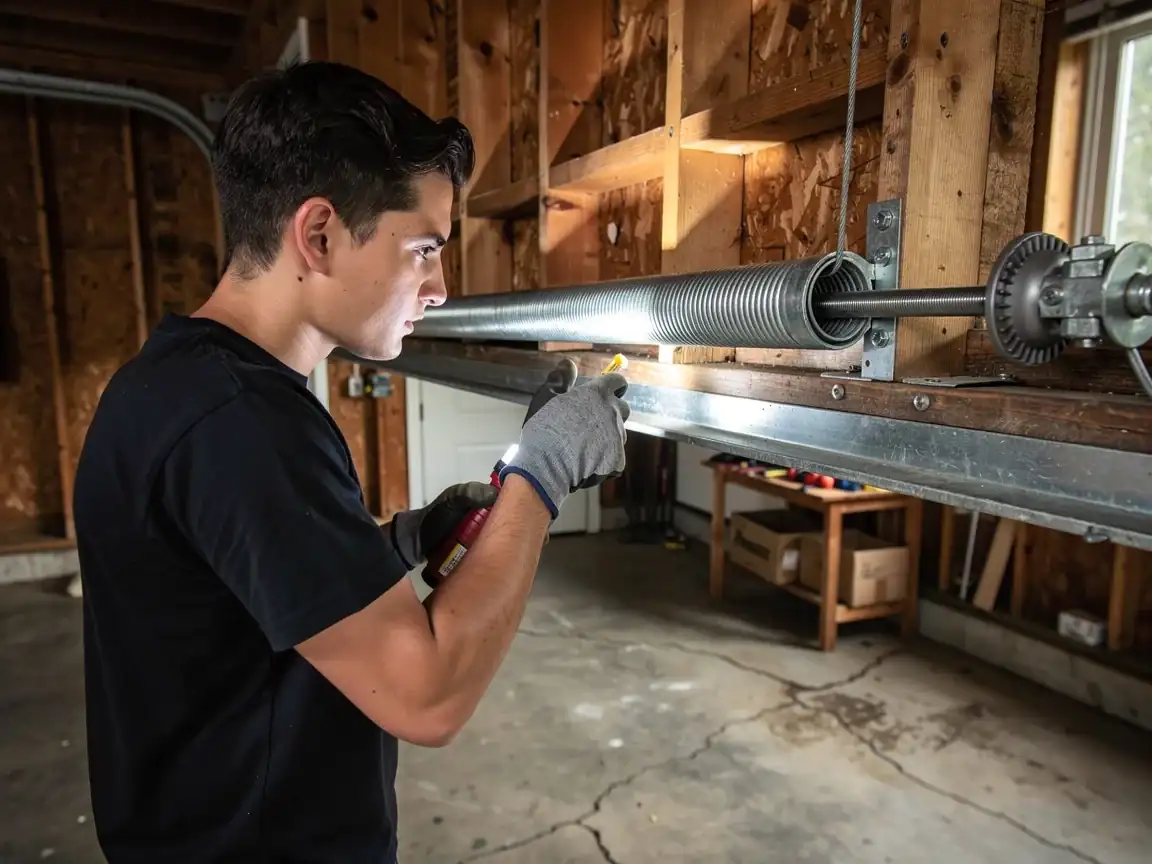
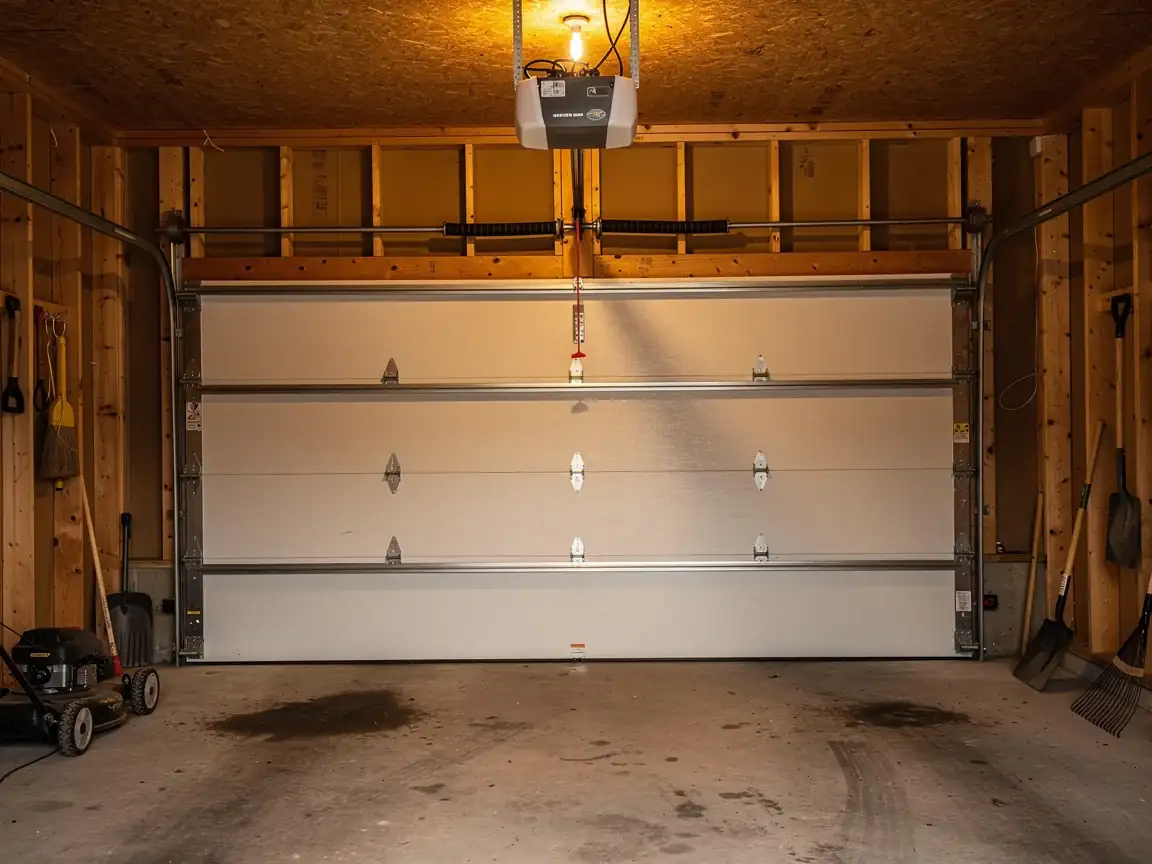
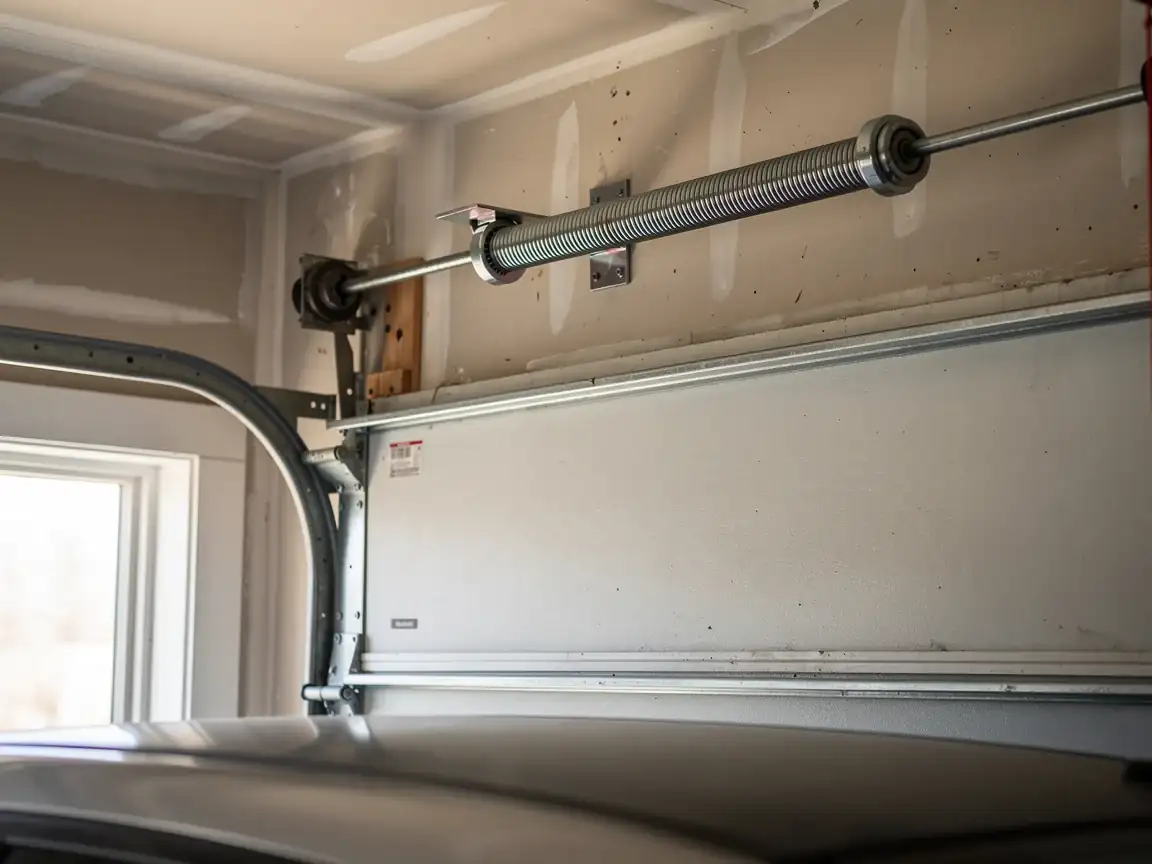
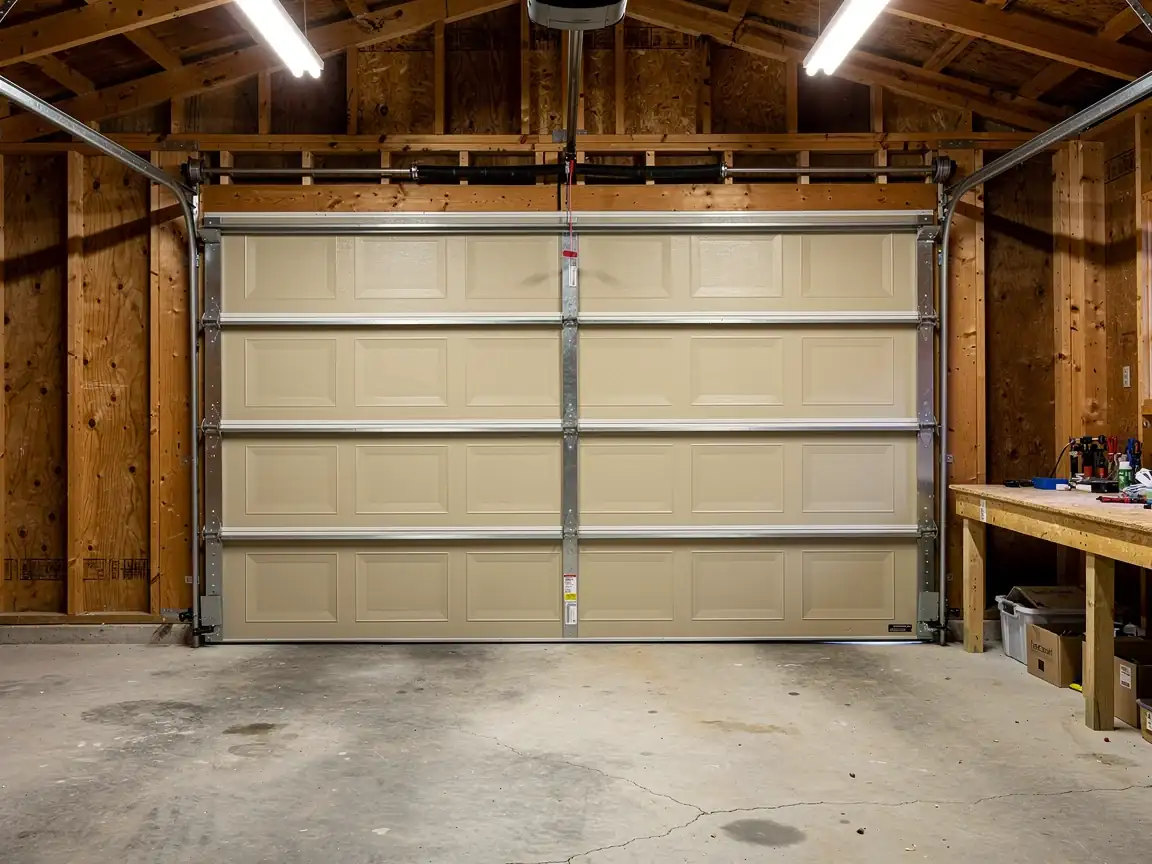
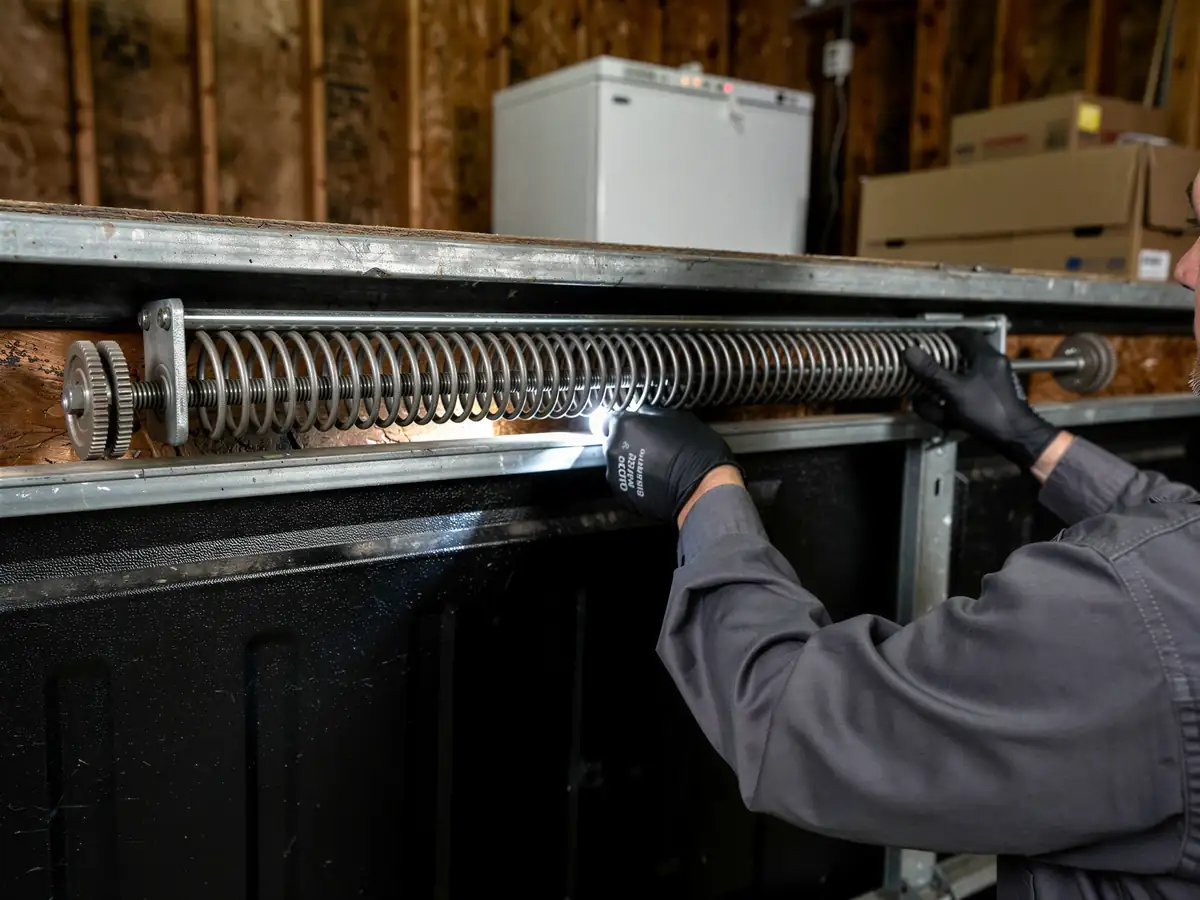
Squarely inside the 1960s-70s wave that covers a lot of this part of the service area. That era brought a specific set of hardware: galvanized torsion springs, steel rollers without sealed bearings, and openers that have usually been swapped once already but on tracks that haven't.
The mild temperate climate here doesn't rust springs through the way a wet climate would
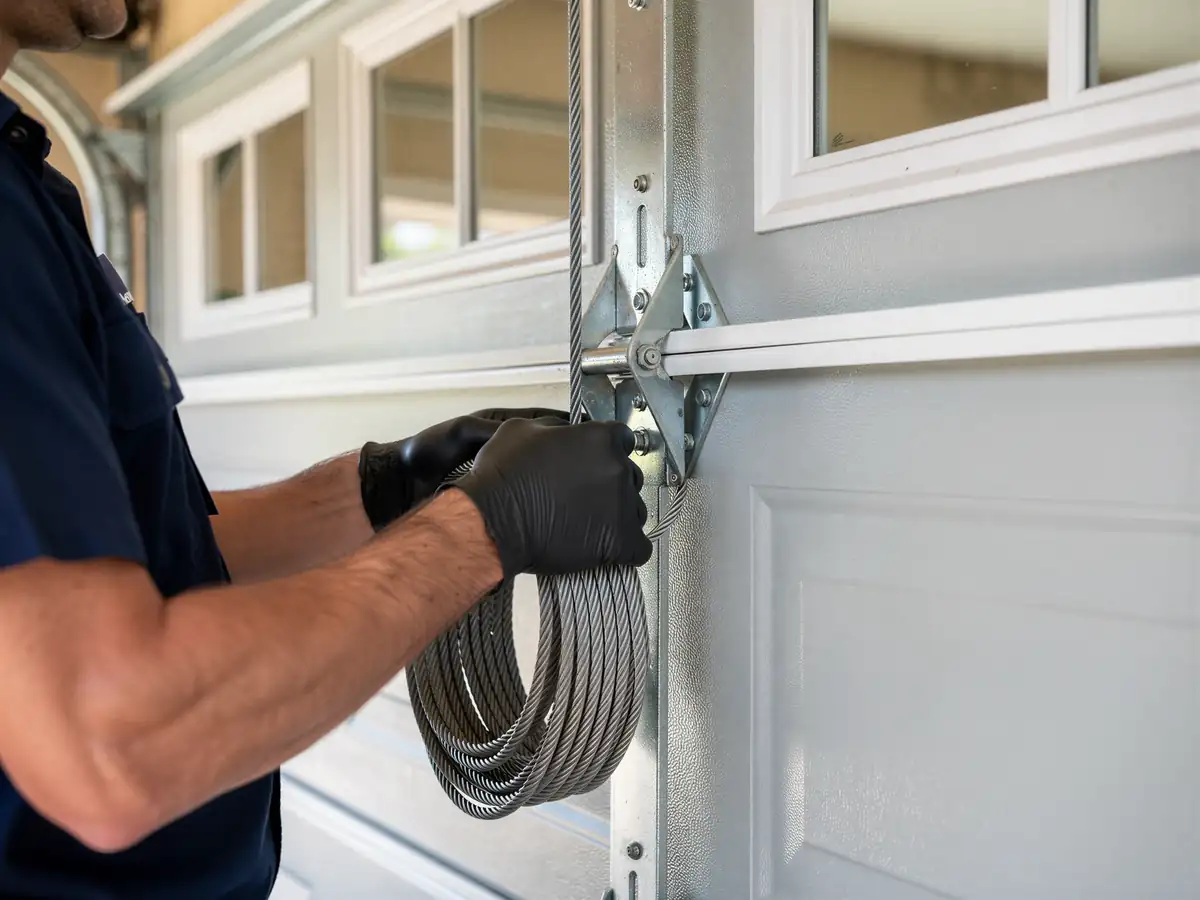
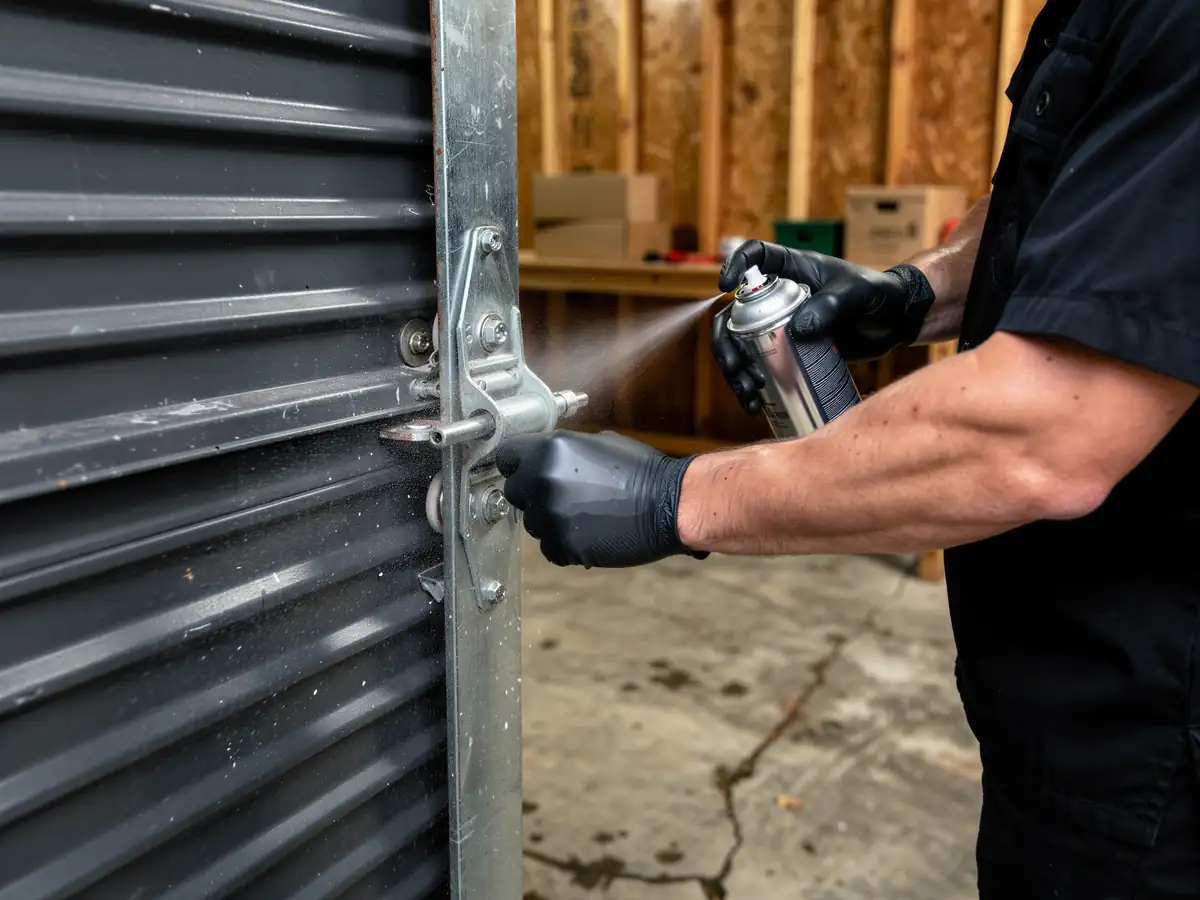
But it doesn't protect them either. Dust and road grit settle into unsealed rollers and dry bearings over decades, and on a door built in the early '70s that's a lot of decades. What you notice first is usually noise - a grind on the way up, a shudder partway through the cycle - before you notice anything mechanical giving way. By the time a cable visibly frays or a spring coil separates, the noise has usually been telling you for months.
Where This Job Goes Sideways
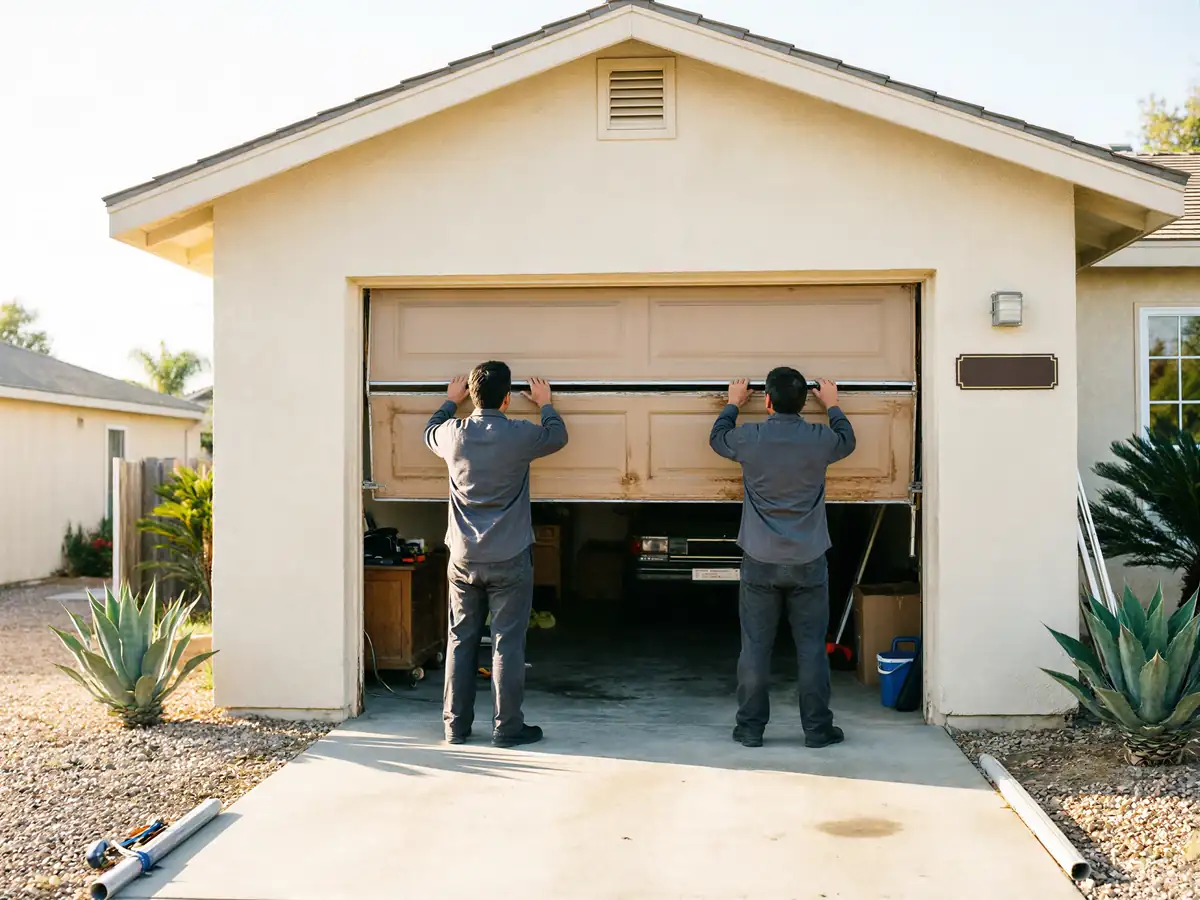
The honest limitation first: maintenance doesn't fix a door that's already past the point of adjustment. If a torsion spring on a 1972-era door is down to its last few working coils, lubricating the track and tightening the hardware buys you a few quieter weeks, not a few quieter years. We'll tell you when that's the situation instead of running the full visit and sending an invoice for work that won't hold.
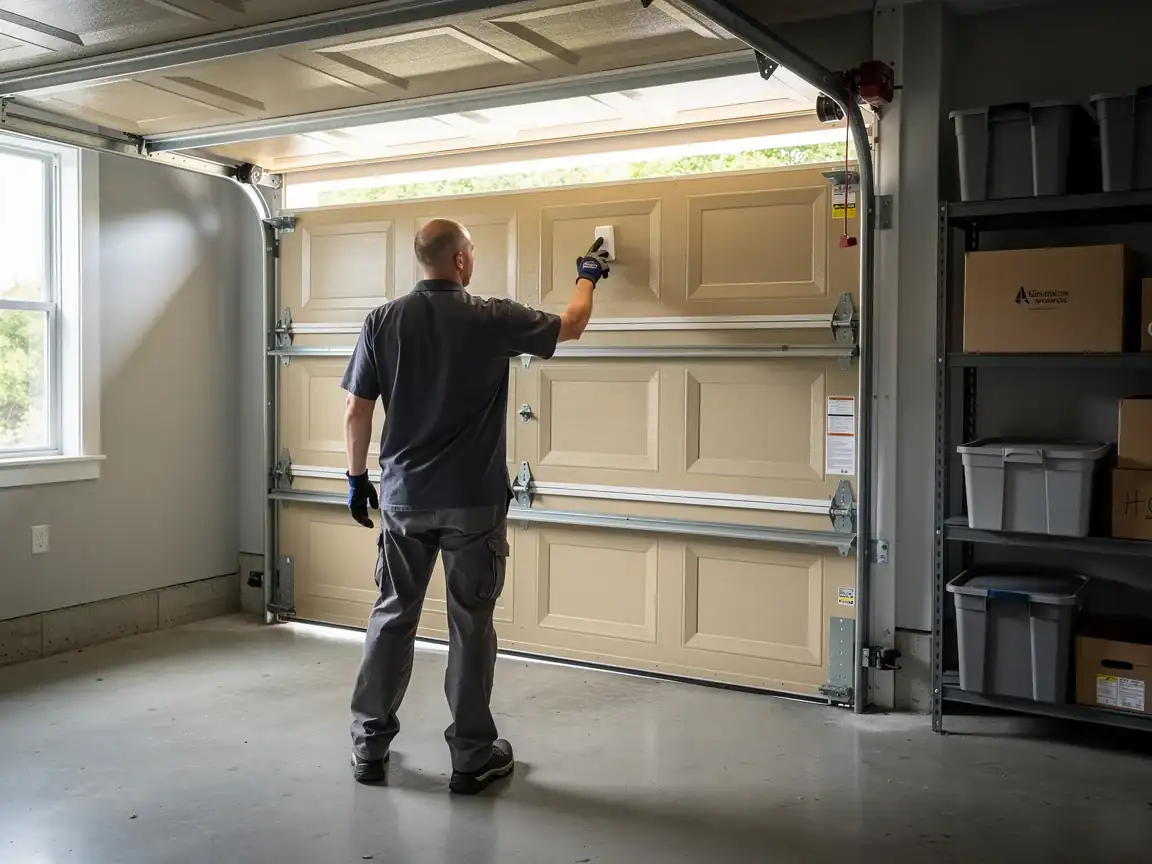
The other place it goes sideways is the opener. A lot of Hawthorne garages have a newer opener bolted onto original 1970s track and rollers. Maintenance on the door hardware doesn't touch opener wear, and maintenance on the opener doesn't fix a track that's slowly bending out of plumb from fifty years of a door riding on it. Both need separate attention, and skipping one because the other got serviced is the most common reason a