Stocked Parts
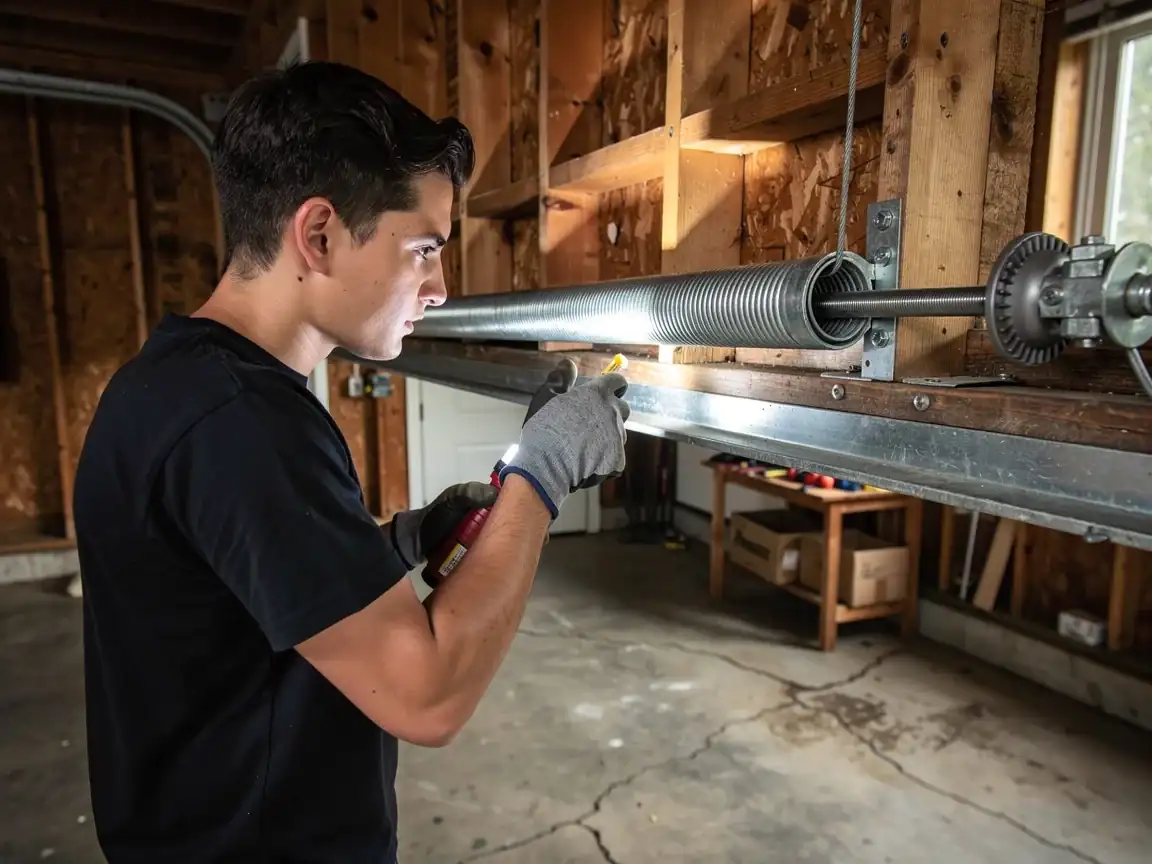
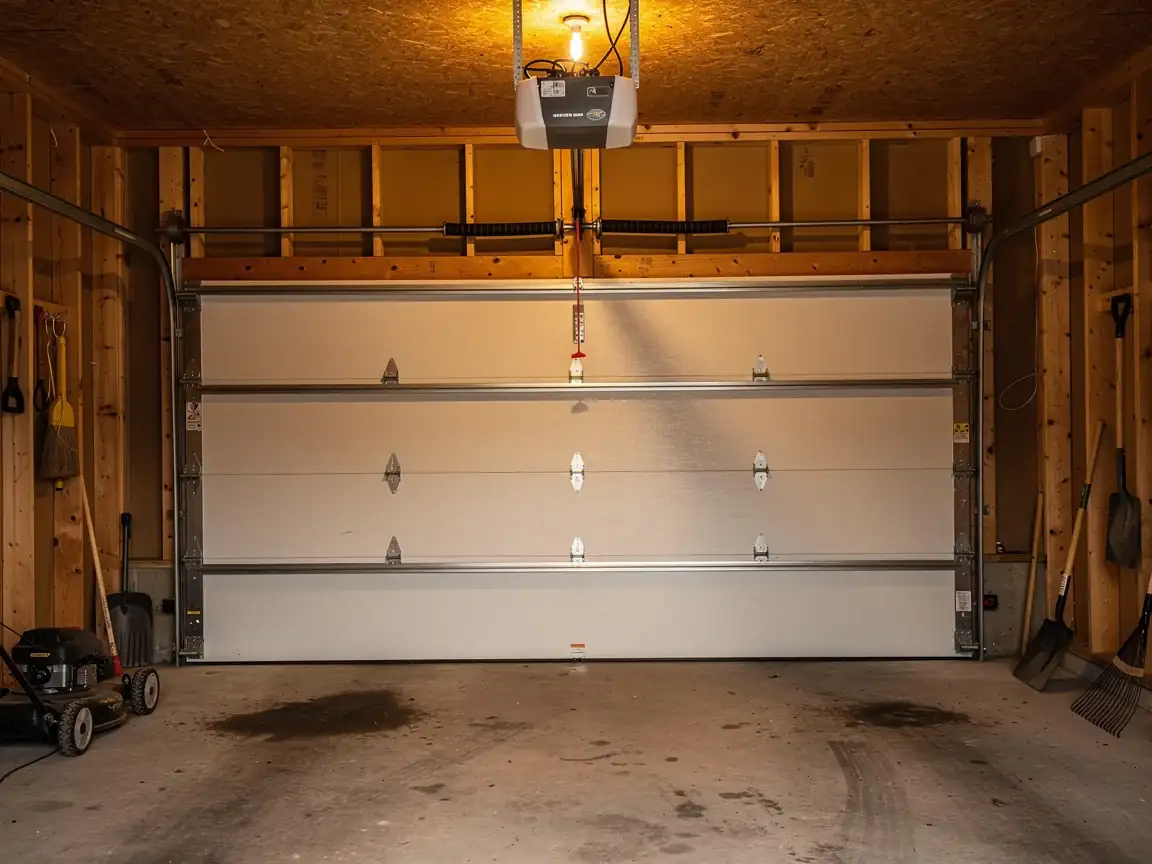
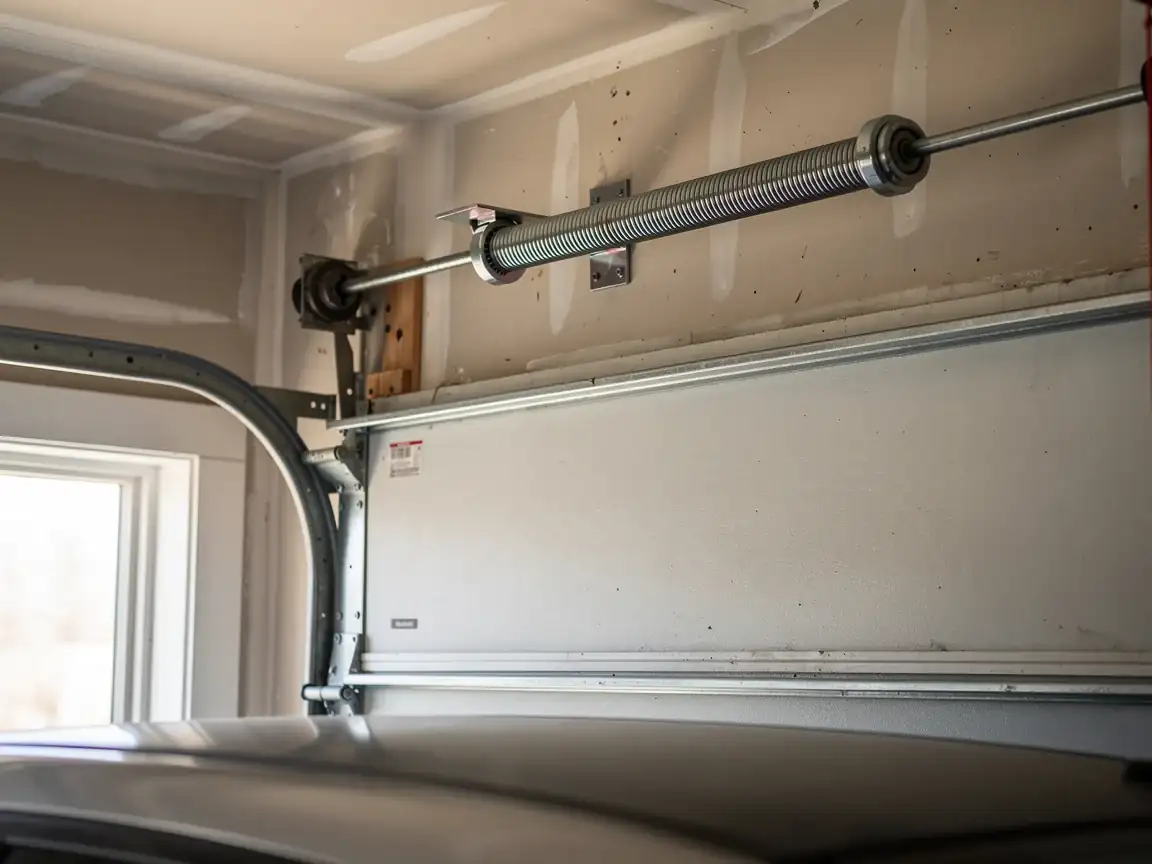
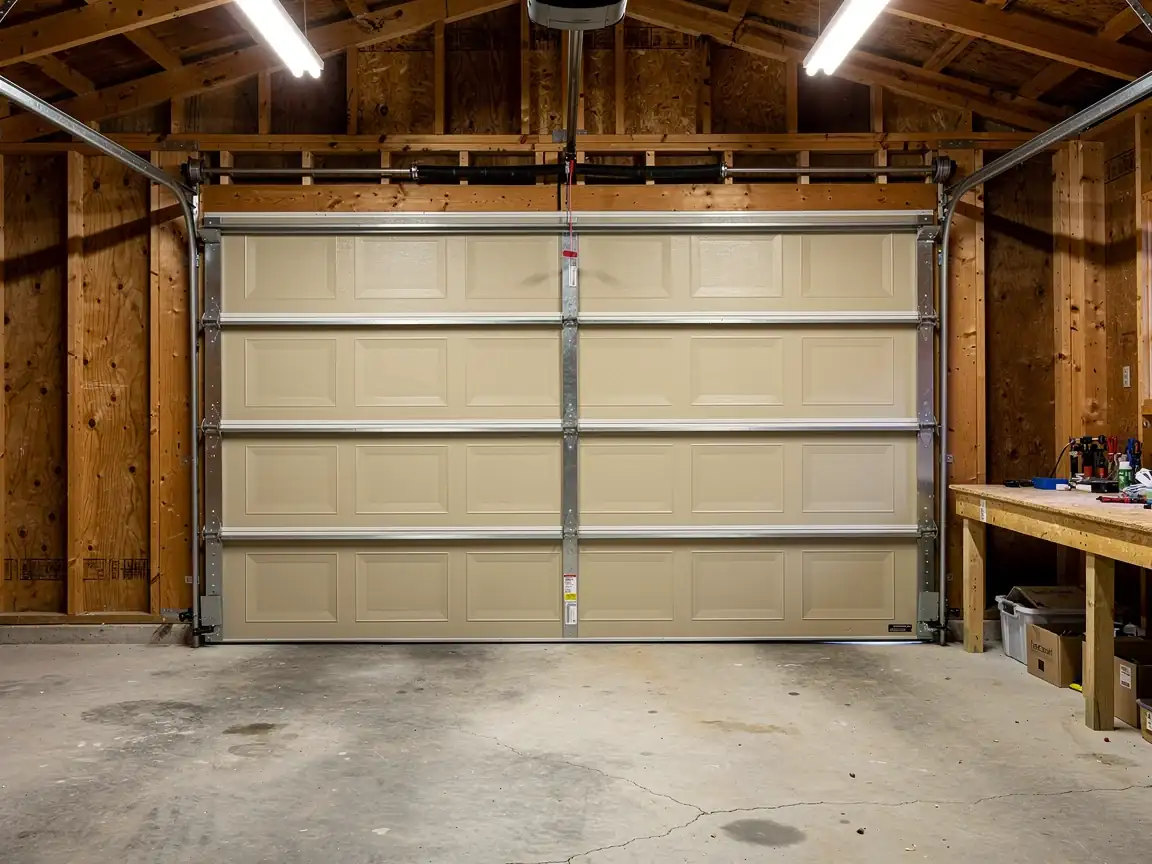
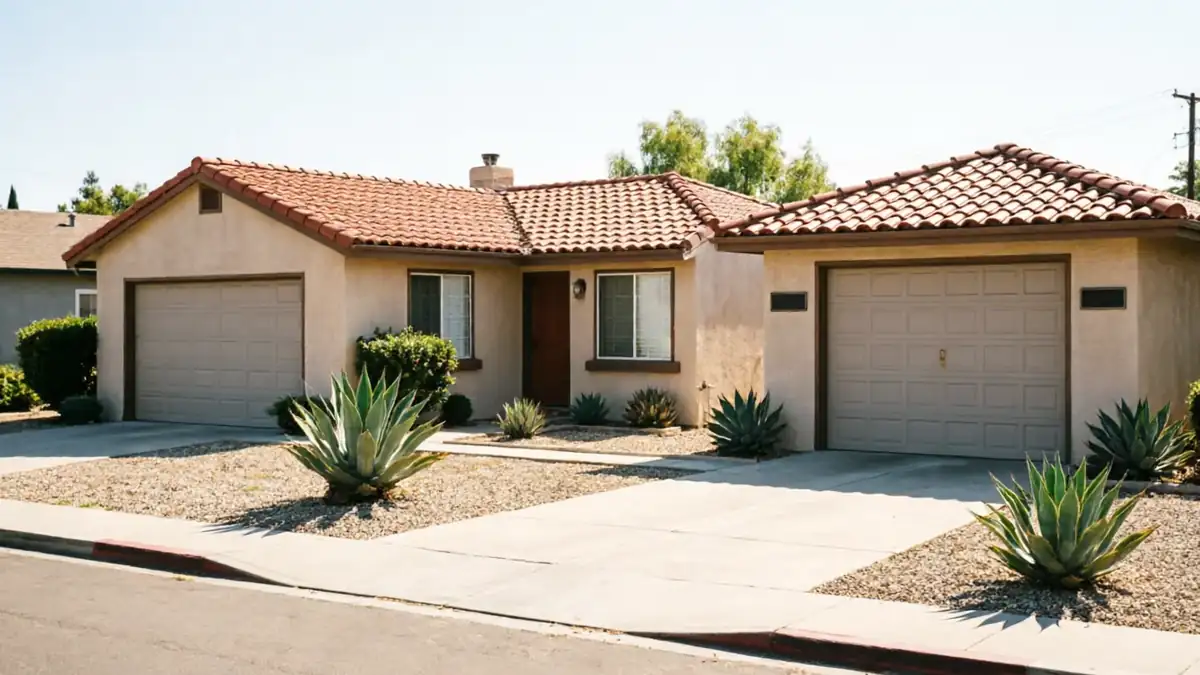
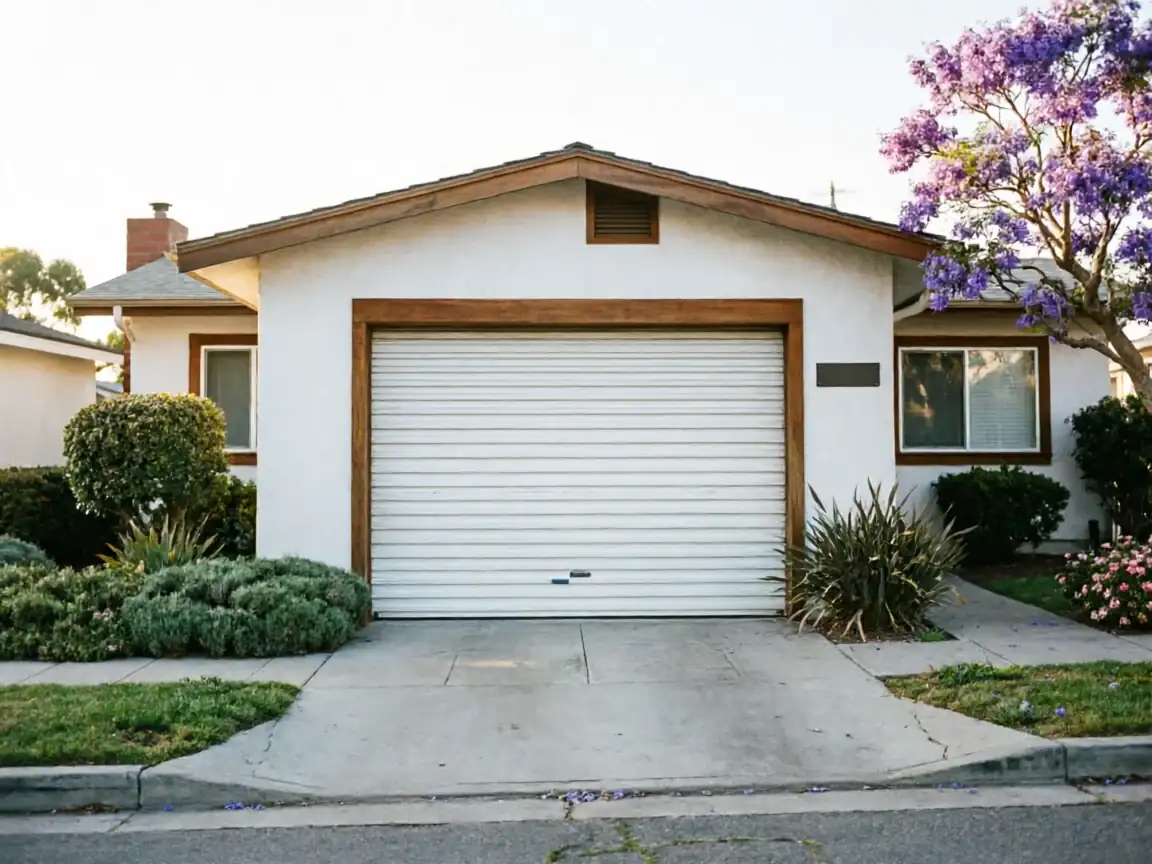
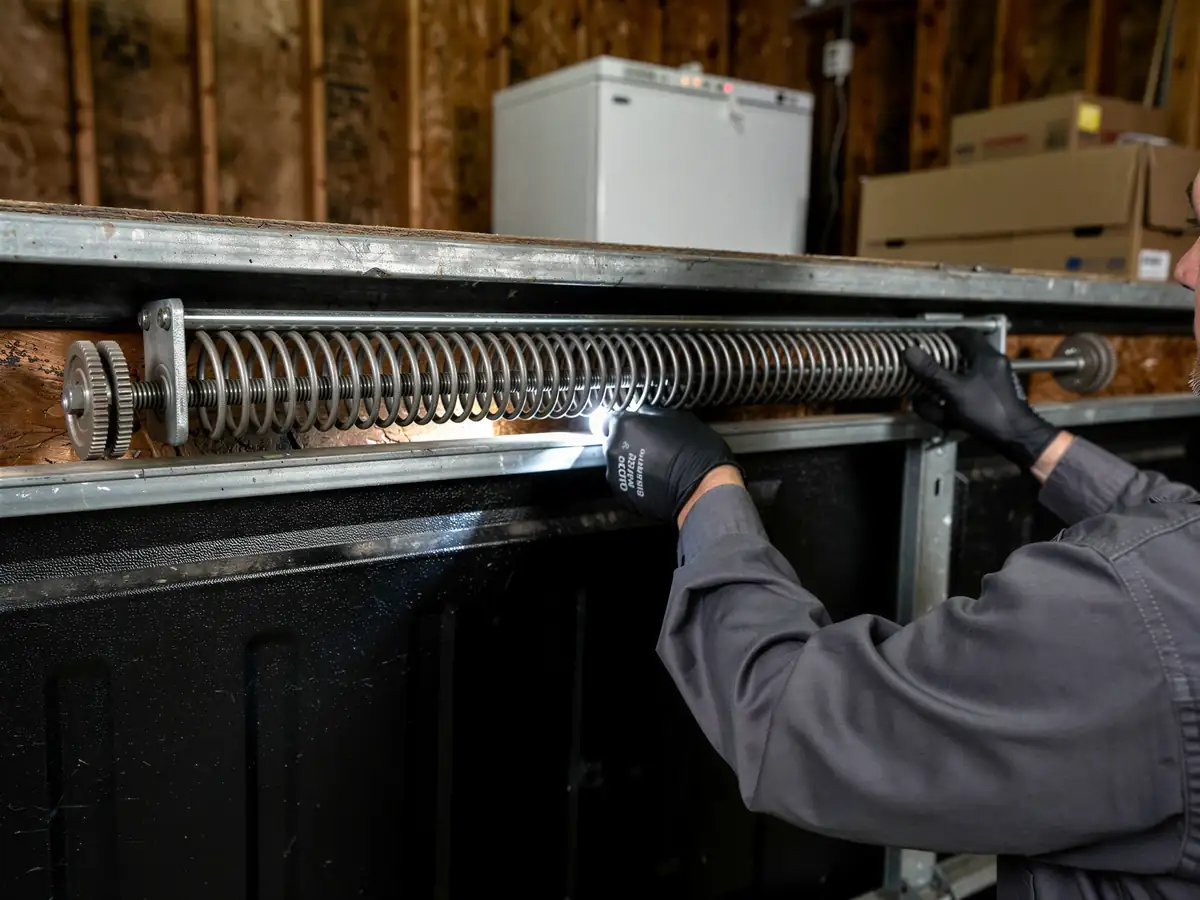
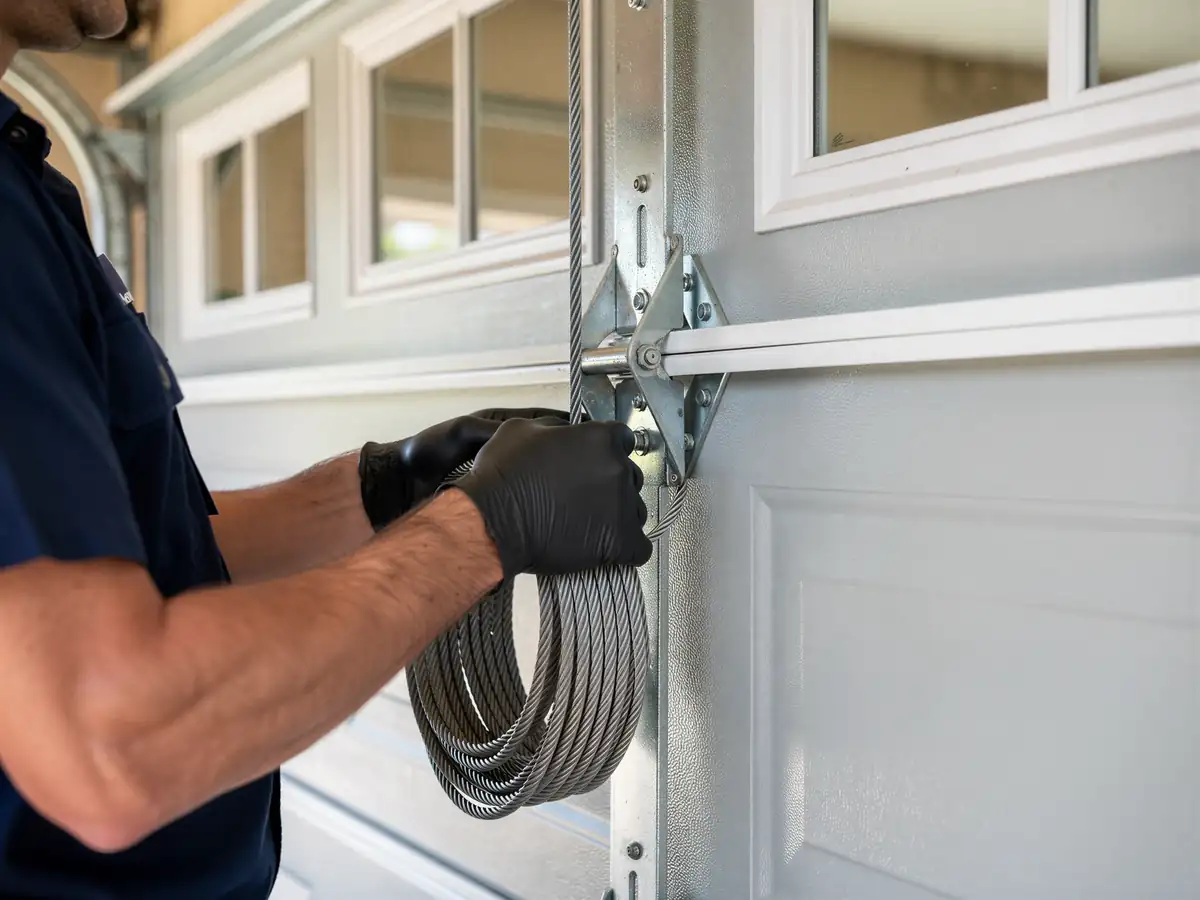
Most houses in Rancho Palos Verdes went up around 1967, which puts the bulk of the hardware squarely in the torsion-spring era - steel springs rated for a specific door weight, galvanized lift cables, and steel rollers on a track that was never designed to be swapped out casually. A lot of that gear is still original. Nobody re-springs a garage door on a schedule, so a spring installed when the house was built is a spring that's been doing its job for decades past what it was rated for.
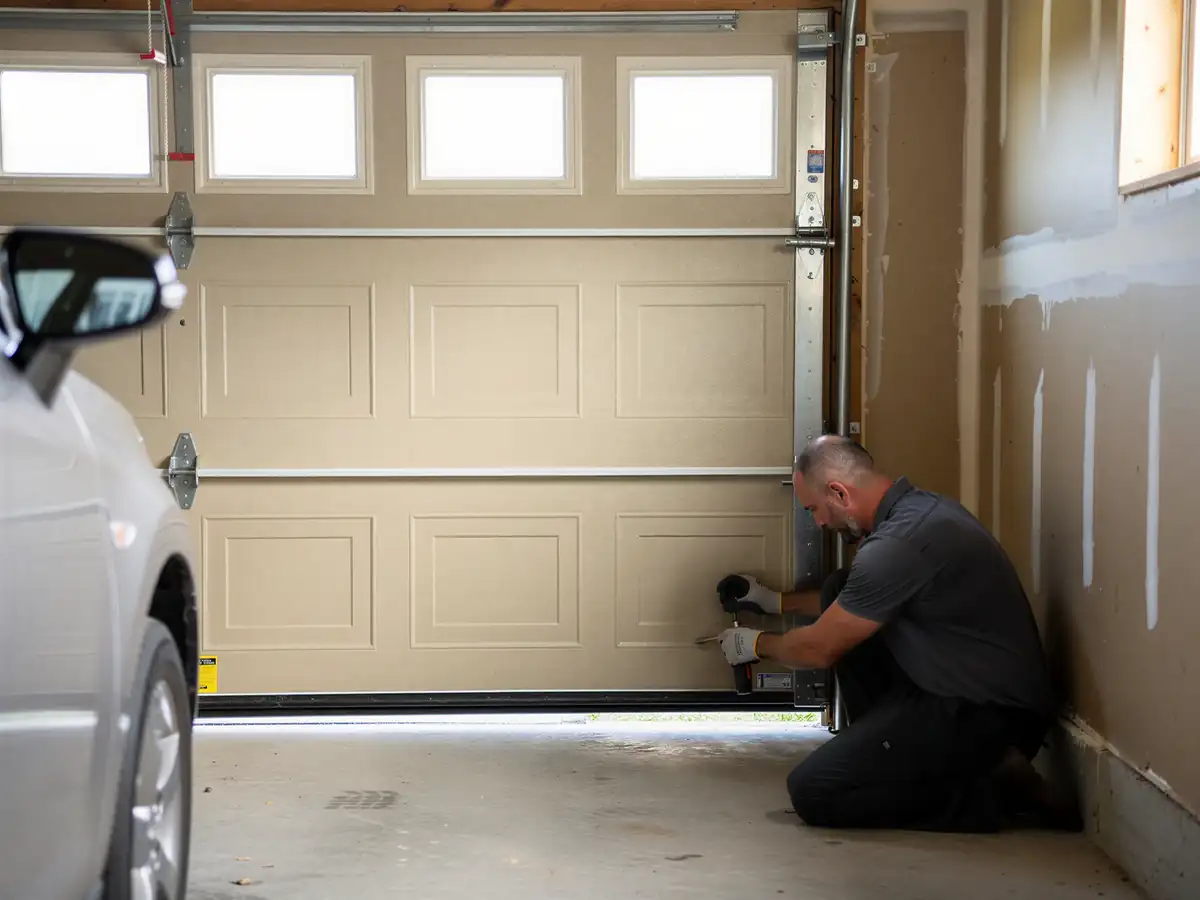
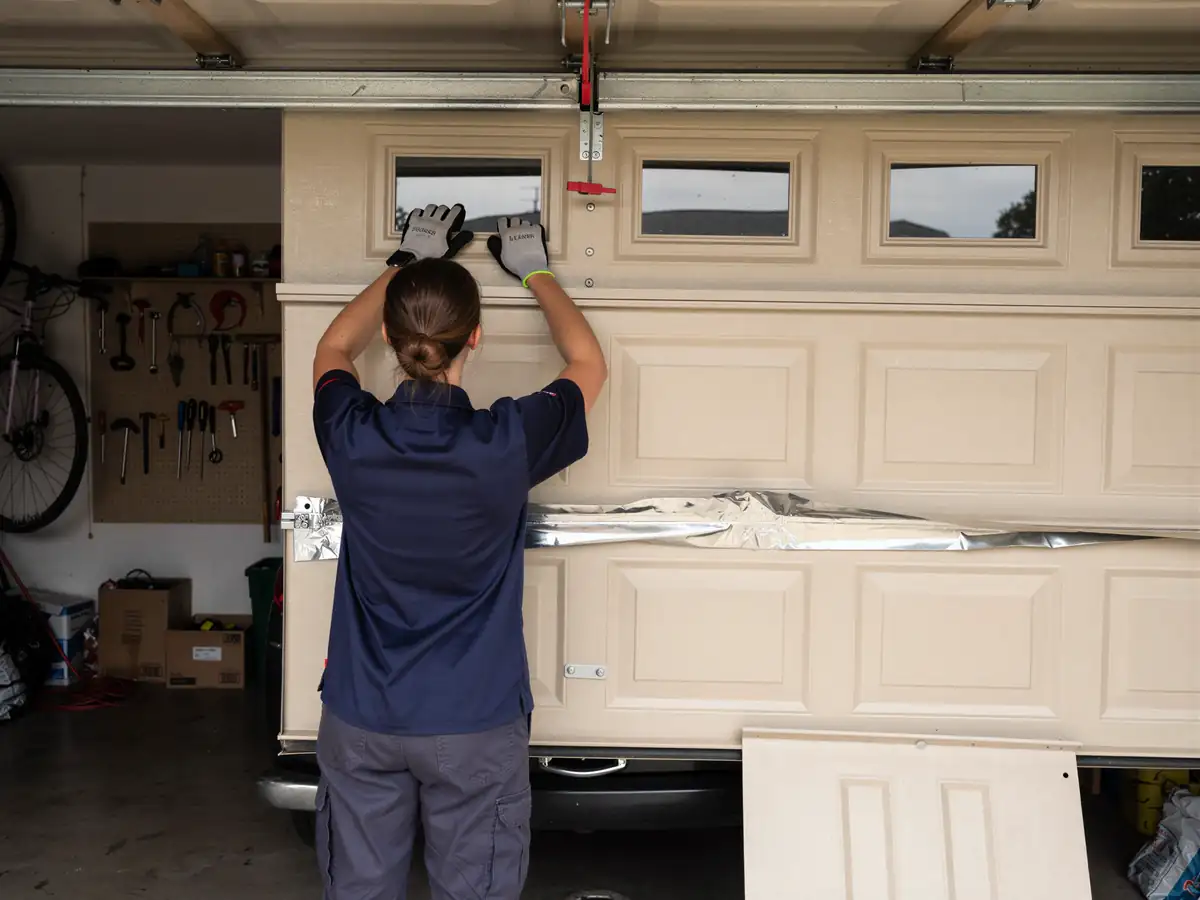
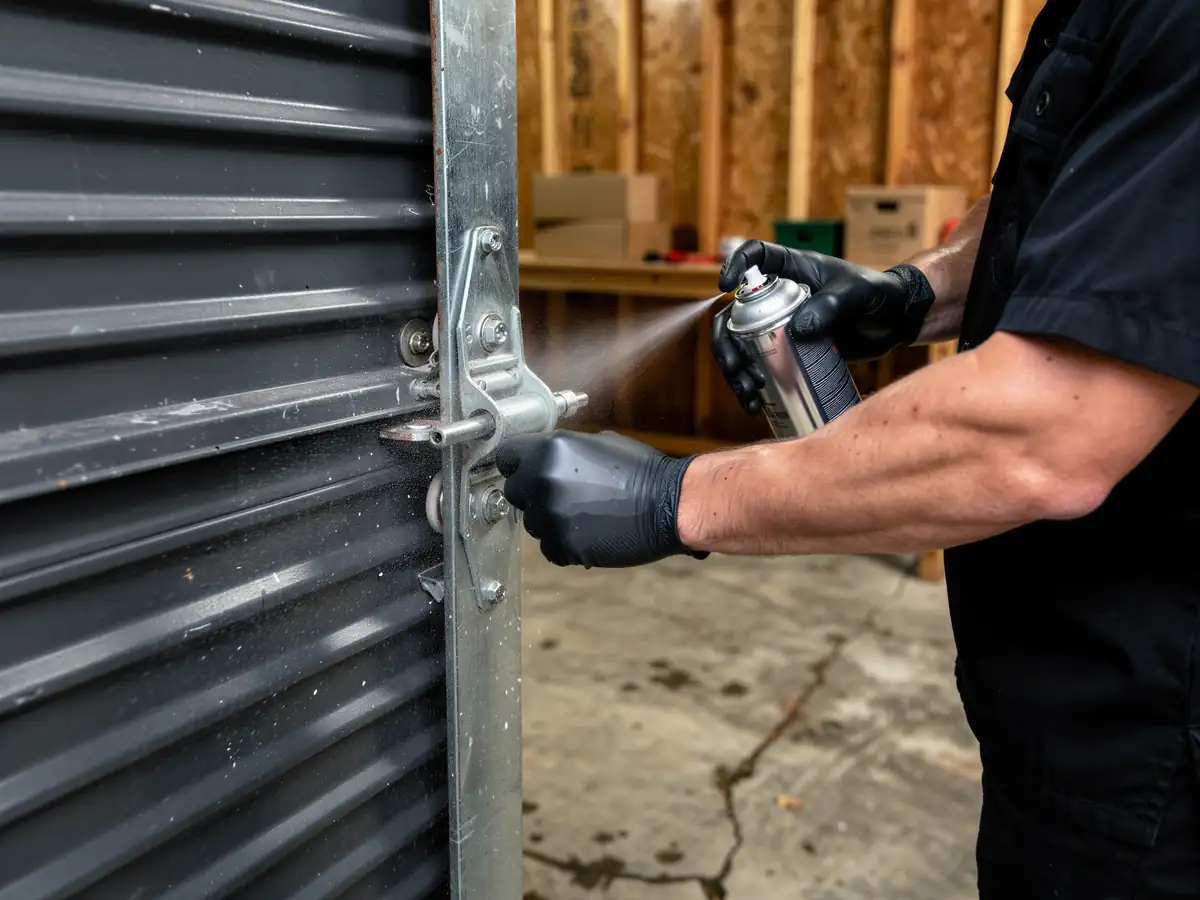
We carry standard torsion springs, extension springs, nylon and steel rollers, lift cables, and the common residential opener gear-and-sprocket kits on the truck, because those are the parts that fail on houses of this vintage. What we don't stock is anything custom - a non-standard track width or a door that's been retrofitted with hardware from three different eras, which does happen on a house this old if a prior owner did a partial fix instead of a full replacement. That's a parts-order job, not a same-visit job, and we'll tell you straight if that's what we're looking at.
The spring and the cable are the two parts most likely to be original and most likely to be the reason you're calling. Everything else on the door tends to get touched at some point; those two often don't.
How It Shows Up
The call we get from this area is usually a spring that let go
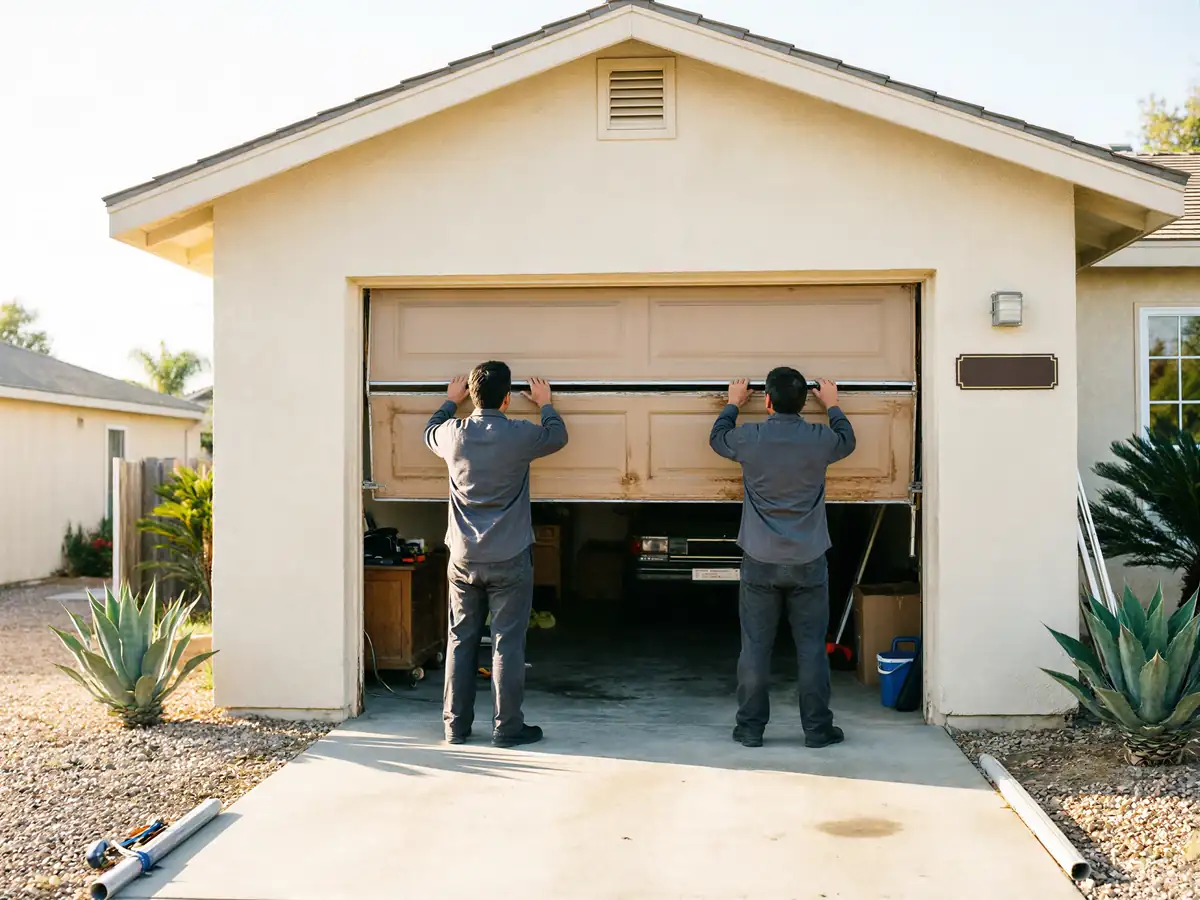
A loud bang, then a door that won't budge or that slams down with no resistance. On a torsion spring that's original to a 1960s build, that's not a surprise failure, it's a scheduled one that just didn't have a schedule. Cycle count catches up with steel eventually.
The other common call is an opener that runs but the door doesn't move
Or moves a few inches and stops. That's usually the drive gear stripped inside the opener housing, which is a wear part with a lifespan shorter than the door hardware around it - it fails on its own timeline, not the house's.
Both of these look like emergencies because the car is in the garage and the door won't open
Neither one is something to force. A door that's fighting you on a broken spring can come down fast and hard, and running a stripped-gear opener harder just finishes the gear off.
The DIY Question
A torsion spring under tension is not a weekend project, full stop - that's true in any house, any town, any year. We're not going to tell you otherwise.
What you can reasonably check yourself: the photo-eye sensors near the floor on each side of the track, for dirt or misalignment, if the door reverses before touching the ground. You can also look at the track for a visible dent or a roller that's clearly jumped the rail. If the door is sitting cockeyed or one side is tight and one is loose, stop there - that's a cable or spring issue, and leveling it yourself risks the whole assembly letting go while you're standing under it.
One honest limit: we don't do opener logic board diagnostics over the phone. If the symptom is intermittent and the opener itself seems fine, it can take an in-person look to tell a bad sensor from a bad board, and we'd rather say that up front than guess.
Where This Job Goes Sideways
The complication specific to a house built around 1967 is layered repairs. If a spring was swapped once in the last fifty-some years but the drum or the cable wasn't replaced with it, you can end up with mismatched wear on parts that are supposed to age together. We see this more on older stock than on anything built in the last twenty years, and Rancho Palos Verdes skews older than a lot of the service area.
The other sideways turn is a door that's technically working but was sized or balanced for a different spring than what's on it now, from a past partial fix. That shows up as a door that's heavy to lift by hand or an opener straining on every cycle, long before anything actually breaks.
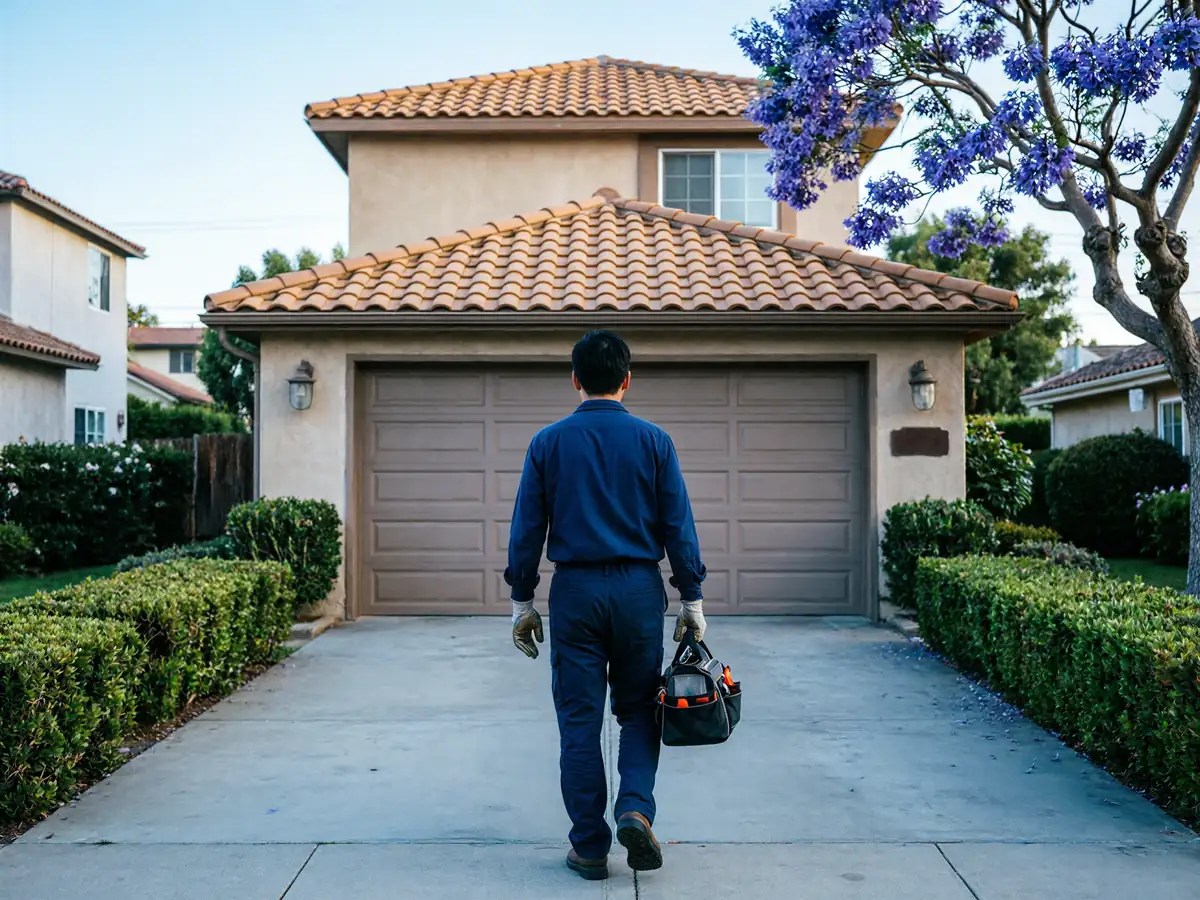
We travel out from Inglewood for these calls, about 15 miles each way, so when a job turns out to need a part we don't carry - an odd-length spring or a discontinued opener gear kit - that's a return trip, not a same-day fix. We'd rather tell you that than promise a fix we can't deliver on the first visit.
What It Costs
We don't have a posted price list for this page, and we're not going to make one up
What we can tell you is what drives the number: whether it's a spring or a cable (parts plus labor, fairly standard), versus an opener gear kit (cheaper part, similar labor), versus a full hardware mismatch from a past partial repair (more labor to sort out and re-balance).
Median household income in Rancho Palos Verdes runs well above the wider service-area figure
Which doesn't change what the part costs but does mean we're not guessing at what a household here can plan for when a repair isn't a $40 fix. If replacing a worn-out opener or a tired spring set is the more sensible call than patching around original 1960s hardware again, we'll say that plainly instead of running up a repair bill on parts that are on their way out anyway.