Stocked Parts
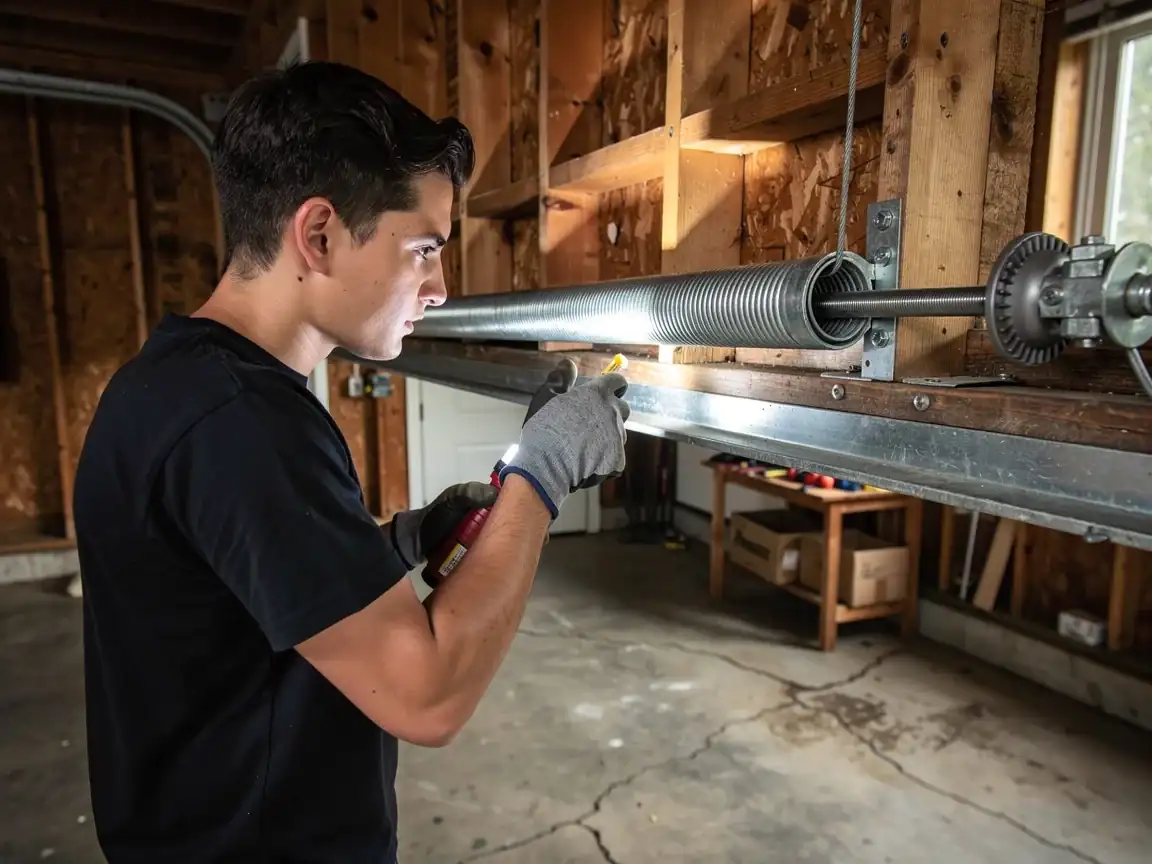
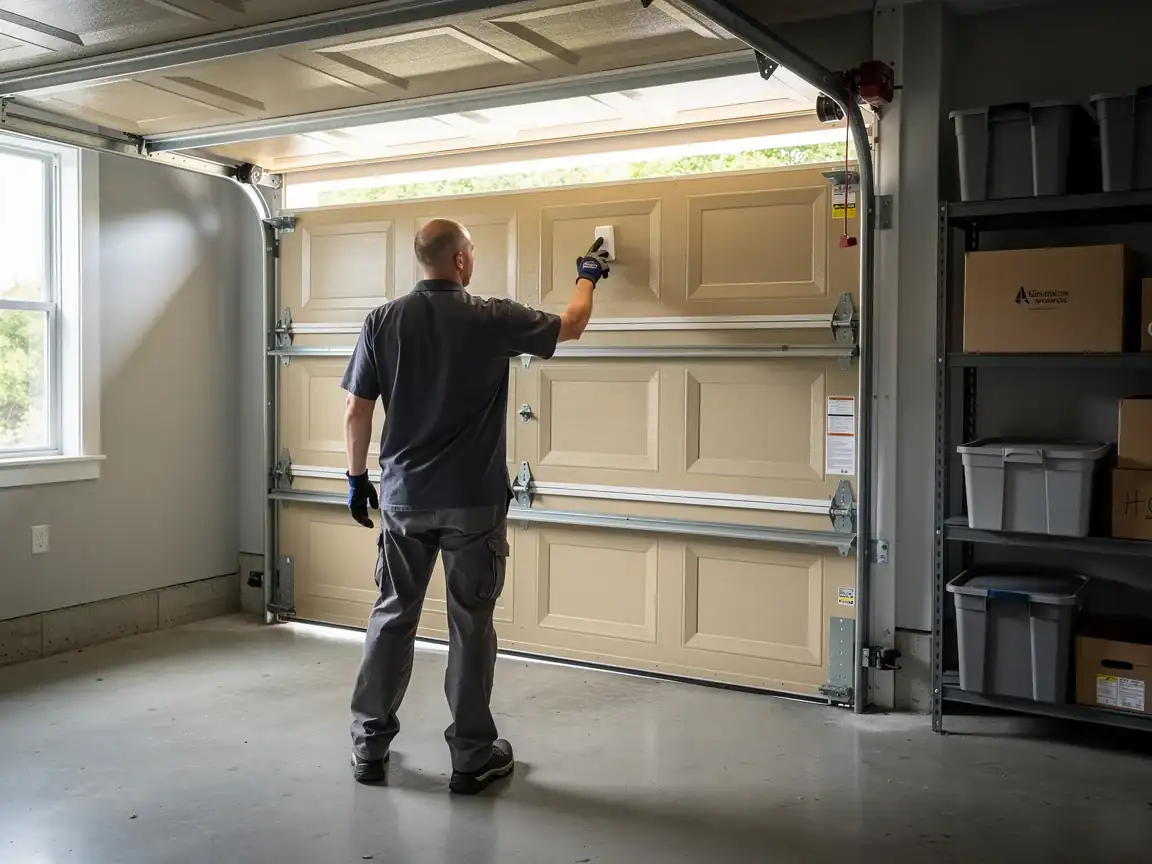
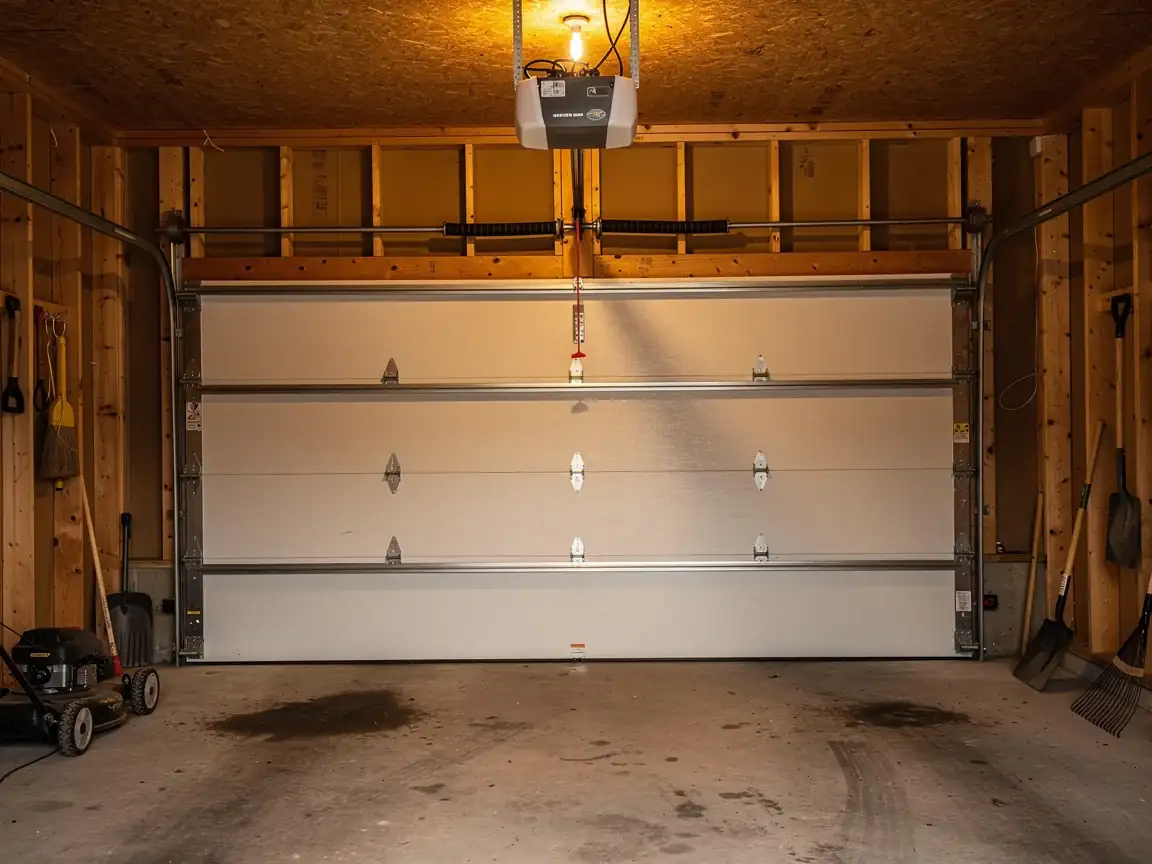
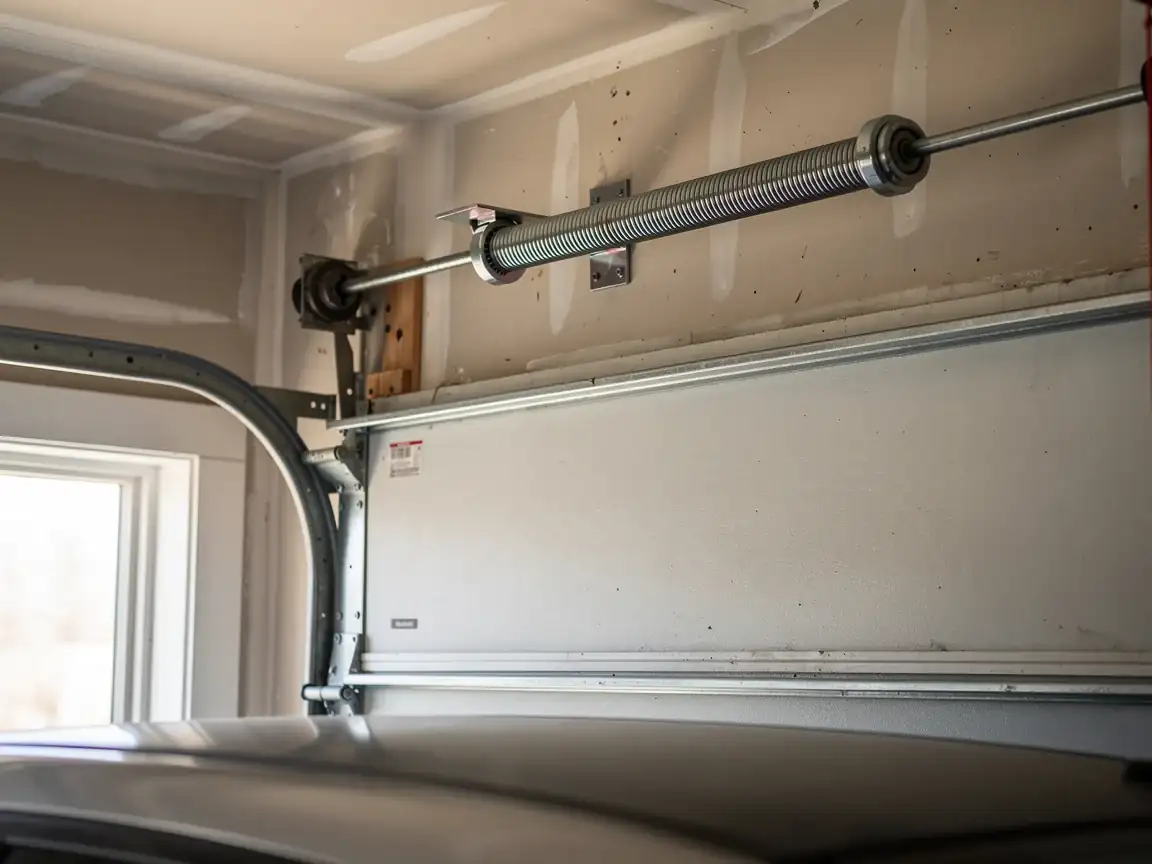
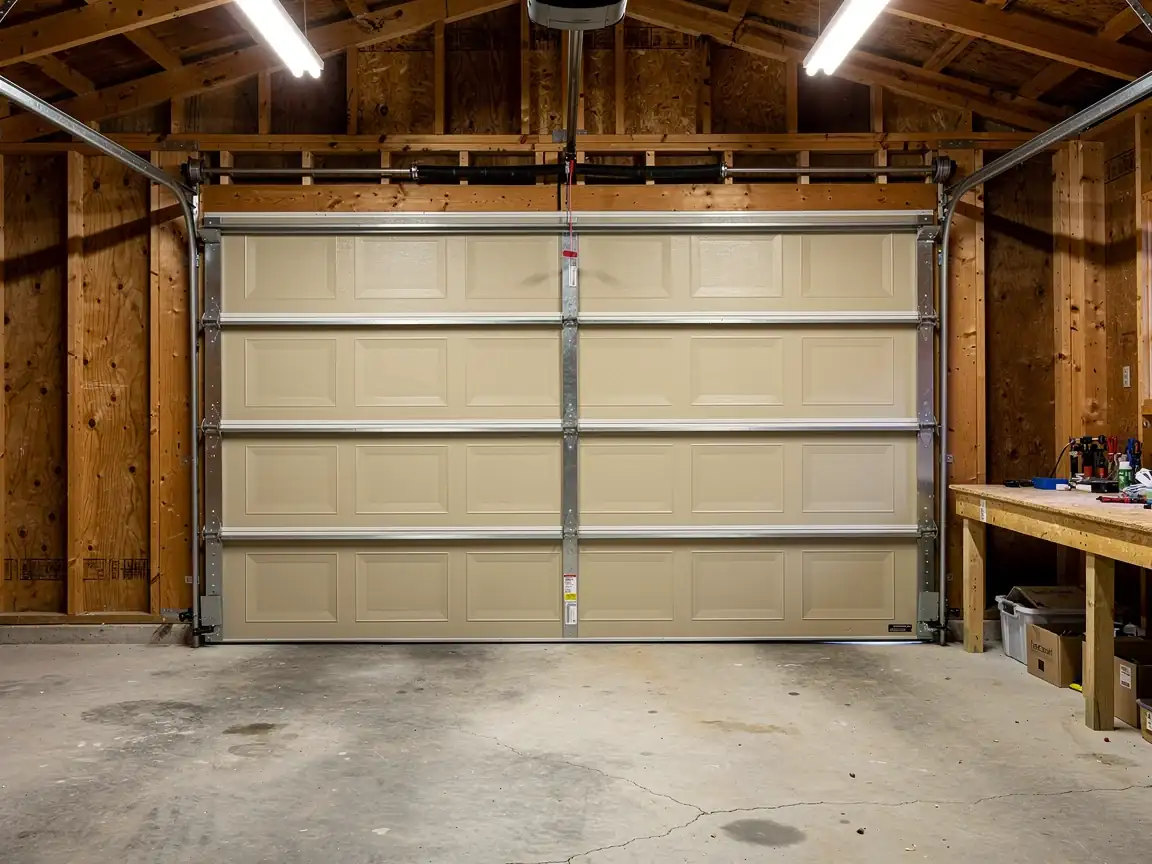
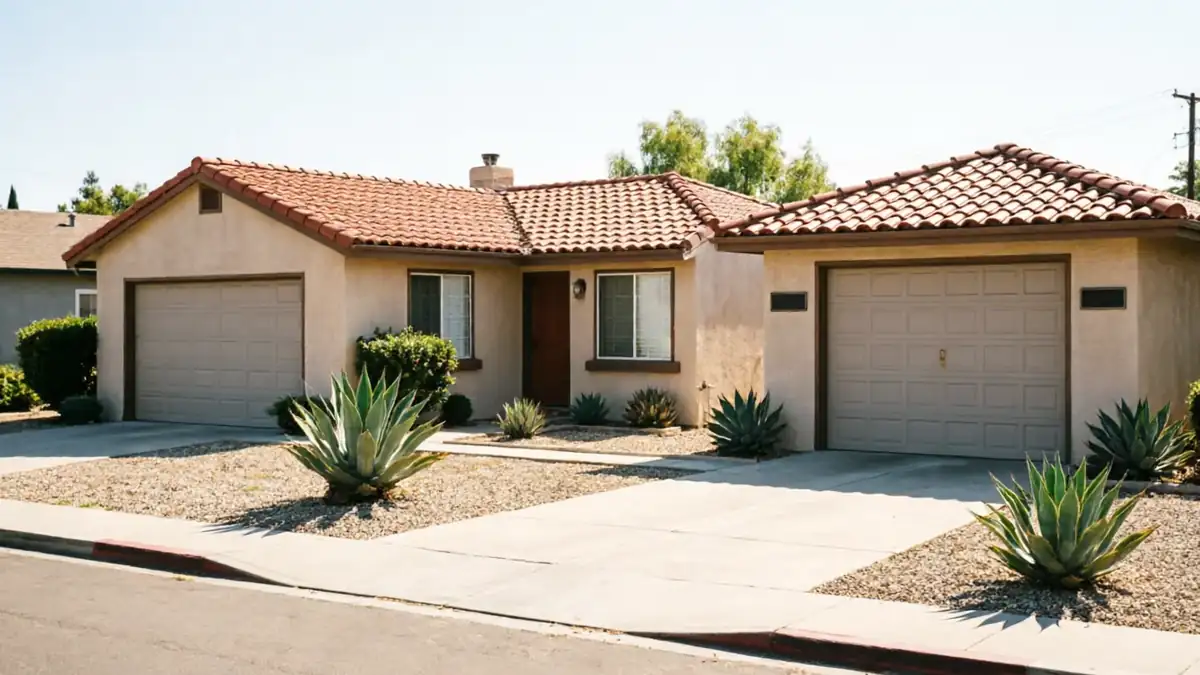
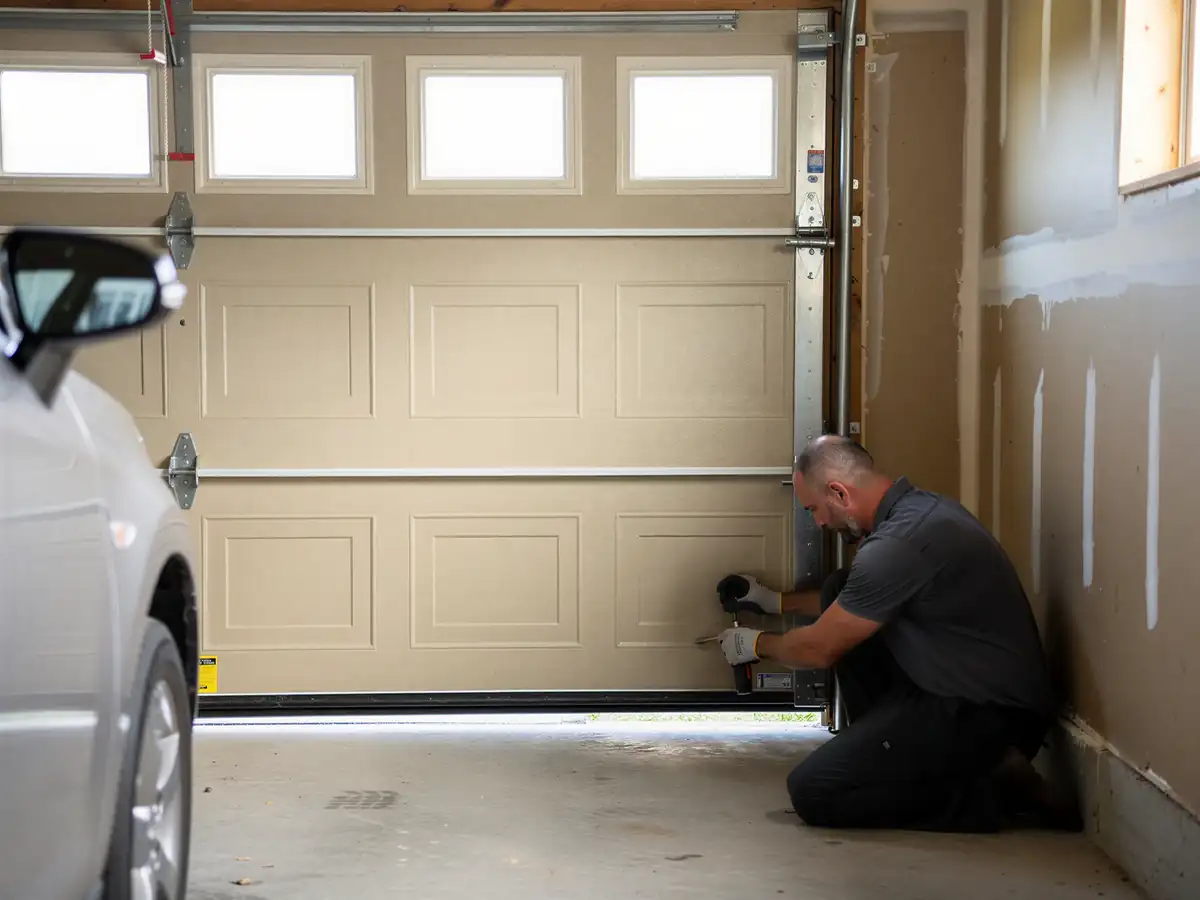
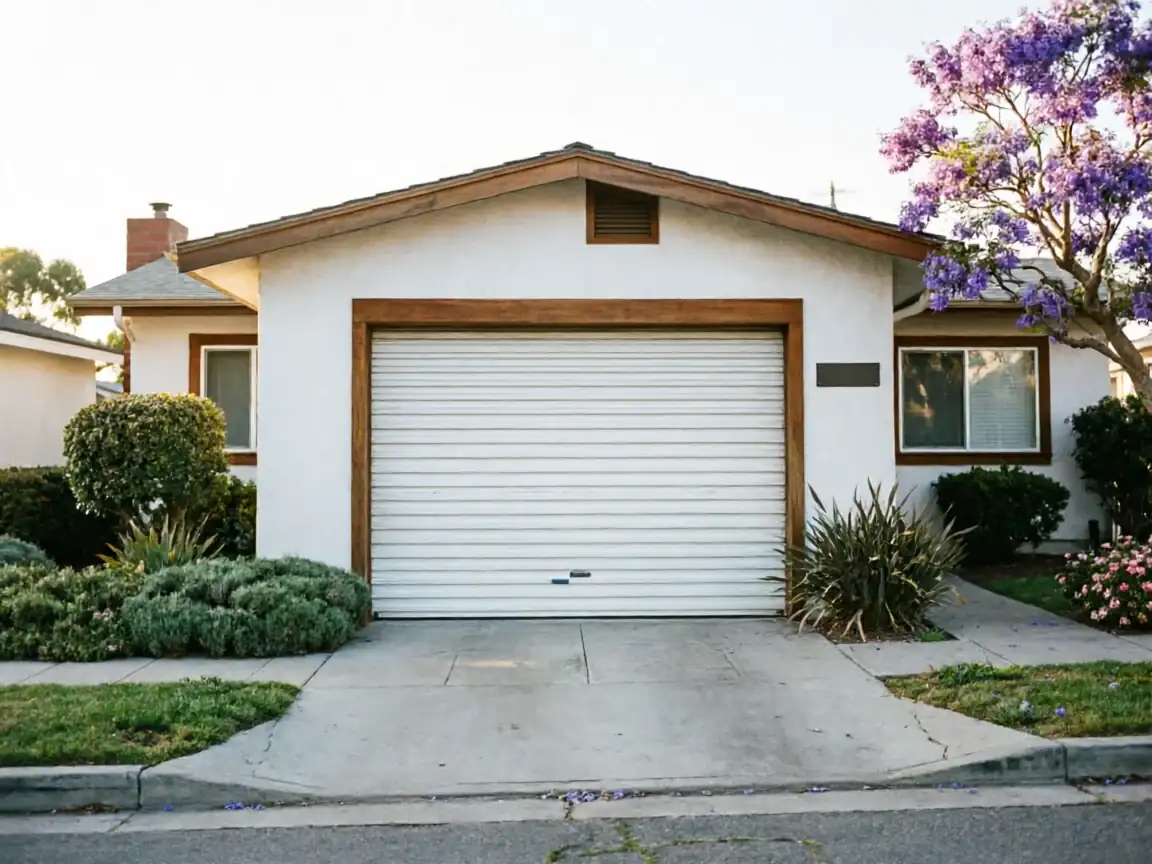
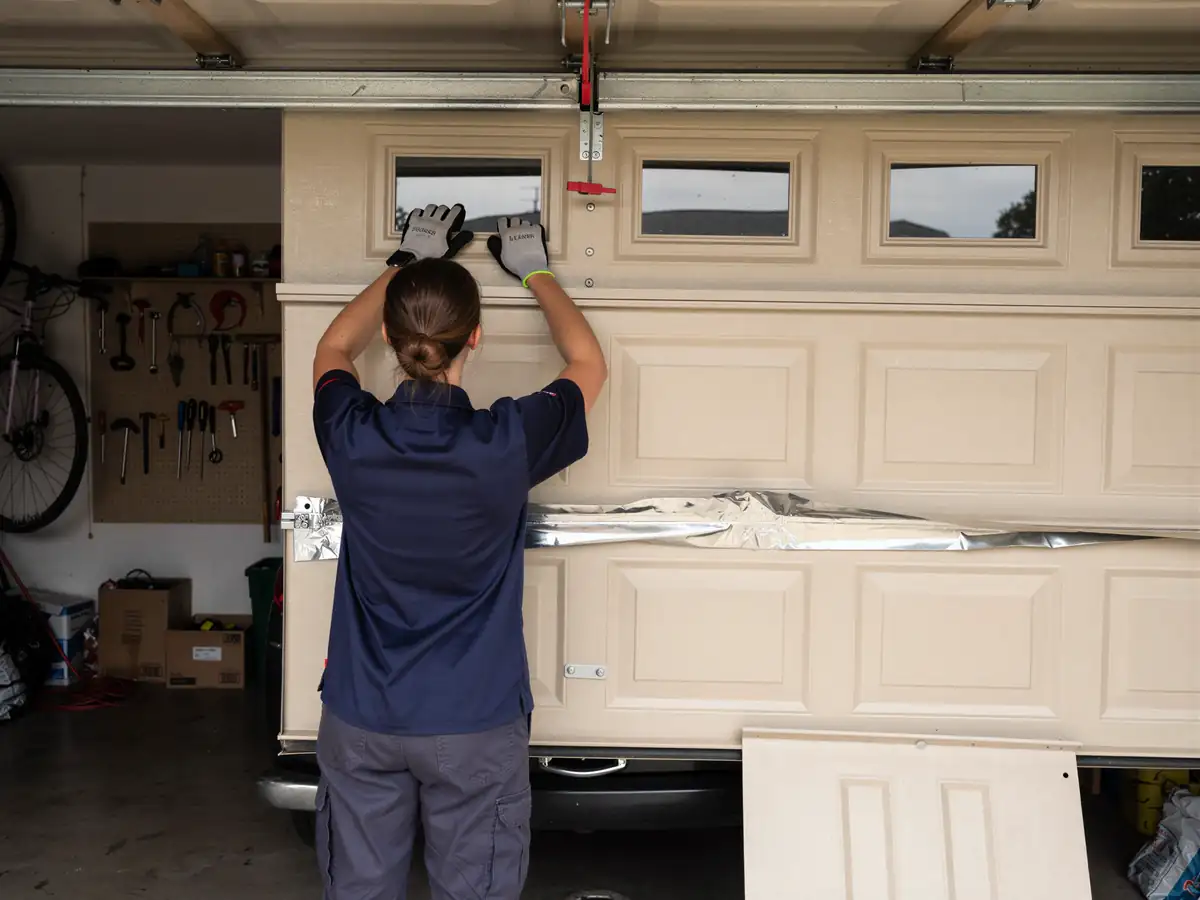
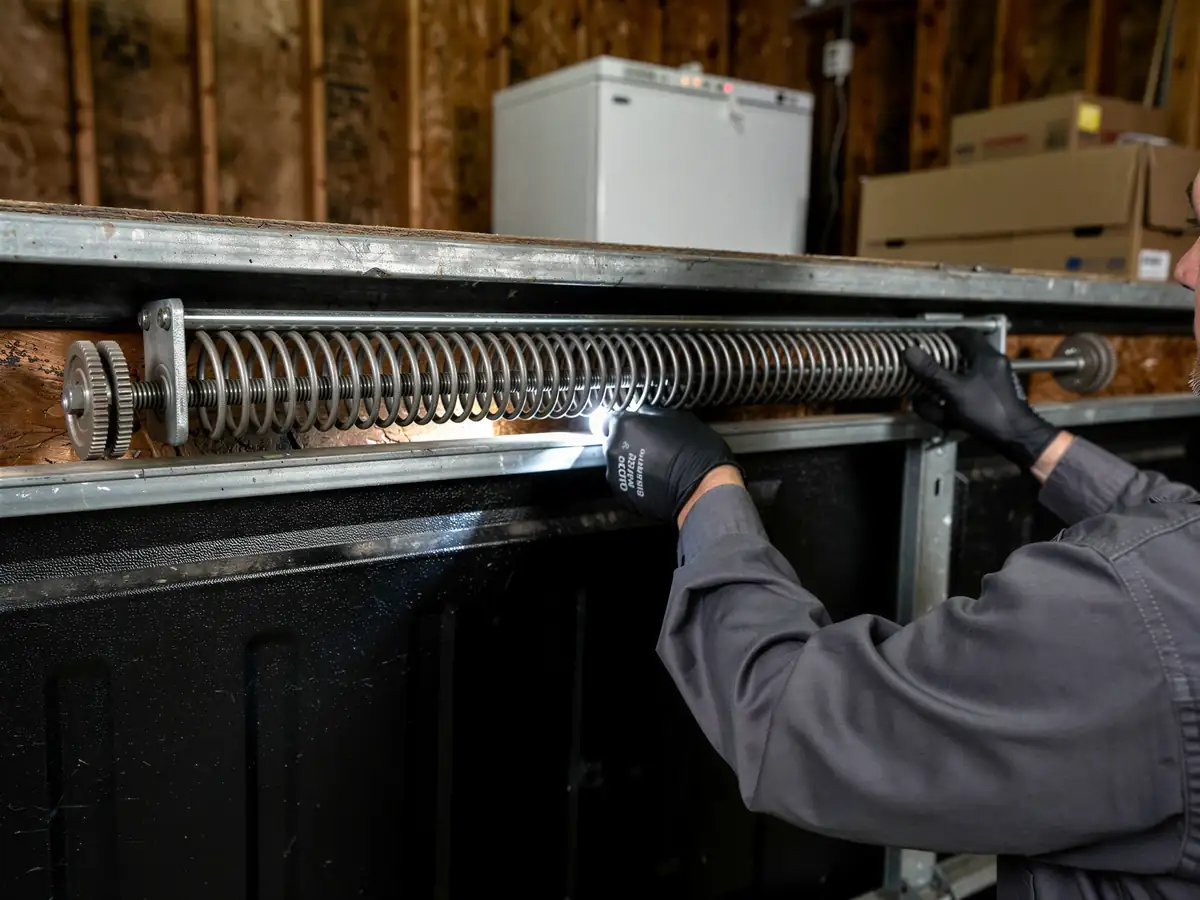
The drive out to Rancho Palos Verdes from our Inglewood shop runs about 15 miles, and that distance shapes how we load the truck before we leave. We don't carry a van's worth of guesses - we carry torsion springs sized for the doors that are actually common out here. Most houses in this part of the service area were built around 1967, which puts them solidly in the same torsion-spring era as the broader 1960s-70s stock across the territory. That means standard torsion springs, standard end bearings, standard cable drums - the parts a tech can match on sight and swap without a special order. What we don't do is show up hoping the size on the truck happens to fit. Because the trip out is long enough that a second trip for the right part wastes half a day, we size the job over the phone first: door weight, spring count, cycle life, before the truck ever points south on the 15 miles down.
The DIY Question
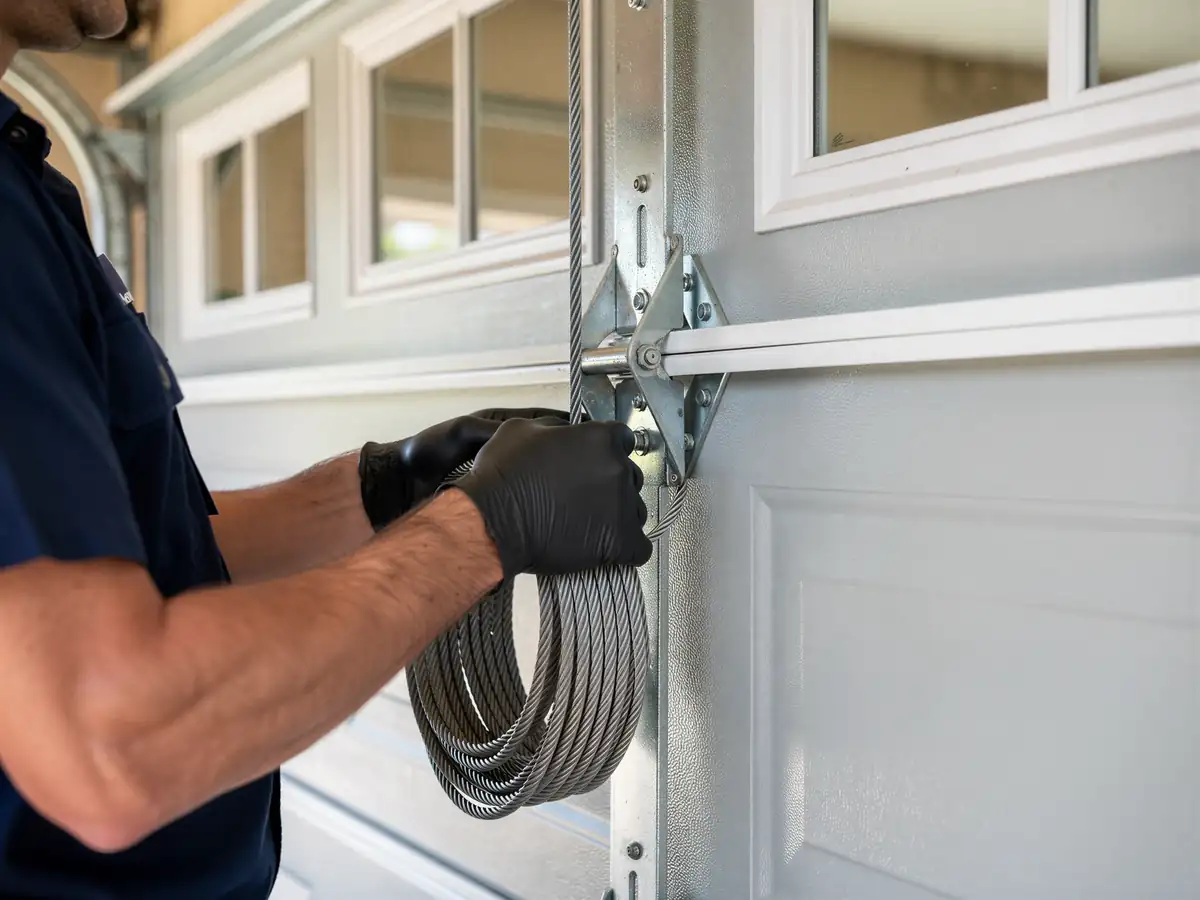
A torsion spring under tension can take a finger off or worse, and that doesn't change based on where the garage sits. We're not going to tell a homeowner in Rancho Palos Verdes it's any safer to do this one than it is anywhere else. Where the local angle matters is parts: if your door dates to the 1960s hardware era, the spring size and winding cone on it may not match what's sold off a shelf at a general hardware store, and guessing wrong under tension is how people get hurt. The honest limit here - we don't talk anyone through a phone-guided DIY spring swap. It's a job we do in person, because the margin for error on a wound spring is zero.
Where This Job Goes Sideways
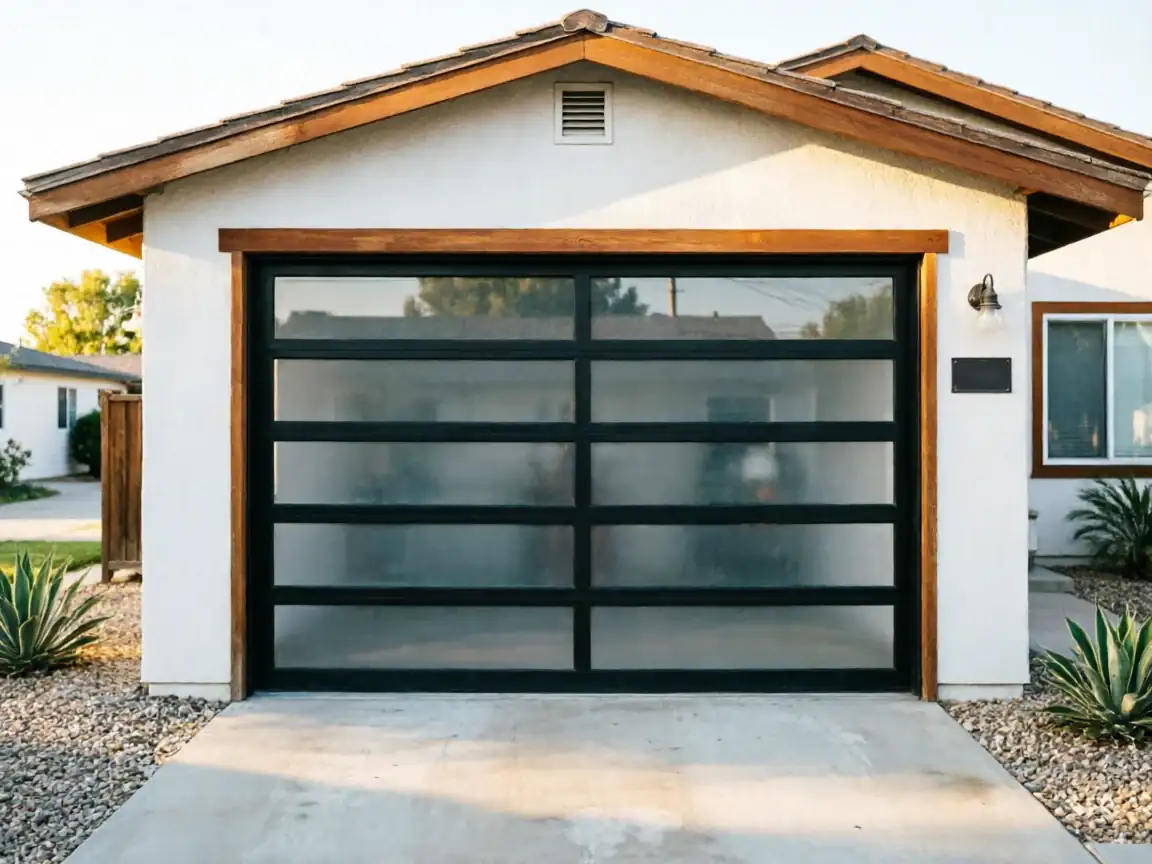
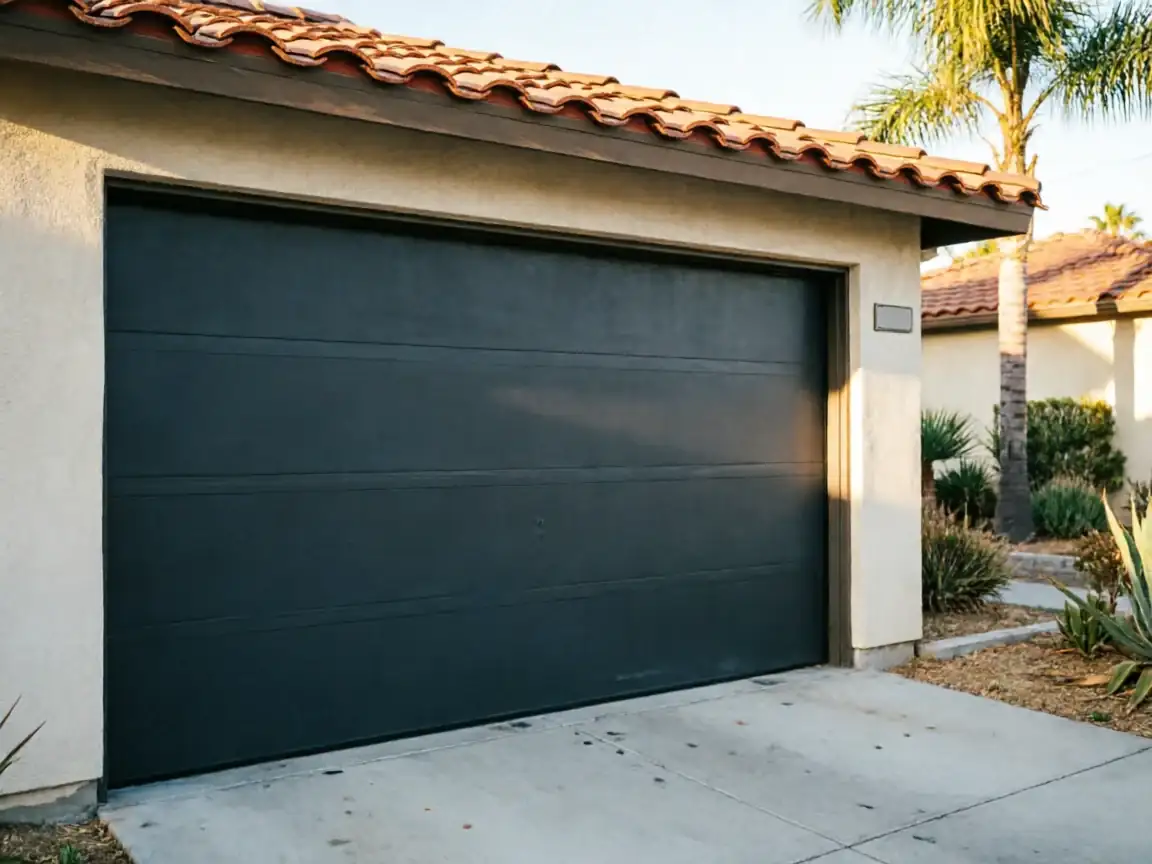
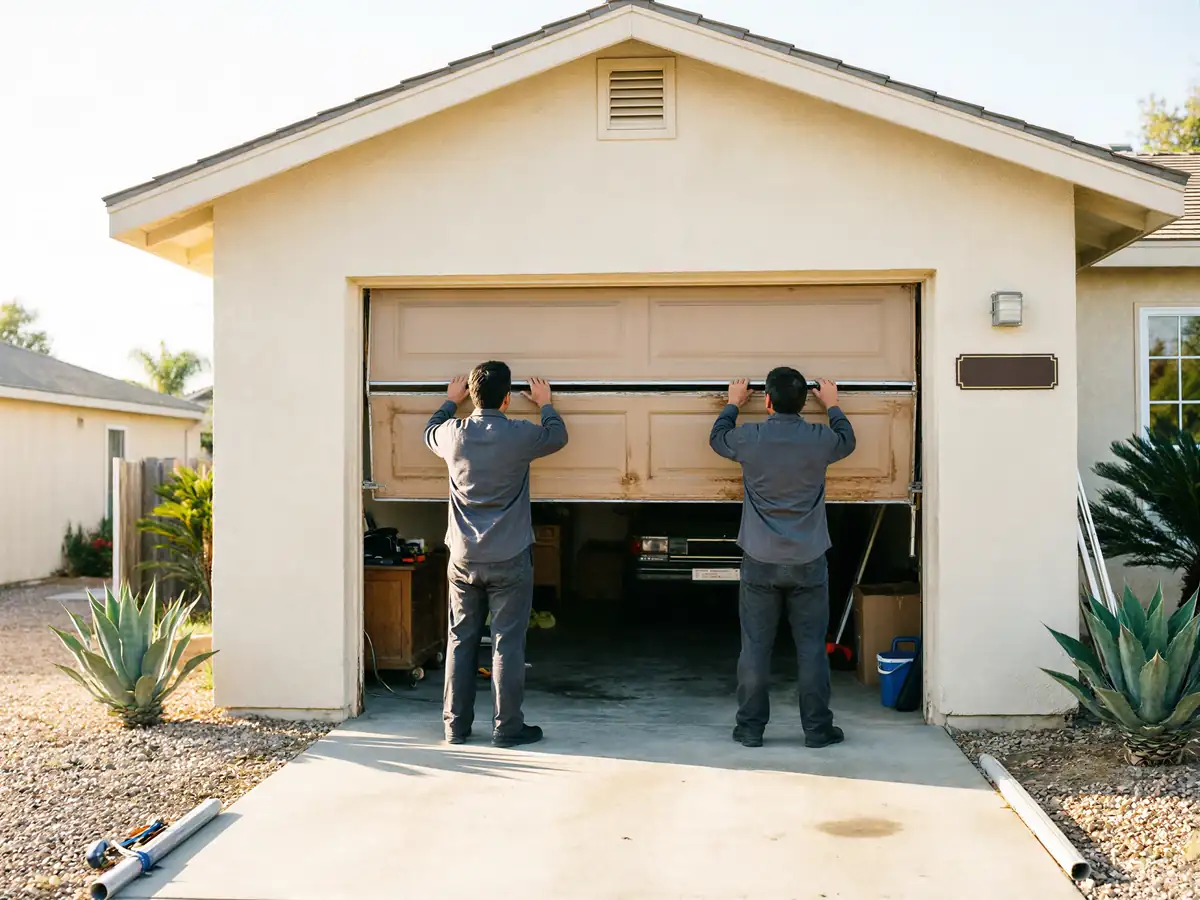
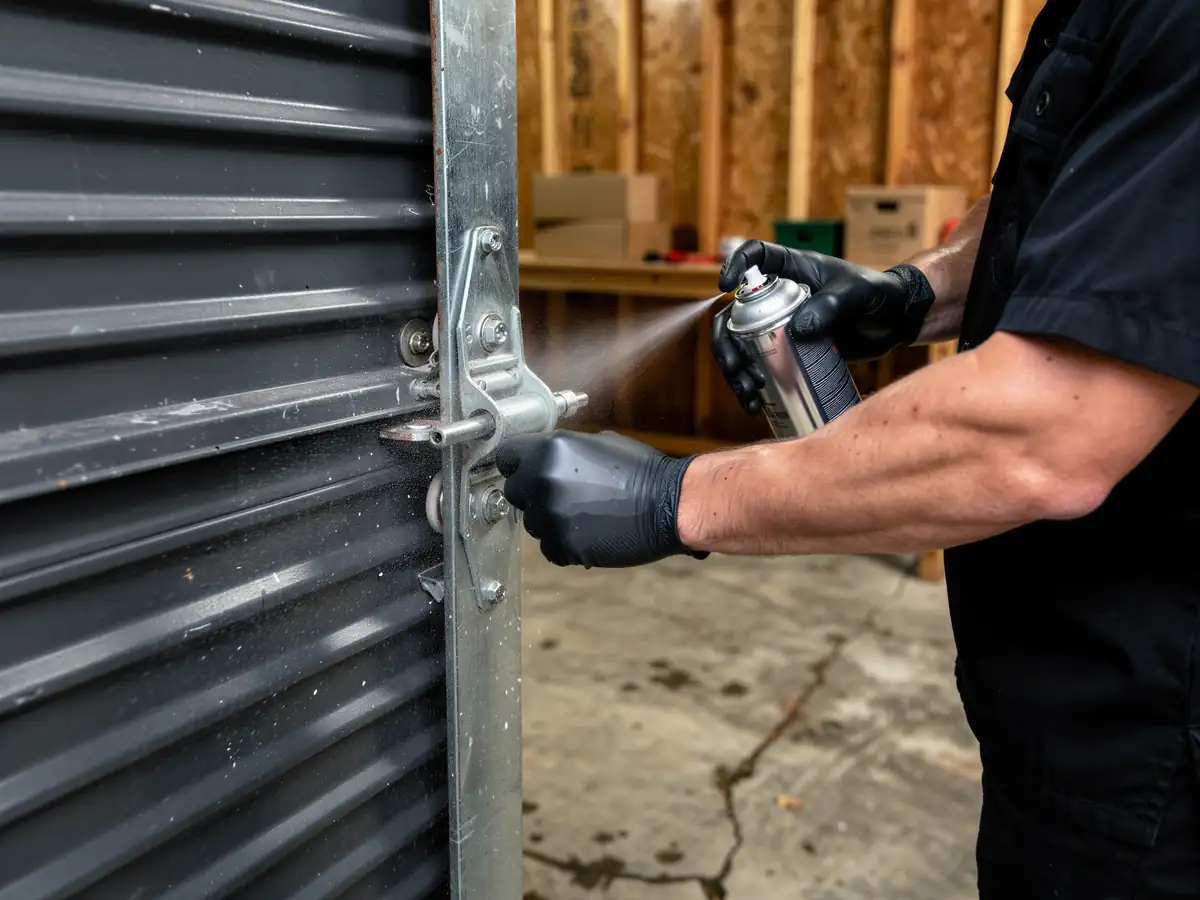
The complication we see most on doors from this build era isn't the spring itself - it's everything the spring has been quietly compensating for. A worn spring lets a door ride unevenly for months, and that uneven load puts extra wear on rollers, hinges, and the track alignment. By the time the spring actually breaks, we sometimes find a drum that's chewed through a cable, or a track that's bent from the door dropping crooked. On a property with higher household income like this one ($175,307 median, against $93,882 across the wider service area), we also see more doors that were upgraded with heavier insulated panels at some point - which means the original spring size no longer matches the door weight it's lifting. That mismatch is worth checking even on a straightforward-looking repair.