Stocked Parts
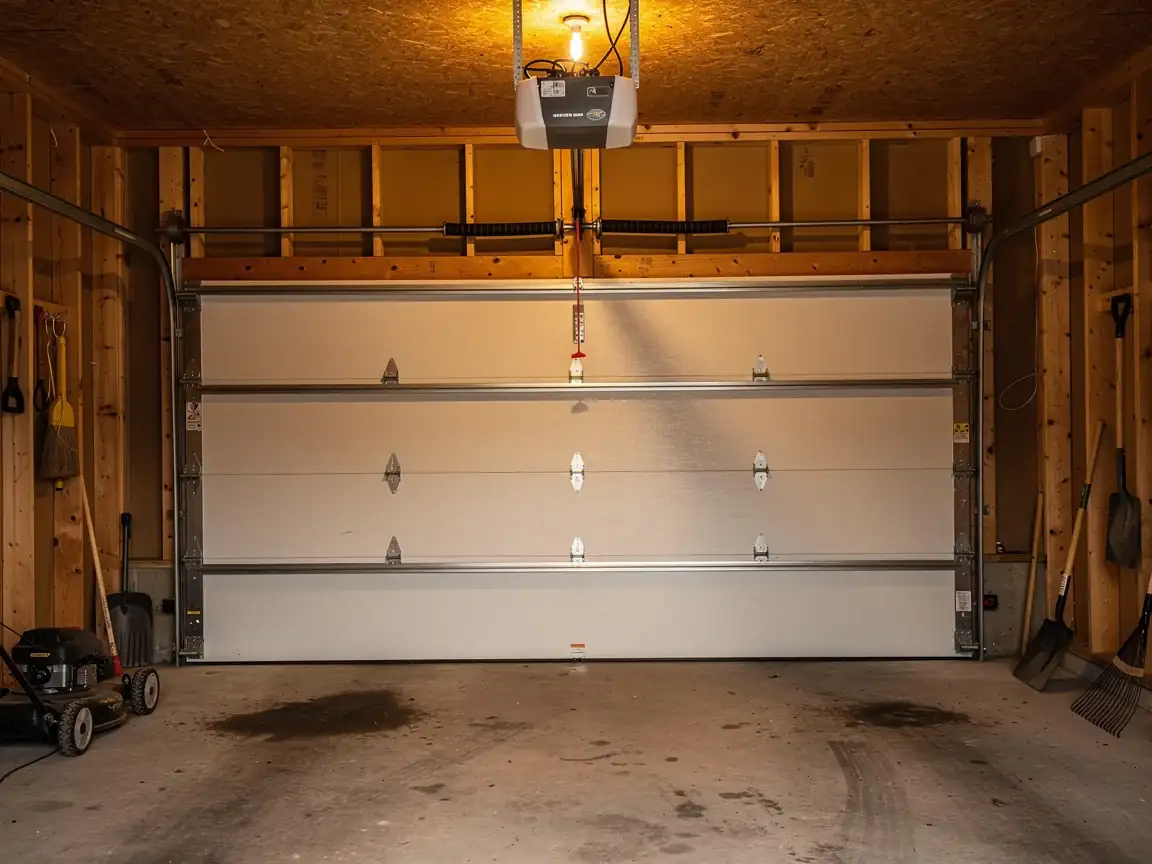
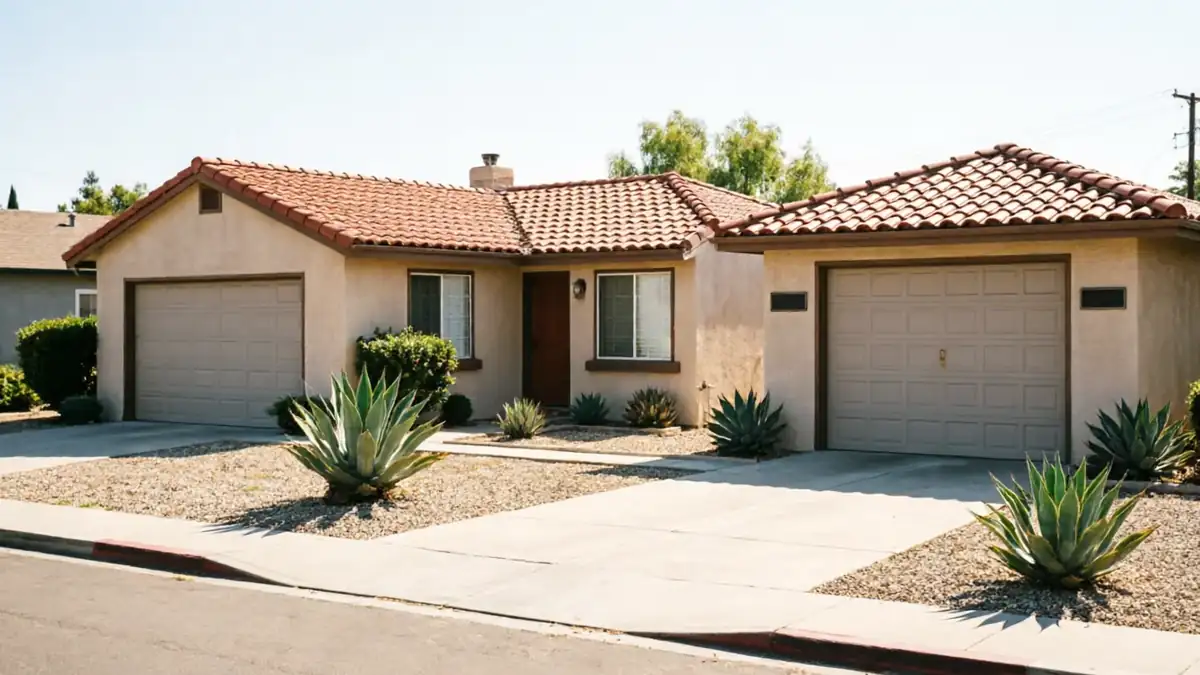
Most of the broader service area this company covers has a median build year of 1961, but Rancho Palos Verdes sits newer than that - the typical home here went up around 1967. That six-year gap matters more than it sounds. Doors and openers from the late '60s came with different bracket spacing and track widths than the early '60s stock common closer to Inglewood, and torsion springs sized for those slightly taller panel openings aren't always the ones a standard truck stock carries for older neighborhoods.
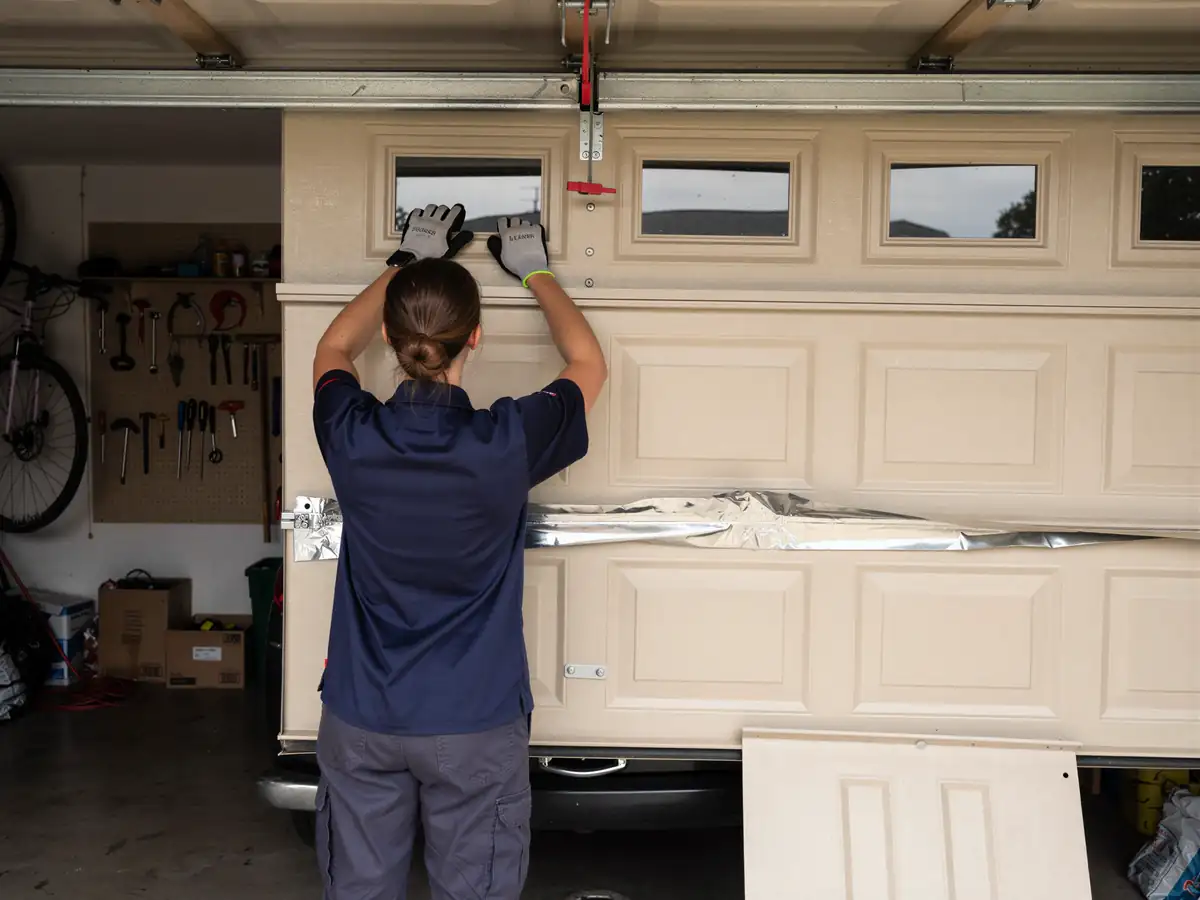
The mild temperate climate across this whole area means we're not building for snow load or deep freeze cycles - no insulated-core requirements driven by cold, no track heaters, none of that. What the era does drive is panel size and hinge pattern. A new install here usually means matching a slightly larger rough opening than you'd find on a 1950s or early-60s tract house, and confirming headroom before the opener goes in, not after.
We don't keep a local supply point in Rancho Palos Verdes - everything comes out on the truck from Inglewood, so we confirm panel width and track length by phone or photo before the day of the job, not by guessing from the house's age alone.
How It Shows Up
The call usually isn't about a door that's failed outright
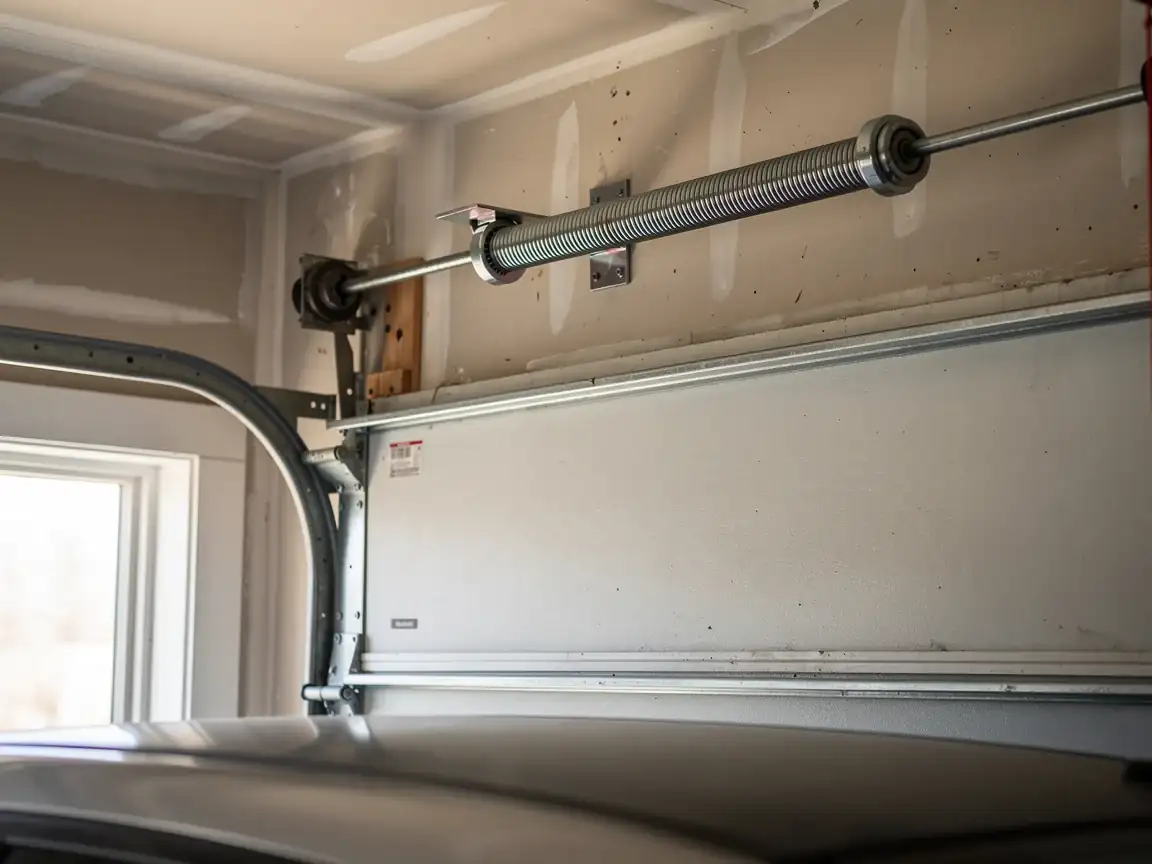
It's a door that's starting to show its age. On 1960s-stock housing like this, that means a torsion spring that's lost tension, rollers that have gone from steel to a worn nylon with play in them, or a panel bottom that's rusted or delaminated from decades in a mild coastal climate that still carries salt air and marine moisture even without hard weather extremes.
Because the median build year here runs newer than the area overall
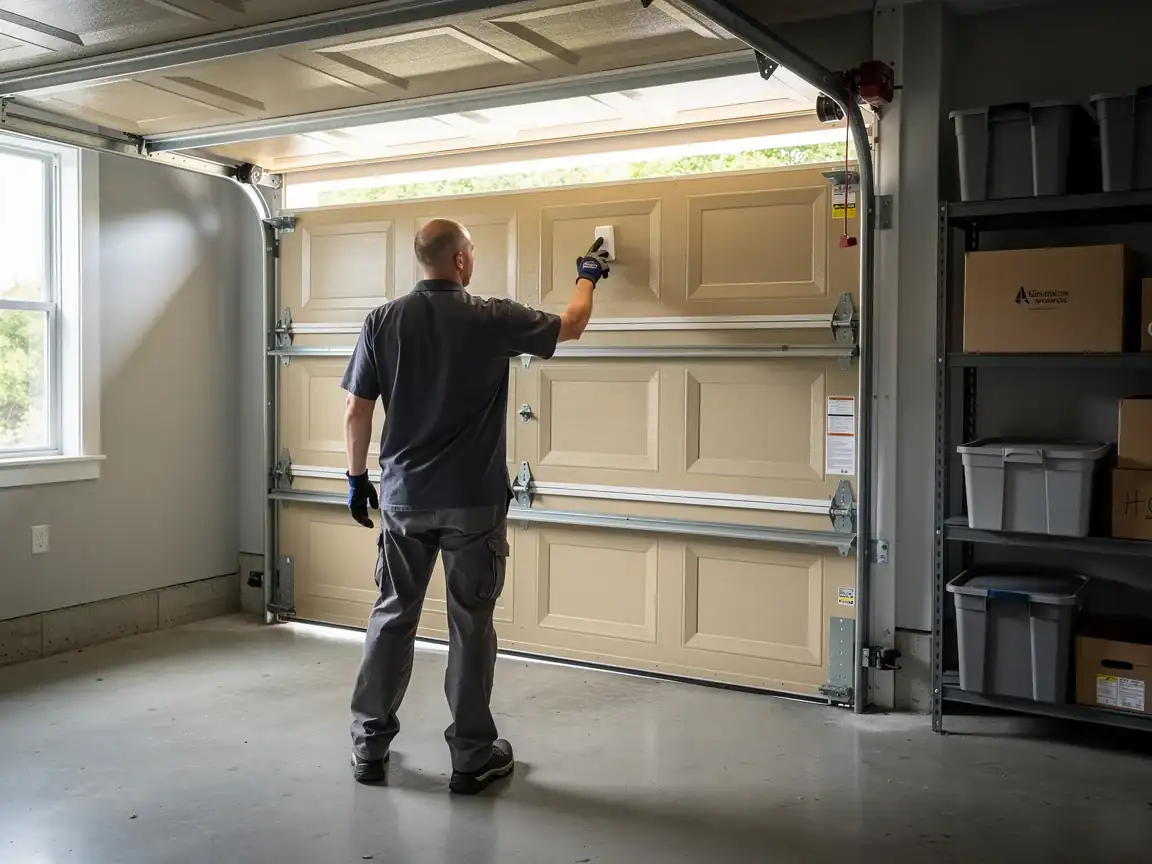
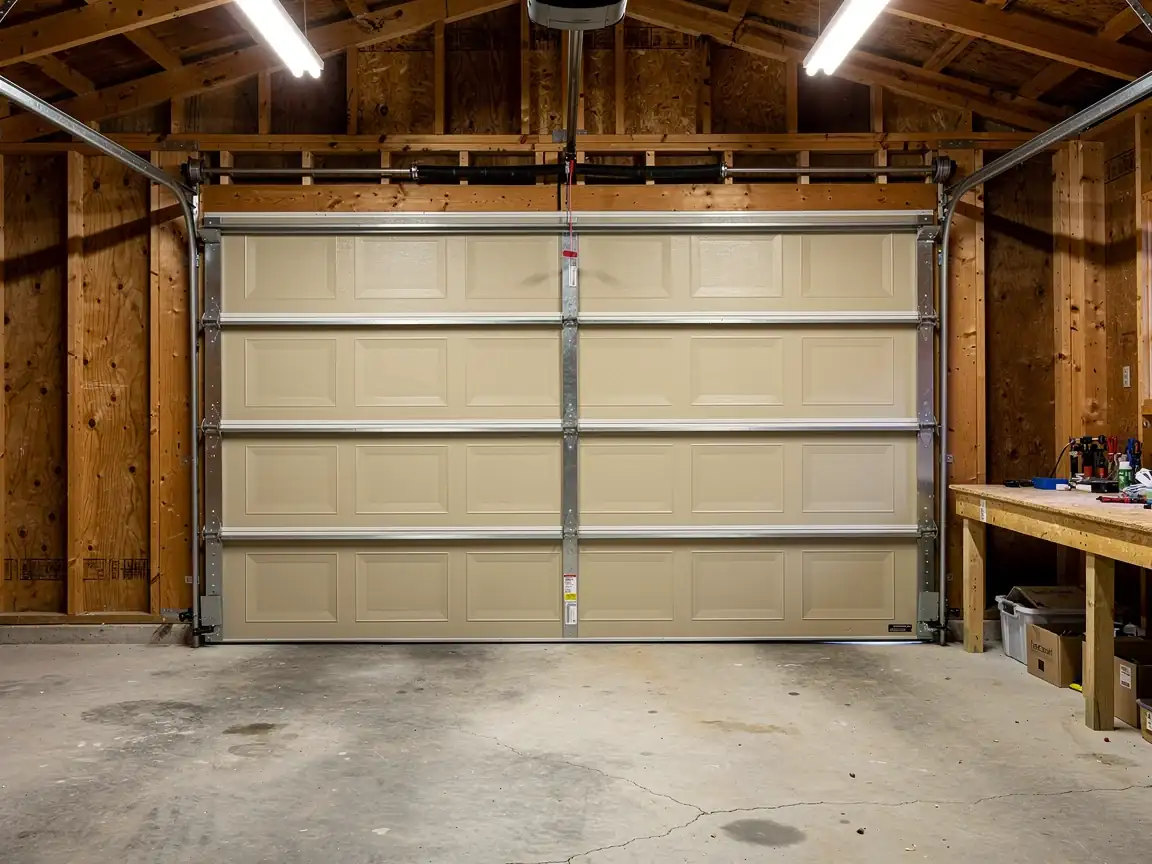
We see fewer of the single-piece swing-up doors that are common in truly older tracts, and more sectional doors already on torsion hardware - just hardware that's now 50-plus years old and due for replacement rather than another patch repair.
The drive matters too
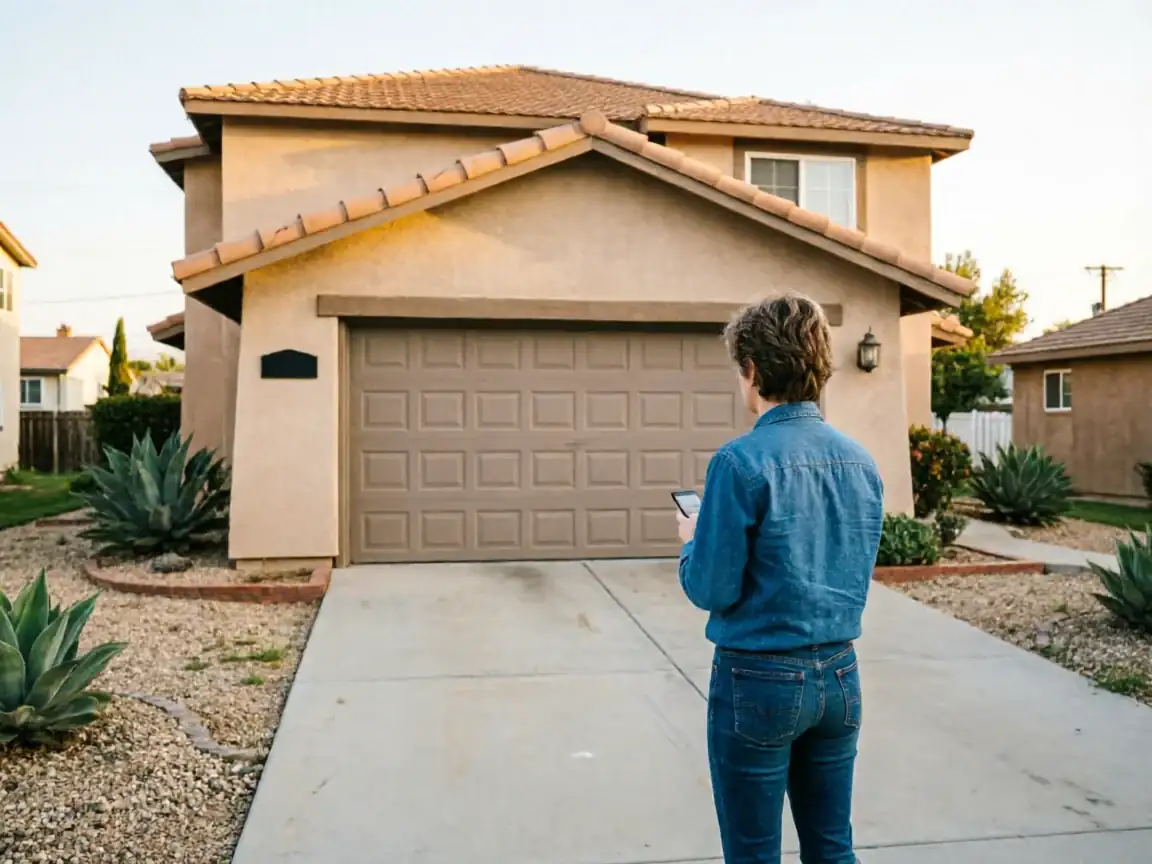
At roughly 15 miles from our Inglewood base, we're not doing same-day walk-bys to eyeball a job before quoting it. We work from your description, your photos, and the door's measurements, and that's usually enough to show up with the right door the first time instead of the second.
- 15 miles
The DIY Question
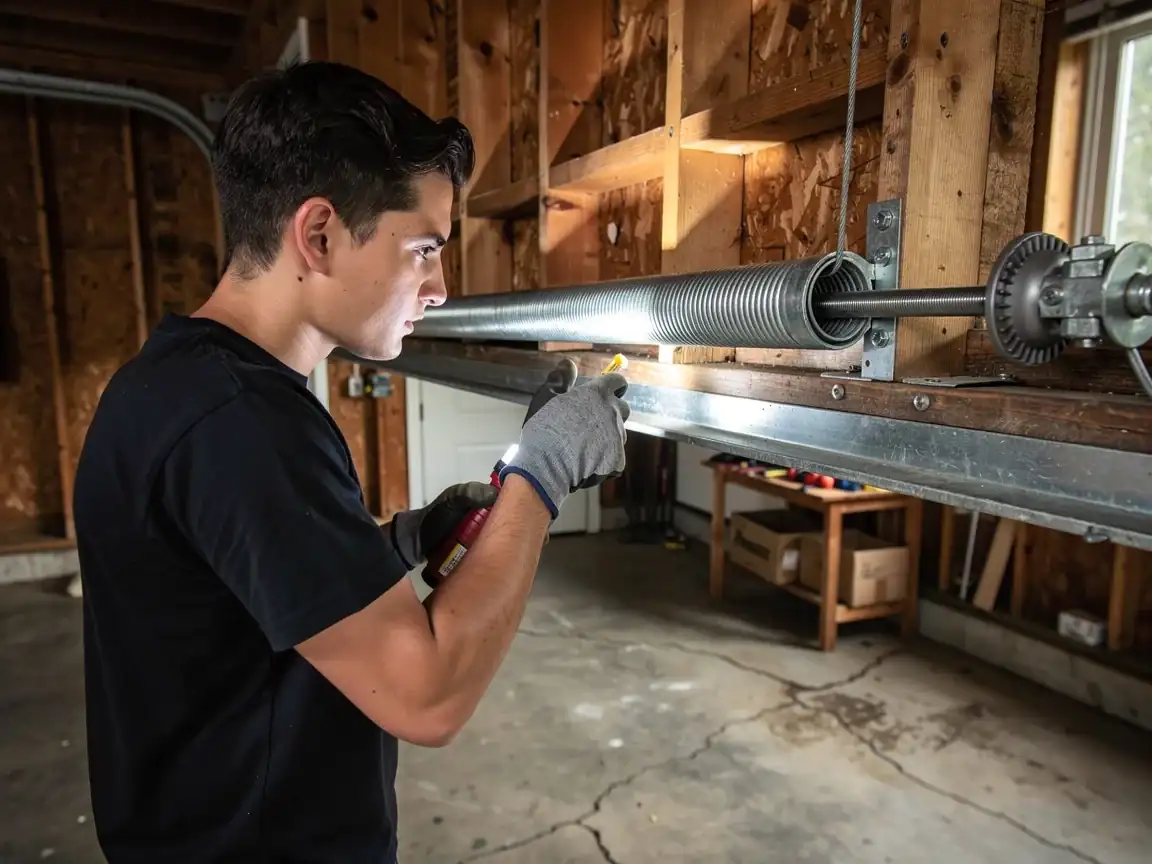
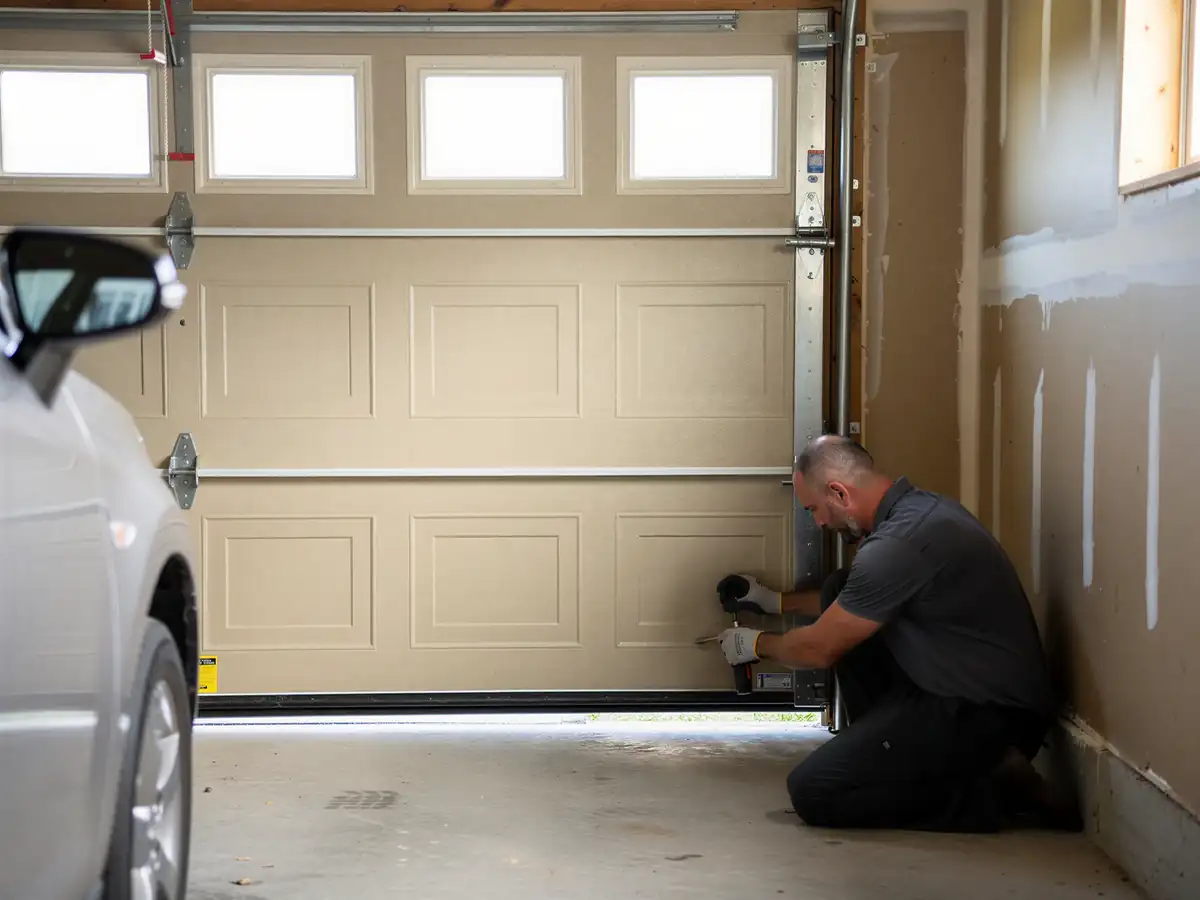
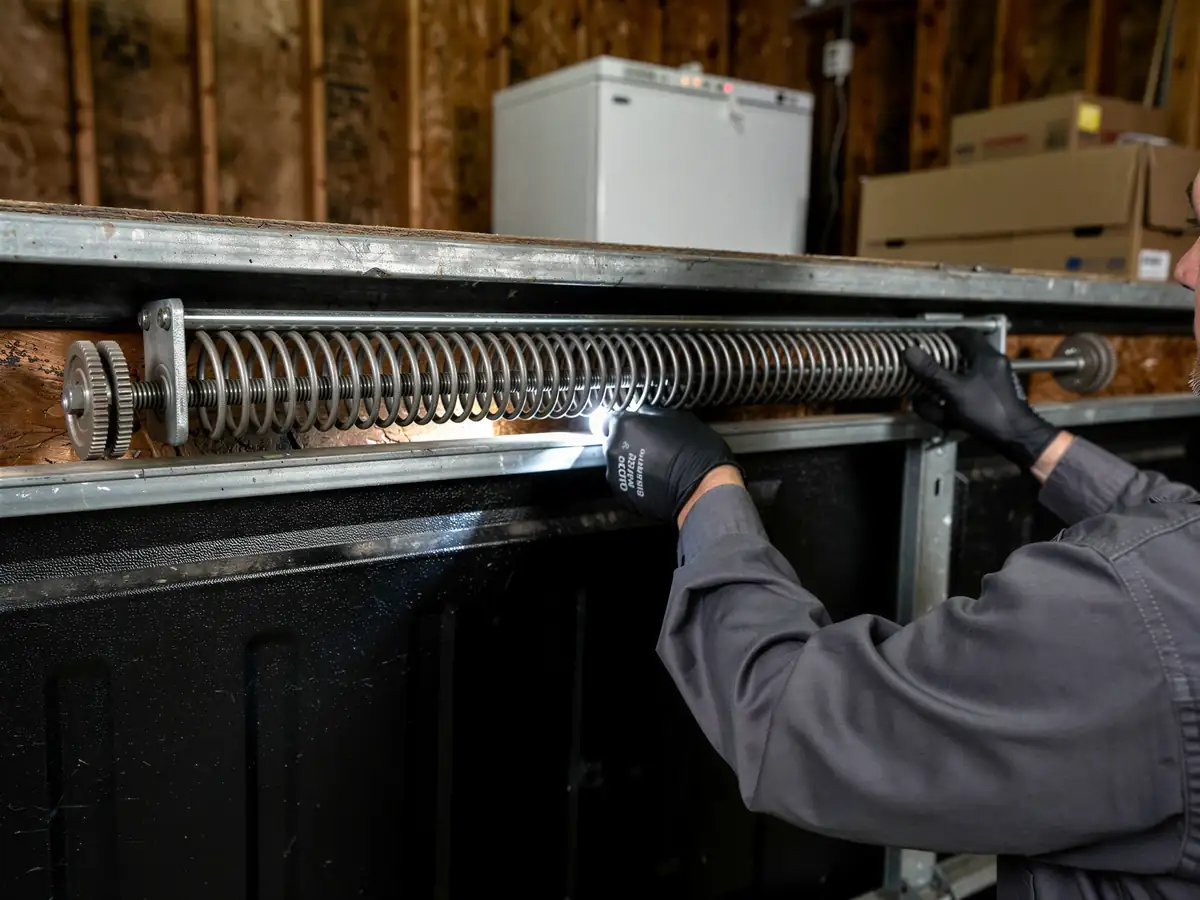
Swapping panels or an opener yourself is possible on paper, and some homeowners do it. Where it goes wrong most often is the spring. A torsion spring under tension is not a part to learn on, and getting the winding bars wrong on a door this size can put you in the hospital, not just back at the hardware store.
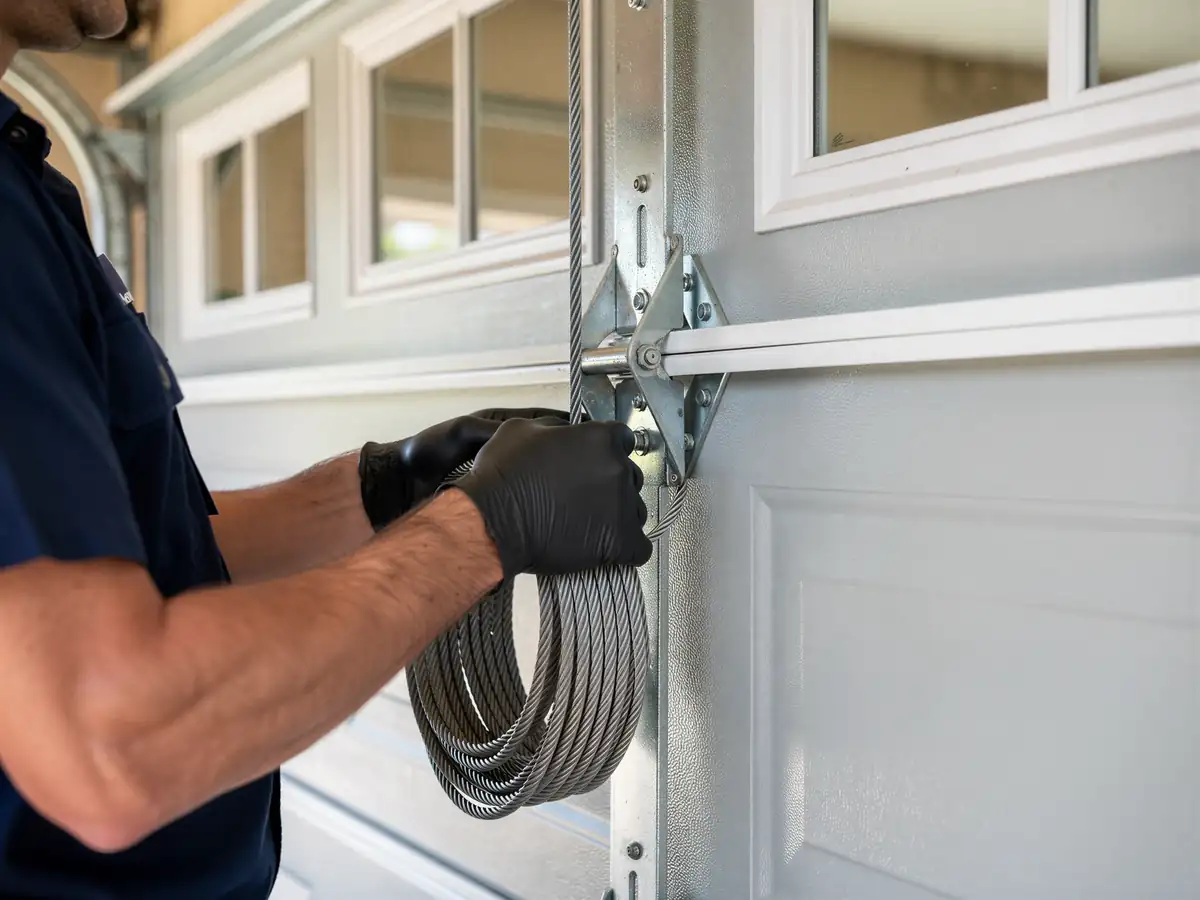
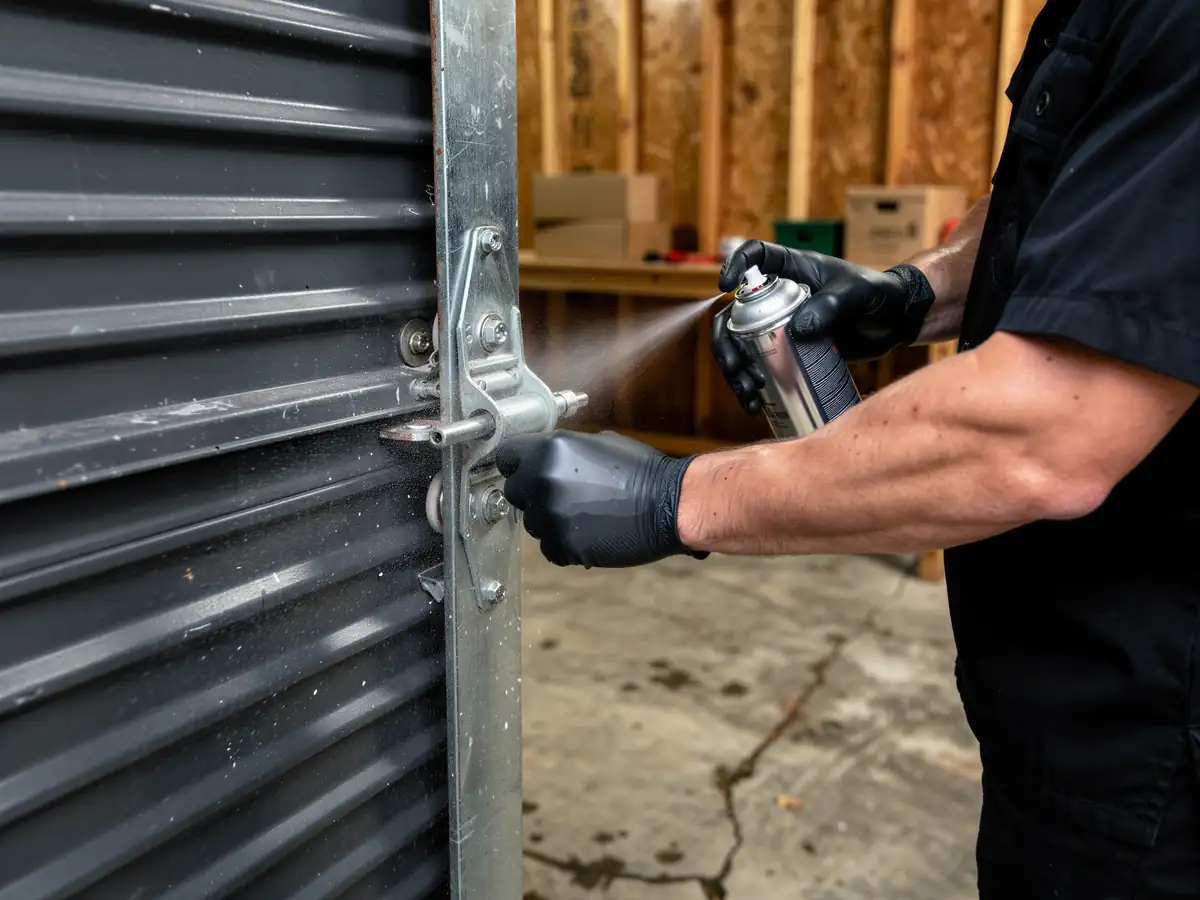
Where DIY makes sense: swapping a remote, replacing a weatherstrip, oiling hinges and rollers. Where it doesn't: anything involving the spring, the cables, or removing an old door section without knowing exactly how the counterbalance is set. We'll say plainly that a full new-door install is not a good first DIY project, and we won't talk anyone into thinking otherwise just to avoid saying no to a weekend project.
Where This Job Goes Sideways
The most common surprise on a job like this is headroom. Houses built around the late 1960s sometimes have less clearance above the opening than the newer door and opener combination needs, especially if a low-profile track wasn't specified. We check this before ordering, not after the truck is parked in the driveway.
The other place it goes sideways is lead time on specific panel finishes or window-insert styles - not every door we'd spec for a $175,307-median household budget is sitting on a shelf ready to go same week. We'll tell you up front if a style choice means a wait, rather than letting you find out on install day.
We also won't push a full replacement on a door that only needs a spring or a section repaired. If the frame and track are sound and the damage is limited to one panel or a snapped spring, repair is the honest call even on a newer-stock house like this one.
What It Costs
We don't have a fixed number to post here
And giving one without seeing the door would be a guess, not a quote. What drives the number on a job in Rancho Palos Verdes is mostly panel style, insulation choice, and whether the opener is being replaced alongside the door or kept.
What we can say: the household income here runs well above the broader area's median of $93,882
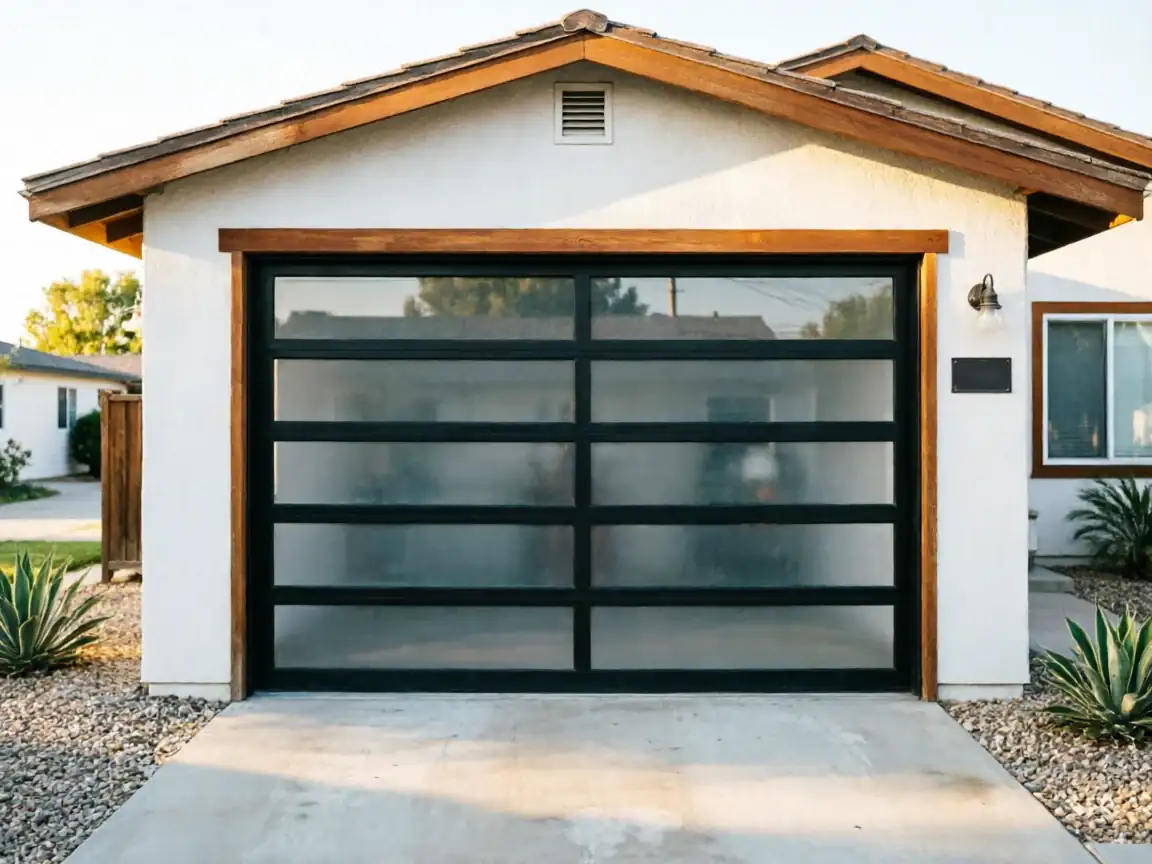
And that shows up in the kind of door people ask for - insulated steel and wood-composite styles come up more often here than the builder-grade steel that's standard elsewhere in the coverage area. That's a preference, not a requirement; a basic door works fine on this housing stock too.
For an actual number, we'll need the opening measured and the style picked
Which we do on the visit, not over the phone.