Stocked Parts
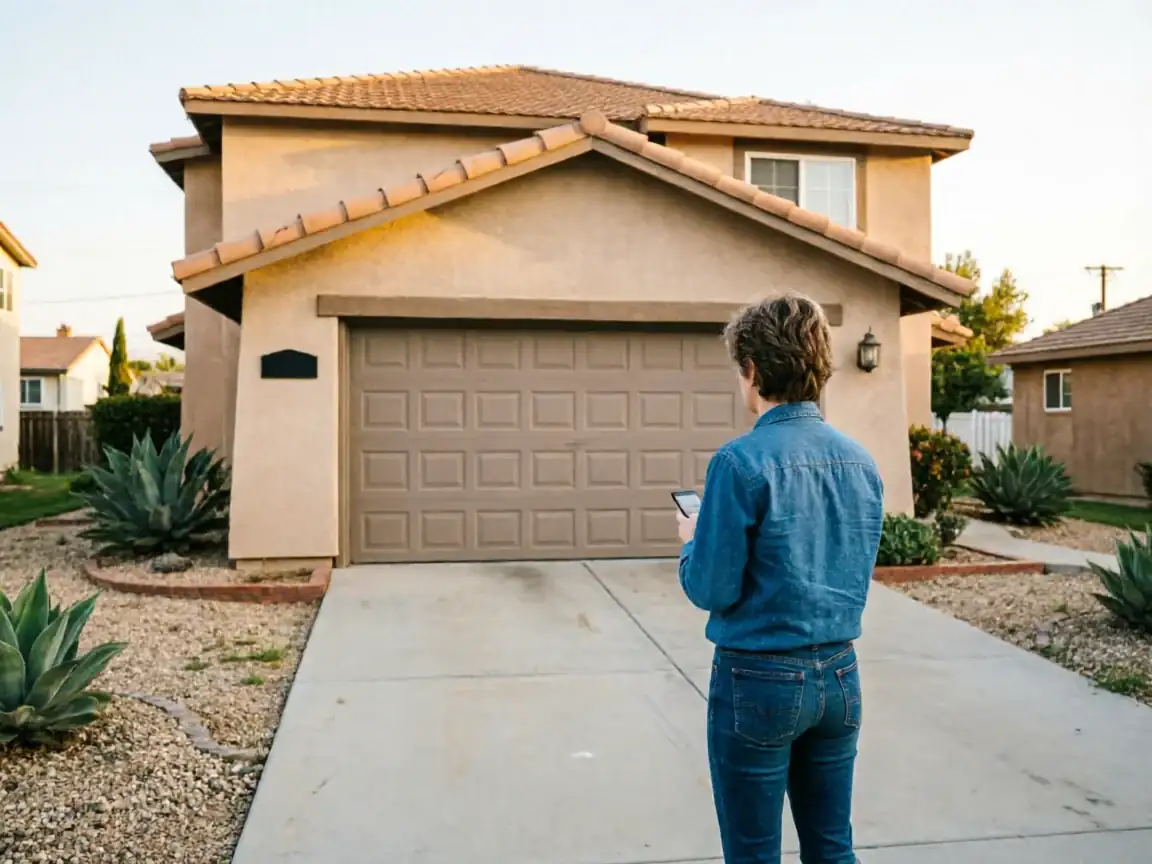
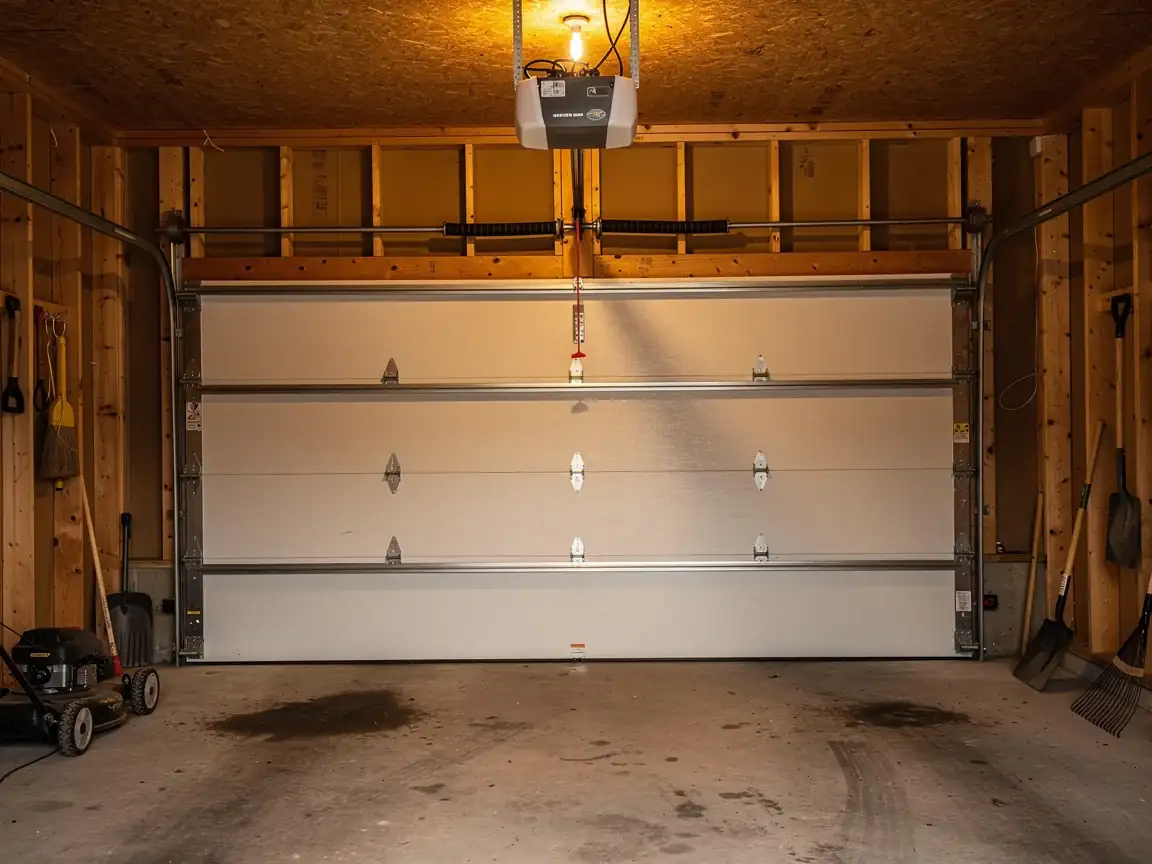
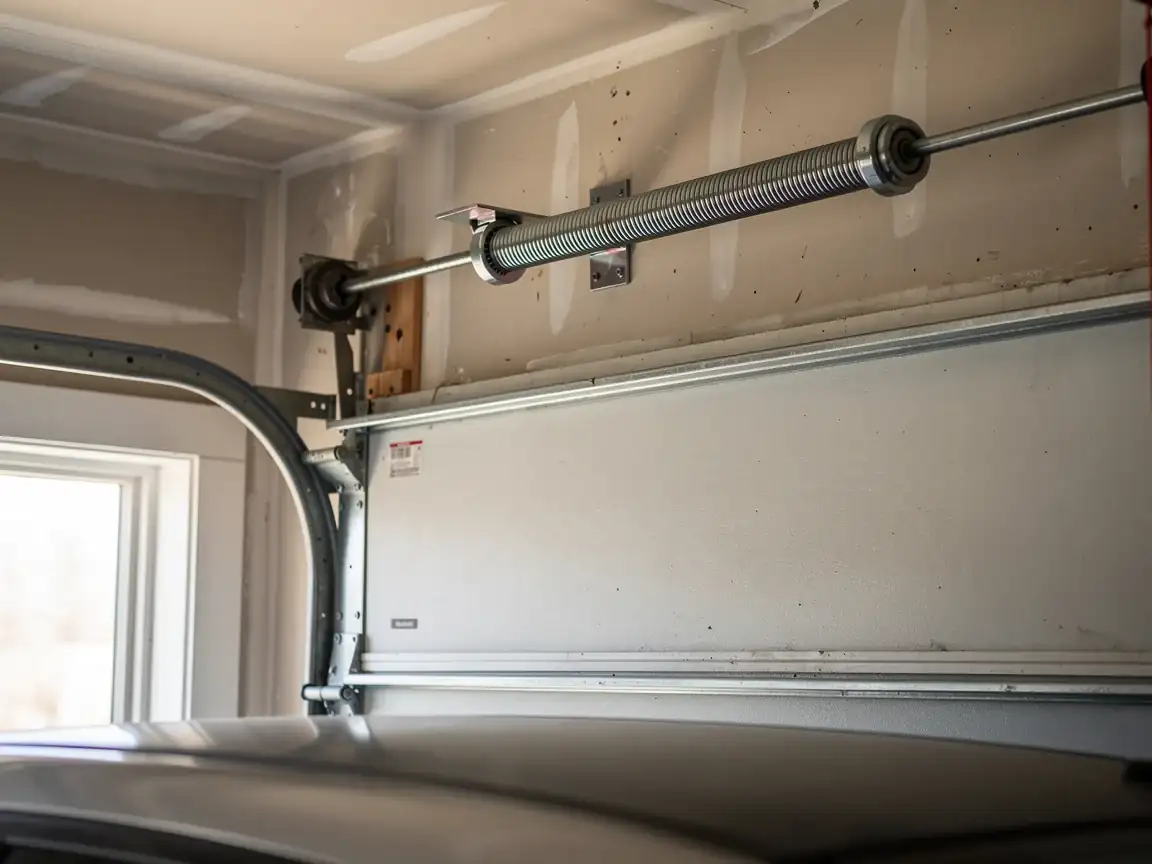
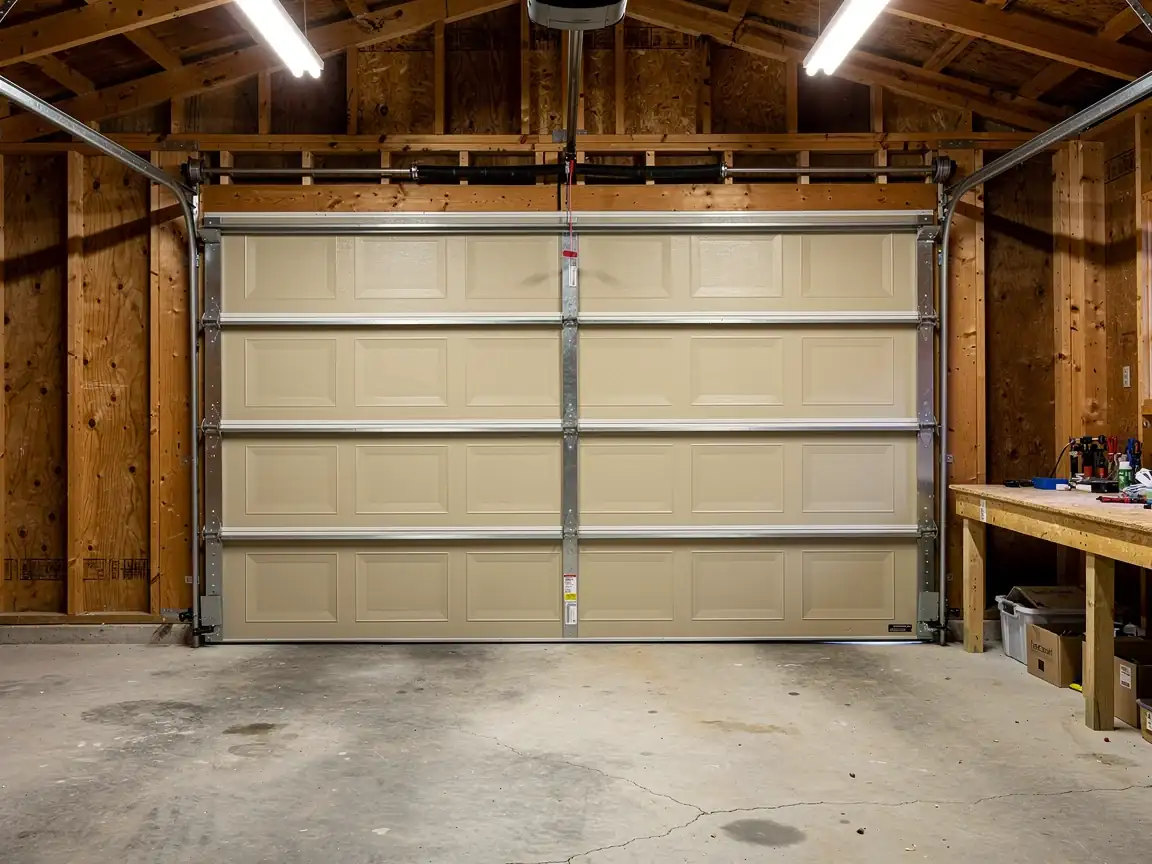
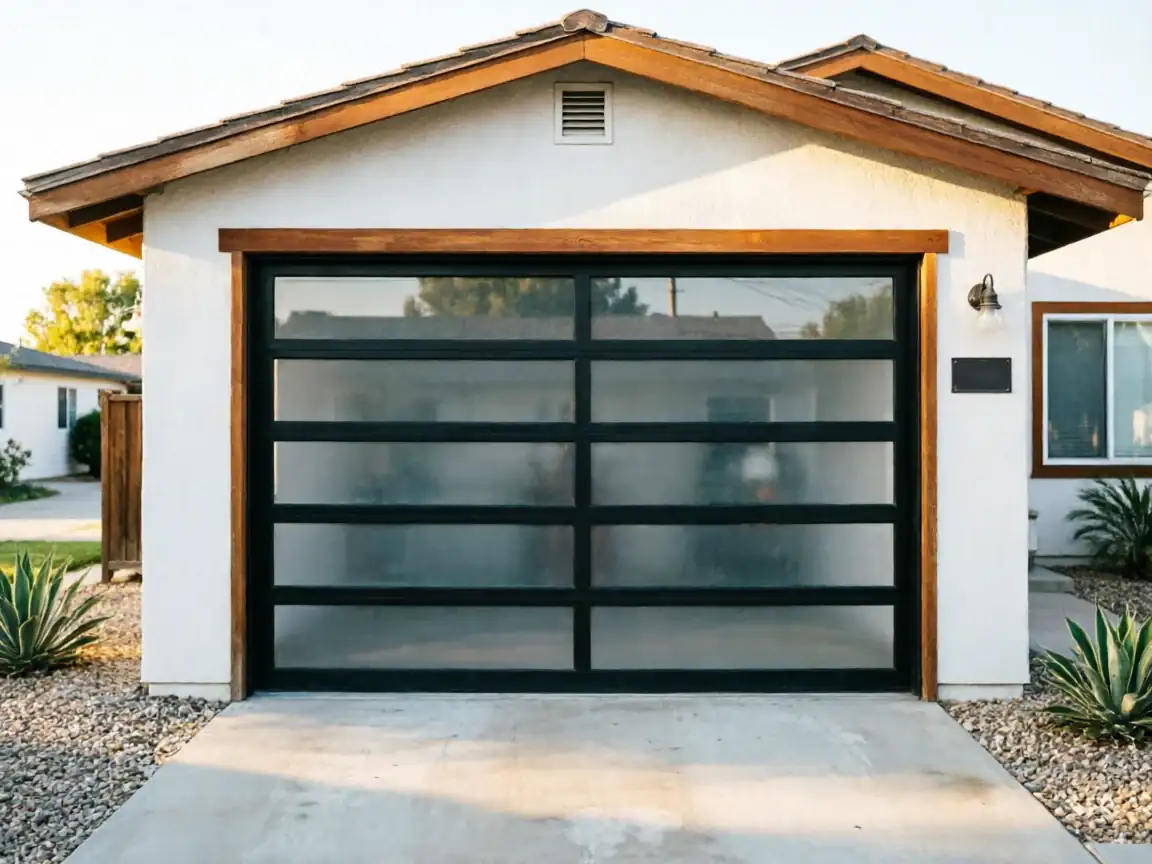
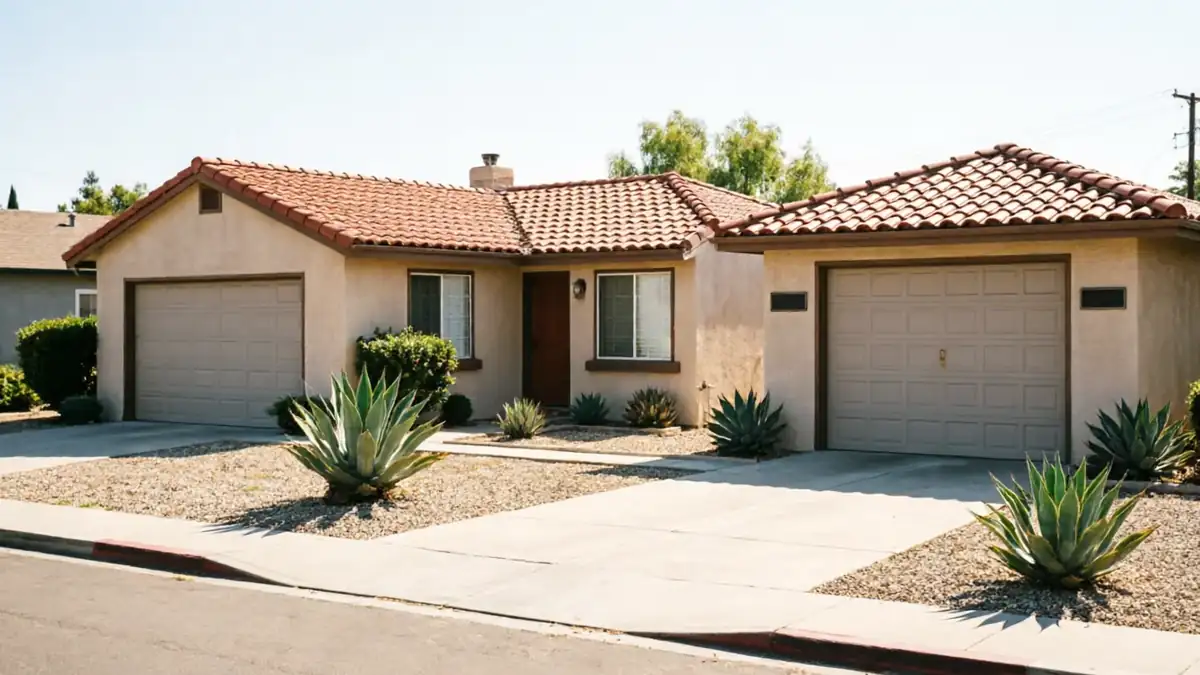
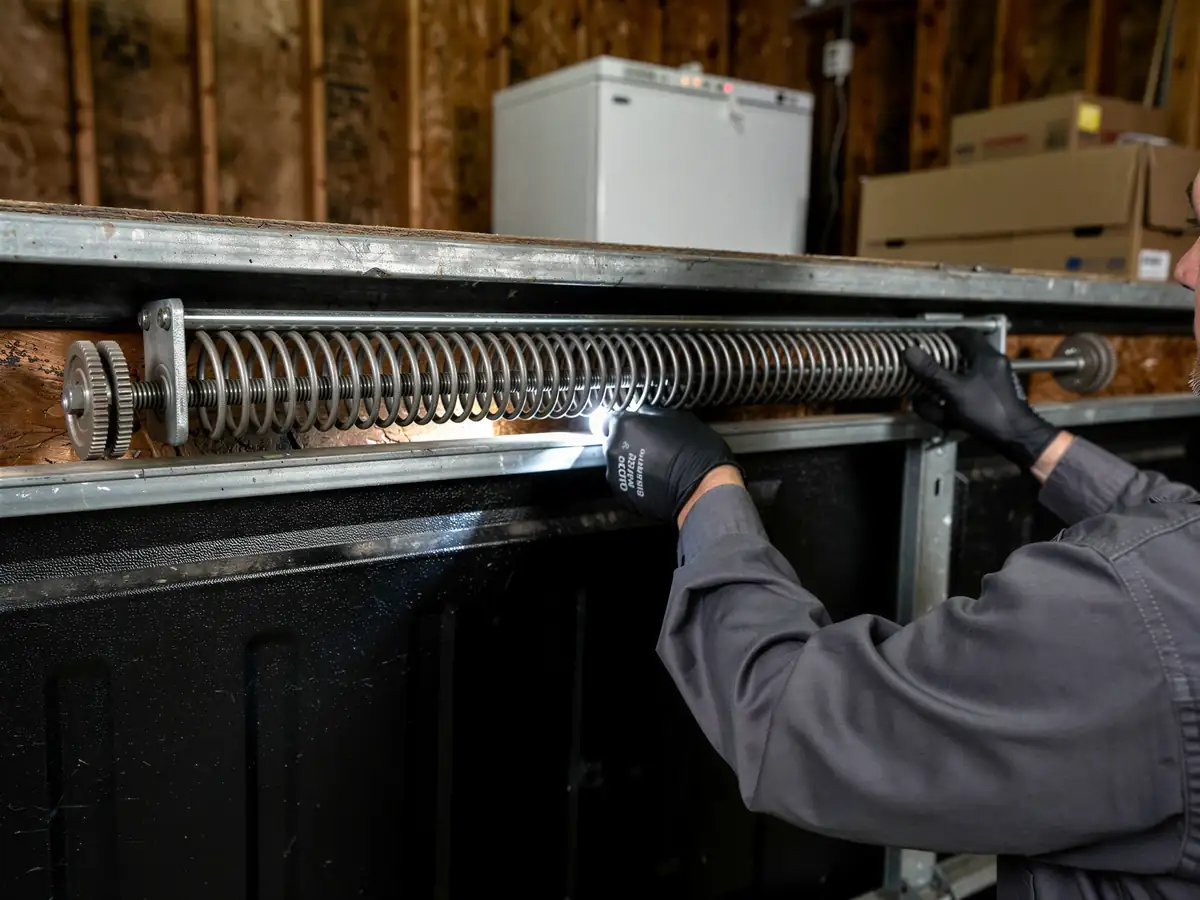
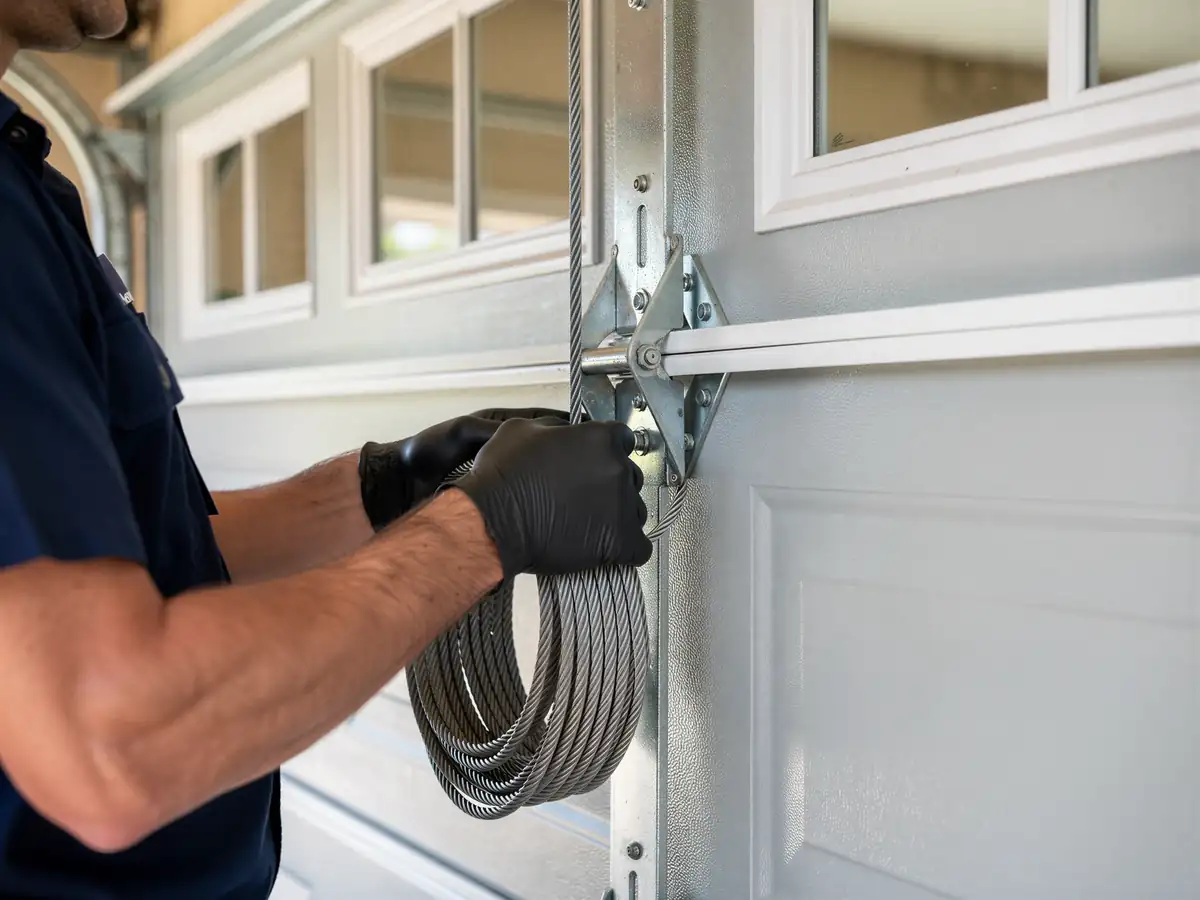
Rancho Palos Verdes is a small place as these things go - about 15,279 households, not a sprawling grid of tract housing. That matters because it means the garage doors here aren't one uniform build; they're spread across a town where the median home went up around 1967, a few years later than the 1961 median across the wider service area. A door from that era usually means a torsion spring system, steel rollers instead of the newer nylon kind, and an opener that's been swapped out once or twice already by a previous owner. We carry standard torsion springs, roller sets, and cable in sizes that cover most of that mid-1960s build-out. What we don't stock is anything custom-cut or a legacy opener part that's been out of production for years - those we order in, and that means a second trip if your door turns out to need one. We'll tell you up front if that's the case rather than make you wait on-site.
The DIY Question
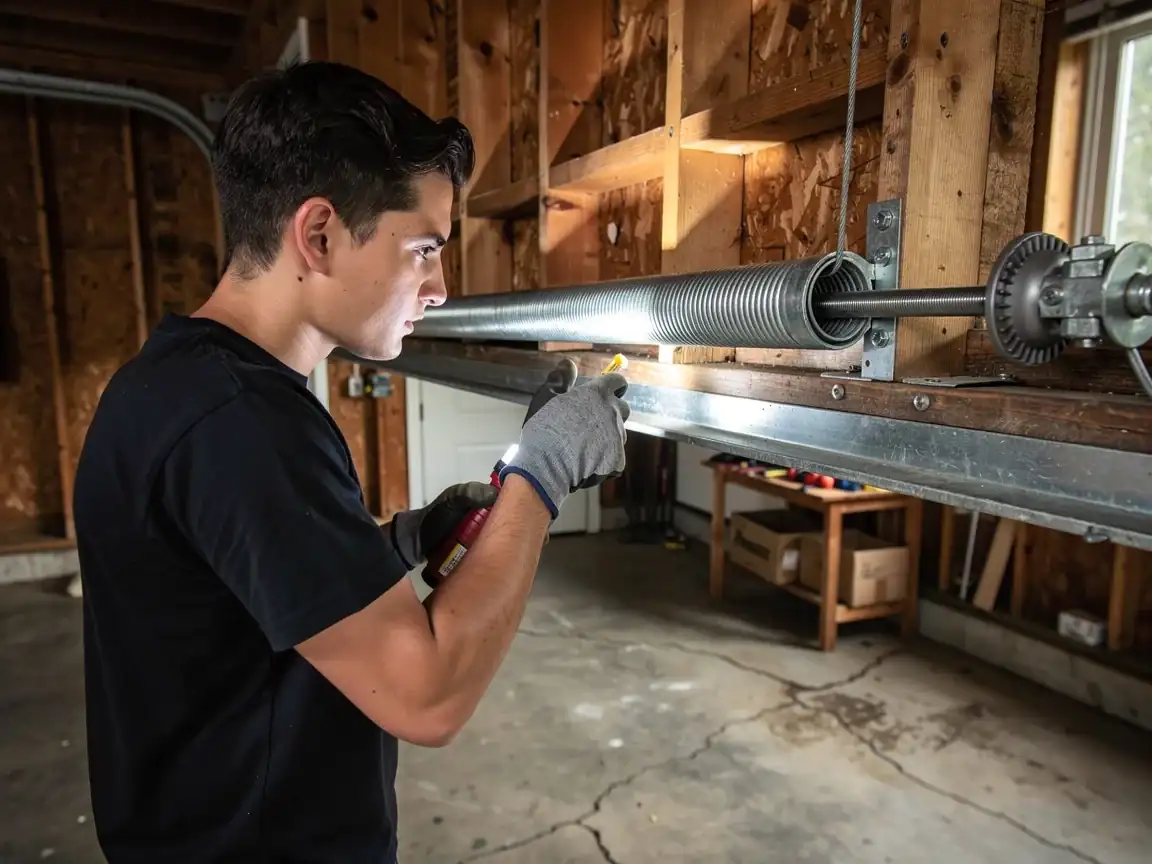
A torsion spring under tension can put you in the hospital, full stop - that's true everywhere, not just here. What's specific to a house of this vintage is that the spring sizing on a 1960s door often doesn't match what's printed on newer universal replacement kits sold at hardware stores, so a well-meaning fix can leave the door out of balance even if it looks fine for a few weeks. Swapping a roller or tightening a loose track bracket is reasonable DIY work if you're careful and the door is down and unplugged. Replacing a spring, re-tensioning a cable, or touching anything on the opener's drive system is not something we'd talk a homeowner through over the phone. If you're not sure which category your repair falls into, that uncertainty is itself the answer.
Where This Job Goes Sideways
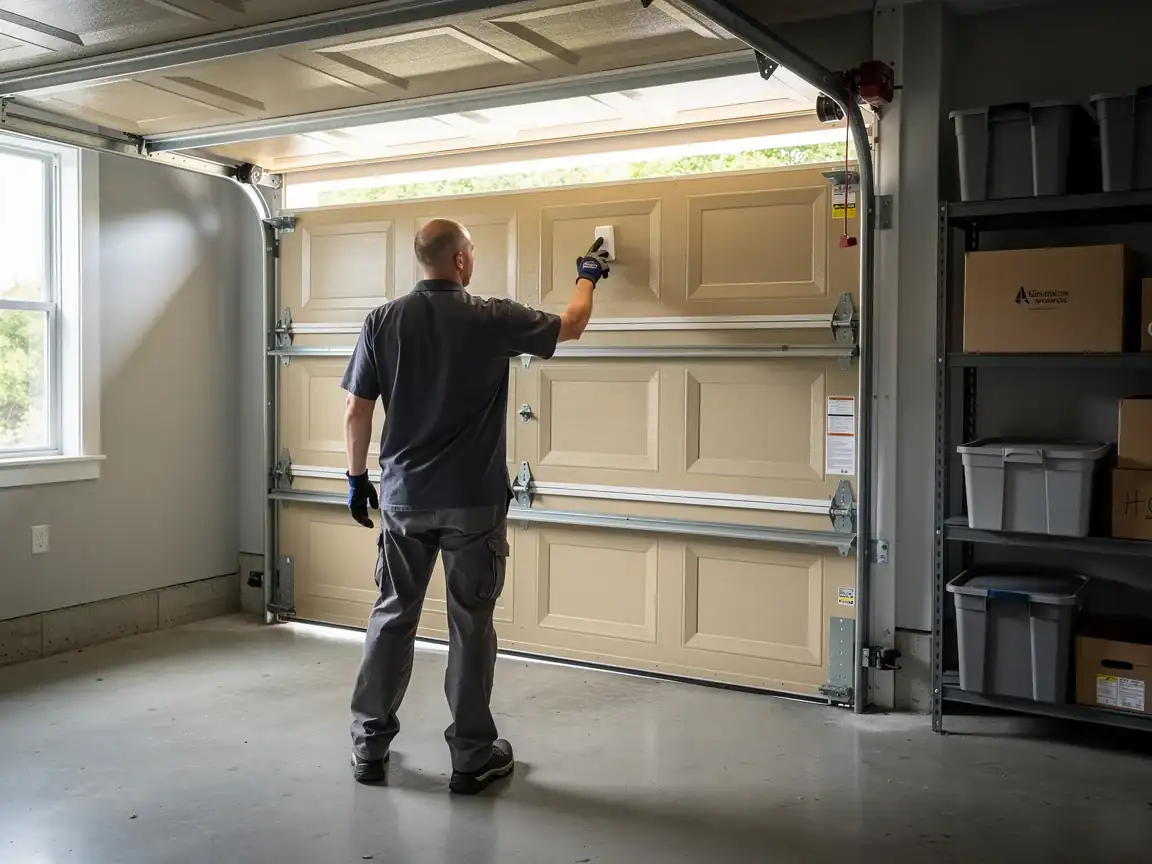
We run this call from Inglewood, about 15 miles out, so a job that turns out to need a part we didn't bring costs more than just labor - it costs a second trip across that distance. The honest version of this: if your door is original to a house built in the 1960s and the spring size or drum isn't something we stock on the truck, we'd rather tell you that at the door than guess and come back twice. The other way this goes sideways is a homeowner who's already had one failed DIY spring swap - once the winding cone or shaft is stripped from a mismatched part, what should've been a spring job turns into a shaft and bearing job, and that's a different estimate entirely.