Stocked Parts
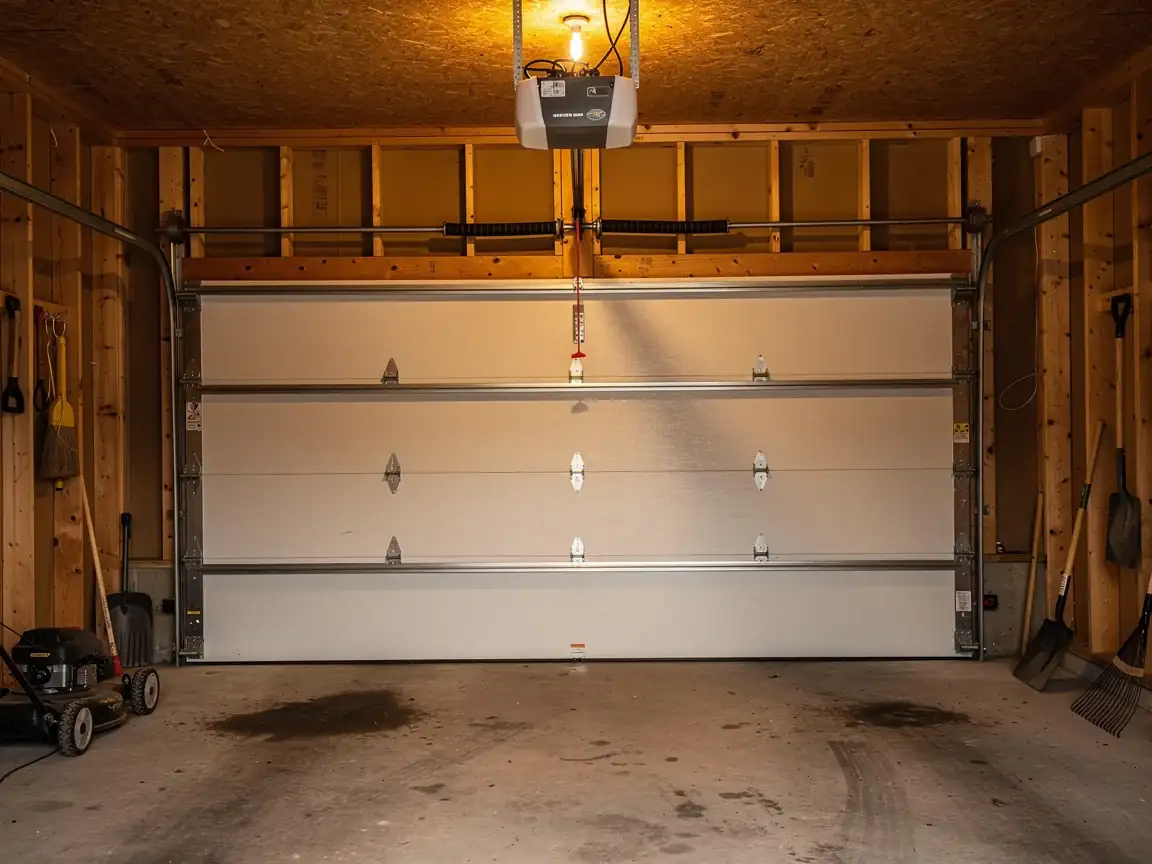
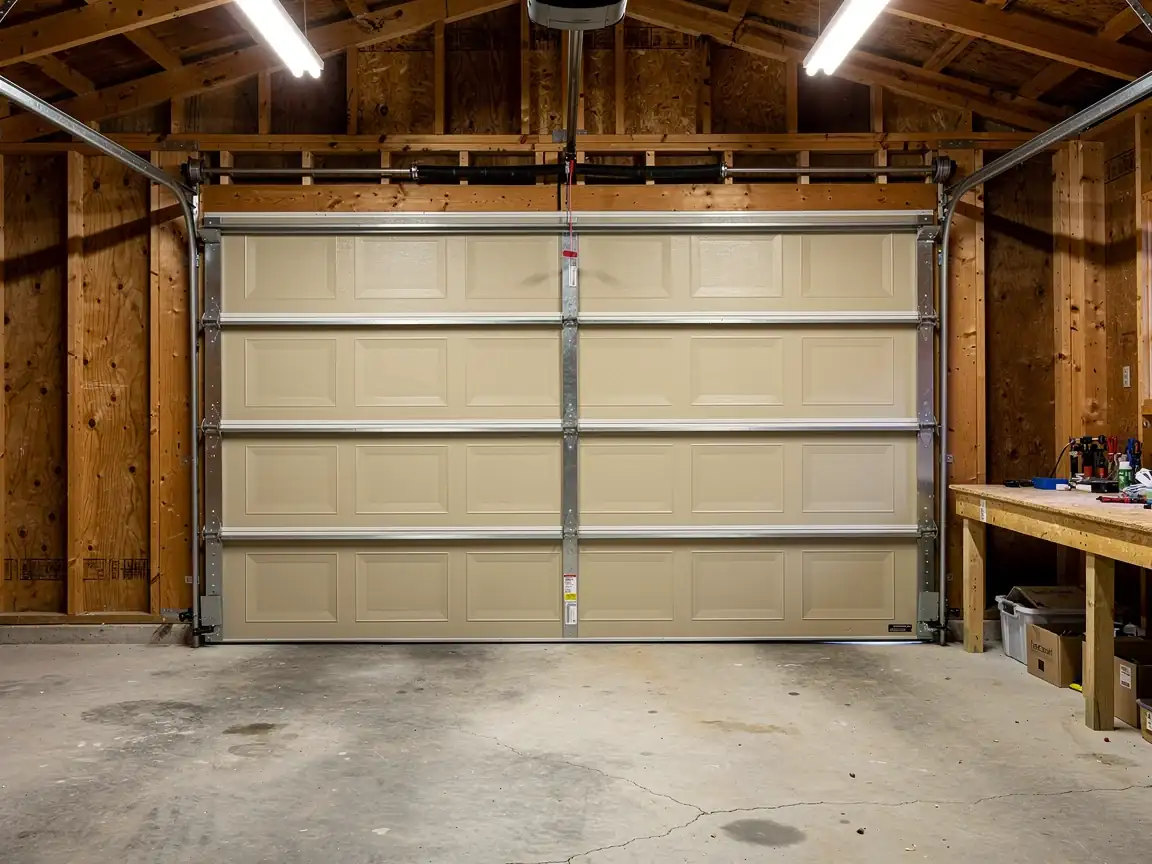
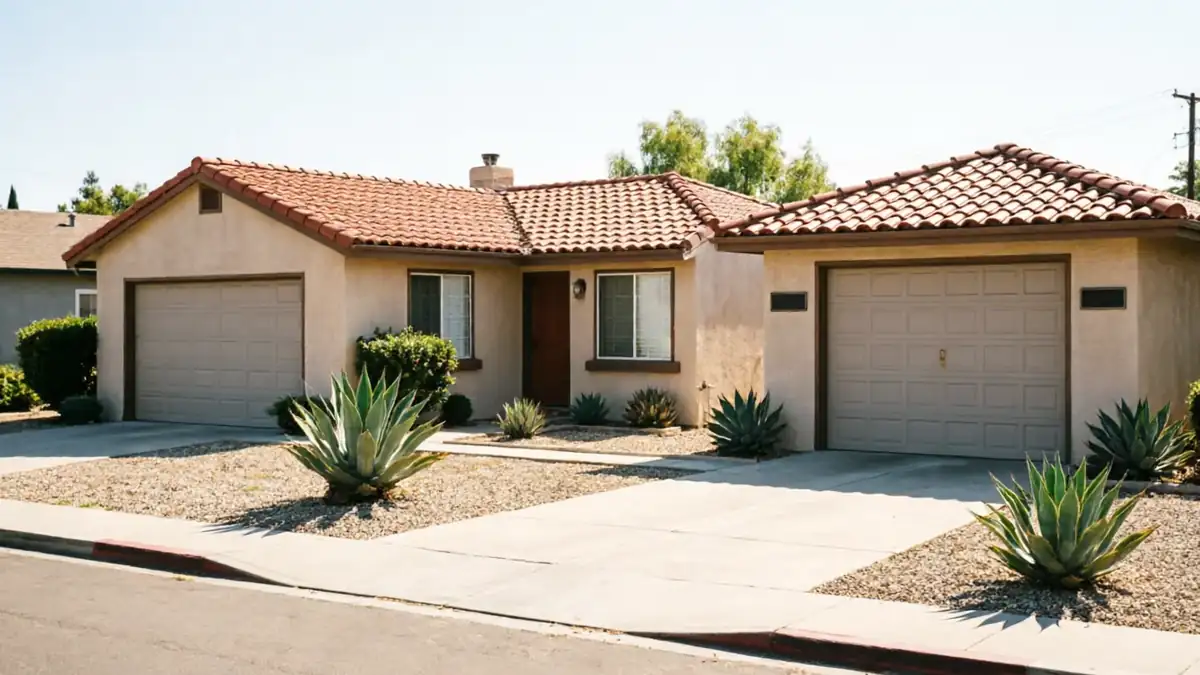
The median house in Rancho Palos Verdes went up in 1967, six years later than the 1961 median across the rest of this service area. That gap matters on a panel job. A door from 1967 is more likely to carry early steel sectional panels or a wood-look composite that was standard for that build wave, rather than the flat one-piece slab common on older stock nearby. Those panel profiles weren't made forever, and once a manufacturer drops a run, a single damaged section can't always be ordered to match the rest of the door. We carry a working range of standard steel panel sizes and profiles on the truck, but a section that has to match an original 1967-era door sometimes means a short lead time while we source the closest match or, more often, a conversation about whether replacing the full door makes more sense than chasing one old panel. We'll tell you straight which situation you're in before we quote anything.
The DIY Question
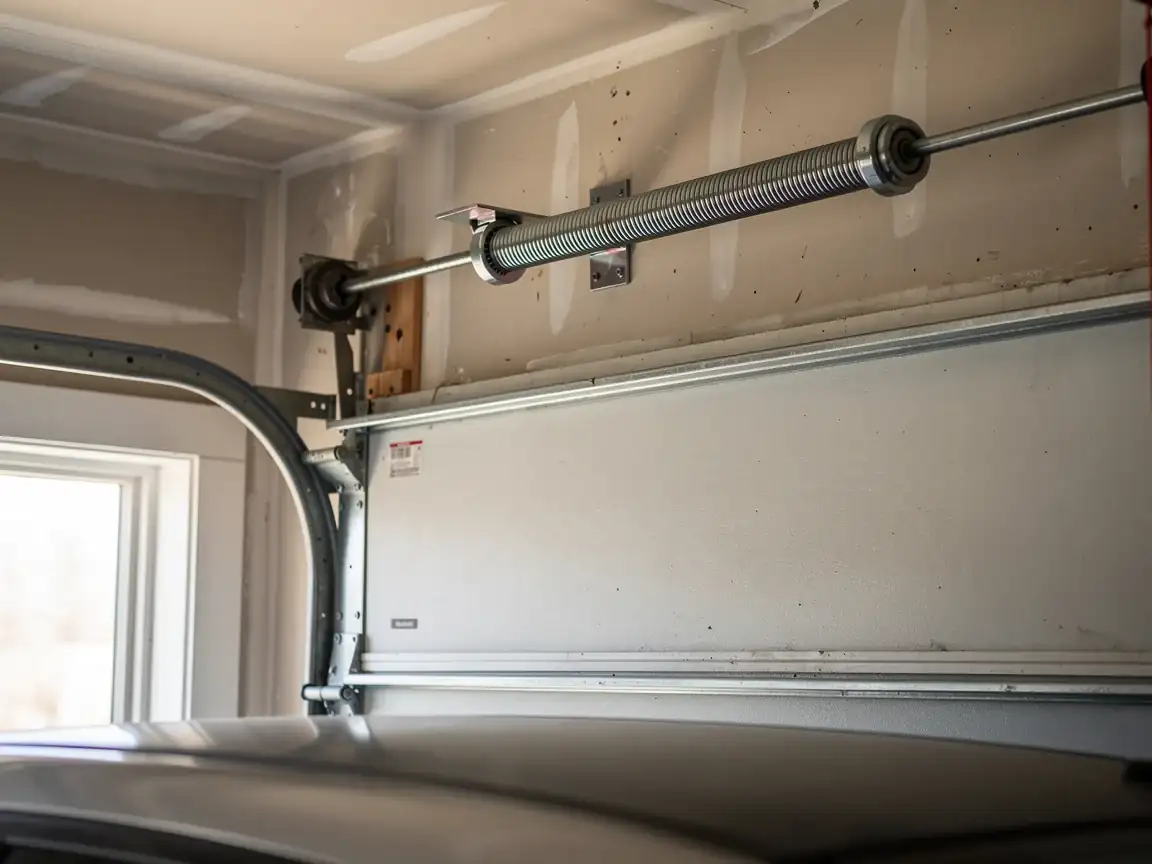
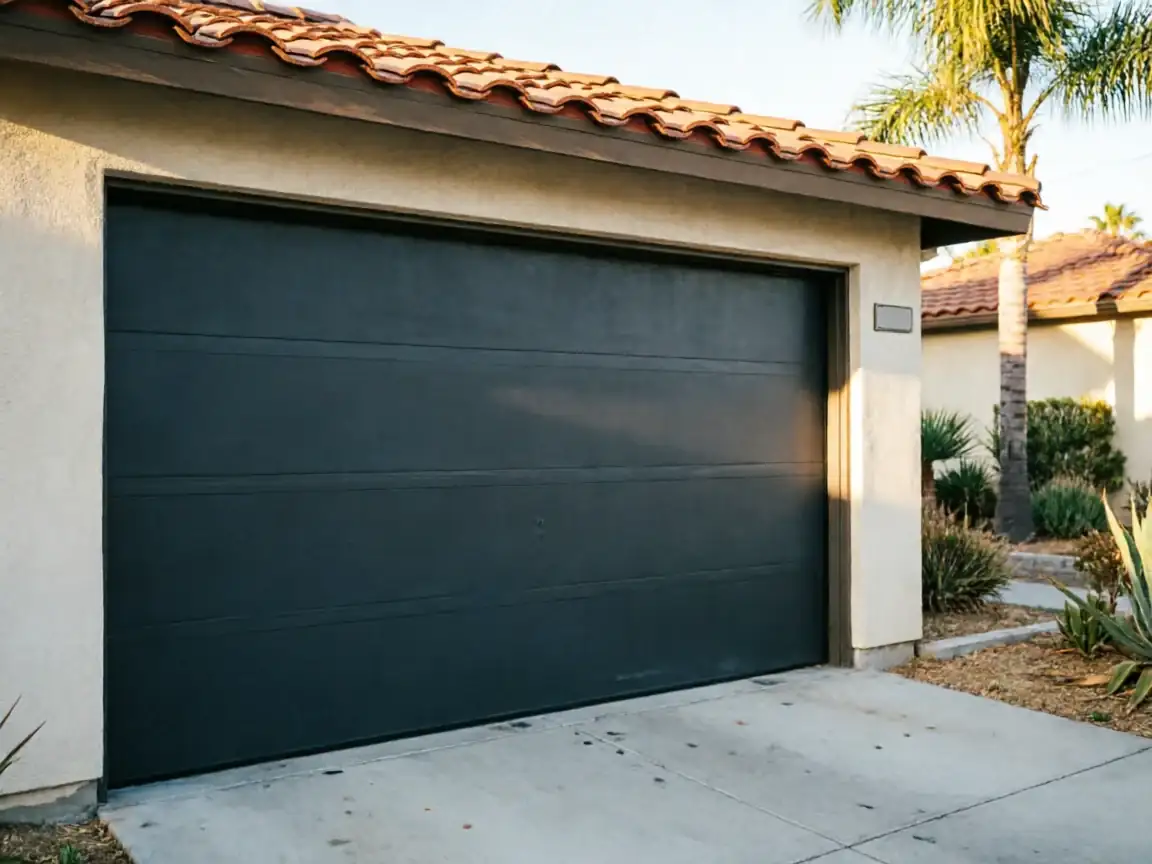
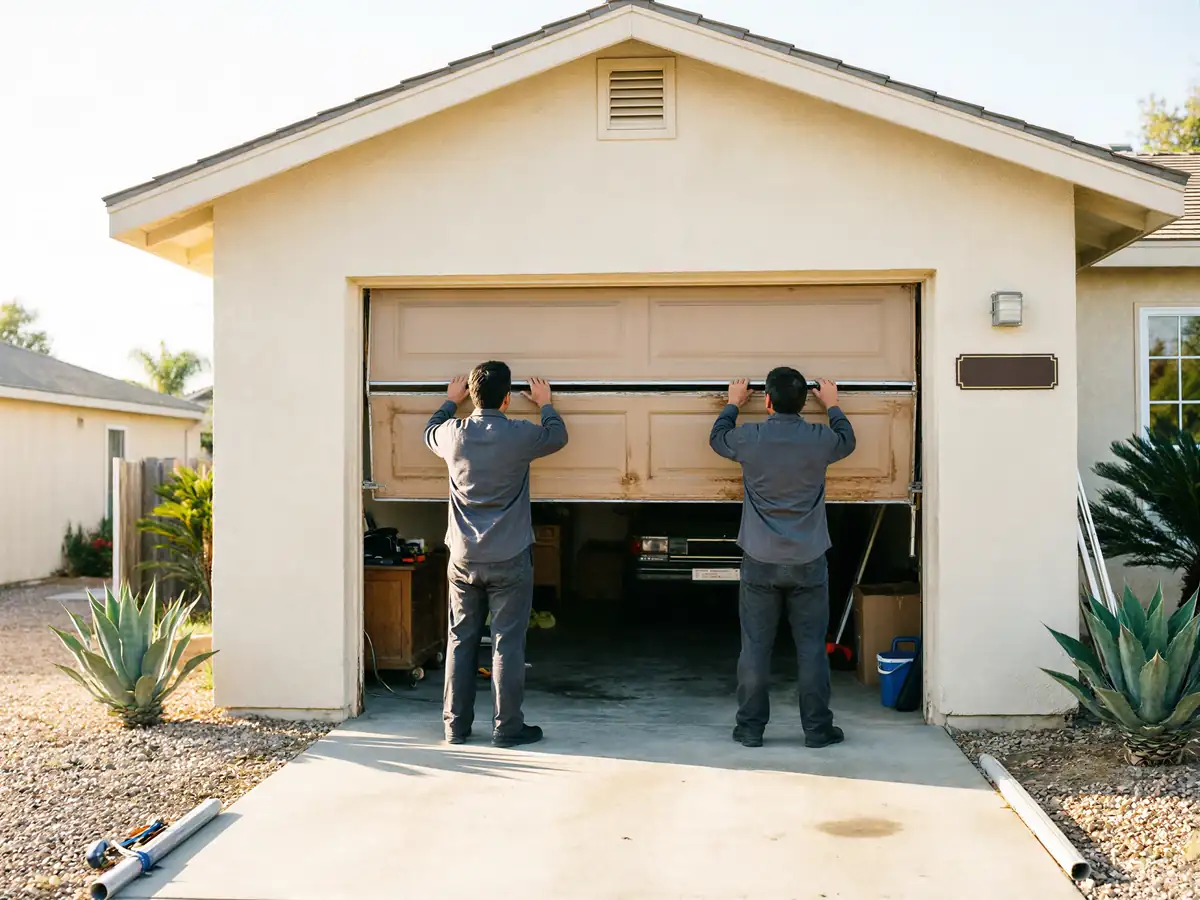
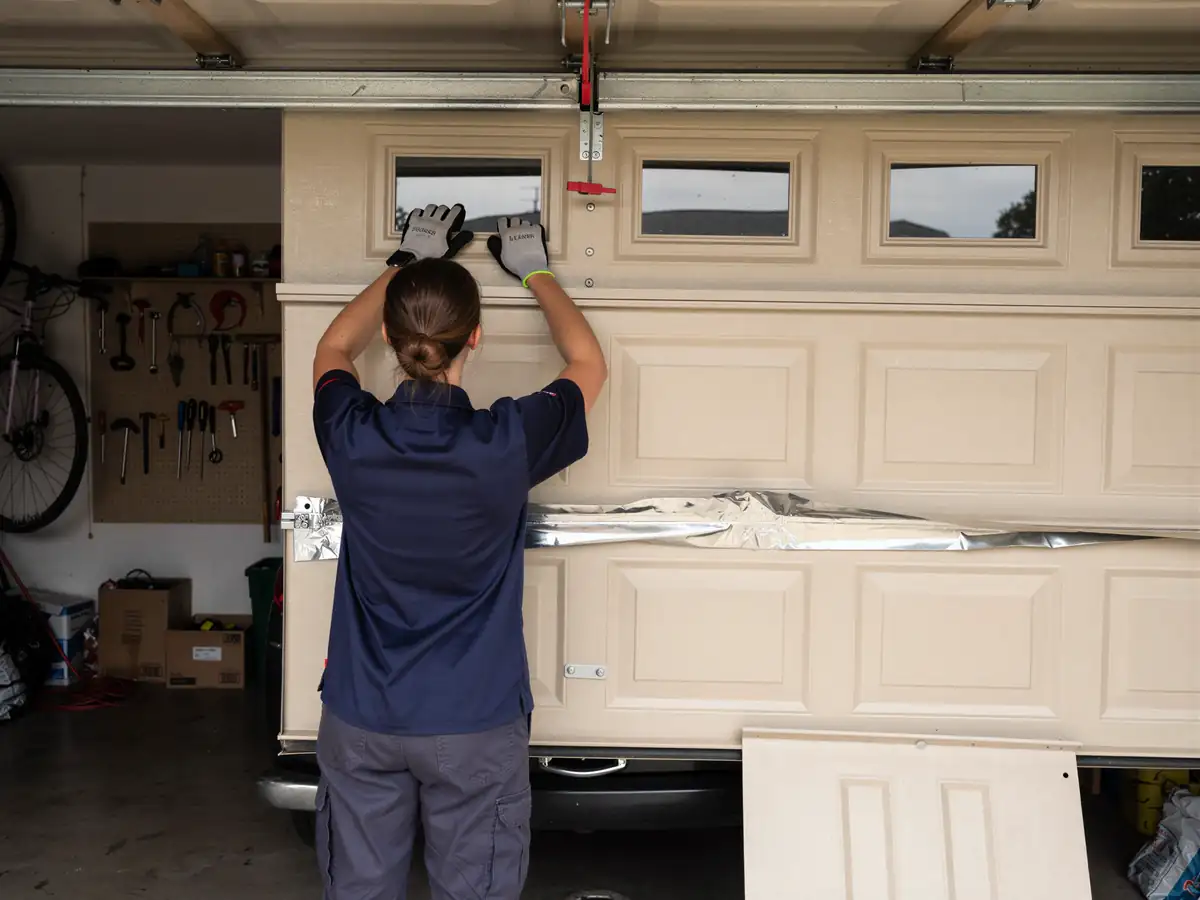
A single panel swap looks simple online: unbolt the hinges, pull the old section, bolt in the new one. On a standard steel door it sometimes is. The complication in Rancho Palos Verdes is less about skill and more about matching. With a median income of $175,307 here, well above the $93,882 median for the rest of the service area, we see more homeowners choosing to match a damaged panel to an insulated or higher-grade door rather than bolt on whatever's cheapest and visibly different. That's a reasonable call, but it means the part has to be identified correctly before you order it, and a mismatched panel on a torsion-balanced door can throw the whole door out of alignment, not just look wrong. If you're not sure what you're holding, get a second set of eyes before you cut anything loose.
Where This Job Goes Sideways
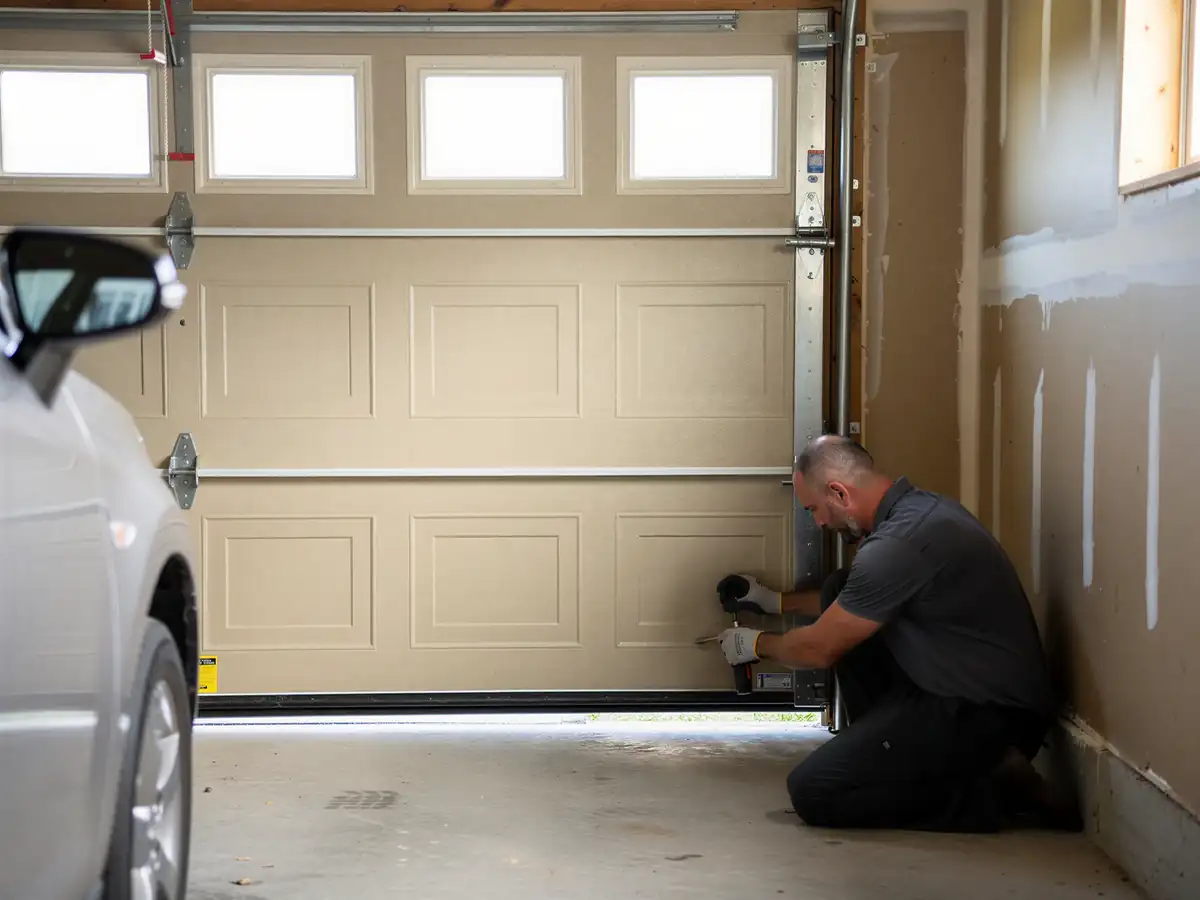
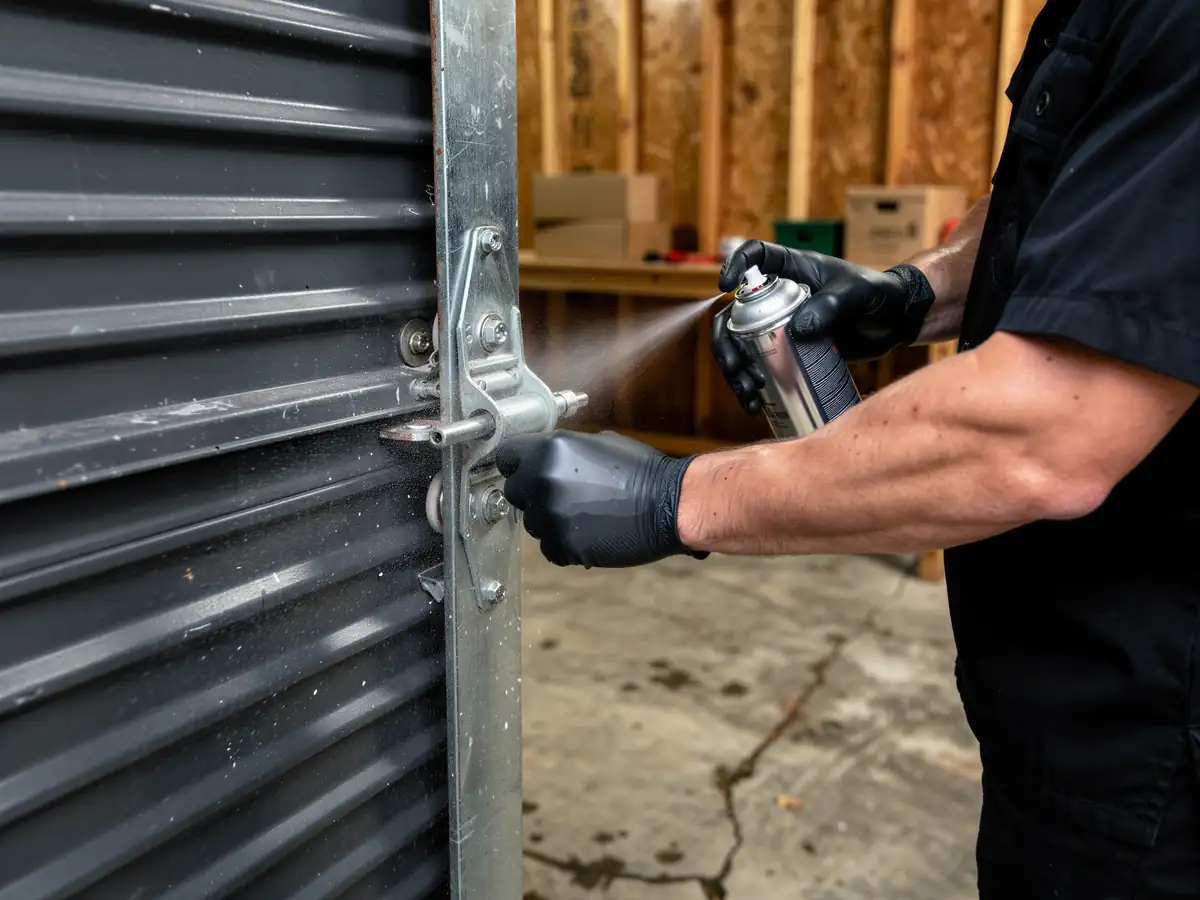
The failure mode we see most on these 1960s-built doors is someone replacing the panel and stopping there, when the hinges, rollers, or end hardware that held the old panel are worn enough to compromise the new one within a year. On a door built around 1967, that hardware has had decades to wear unevenly, and a fresh panel bolted to tired hinges will develop the same bow the old one had. The other way this goes sideways is sourcing: ordering a panel by color or rough size without checking the actual profile width and rib pattern against the rest of the door. With 15,279 households in Rancho Palos Verdes and a housing stock that's largely one era, a lot of doors here look alike from the street but carry different internal panel specs depending on who installed or replaced them over the years. We check hardware condition and measure before we order, not after.