Where This Job Goes Sideways
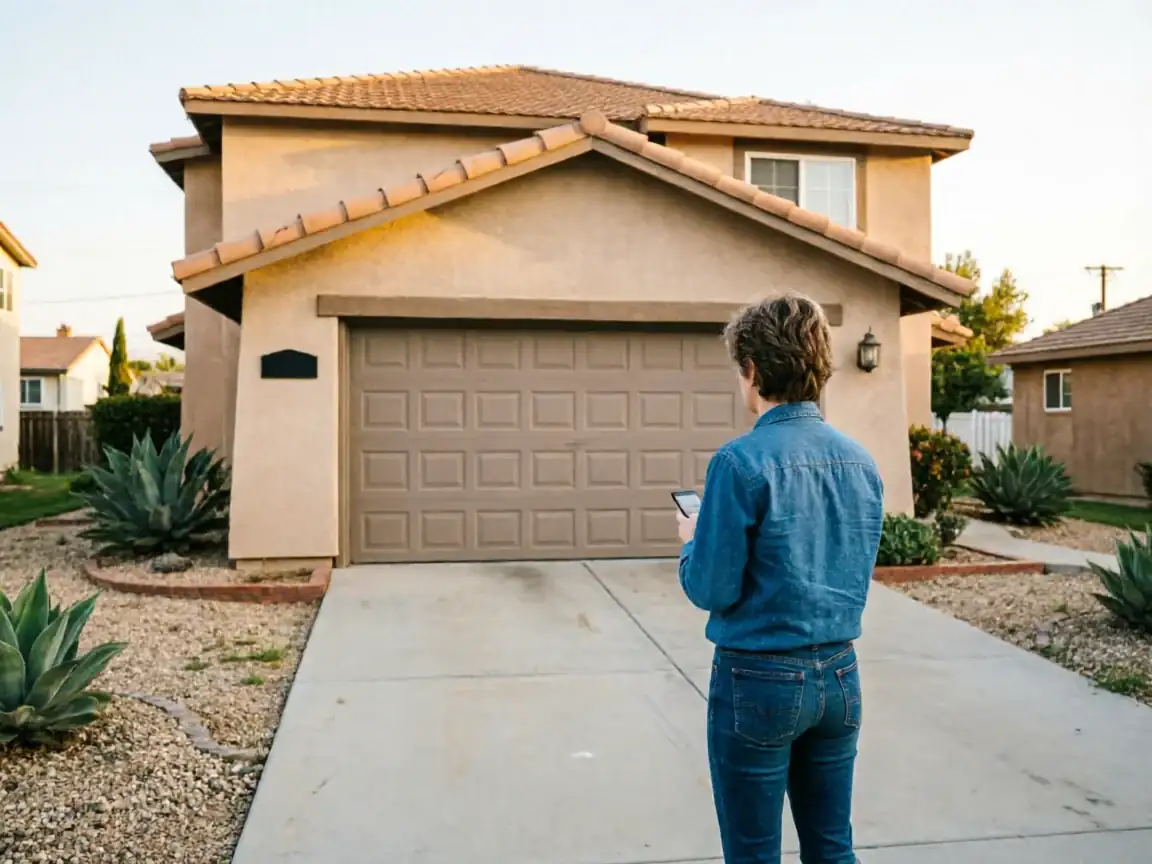
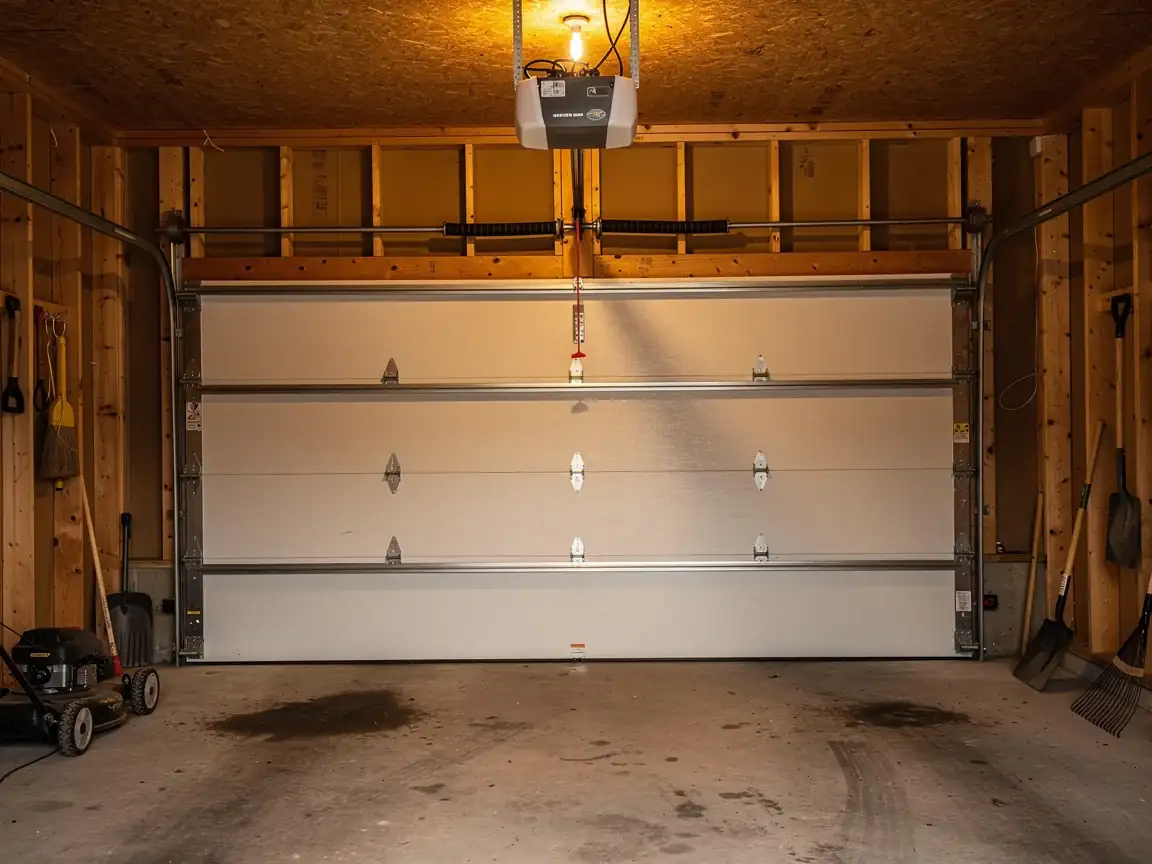
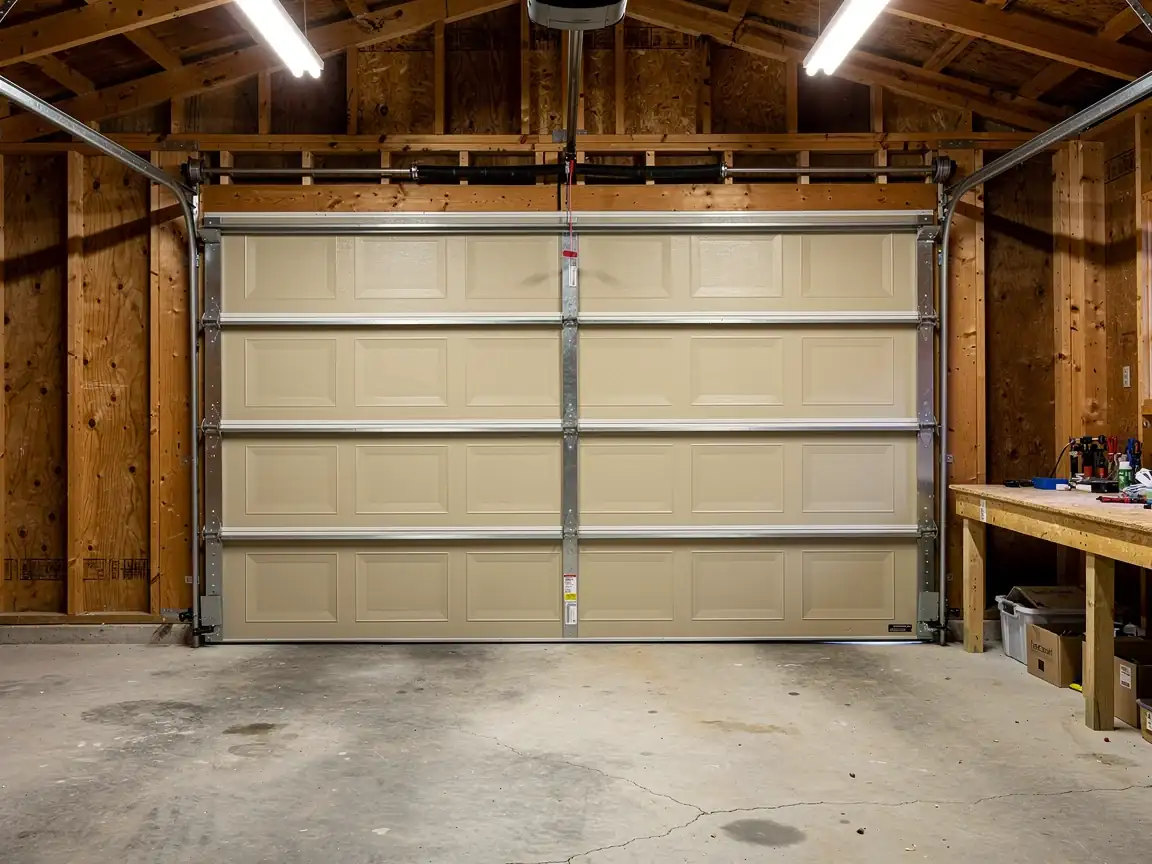
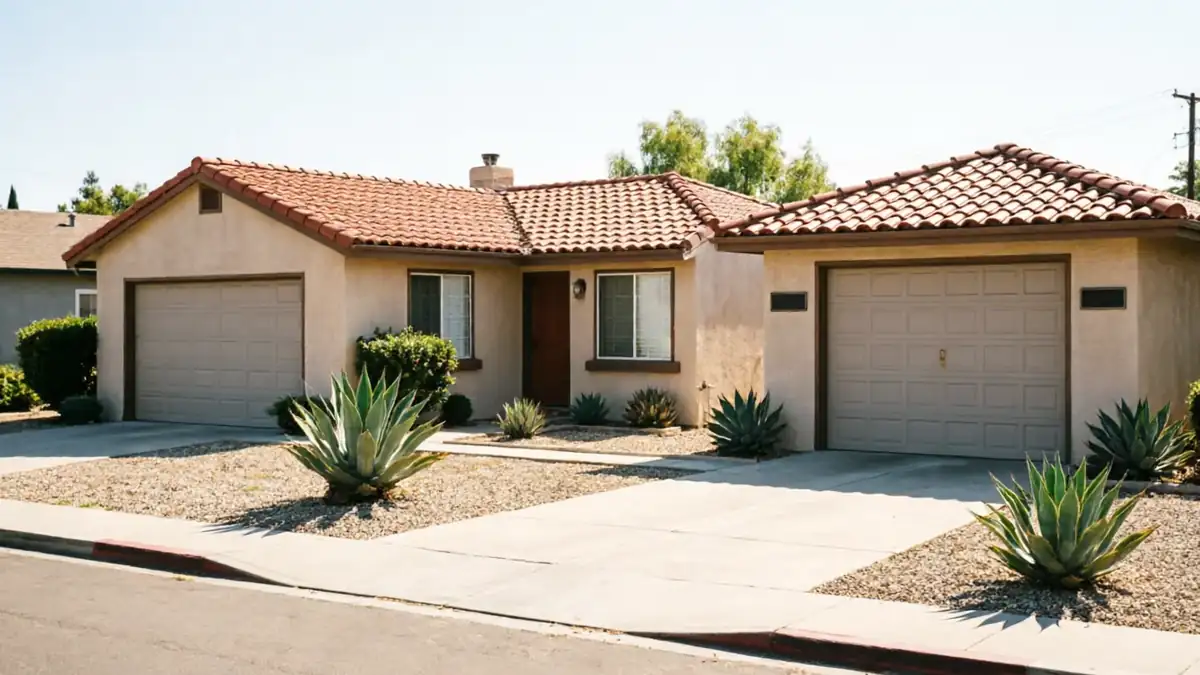
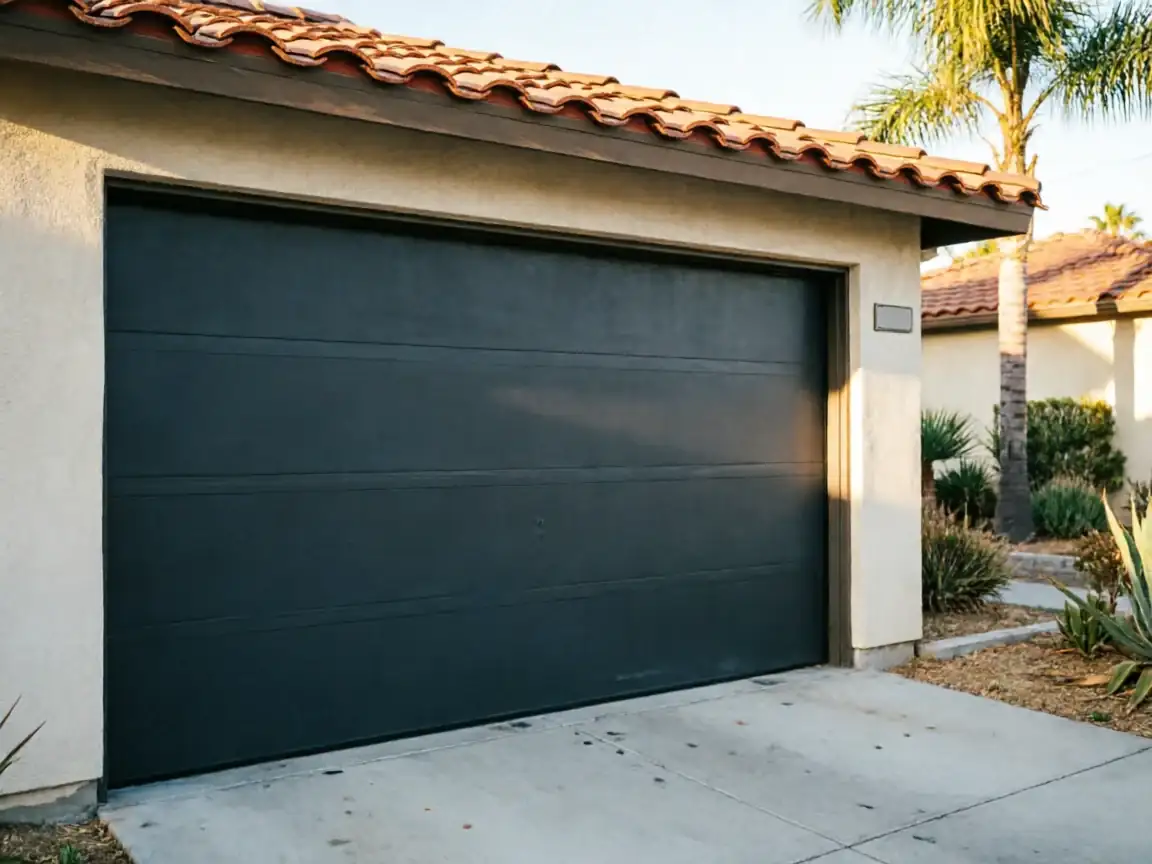
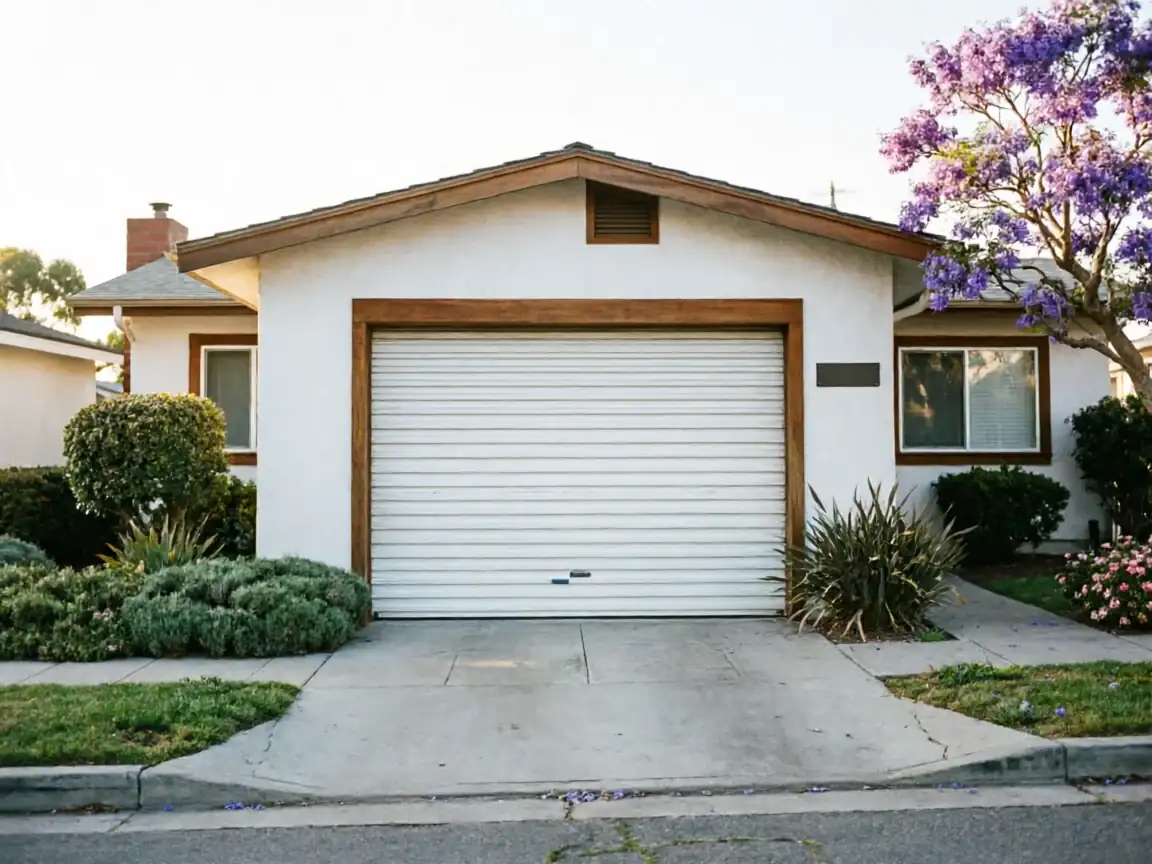
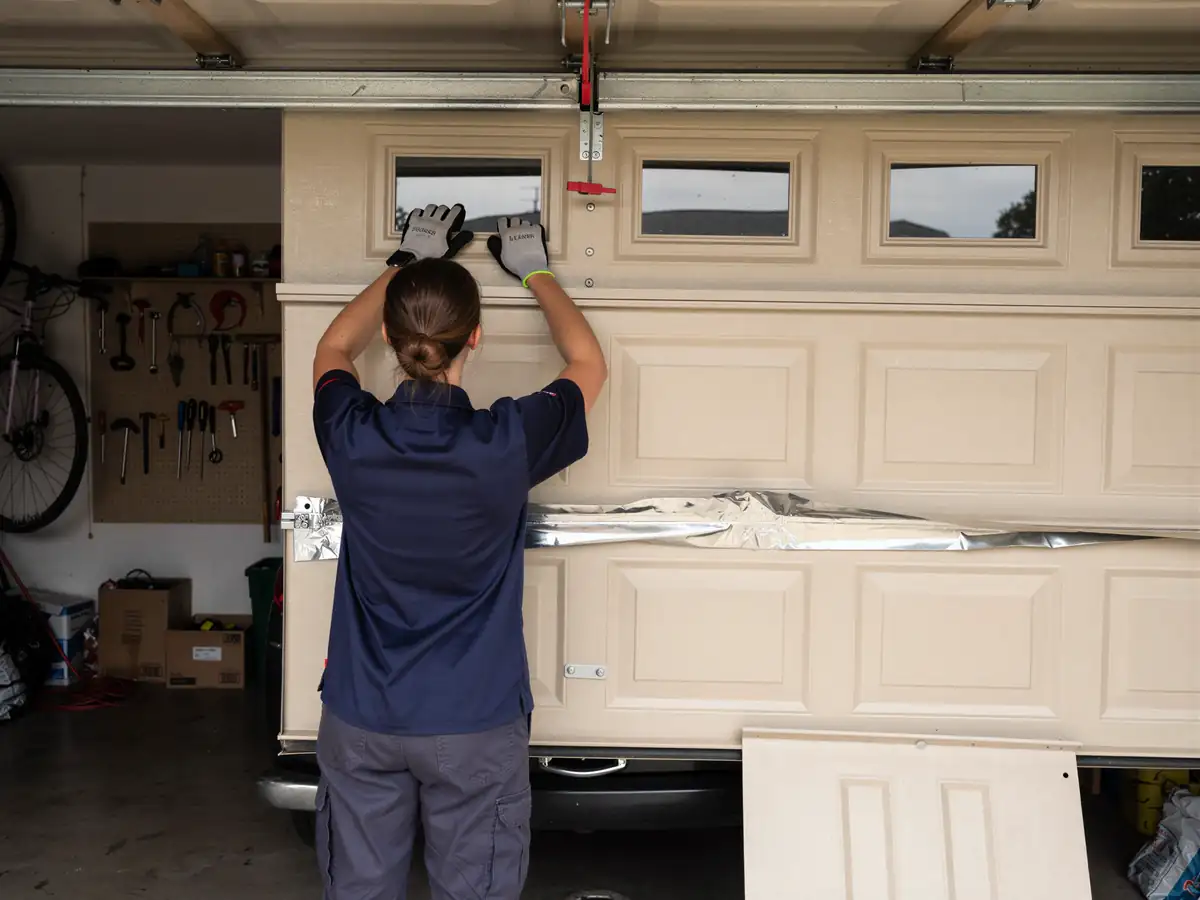
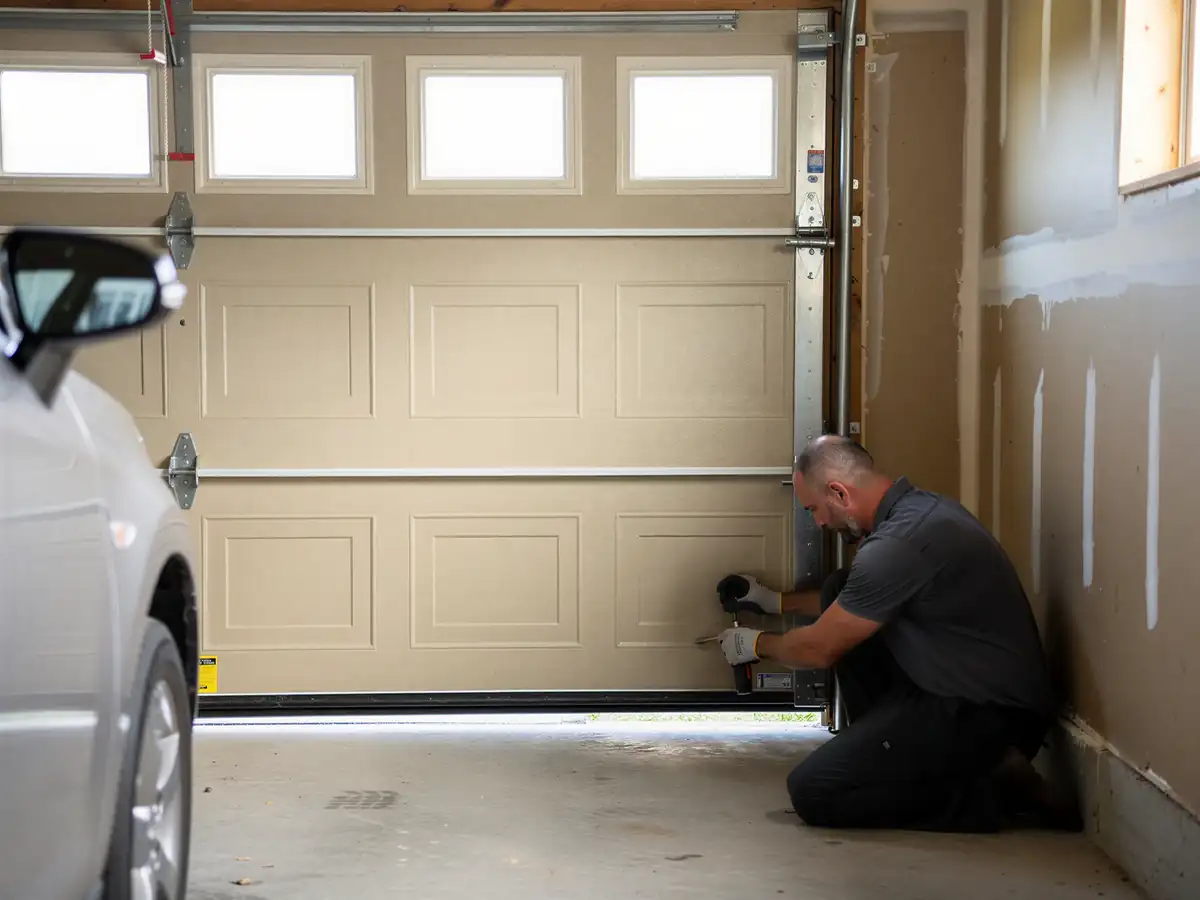
Most of Carson went up around 1965, and the garage doors that came with those houses were single-layer steel or wood panel sections on steel track, usually 16-by-7 for the two-car openings and 9-by-7 for the single bays. Nothing fancy - no insulation sandwiched in the panel, no composite skin. A door like that has had close to sixty years to work its track loose, its hinges wallow out, and its original hardware get swapped once or twice by whoever owned the house before.
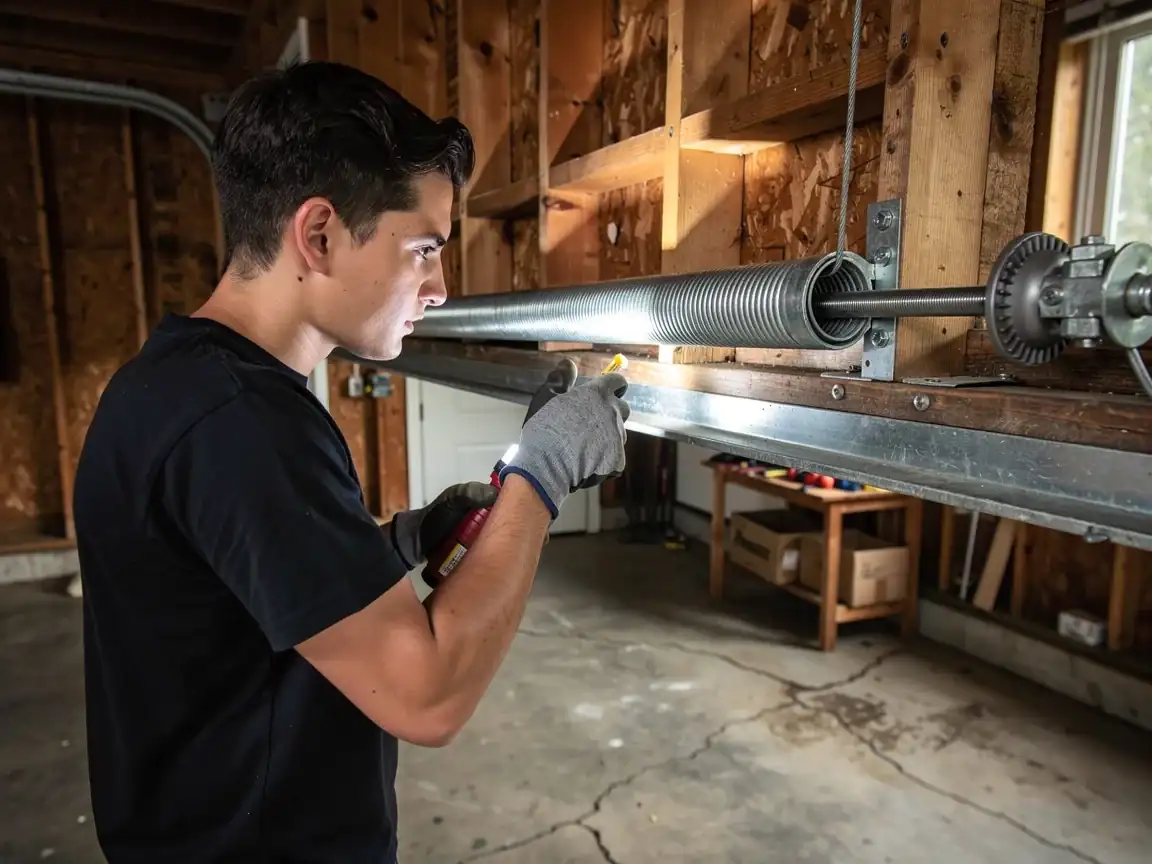
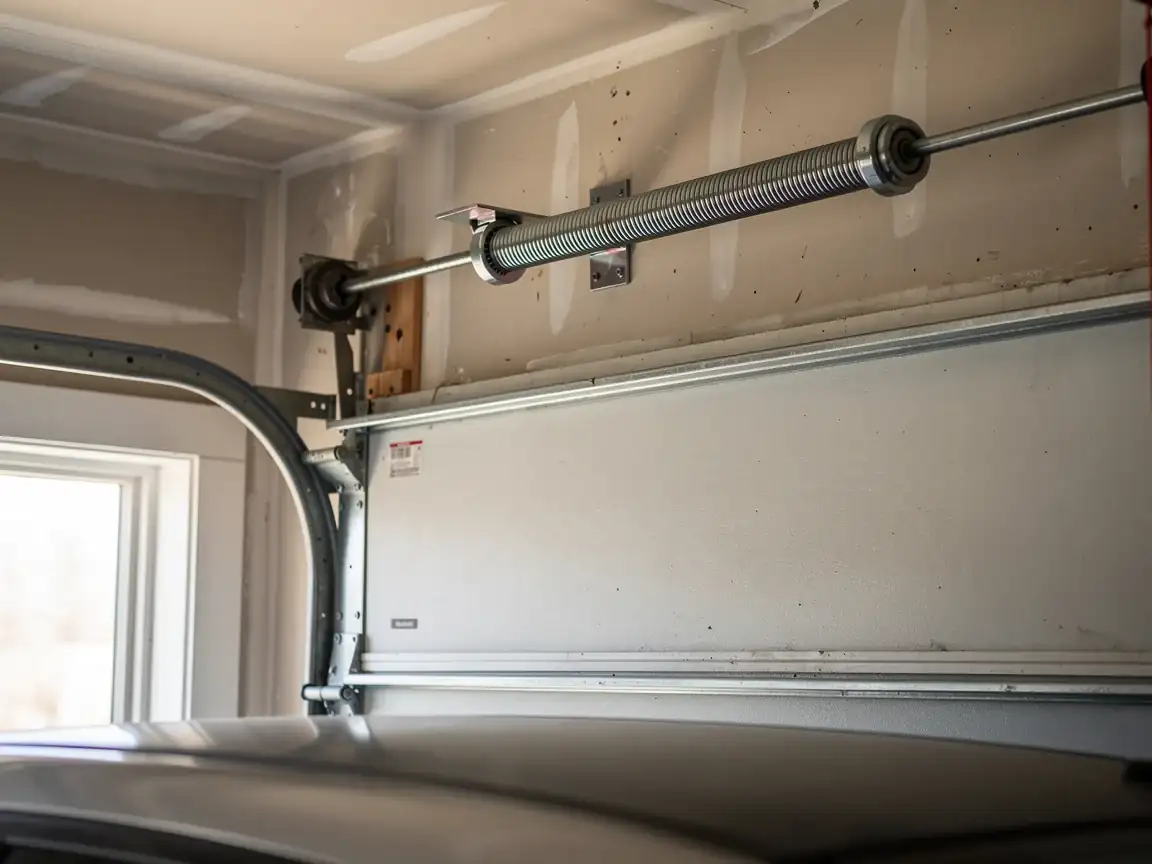
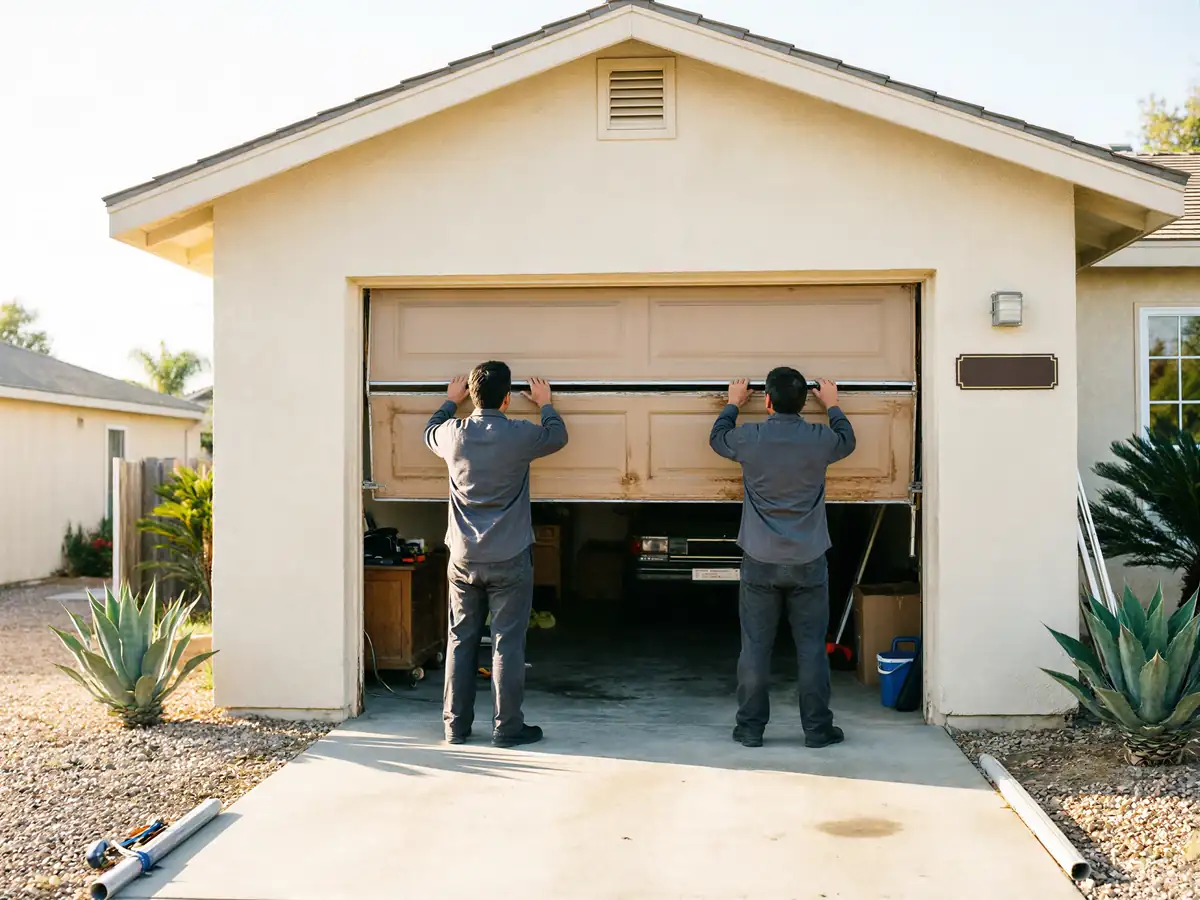
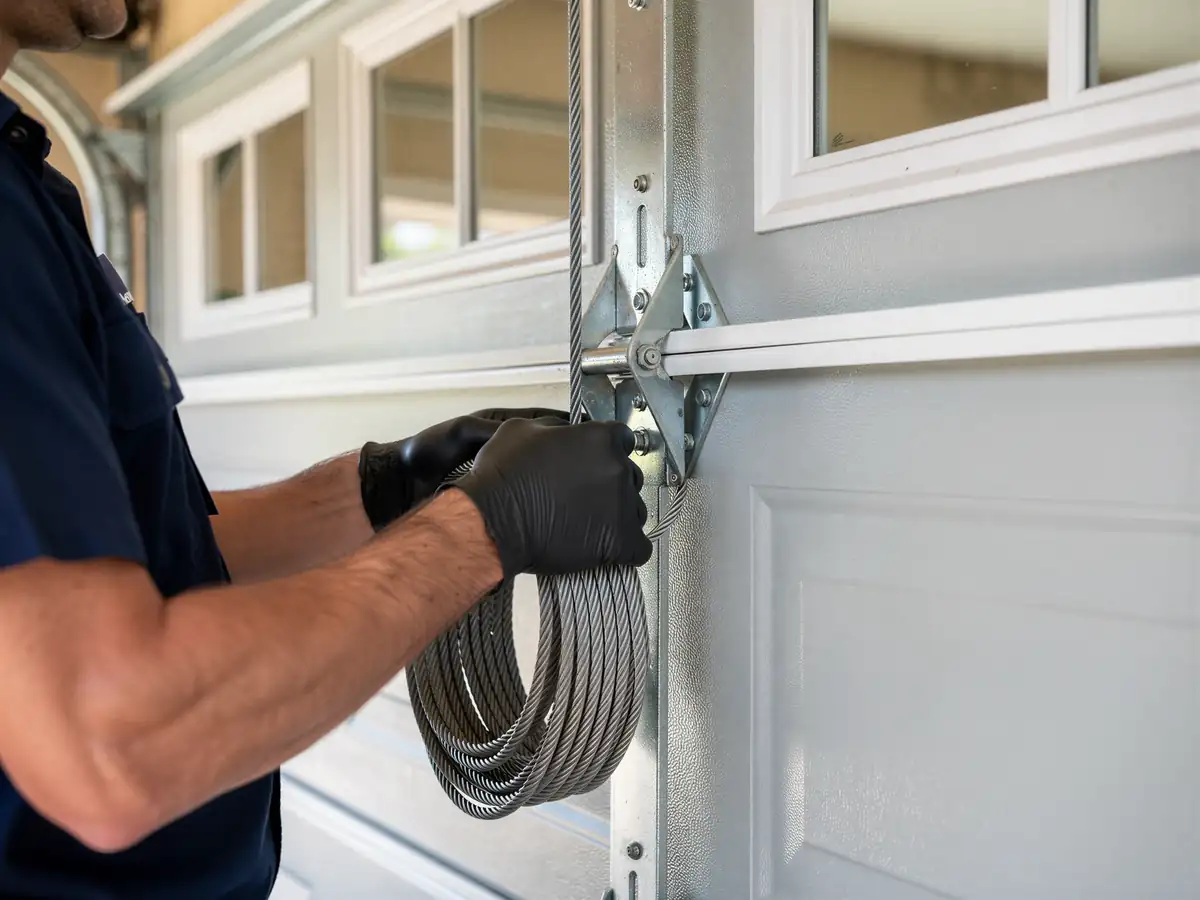
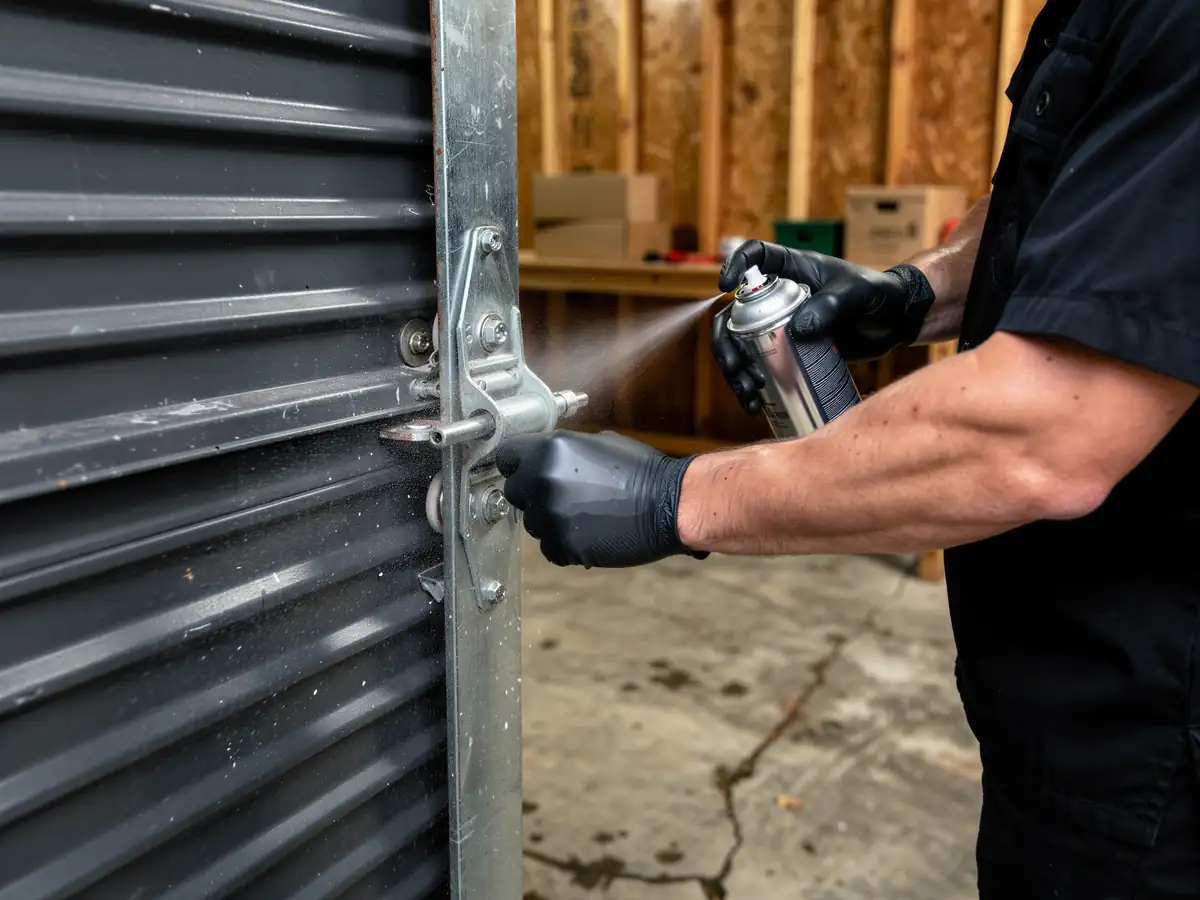
The failure doesn't start at the spring most of the time. It starts at the rollers, because steel rollers on steel track with no lubrication for a decade wear a groove that throws the door off-square under load. By the time the spring goes, the track's already bent slightly from years of the door fighting it. That's the part owners miss - they think they're calling about a broken spring, and we're also pulling bent track and a cracked roller stem out of the same job.
Why This Fails Locally
Carson sits in the same mild coastal-influenced band as the rest of this service area
No hard freeze, no 100-degree stretches that bake rubber seals apart fast. That's the good news, and it's also why a lot of these doors have limped along instead of failing outright. The bad news is what the mild weather doesn't do: it doesn't force an early replacement, so houses here are still running original 1965-era hardware that a lot of newer suburbs already swapped out twenty years ago.
Without a freeze-thaw cycle or extreme heat forcing the issue, the wear here is slow and mechanical
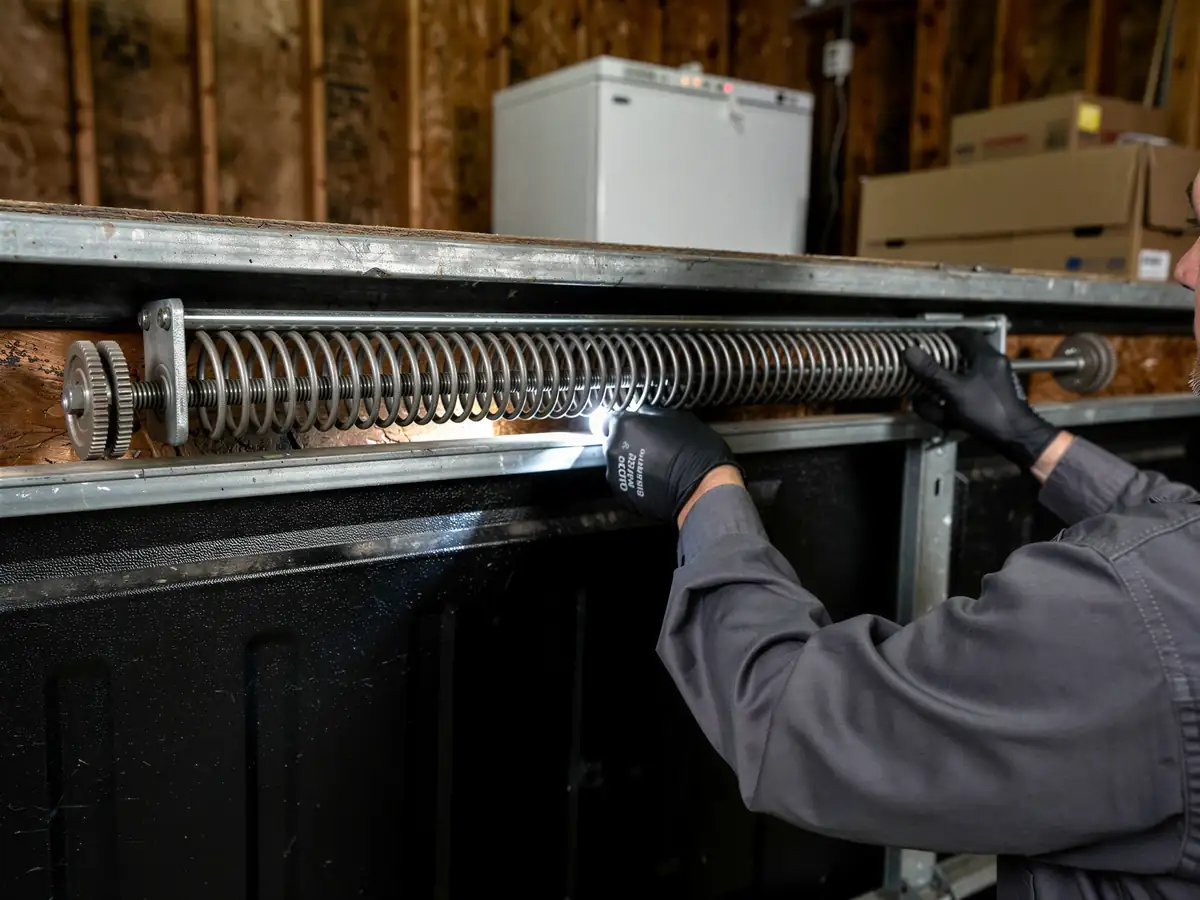
Metal fatigue, not weather damage. Springs on these doors were sized for a wood panel door's weight, not for the steel replacement panel a prior owner may have bolted on. That mismatch is common enough in this era of housing that it's one of the first things worth checking before anyone touches the spring itself.
Stocked Parts
We carry rollers, cables, and standard extension and torsion springs sized for the door weights common to 1960s construction - the sizes that fit a 16-by-7 or 9-by-7 steel or wood panel door built to that era's spec. What we don't keep on the truck is anything custom: an odd-width door someone special-ordered later, or hardware for a panel upgrade that doesn't match the original opening. If a job needs that, we tell you up front it's a parts-order wait, not a same-visit fix. We'd rather say that than make you wait on a truck that doesn't have it.
How It Shows Up
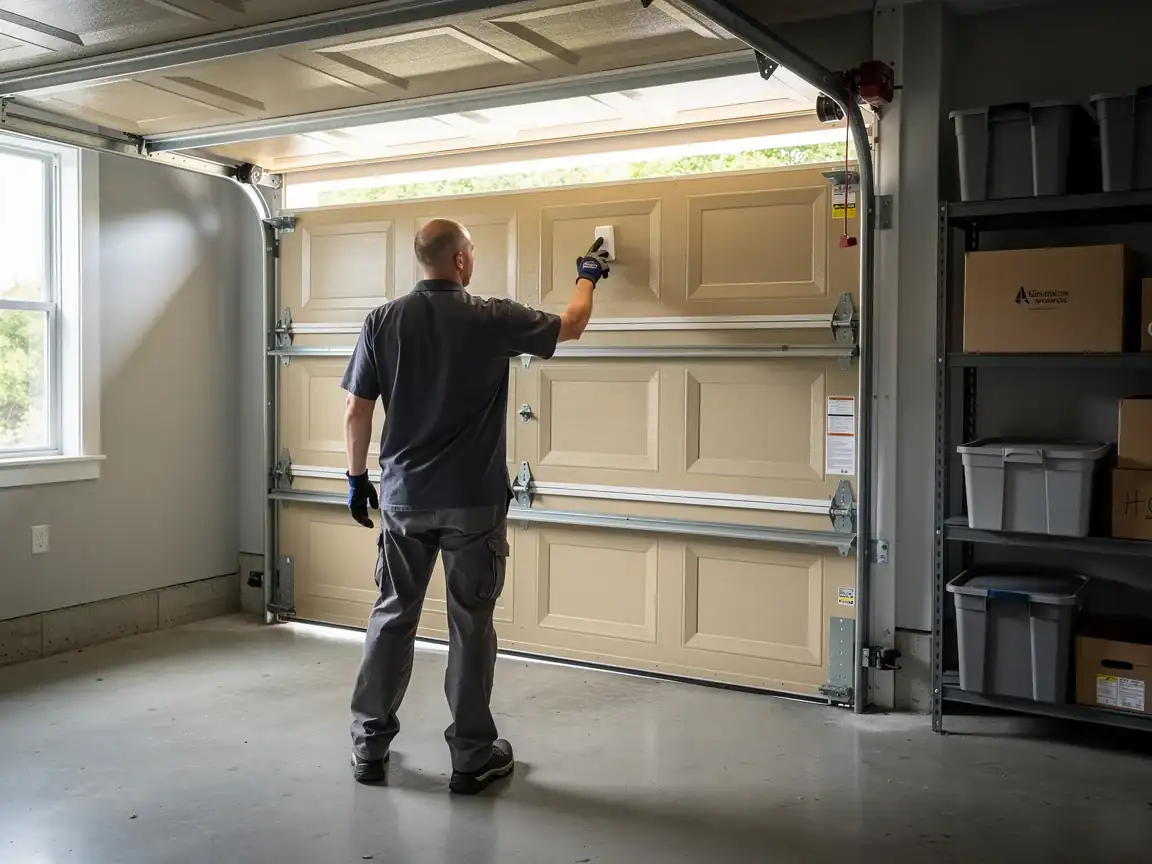
On a door this age, the first sign is usually noise - a grinding or popping on the way up that wasn't there a year ago, which is the roller groove we mentioned. Next is the door going crooked, one side dropping faster than the other on the way down, which means a cable's starting to fray or the track's bent on one side. A door that won't budge at all, with the opener straining and clicking, usually means the spring's gone, and on an older door that's carrying more weight than a newer insulated panel, that failure tends to be sudden rather than gradual.