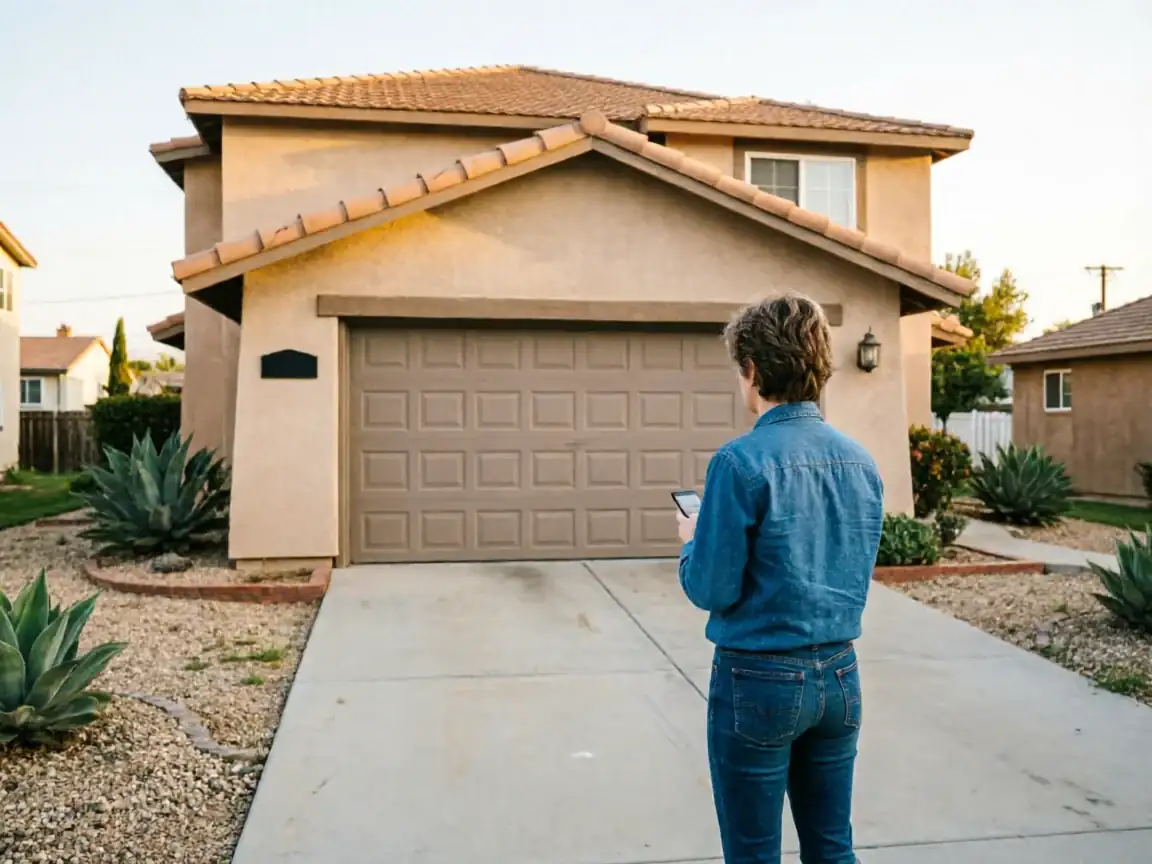
Where This Job Goes Sideways
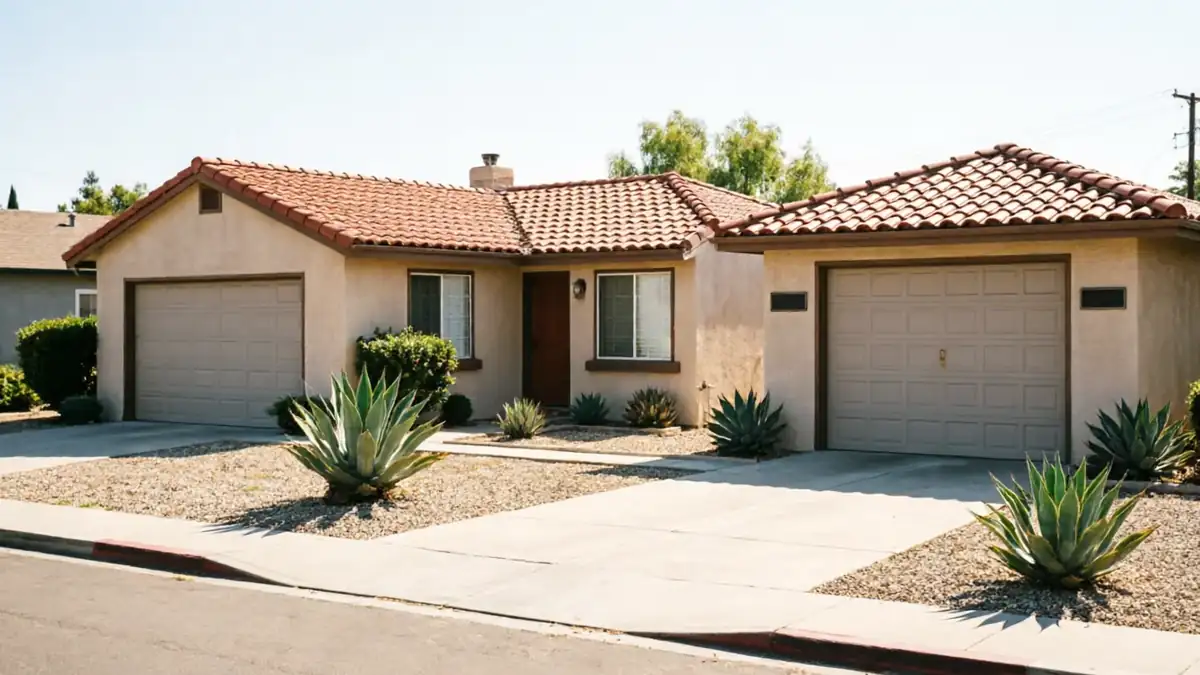
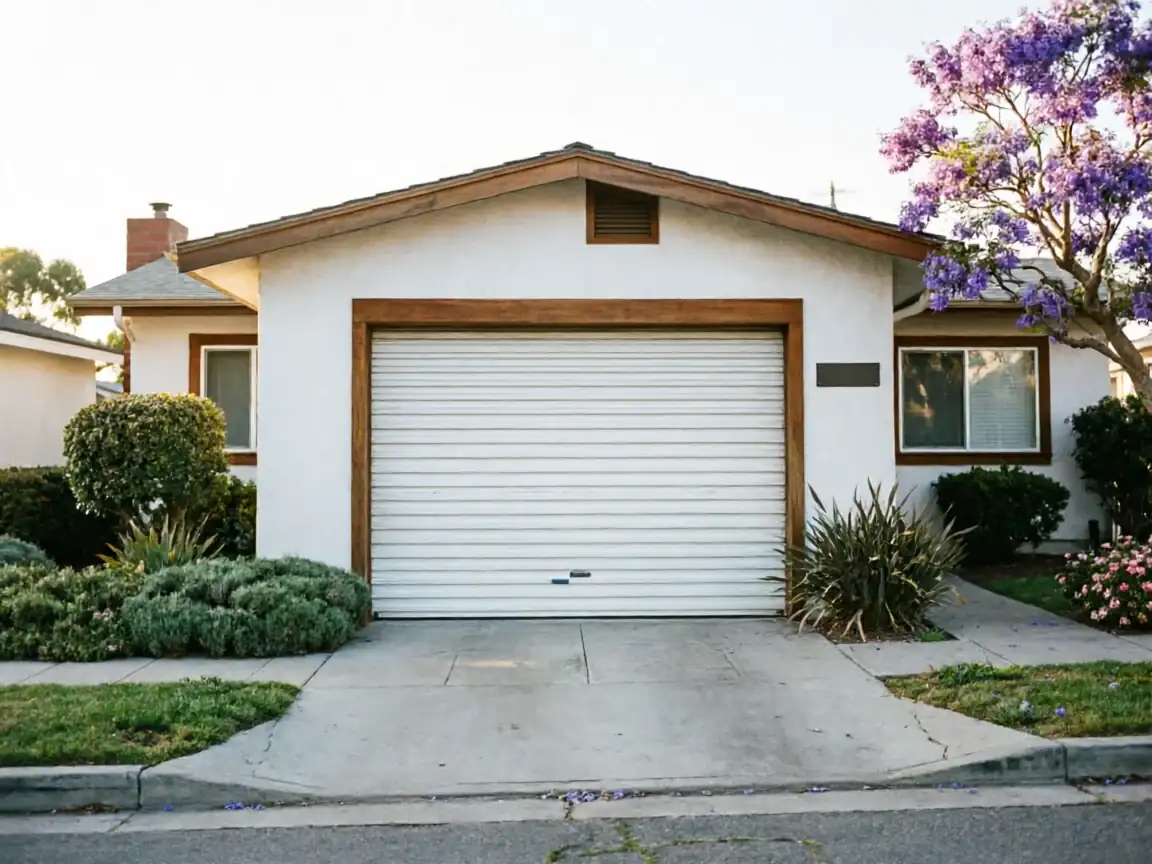
Carson sits ten miles out from our Inglewood shop, which is far enough that a wasted first trip actually costs something - both in the drive and in the time it takes to come back with the right door. That distance changes how we handle the first call. We ask more on the phone before we load the truck: what the current opener looks like, whether the track is single or double, roughly how old the house is. A ten-mile run means we'd rather spend five extra minutes on the phone getting those details right than show up with a 7-foot door for an 8-foot opening. Most of this area's houses went up around 1965, per Census records, which already tells us a lot about what we're walking into before we ever turn onto the street. We're not guessing at hardware sizes when we get there - we're confirming what the build year already told us.
Stocked Parts
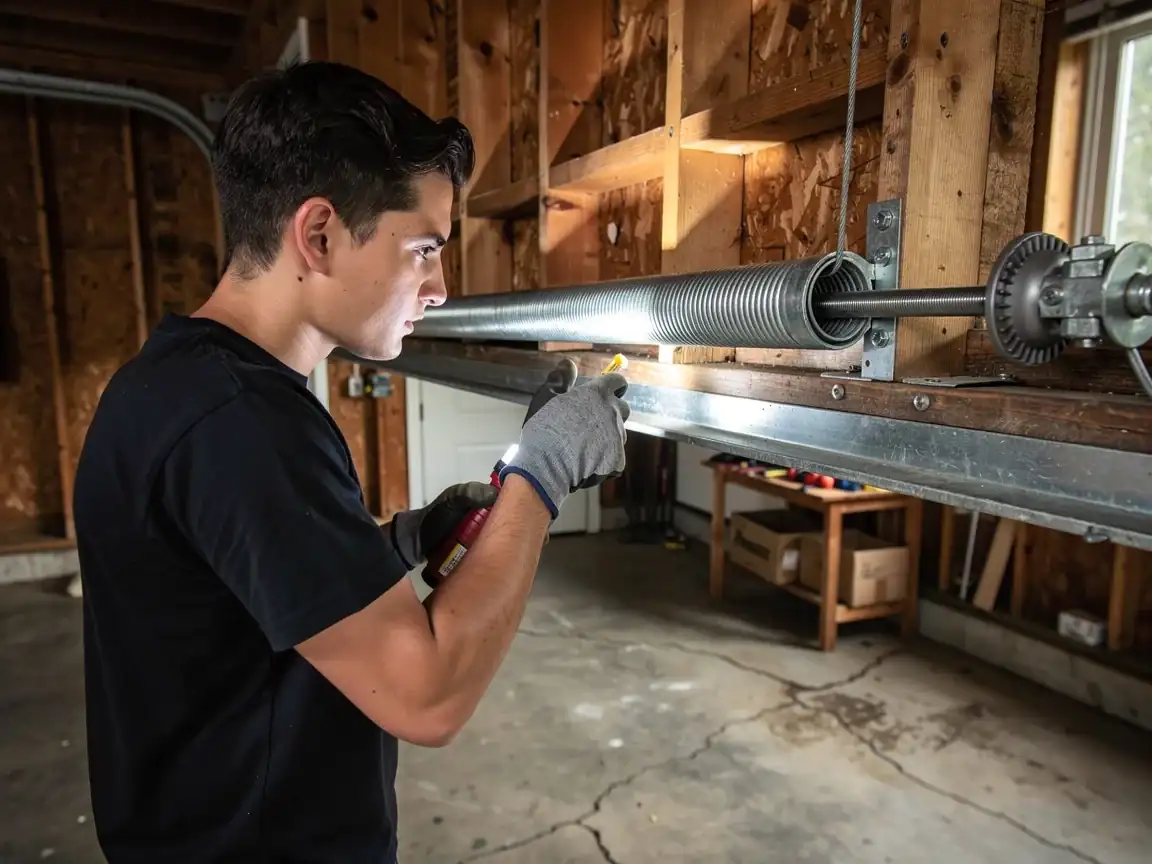
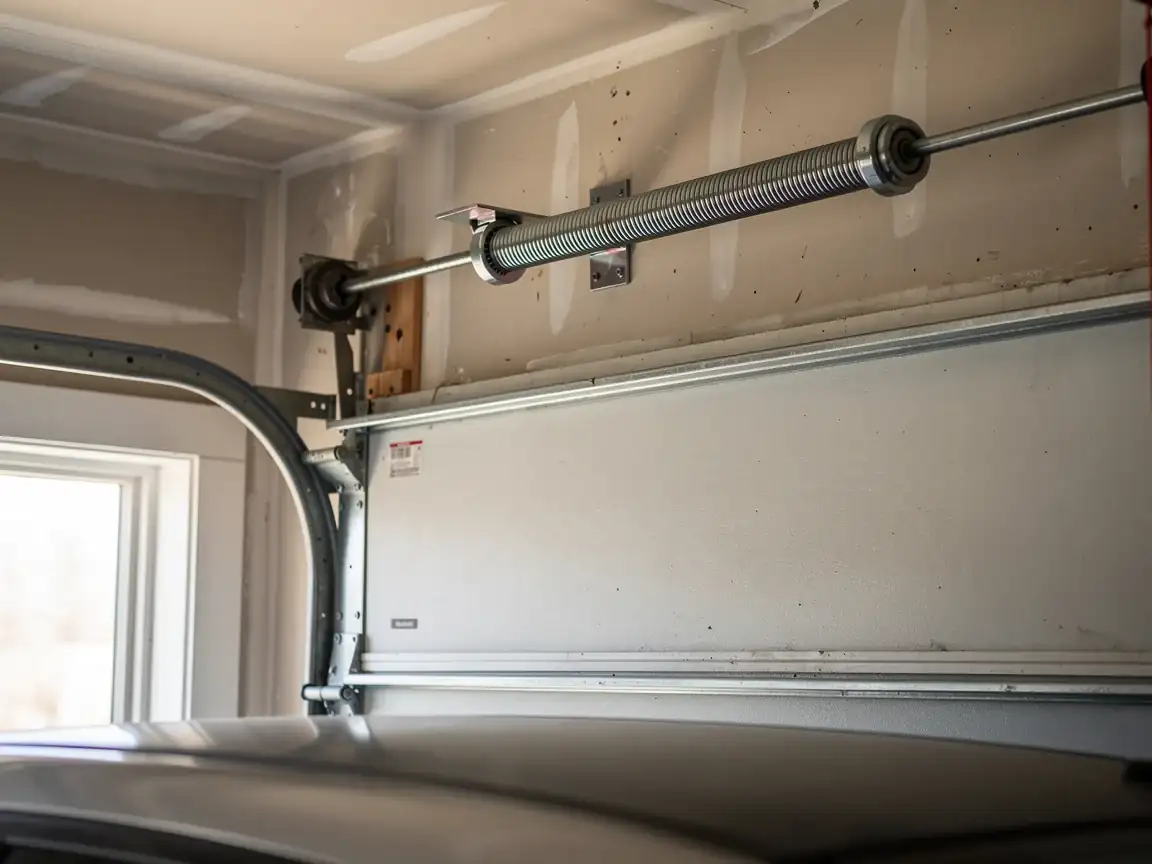
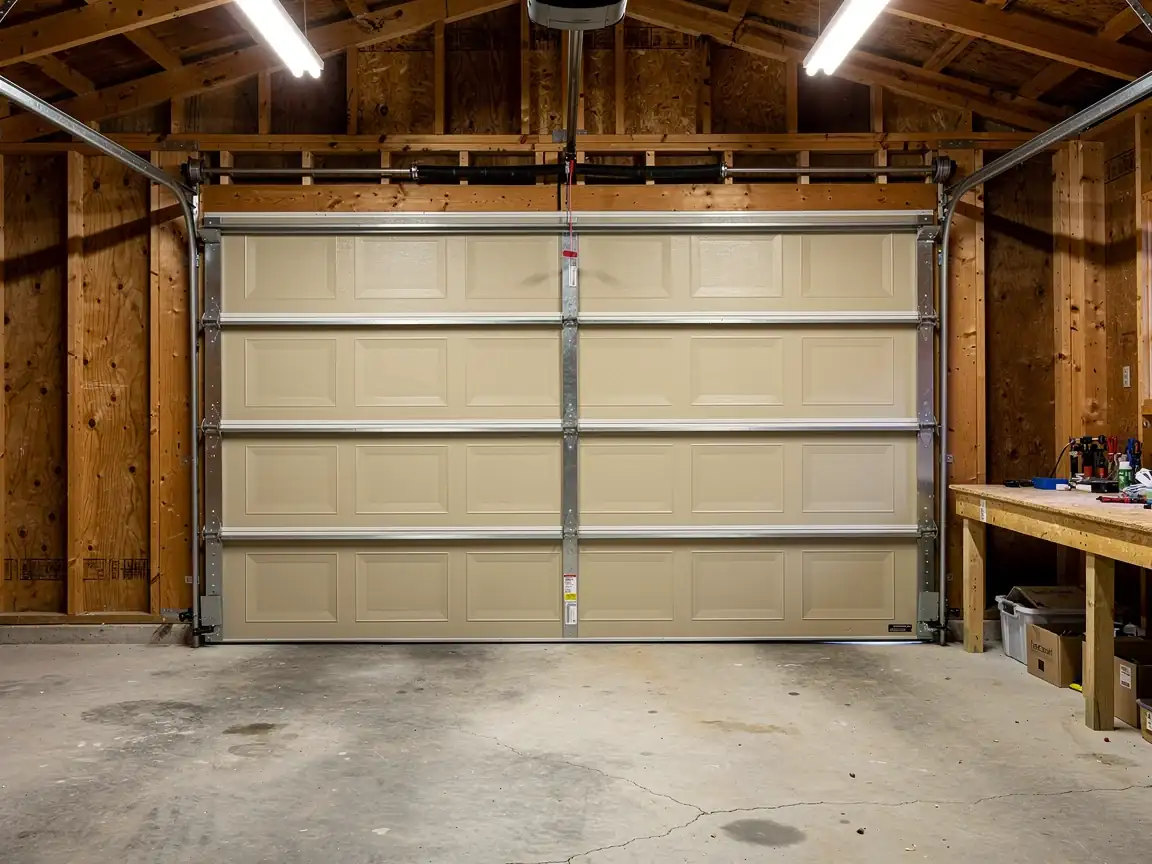
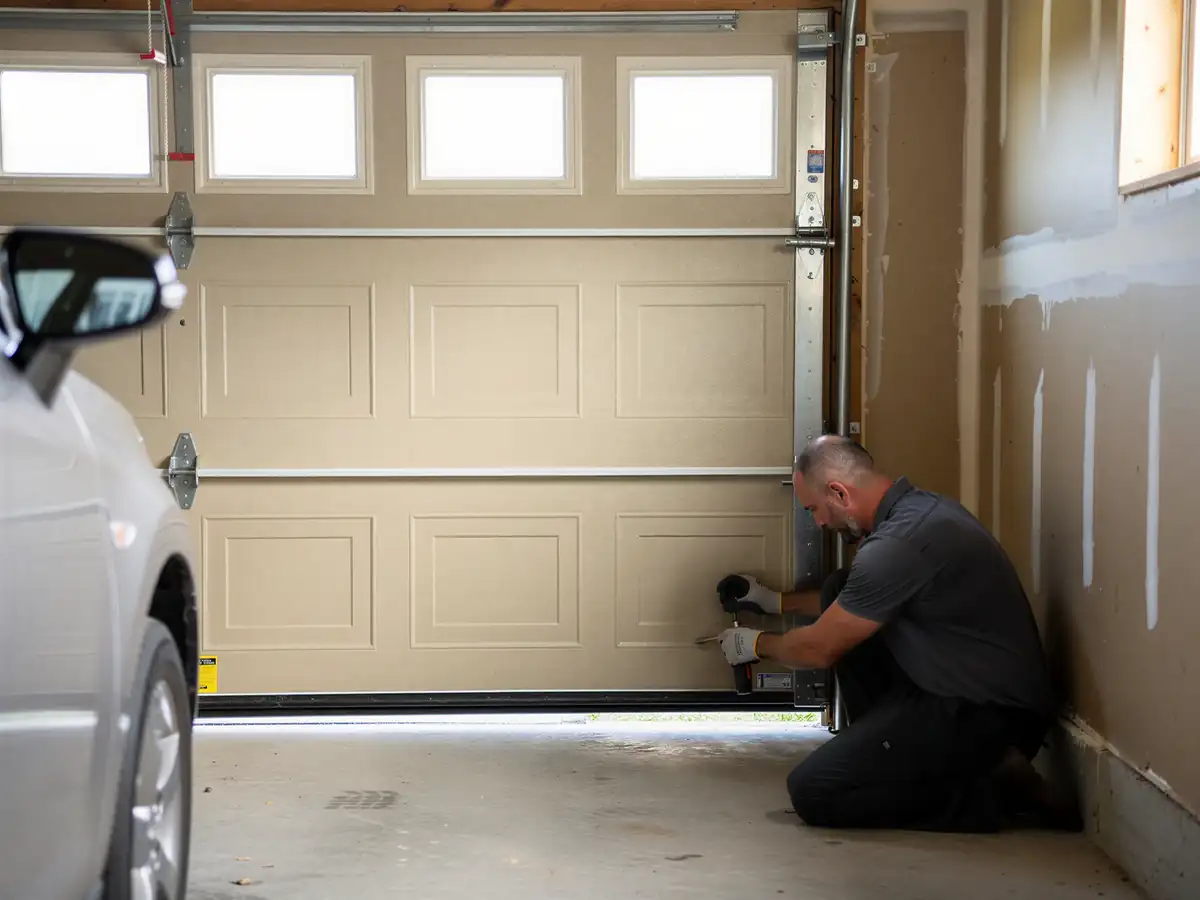
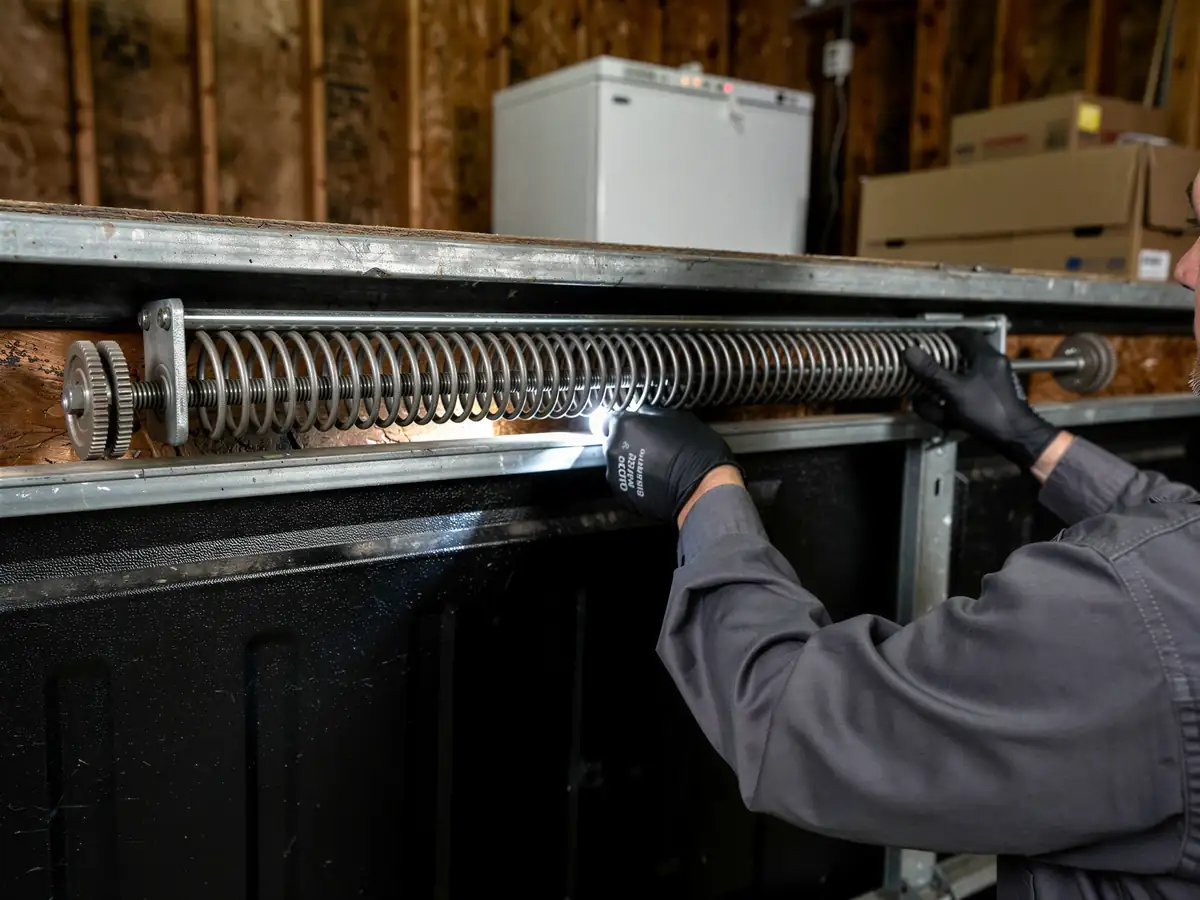
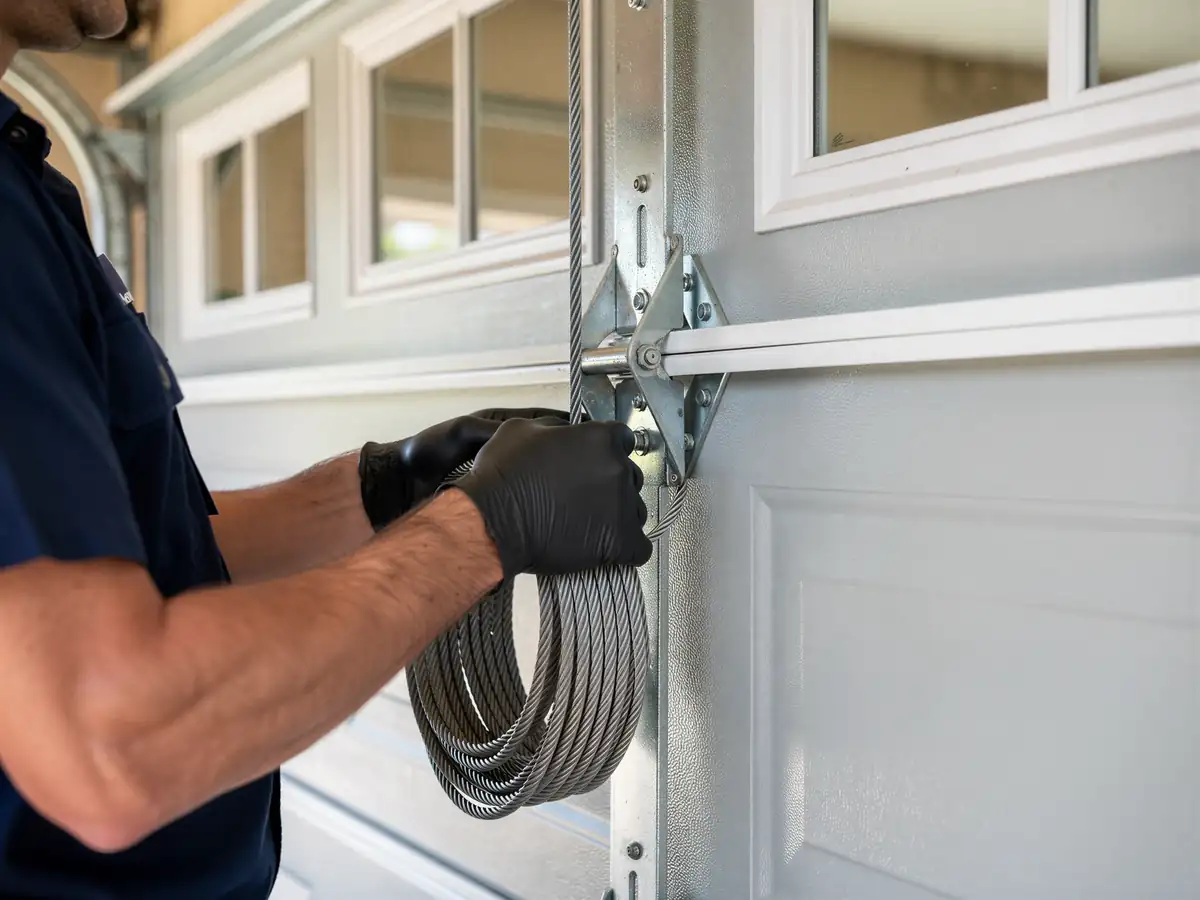
Because 1960s-era openings are so common across this part of the service area, we carry standard-width and standard-height doors sized for that build era on the truck, along with the torsion hardware that era typically takes. What we don't carry as standard stock is anything custom - oversized openings, non-standard widths, or insulated doors in less common dimensions. If your opening falls outside the normal range for a house built around 1965, that's a special order, and it adds lead time. We'd rather tell you that up front than let you think a custom size ships same-week. For the typical Carson opening, though, we're usually not waiting on a supplier - the door and the drum, cable, and spring sizing that fits houses of this age are already on the truck when we make the drive out.
How It Shows Up
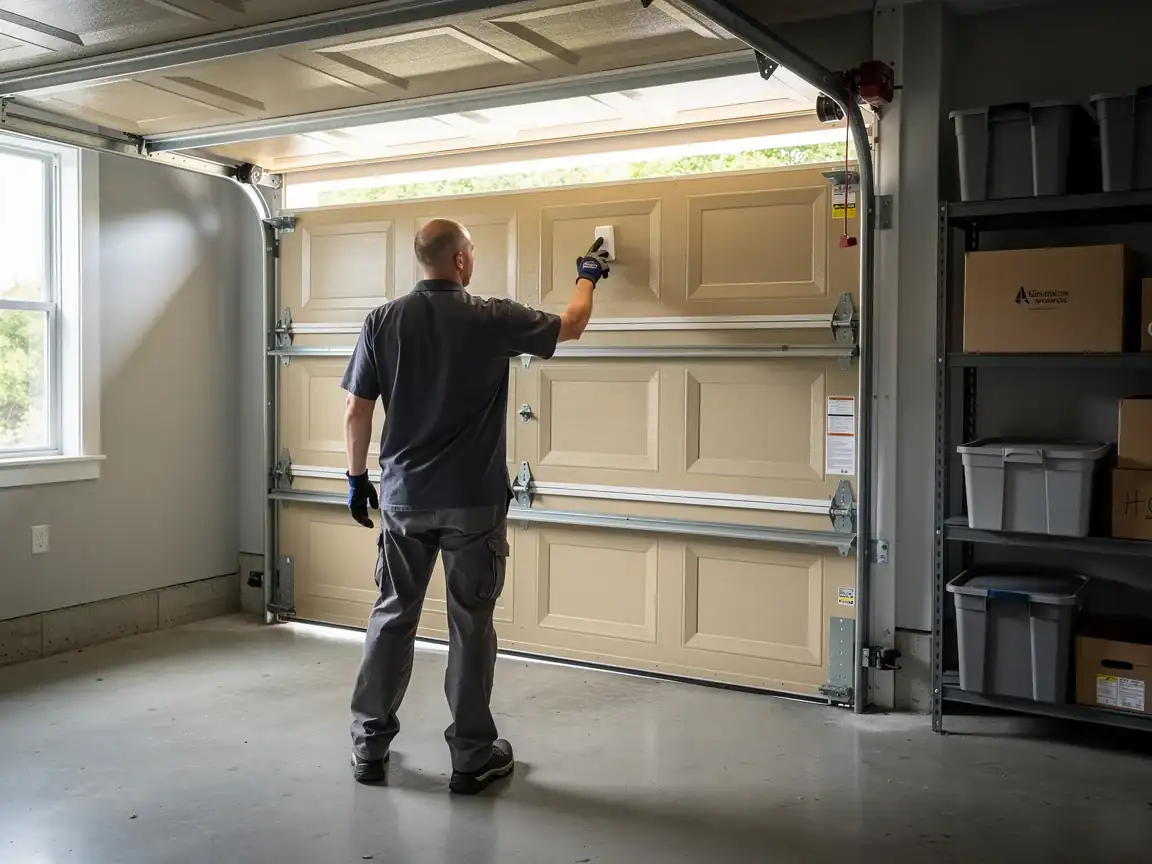
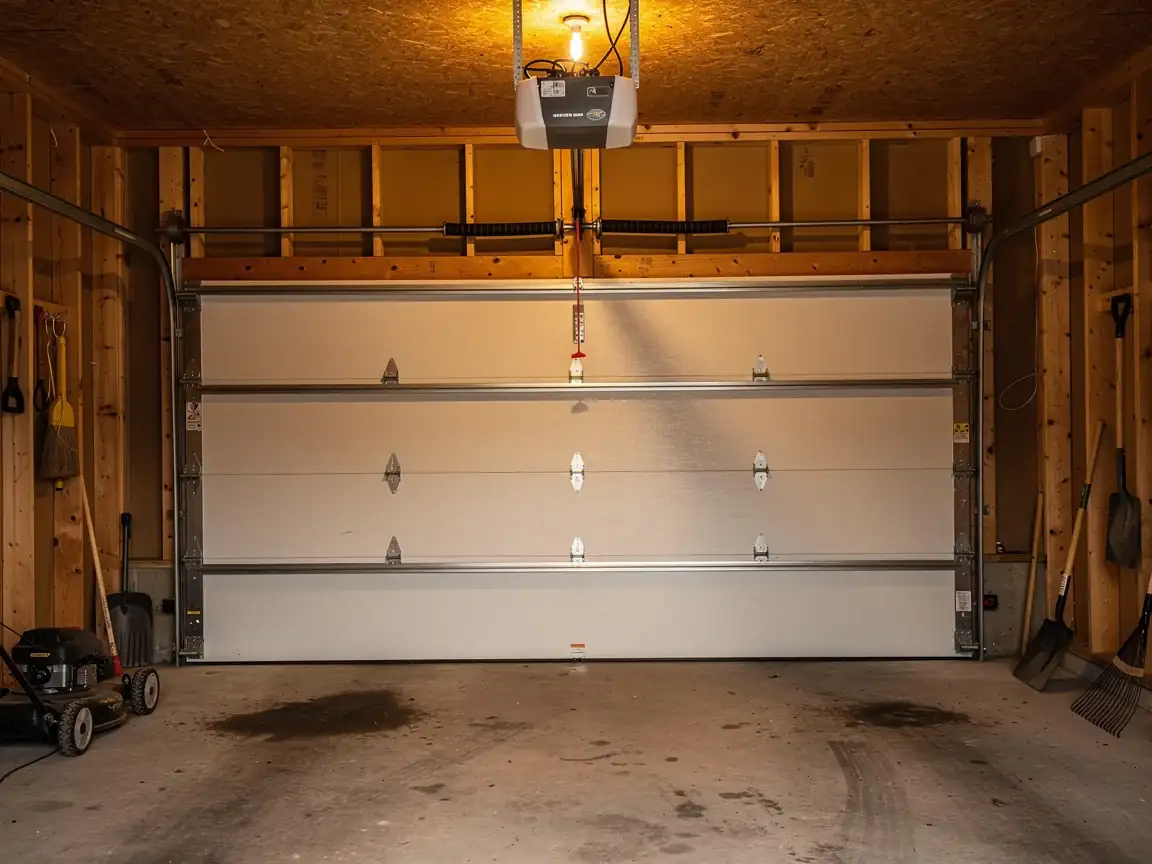
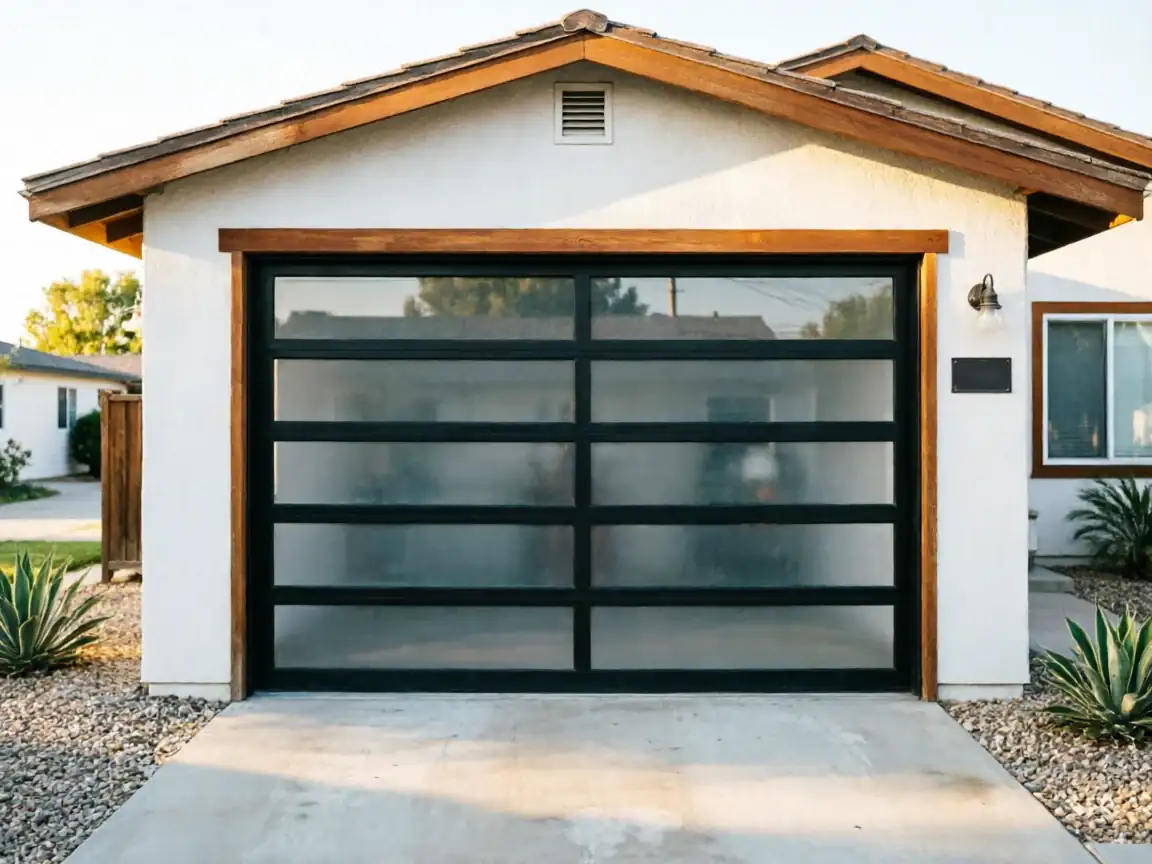
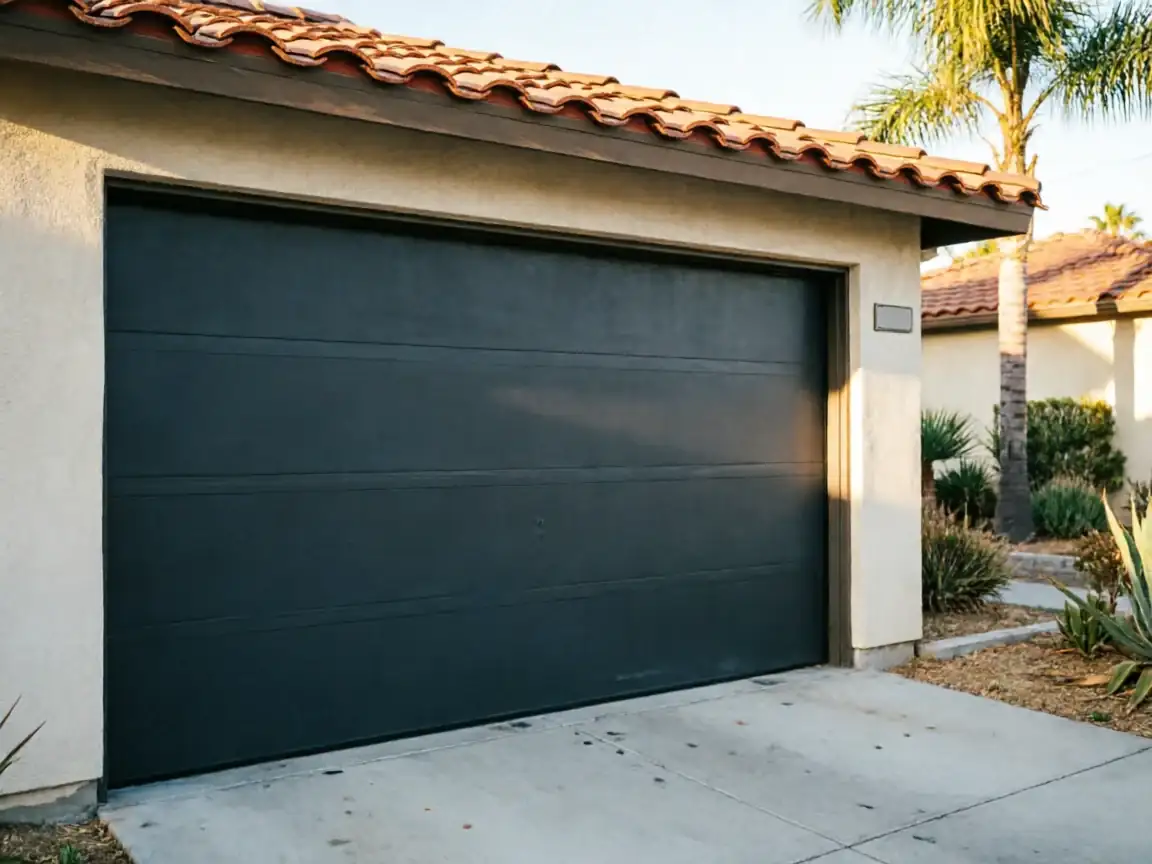
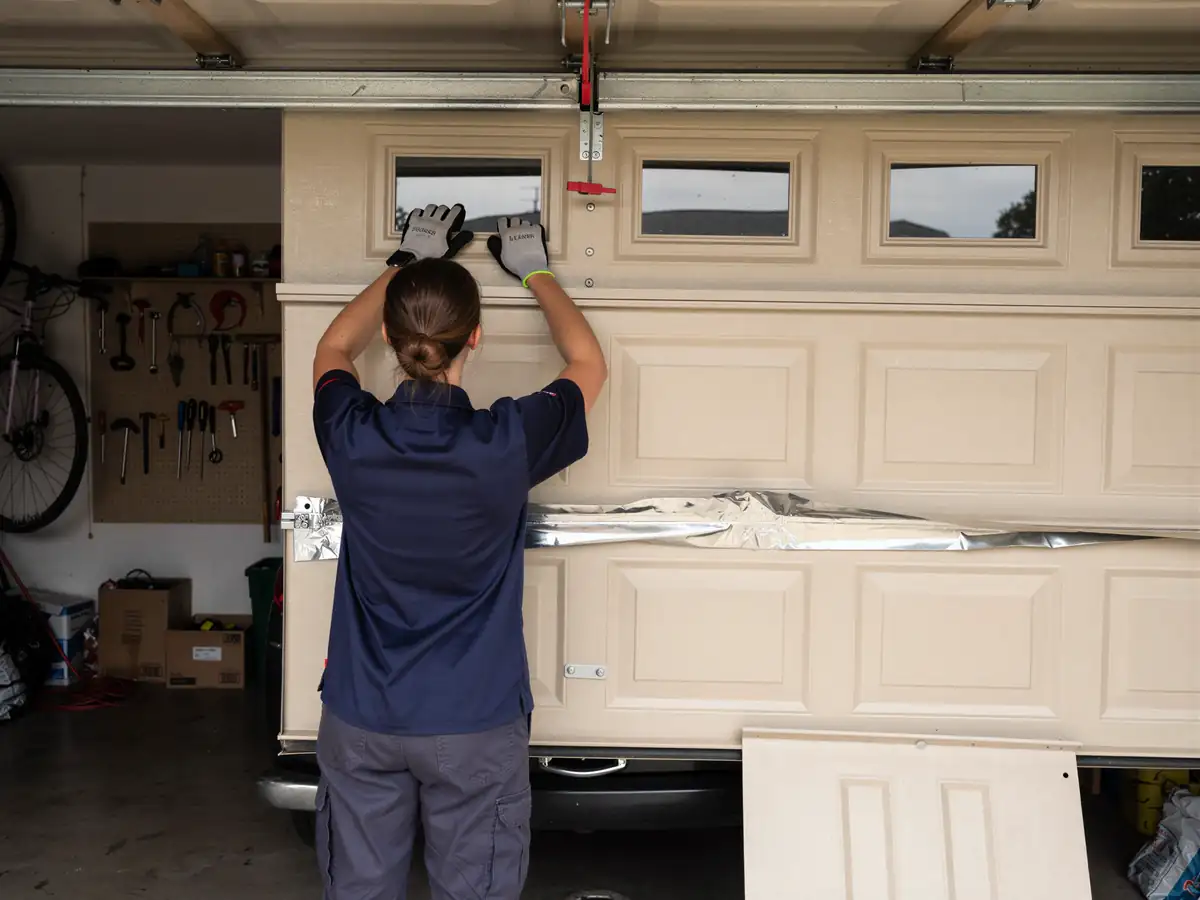
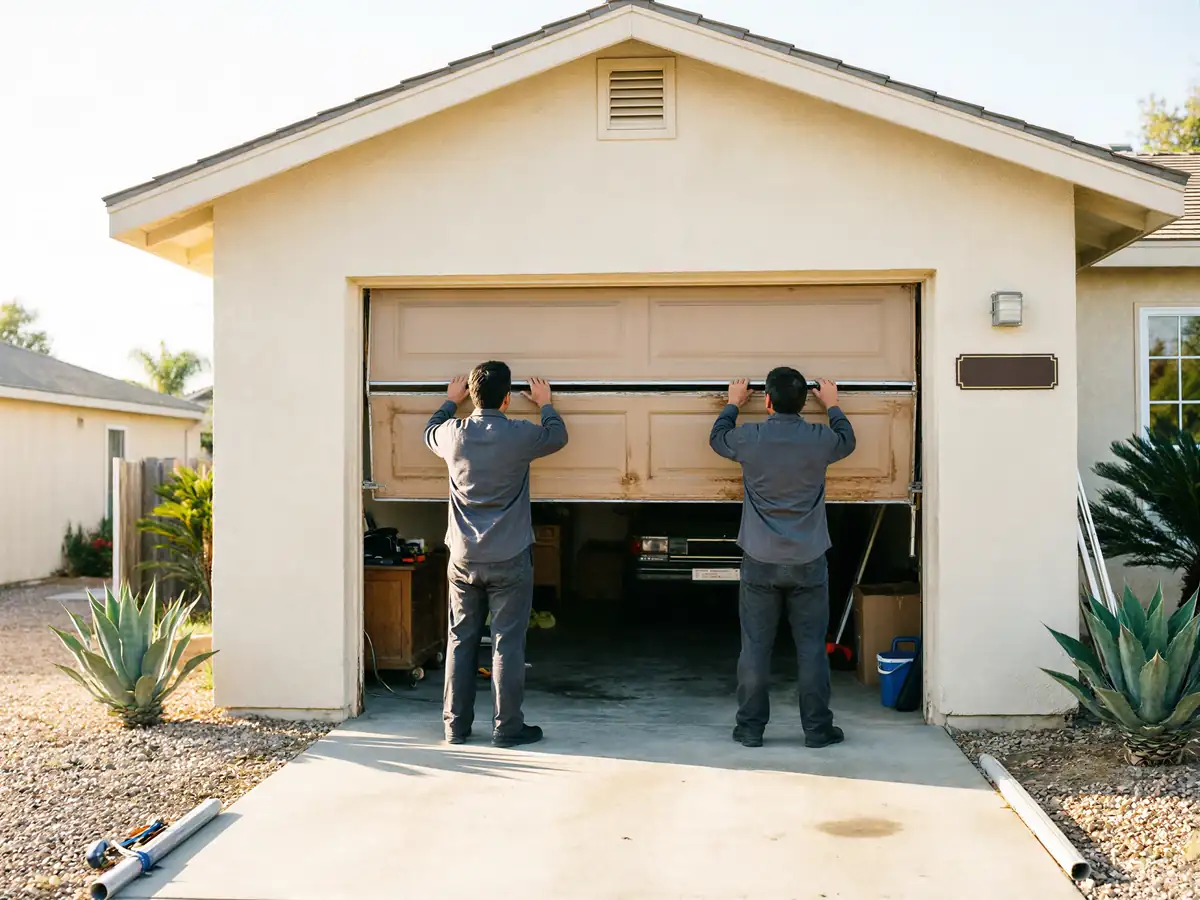
The most common call we get from this area isn't a broken spring - it's a homeowner who wants to replace a door that still technically works but is original to a house pushing sixty years old. The panels are dented or the finish has given out, the opener is a chain-drive unit from a prior renovation, or the track has been patched more than once. Because the area's household incomes run higher than the service-area average, we also get more calls asking about insulated and quieter belt-drive options upfront, rather than people defaulting to the cheapest single-layer door. That's a reasonable ask for a newer opener on an older frame, but it means the job often includes a header or track adjustment, not just a straight door swap.