Where This Job Goes Sideways
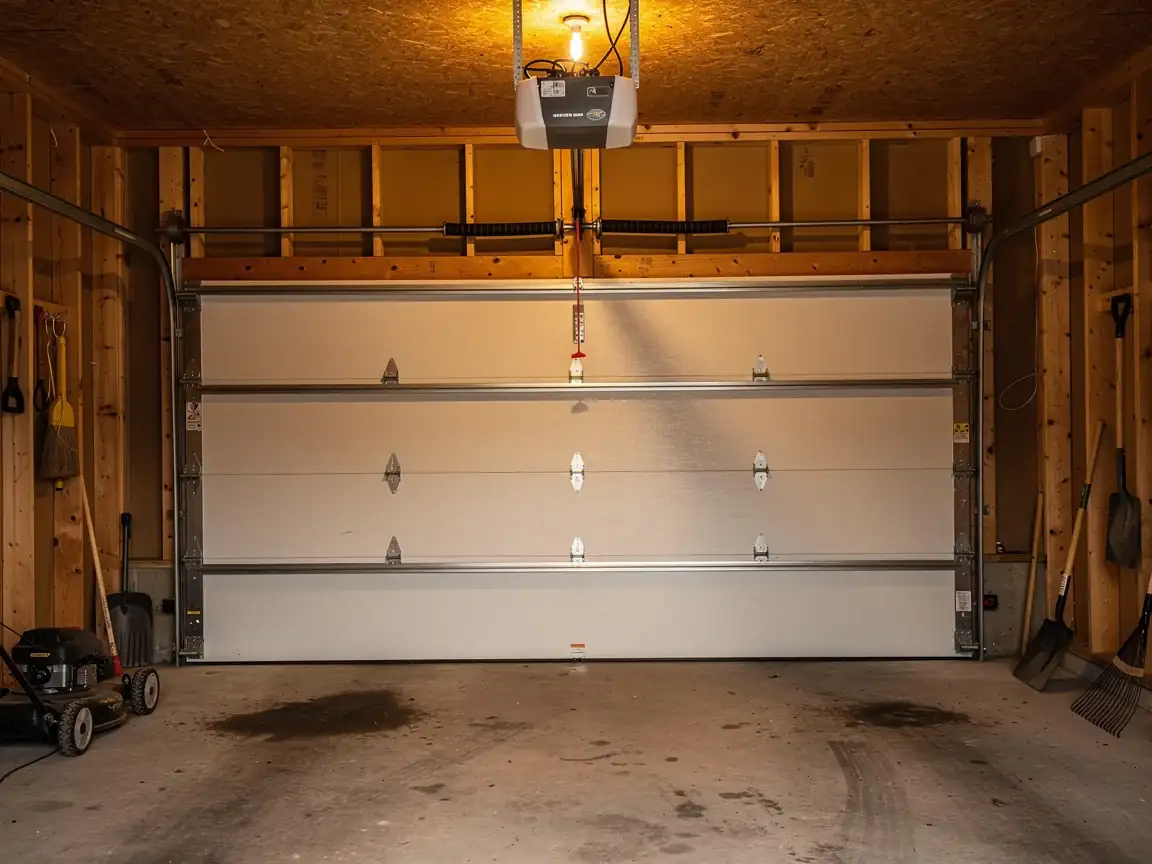
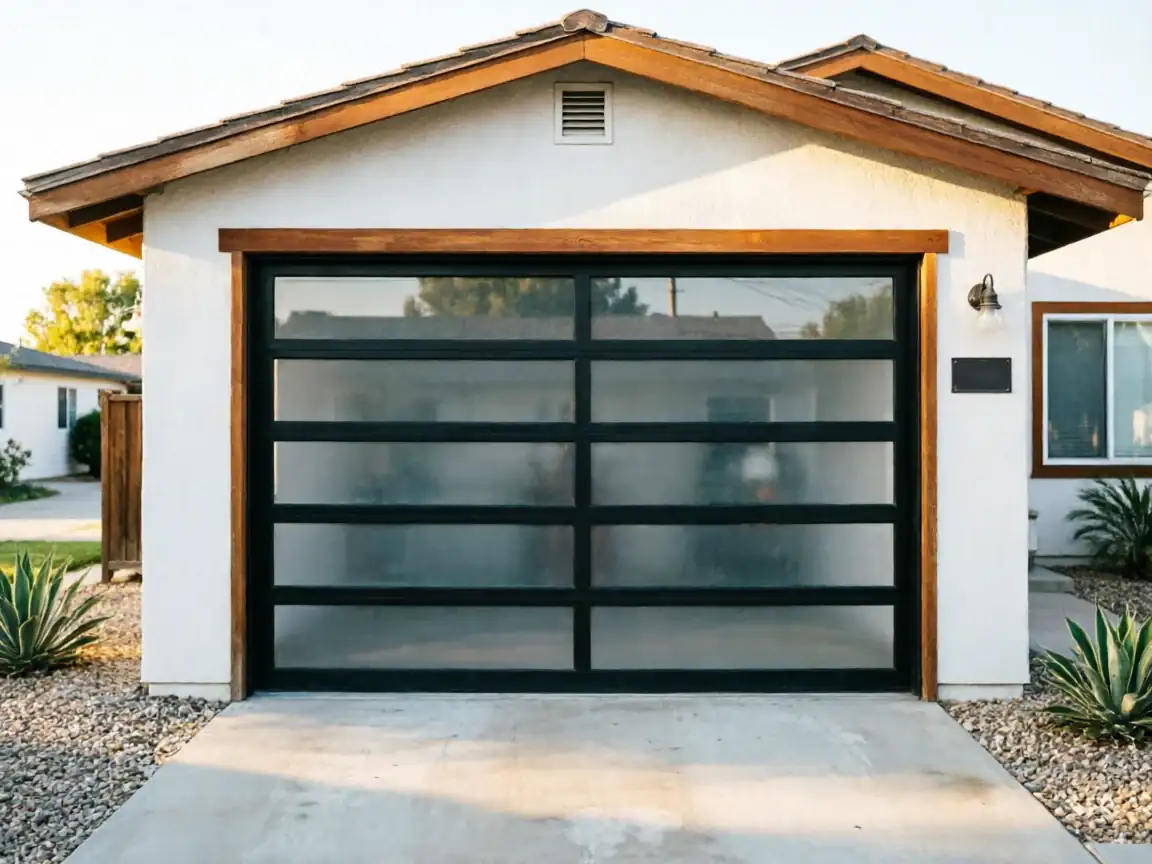
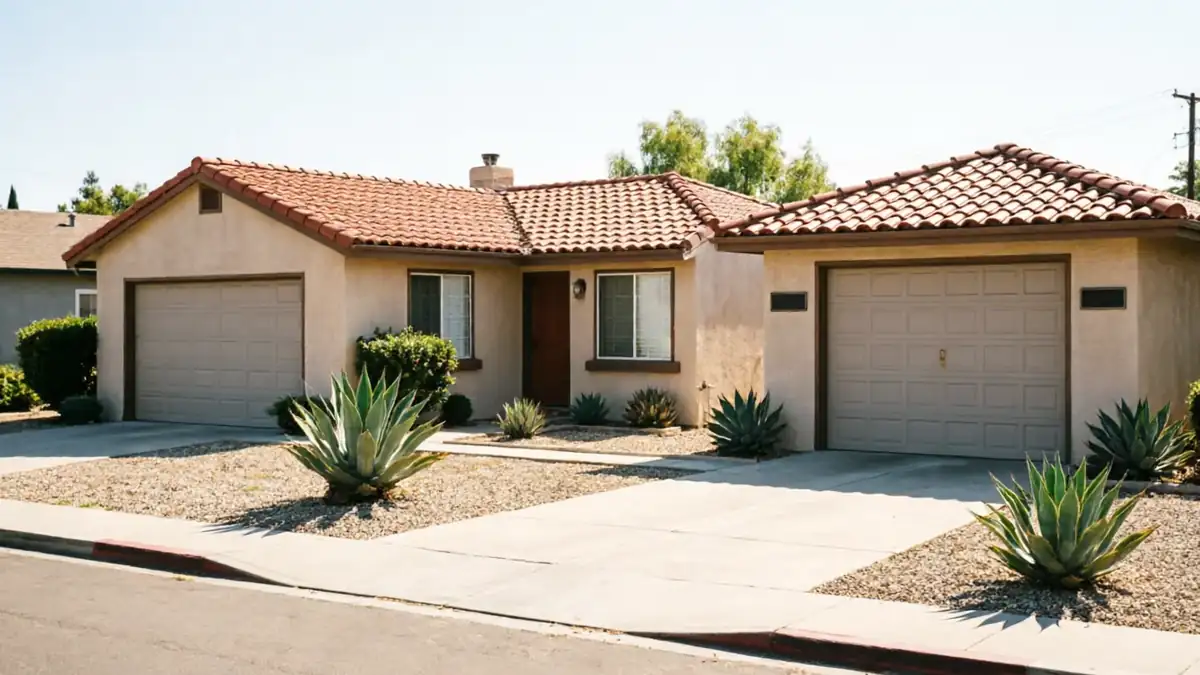
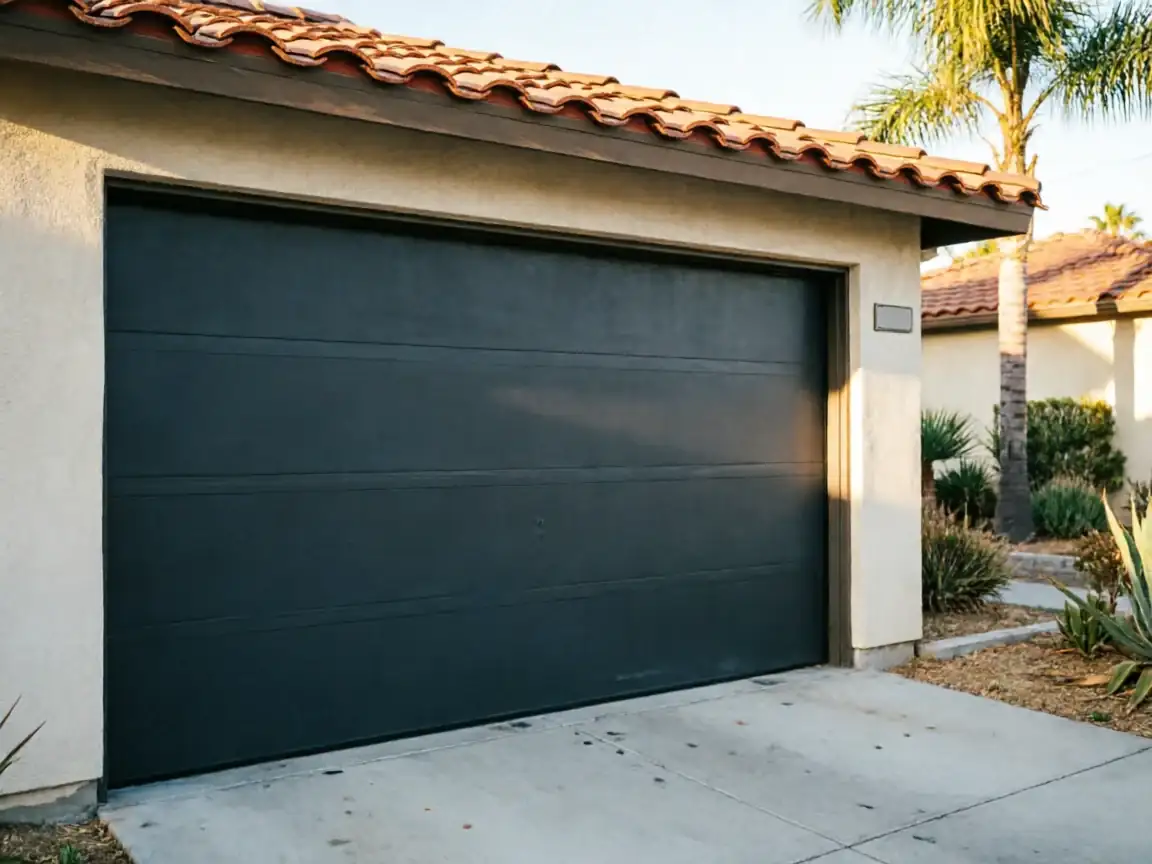
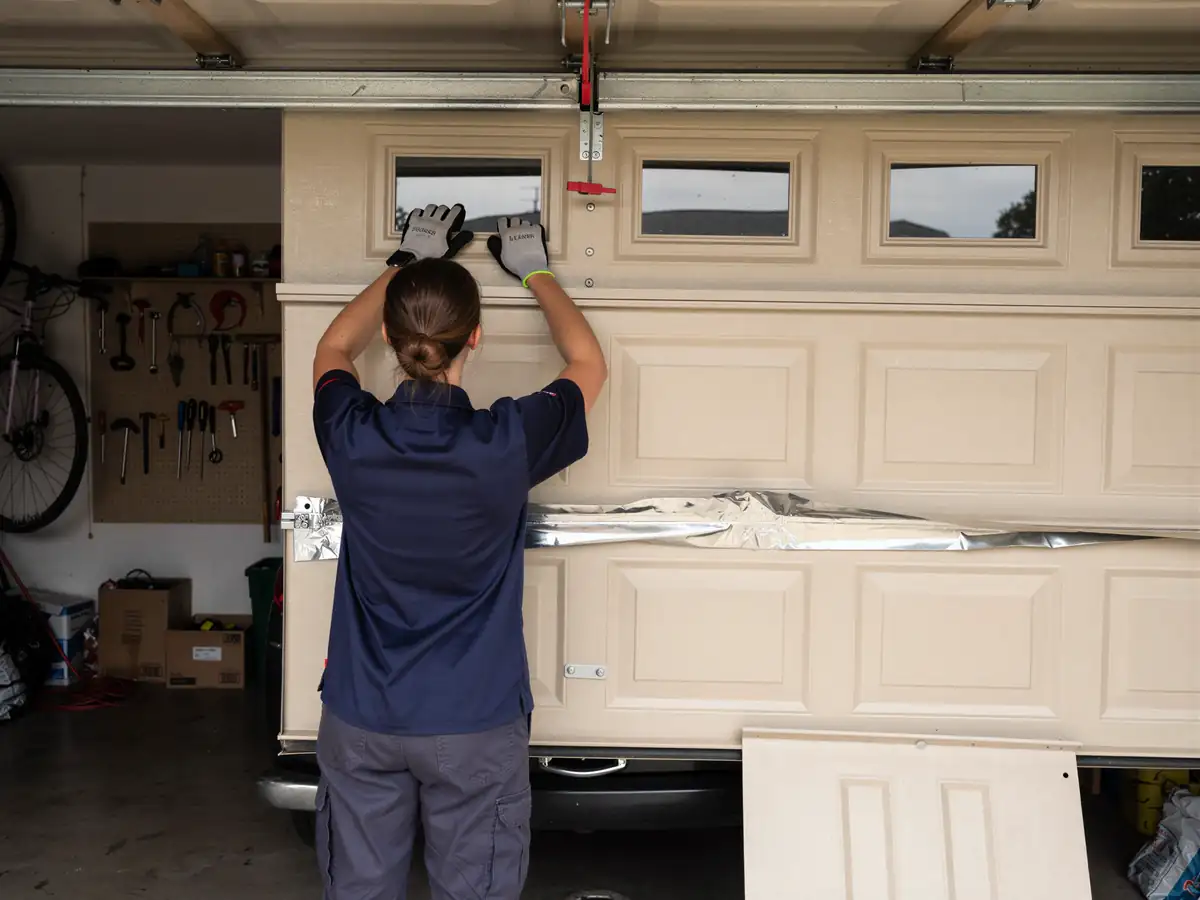
The job almost never starts as a panel job. It starts as a dent, a rust streak along the bottom edge, or a crack where a hinge bites into the metal, and the owner wants just that one section swapped instead of the whole door. That's a fair ask, and it's often the right call. Where it goes sideways is sizing. A lot of garage doors in Carson date from right around 1965, which sits on the edge of a design shift in sectional steel doors - older panel heights and embossing patterns that current manufacturers don't carry as a drop-in match. You can replace the panel. You often can't make it disappear next to the others. We tell people that up front rather than let them find out after the door's back together and the seam line shows under direct sun.
Stocked Parts
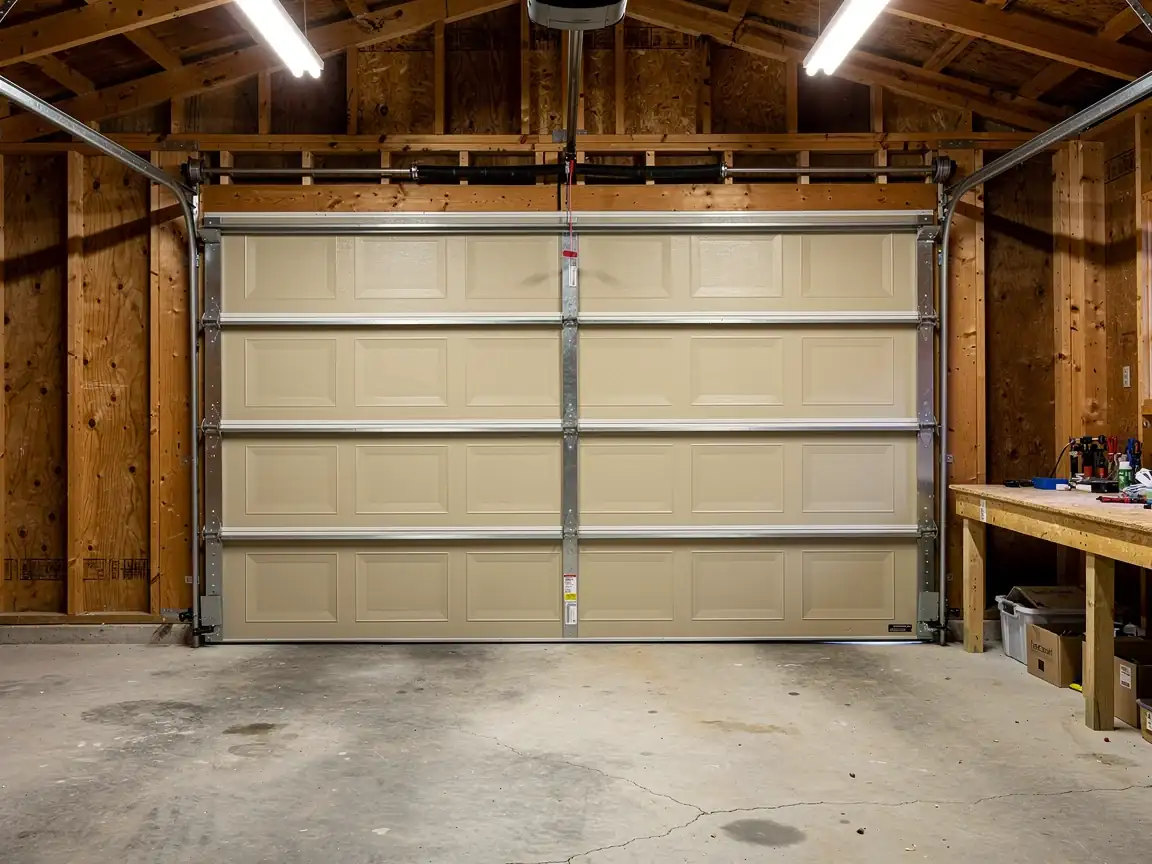
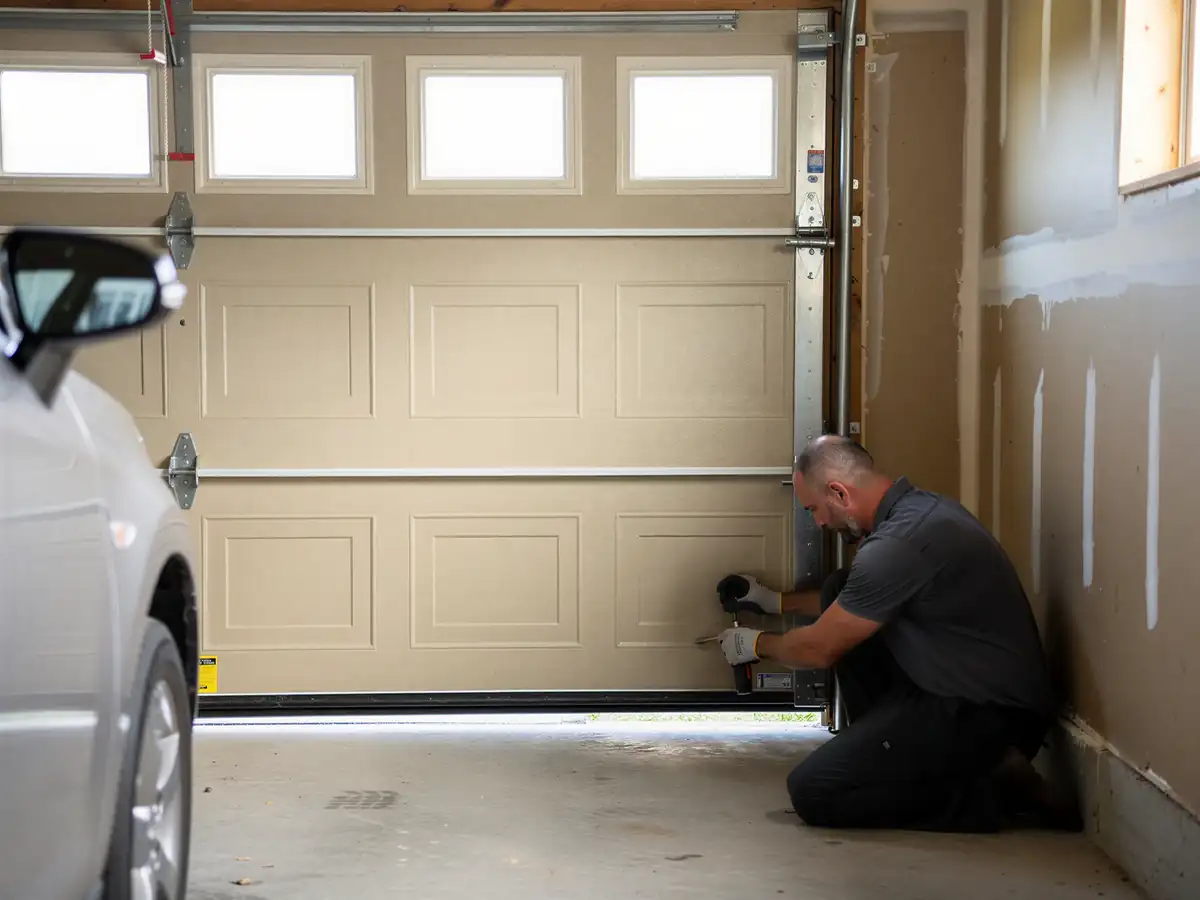
We carry the panel sizes that cover most of what's rolling off trucks today - standard short and long raised-panel sections in the widths that fit newer sectional doors. What we don't keep on the truck is a match for the narrower, deeper-embossed panels common on doors installed when Carson's housing was going up in the mid-1960s. For those, we measure on site and order the matching section, which means a return trip rather than a same-visit fix. That's the honest limit here: if your door is original to a house built in that window, plan on two visits, not one. It's also the point where we'll tell you plainly if a full door replacement costs about the same as chasing a panel that's going to look slightly off anyway.
How It Shows Up
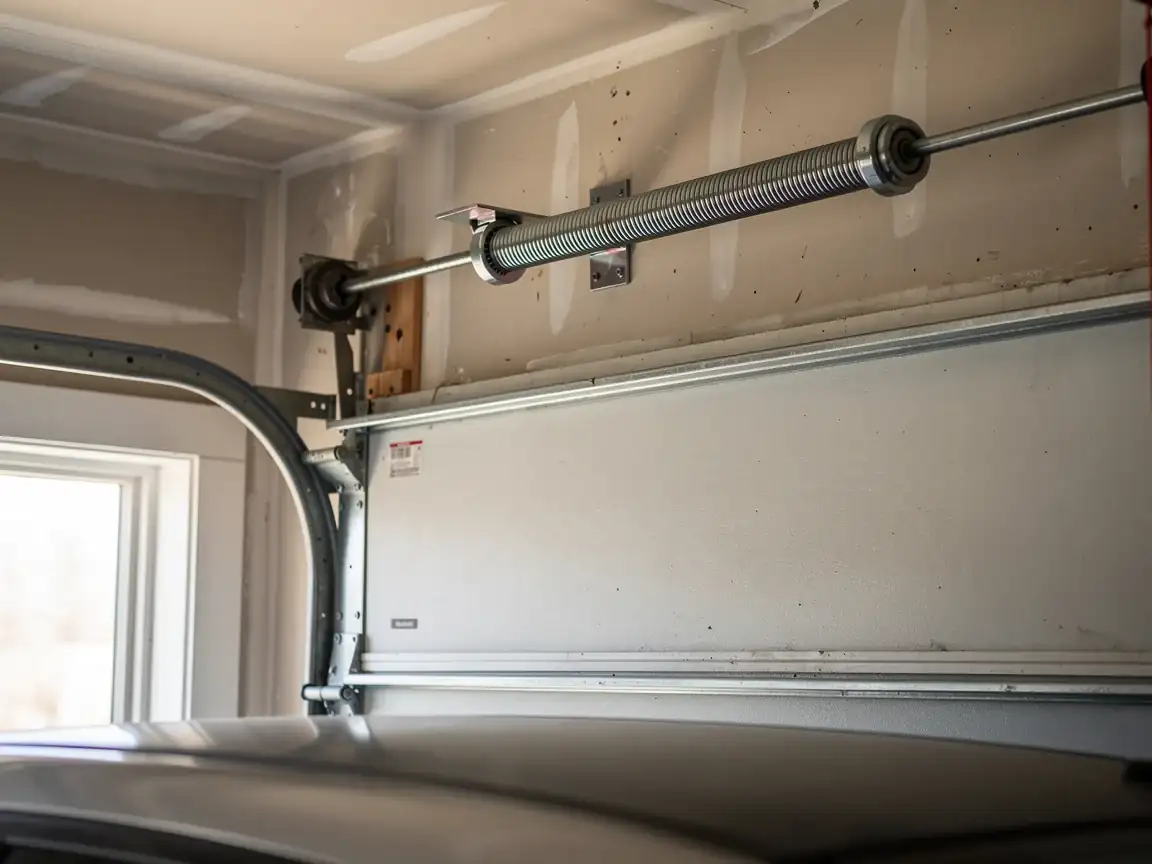
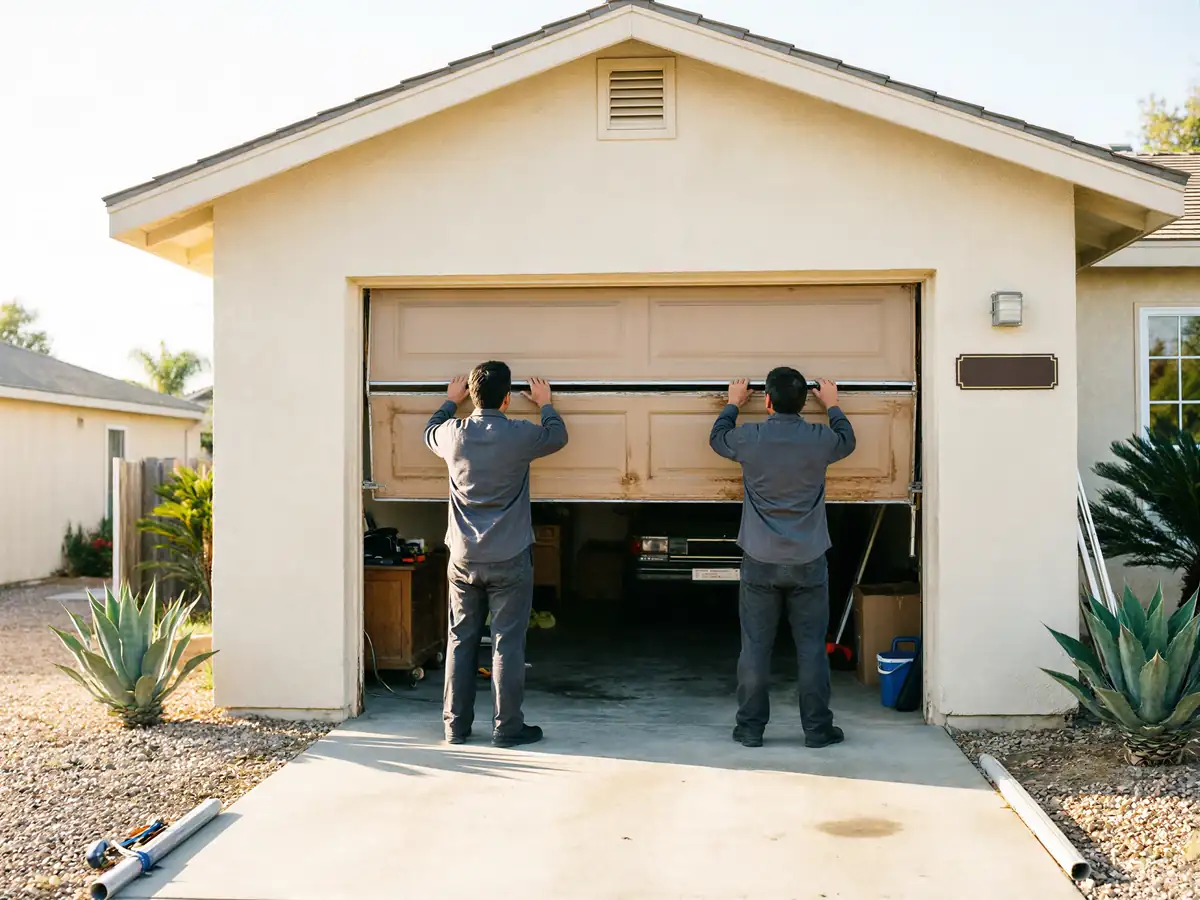
Most calls start the same way: a bottom panel that's bowed inward from a car bumper tap, or a rust line creeping up from the weatherstrip where moisture sits after irrigation runoff. Sometimes it's a top panel cracked at the hinge bolt from years of a spring pulling slightly out of adjustment. On double doors built in the mid-1960s window, you'll also see the center panel dragging against the track because the original hardware has loosened enough to let the section flex when the door's halfway up. None of these mean the opener or the spring is bad - they're panel and hardware symptoms, and treating them as a panel job first saves you from paying for parts you don't need.