Where This Job Goes Sideways
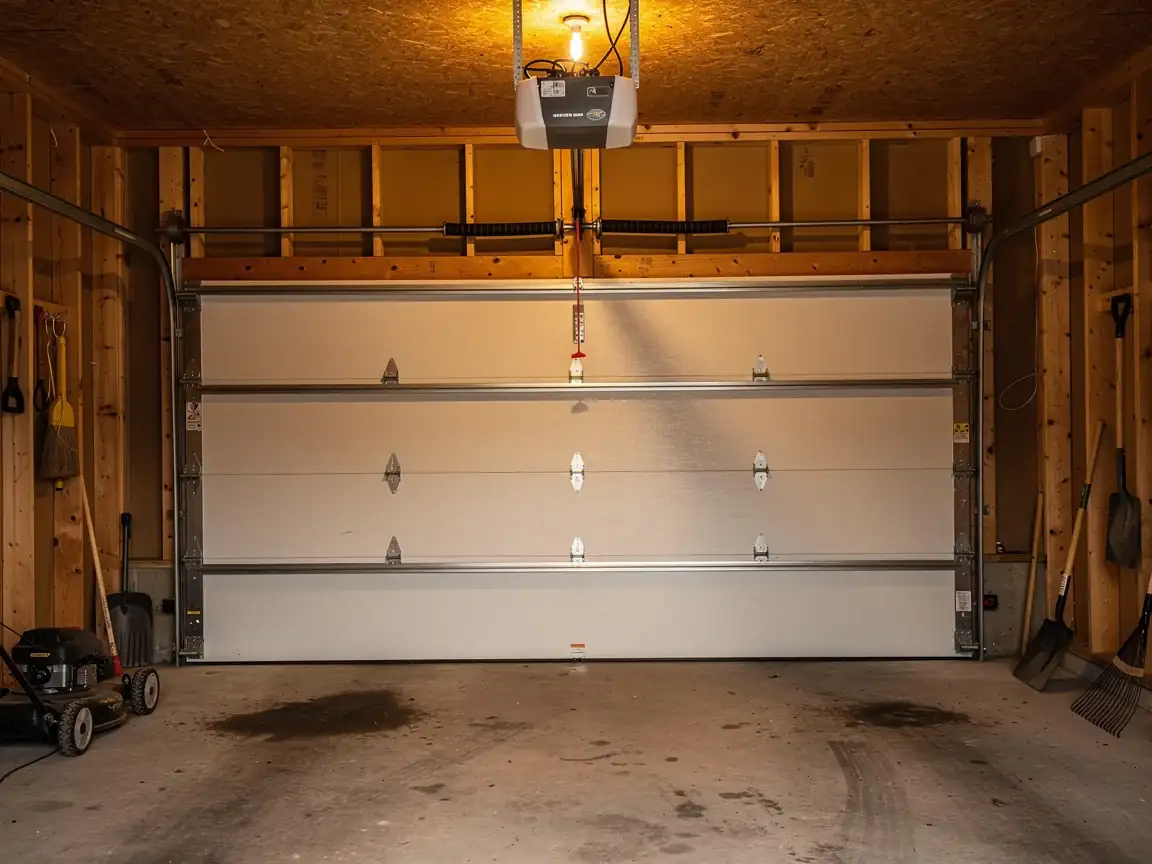
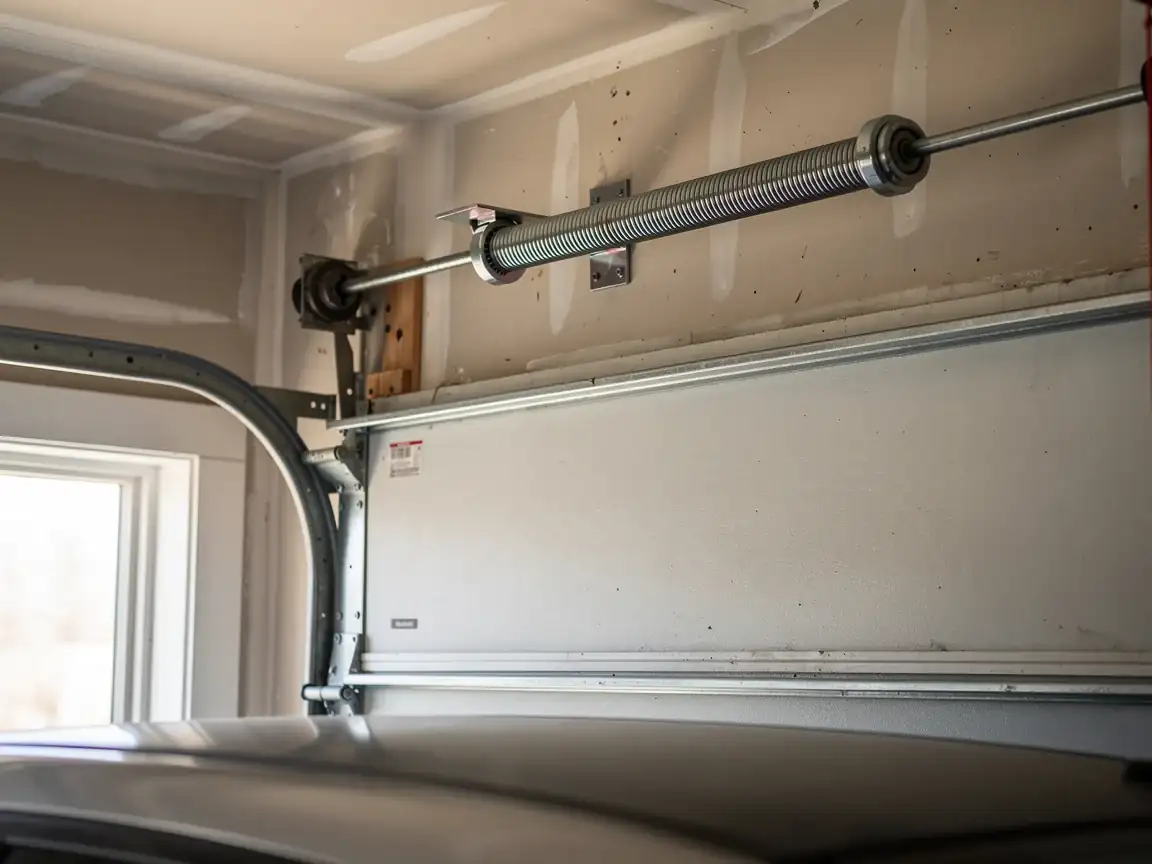
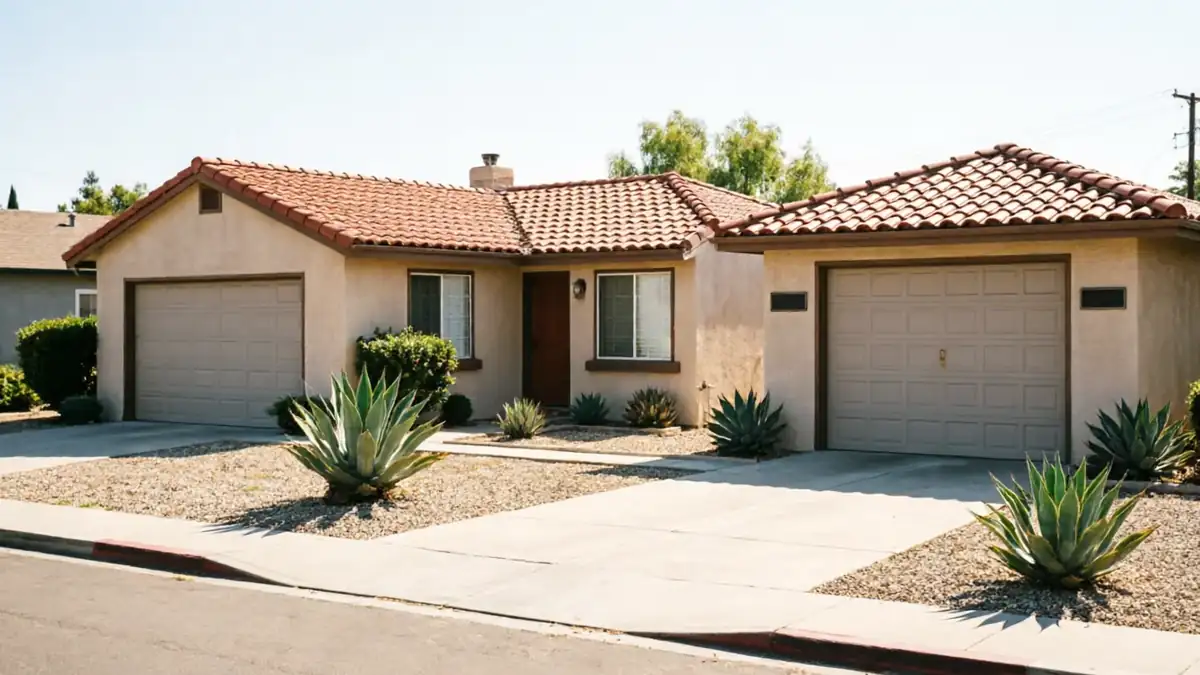
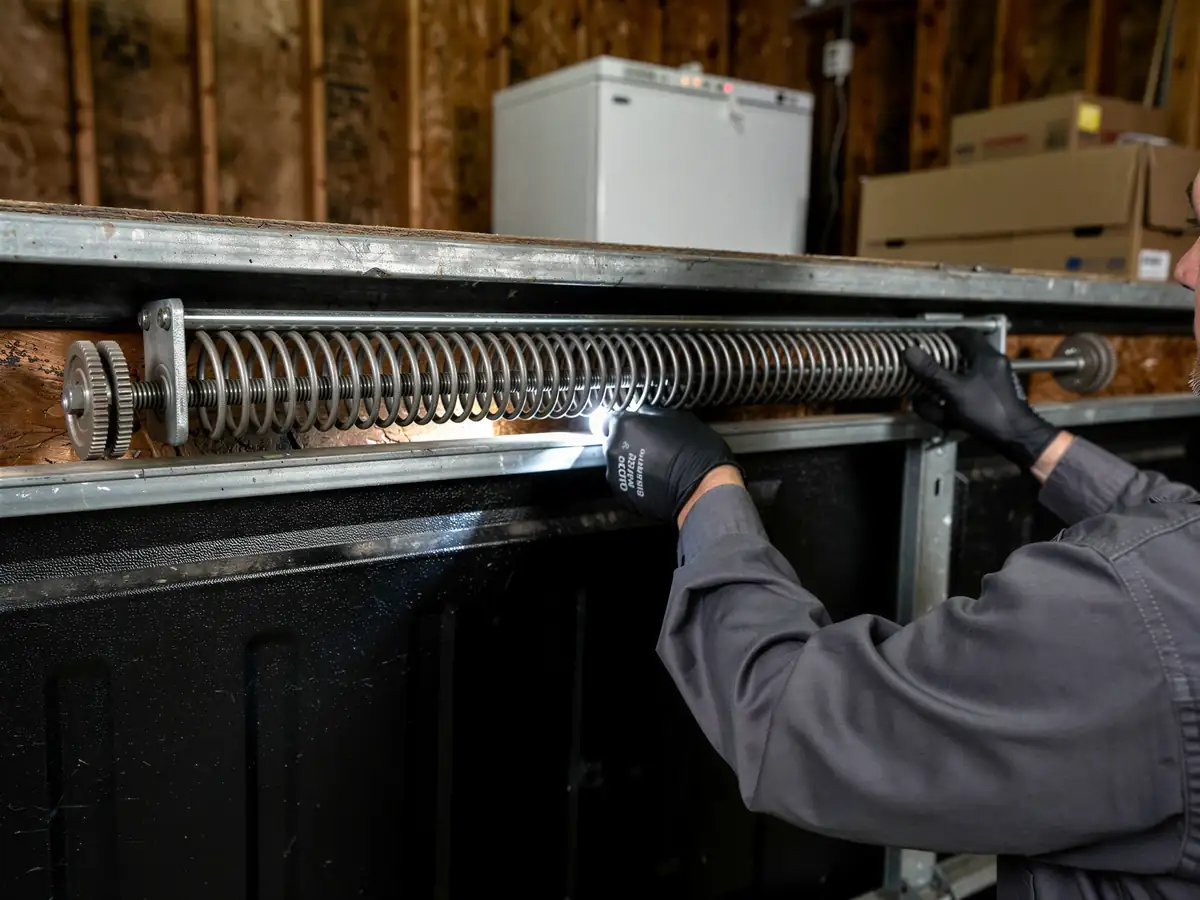
Carson's housing stock centers on 1965, a bit later than the 1961 median across the wider service area, but still squarely in the era when sectional steel doors were replacing older wood swing-ups and extension springs - not torsion springs - were the default lift system. An extension-spring door runs a stretched spring along each horizontal track, with a pulley and a cable looping back to the bottom bracket. That setup works fine for decades, but it was built before safety cables ran through the spring as standard practice. When one of those springs lets go on an old, uncontained system, the spring itself can travel. That's the call we get most from this stretch of houses: a door that dropped hard, or a spring that snapped and whipped loose hardware with it. The mild climate here (temperate, no real freeze-thaw cycle) means rust isn't usually the driver - age and cycle count are. A door opened twice a day for close to sixty years has just worn out its galvanizing and its coil tension, regardless of weather.
Stocked Parts
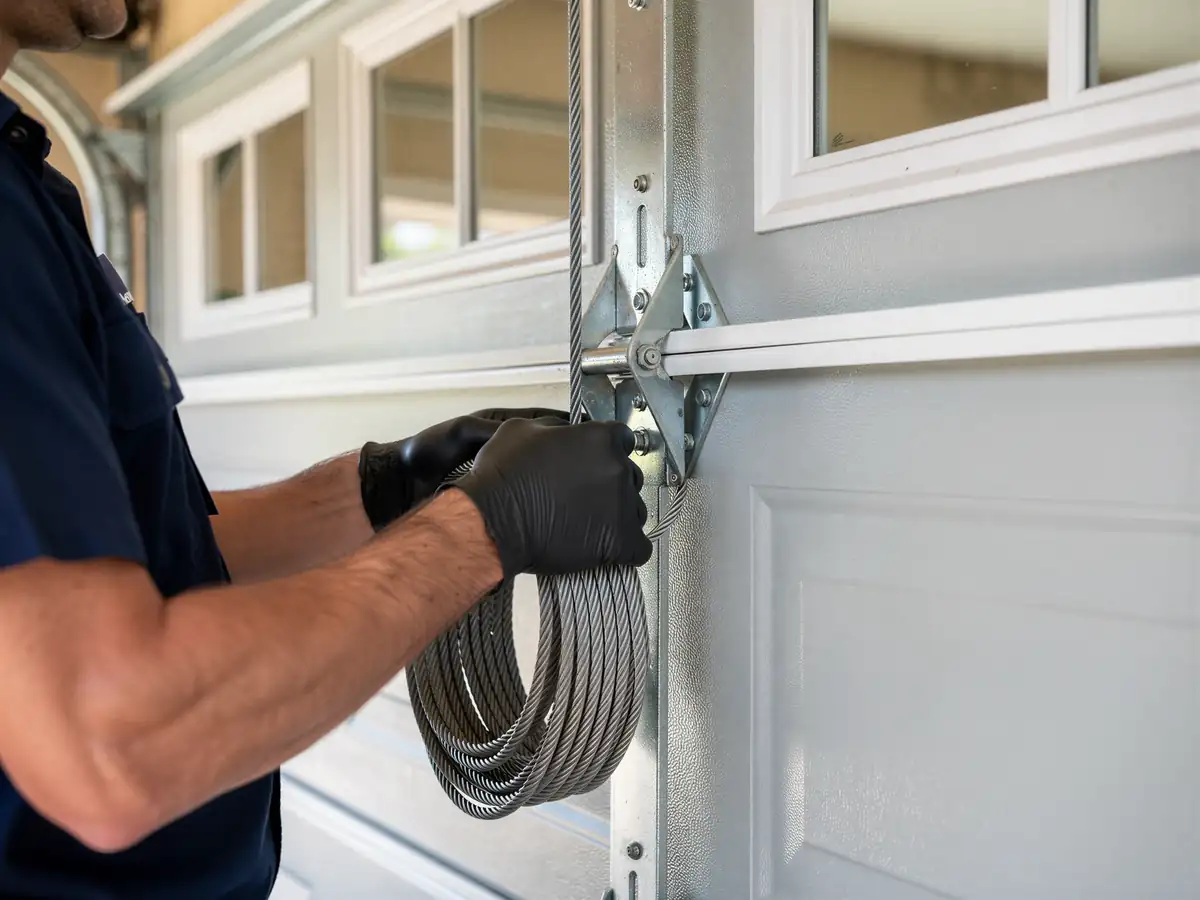
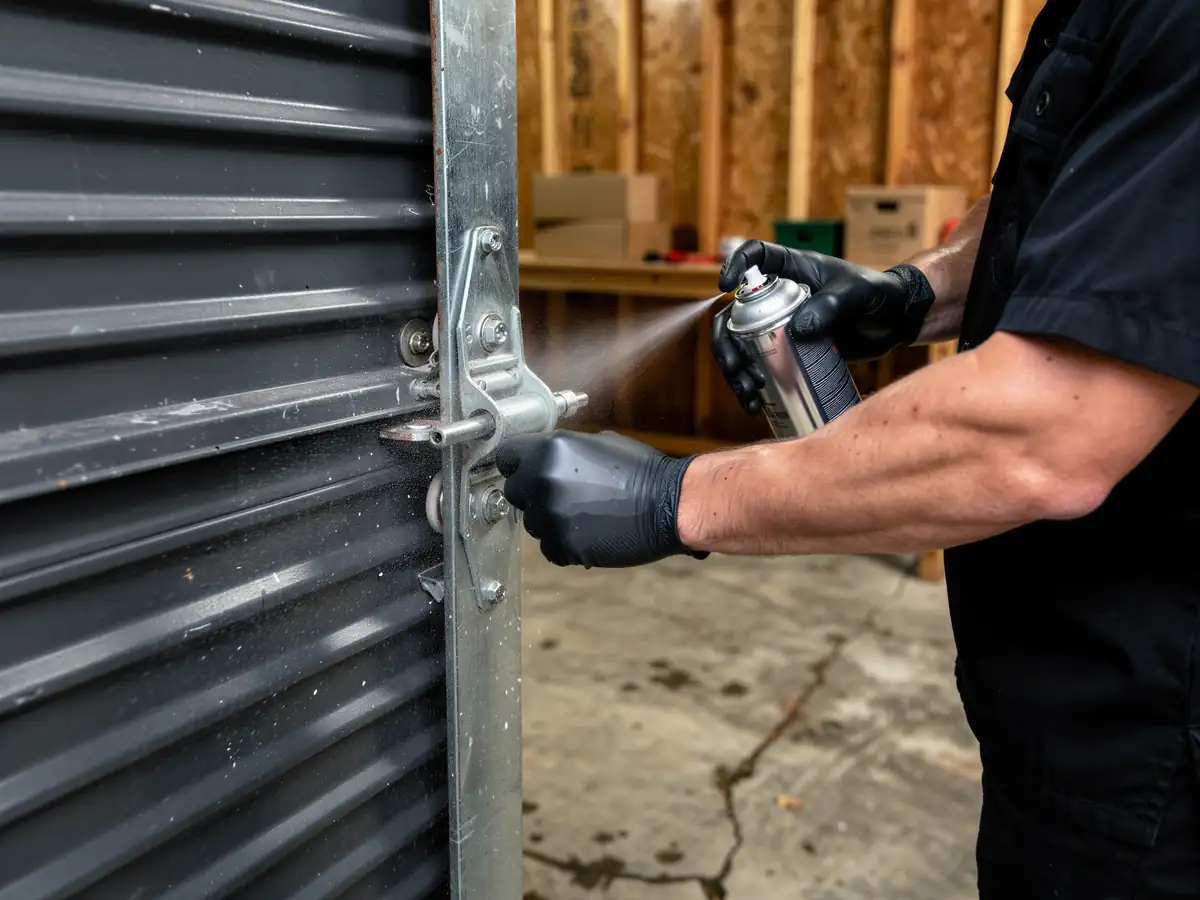
For doors from this era we're generally looking at extension springs sized to the door's weight and height, not torsion springs, plus the stationary and traveling pulleys that route the cable, the safety cables that a lot of these installs never had added, and nylon or steel rollers worn oval from thousands of cycles. Bottom brackets on doors this old are often an older gauge than what's sold today, so matching hardware sometimes takes an extra step rather than a straight swap. One honest limit: if the door itself has delaminated panels or rust-through at the bottom section - common once a wood-look steel door passes the half-century mark - replacing the spring and cable won't fix the real problem, and we'll tell you that instead of billing you twice.
How It Shows Up
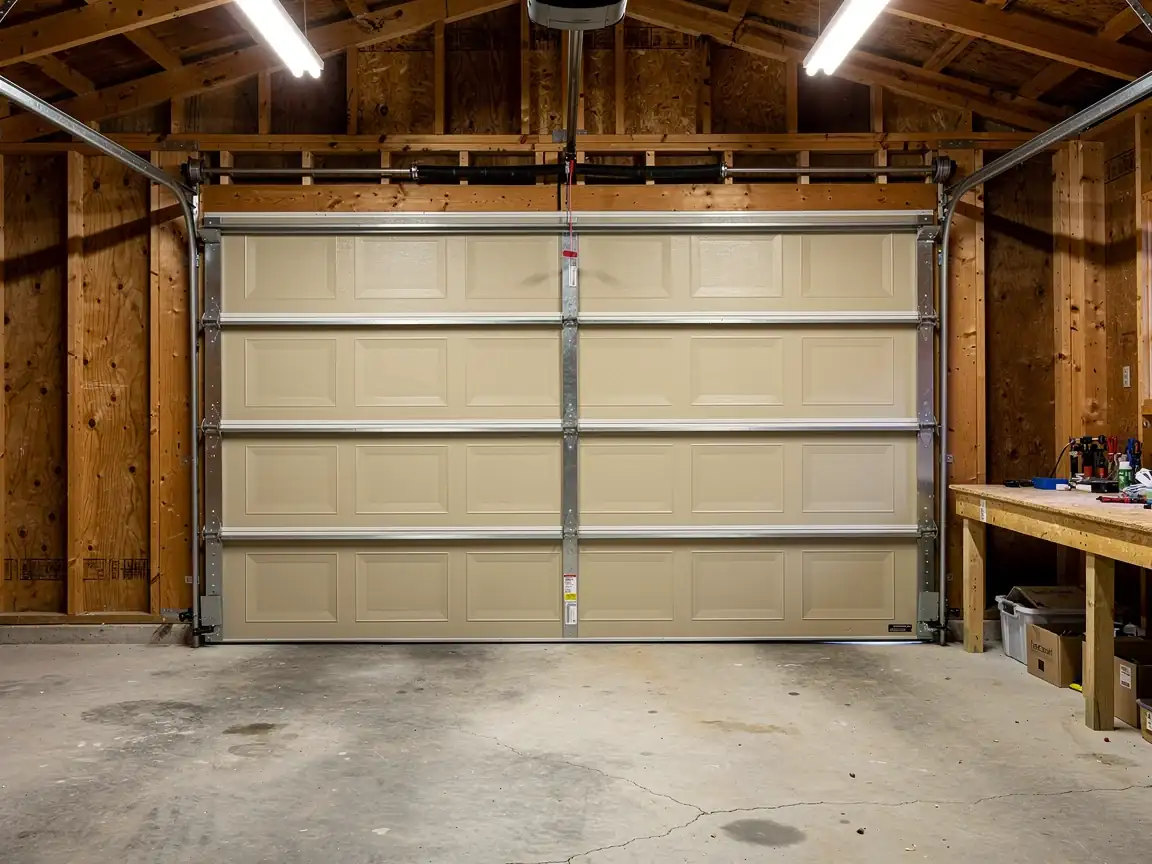
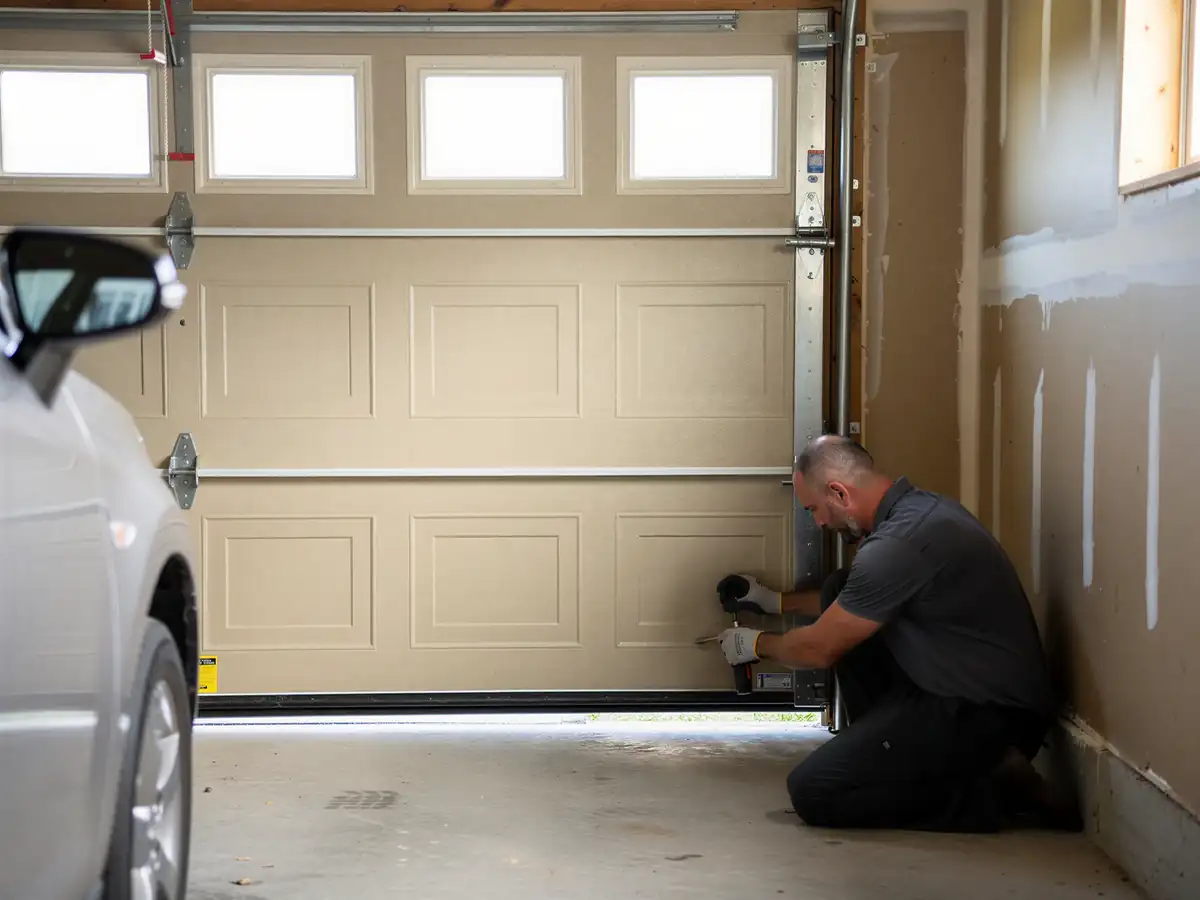
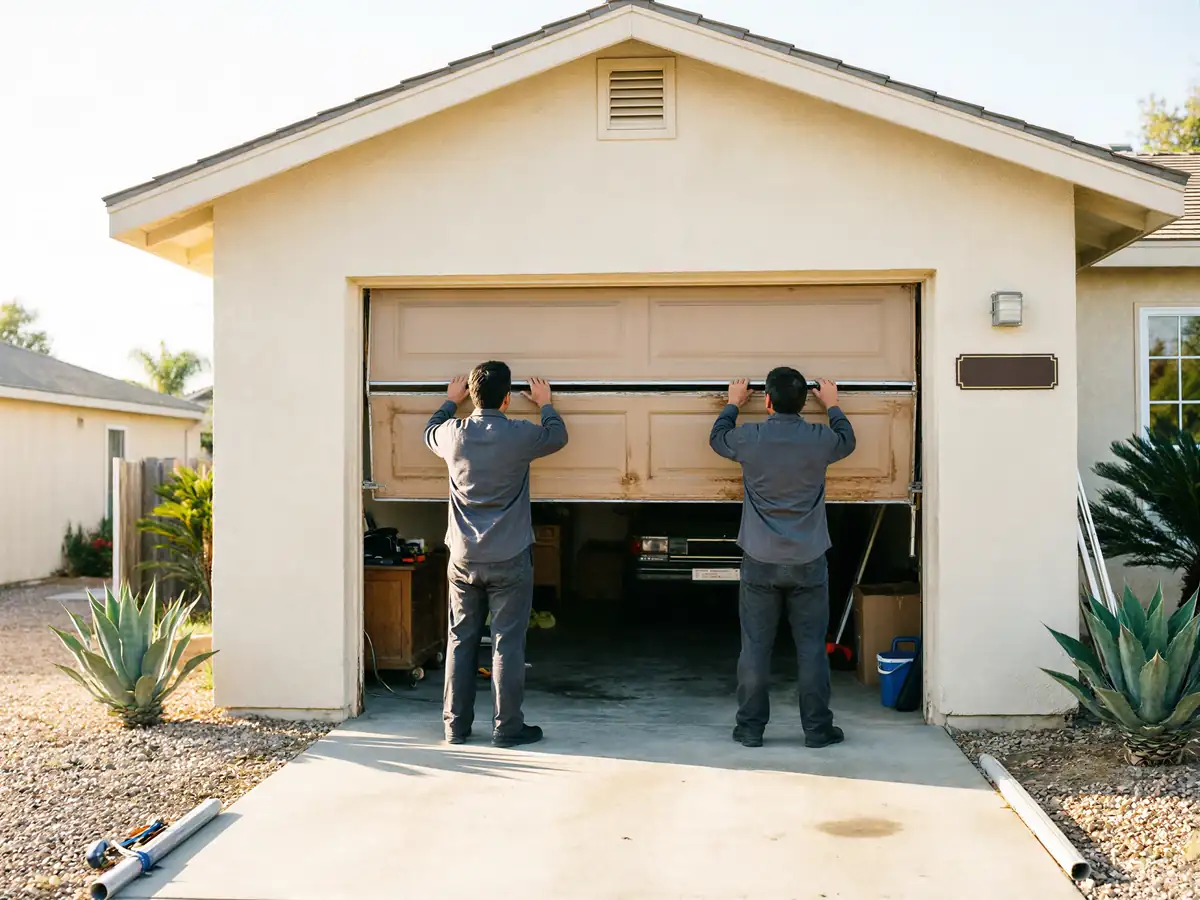
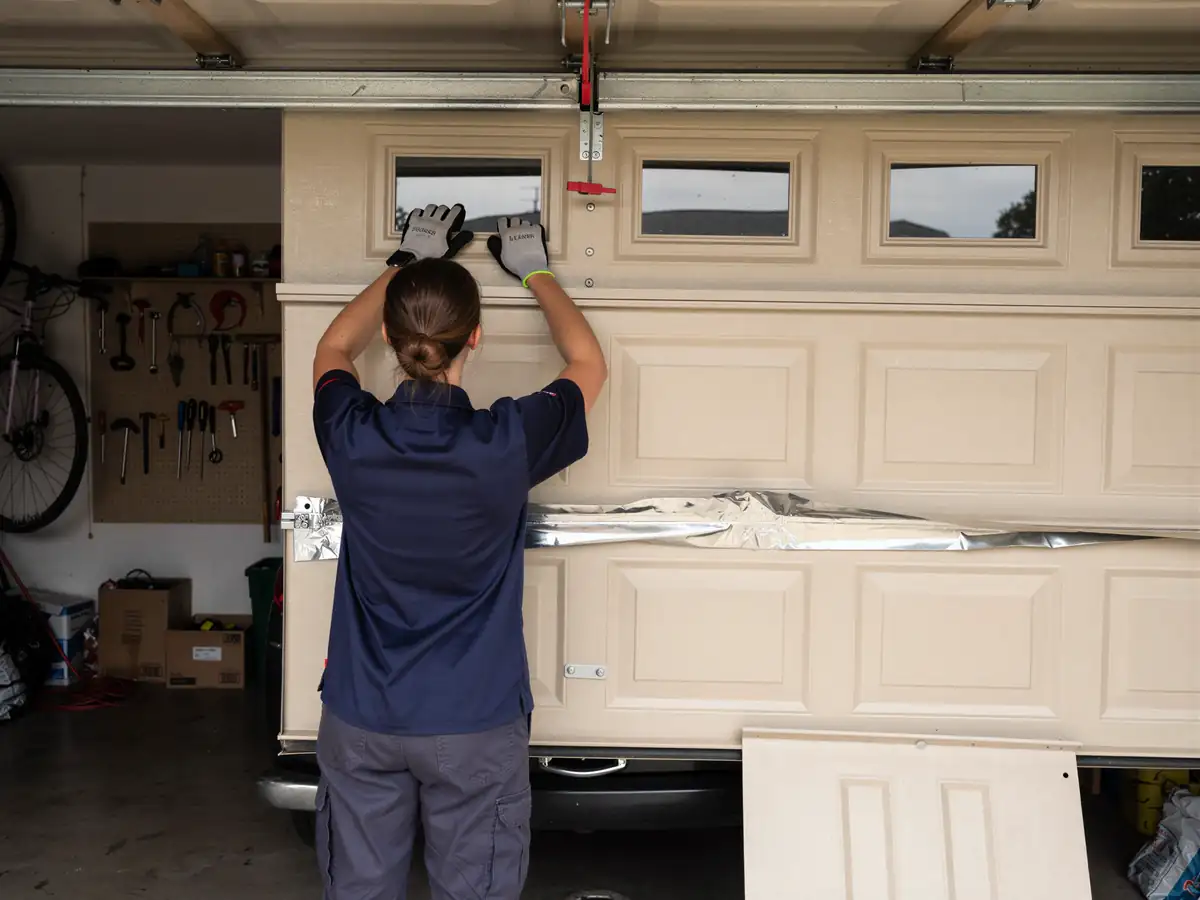
The classic sign on a Carson extension-spring door is asymmetry: one side of the door looks like it's sagging or riding half an inch lower than the other, because one spring has stretched or partially failed while the other is still pulling full tension. You might also hear a loud bang from the garage with no obvious cause - that's usually a spring letting go, not a break-in. A door that reverses on its own partway up, or that needs a shove from a person standing underneath to finish opening, is telling you the springs can no longer lift the panel weight alone, which is exactly the job they're supposed to do without help. None of these are openers issues even though the opener usually gets blamed first.