Where This Job Goes Sideways
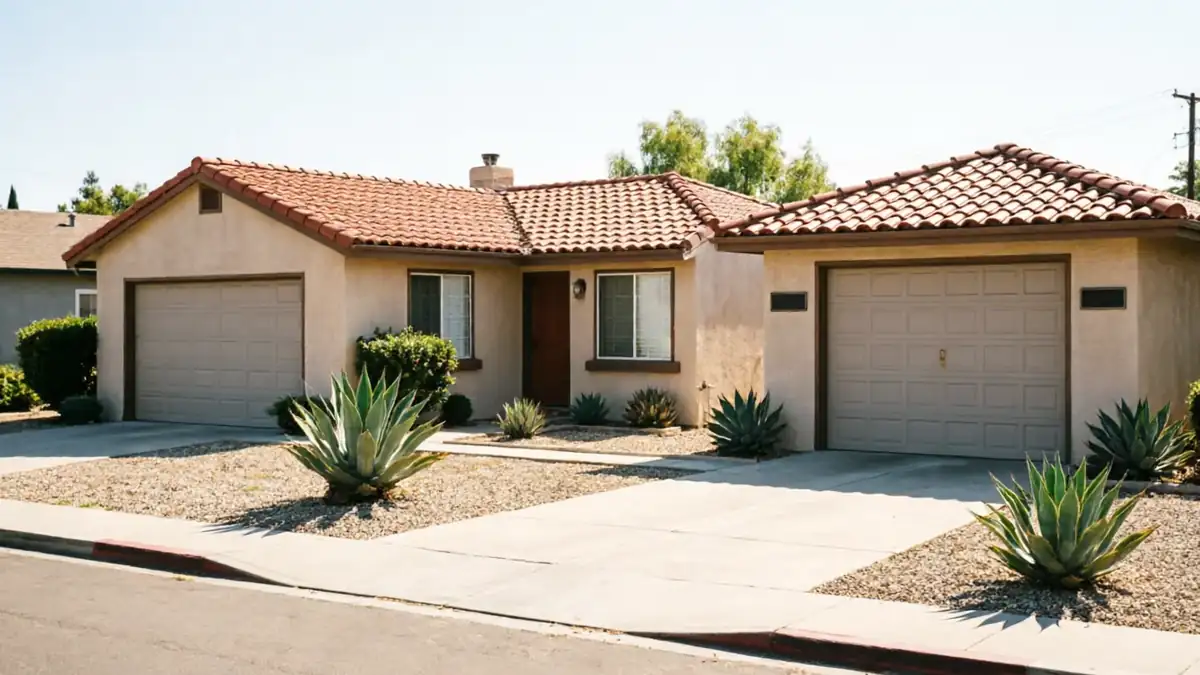
Carson's housing stock runs younger than a lot of what we see closer to Inglewood. The median build year out here is 1965, a few years past the 1961 median across the wider service area, and that gap matters more than it sounds like it should. A house built in the mid-60s usually came with a different spring configuration and bracket style than one built right after the war. When a tech shows up expecting the older hardware and finds the newer stuff, or the other way around, the maintenance visit turns into a parts scramble. We've learned to ask the build year before we load the truck, not after we're standing in the driveway. Carson is about 10 miles from our Inglewood base, so a wasted trip for the wrong bracket or spring size costs real time, not just a minor inconvenience. Knowing which era a given block falls into lets us bring the right torsion spring diameter and the right roller type on the first run, which is most of what separates a maintenance call that takes 40 minutes from one that takes two visits.
Stocked Parts
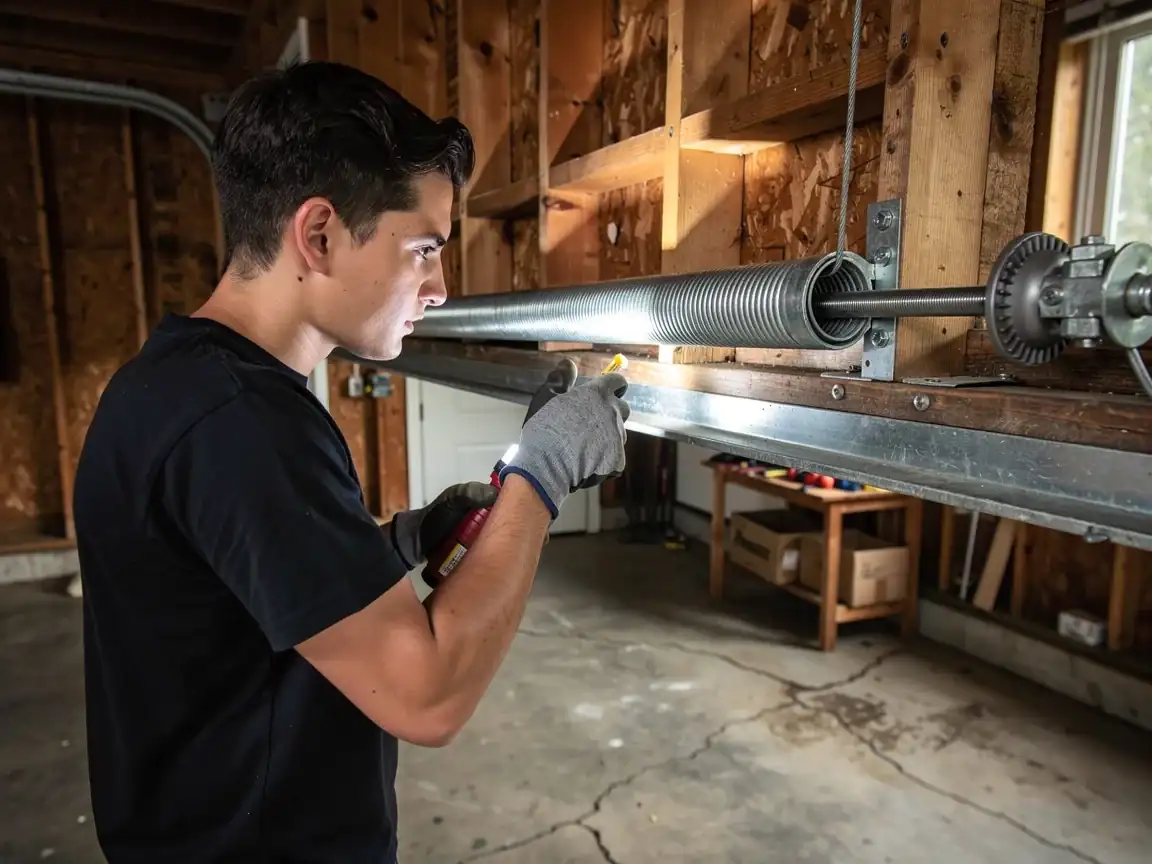
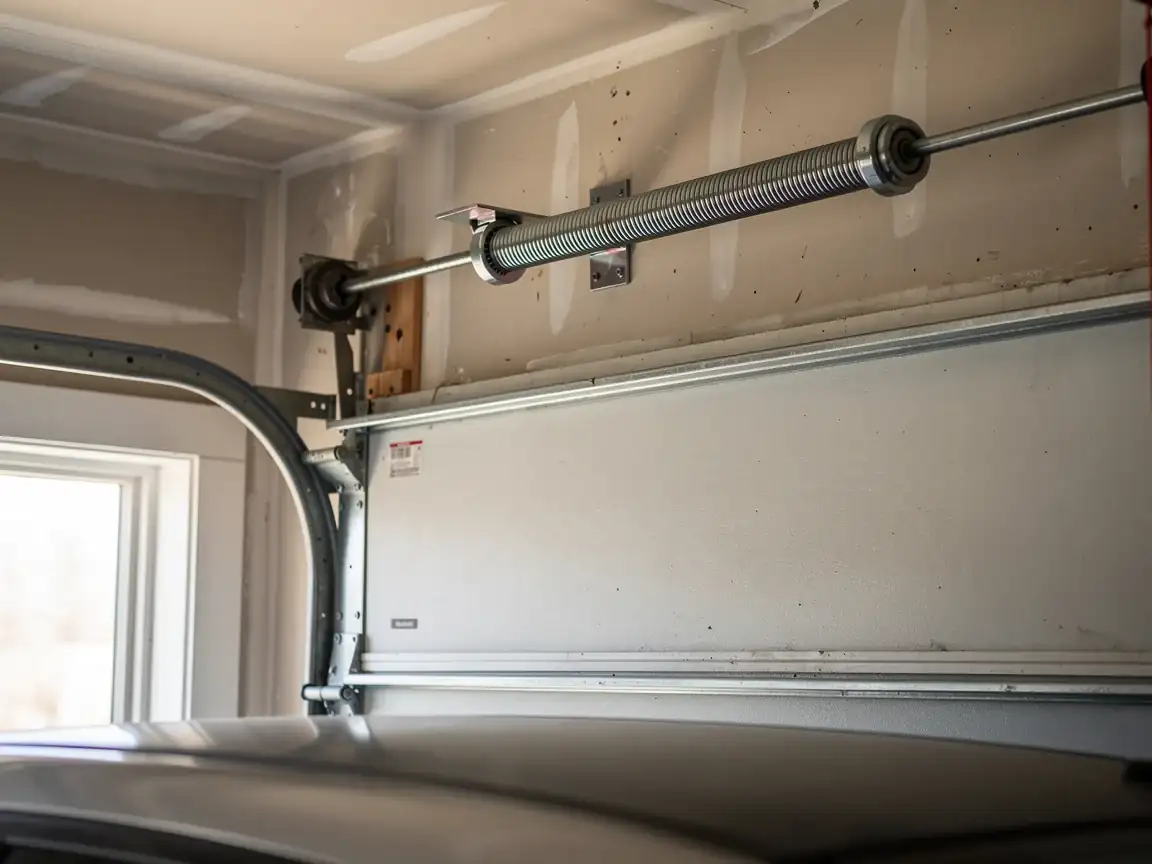
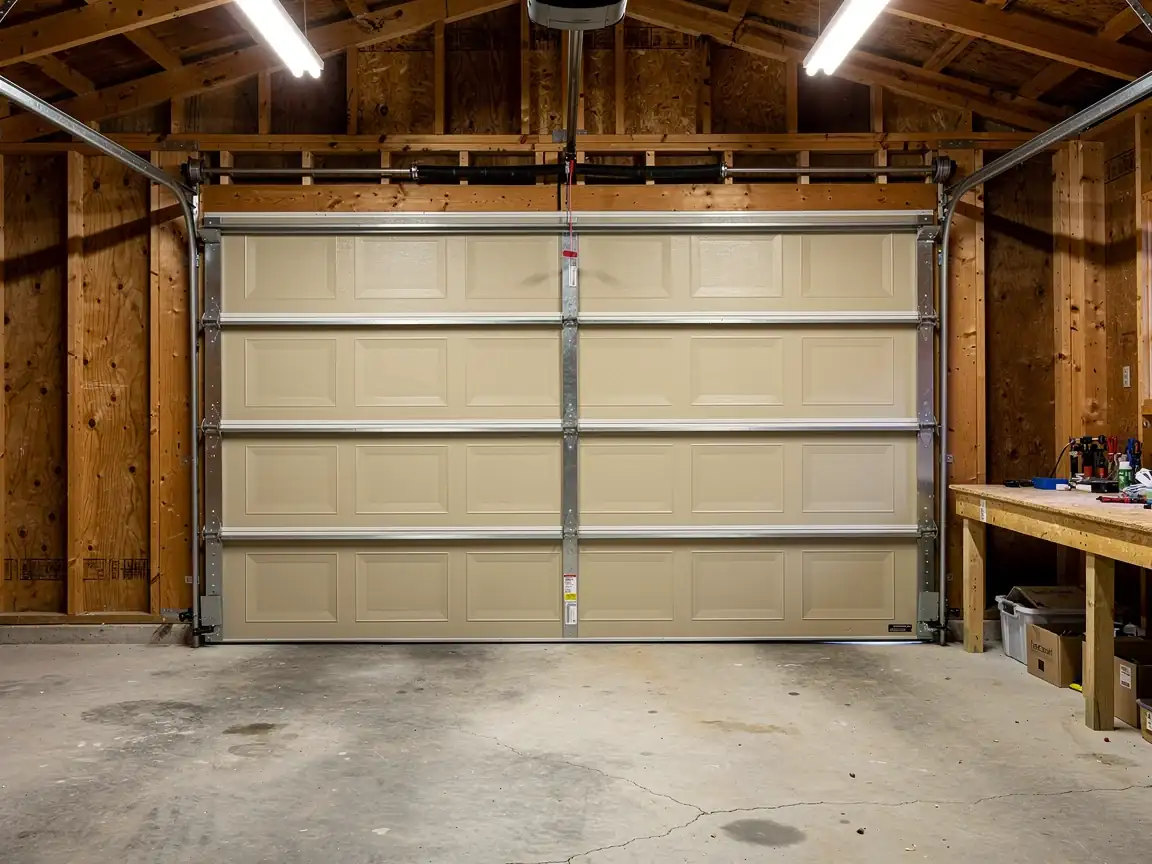
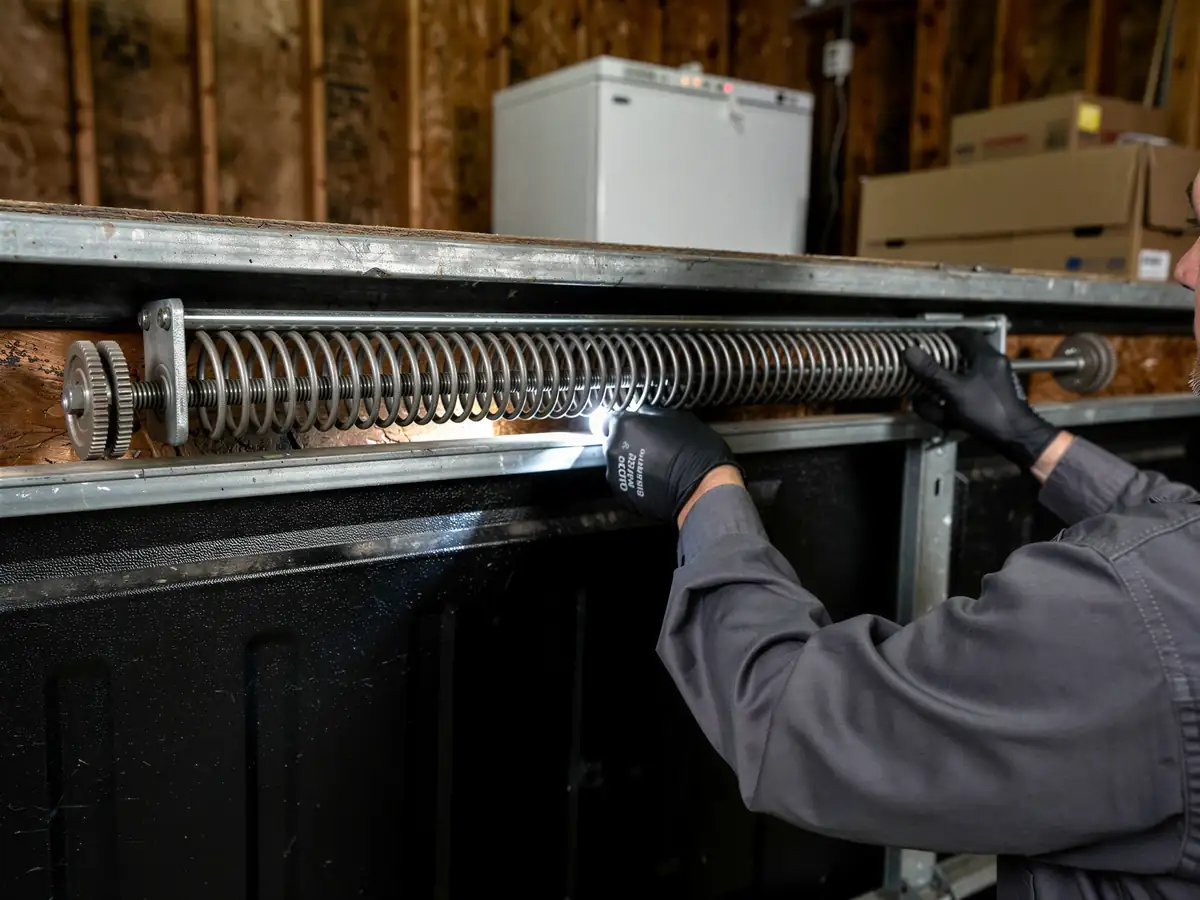
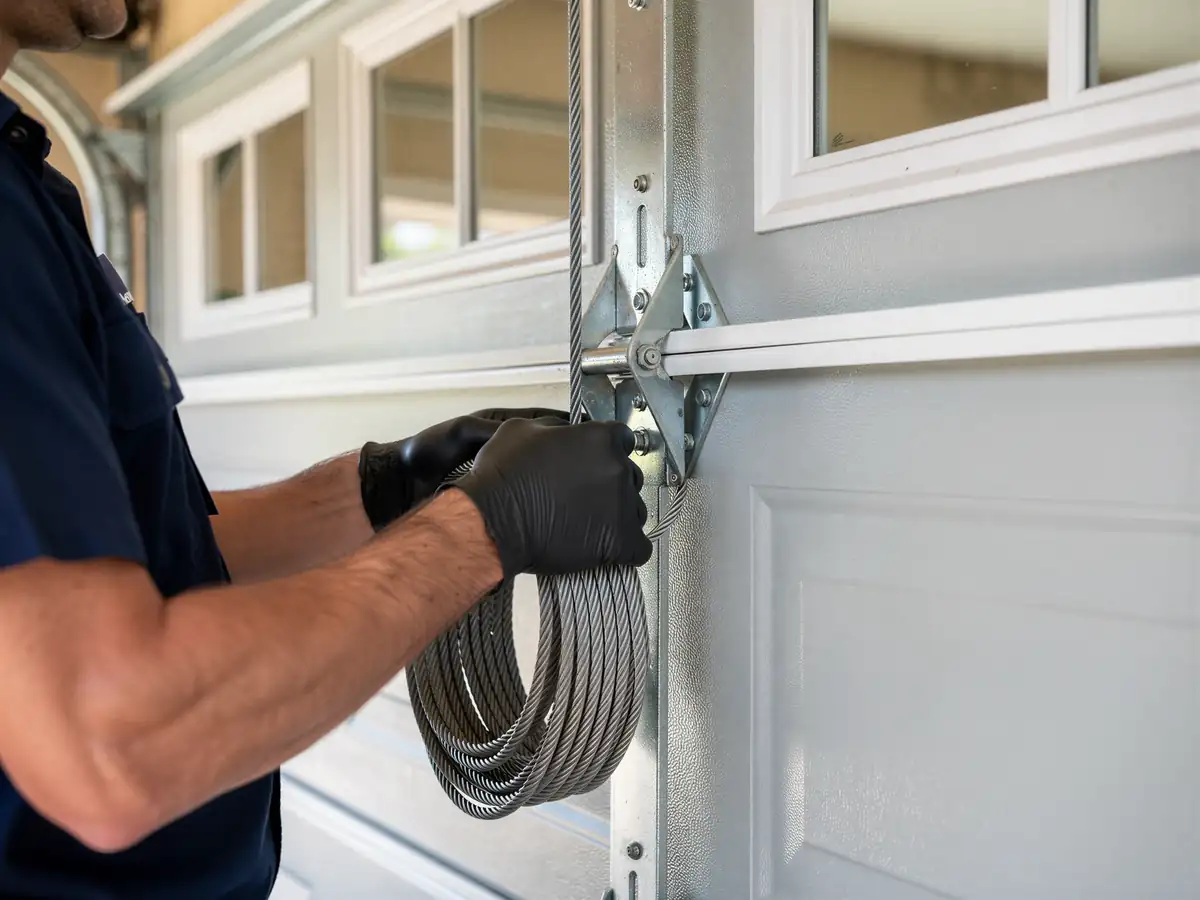
We carry torsion springs sized for the hardware that shows up most often in 1960s-era builds, along with standard-width tracks and the roller types that match that generation of door. Lift cables and extension spring kits for older-style doors are on the truck too, since Carson sits inside an area where ACS data shows 244,769 owner-occupied houses spread across a wide span of build years, and not every street matches the median. What we don't carry is every obsolete bracket from pre-1950s construction, and we won't pretend to have a part in the truck that we have to order. If your door needs something unusual, we'll tell you at the visit and get it on order rather than guess and reinstall the wrong size. Most Carson maintenance calls don't need a special order. The spring and roller stock we carry covers the hardware that era produced, which is the majority of what we find once we're under the door.
How It Shows Up
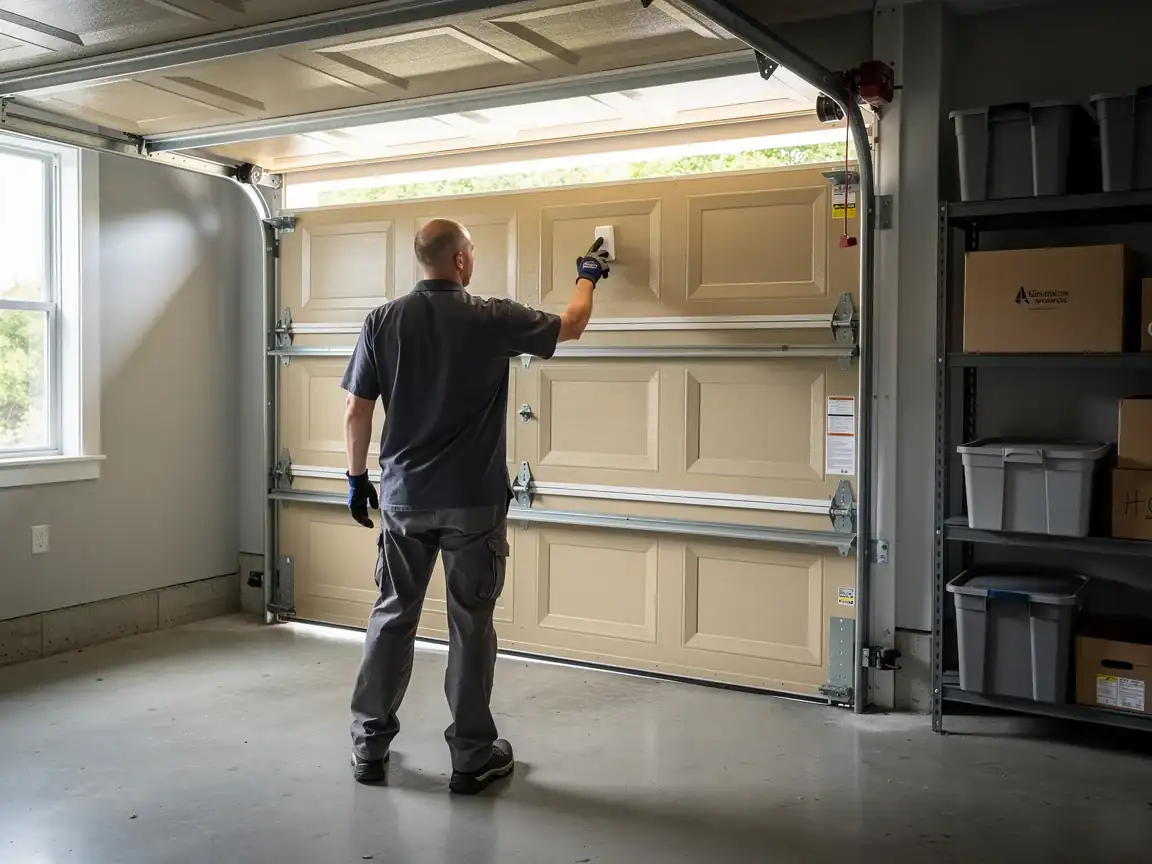
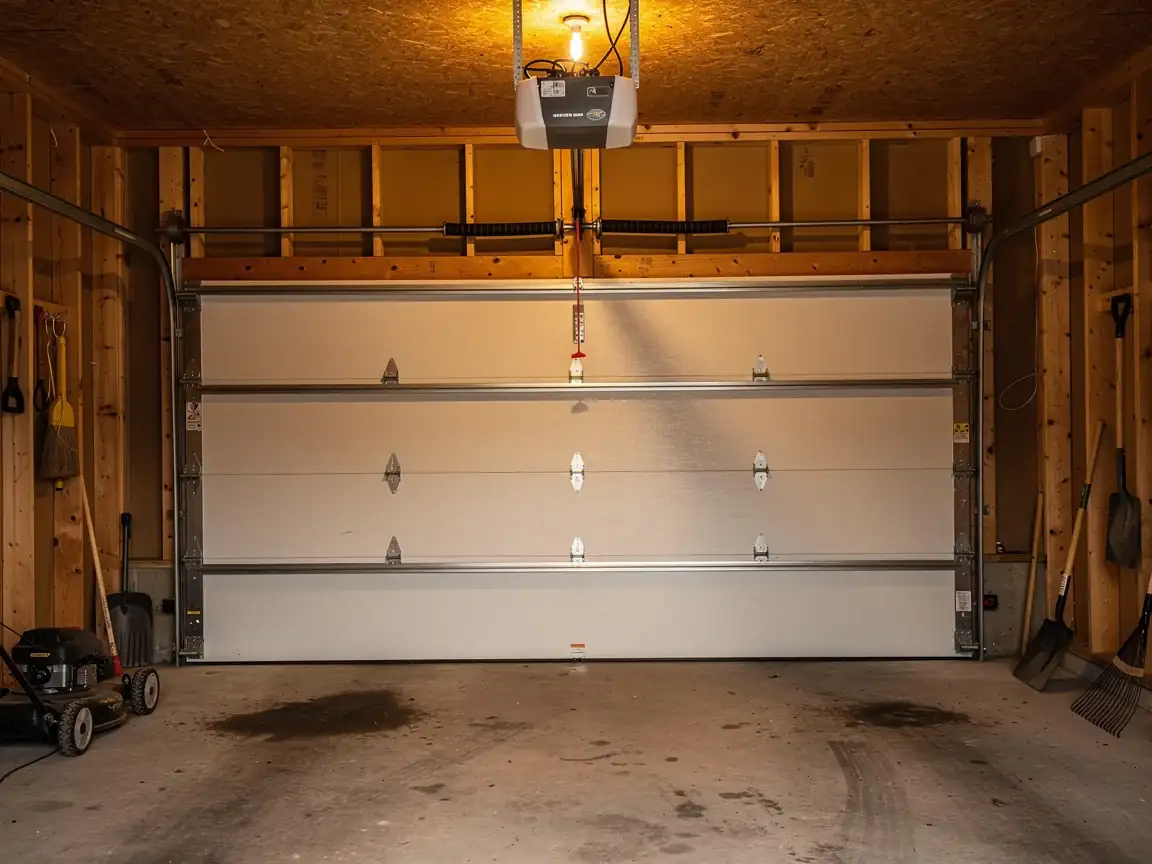
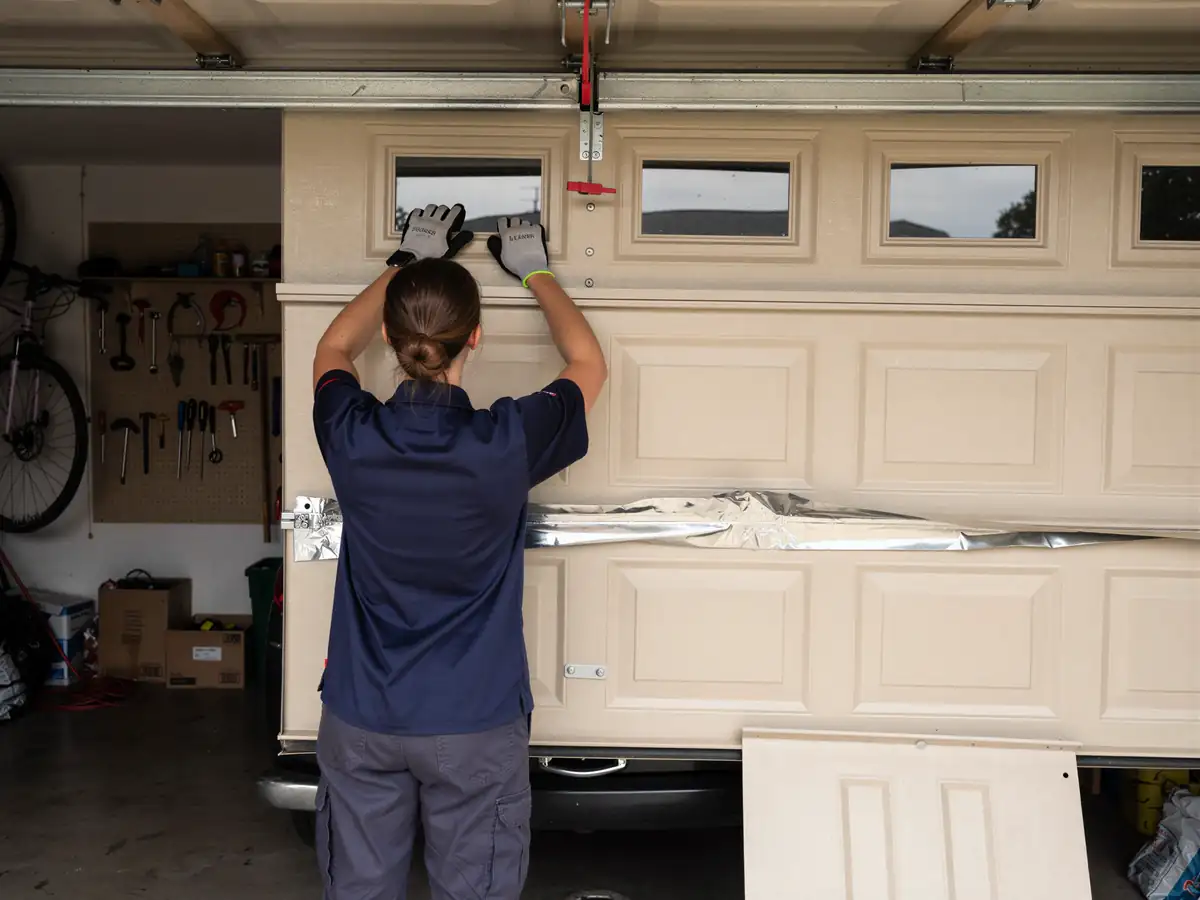
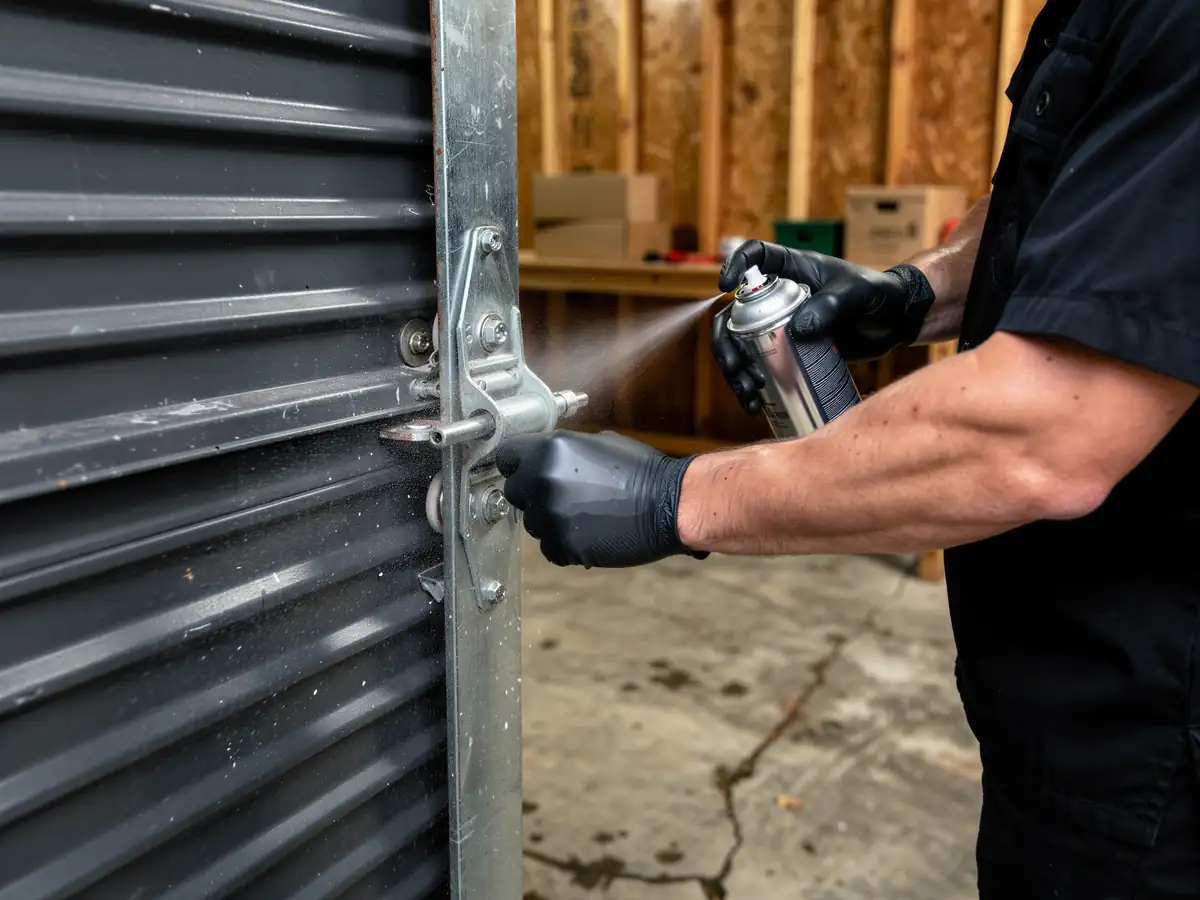
The first sign is usually noise, a grinding or popping on the way up that wasn't there a year ago. That's often a roller starting to seize in its bracket, not the opener failing. Next most common is a door that reverses partway through closing, which on 1960s hardware is frequently a travel-limit drift rather than a safety sensor problem. Sagging on one side points to an unbalanced spring, which on this era of door means uneven tension between two torsion units rather than a single-spring failure. None of this is dramatic. It's slow degradation that homeowners adjust to without noticing, lifting the door a little harder each month, until one day a cable snaps under load. The mild climate means you're not dealing with the sudden hardware failures that freeze-thaw cycles cause elsewhere, so most of what we see here was preventable with a routine check months earlier.