Where This Job Goes Sideways
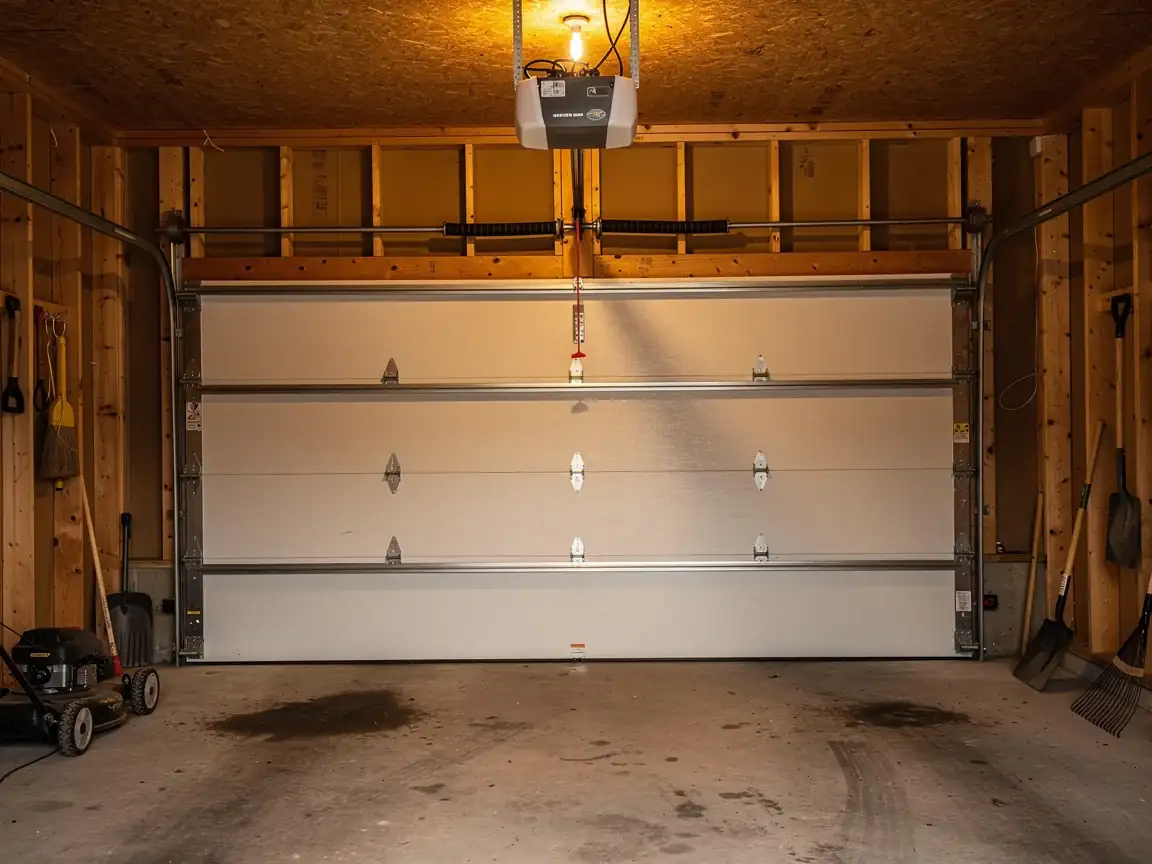
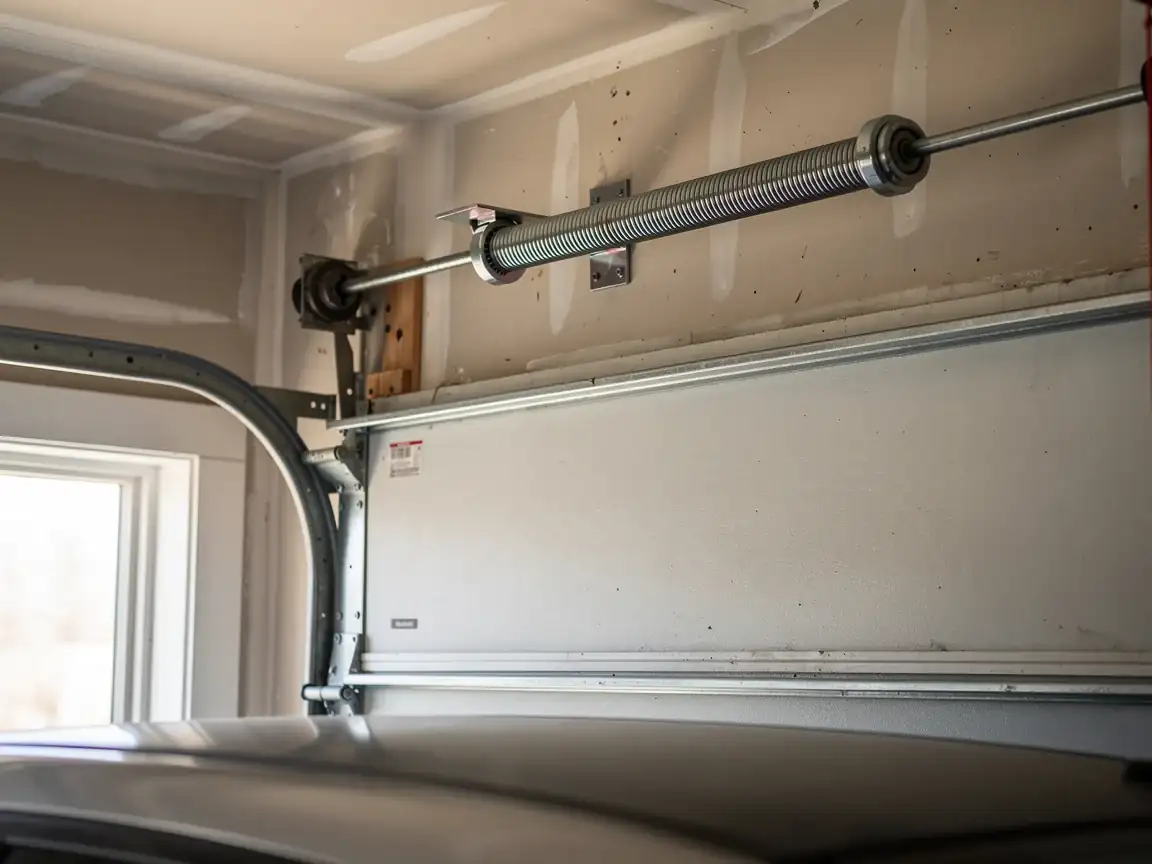
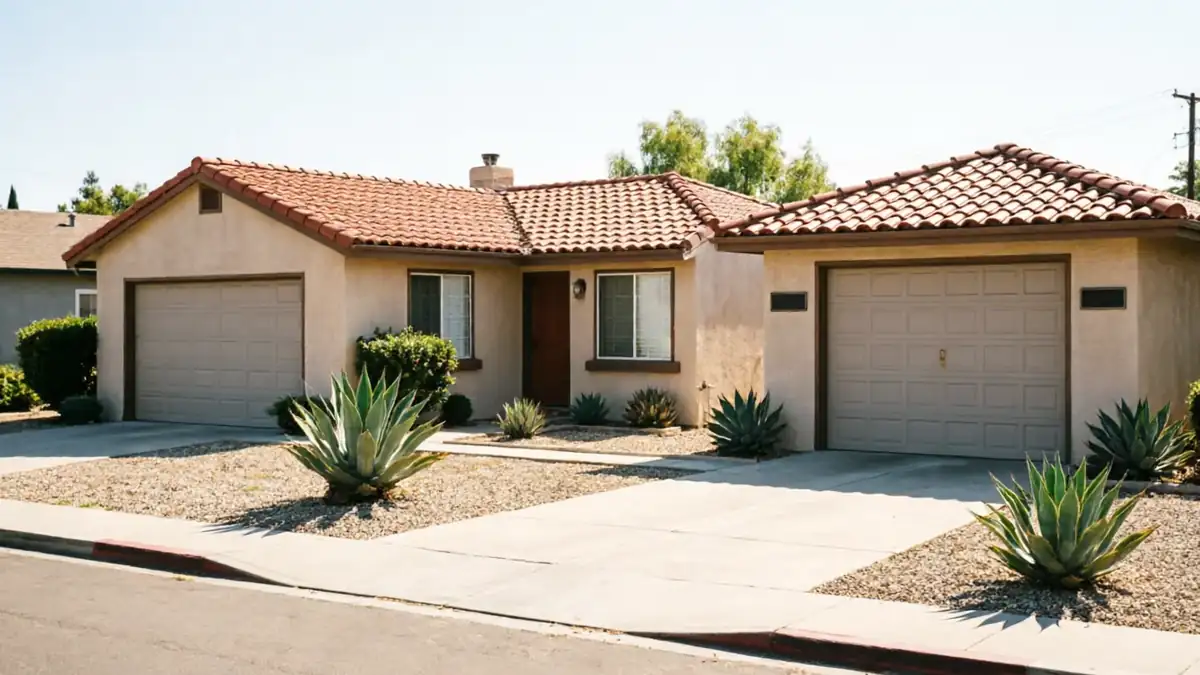
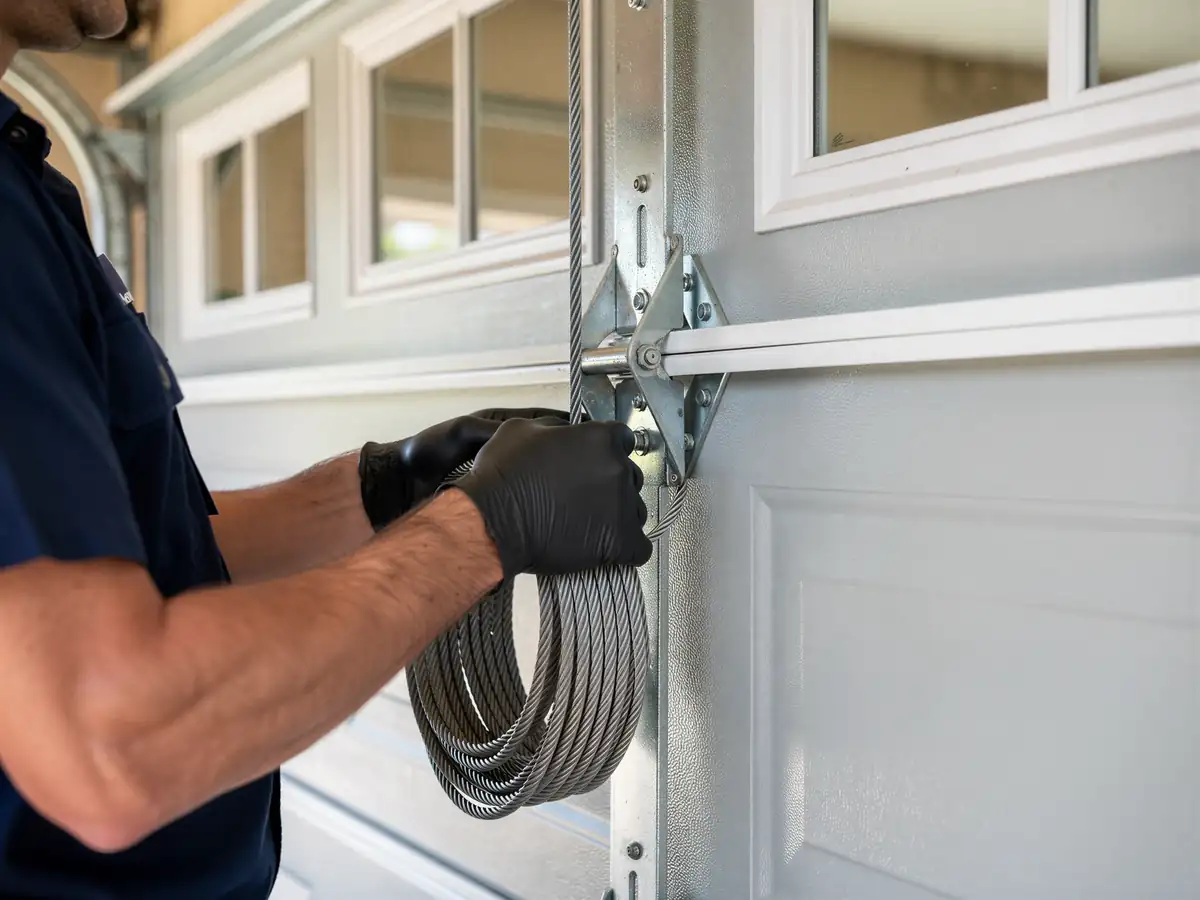
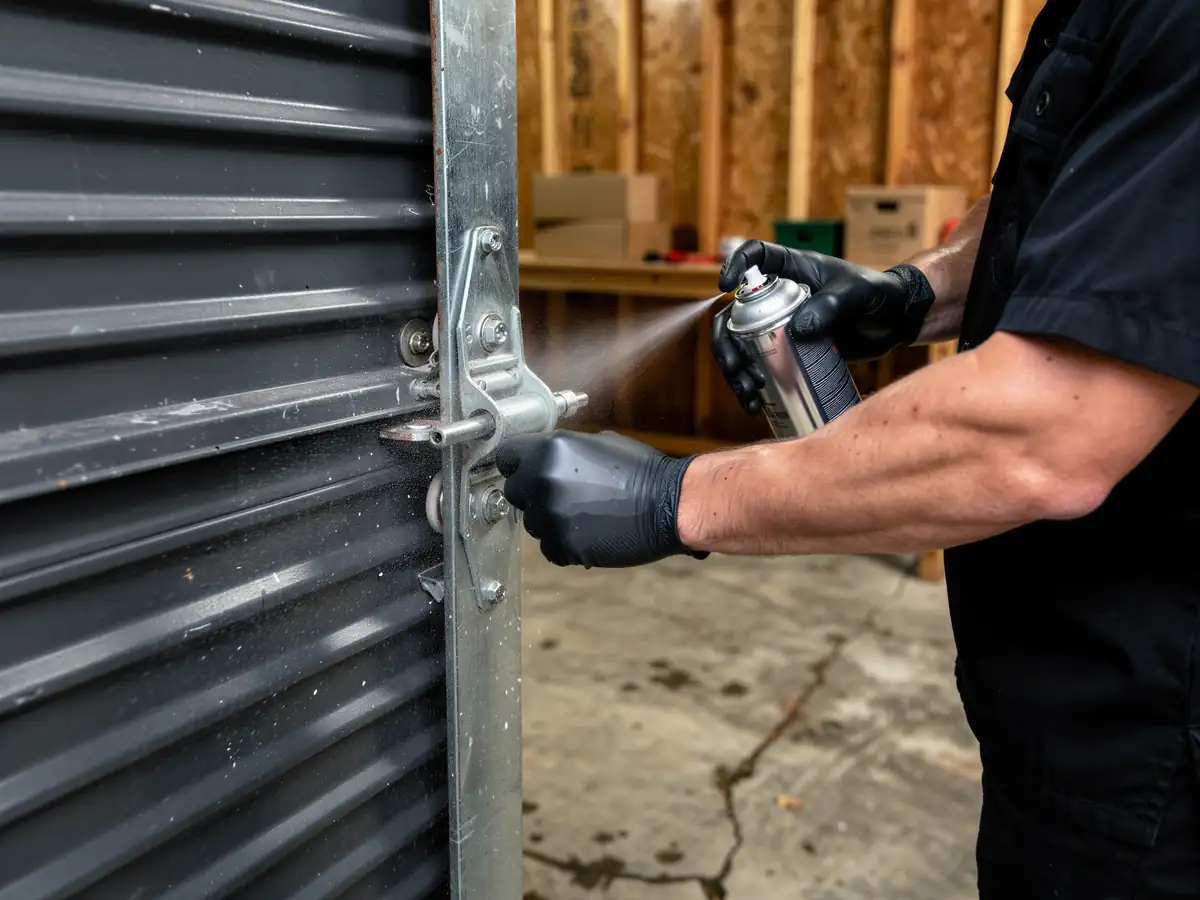
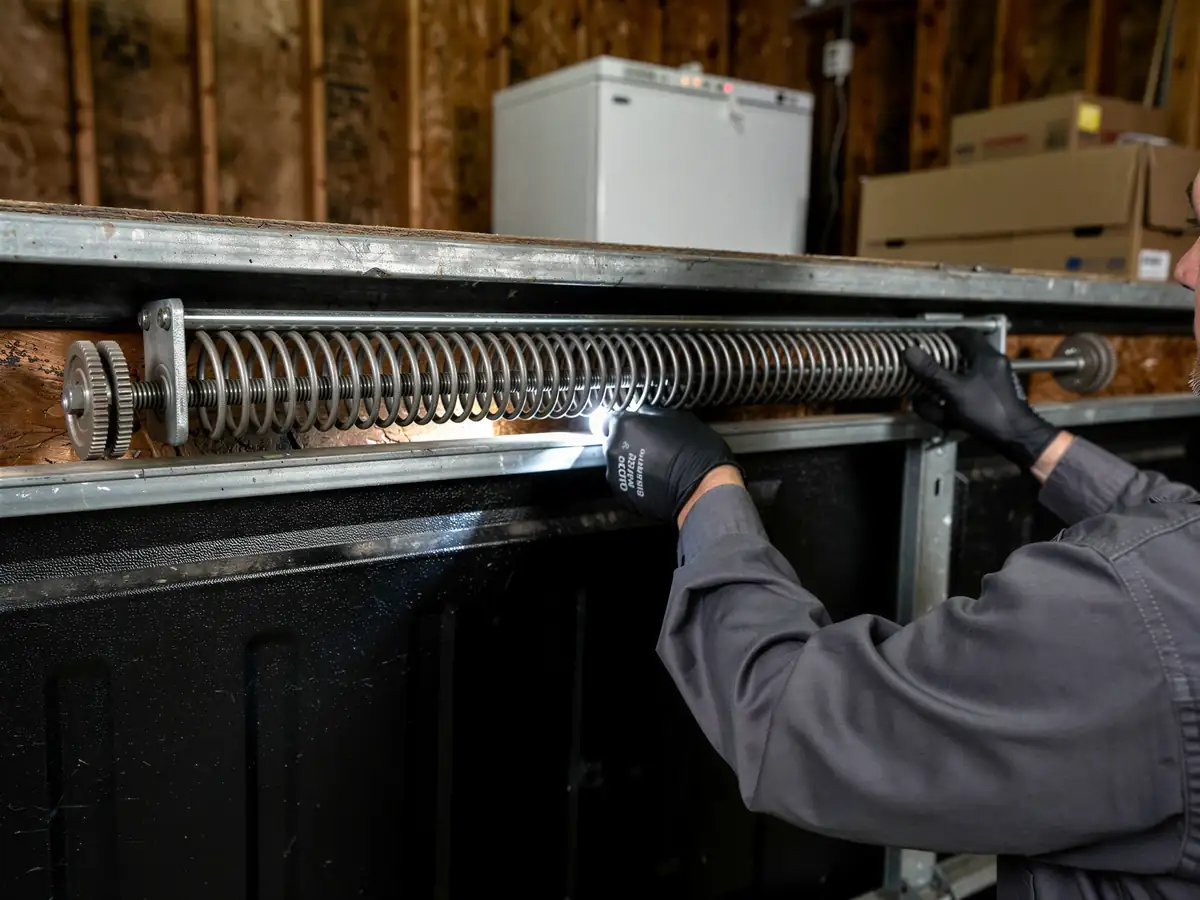
Carson's housing mostly went up around 1965, and a lot of that original torsion hardware has never been swapped out. When a house is pushing sixty years old and the spring on it has never failed before, the owner assumes it never will. That's backwards. Steel fatigues on a cycle count, not a calendar, and a door that's been opened twice a day since the Johnson administration has used up its spring's life a long time ago. What goes sideways is the timing: the spring doesn't weaken gradually and give you warning, it holds right up until the last few coils let go, usually on a cold morning or after the door's sat heavy for a week. Because so much of the original gearing is still in these garages, the failure often takes a cable or a bottom bracket with it, not just the spring itself. That's the job we actually get called out for here - not a simple spring swap, but a spring that broke and dragged other hardware down when it went. Diagnosing that right the first time is most of the work before a wrench ever comes out.
Stocked Parts
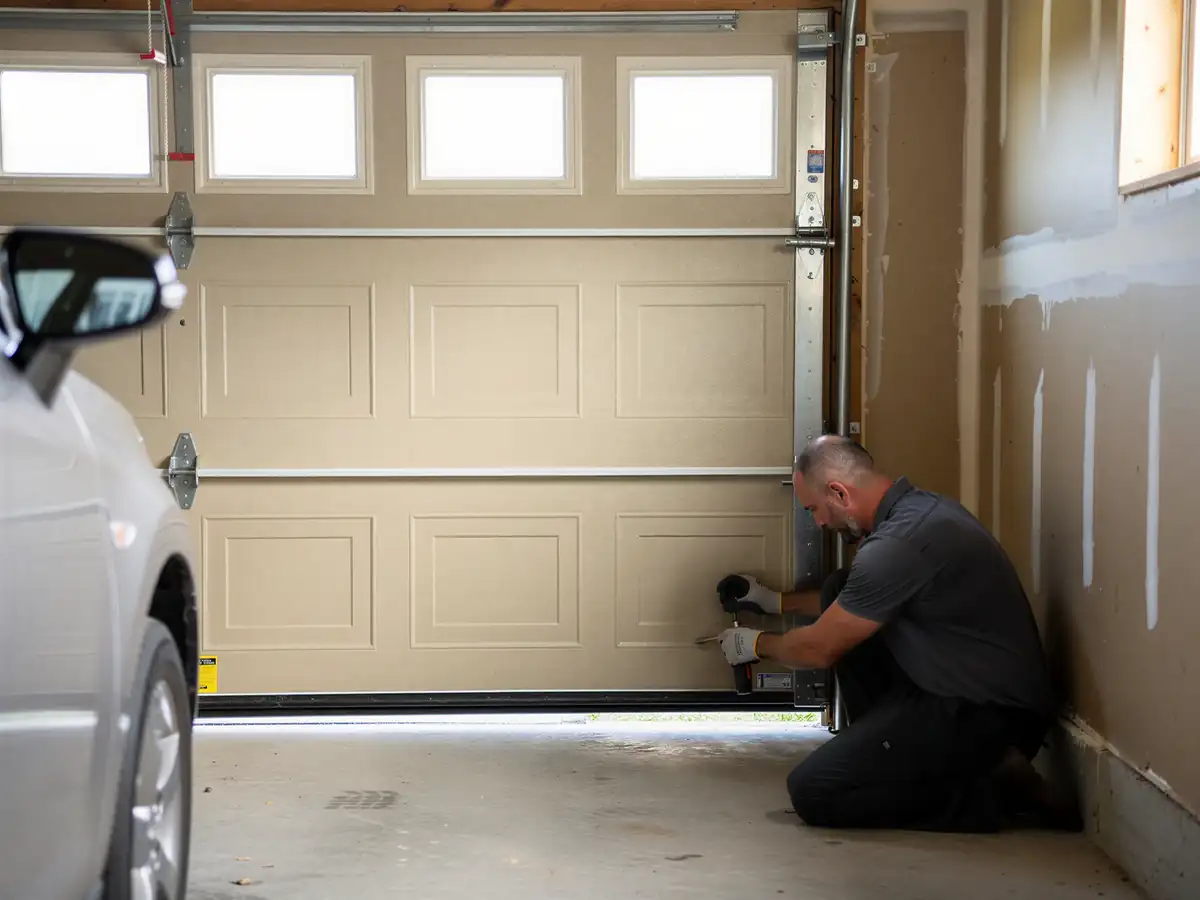
We carry standard torsion springs sized for the wind and cone combinations common to 1960s builds, since that's what shows up most on this route. Where we run into trouble is a spring that's been special-ordered for a door replacement at some point in the house's history - if a previous owner installed an off-spec door, the spring on it may not match anything we carry on the truck, and that part has to be ordered. That's the honest limit here: a straightforward torsion spring swap on original hardware is same-visit work, but a mismatched or discontinued size means a return trip. We'd rather tell you that up front than pretend every spring on every truck covers every door.
How It Shows Up
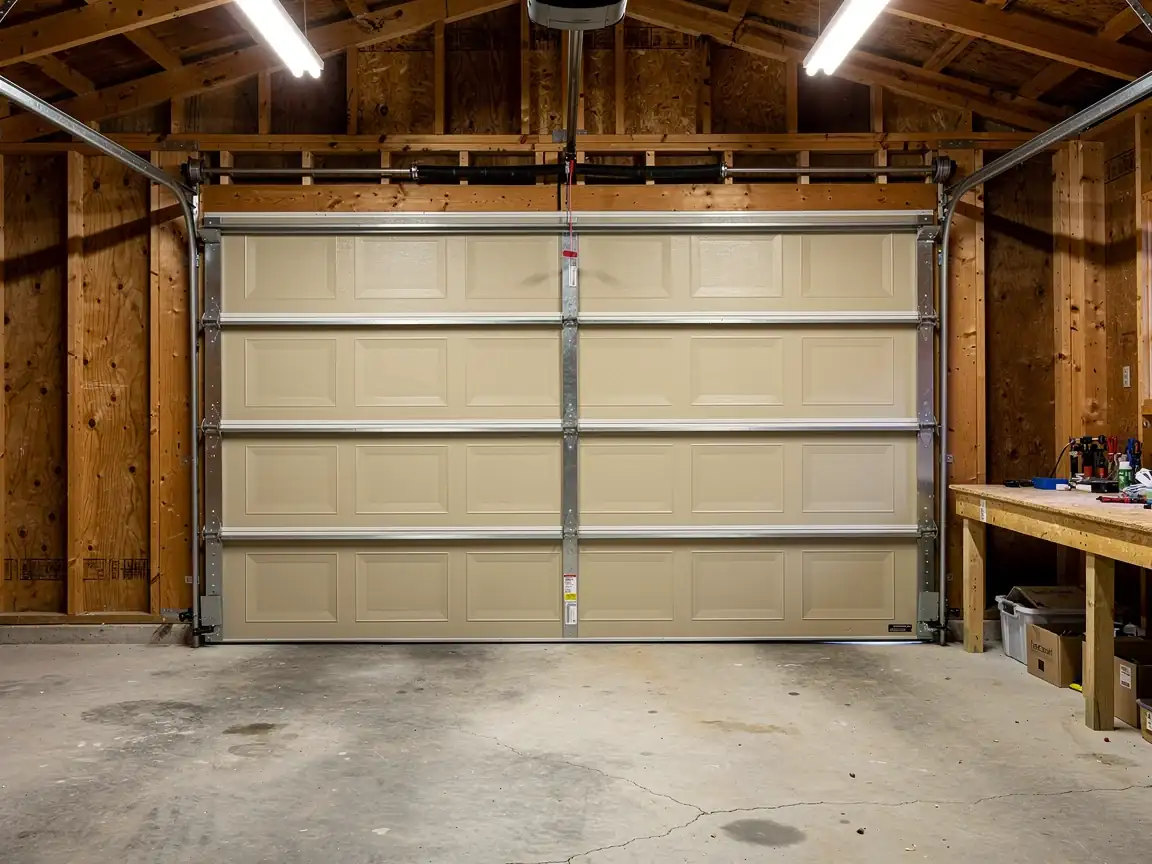
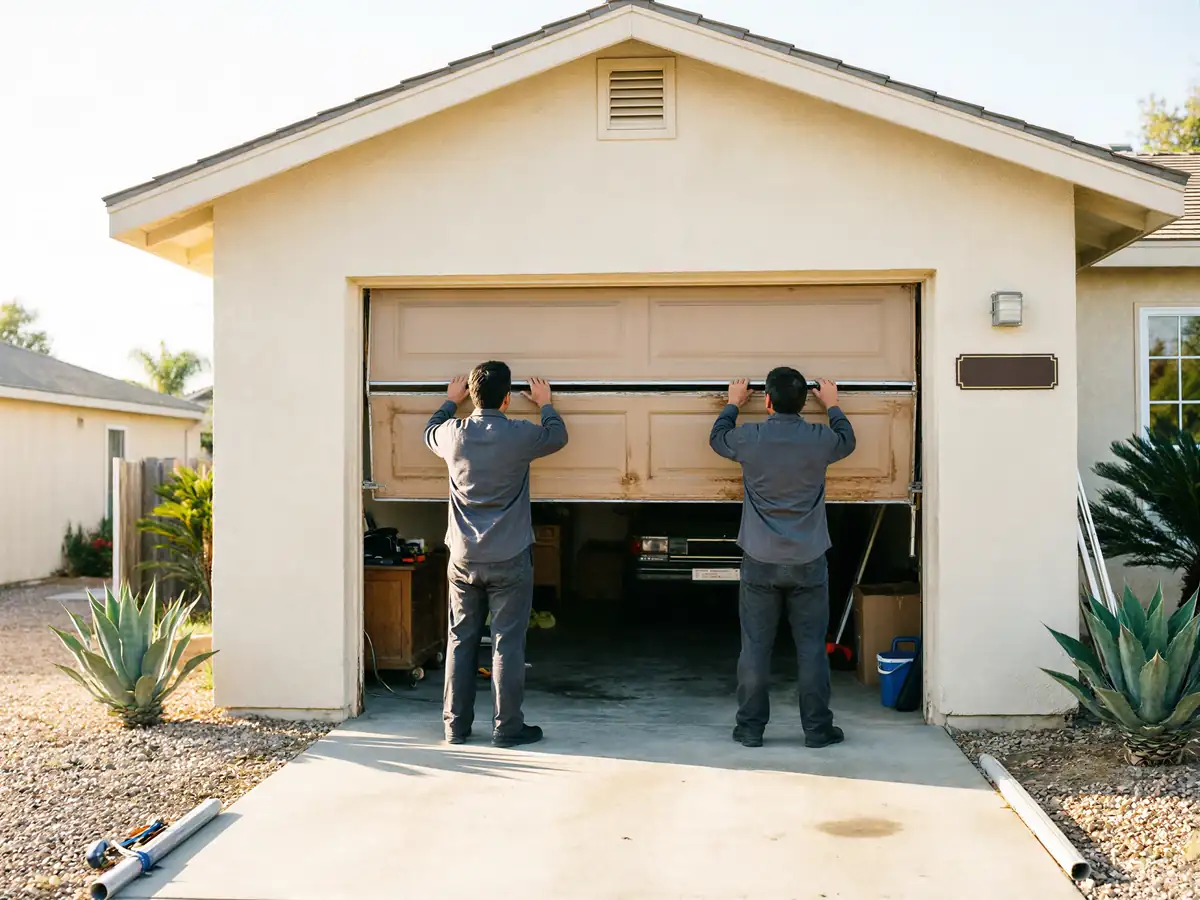
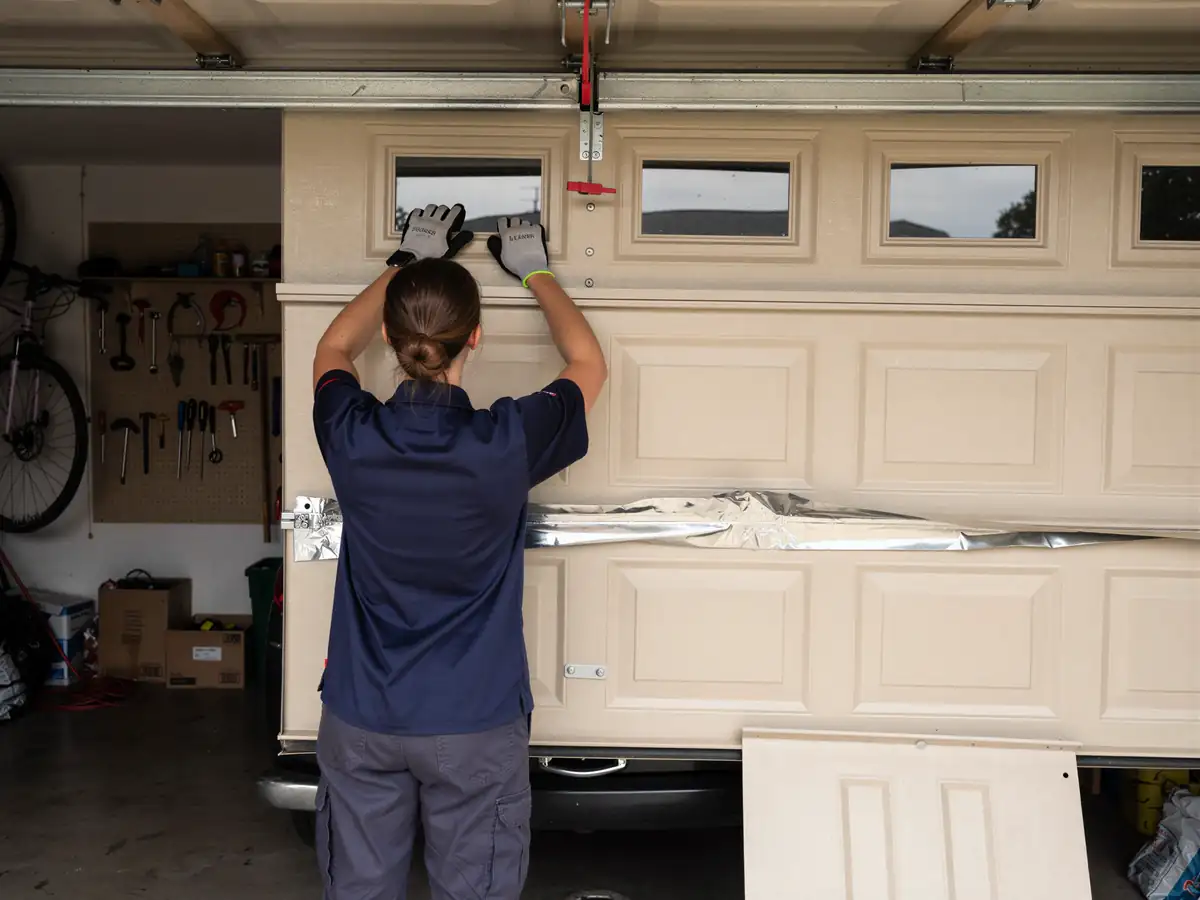
The door feels heavier than it used to, or the opener strains and reverses partway up. Sometimes there's a loud bang from the garage - that's the spring itself letting go, not a car backfiring outside. Other times it's quieter: the door simply won't lift past a foot or two, and trying to force it by hand is how a cable gets damaged on top of the spring. If the door looks crooked in the frame, uneven side to side, that's usually one spring on a pair that's already failed while the other is still holding - don't run the opener on that, it stresses the track and the remaining spring both.