How Long It Takes
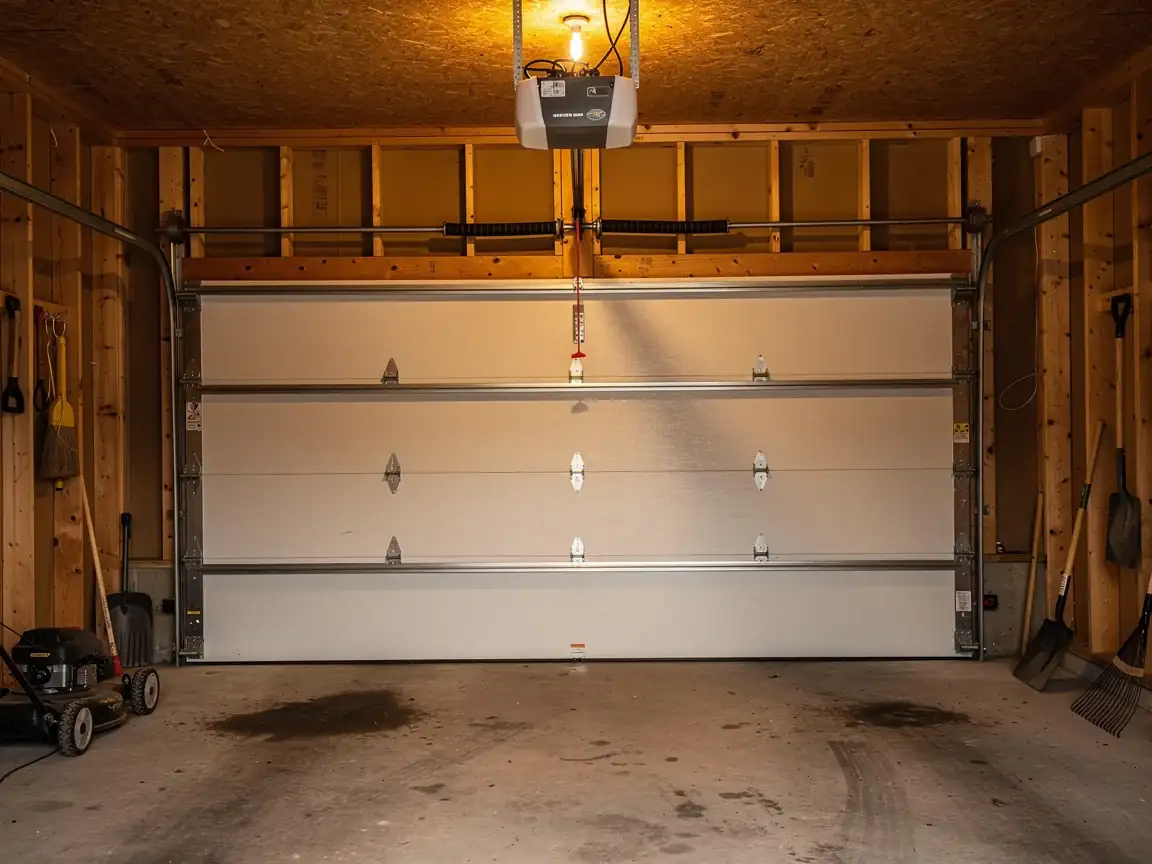
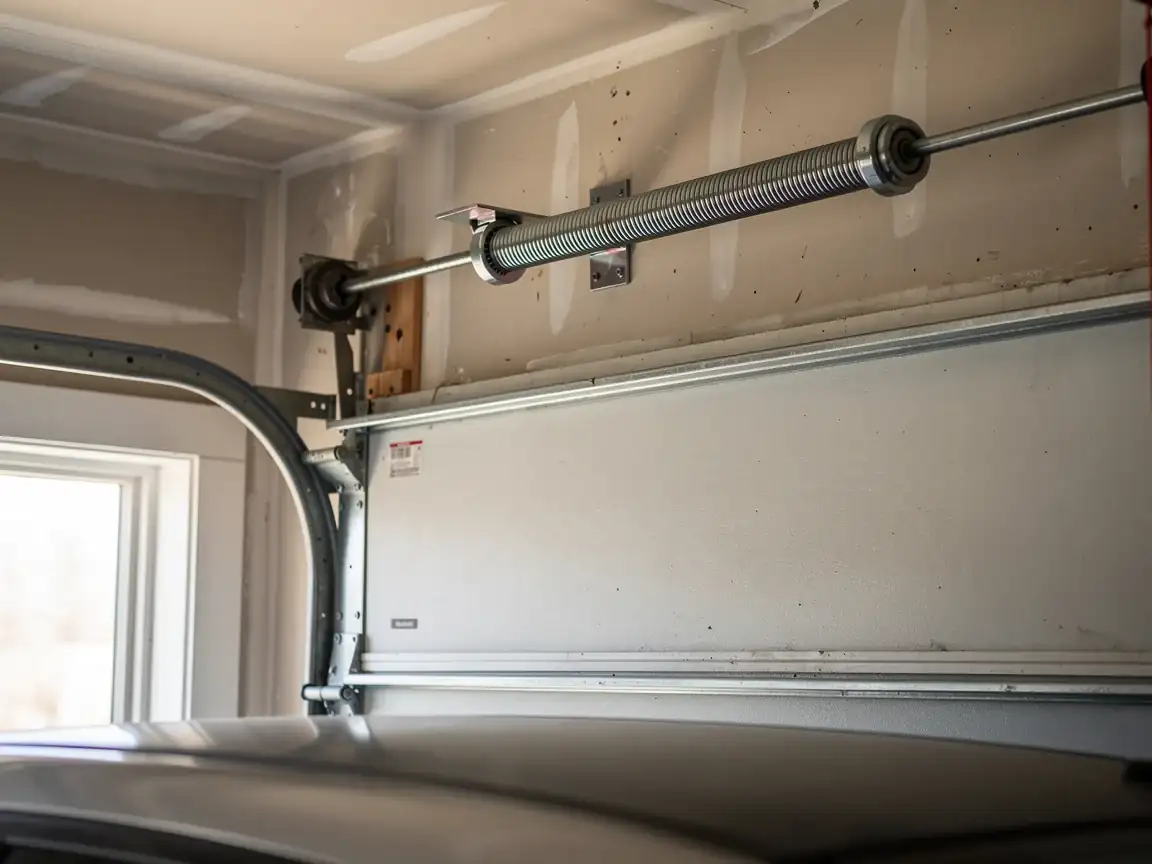
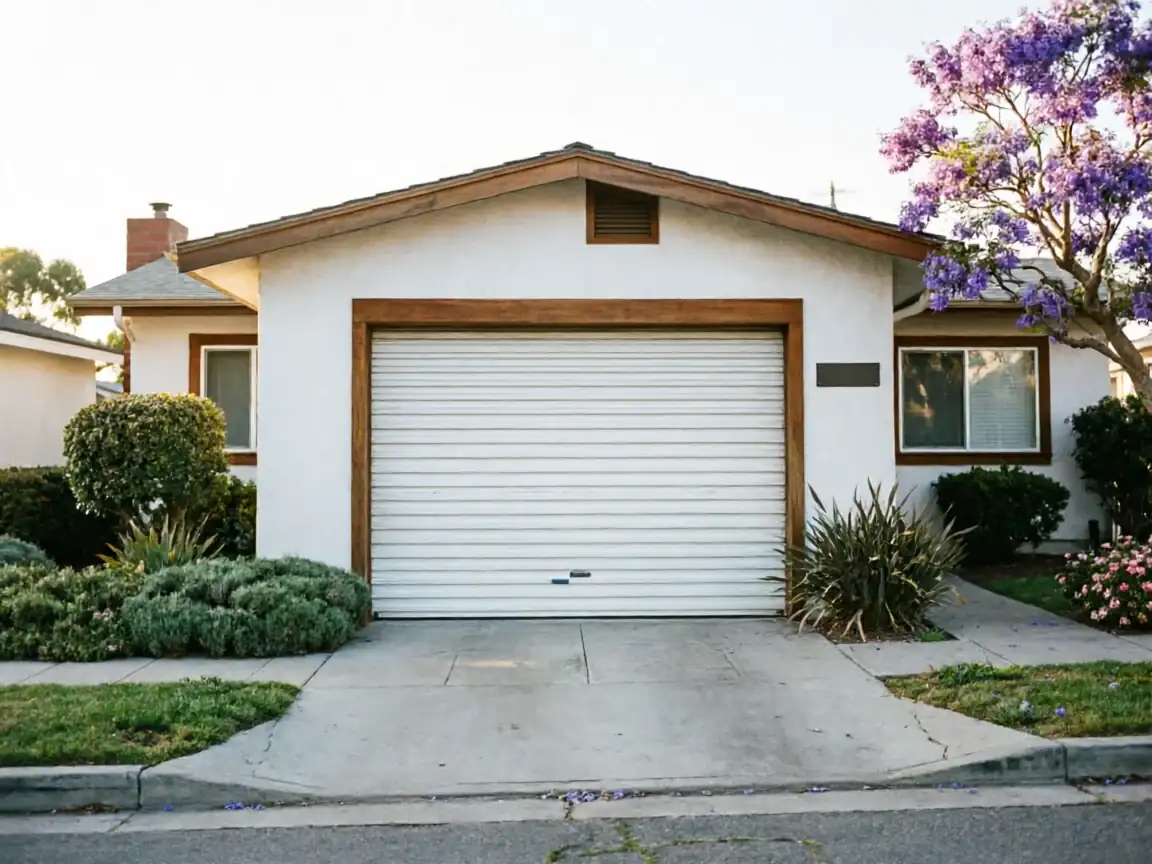
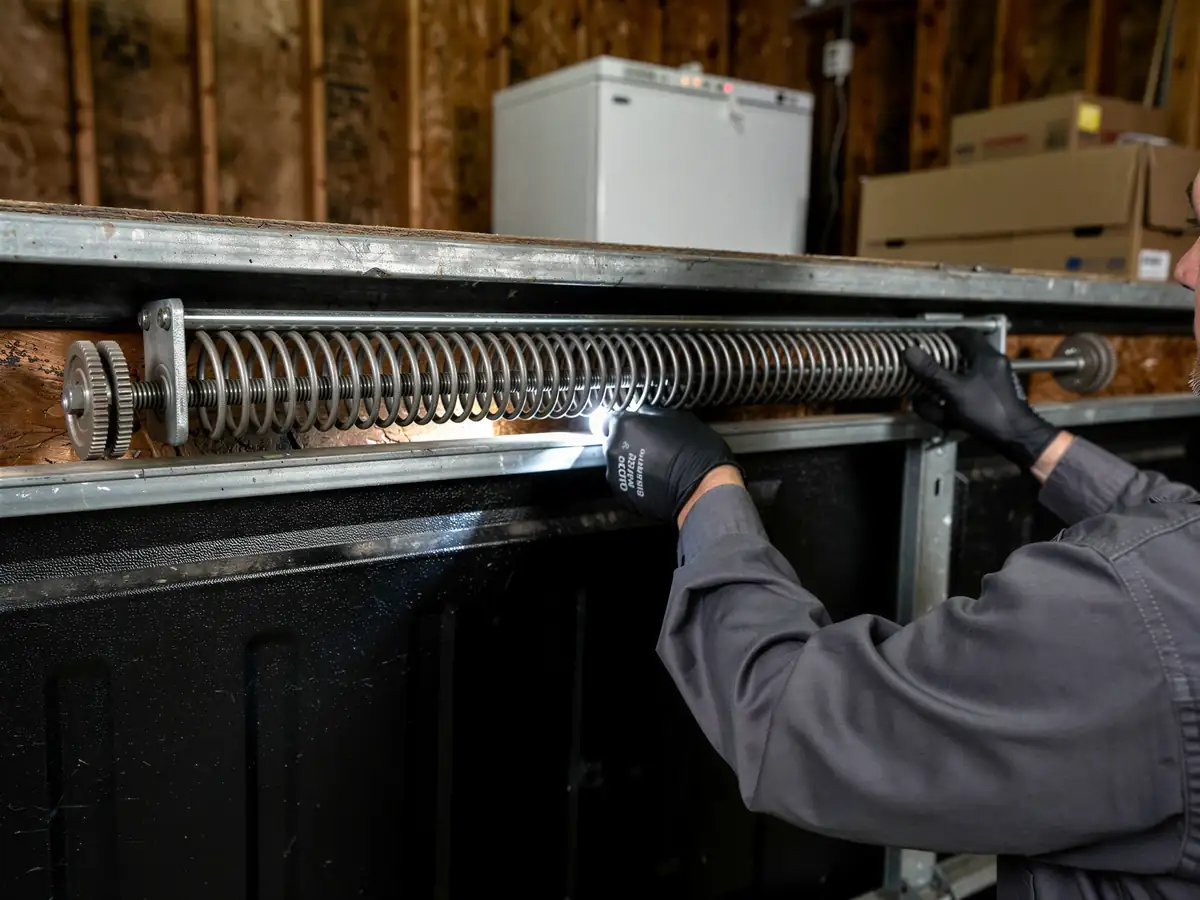
A cable job in Norwalk usually isn't quick, and the reason has nothing to do with traffic. The median home here was built in 1957, which puts a lot of Norwalk garages on original or first-generation replacement hardware: drum-style cable winding instead of the cable drums paired with torsion springs you see on newer builds. Drum systems wear differently. The cable rides in a groove on a stationary drum, and decades of that groove collecting grit and losing its factory lubrication means the cable frays unevenly instead of snapping clean.
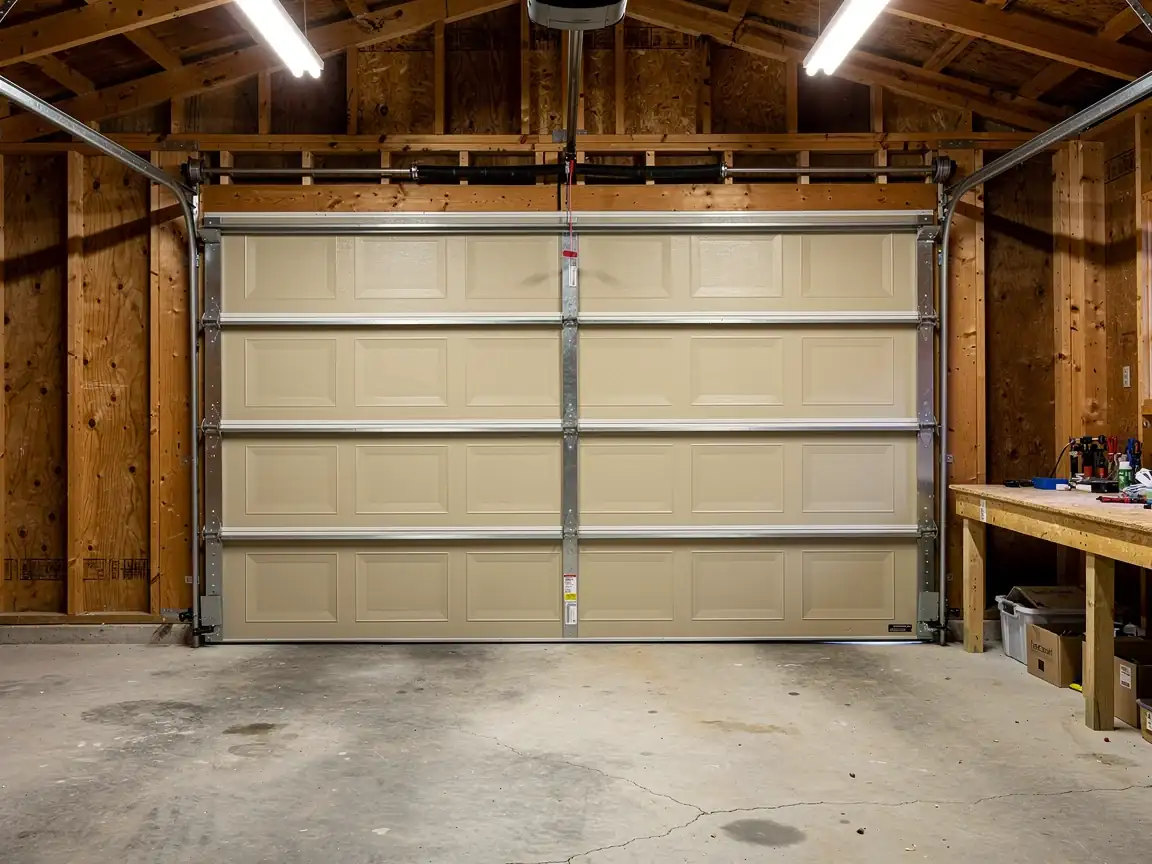
That unevenness is why we can't give you a flat number over the phone. A clean snap on a newer torsion setup is a 30-minute swap. A frayed cable that's been jumping its drum groove on a 1950s-era door means we're also checking the drum itself, the pulley if there is one, and the bottom bracket for wear grooves that a straight cable swap won't fix. We'll tell you which one it is once we're looking at the door, not before.
Getting It Booked In
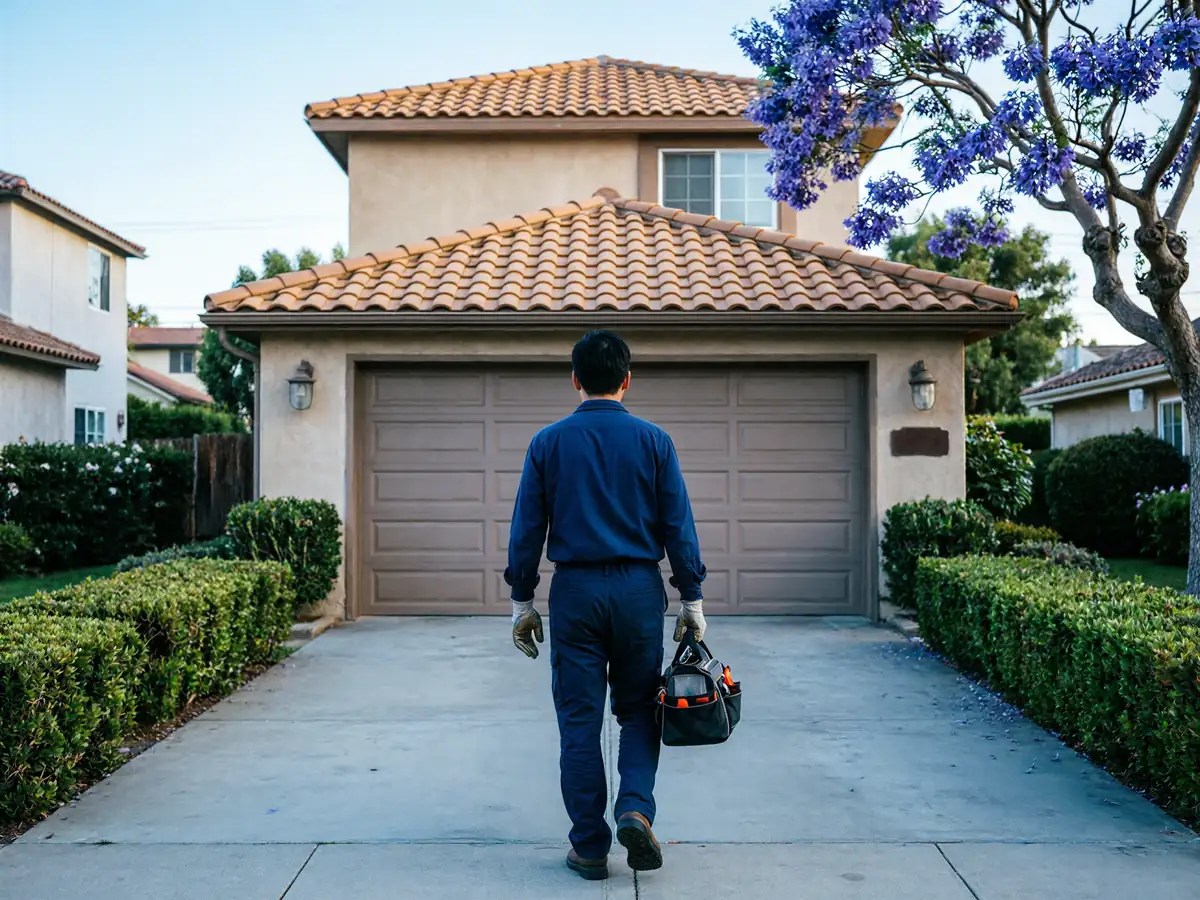
We run out of Inglewood, about 15 miles from Norwalk
So a cable call here goes on the day's route rather than getting a dedicated local slot. That's worth knowing upfront: we're not based in Norwalk and we don't claim a branch or a standing response window for this suburb. What we can do is work the call into the drive-time we already cover across the wider service area, which spans 749,083 households and runs from Inglewood out through dozens of named communities.
- 15 miles
- 749,083 households
Norwalk itself counts around 26,801 households, smaller than most of the stops on that list
And with a median income of $98,709 it sits a bit above the service area's overall median of $93,882. None of that changes how we book the job, but it does mean we're not guessing at what's typical for the street-level housing stock here - we're working from the same 1957 build-year pattern that shapes most of the town.
- 26,801 households
How It Shows Up
On a drum-cable door, trouble usually starts as a slow drift before it's a sudden failure. One side of the door hangs a little lower than the other. The door looks like it's closing crooked, or it catches partway down and you have to shove the opener button again. That's a cable starting to walk off its drum groove, not yet broken, but close.
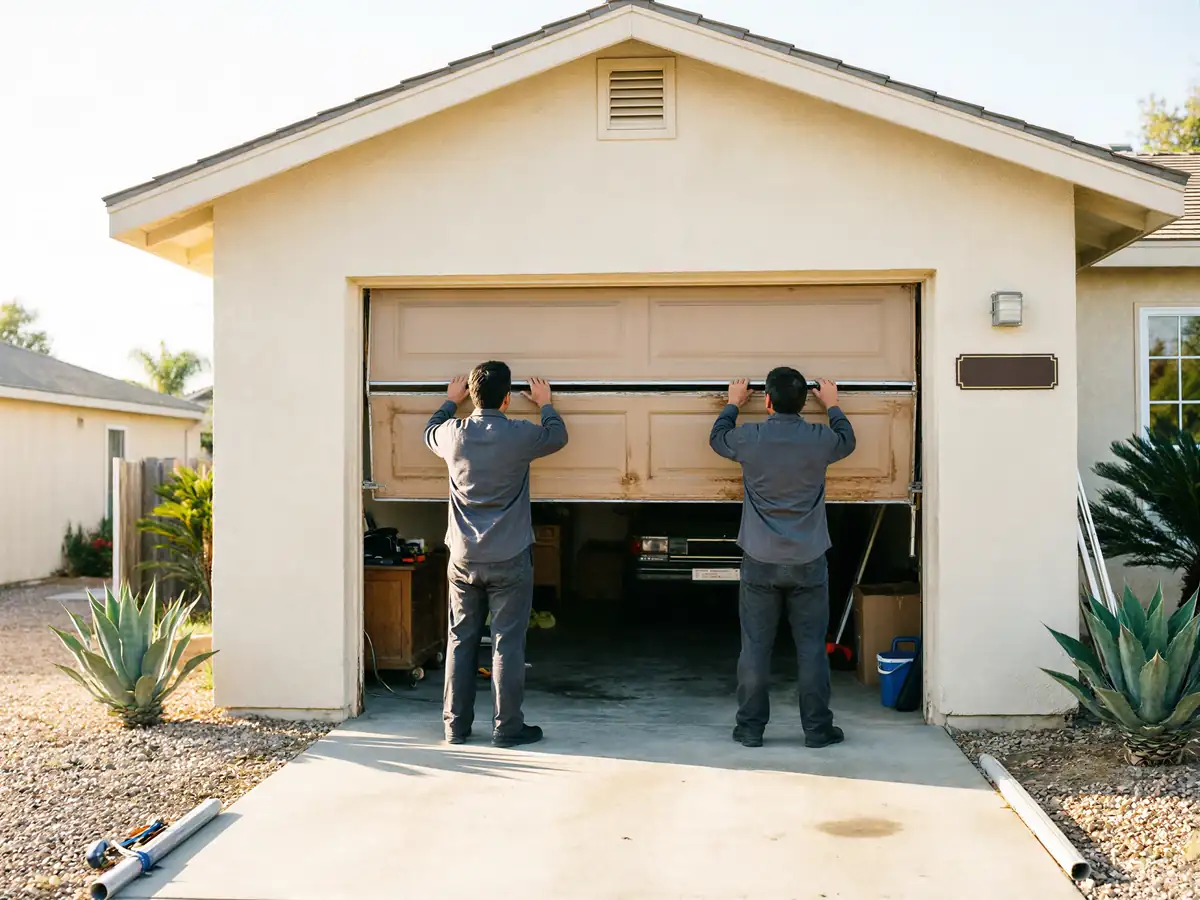
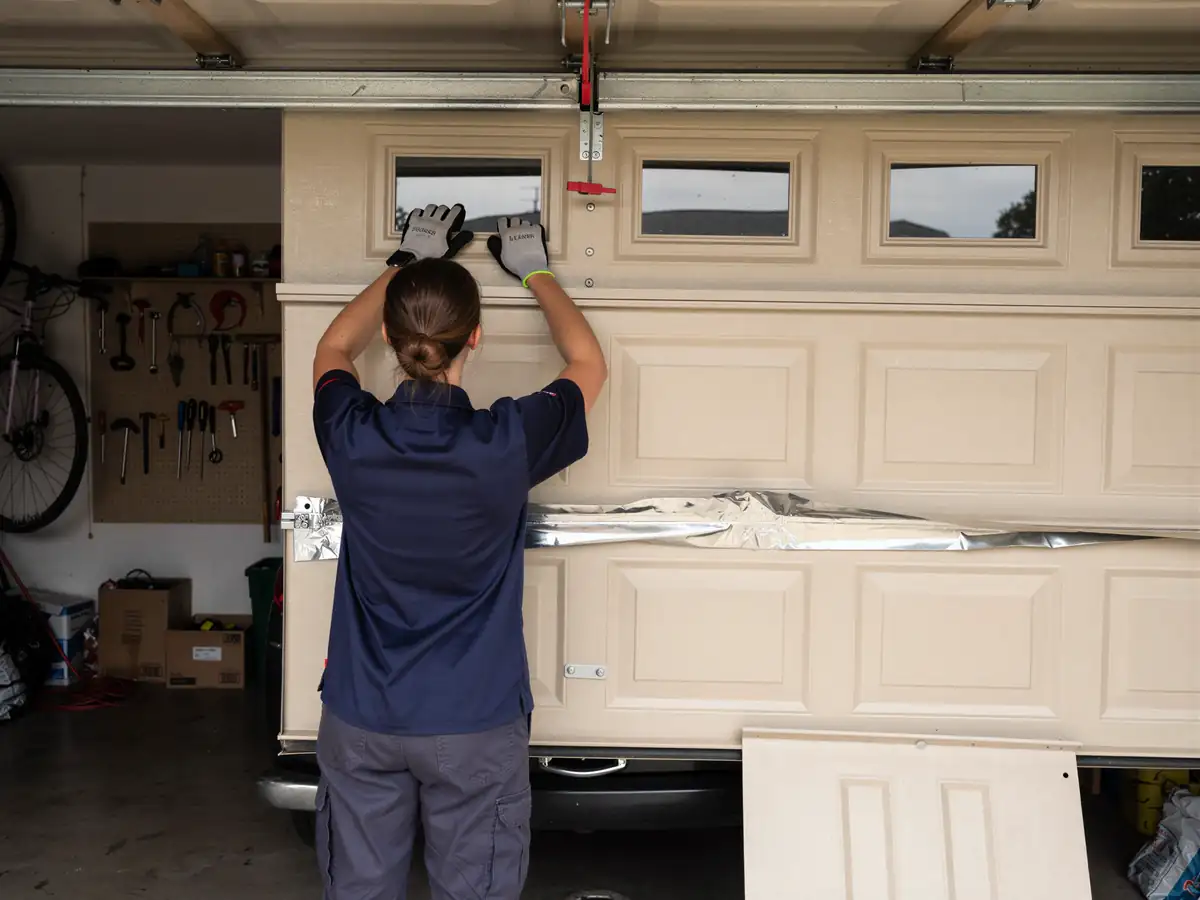
When it does go, you'll know - a loud bang, then the door sitting cockeyed or stuck halfway, with one side of the door noticeably lower or hanging off one track. On the mild coastal-influenced climate we get across this part of the service area, cables don't usually rust through the way they would somewhere with hard winters. What kills them here is friction and age: a groove in a drum that's worn a ridge, or a cable that's been slightly undersized for the door weight since the original installation. Either way, don't keep running the opener once a door is hanging crooked. That's how a cable failure turns into a bent track or a cracked panel.
How We Fix It
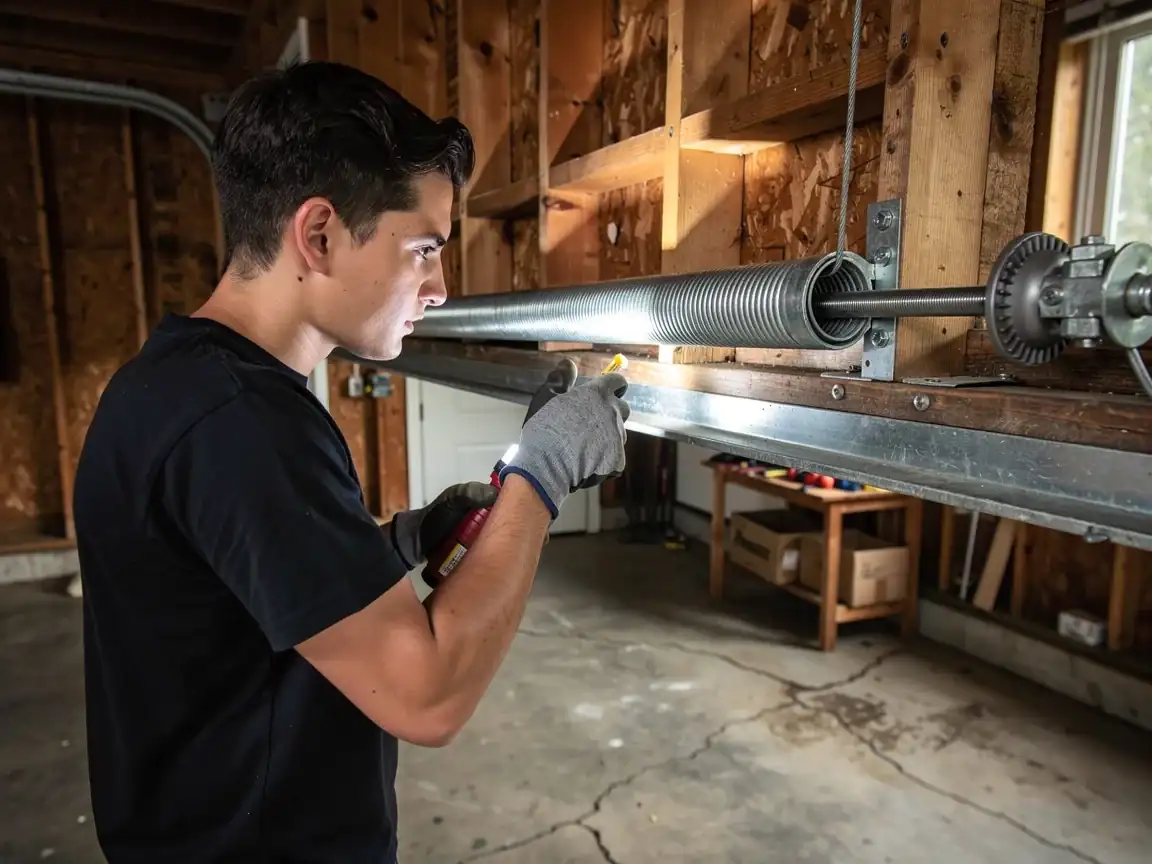
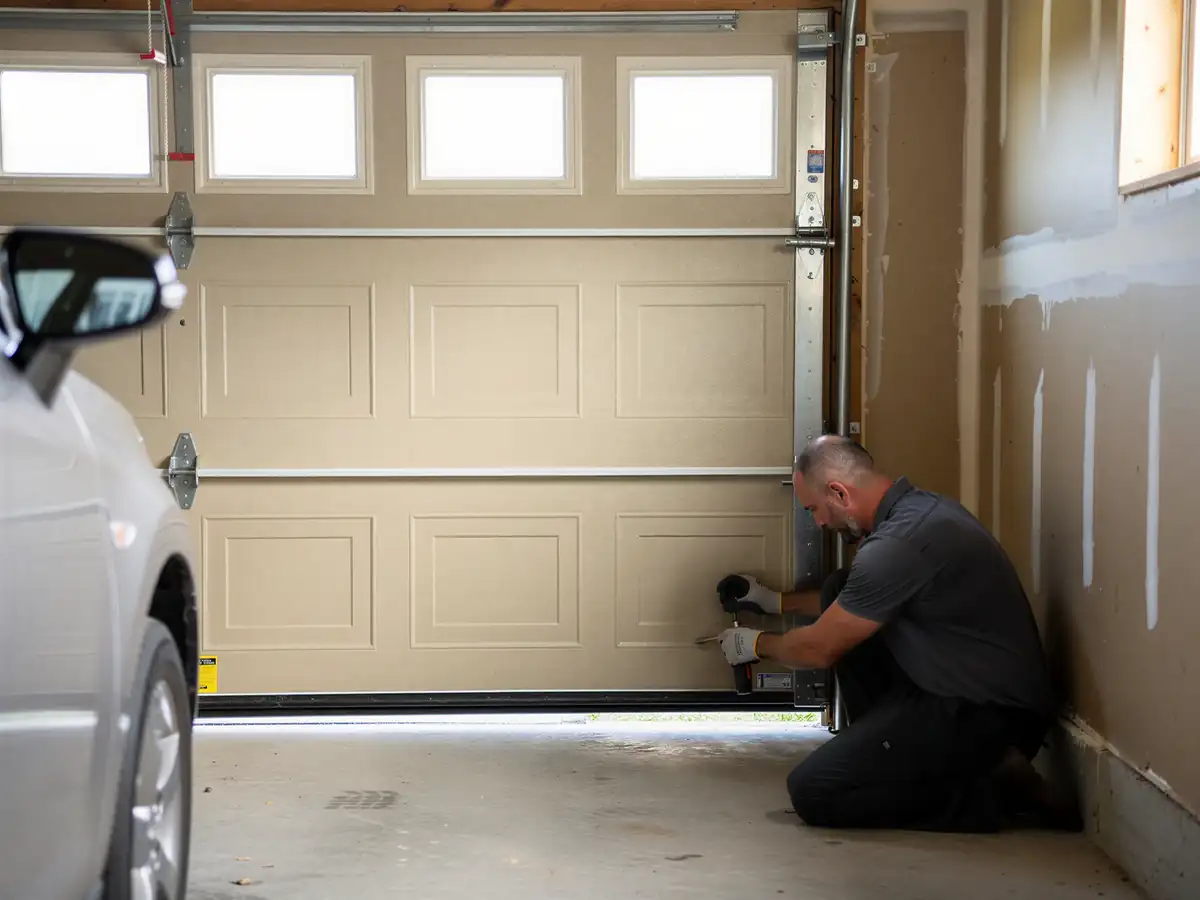
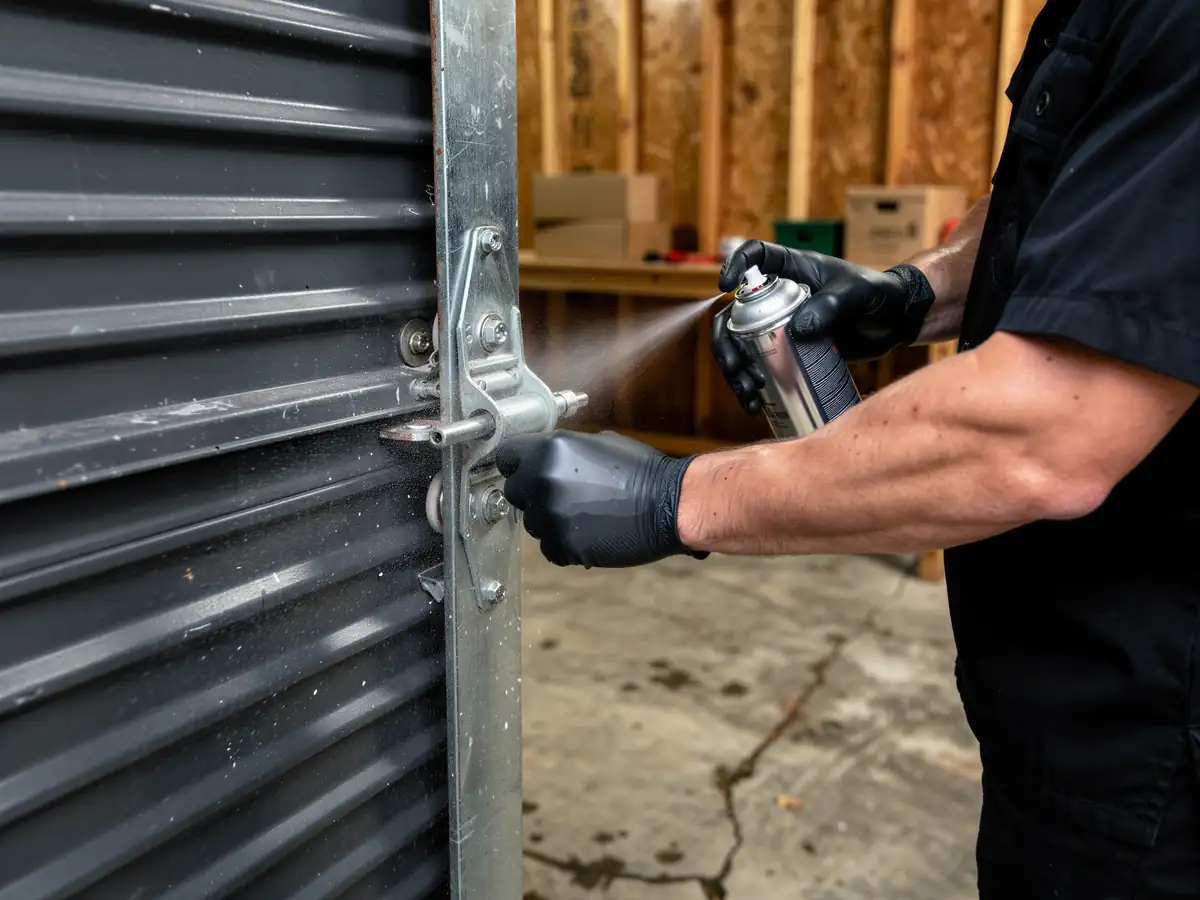
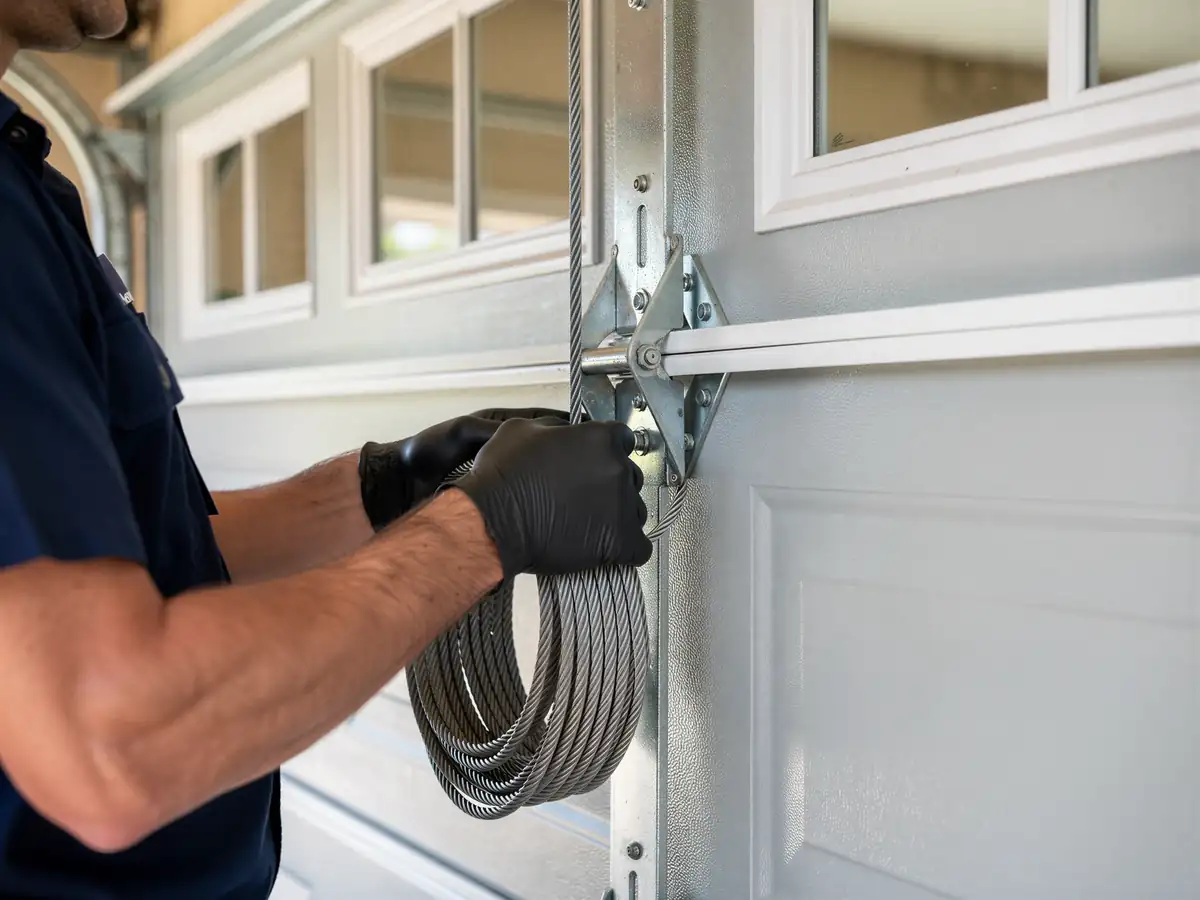
For a straightforward frayed or snapped cable, we replace both cables as a pair, even if only one failed, because the other one is the same age and under the same load. On the older drum-style setups common to Norwalk's 1957-median housing, we also check the drum grooves for wear ridges and the bottom brackets for stress cracks before we call the job done, since a new cable on a worn drum just fails again in a few months.
Here's the honest limit: if the drums themselves are worn past a certain point, or the door is old enough that matching drum hardware isn't something we carry on the truck, a cable repair turns into a cable-and-drum replacement, sometimes a full hardware swap. We'll say so on the spot rather than patch something that's going to come back. We don't stock every obsolete drum size for every build year, and on a door this old that's sometimes the honest answer.