How Long It Takes
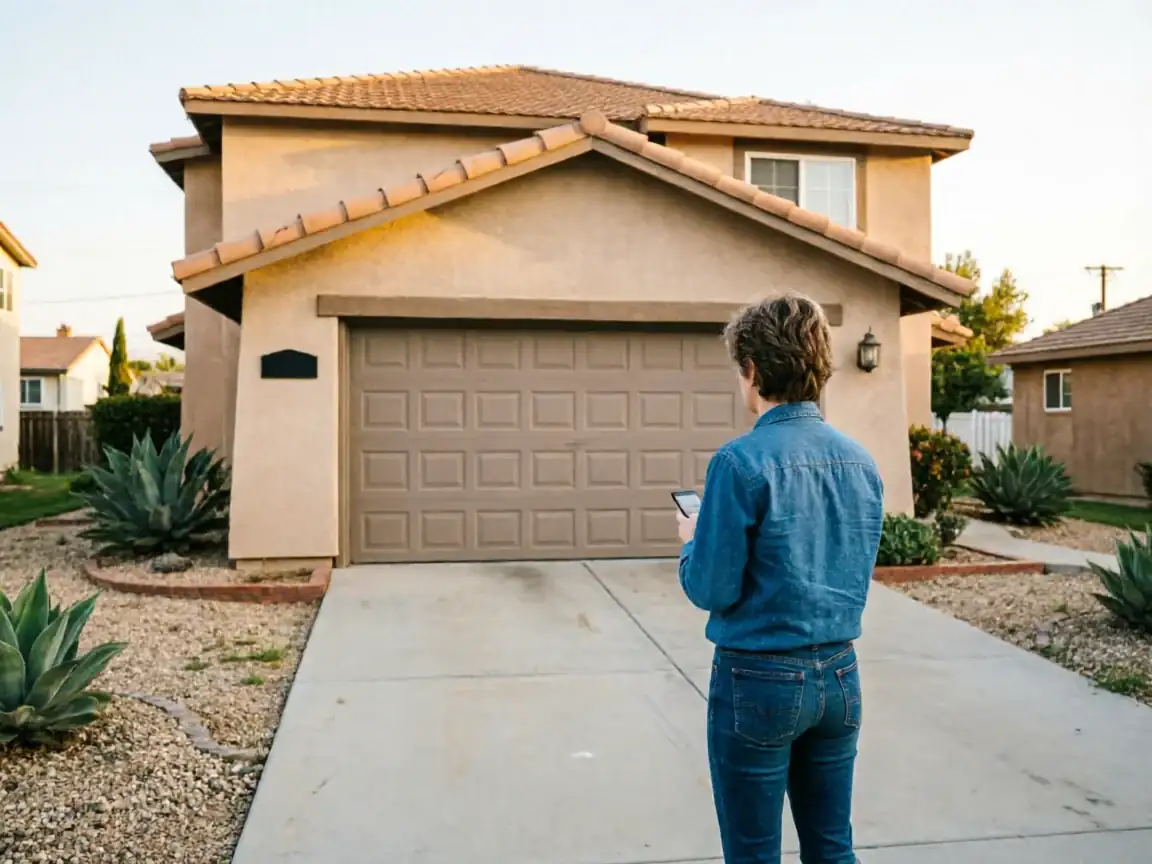
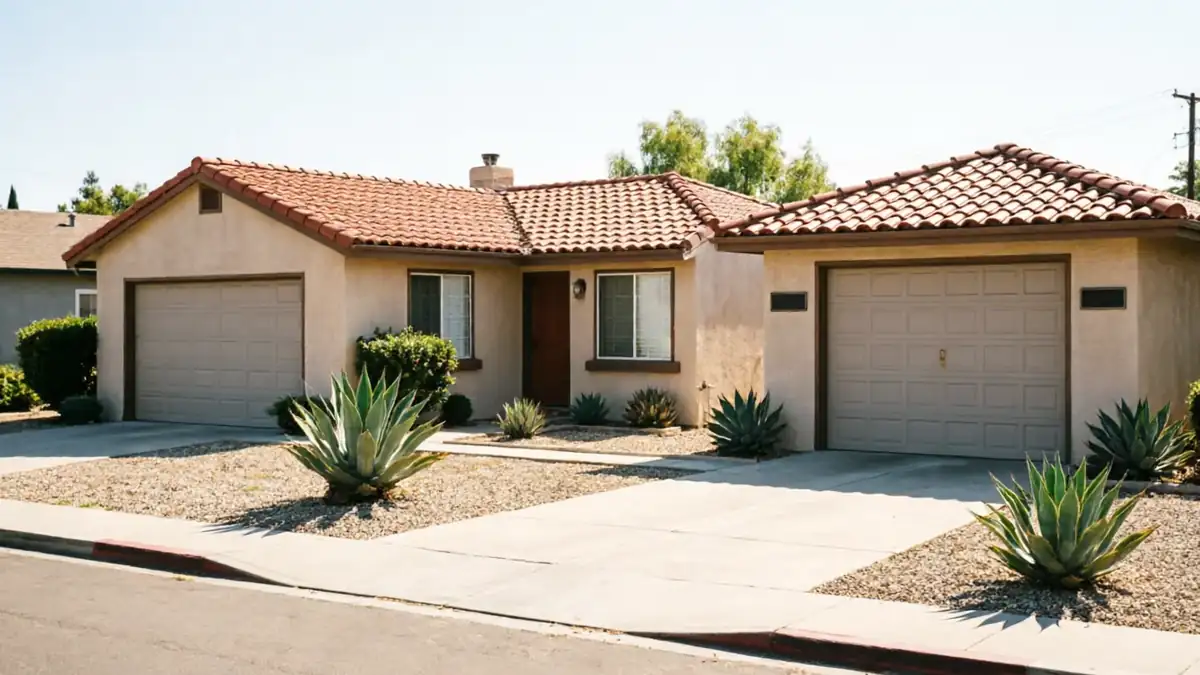
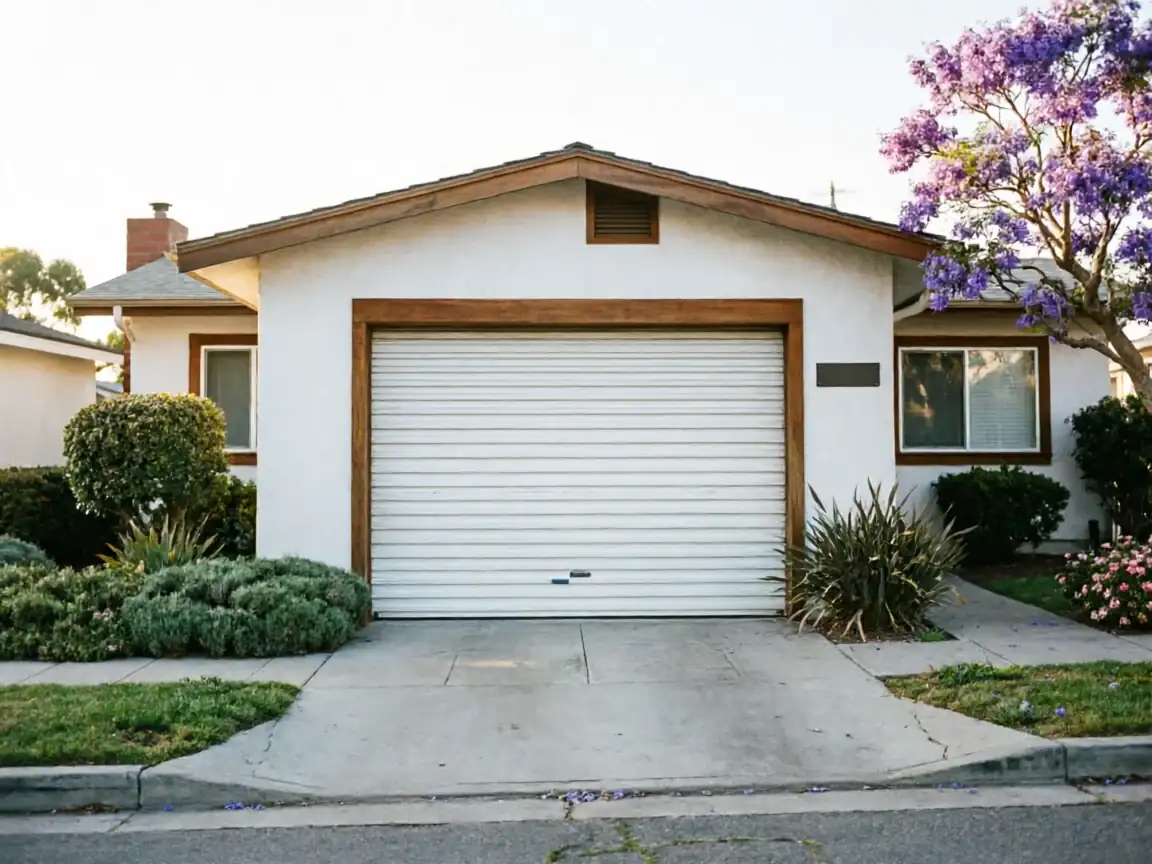
Most of Norwalk went up around 1957, which is nine years older than the 1961 median across the rest of the service area. That gap matters on an install day. Houses from this stretch were often built with single-car openings or garages that got converted and re-framed somewhere along the way, so the rough opening isn't always a standard width. We measure before we quote, not after, because a door that fits a 1961 tract house doesn't always fit a 1957 one without trim work.
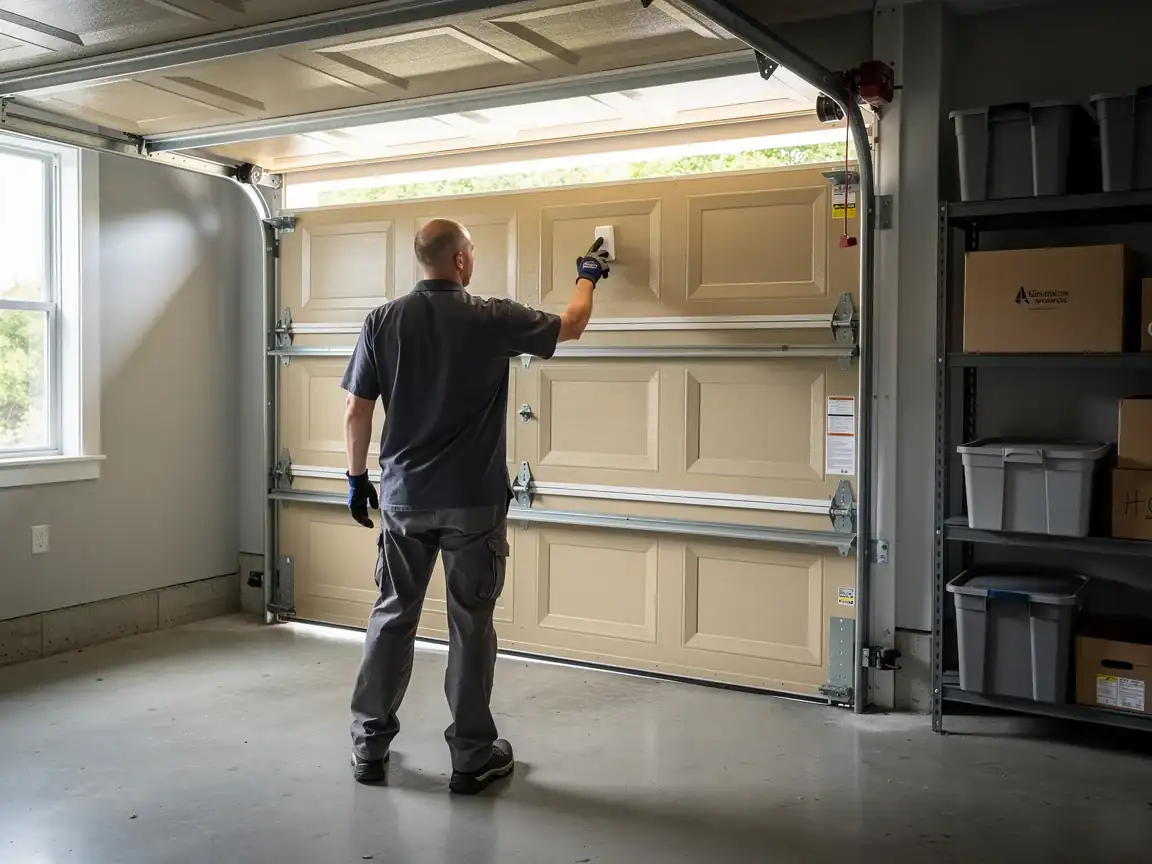
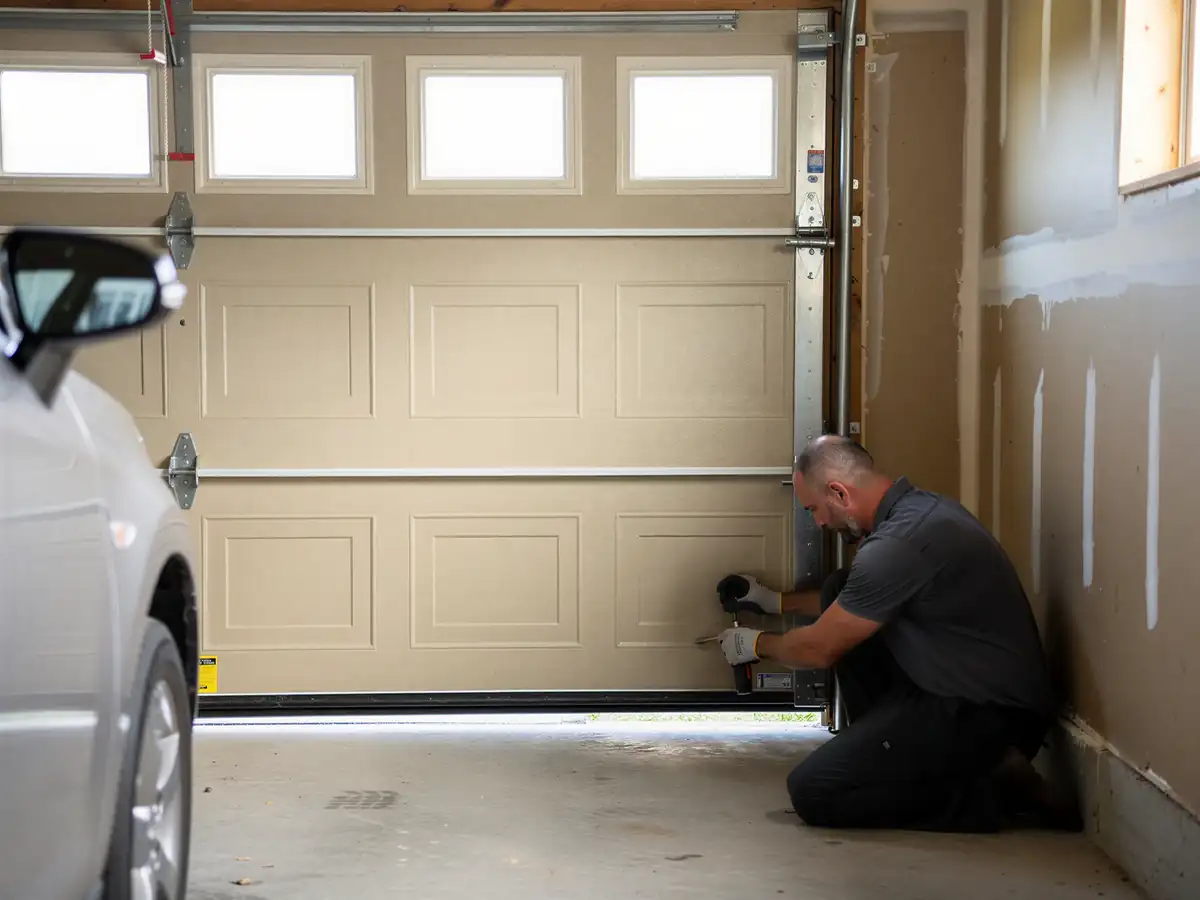
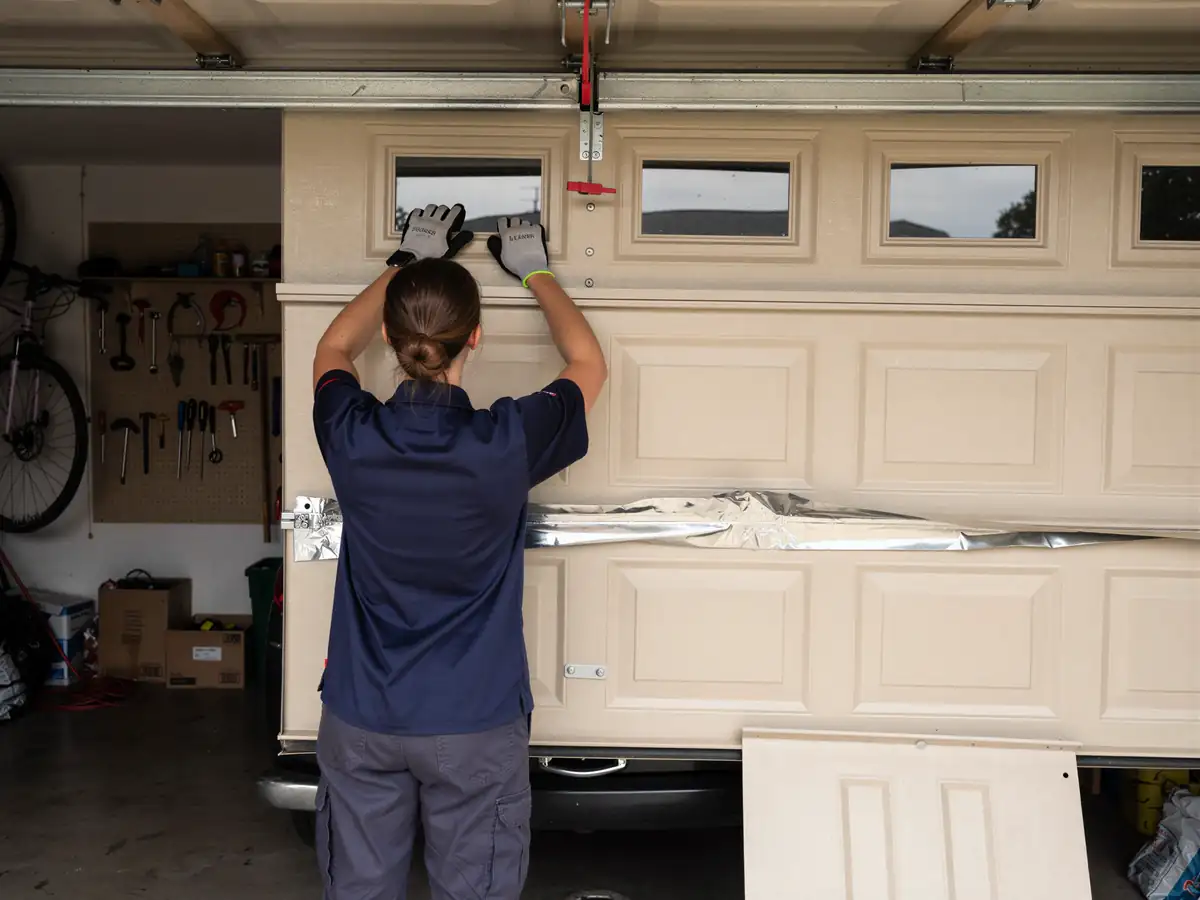
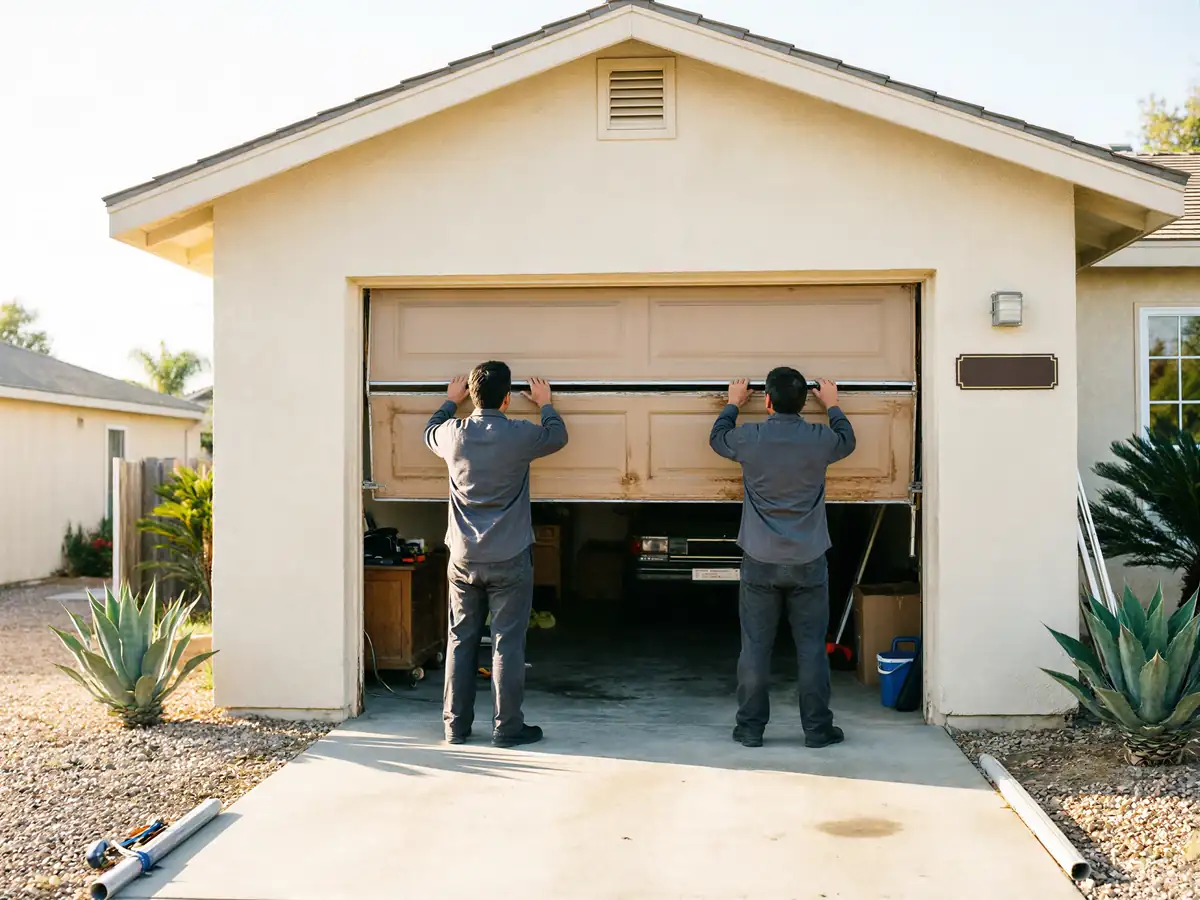
On a straightforward swap, where the opening is standard and the track run is clear, a new door goes in within a few hours. Where the framing has settled or been altered, plan on the job running longer, since we're squaring an opening before the door ever goes on. The mild climate here doesn't add weather delays - no snow load, no deep freeze to work around - so the time that goes into a Norwalk job is almost entirely about the house, not the season.
Getting It Booked In
We run out of Inglewood, about 15 miles from Norwalk
So there's no branch sitting closer to you - the truck comes from here. That means we schedule Norwalk jobs on routes rather than as isolated stops, which keeps the trip practical for both of us. If you can be flexible on the day rather than the hour, it's easier to slot your install alongside other calls on that side of the service area.
- 15 miles
With 26,801 households in Norwalk, a good share of them sitting on that same 1950s-to-60s stock
We get enough call volume here to justify the drive regularly - it's not a once-a-month trip. Bring your measurements or a photo of the existing door and track when you call; it speeds up the quote and tells us whether we're looking at a straight swap or something that needs the rough opening checked first.
- 26,801 households
How It Shows Up
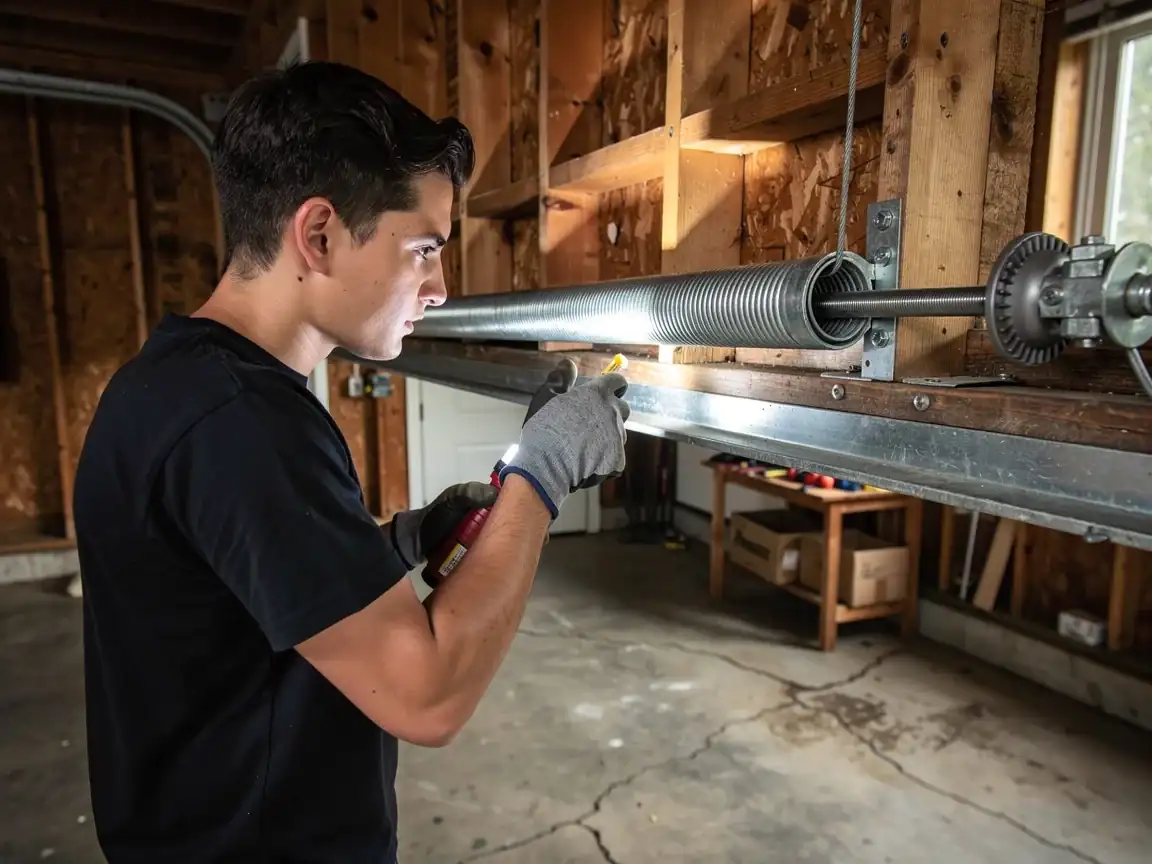
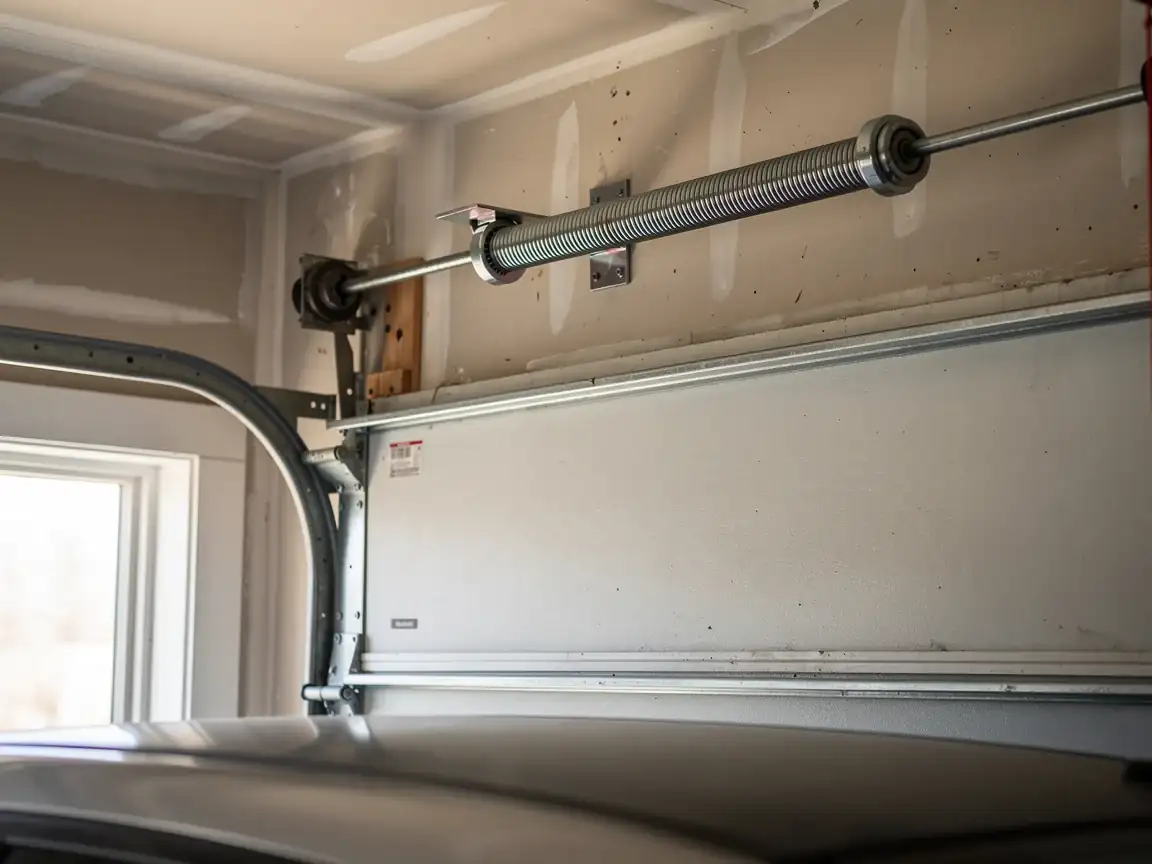
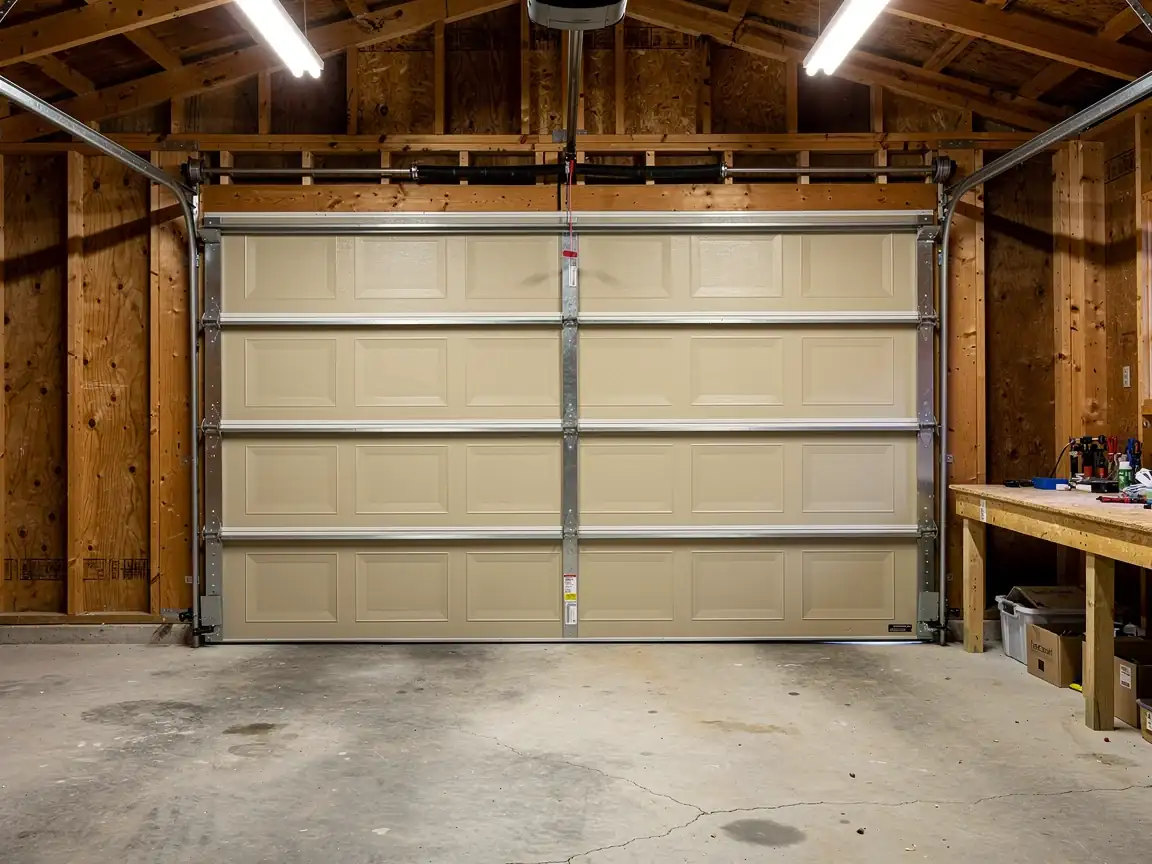
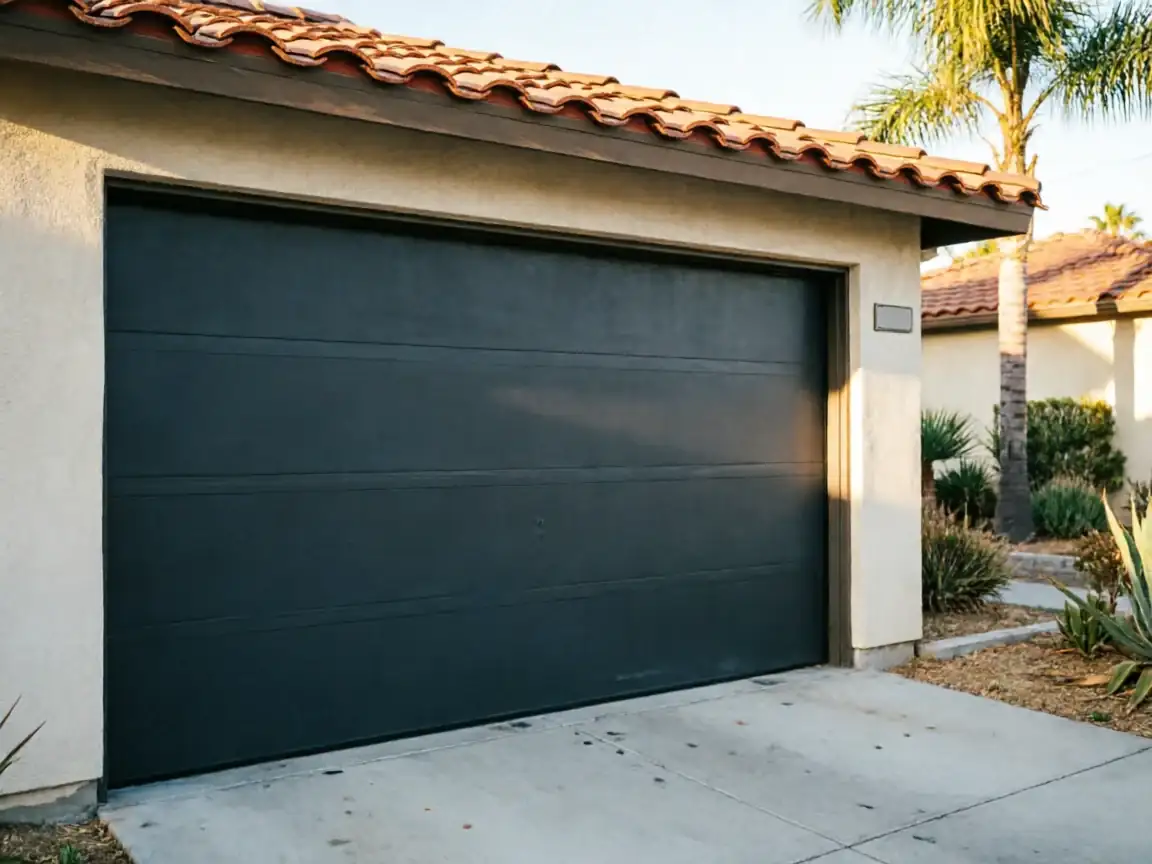
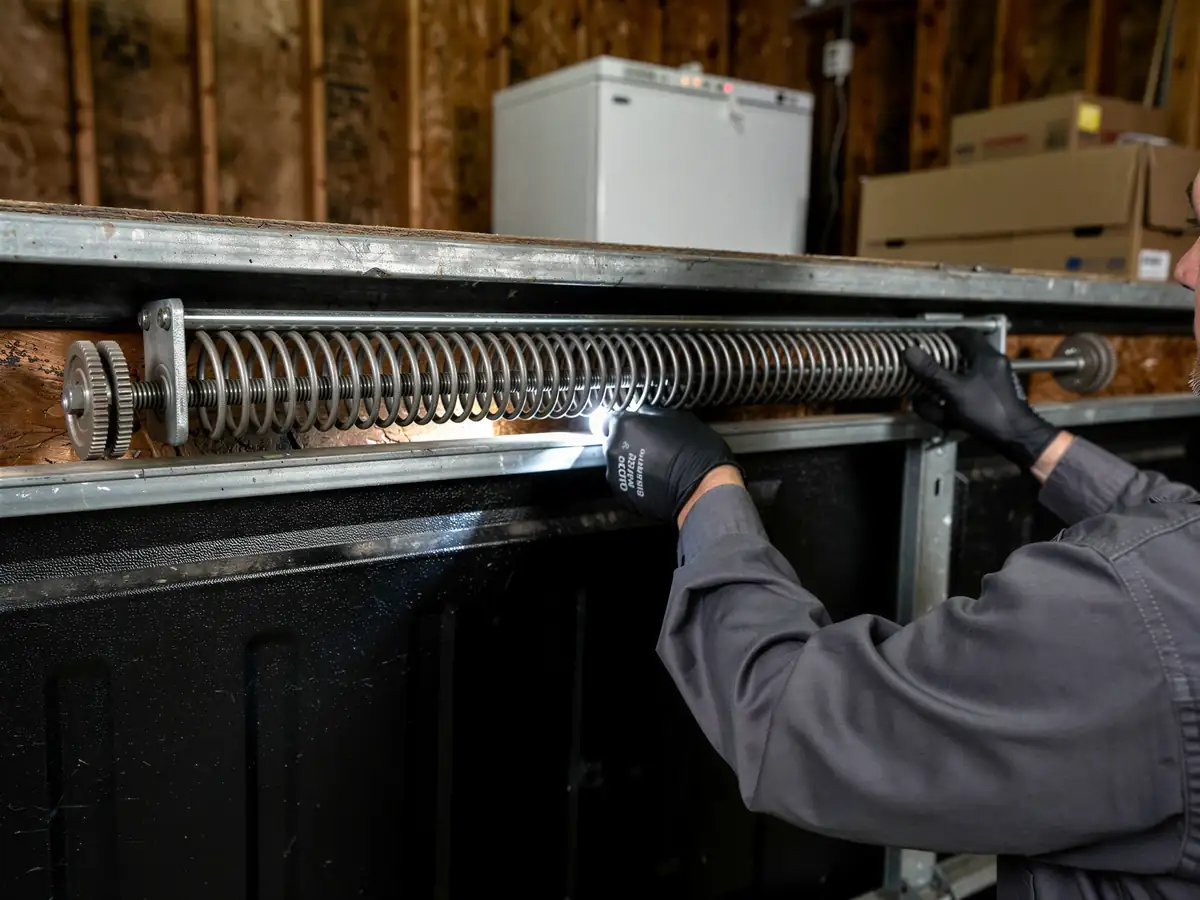
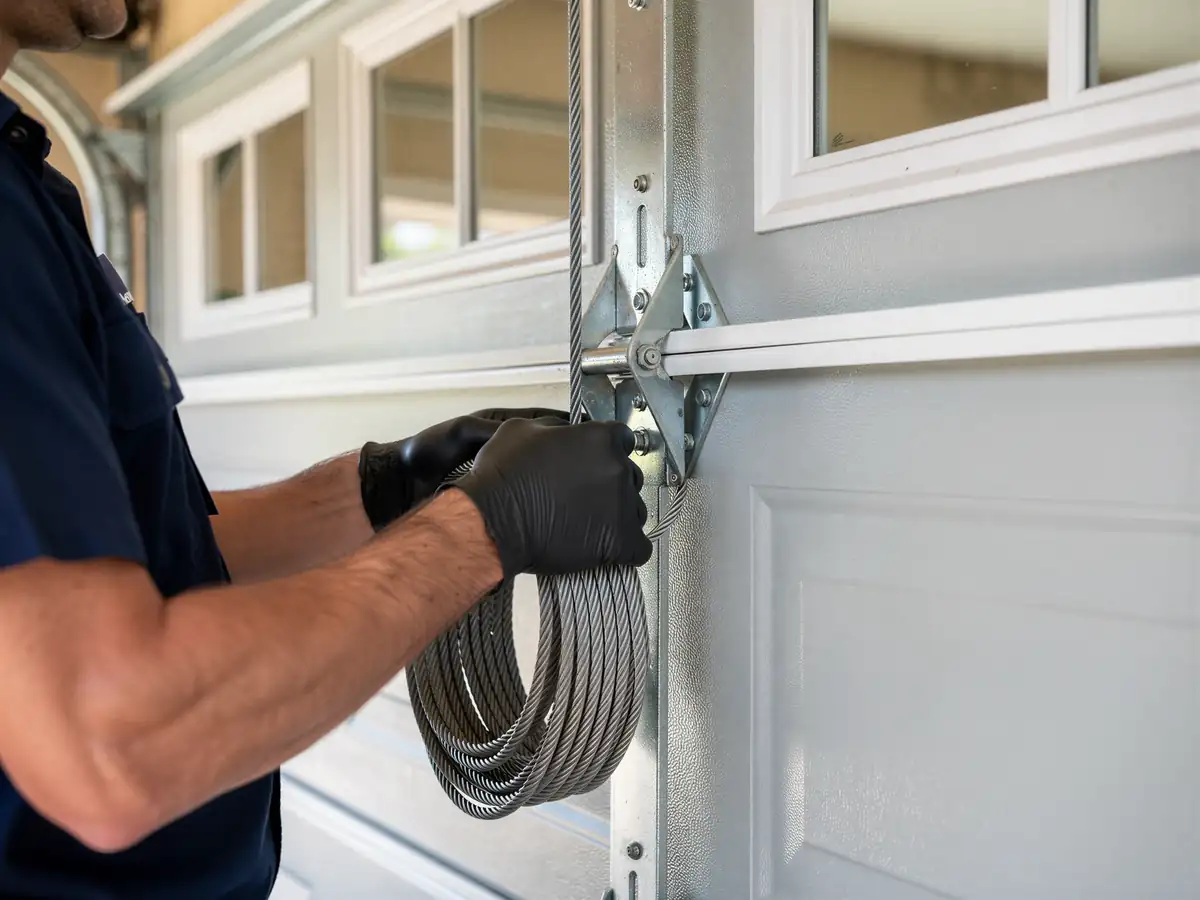
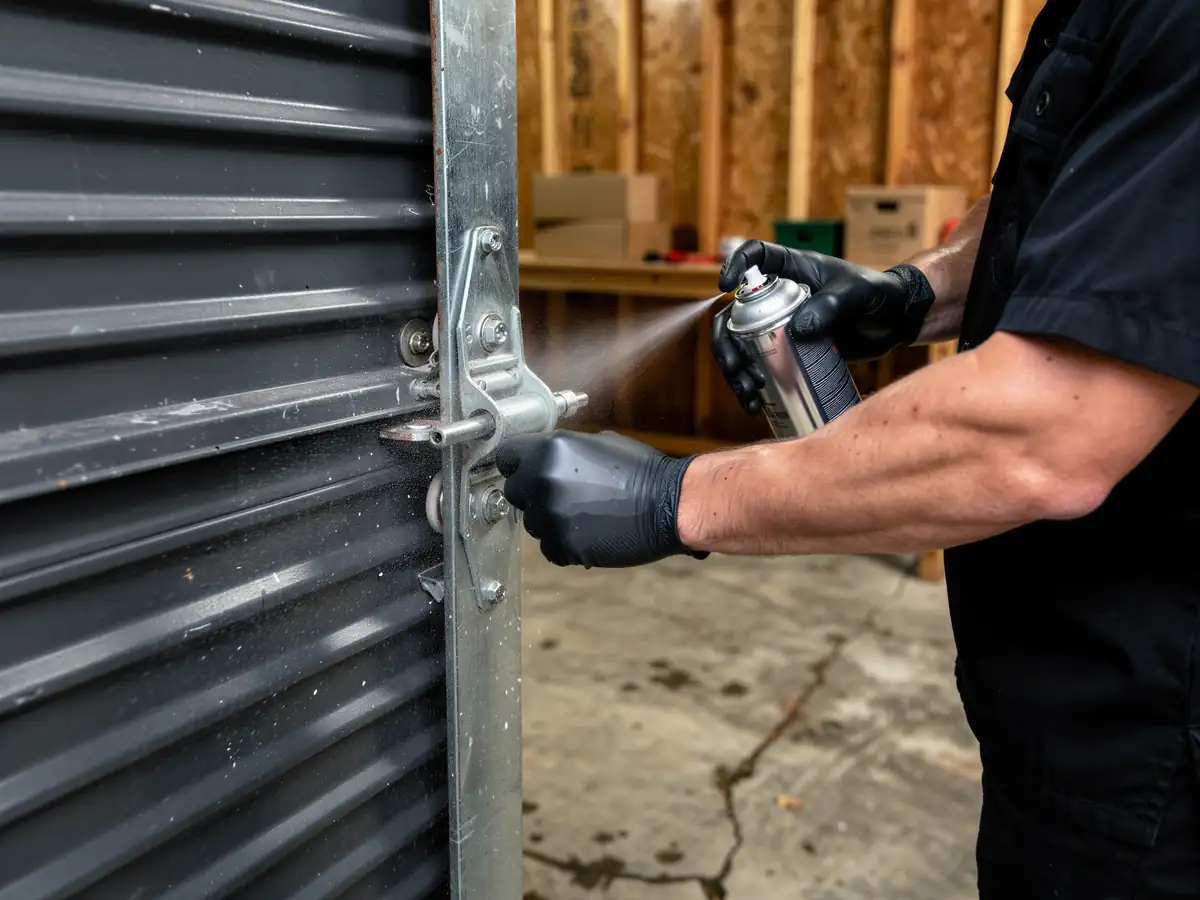
On a house built around 1957, the door you've got is rarely the door that came with it - most have been replaced once already - but the track hardware and header framing often date back further than the door itself. What we see most in Norwalk: single-layer steel panels with no insulation, torsion springs that were sized for a lighter original door and are now straining under a heavier replacement someone bolted on, and openings a couple inches narrower than what current standard doors assume.
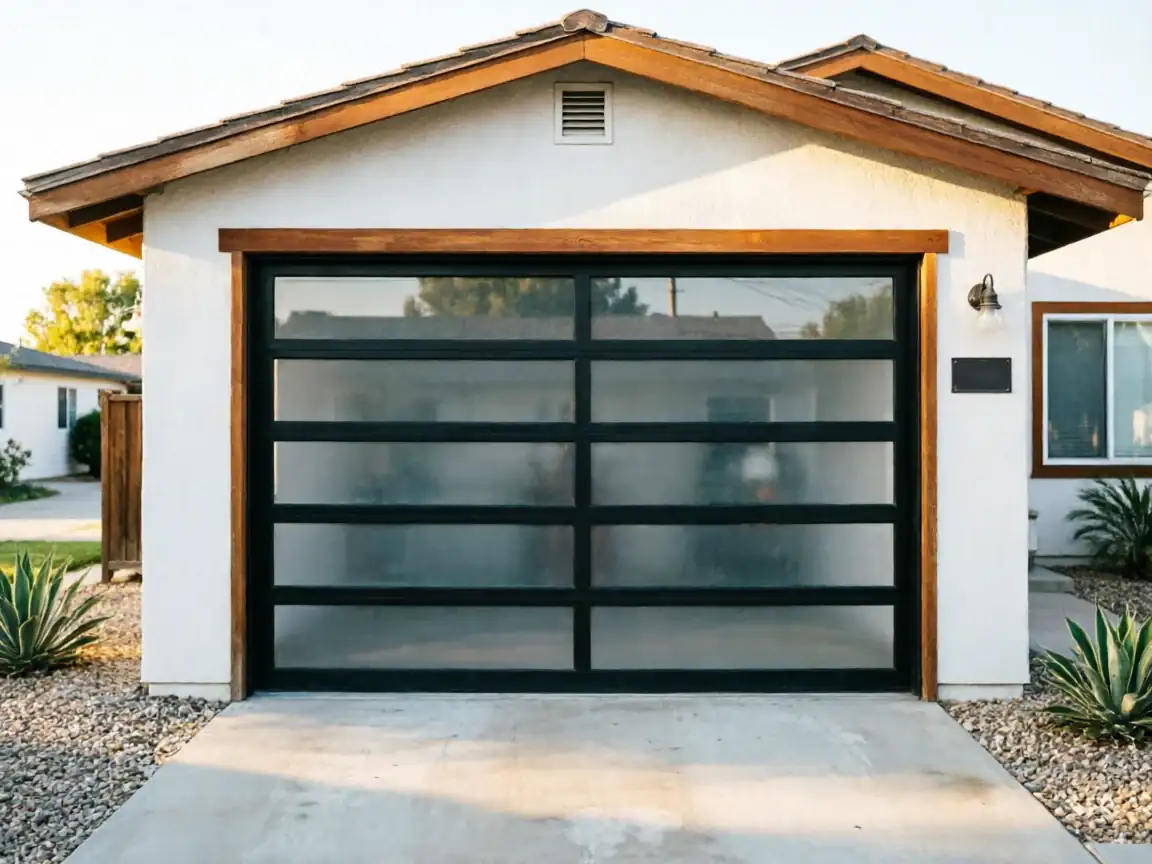
Because the median household income here runs $98,709, a bit above the $93,882 median for the wider service area, we also see more owners asking for insulated or higher-tier doors than the bare panel the house came with - but that upgrade only works cleanly if the opening and header can take it. That's the check we do before quoting, not after.
How We Fix It
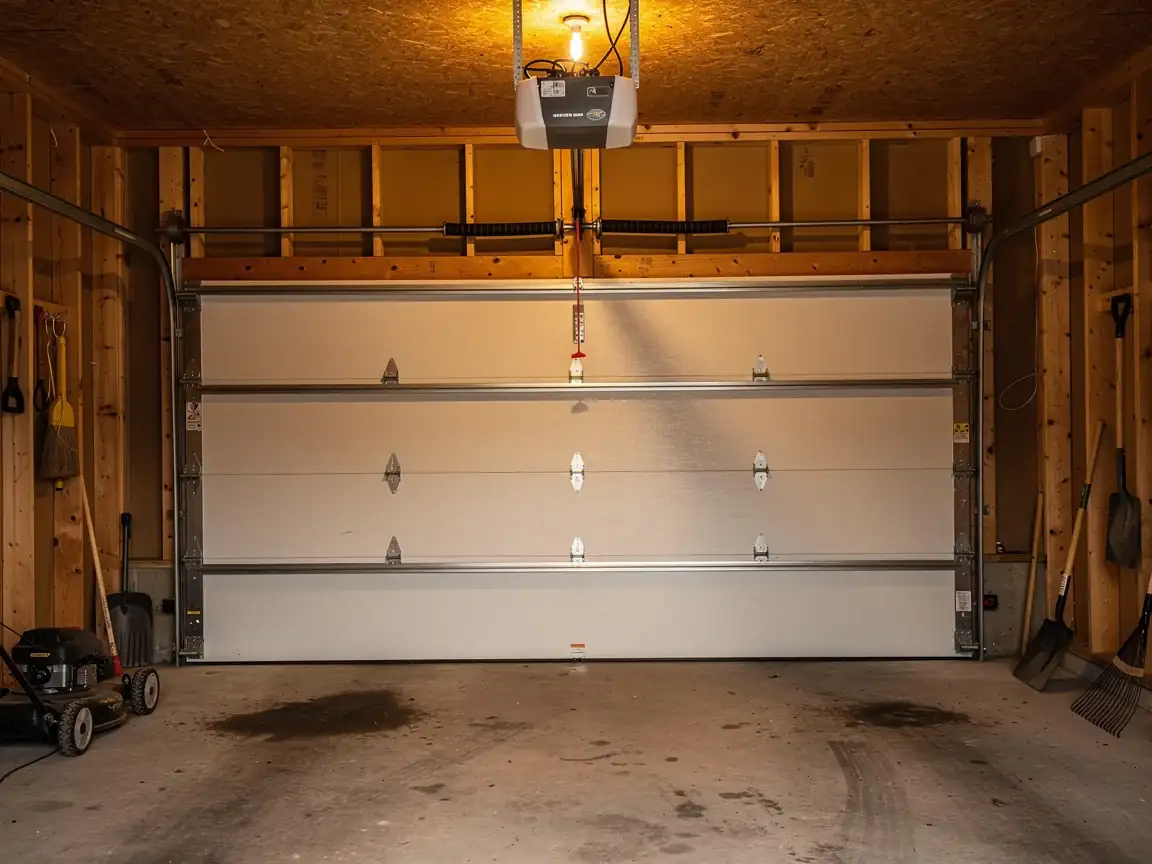
For a straight replacement, we pull the old door and track, square the opening, and set a new door sized to current standard widths rather than forcing the old dimension. Given the mild climate here, insulation is a comfort and noise choice more than a structural one, so we talk through steel-only versus insulated options based on what the budget and the opening allow, not a one-size answer.
Where the framing has shifted or the header's undersized for a new door, we'll say so rather than force a fit - that's carpentry and framing work, and it's outside what we do on an install call. In that case we'll tell you what needs fixing first so a contractor can handle the structural piece before we come back to set the door. It costs you a second trip, but it beats a door that racks in the track six months in.