How Long It Takes
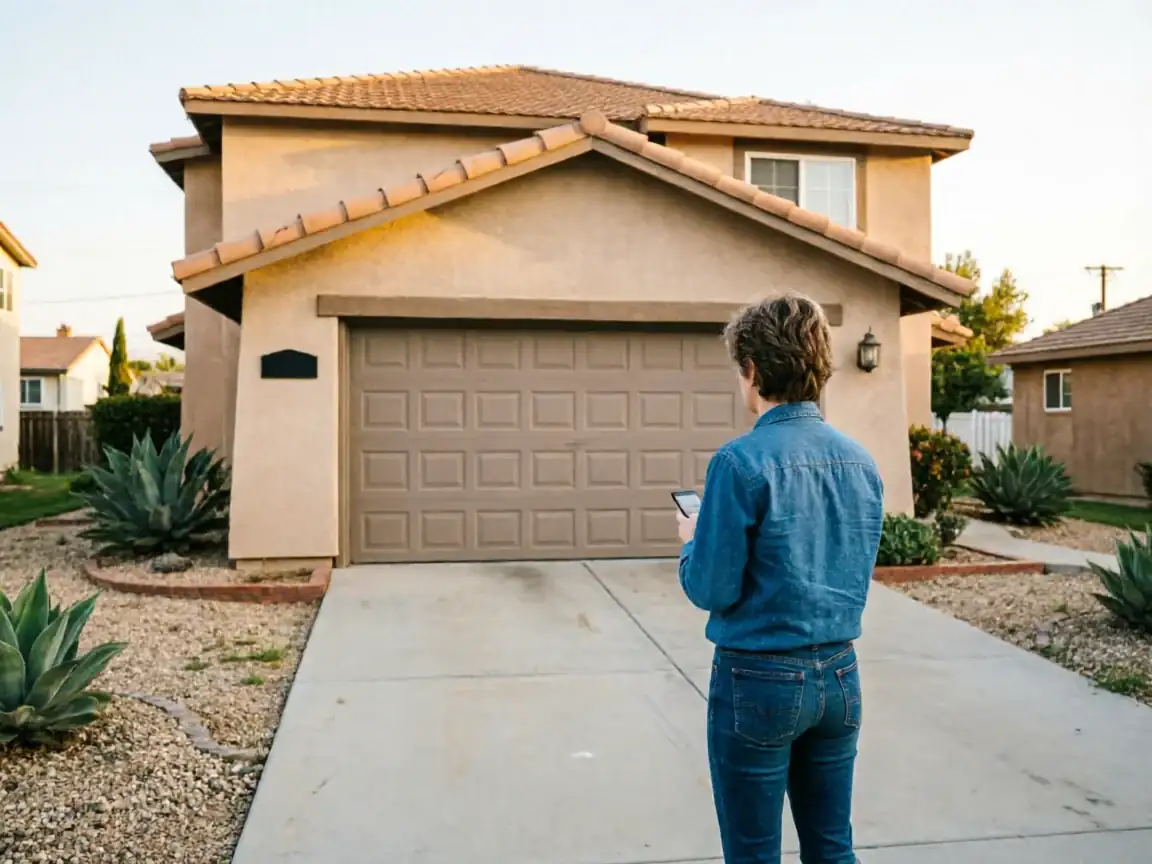
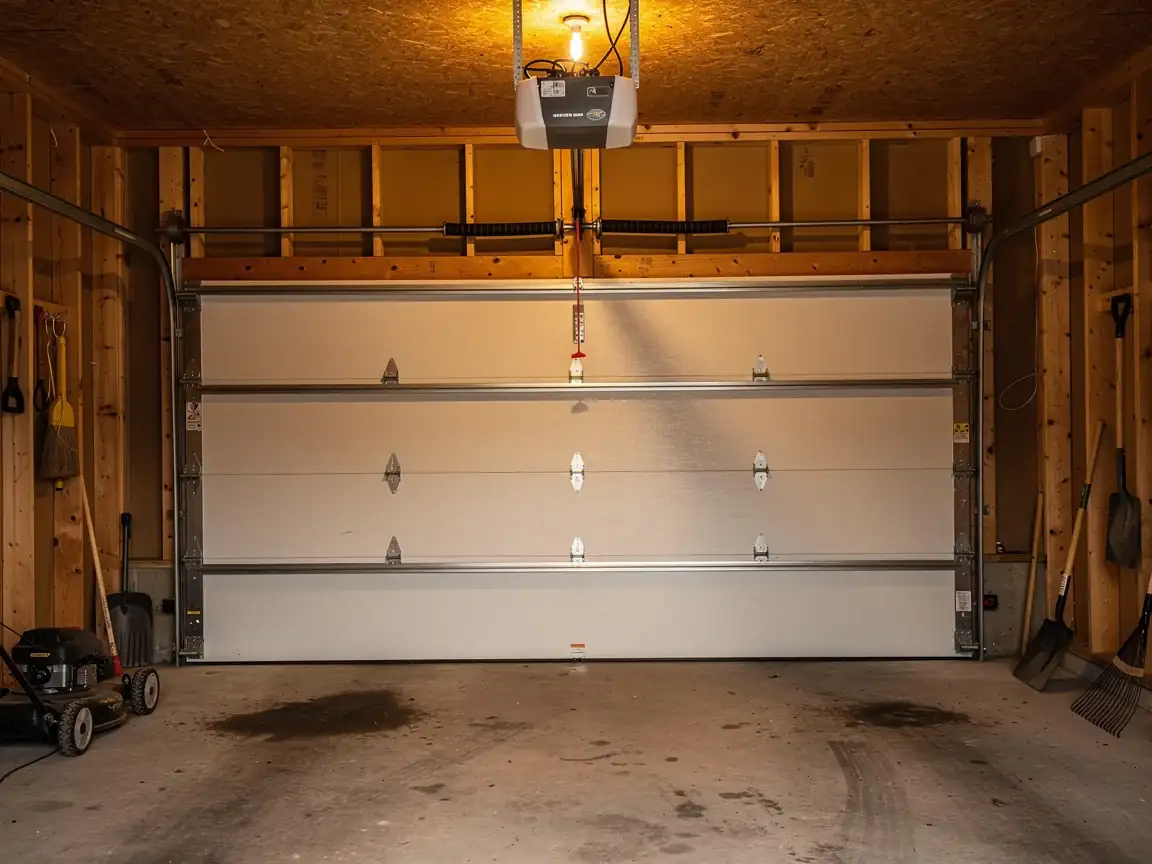
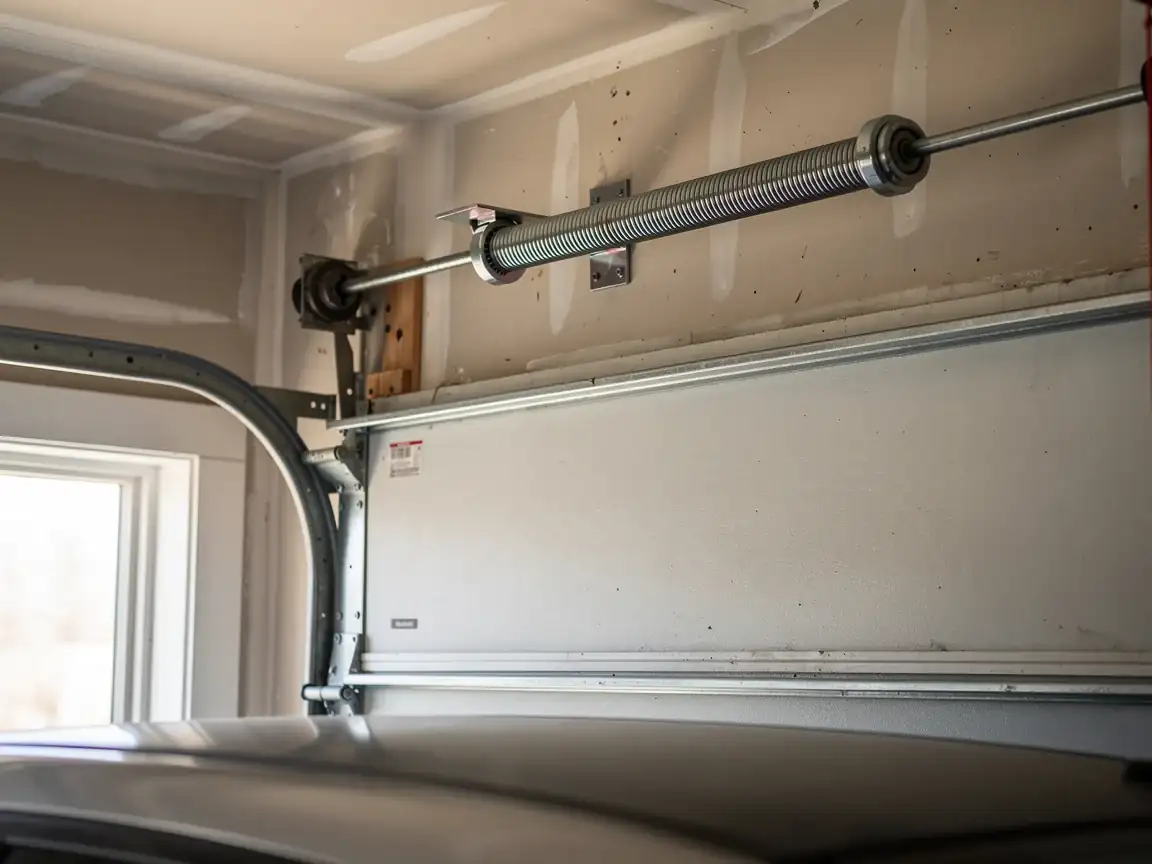
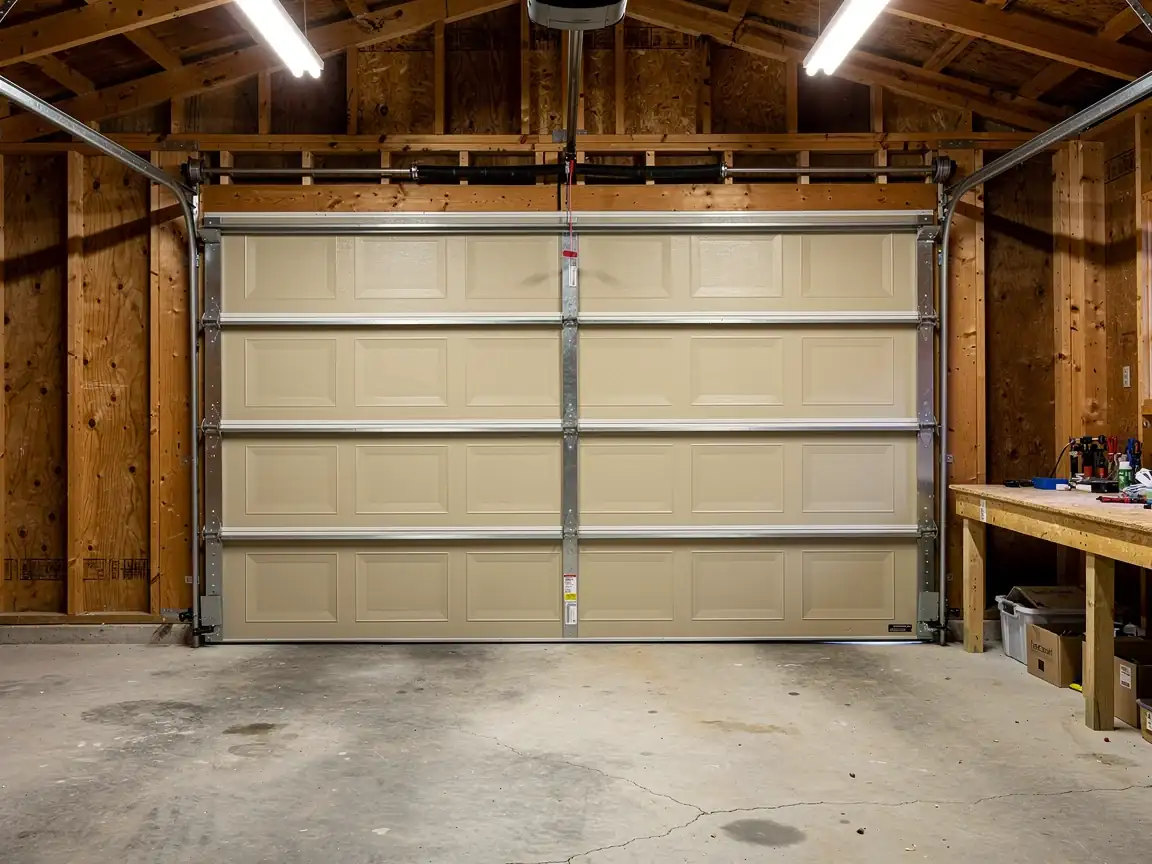
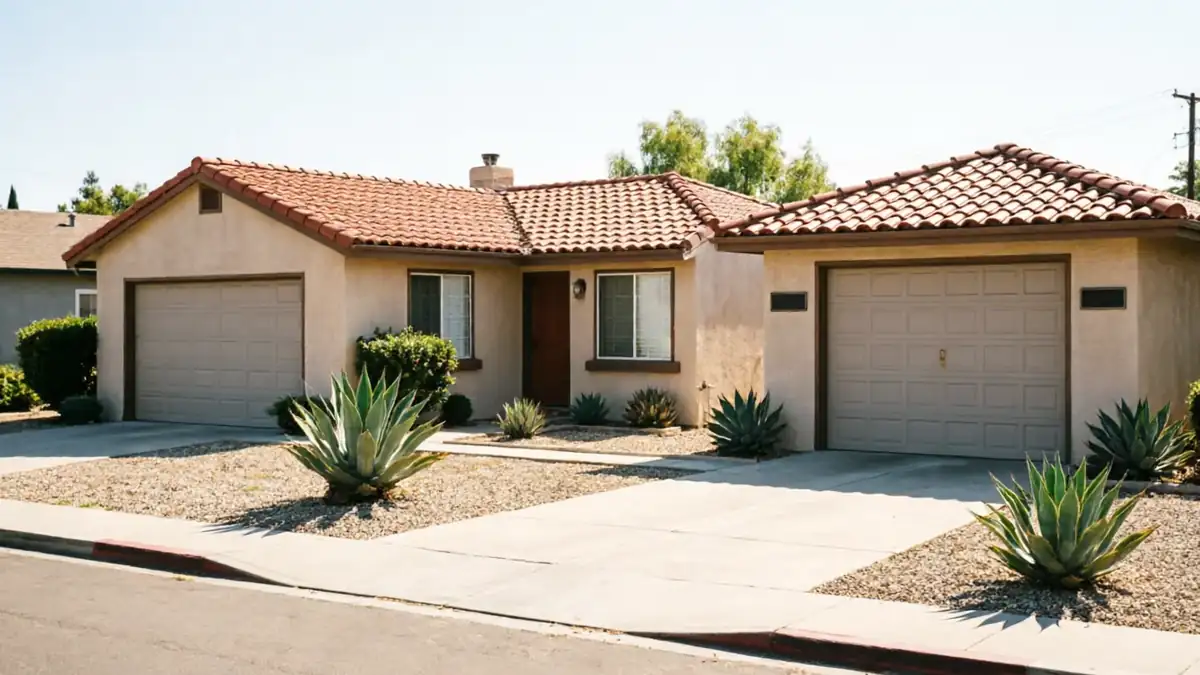
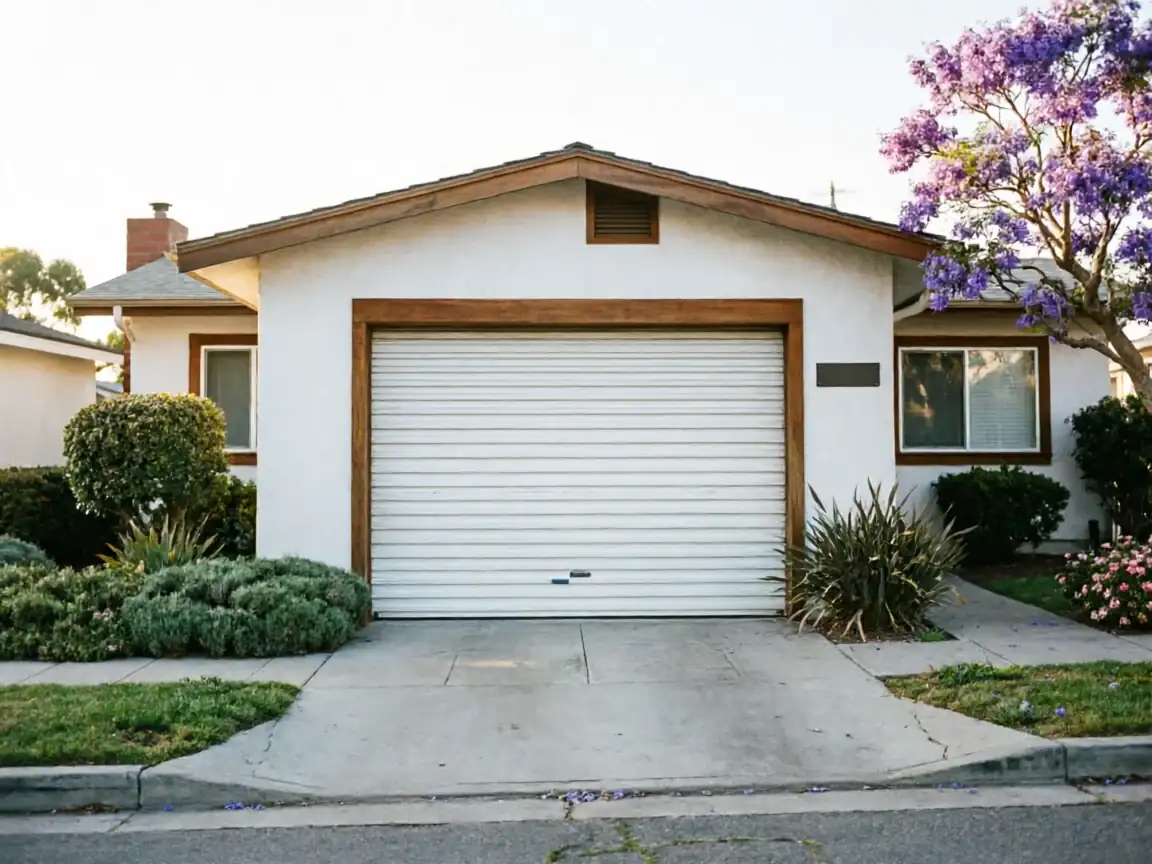
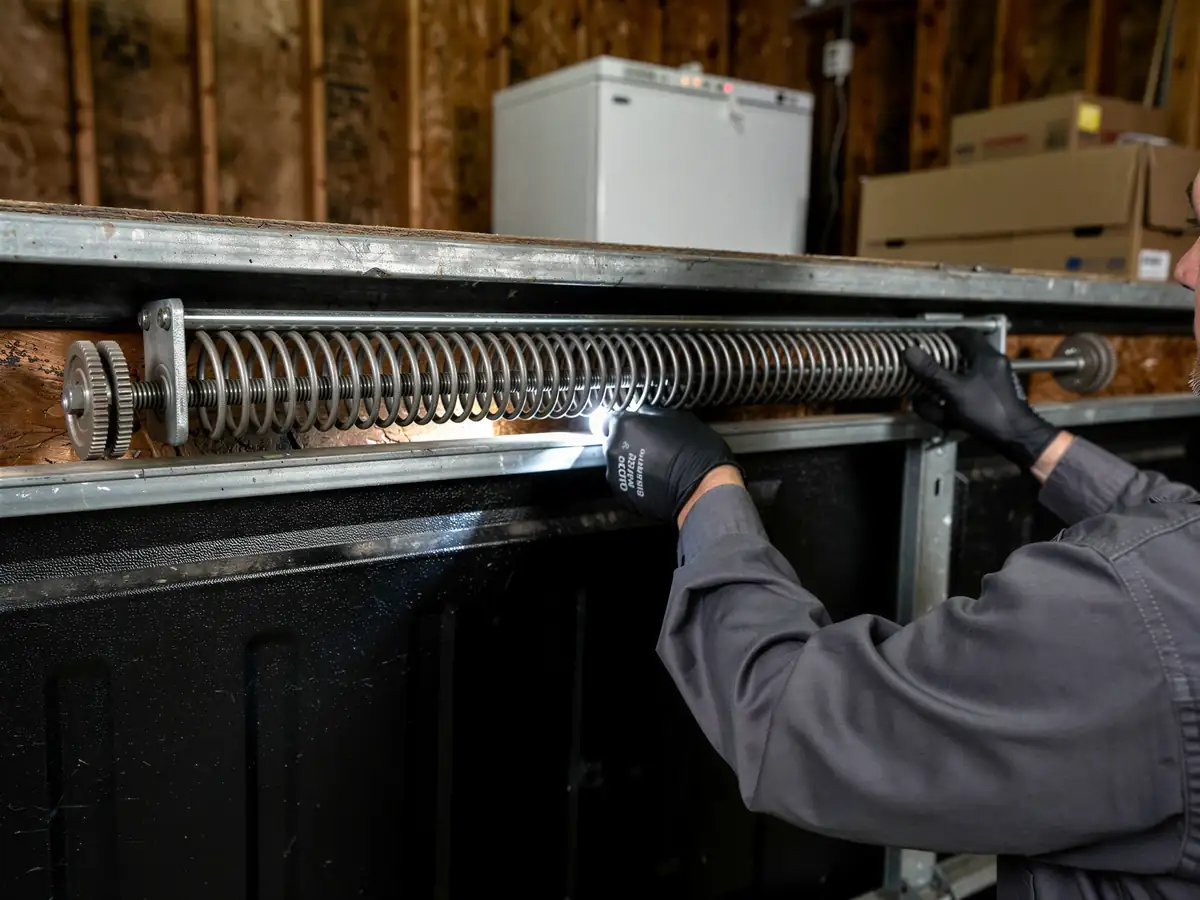
The typical house in Norwalk went up in 1957. That's four years ahead of the 1961 median across the rest of the service area, and it puts a lot of Norwalk garages a step earlier than the 1960s-70s wave that covers most of the surrounding neighborhoods. A house from 1957 usually means one thing when a spring snaps at 6am: the torsion hardware bolted to that header has likely never been touched. Nobody re-springs a door that still opens, even badly, so the original shaft, the original end bearings, and often the original cones are still doing the job they did the year the house was built.
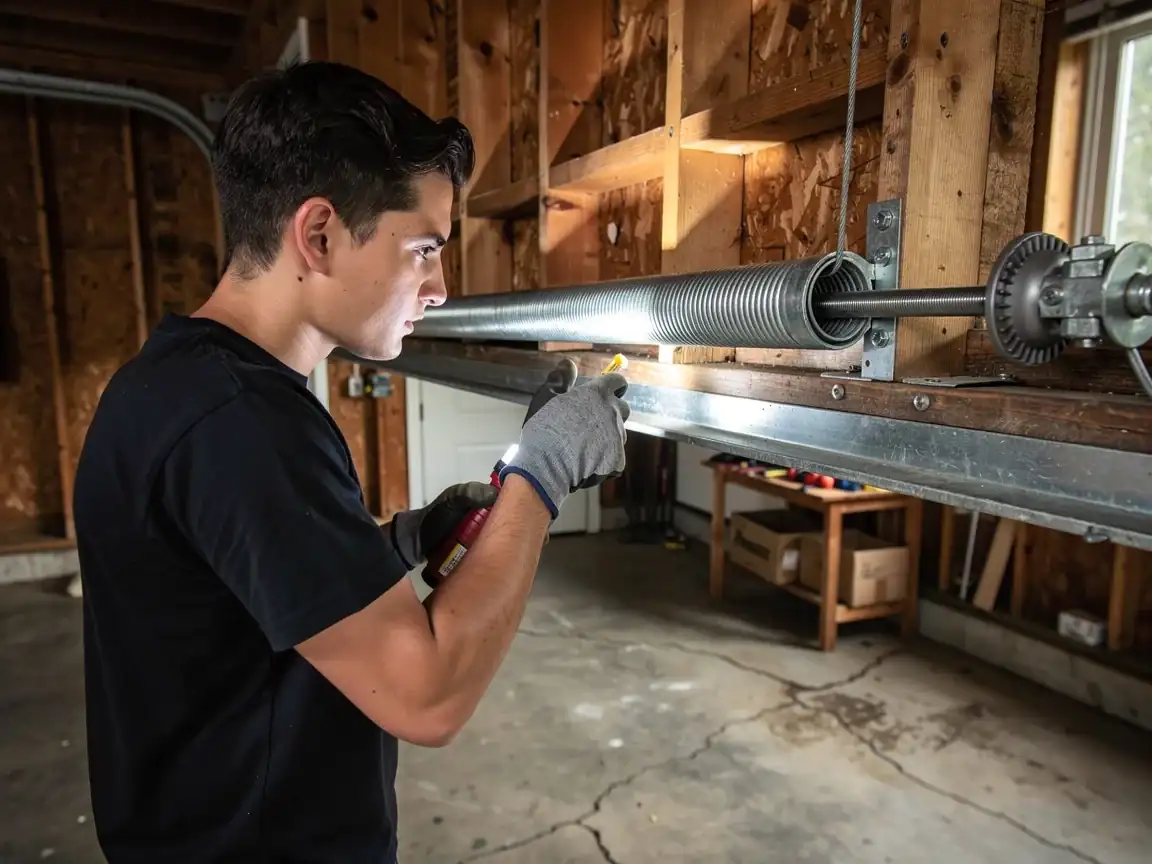
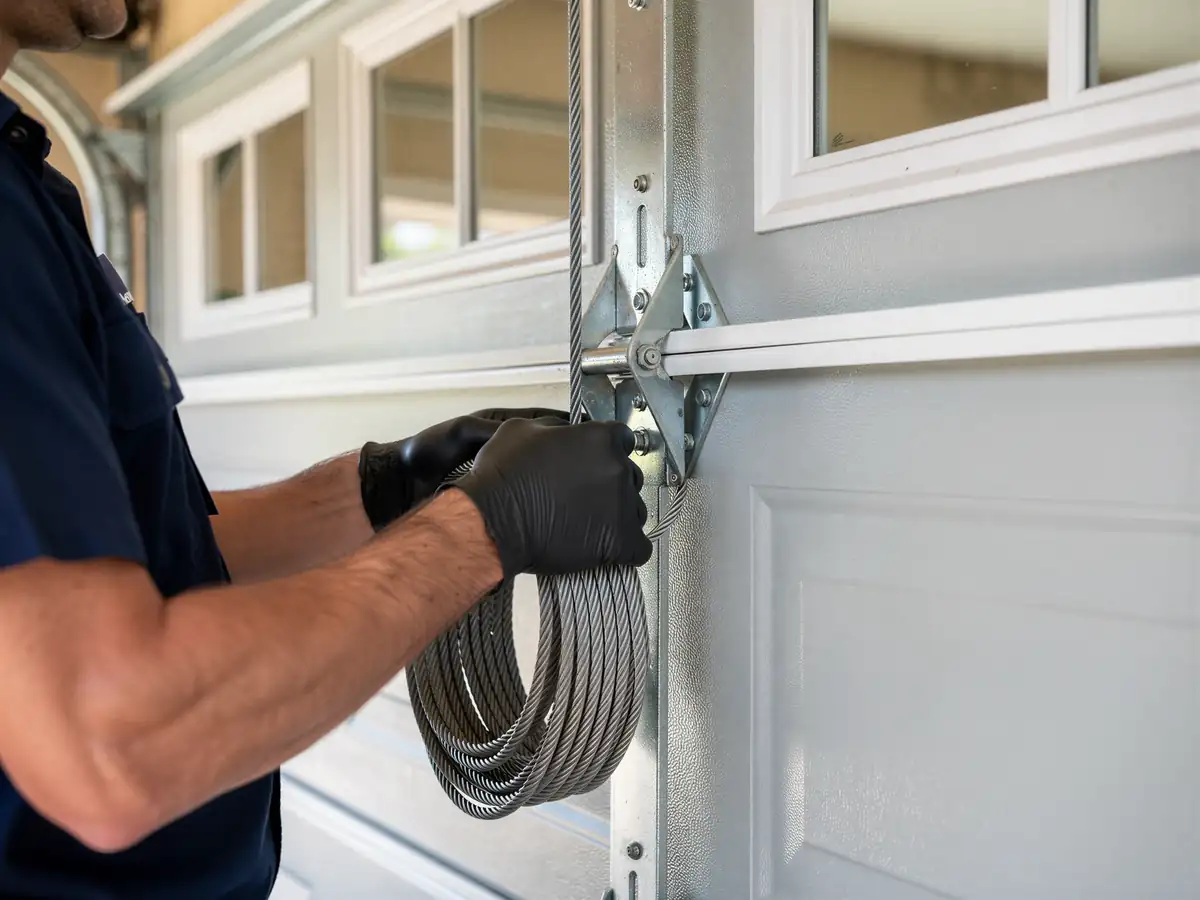
That matters for how long a repair actually takes once we're on site. Pulling a 65-plus-year-old torsion assembly isn't the same ten-minute swap as a 2005 build with a standard-bore shaft. We budget extra time on Norwalk calls specifically because of what the build year tells us before we even see the door - worn end bearings, a shaft that's pitted rather than smooth, lift cables that have never been replaced. We'd rather tell you that up front than surprise you with it on the truck.
Getting It Booked In
We don't keep a crew stationed in Norwalk
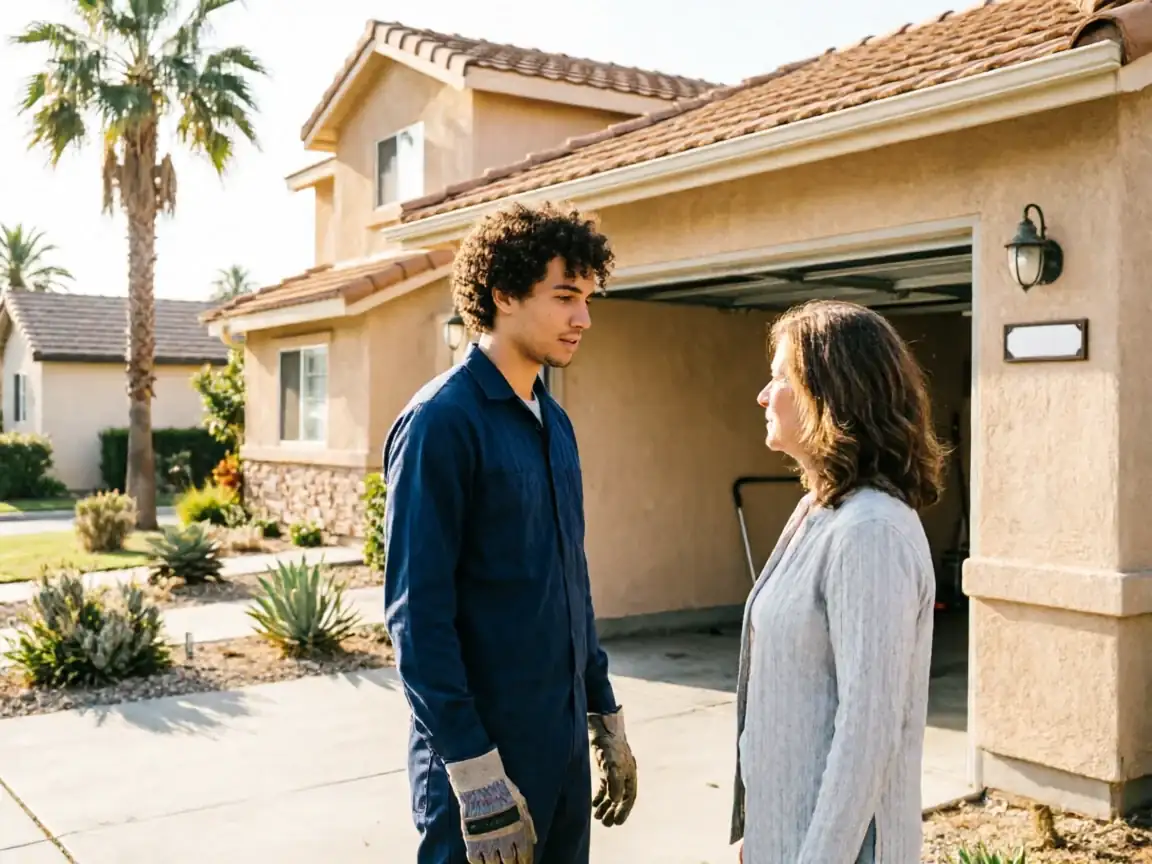
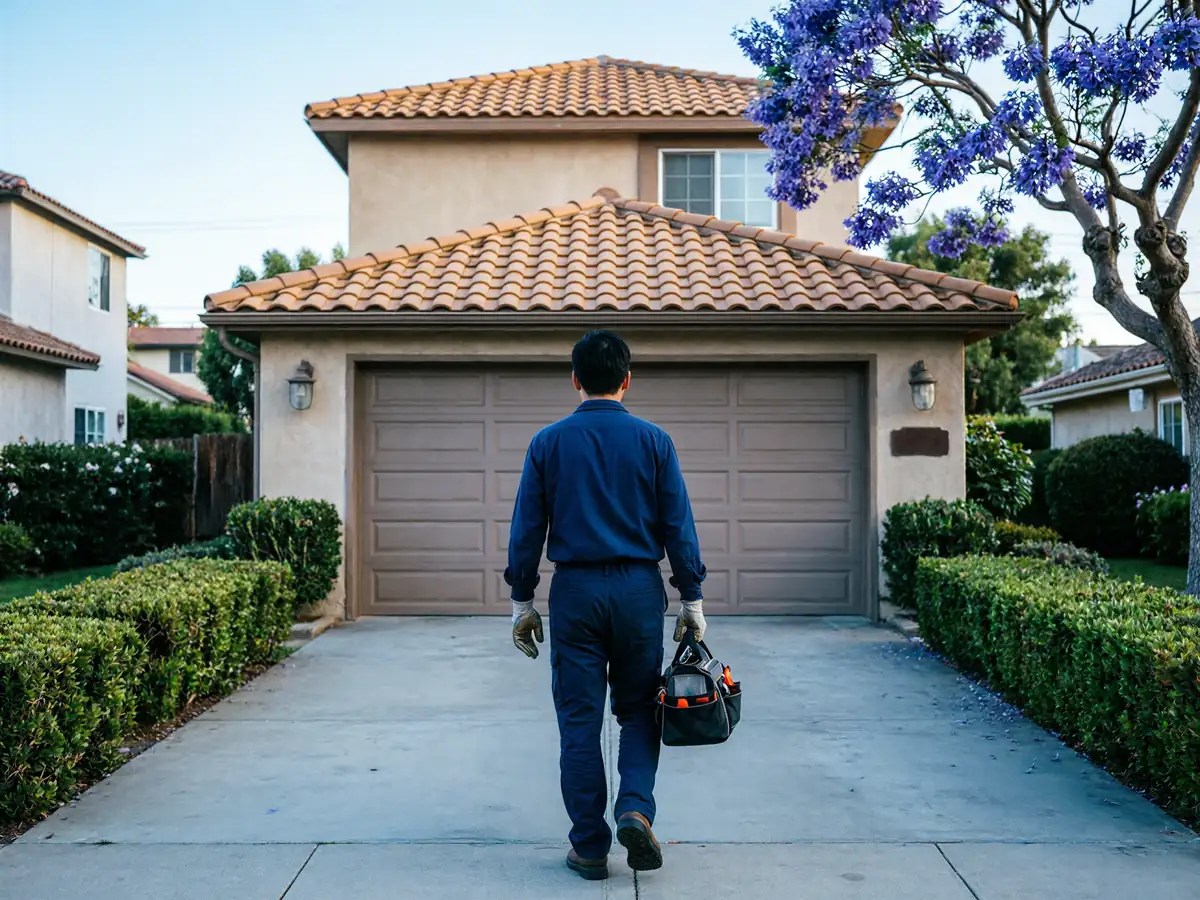
We run out of Inglewood, about 15 miles away, and every Norwalk call is a dispatch, not a drop-in. When you call, we ask what the door is doing - stuck shut, stuck open, off the track, making a noise - because that tells us what to load on the truck before we leave, which matters more on a longer drive than a short one.
- 15 miles
With roughly 26,801 households in Norwalk and a median income of $98,709
We see a good mix of owners who've had a spring or opener replaced once already and owners who haven't touched the original hardware since the house was built. Either way, tell us the age of the door and opener if you know it, or just tell us the age of the house - 1957 is common enough here that we can usually size up the job over the phone before we're on site.
- 26,801 households
- $98,709 median household income
We book same-day where the schedule allows it
But we won't promise a window we can't hold from 15 miles out. If it's a safety issue - a door stuck halfway, a cable that's whipped loose - say so when you call, and we'll move you up.
- 15 miles
How It Shows Up
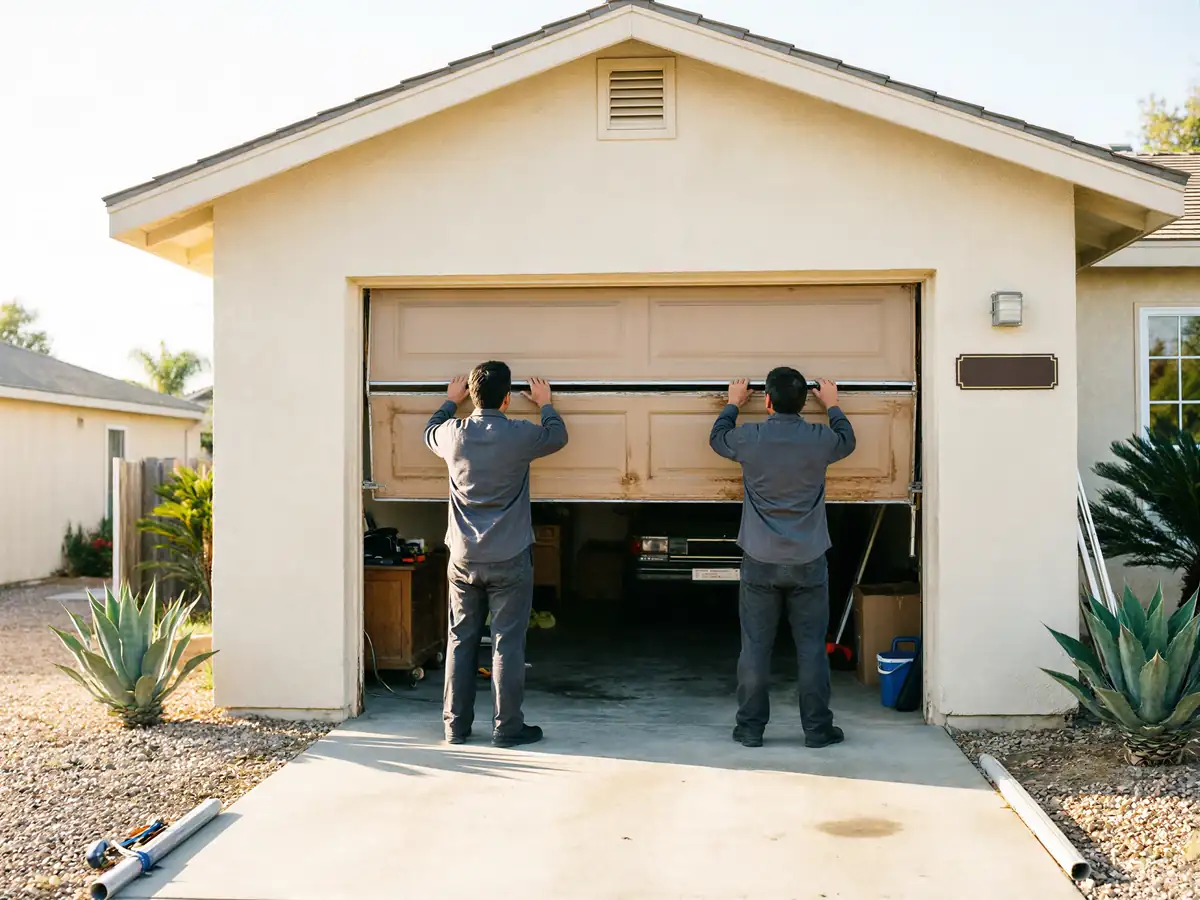
On a 1957 door, the failure almost never looks like what you'd expect from a newer one. It's rarely the opener motor itself - it's the torsion spring finally giving out after decades of cycling on original bearings, or a lift cable that's frayed through at the drum because it was never swapped when the spring was. Rollers on original steel track tend to go next: they bind, the door starts shuddering a few inches off the floor, and owners often think it's the opener struggling when it's really the roller dragging.
The service area sits in a mild temperate band, so we don't get the freeze-thaw cycling that snaps springs early in colder climates. In Norwalk that mostly means age does the damage on its own schedule rather than weather forcing it. A door built in 1957 that's never had a spring replaced is simply closer to the end of that spring's rated cycle count than a door from a 1975 build, regardless of how carefully it's been used.
If your door is original and it's starting to sound different - a grind on the way down, a shudder partway up - that's usually the hardware telling you it's close, not something that fixed itself overnight.
How We Fix It
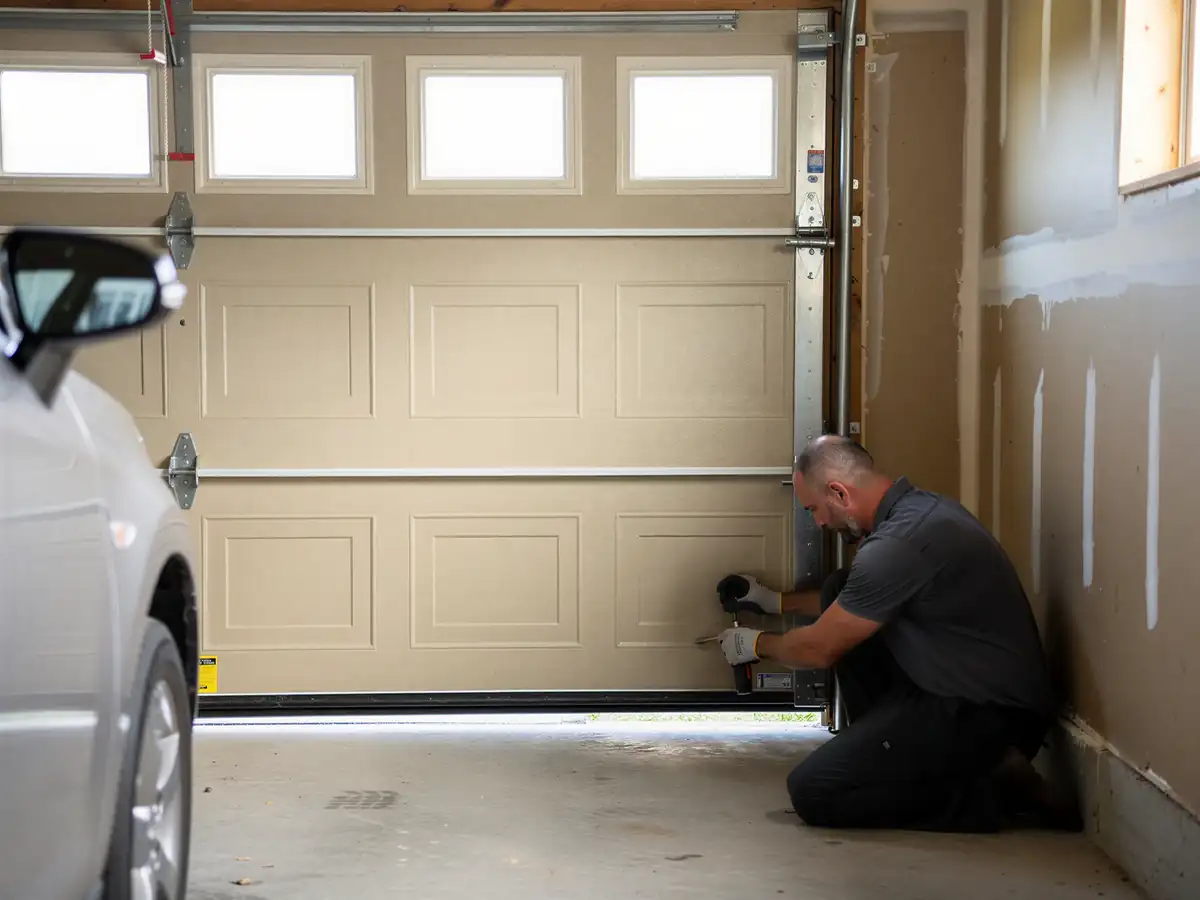
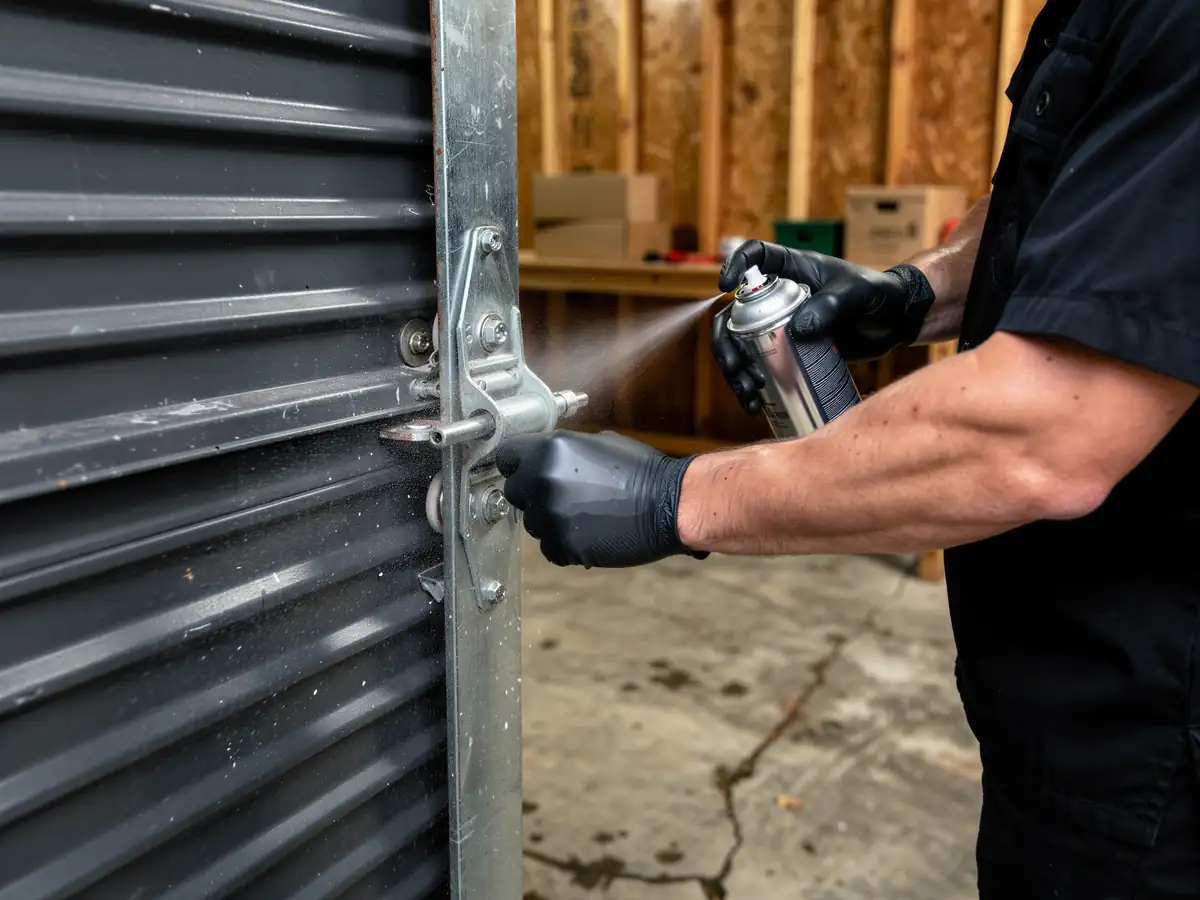
For a 1957 door, the first thing we check is whether the track and hardware are original-width or have already been upgraded, because that decides what we carry off the truck. Original torsion shafts on houses this age sometimes use a bore size that current stock springs don't match cleanly, so a straight swap isn't always possible - we'll say so rather than force a part that's close enough.
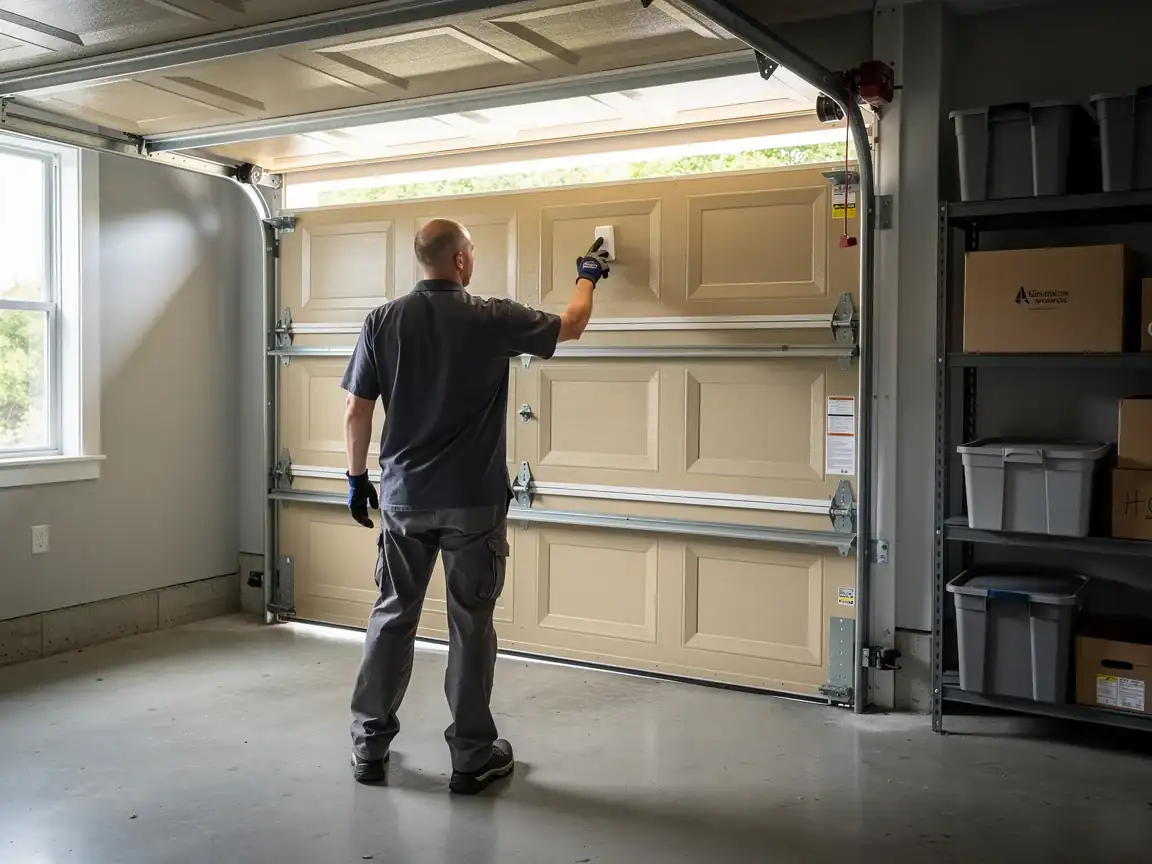
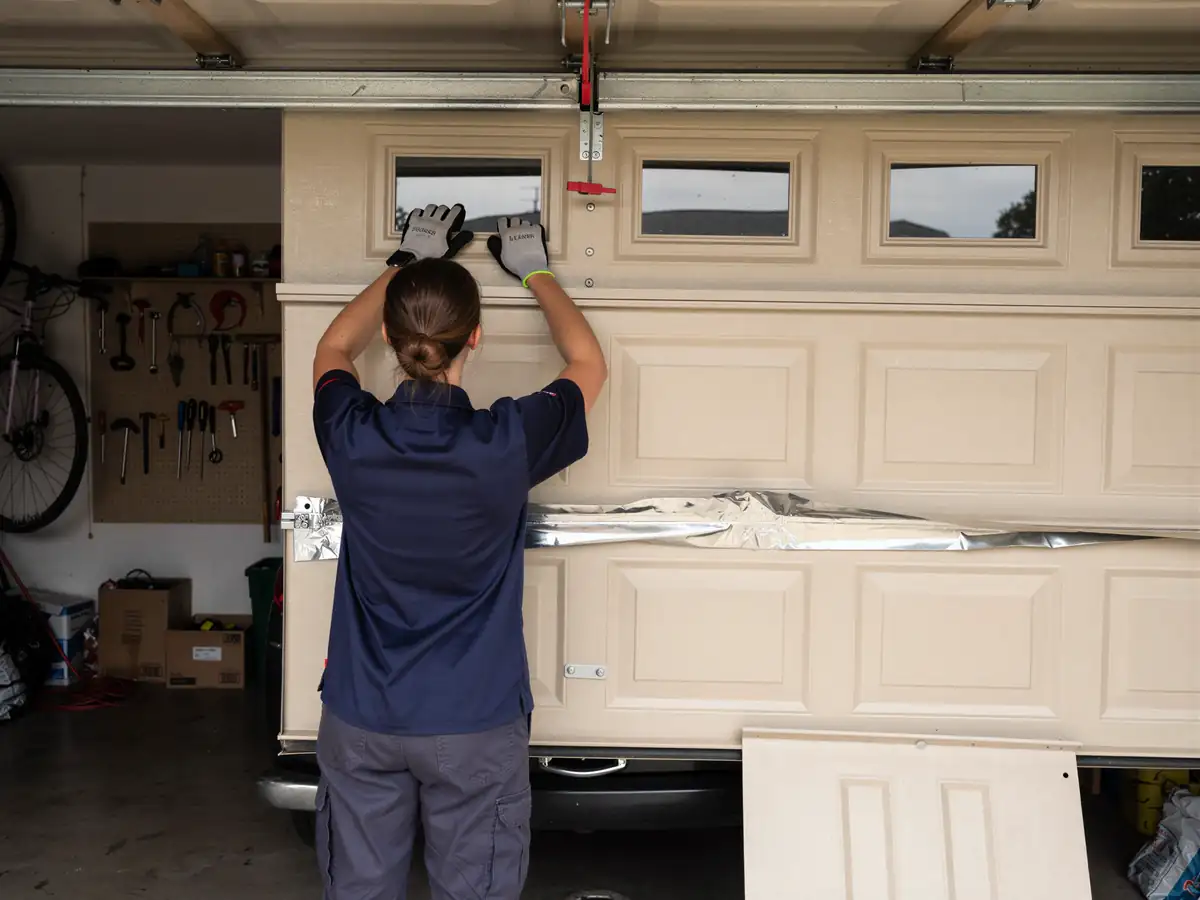
Most calls end with a spring replacement, a cable set, or a roller changeout, done with hardware rated for the door we find, not a generic kit. If the opener is also original, we'll tell you honestly when fixing it isn't worth it compared to replacing it - a 65-year-old chain-drive unit with a worn gear set usually isn't a repair worth doing twice.
One limitation worth saying plainly: if your track or spring is a discontinued size that needs to be special-ordered, we can't always finish same visit. We'll get the door safe and functional on the day, then come back once the part's in. That's less common than it sounds, but it happens more in Norwalk's older stock than in the newer pockets of the service area.