How Long It Takes
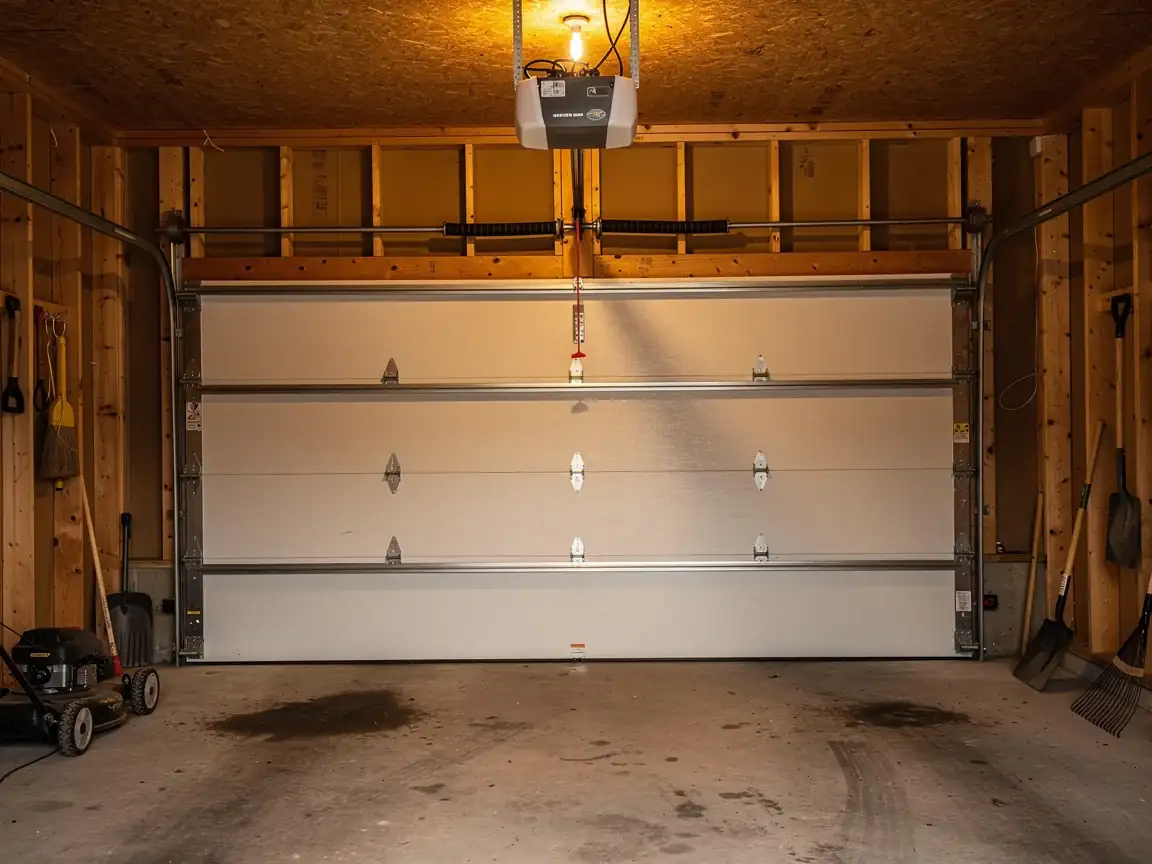
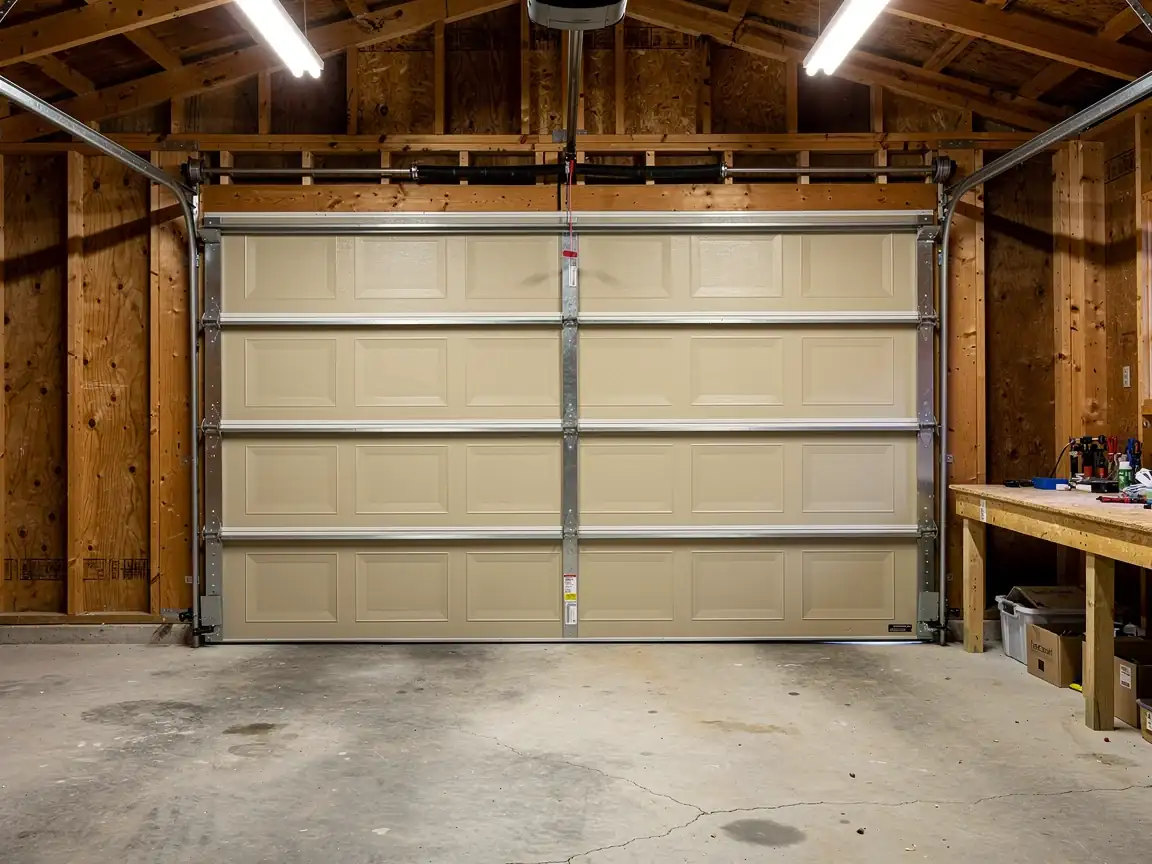
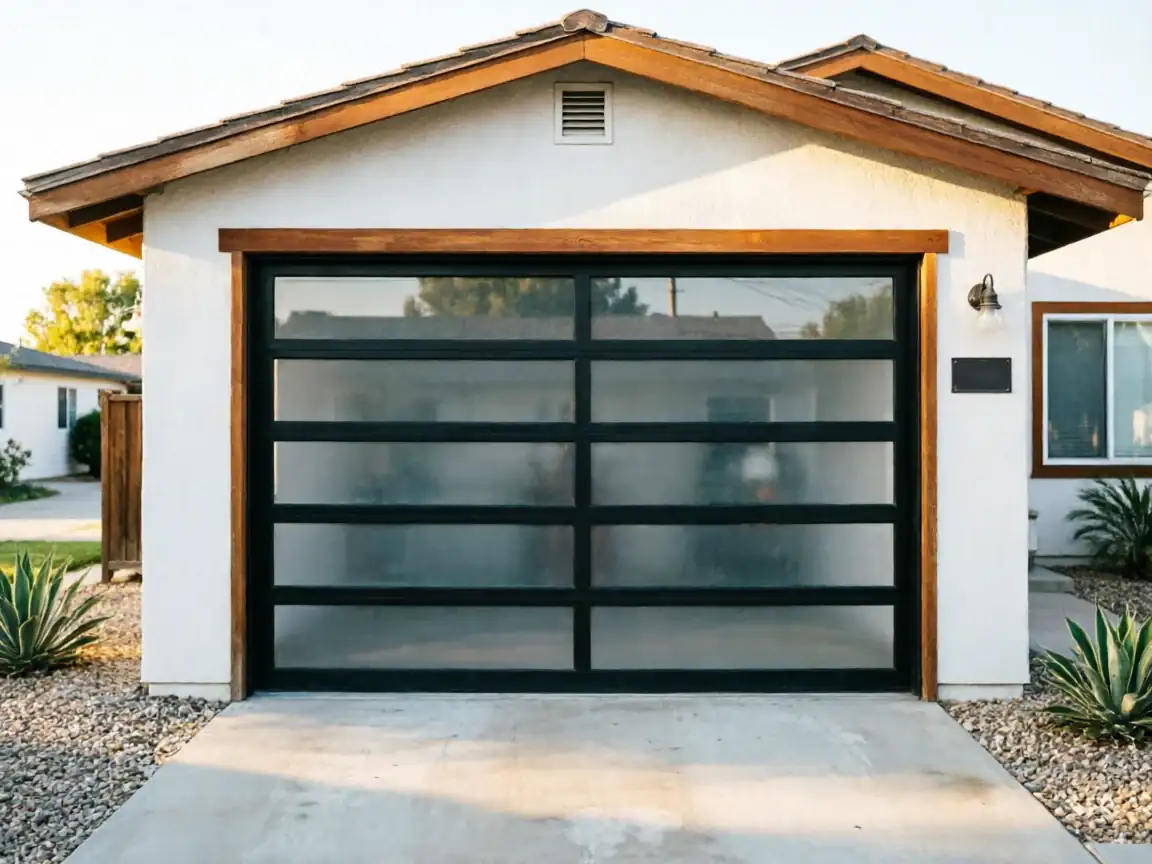
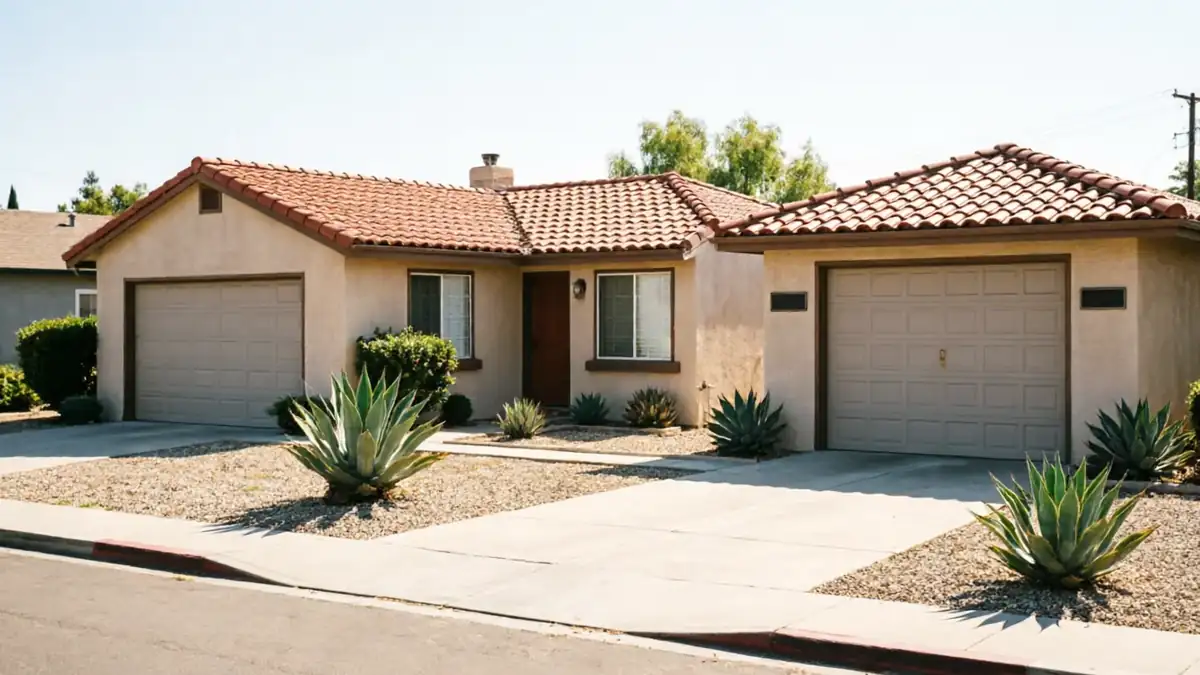
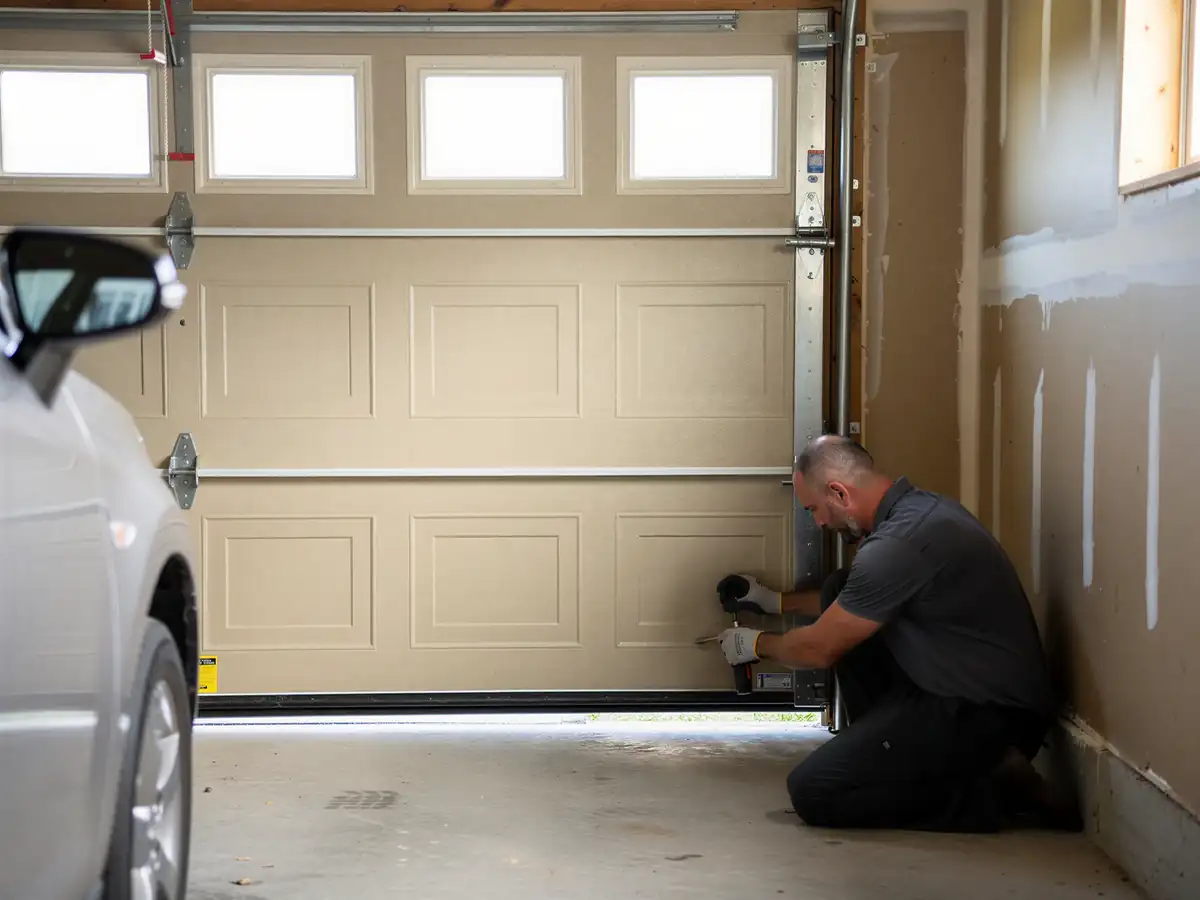
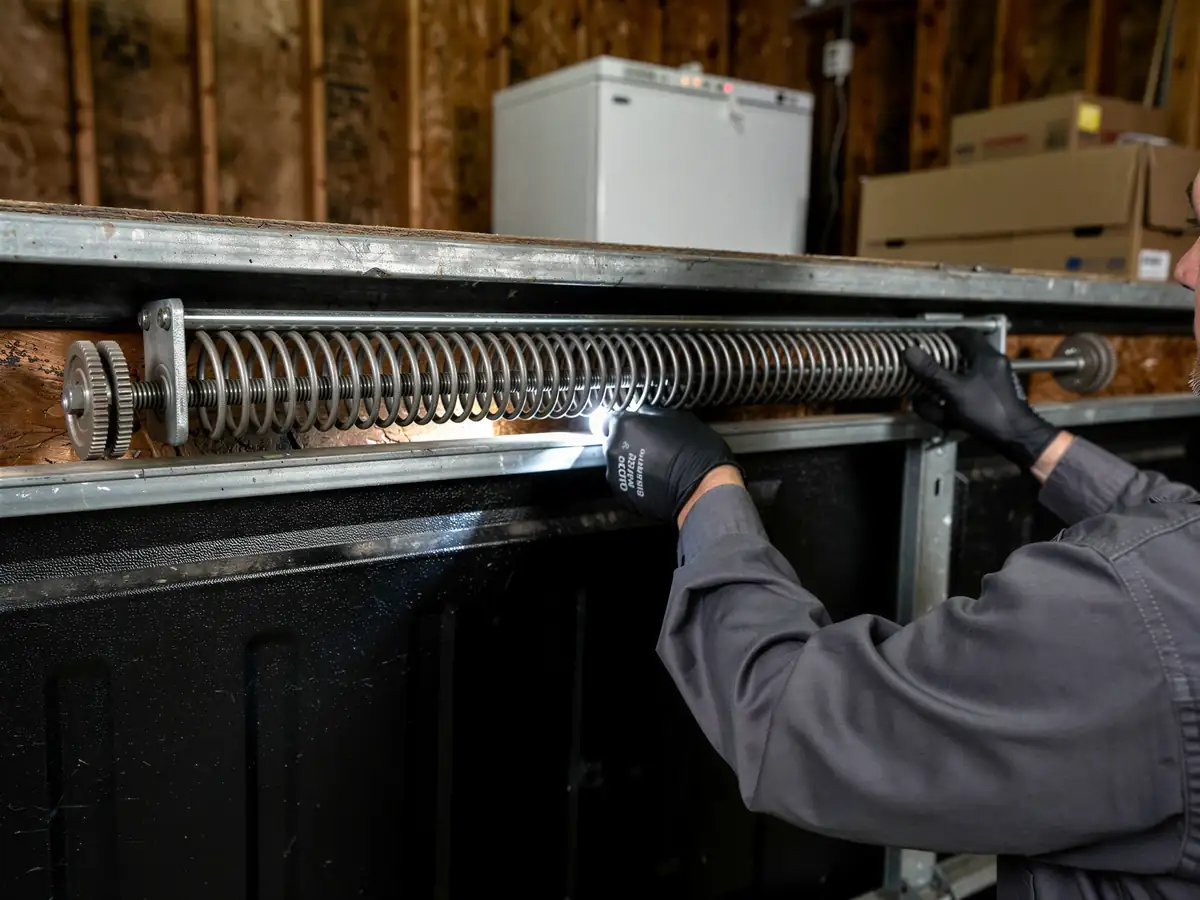
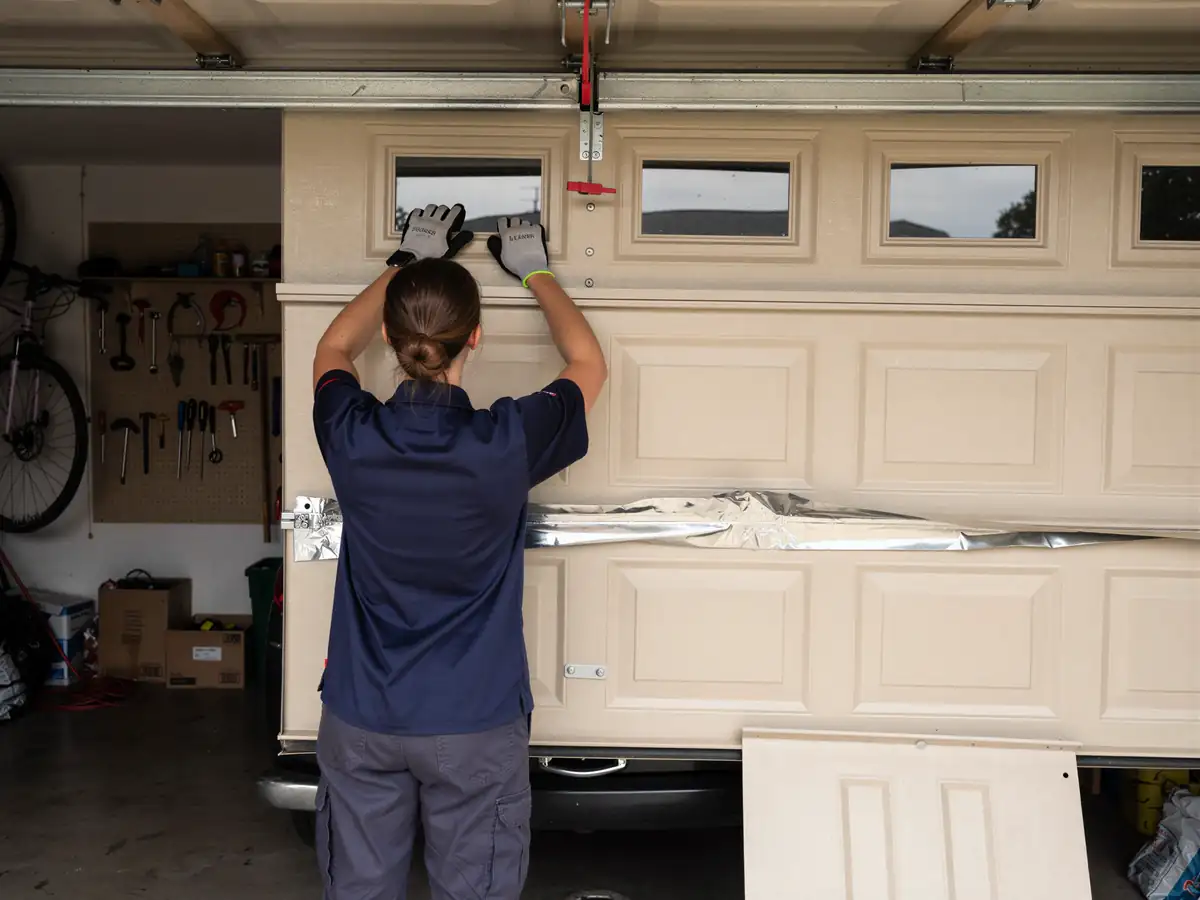
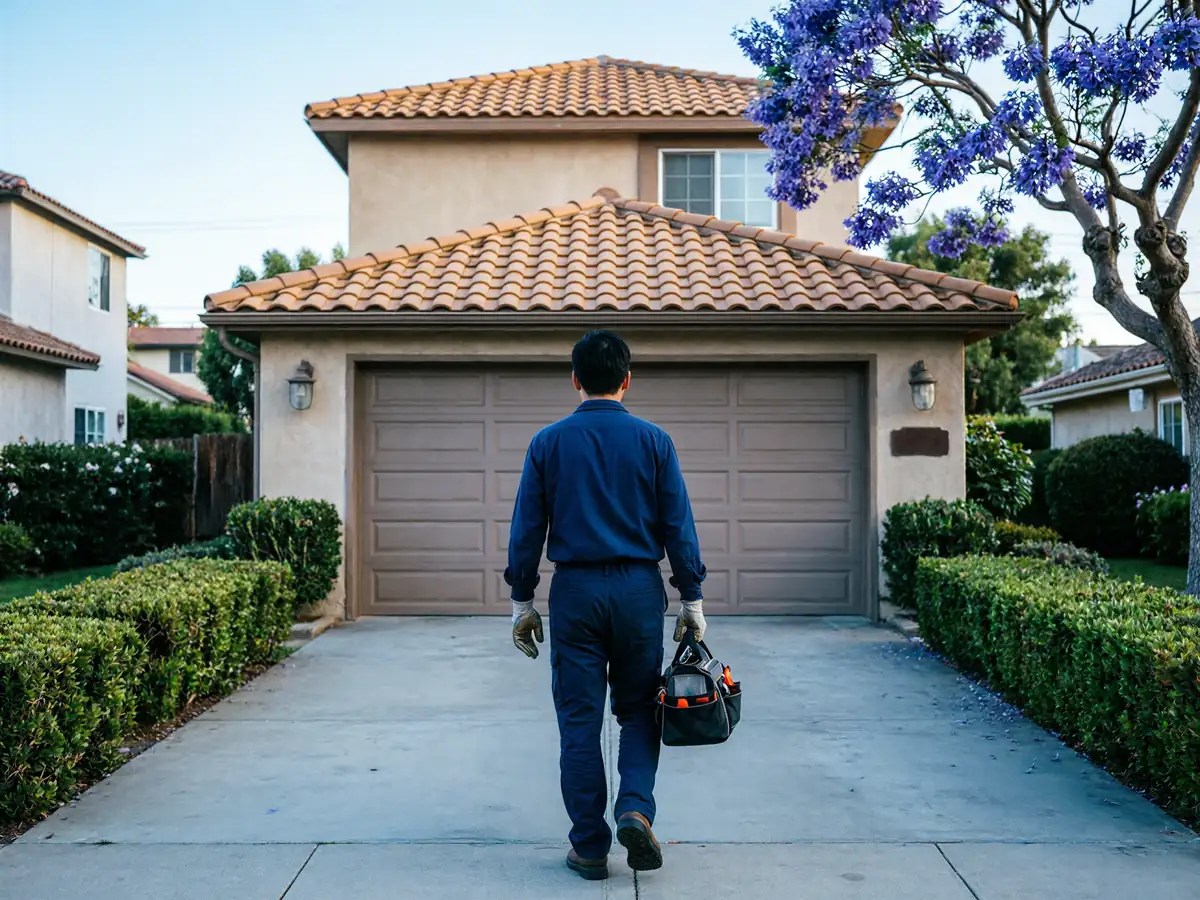
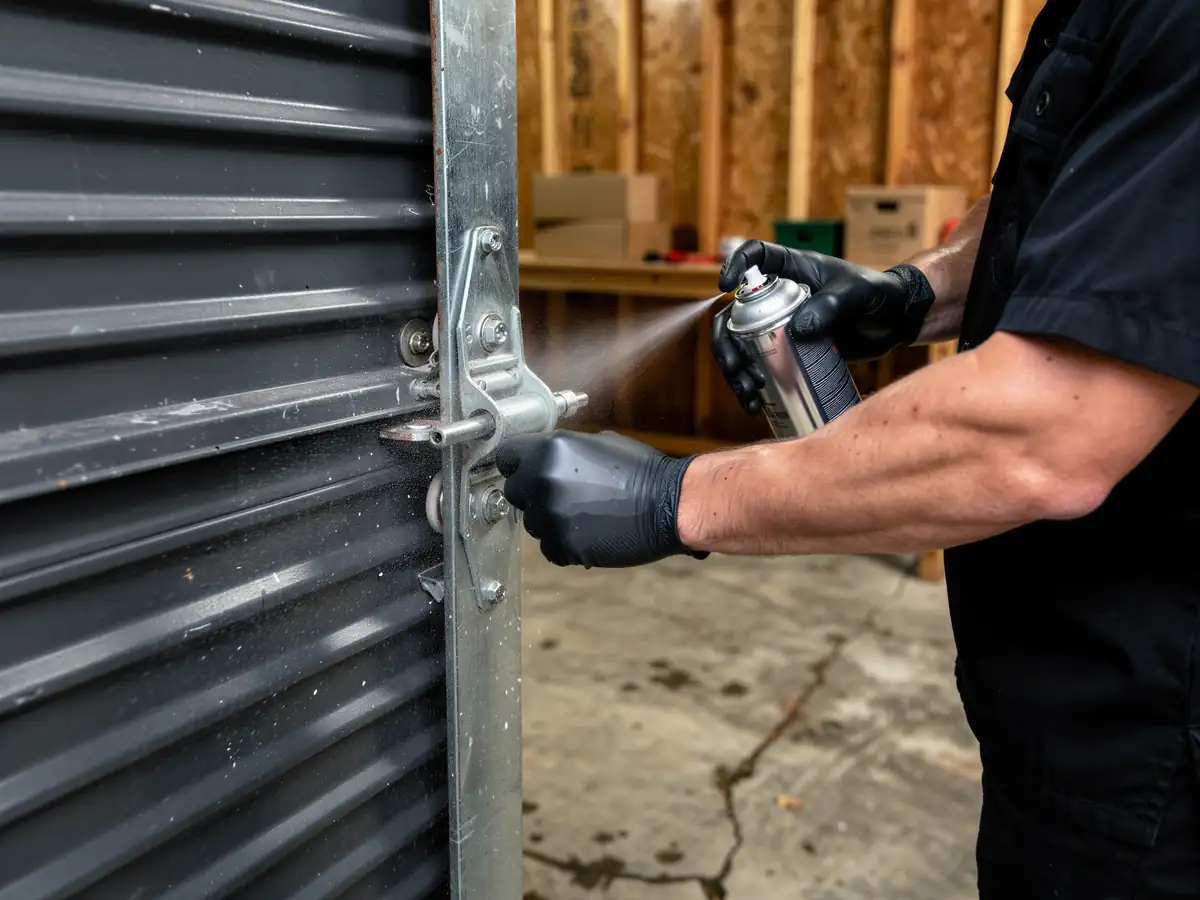
Most houses on this stretch of Norwalk went up around 1957, which means a lot of single garages built for one car and a door sized to match - narrower than what gets installed today, often steel or an older wood composite that's been repainted a few times. A tune-up on a door like that isn't the same job as servicing something built in 2005. The hardware is simpler, which can mean faster, but the parts have also had sixty-plus years to wear, which can mean the opposite. A standard maintenance visit - lubrication, hardware check, balance test, track alignment - usually runs under an hour on a single door. Where it runs long is when the torsion spring is original and nobody's touched the winding cones since the Eisenhower administration. We don't rush that part. Checking spring tension on hardware that old takes care, not speed. If your opener is a later add-on to an older door - which is common here, since openers weren't standard equipment when these houses were framed - we also check that the unit and the door track are actually talking to each other correctly, not just bolted on and left.
How It Shows Up
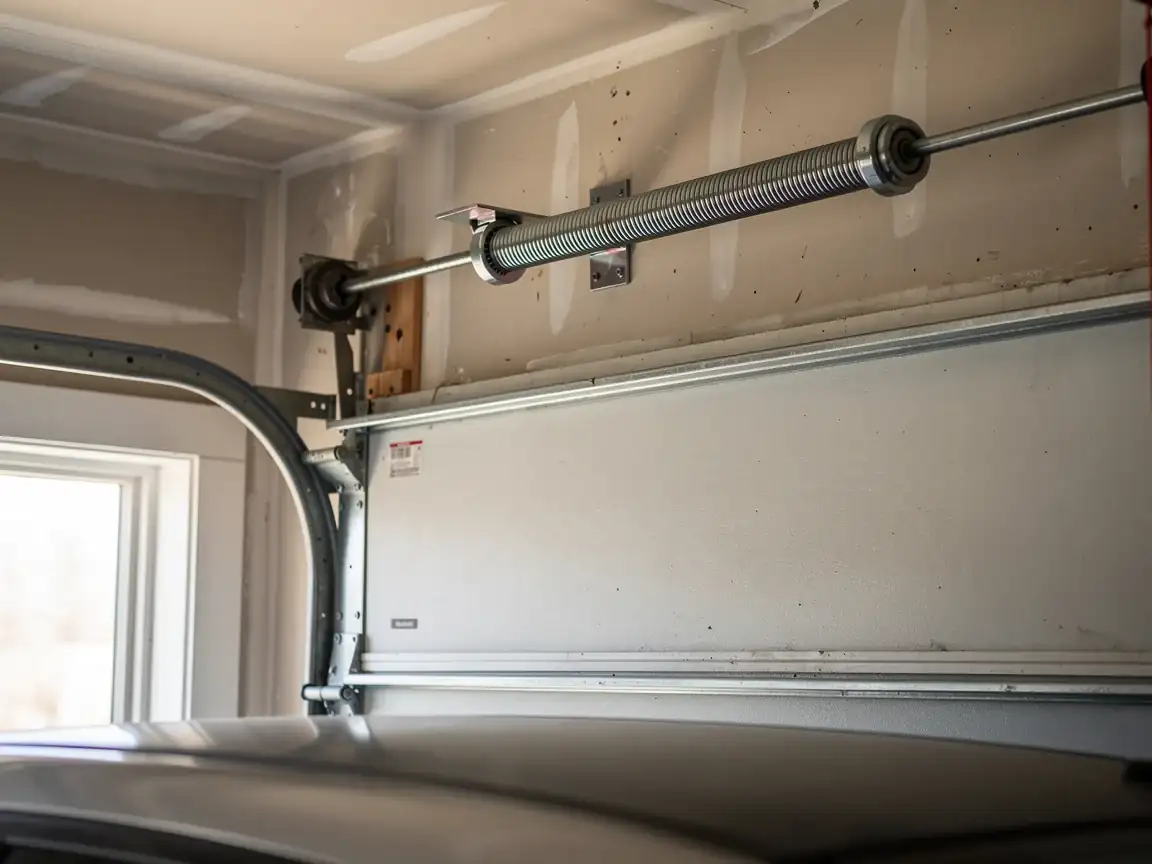
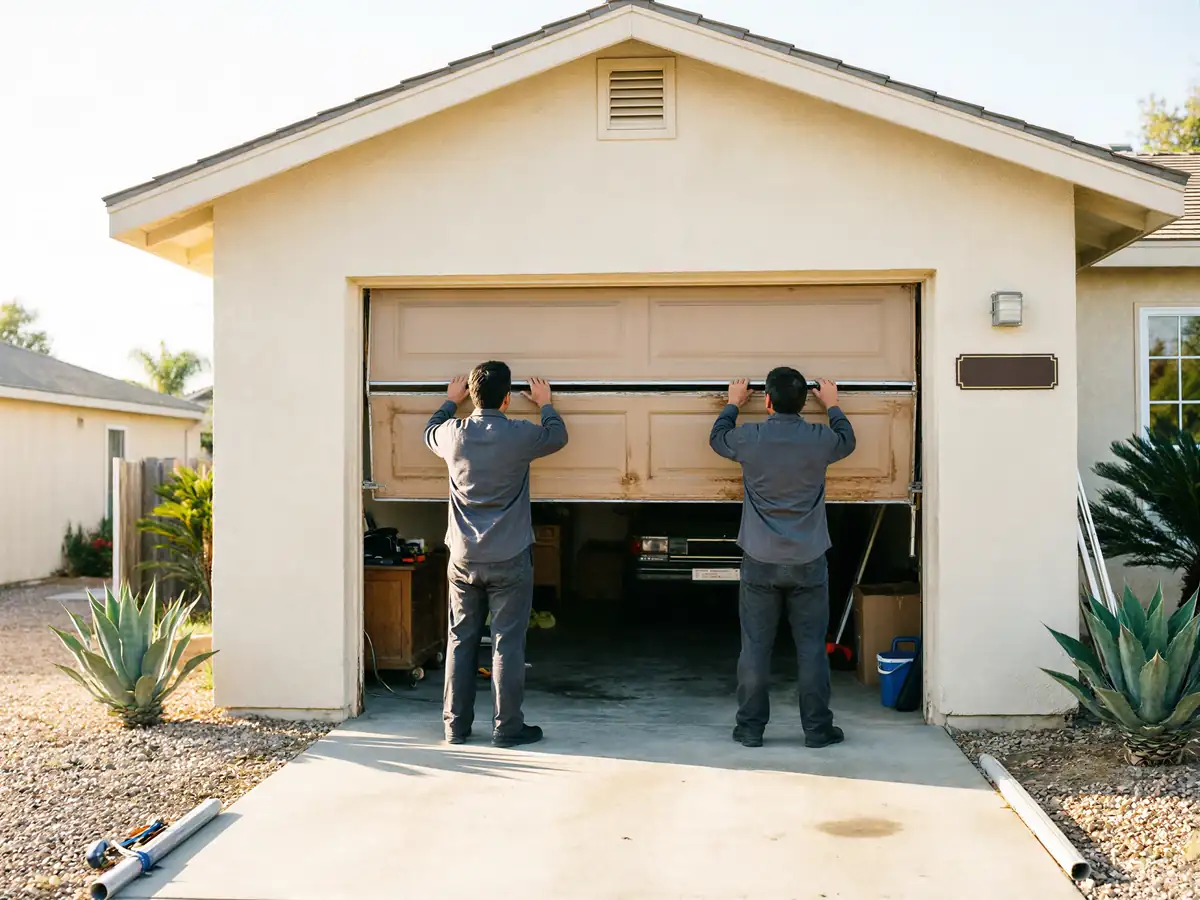
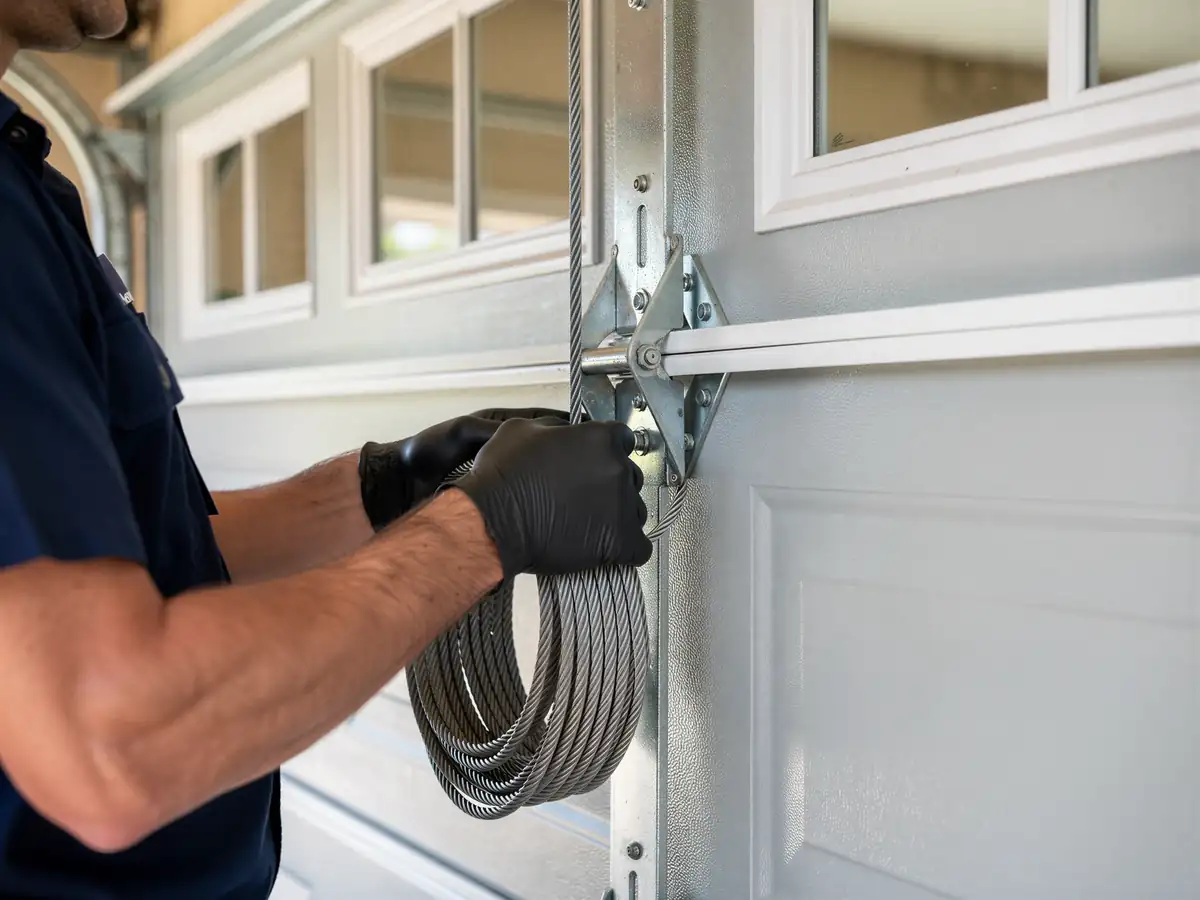
The mild temperate climate here doesn't put the stress on hardware that you'd see somewhere with real freeze-thaw cycles or heavy coastal salt air, so rust straight through a track is less common than it would be elsewhere. What we see instead is age doing its own work regardless of weather: springs that have lost tension gradually over decades, rollers that have gone from steel-on-steel to steel-on-flat-spot, and cables that look fine until you look closely at the fraying near the drum. On a door built around the late 1950s, the common failure point is the torsion spring losing its wind - the door gets heavier to lift by hand and the opener starts straining, sometimes stalling partway up. Owners usually describe it as the door 'feeling tired' before they describe anything specific. On the opener side, older retrofit units installed on these original doors sometimes lack a working photo-eye safety reversal, since that wasn't required equipment when a lot of this housing stock went up. That's not a maintenance item we gloss over - it's a safety gap we flag.
How We Fix It
Maintenance on a door this age starts with what's original versus what's been swapped. If the spring, track, and rollers are all original to a 1957-era build, we're not going to pretend a light lubrication fixes a spring that's lost most of its wind - that's a spring replacement, not a tune-up, and we'll say so plainly rather than charging for a service visit that won't hold. Where the hardware has already been updated - a newer opener bolted to an old door, say - we check that the safety reversal actually works, adjust the travel limits, and make sure the door and opener are matched in weight rating, since a mismatch there is a common cause of premature motor wear. Honest limitation: if the door itself is original steel from that era and the panels are rusted or dented past straightening, maintenance won't save it - at some point replacement costs less over time than repeated repair visits on a door that's reached the end of its service life. We'll tell you when you're at that point instead of running the meter on a door that's done.