How Long It Takes
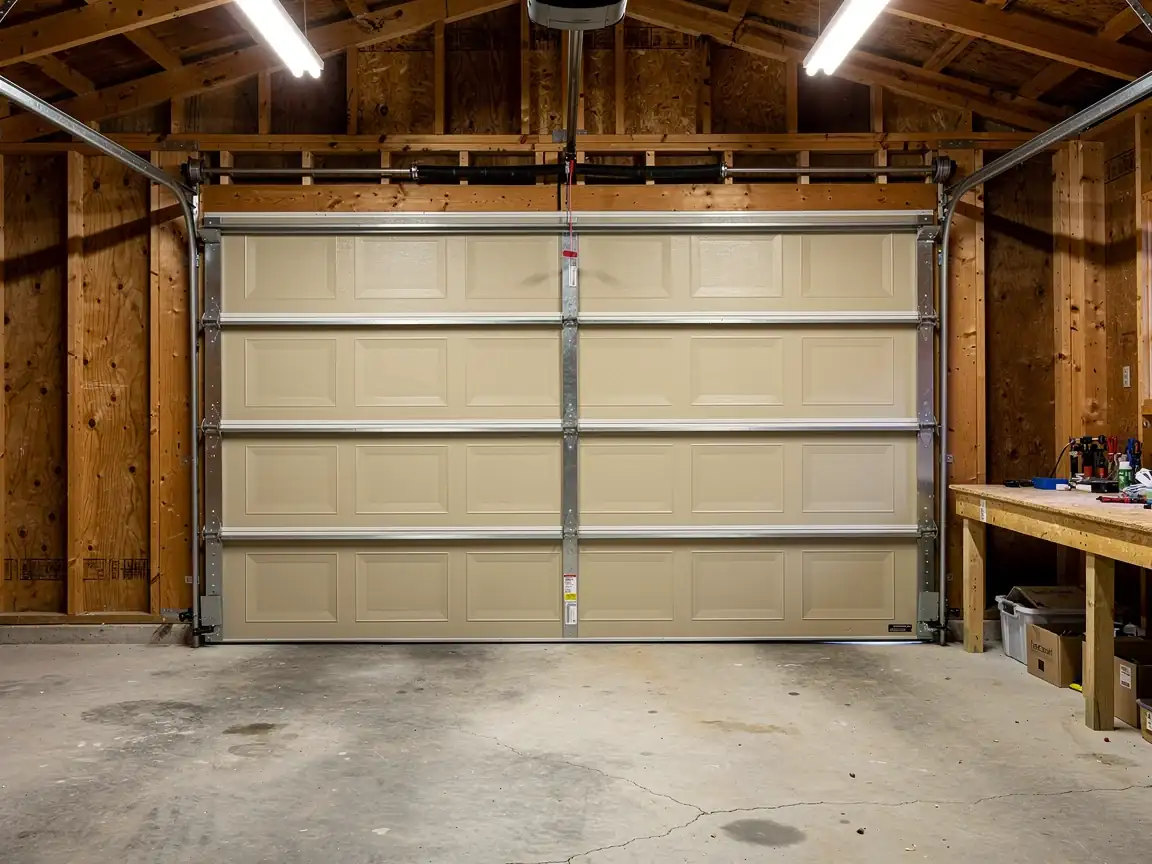
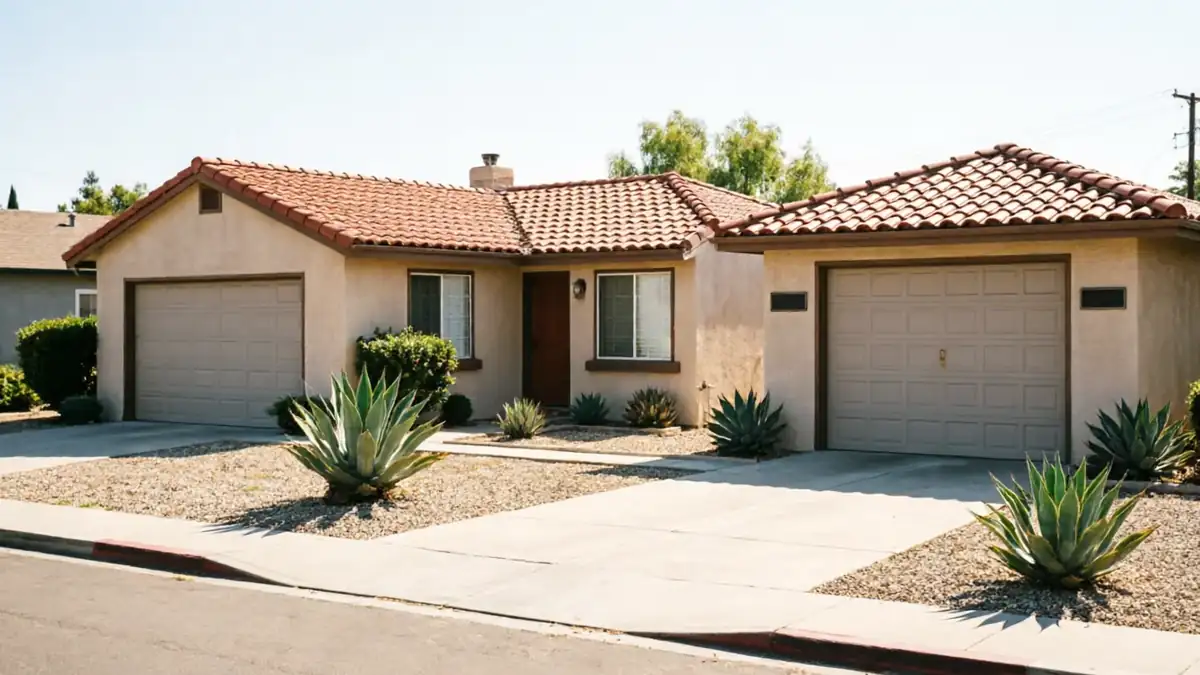
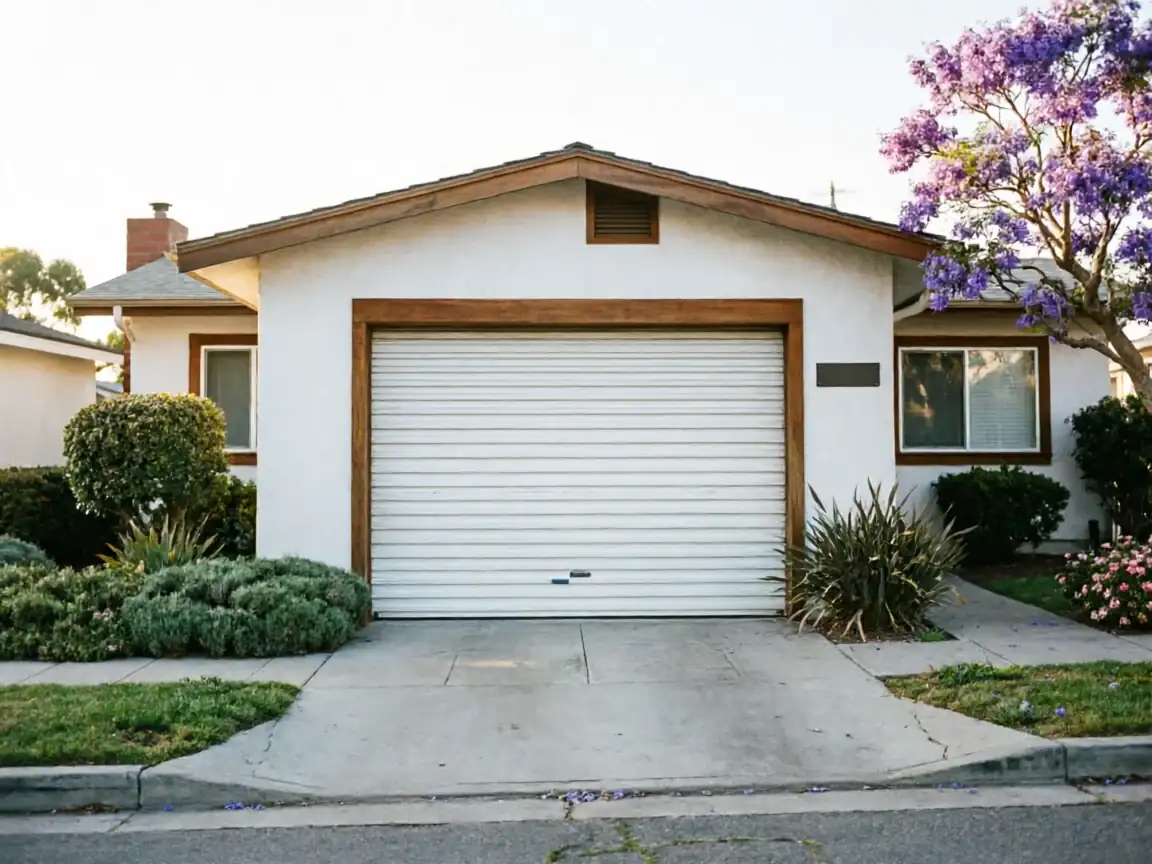
Norwalk's median year built sits at 1957, a few years ahead of the 1961 median across the wider area we work. That matters for panel replacement because doors from that era were sized and hung differently than anything built after the 1970s. A lot of these garages still run narrower single-car openings with steel or early fiberglass panels bolted to hardware that newer stock doors don't match width-for-width. If one panel on a two-car door is dented or rusted through, we often can't just drop in a generic replacement panel off the shelf. We have to measure the exact section height and track spacing before we order, because the door underneath may not be a standard modern size. That adds a step most newer-build jobs skip. We're honest about this up front: if your panel is a rare width or a discontinued steel profile, a full door swap can end up cheaper and faster than chasing a matching part. We'll tell you which way the numbers point before we start, not after.
How It Shows Up
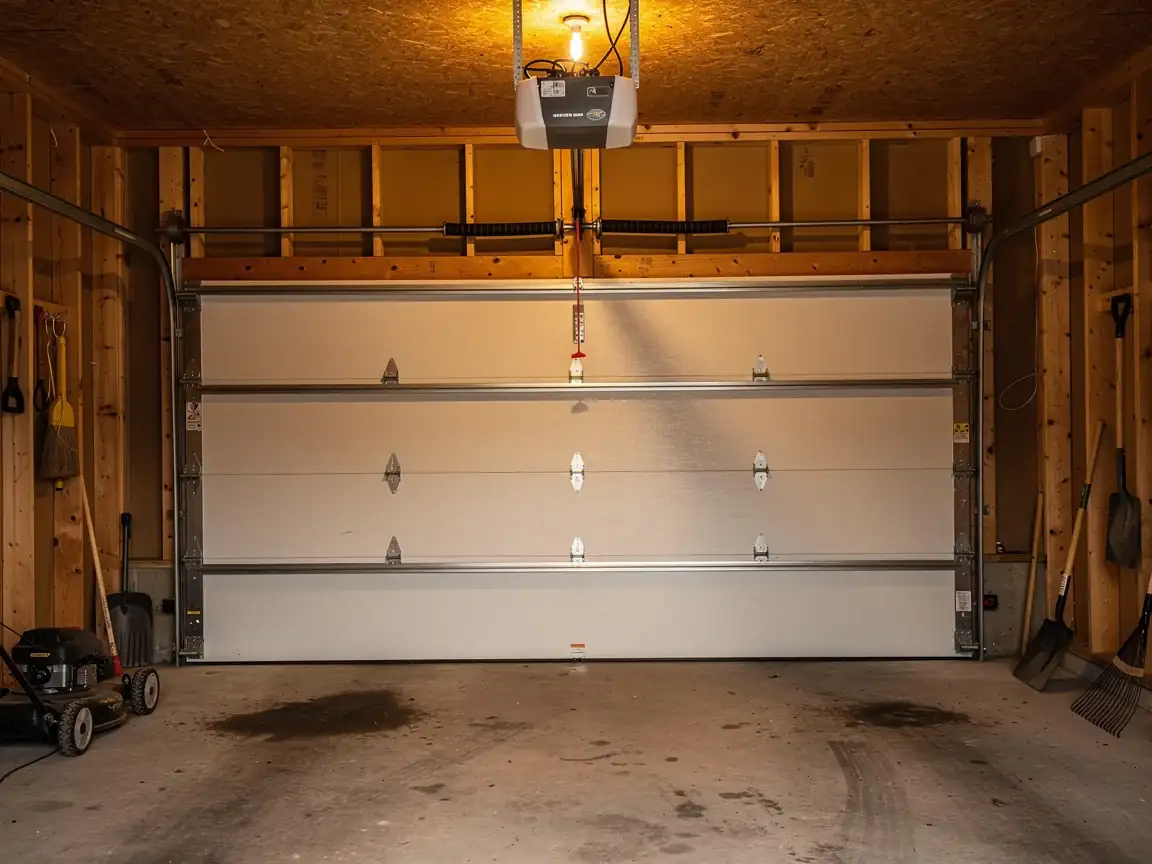
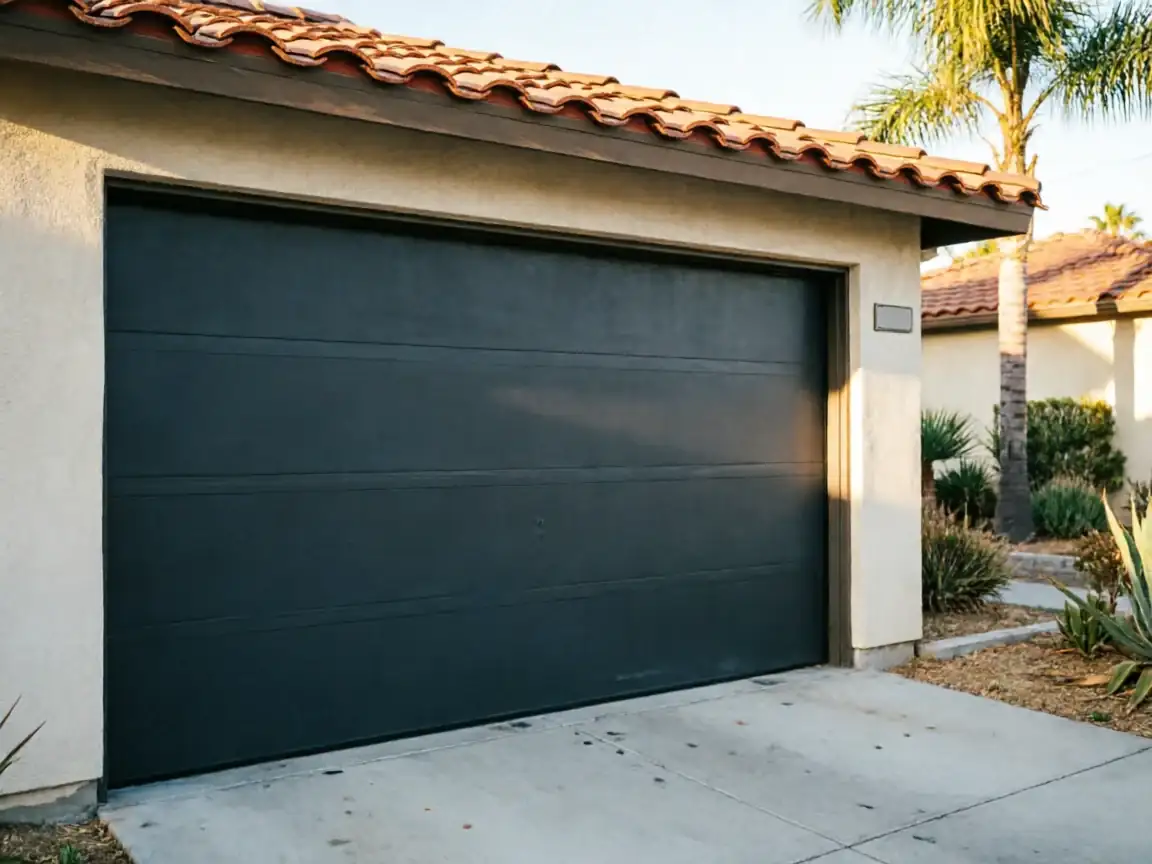
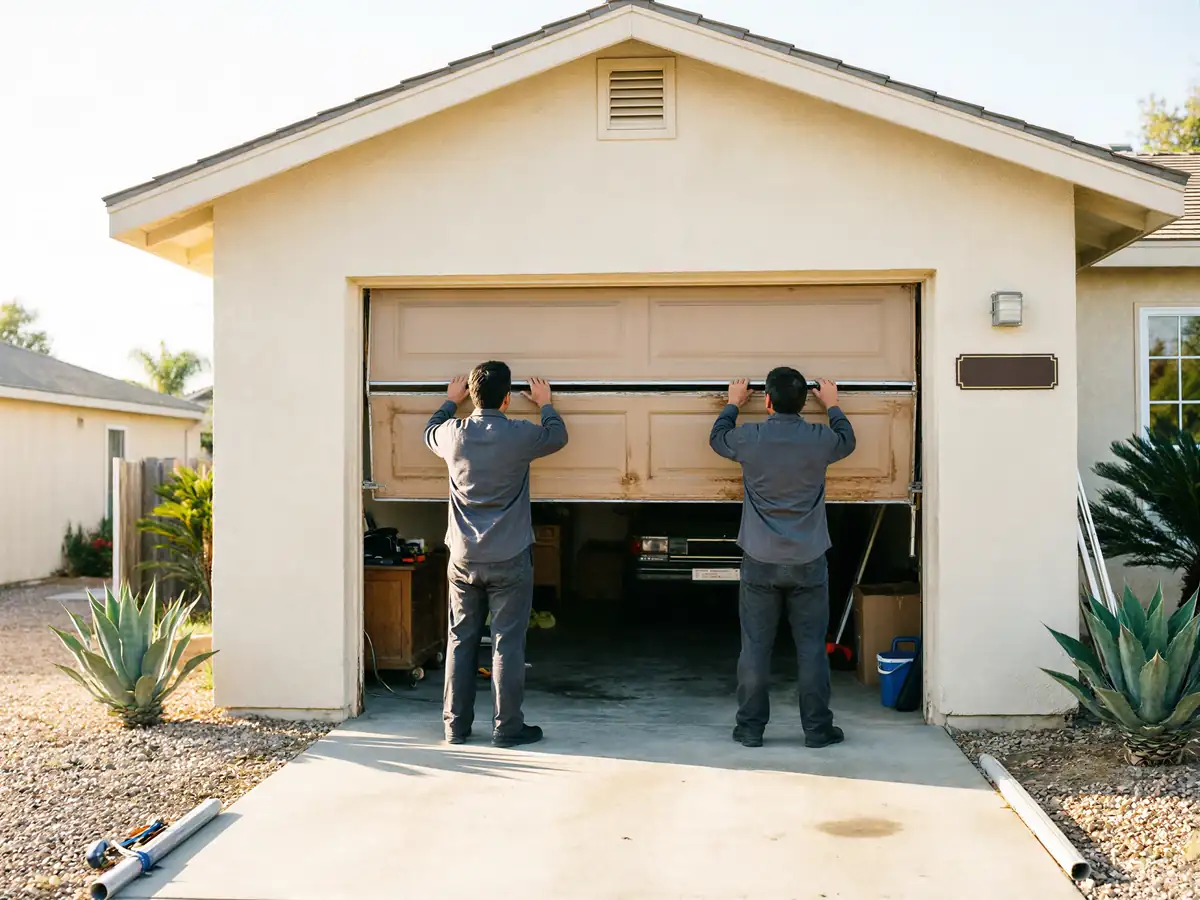
On a door this old, panel damage rarely shows up alone. Steel panels from the late 1950s and 1960s don't have the foam-core insulation newer sections do, so a dent travels through the whole panel instead of staying local, and rust tends to start at the bottom roller track where water sits. In the mild climate here there's no snow load or hard freeze cracking the material, so most of what we see is impact damage - a car bumper, a dragging basketball hoop, a panel that's been pried on - plus corrosion at the bottom two sections where moisture collects longest. On a two-car door built to a 1950s-60s opening width, a single bent panel can also throw the whole door out of square on the tracks, which is why a 'just the one panel' job sometimes turns into a track and roller check too.
How We Fix It
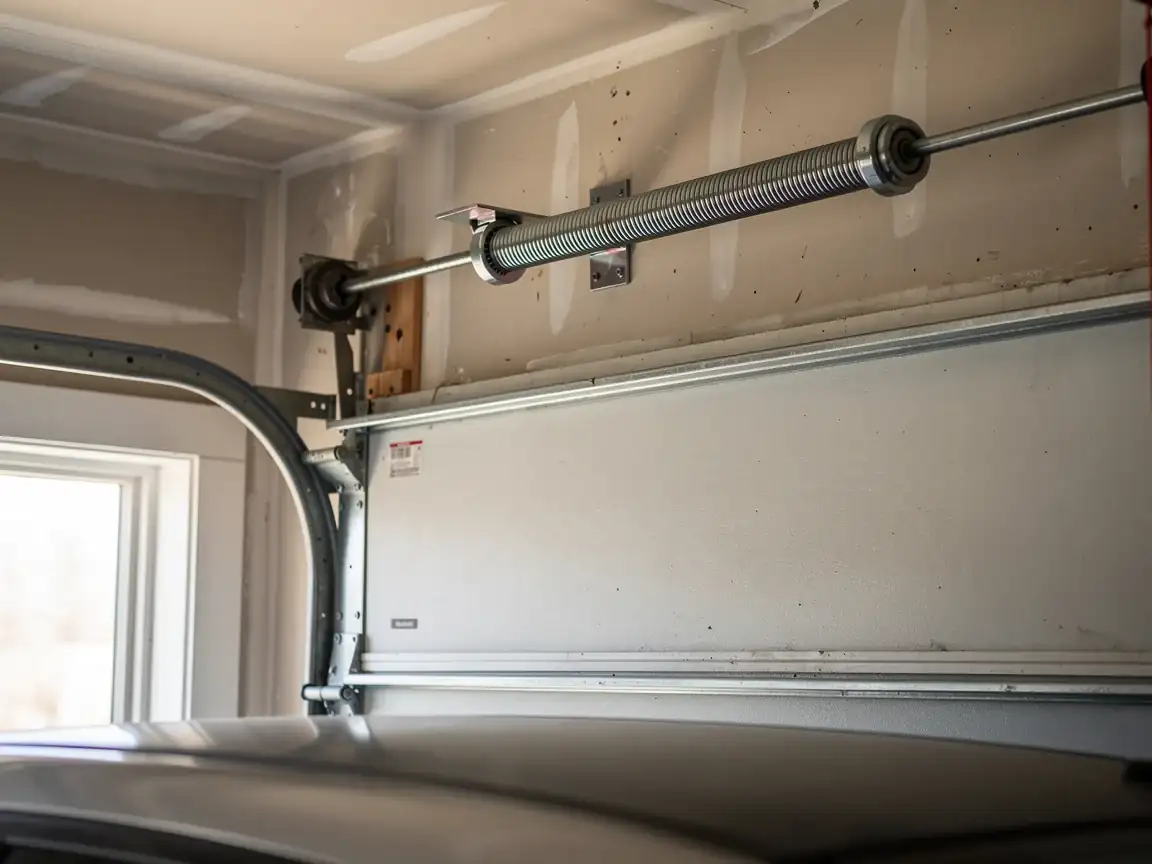
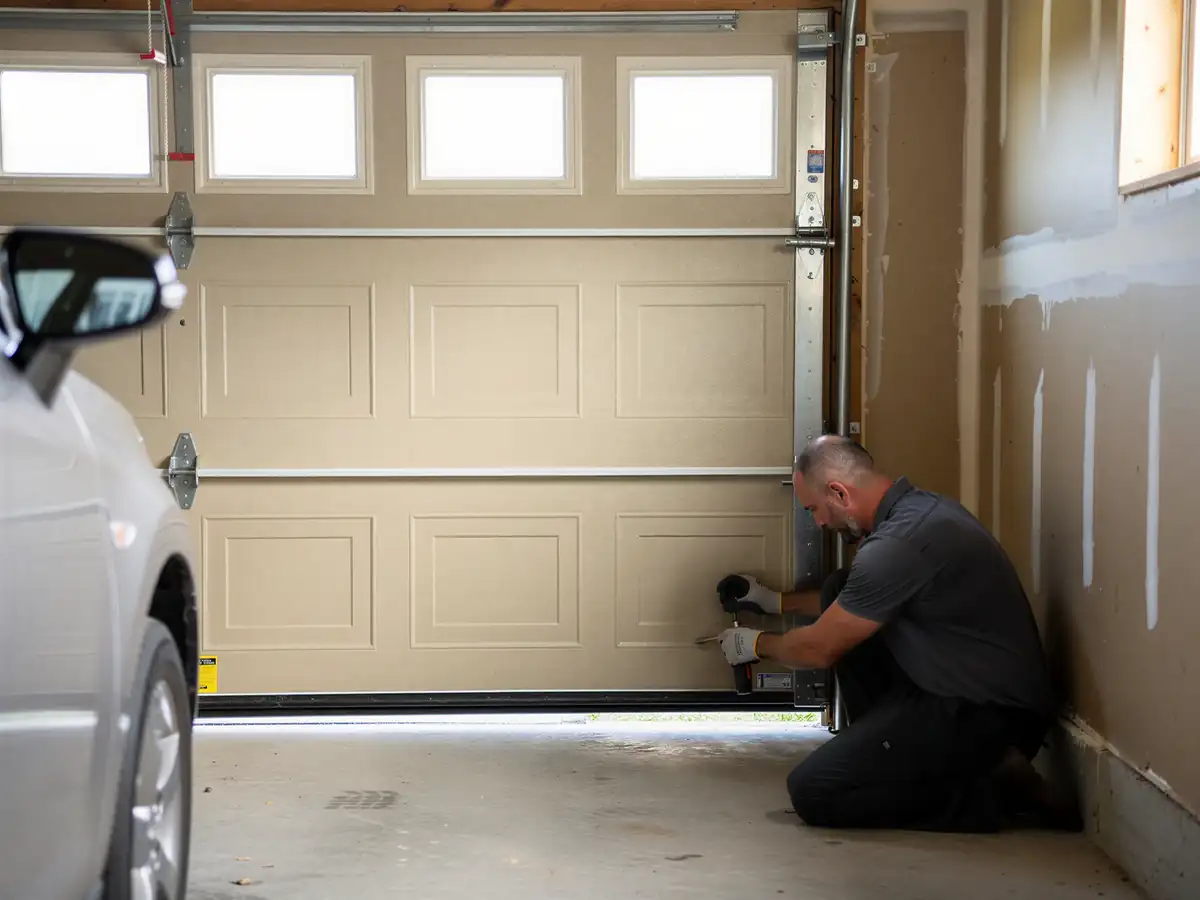
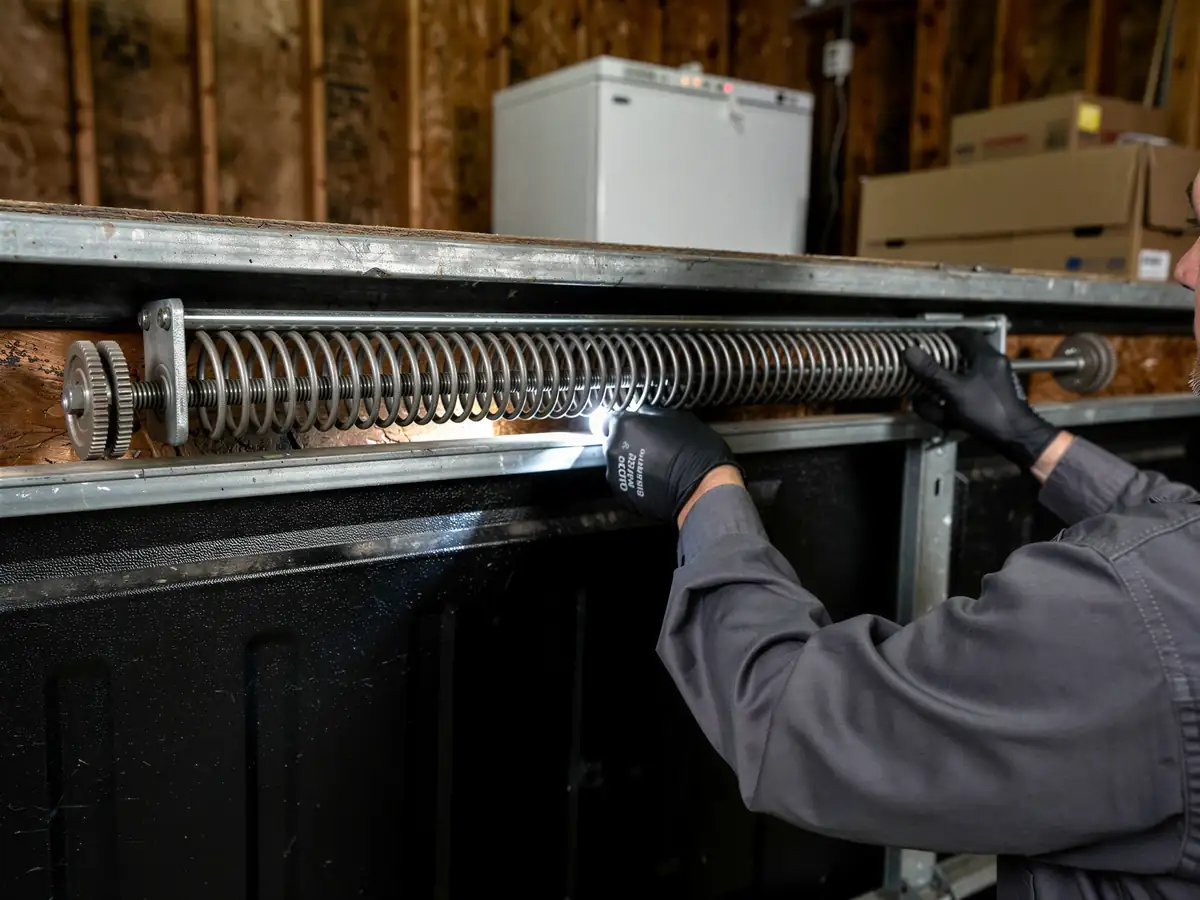
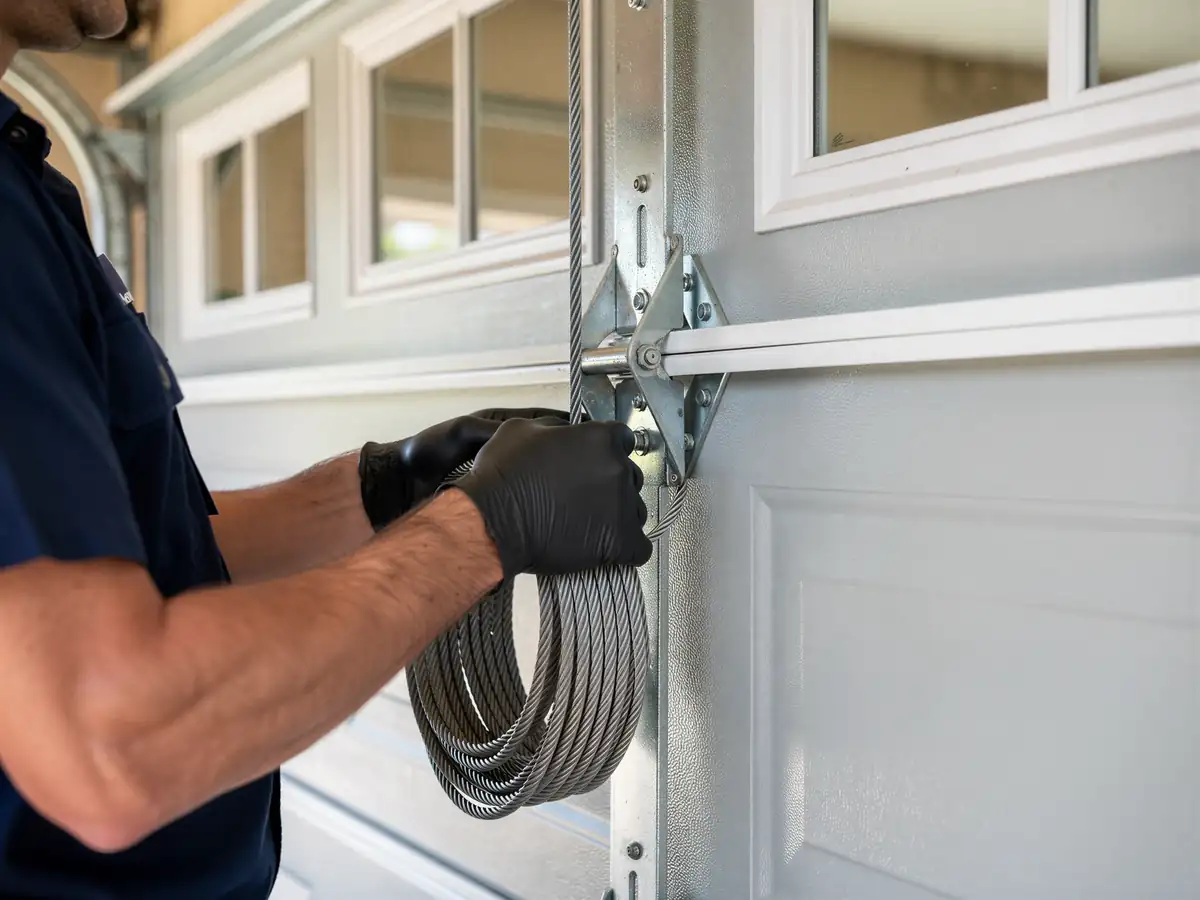
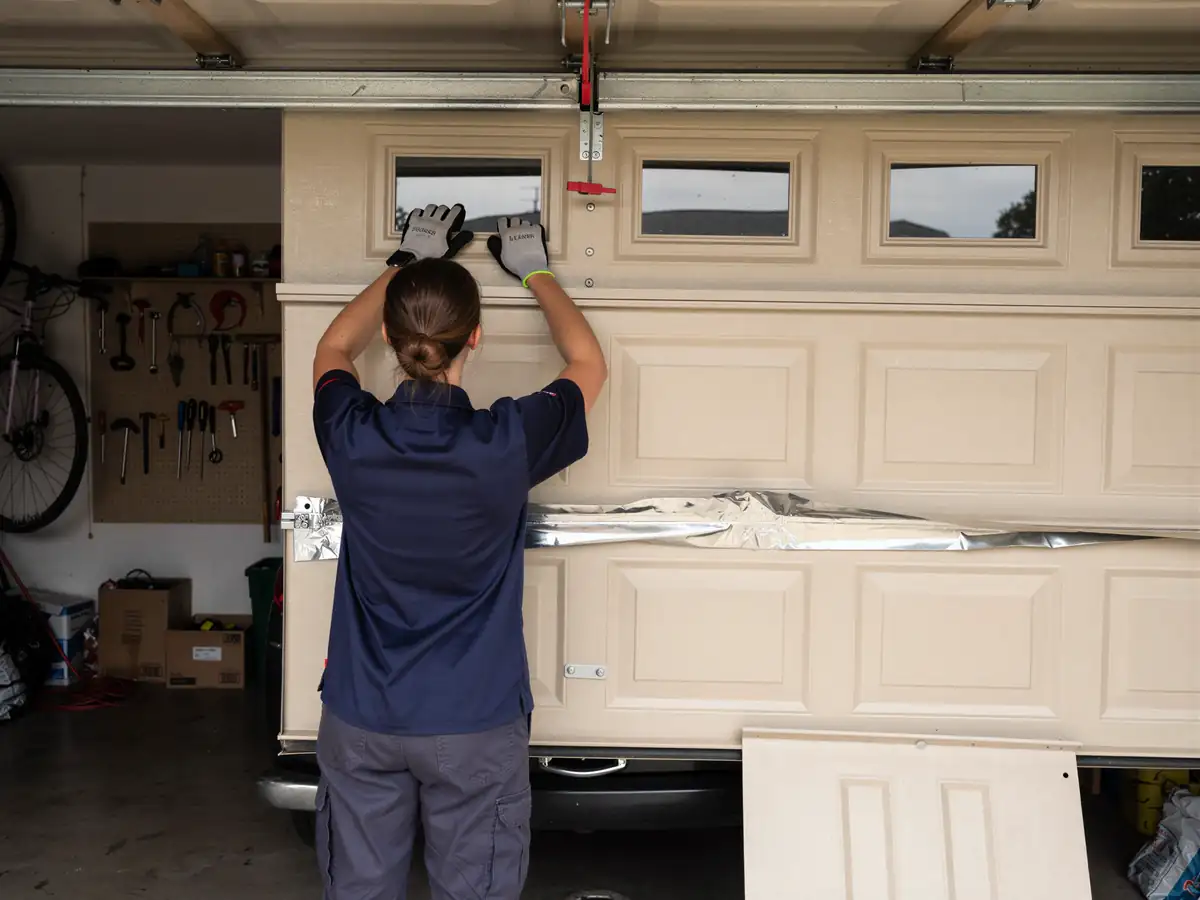
First step is confirming whether the existing panel size is still made. If it is, we order and swap the damaged section, match the finish as close as we can, and reset the tracks and hardware the panel sits on - original 1950s-60s hardware is often undersized by today's standards and worth upgrading while the door's apart. If the panel's a discontinued width, which happens more on Norwalk's older stock than on newer-build neighborhoods, we lay out the cost of a custom-cut match against a full door replacement so you're deciding with real numbers, not guessing. We don't push a full replacement when a single panel will do the job for years - that's not what pays off for you or for us. We just won't pretend a part exists when it doesn't.