How We Fix It
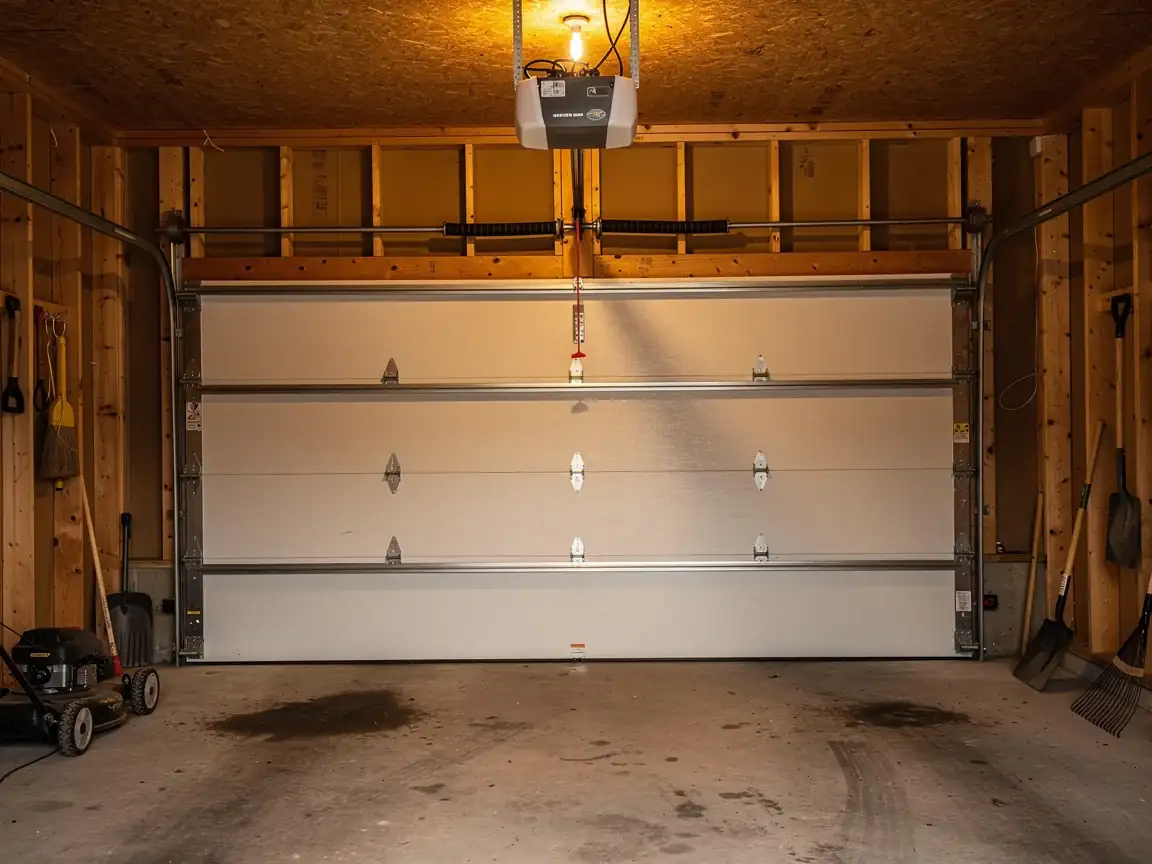
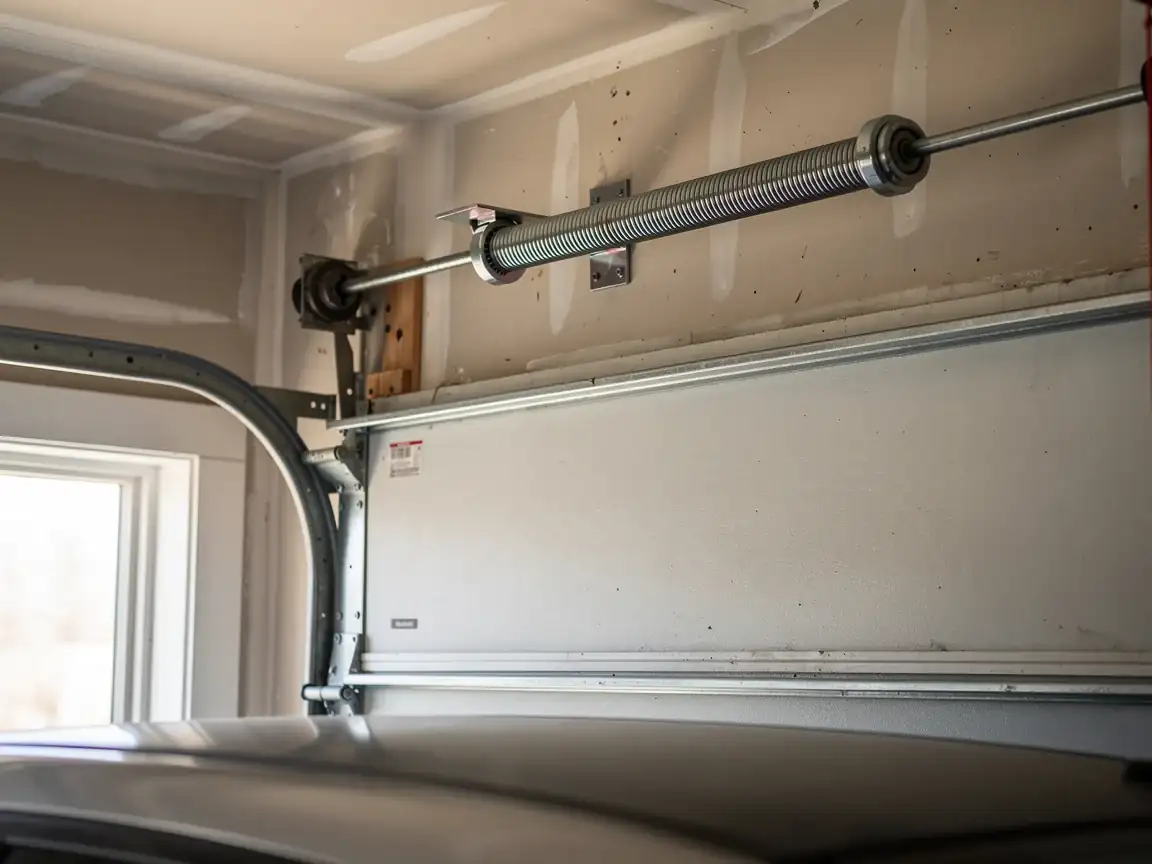
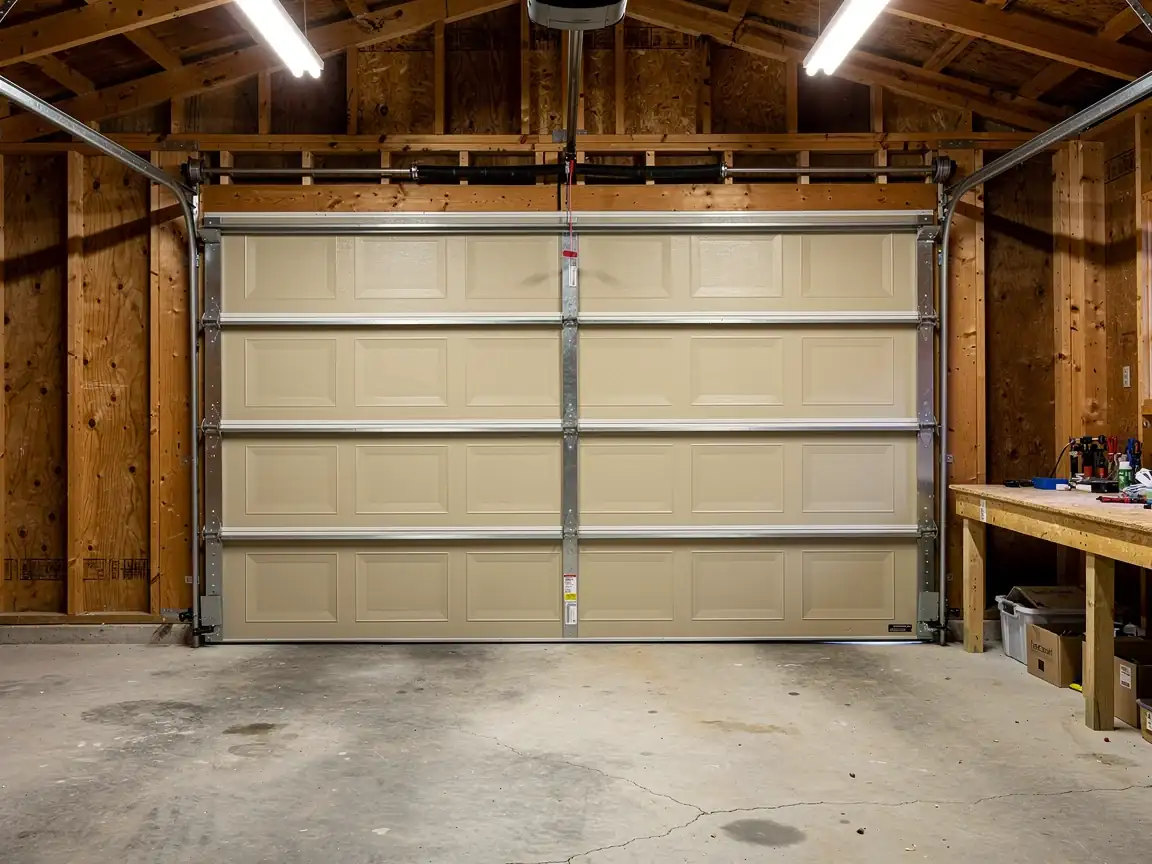
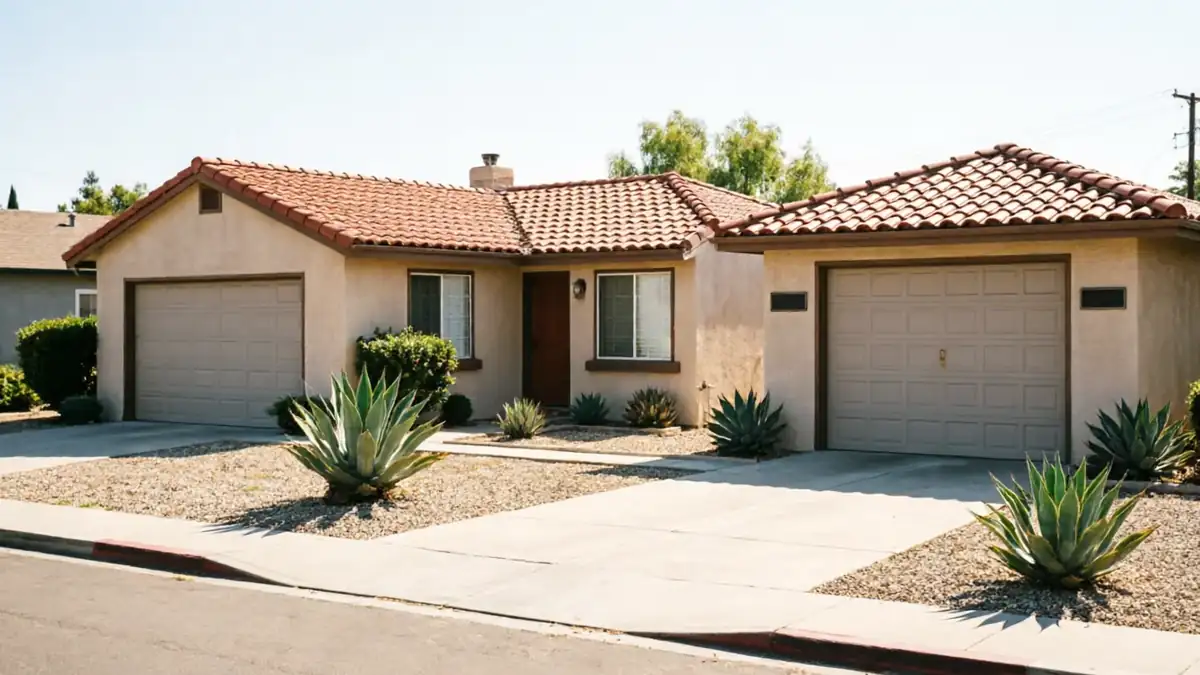
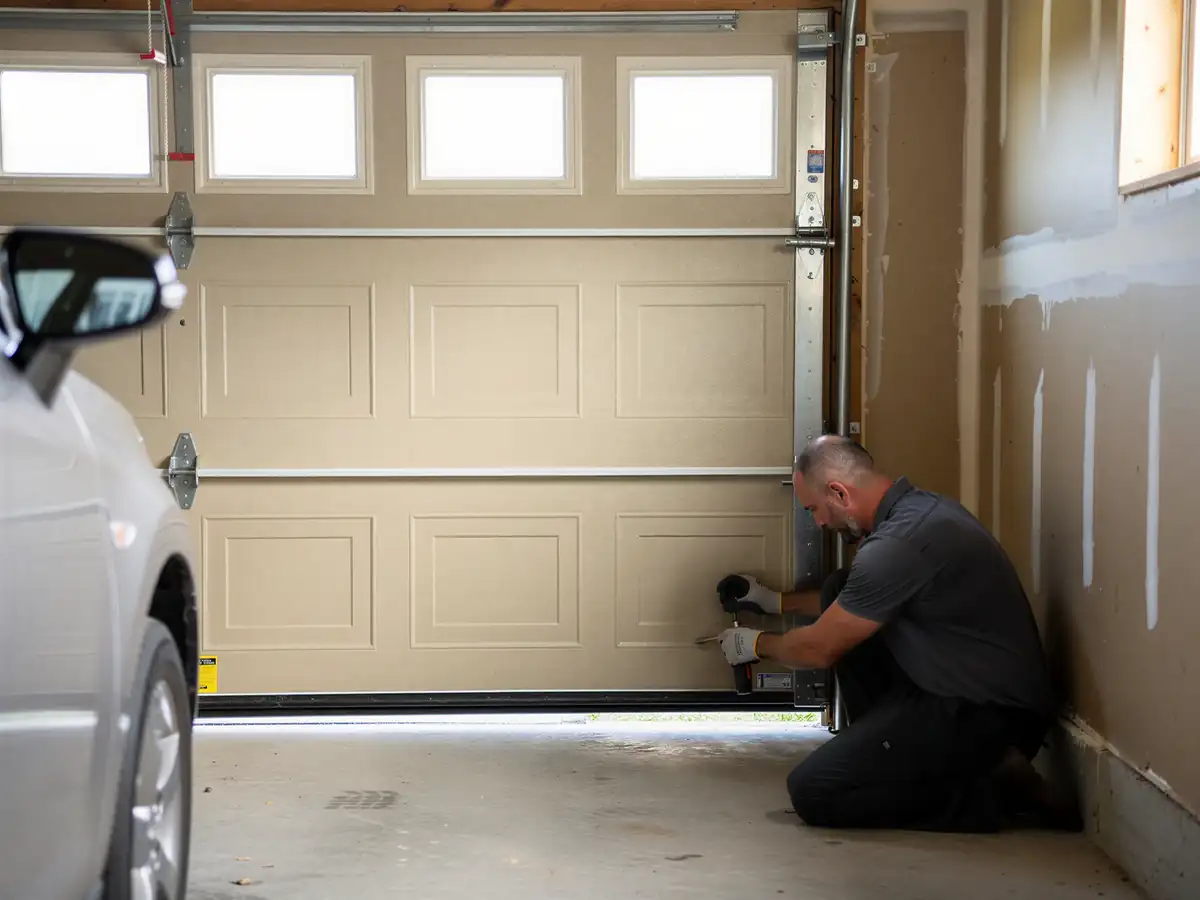
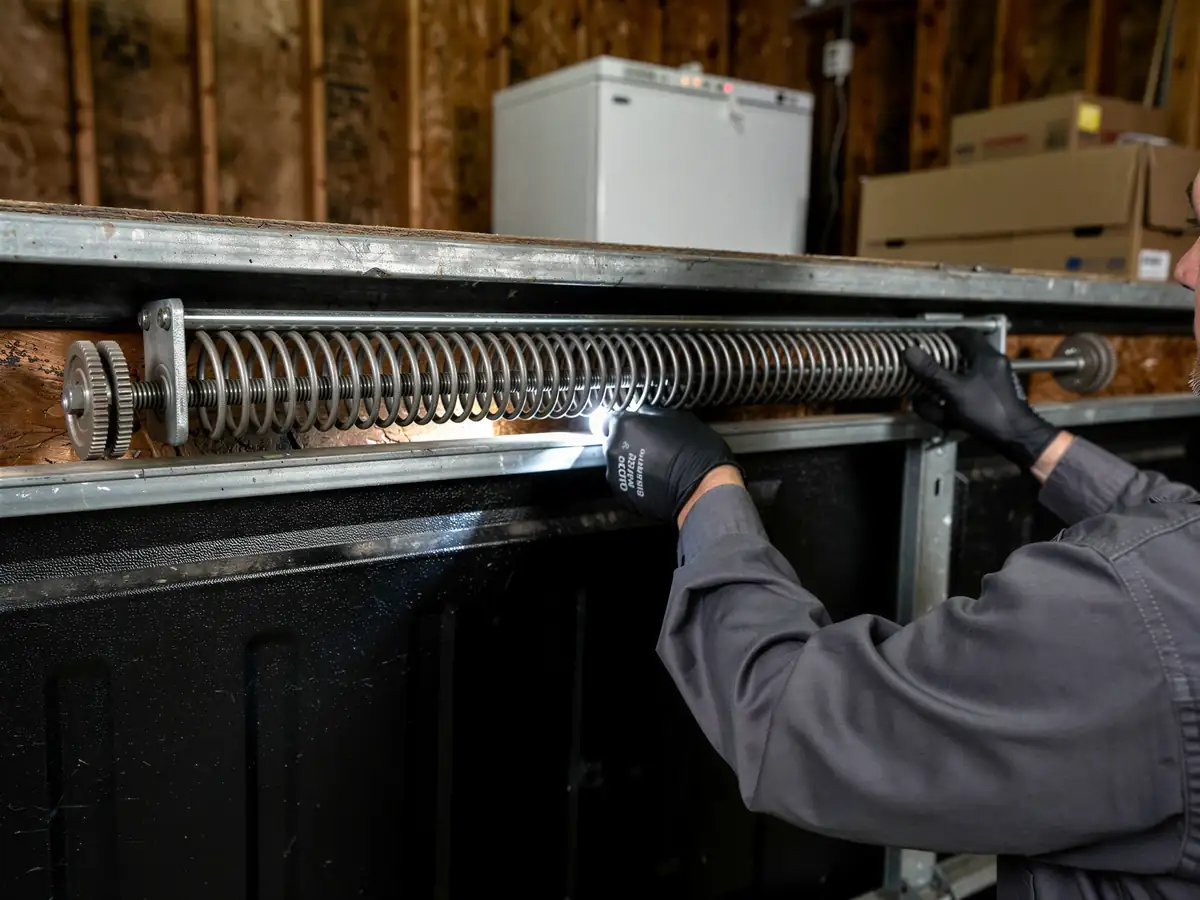
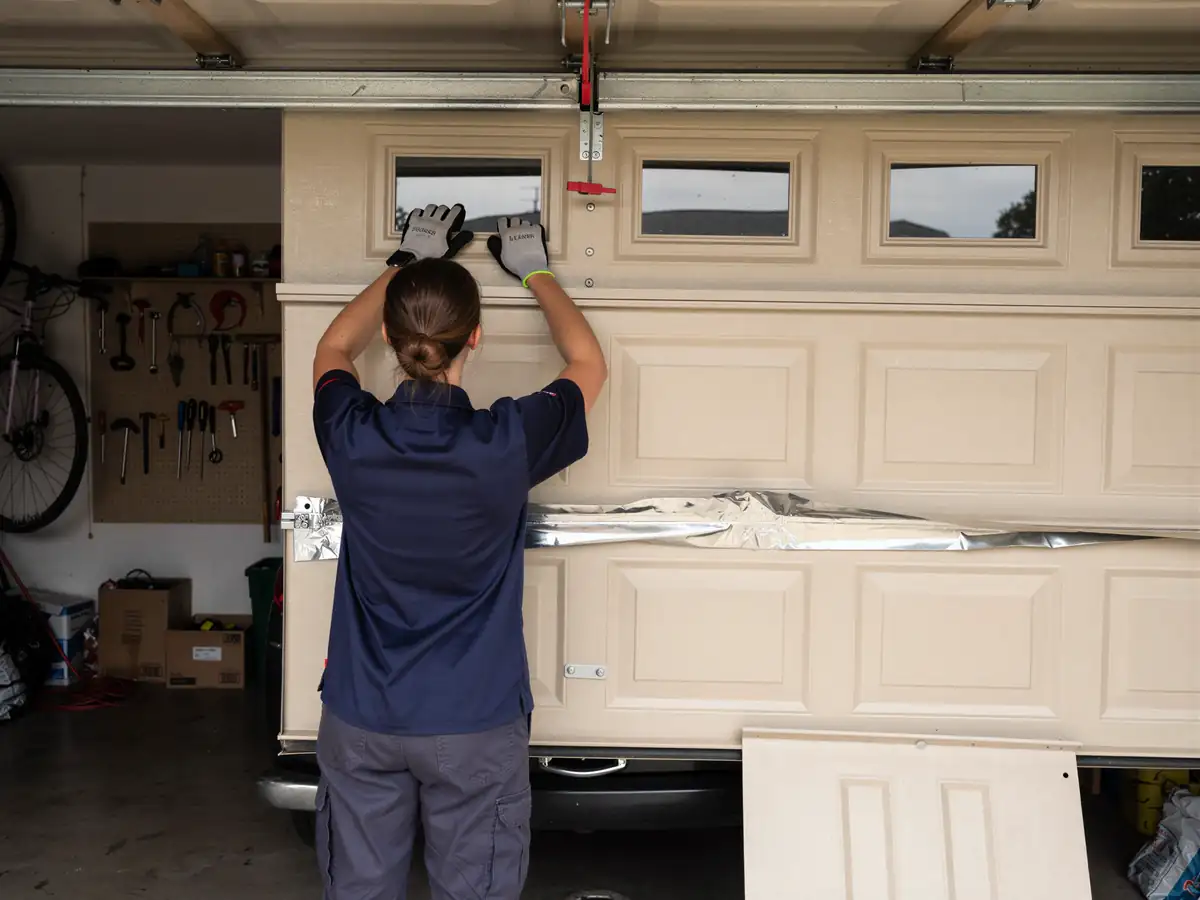
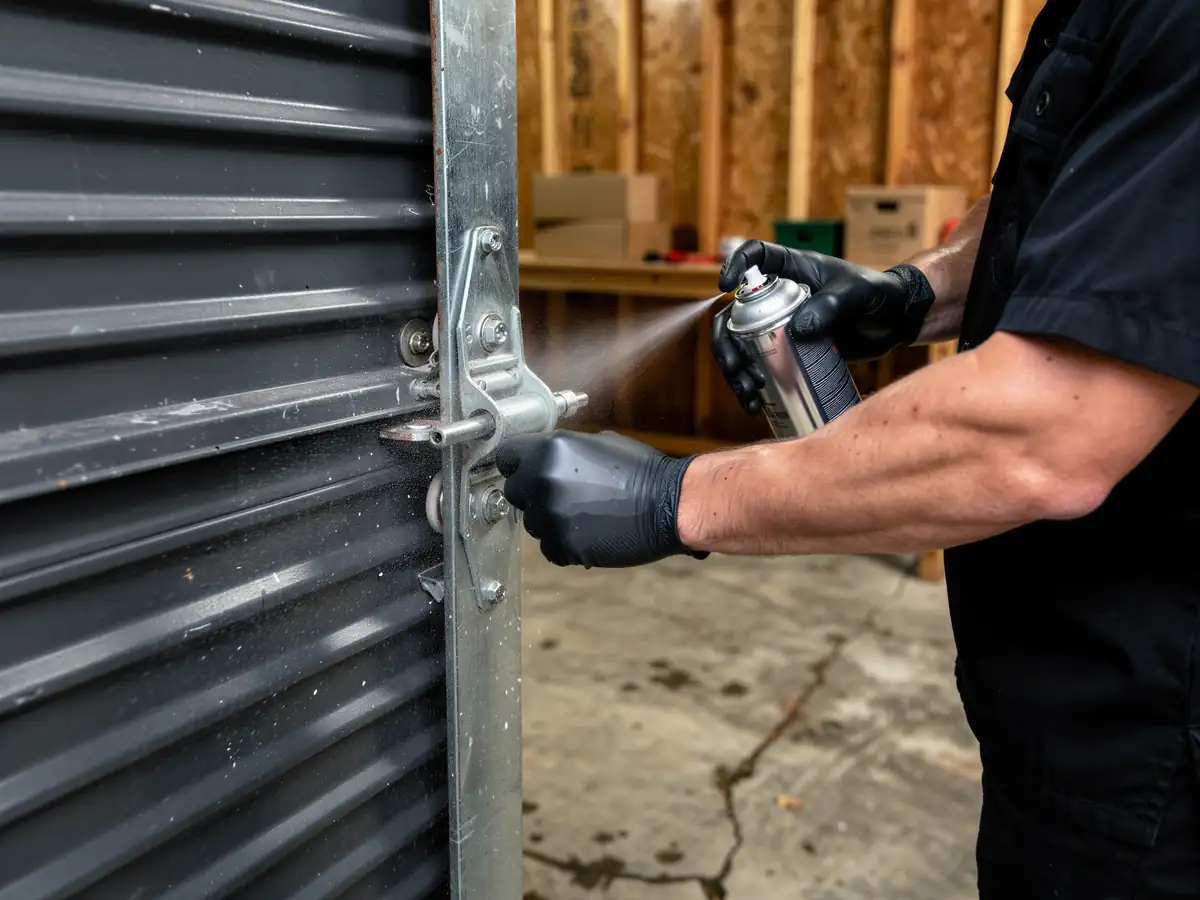
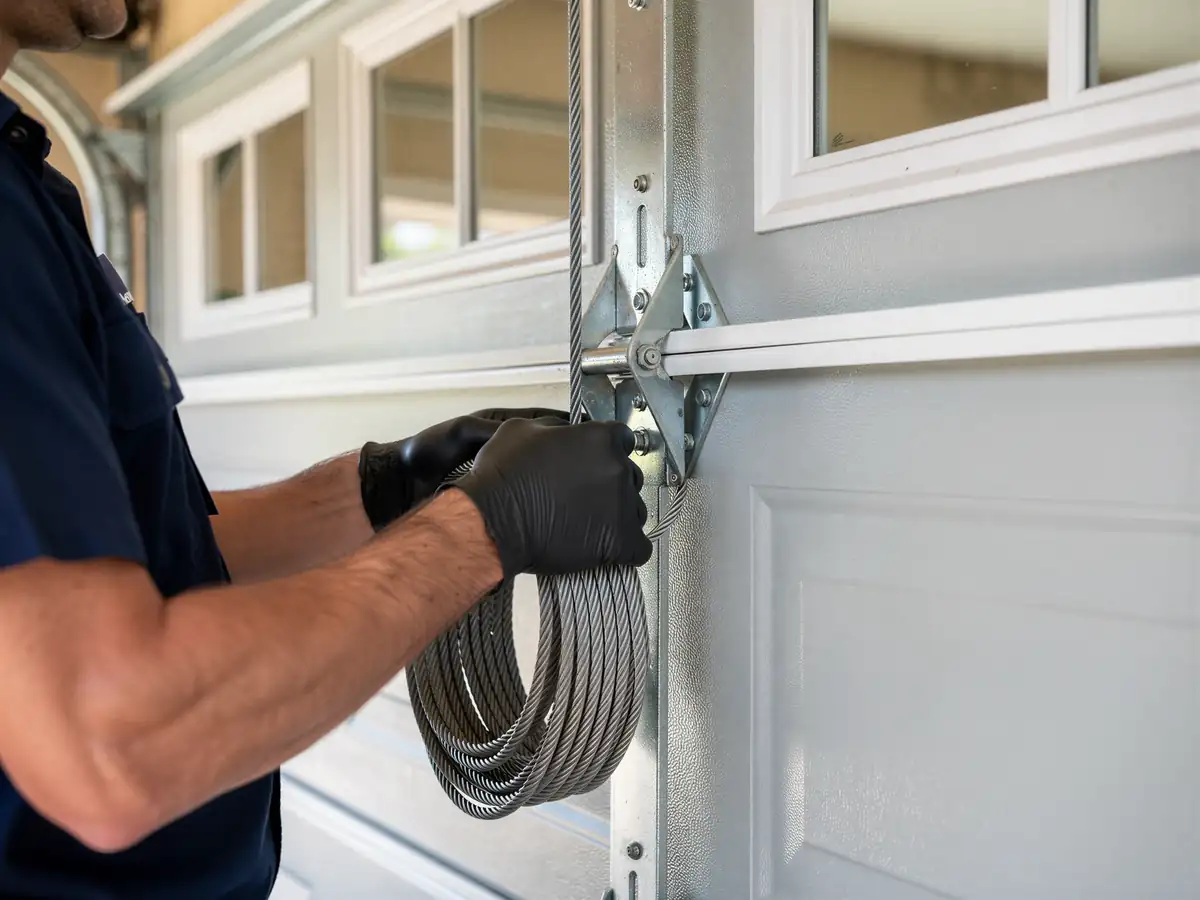
Most houses in Westmont went up around 1958, and a lot of that original garage hardware never got swapped out. That means when we pop the panel off a door here, we're often looking at the same cable drums, stationary pulleys, and bottom brackets the house came with. The fix depends on what's actually failed. If one lift cable has frayed at the drum or snapped at the bottom bracket, we replace both cables as a pair - doing just one throws the door off balance and you're back to a second failure within weeks. We also check the drums themselves; on hardware this old, the set screws are often loose or the drum groove is worn enough that a new cable will just chew through again. If the track or rollers near the cable path are bent or rusted, we flag that before closing the job back up, because a cable replaced against bad track doesn't hold. We carry standard aircraft-cable stock sized to the common torsion and extension setups built in this era, so most jobs don't wait on parts.
One limit worth naming: if the drum is cracked or the shaft is grooved from years of wear, cable alone won't solve it - that's a drum or shaft swap, and we'll tell you straight rather than patch around it.
Getting It Booked In
We run the roughly 3 miles into Westmont from our Inglewood base, so there's no separate branch or depot here - just a short drive and a crew that knows this stretch of hardware well. When you call, tell us whether the door is stuck shut, stuck open, or came down hard on one side; that tells us whether to bring extra drums or just cable stock. Westmont sits among a cluster of close-in areas - Hawthorne, View Park-Windsor Hills, and Ladera Heights are all about the same 3 miles out - so we're routinely working this part of the service area and aren't routing a special trip just for one job. We don't quote a fixed arrival window here since it depends on where else we're working that day, but we'll give you a real estimate on the phone once we know what's going on with the door.
Where This Job Goes Sideways
The job gets harder, not when the cable itself is the problem, but when the drum or shaft underneath it is shot. On hardware this age, a worn drum groove will fray a brand-new cable in a matter of months, so replacing the cable without checking the drum is a short-term fix that costs you twice. Another common snag: homeowners assume a cable snapped on its own, but it's actually a roller or track bent from years of use pulling the cable at an angle until it finally gave. We also run into doors where someone already tried a cable swap themselves and the drum set screws are stripped or the cable is wound backward on the drum - that's more time undoing a bad fix than the original repair would've taken. None of this is unique to Westmont's hardware era, but it's common enough on doors from the late 1950s that we check for it as a matter of routine, not as an upsell.
How It Shows Up
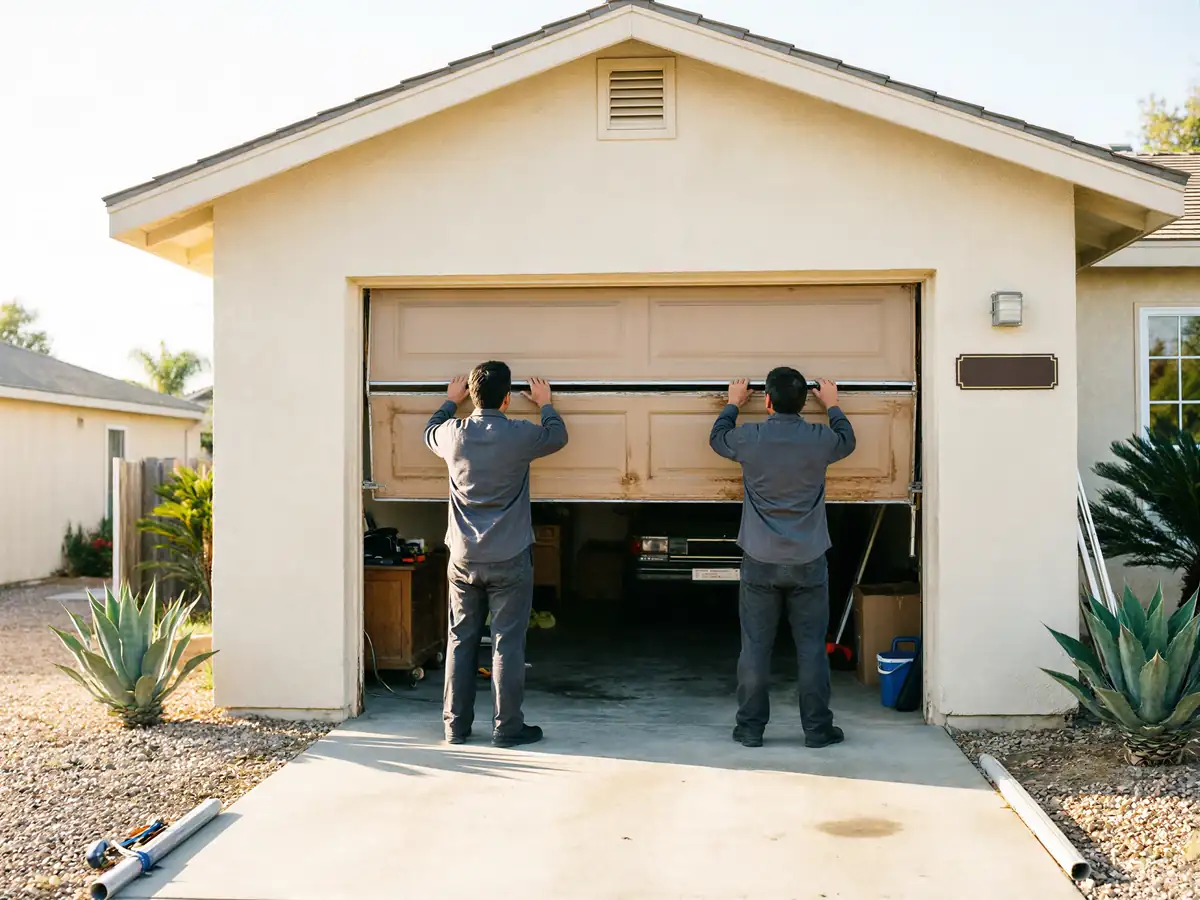
The usual sign is a door that's stuck - either it won't lift past a foot or two, or it came down hard and uneven on one side, with the cable visibly loose or hanging off the drum. Westmont's climate is mild, so we don't see the ice-related cable snaps that colder regions deal with; here it's almost always plain wear catching up with hardware that's been in place since the house was built. Sometimes it's slower: a cable starts to fray visibly, strands showing at the drum end, and the door gets noisier or harder to lift by hand before it finally lets go. If you hear a loud bang from the garage and the door won't move afterward, that's consistent with a cable or spring failure - either way, it's not something to push through.