How We Fix It
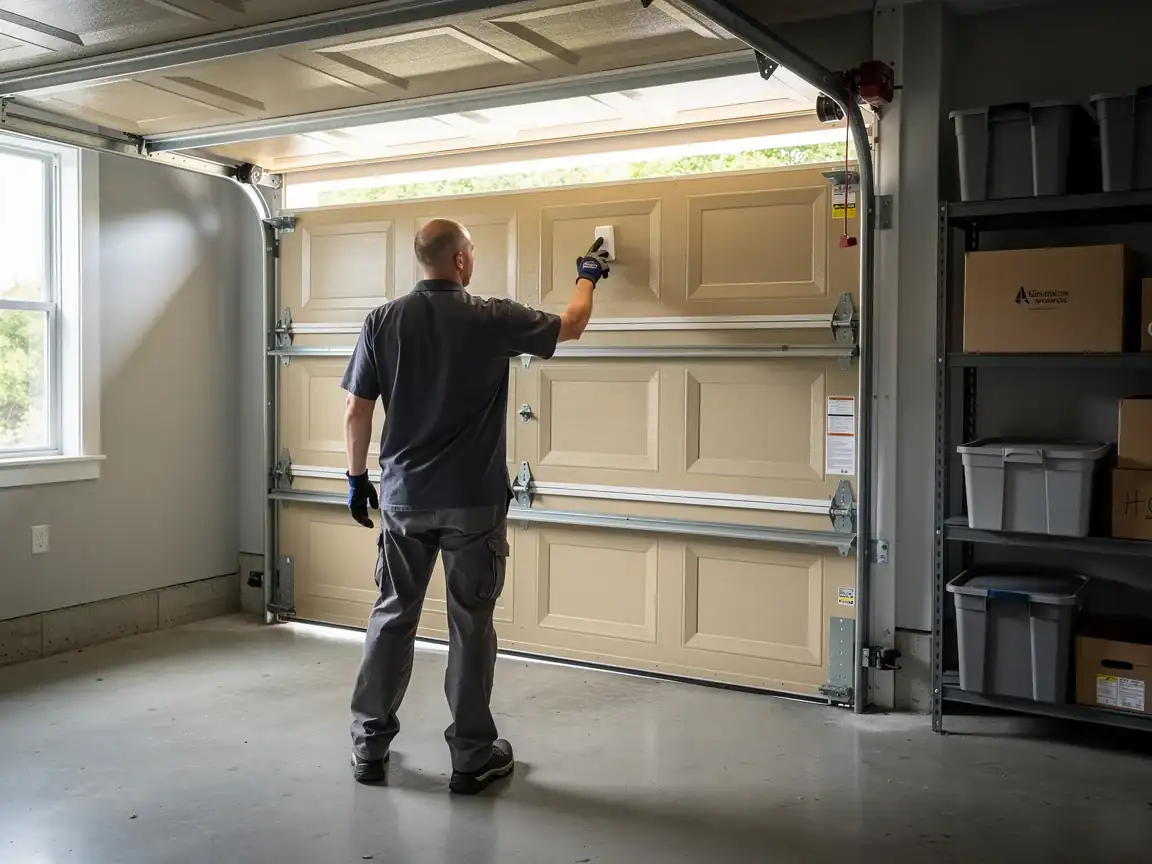
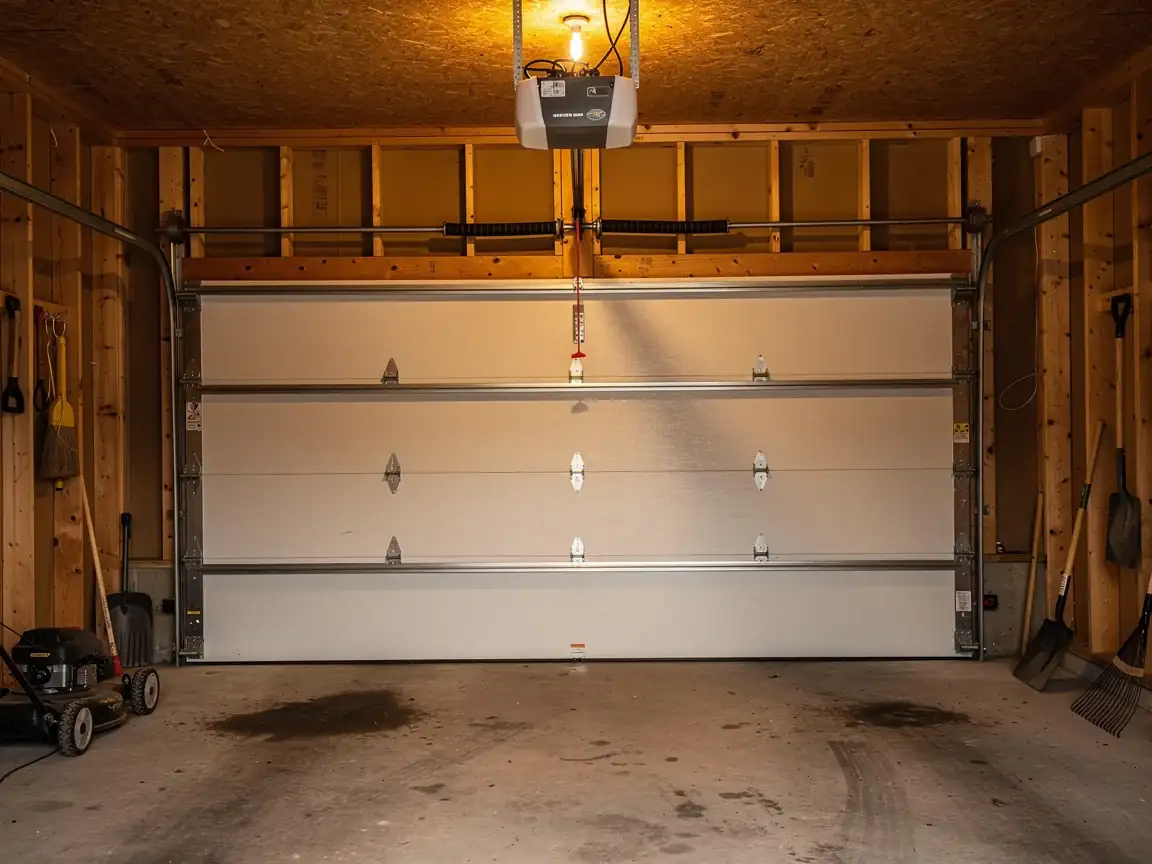
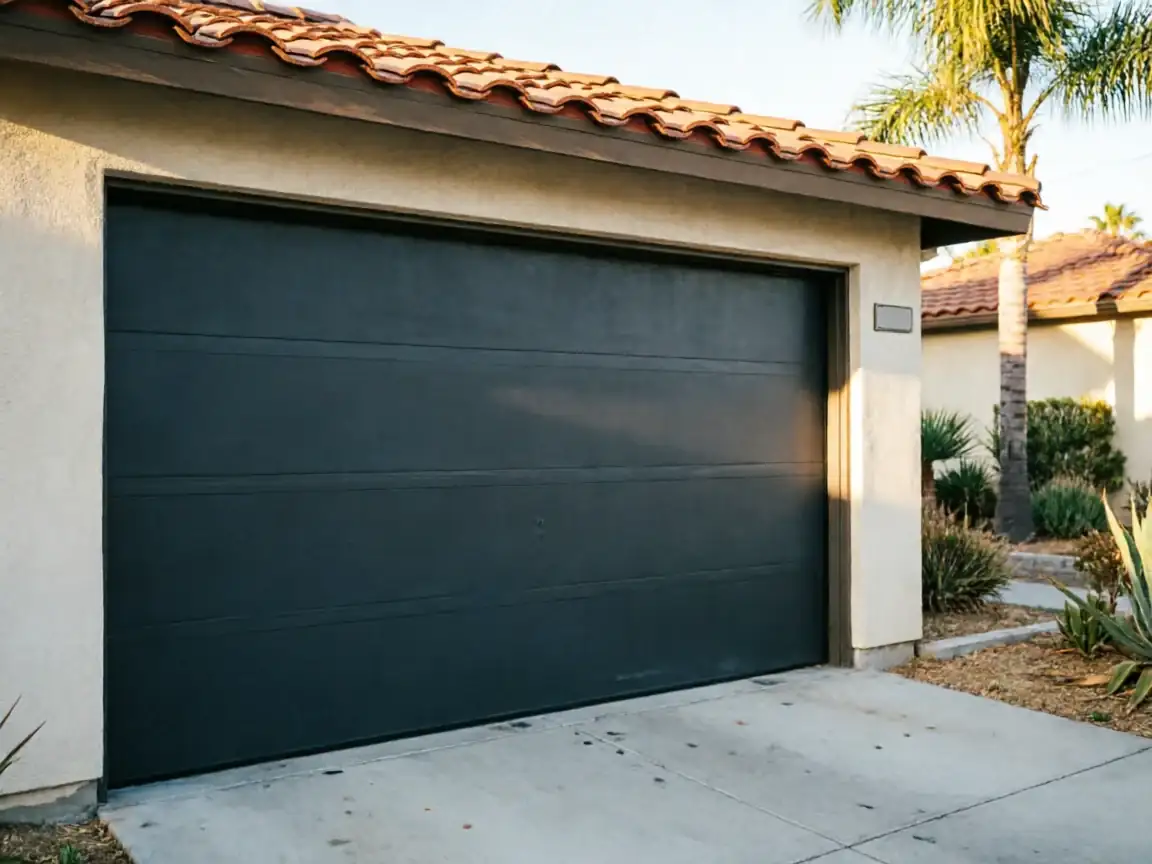
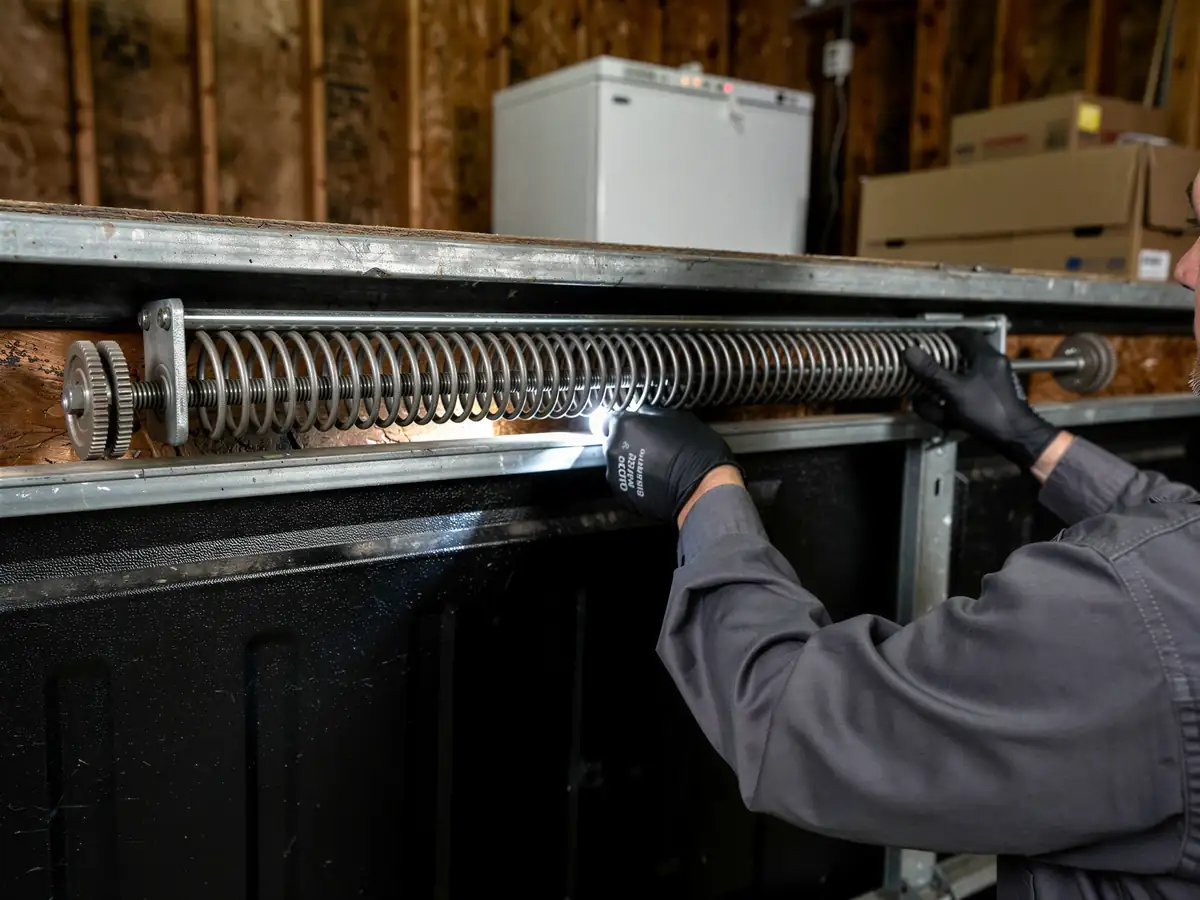
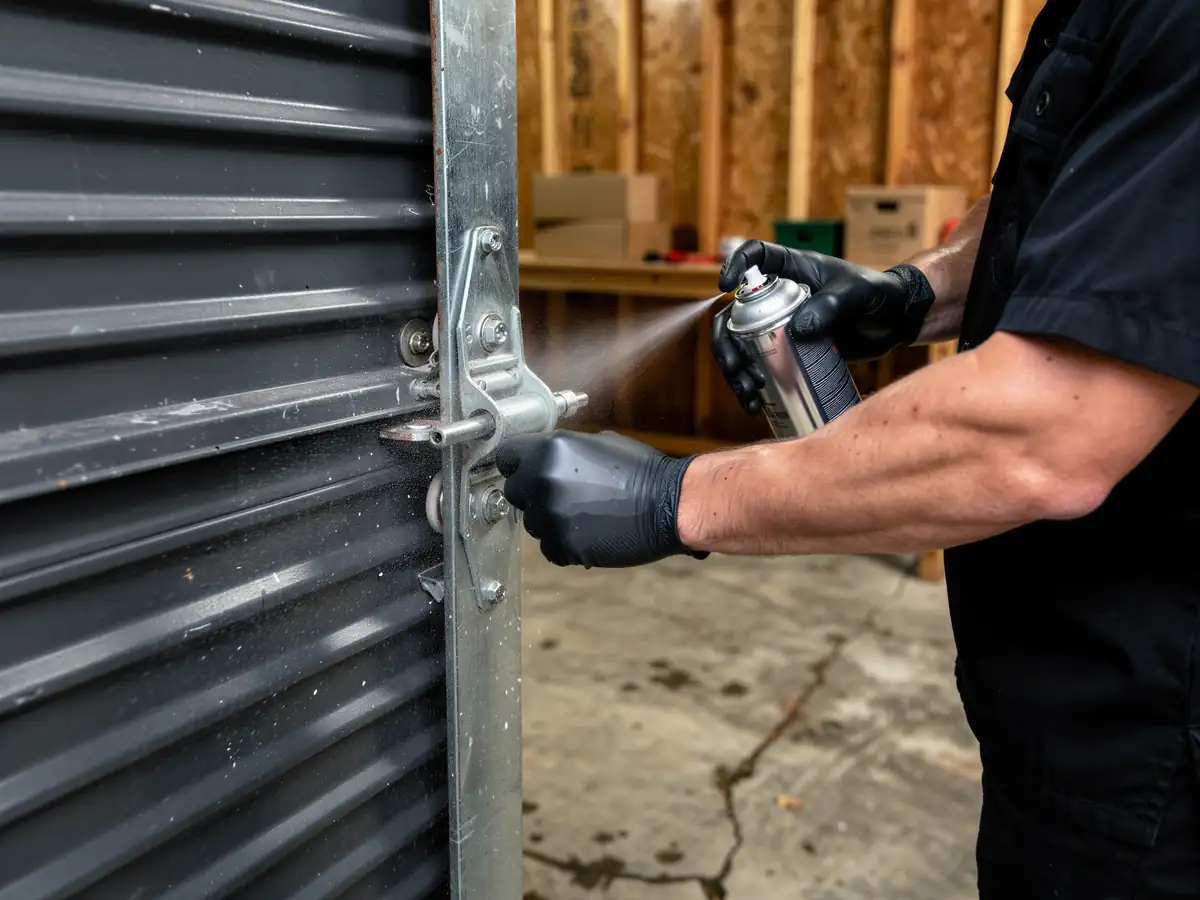
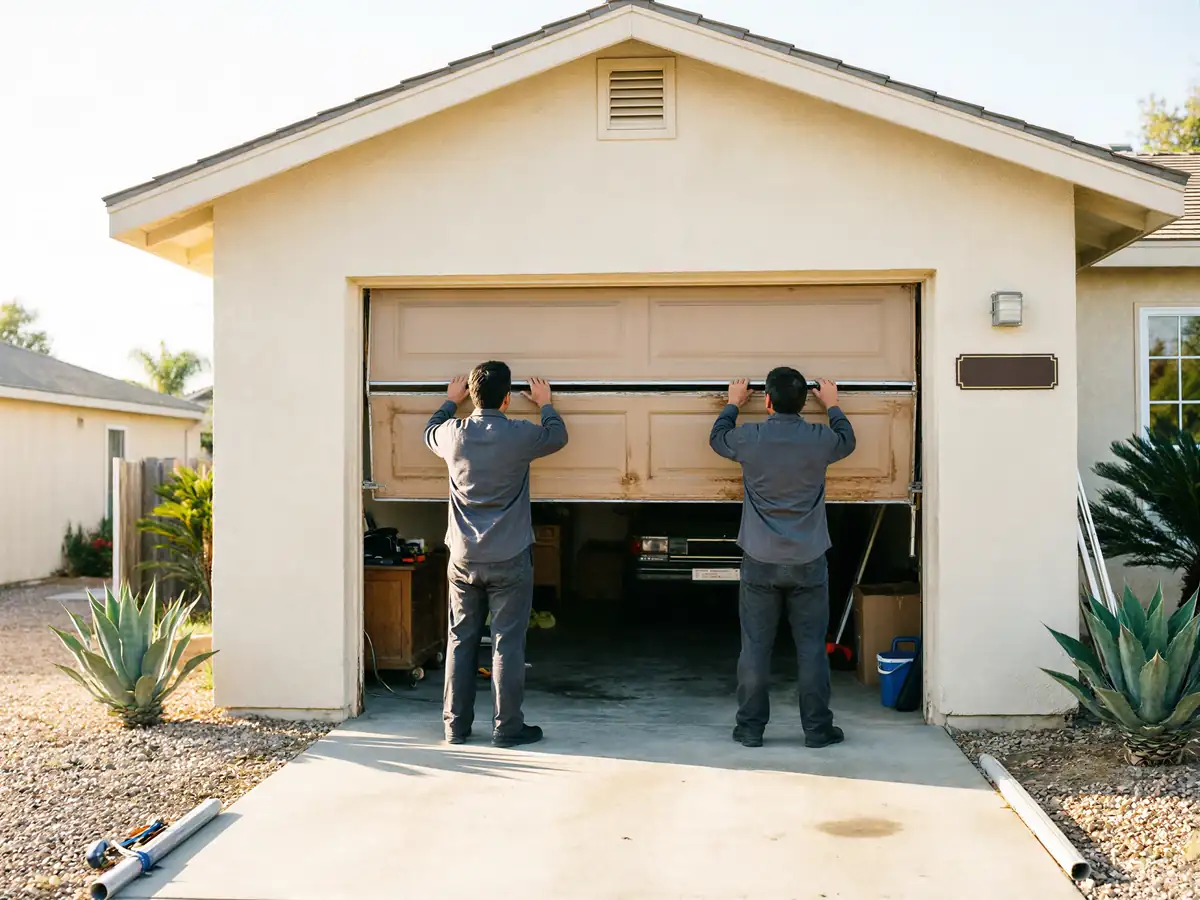
The fault we see most in Westmont is a door and opener combo that's simply aged out - not broken in one dramatic way, but worn down everywhere at once. Springs that have stretched past their wind count, rollers grooved into the track, a panel skin that's delaminating at the seams. Replacement, not patchwork, is usually the honest call once you're three or four failures deep.
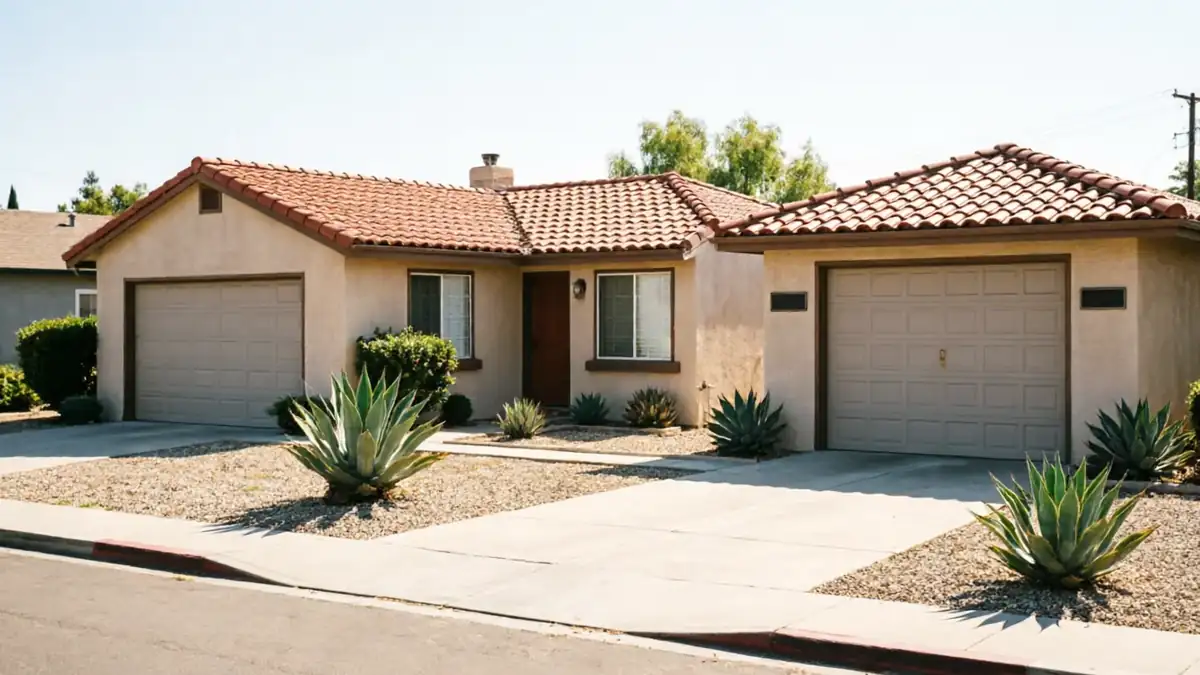
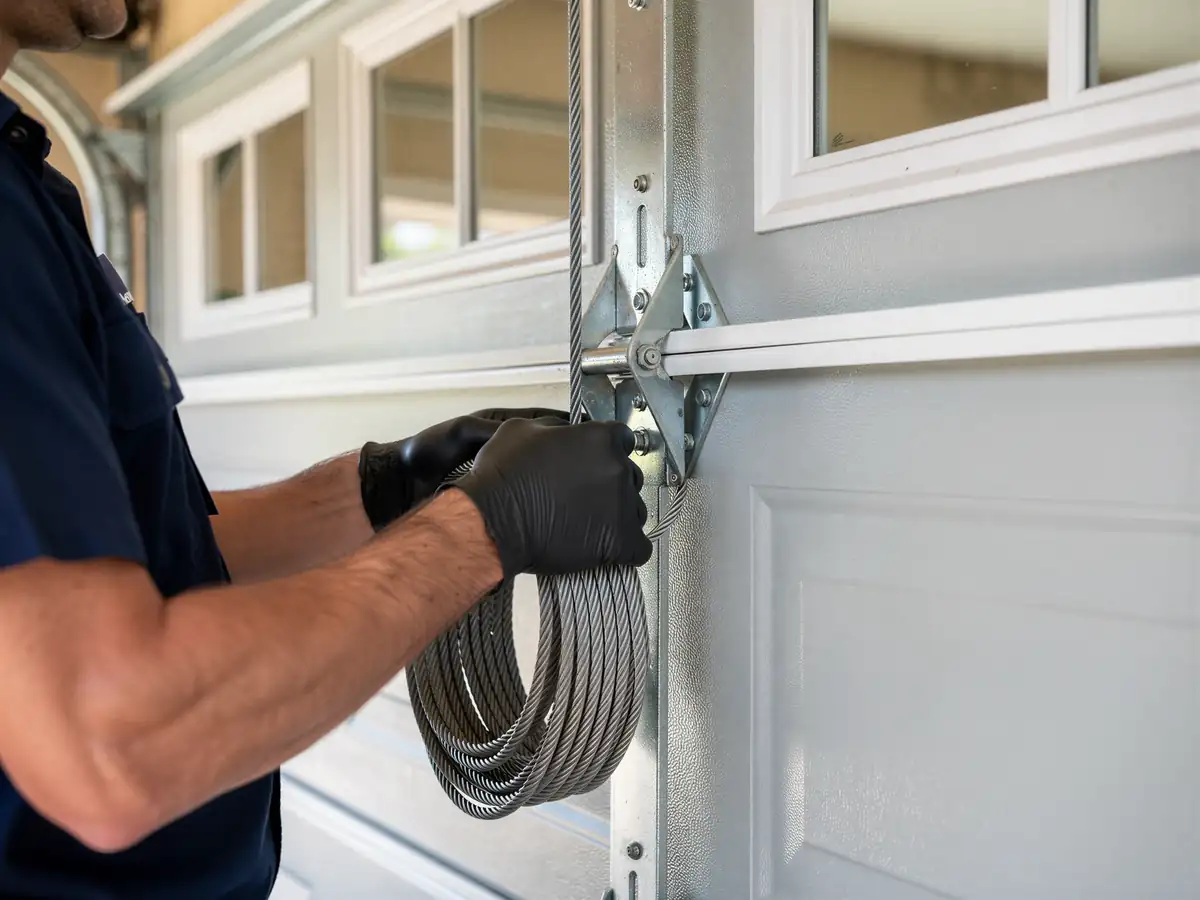
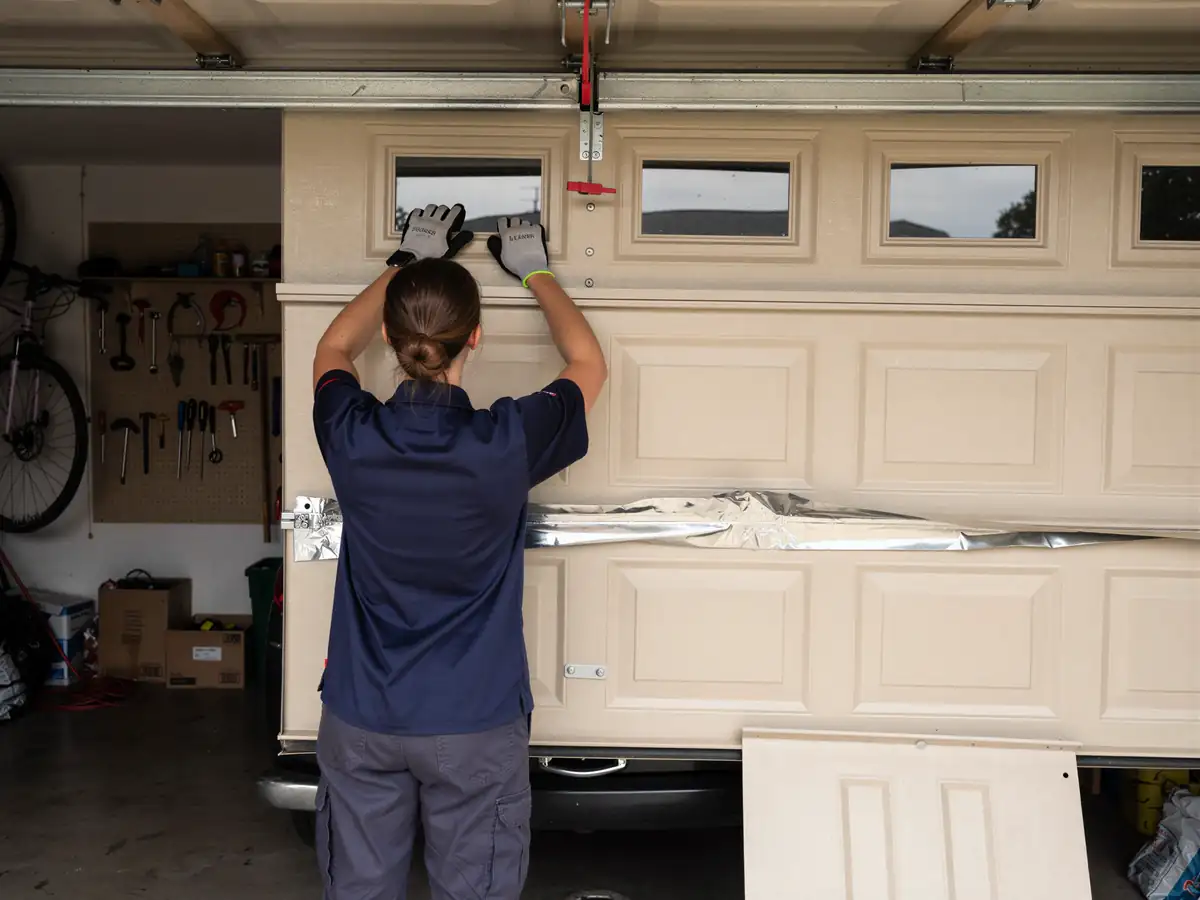
That pattern traces straight back to when these houses went up. Most of Westmont was built around 1958, a touch earlier than the wider service area's median of 1961, which means a lot of garages still carry original single-layer steel doors on torsion springs sized for openers that nobody manufactures anymore. We bring current hardware that fits the same rough opening but runs on parts we can actually restock. We don't try to rebuild a 1958 door back to spec - once the frame's flexing or the track mounts are pulled loose from the jamb, a new door is the cheaper fix over five years, even if it's pricier today.
The DIY Question
A lot of homeowners can swap a roller or tighten a hinge
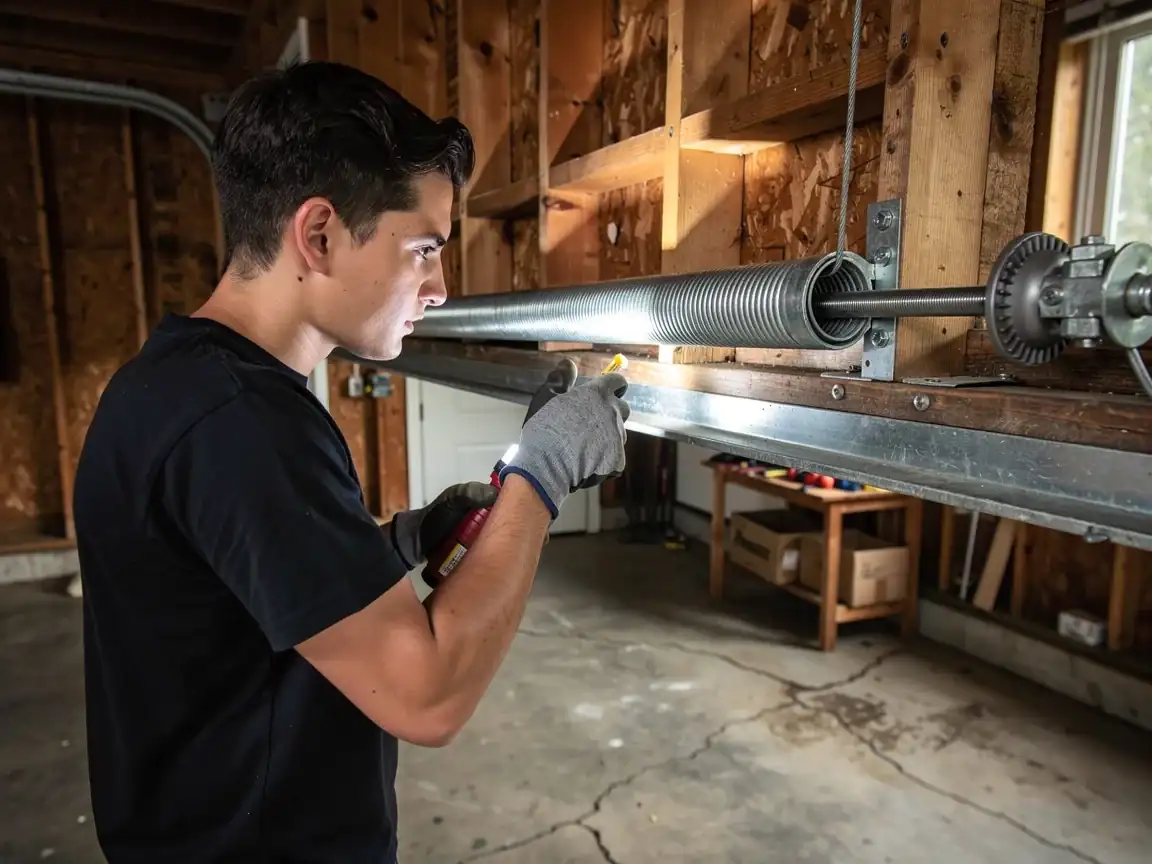
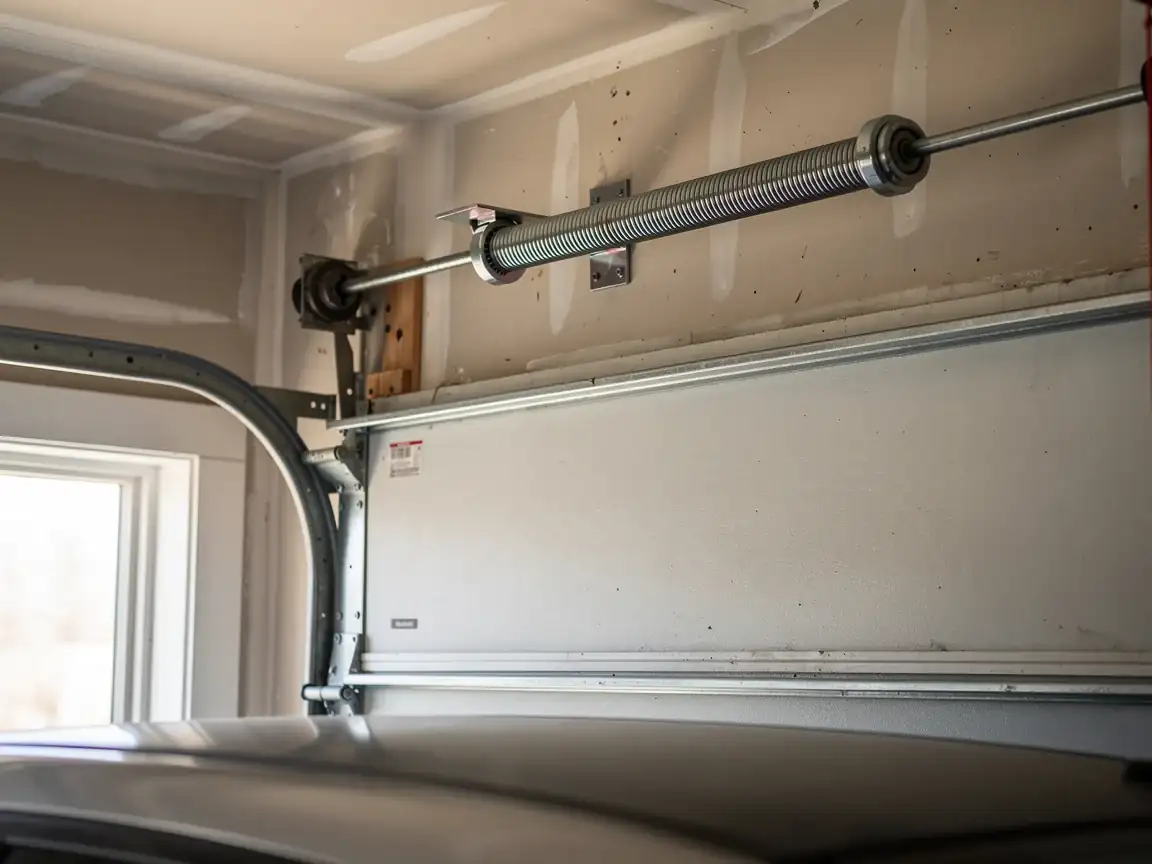
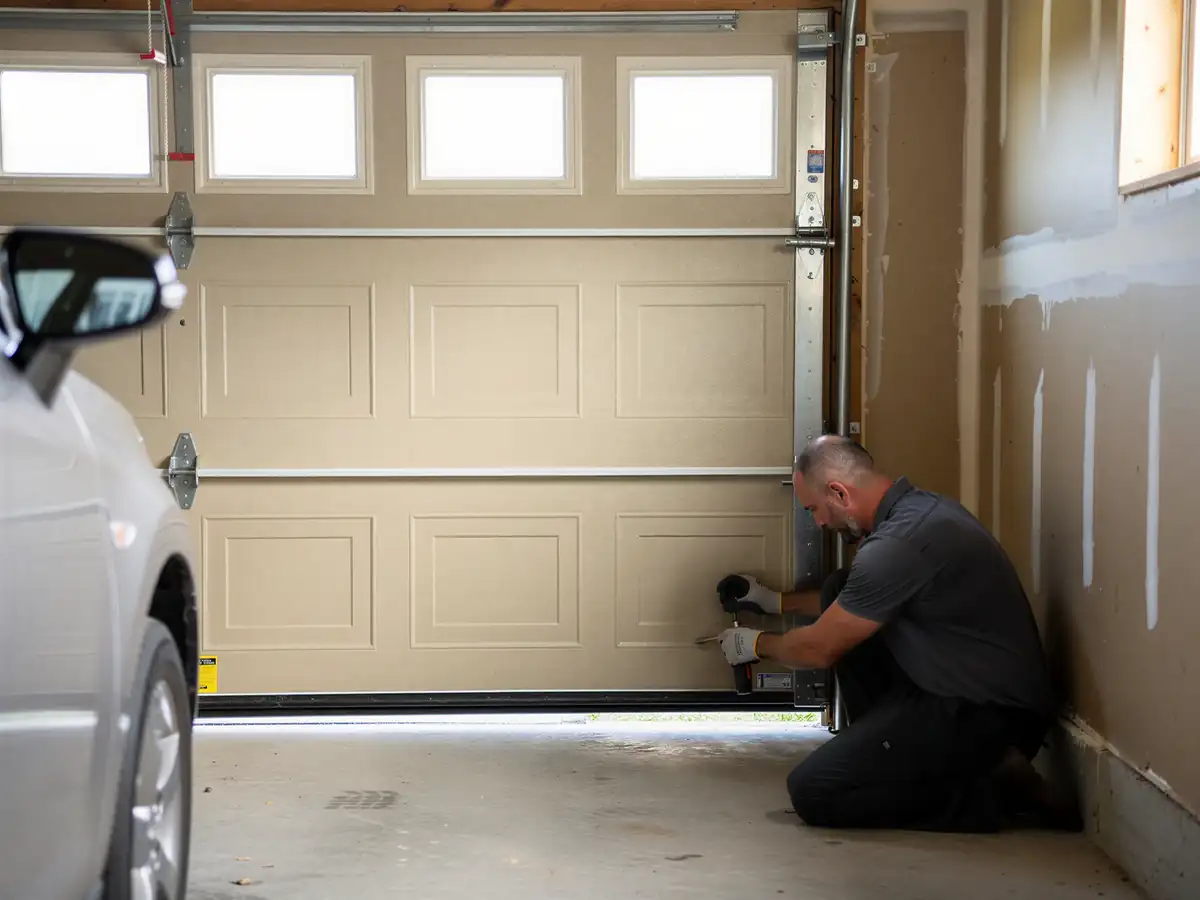
Nobody should be unwinding or installing a torsion spring themselves - the stored tension in a spring sized for a 1958-era door is enough to break a hand or worse, and we're not going to pretend otherwise.
Where Westmont's income median runs lower than the broader service area
We also see more owners asking if they can save money by buying a door online and having us just hang it. That's doable for some setups, but custom sizing on older openings often means the stock panel doesn't fit the track without rework, and we'll tell you that up front rather than force it. If the opening's out of square, a flat-pack kit door is the wrong tool.
Getting It Booked In
We run this job out of our Inglewood shop, and Westmont sits about 3 miles out, so getting someone to measure your opening doesn't mean a half-day wait or a special trip charge tacked on. See our Westmont coverage page for what's included on a visit.
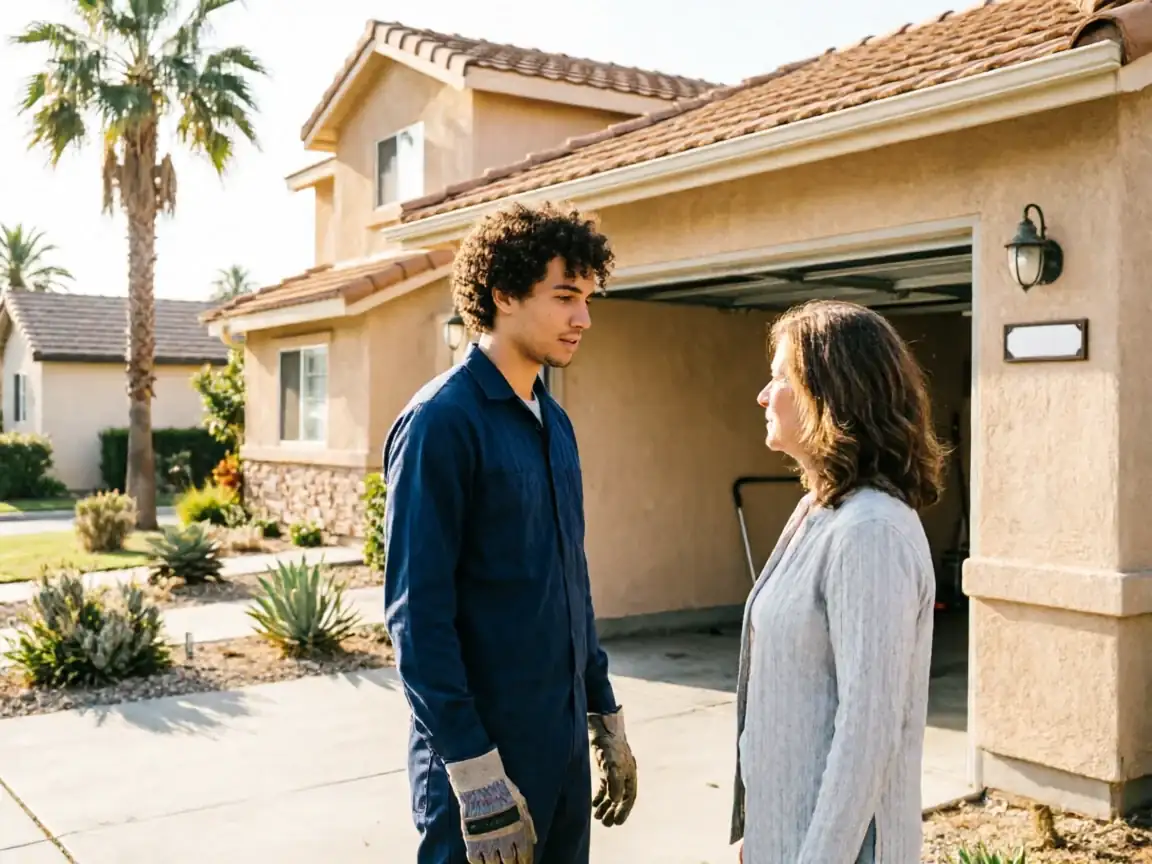
We'll want to know the age of your current door if you have it, whether the opener still works, and whether the garage is attached or detached - that changes the hardware we bring. If you're also weighing other work on the house, our main Inglewood installation page covers the full range of what we install, separate from this Westmont-specific job.
Where This Job Goes Sideways
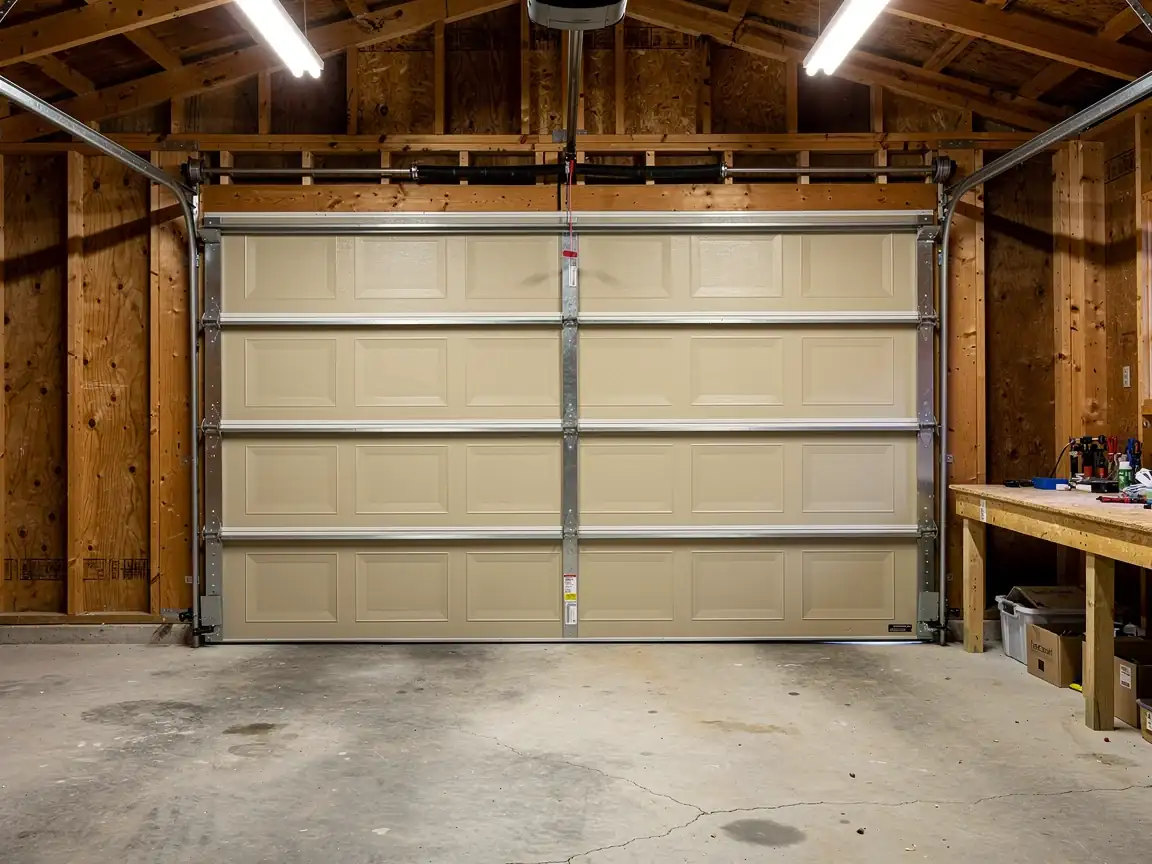
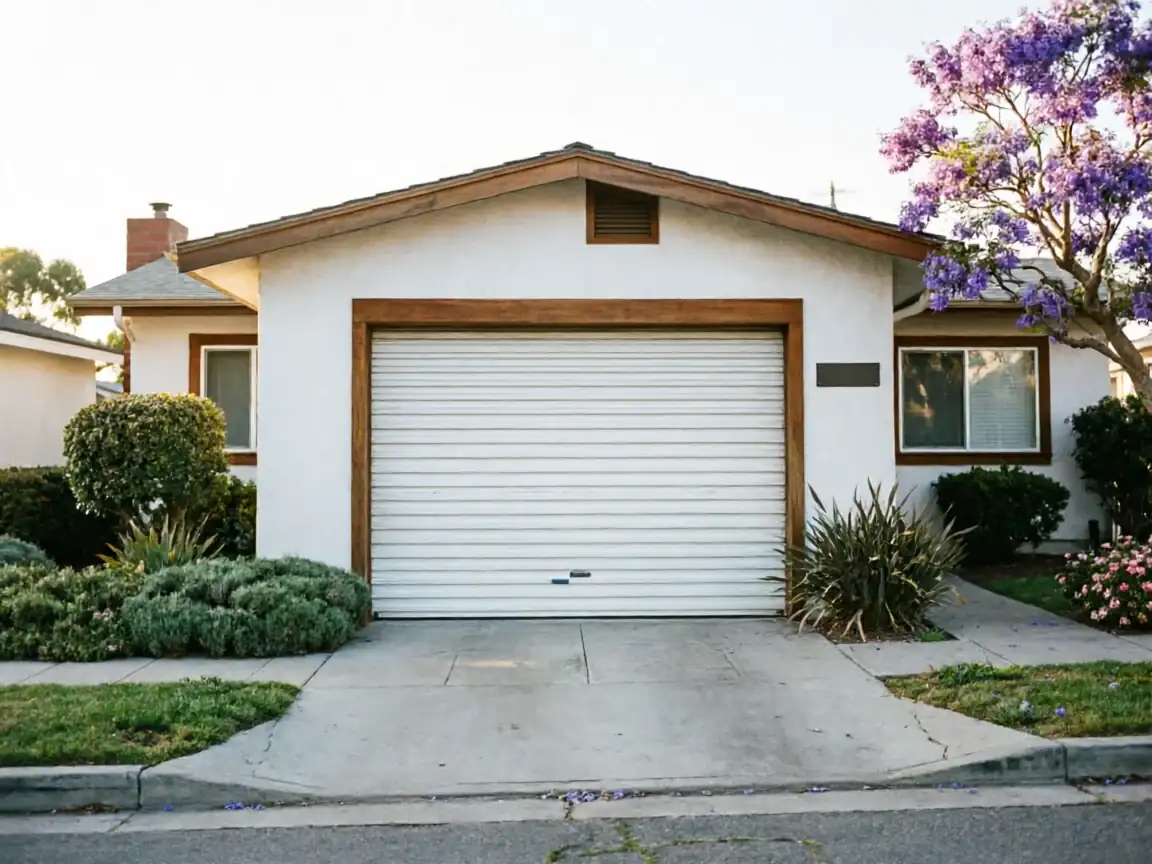
The usual surprise on a 1958-built garage is the jamb itself. Decades of minor settling can leave the opening slightly out of square, which a new door will show up immediately if we don't shim and re-square the track mounts first. Skip that step and you get a door that binds on one side within a year.
The other snag is headroom. A lot of Westmont garages were framed with just enough clearance for the old low-profile torsion setup, and a newer opener with a standard spring system sometimes needs more room than the original. We check that before we quote, not after the door's already on the truck.
How It Shows Up
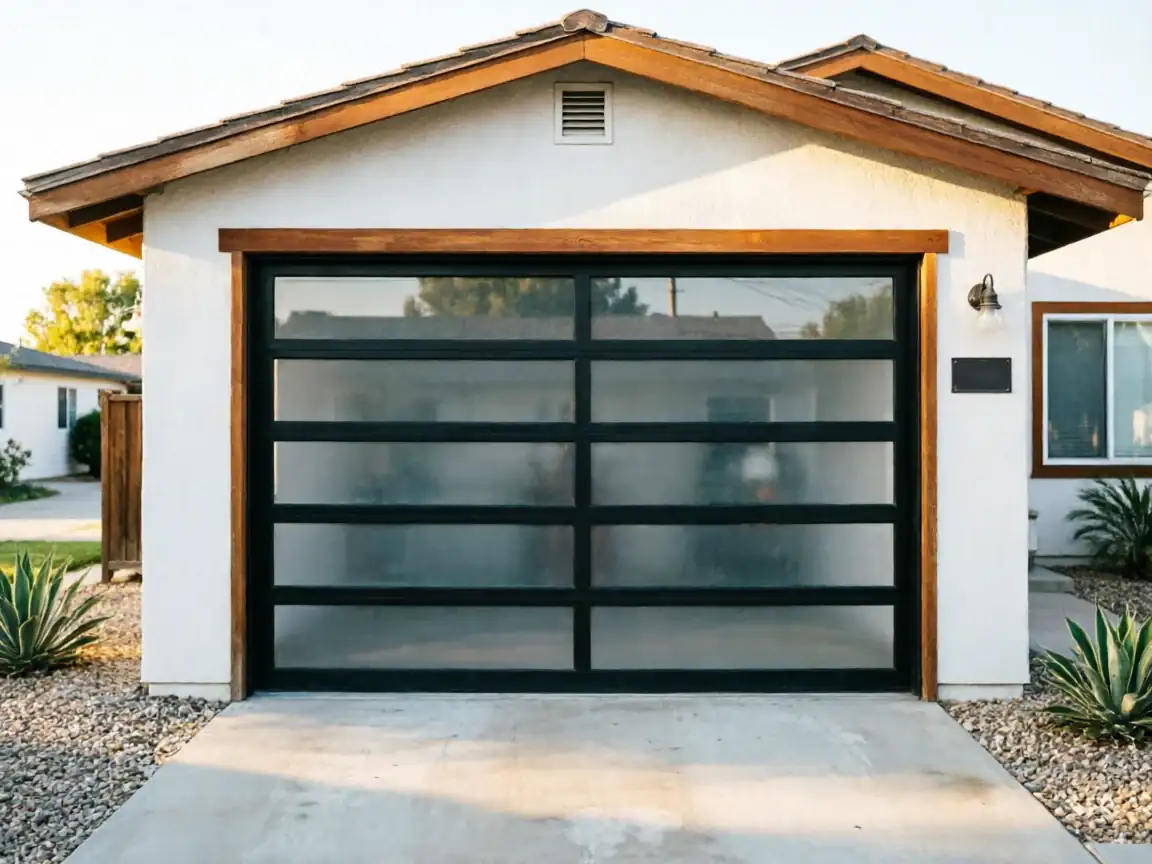
Given the median household income here, $47,899 against the wider service area's $93,882, most of our Westmont installs lean toward solid steel doors with basic insulation rather than the heavier insulated or custom wood-overlay options we quote elsewhere in the service area. That's not a compromise - a well-built steel door on a house this age does the job the original was meant to do, just with current springs, rollers, and a track that won't need touching again for years. We'll still walk you through upgrades if you want them; we just don't push them where they don't make sense for the house.